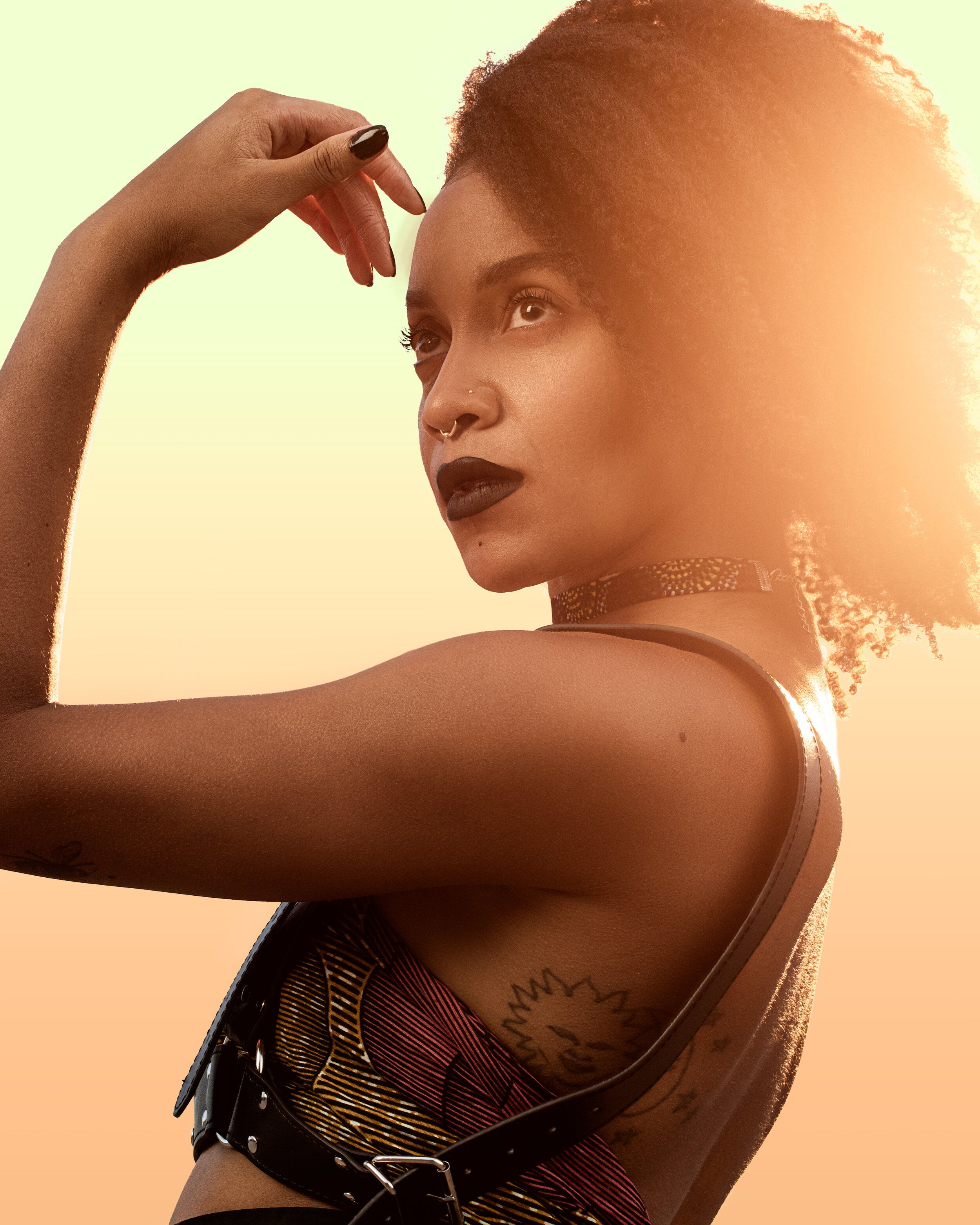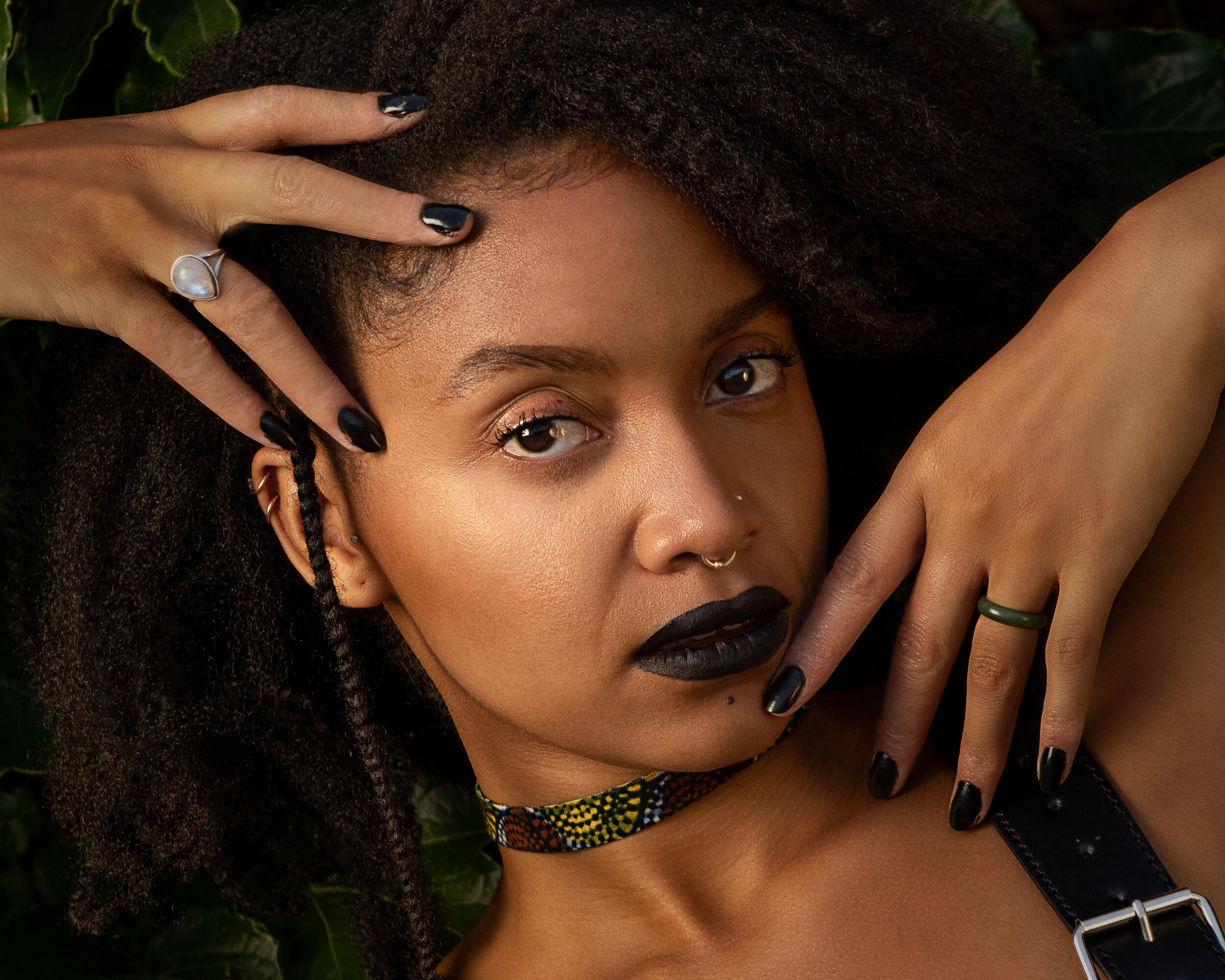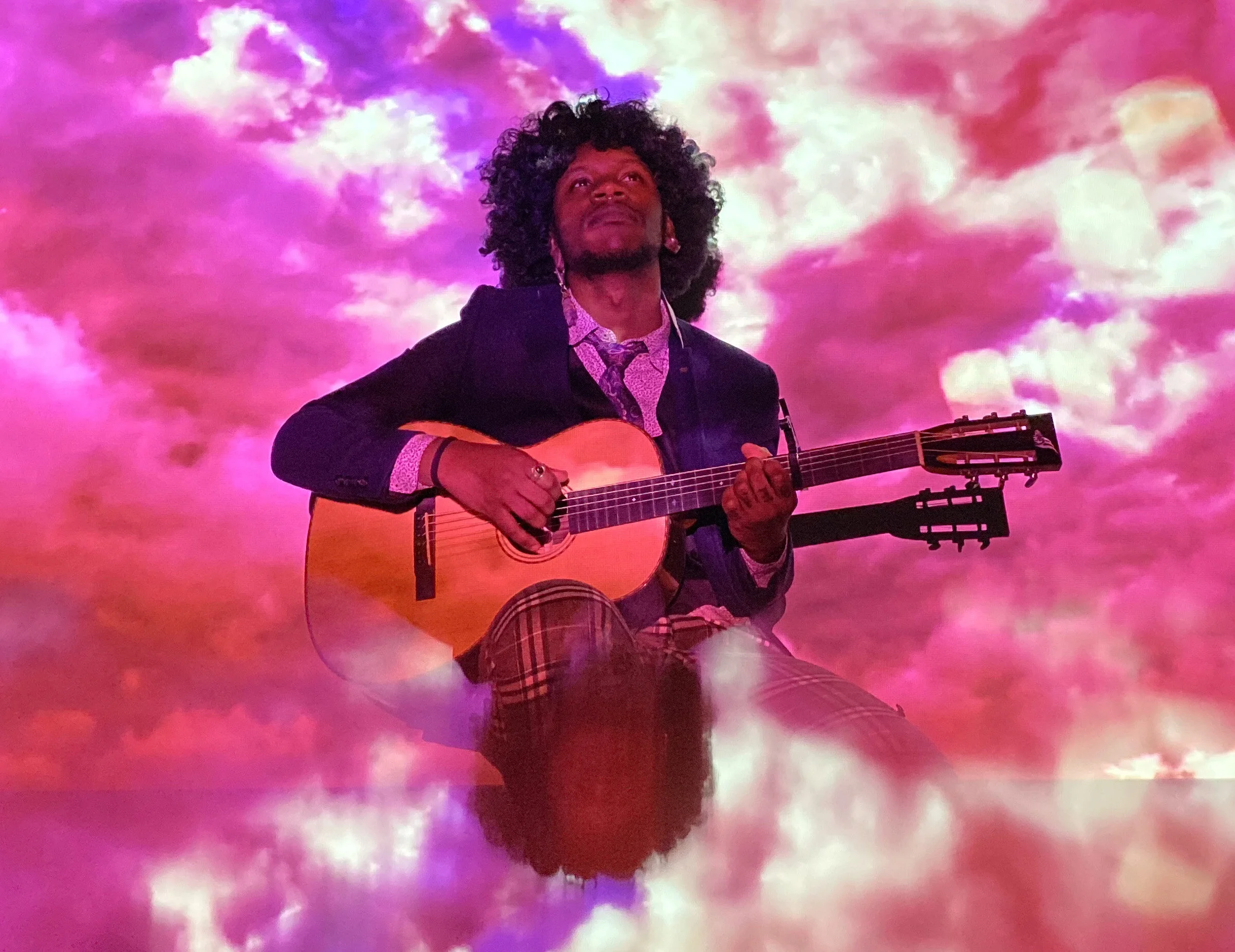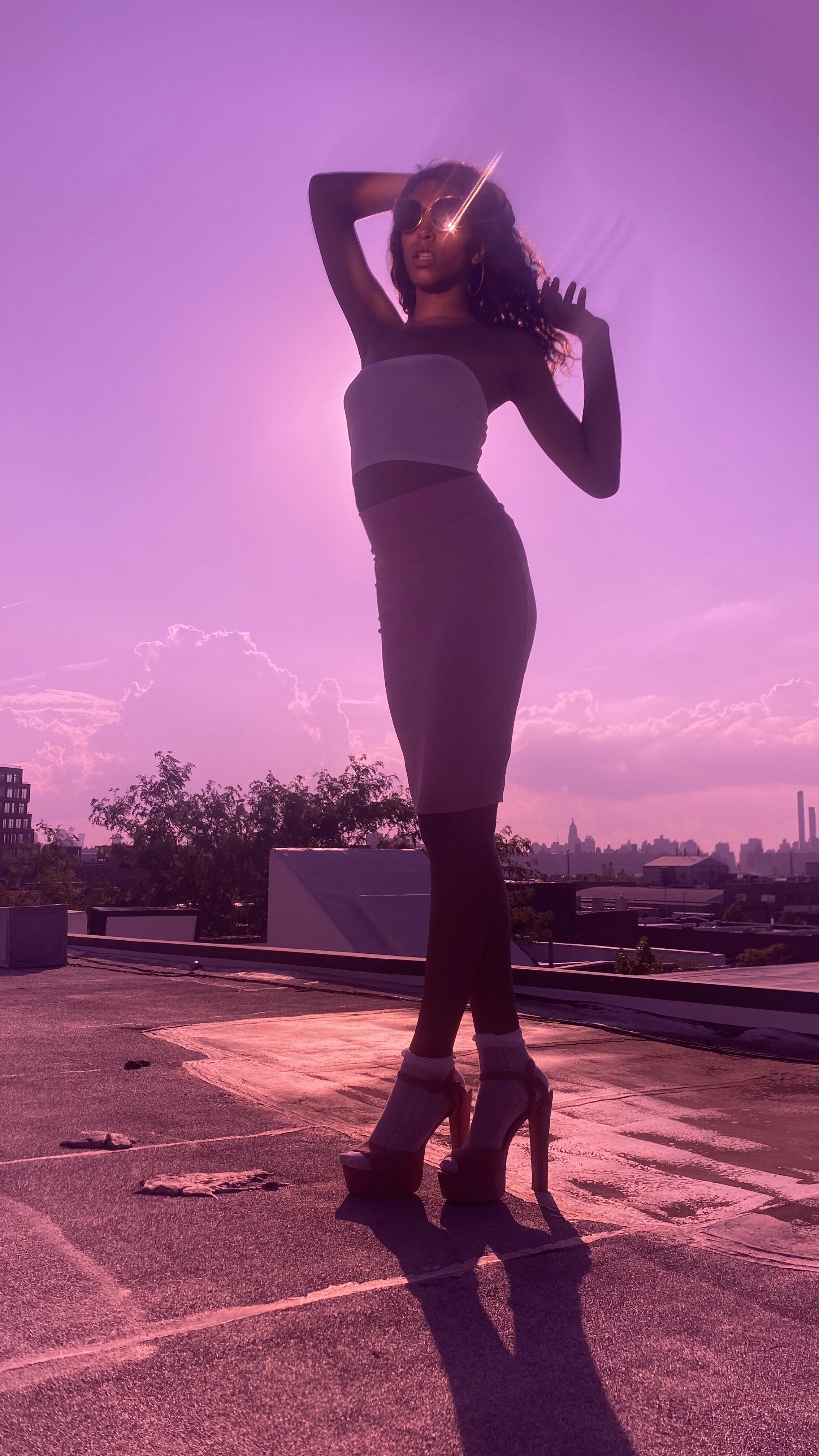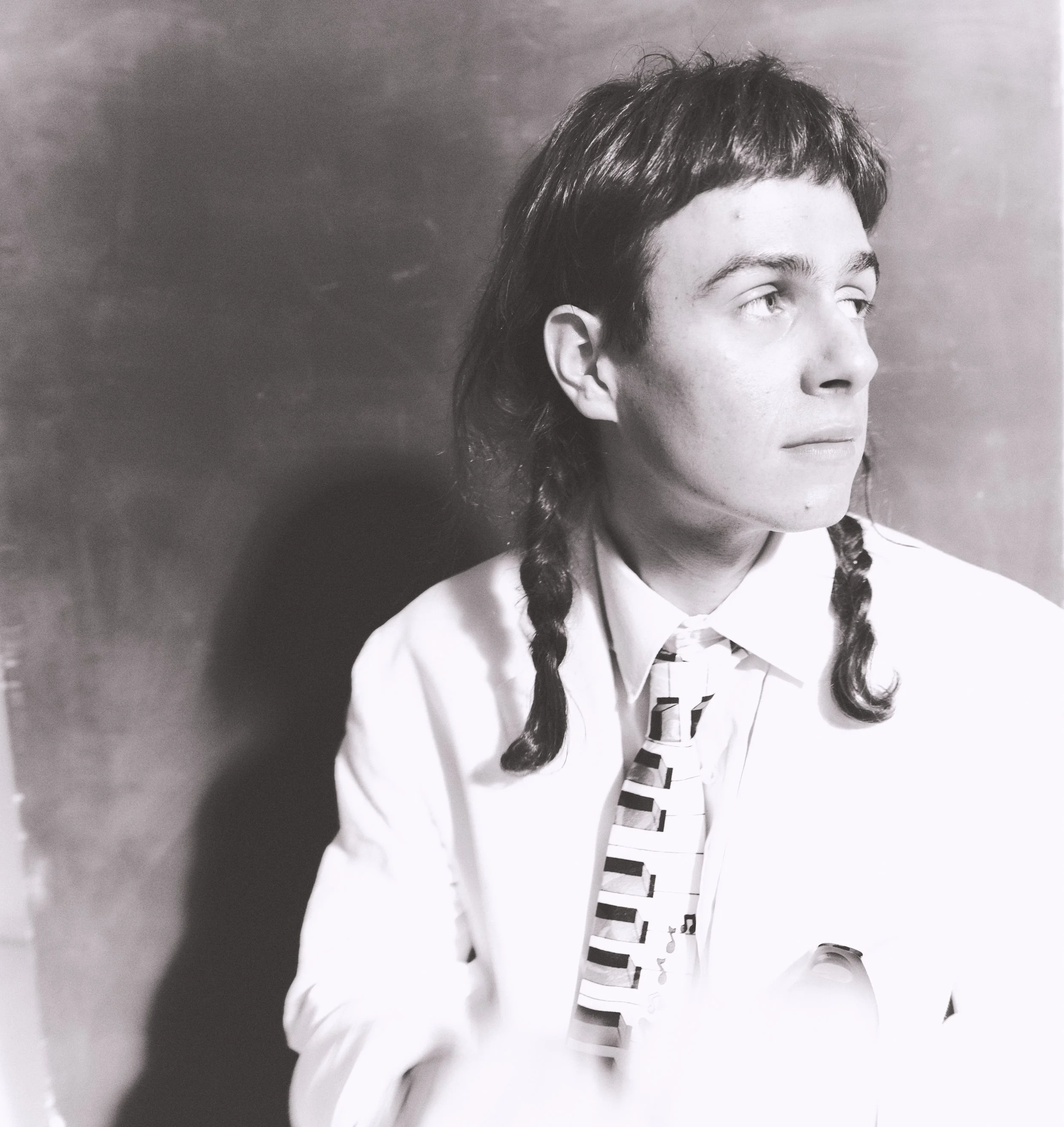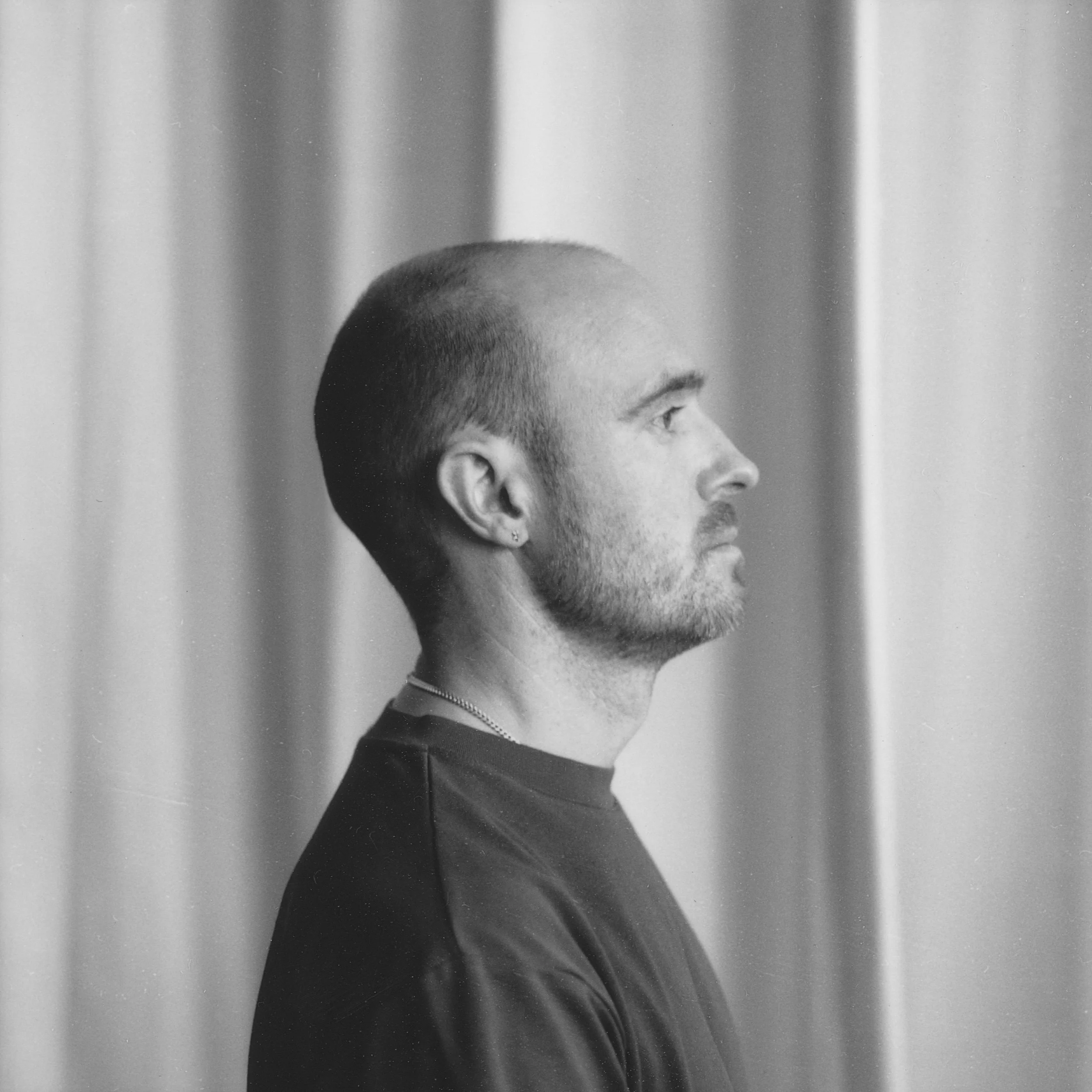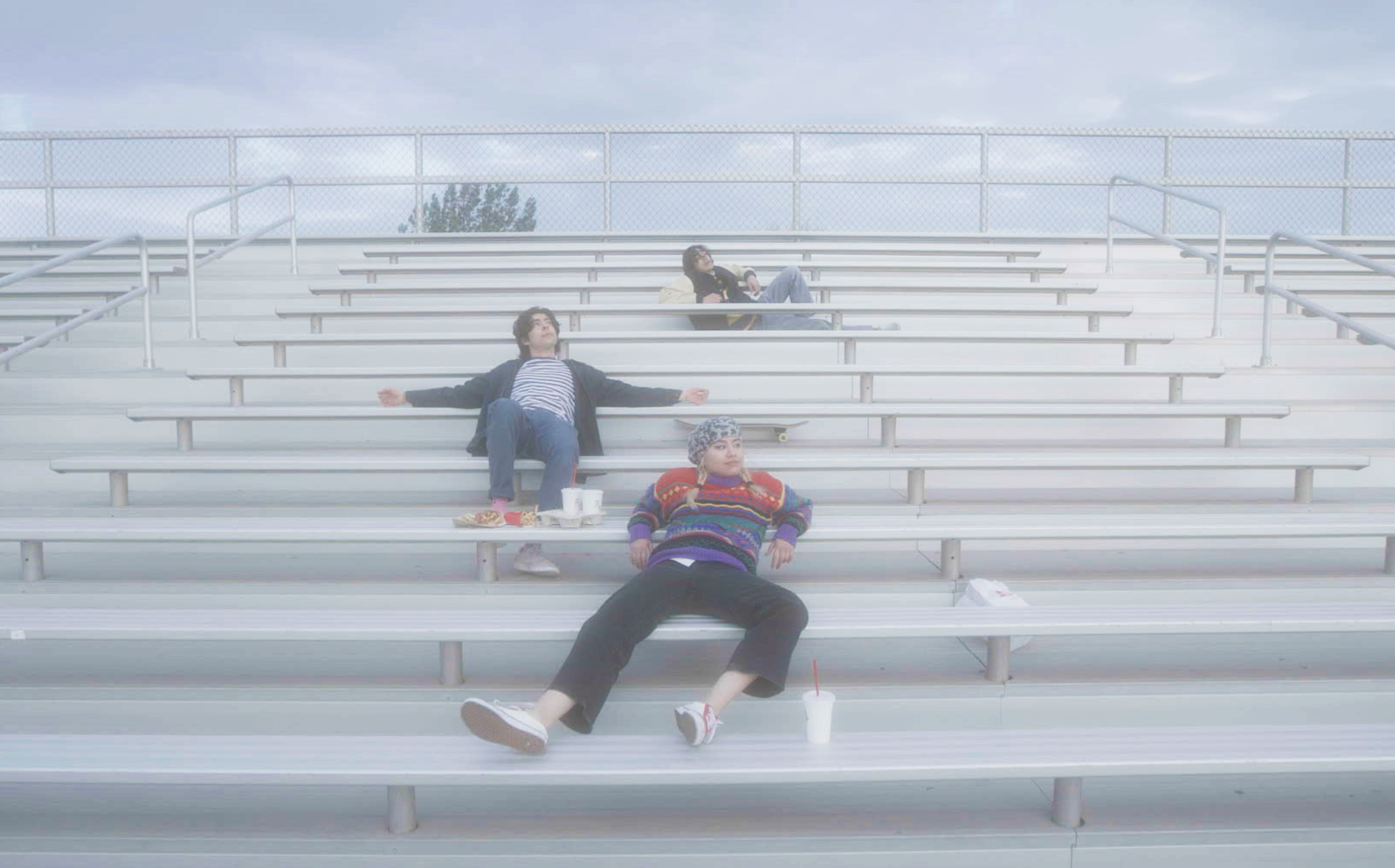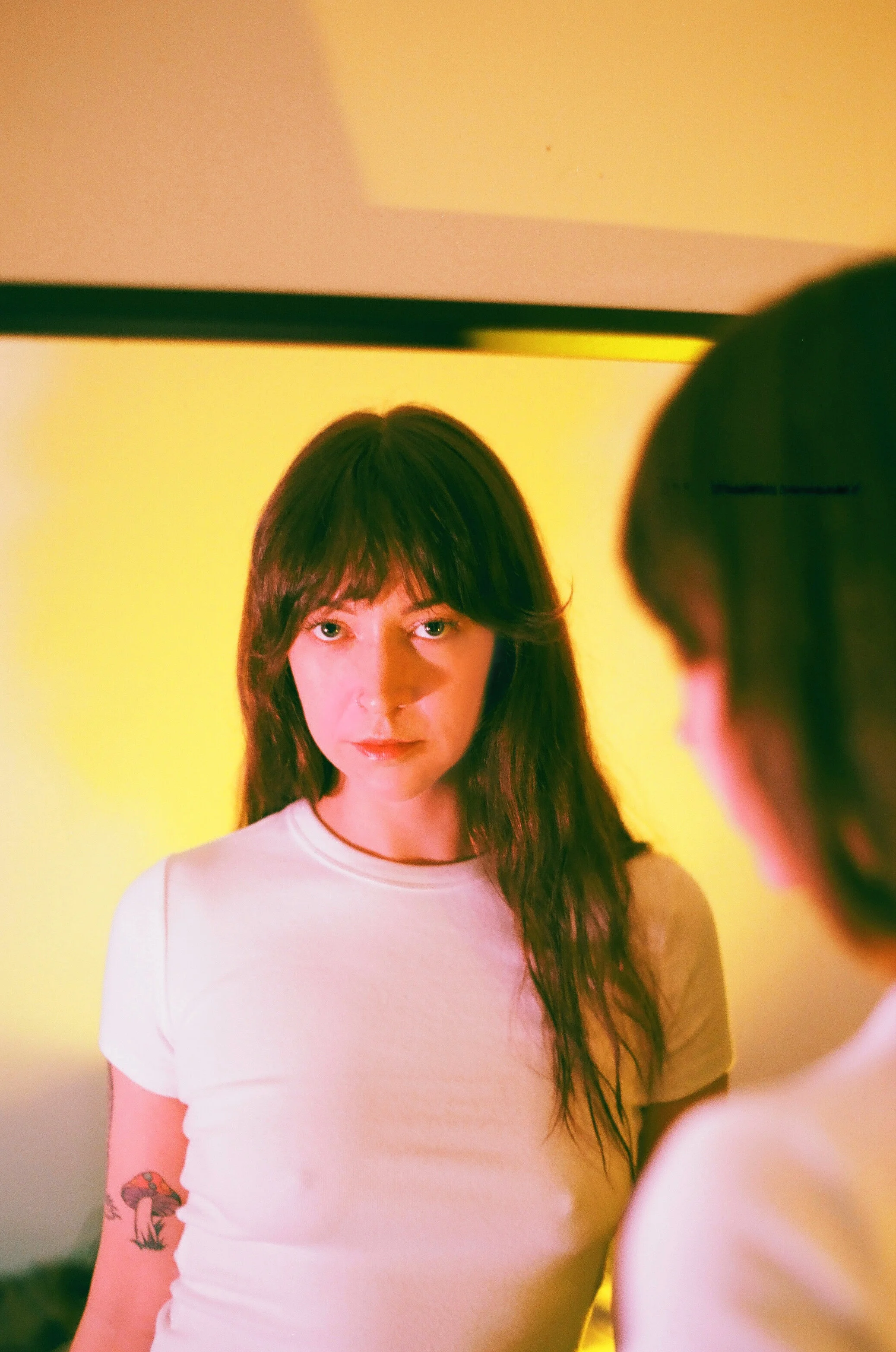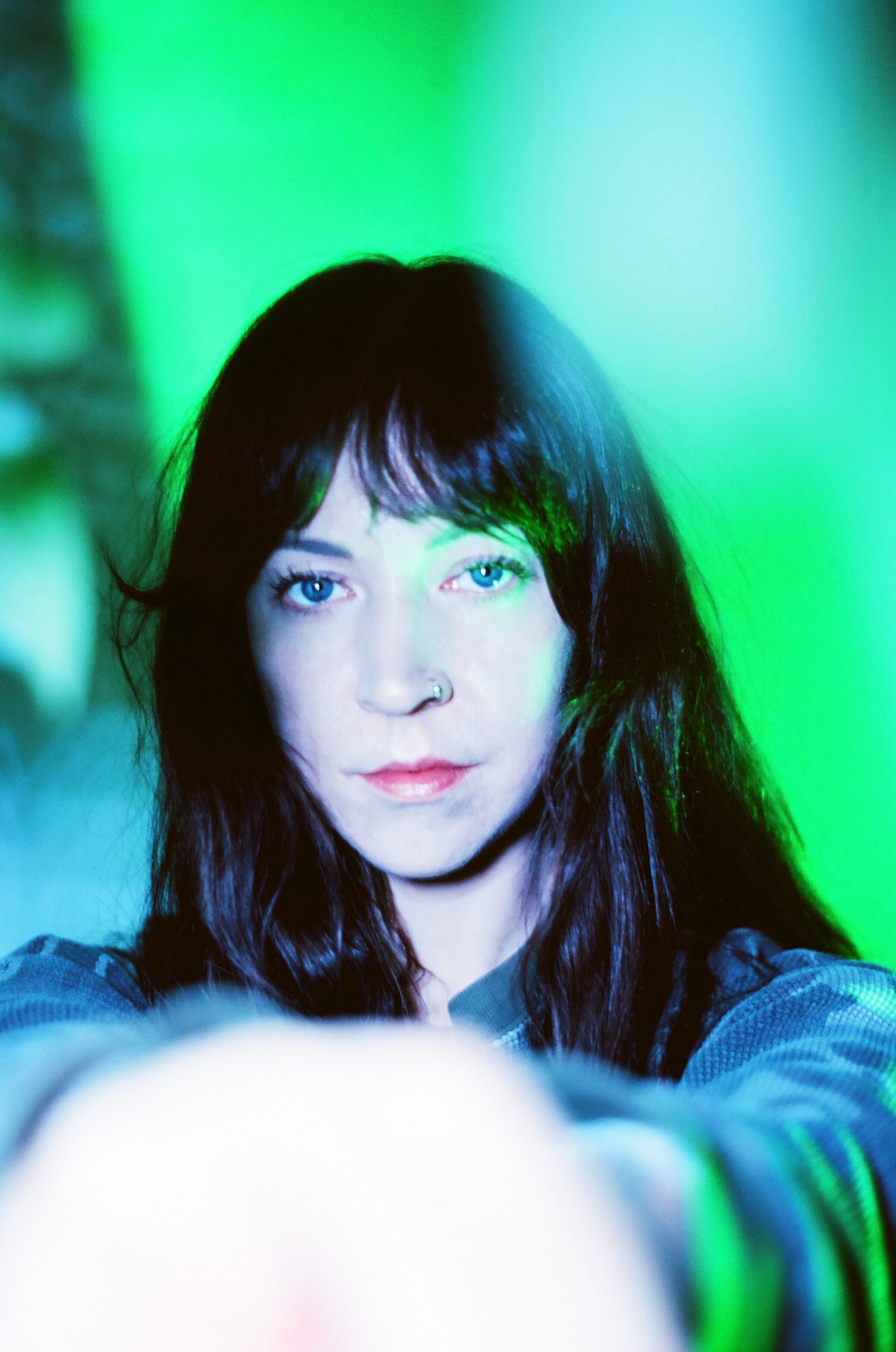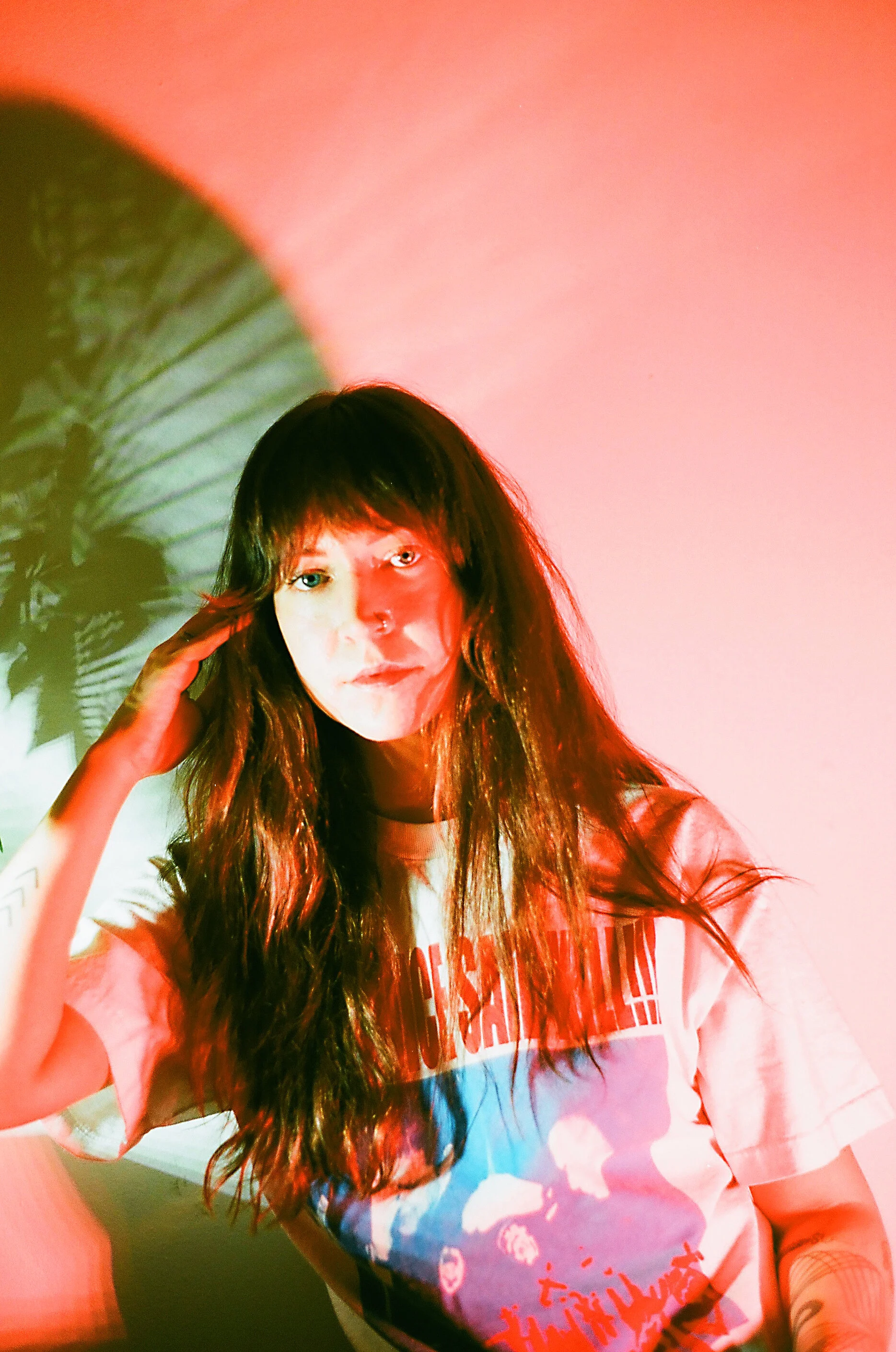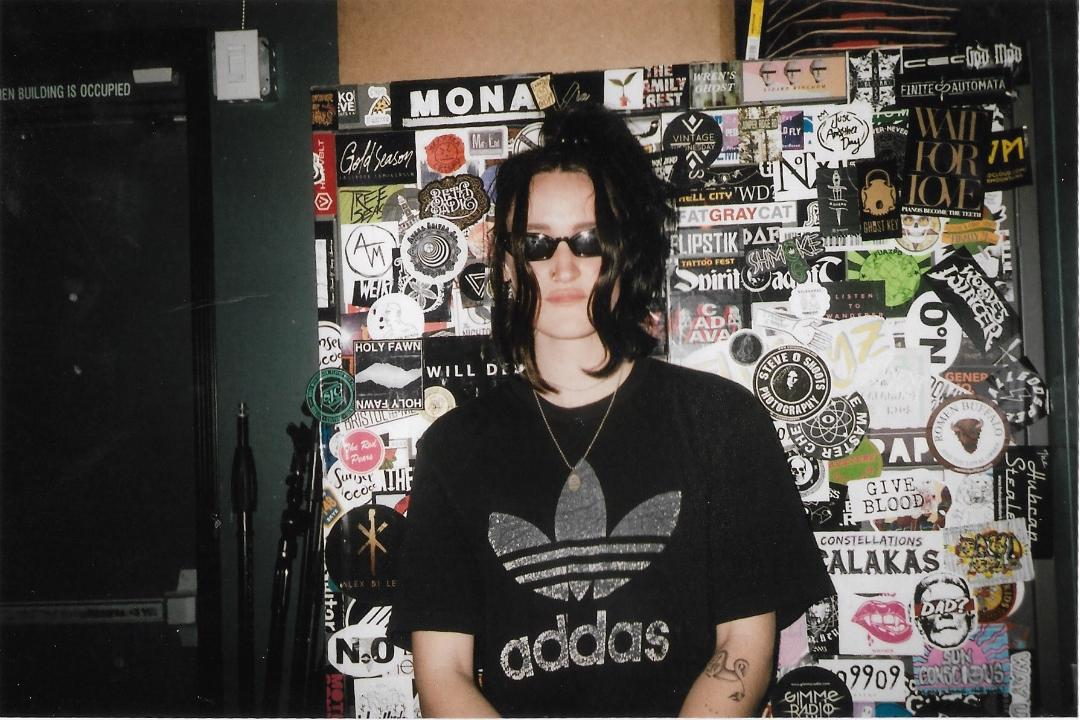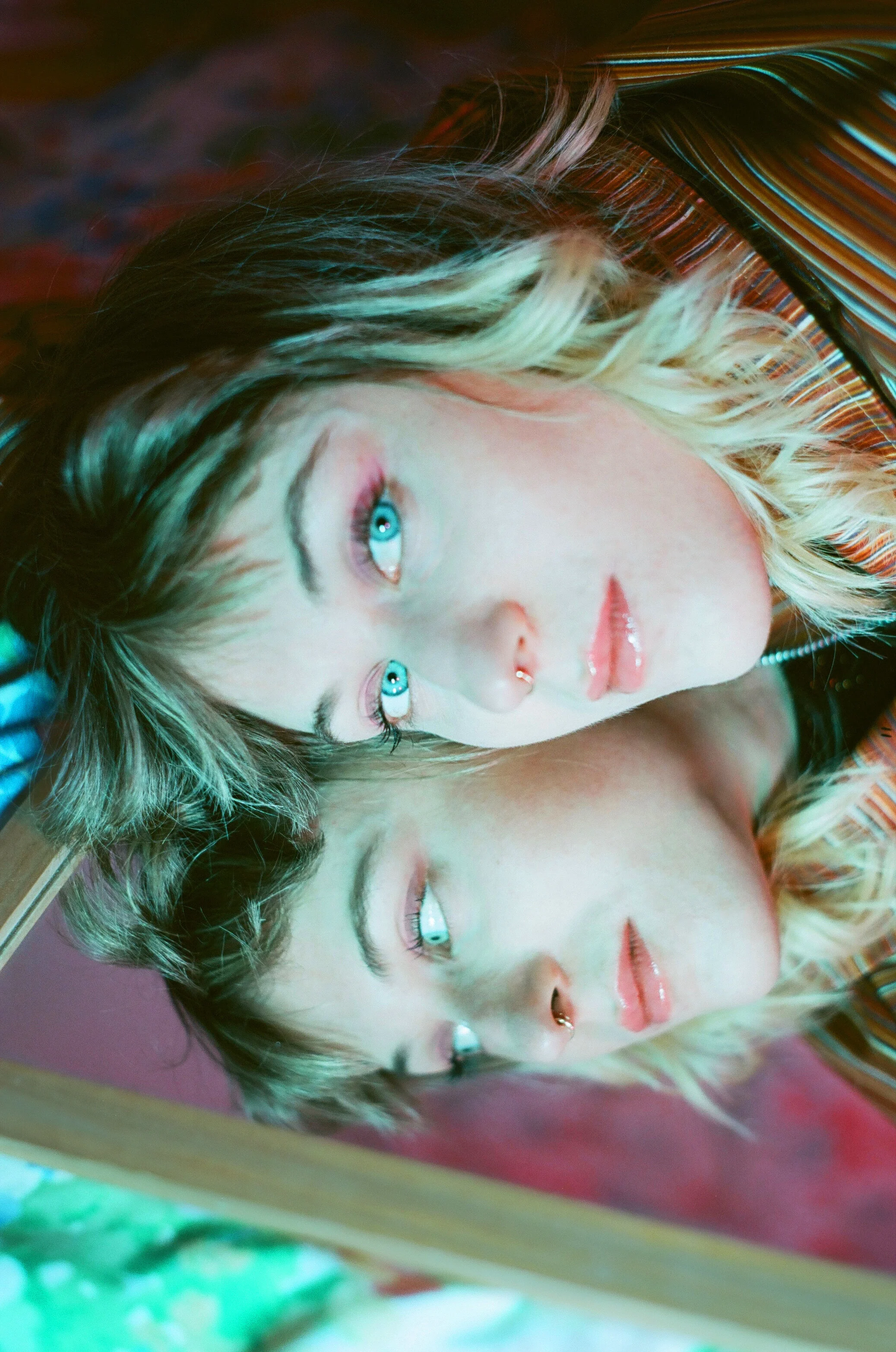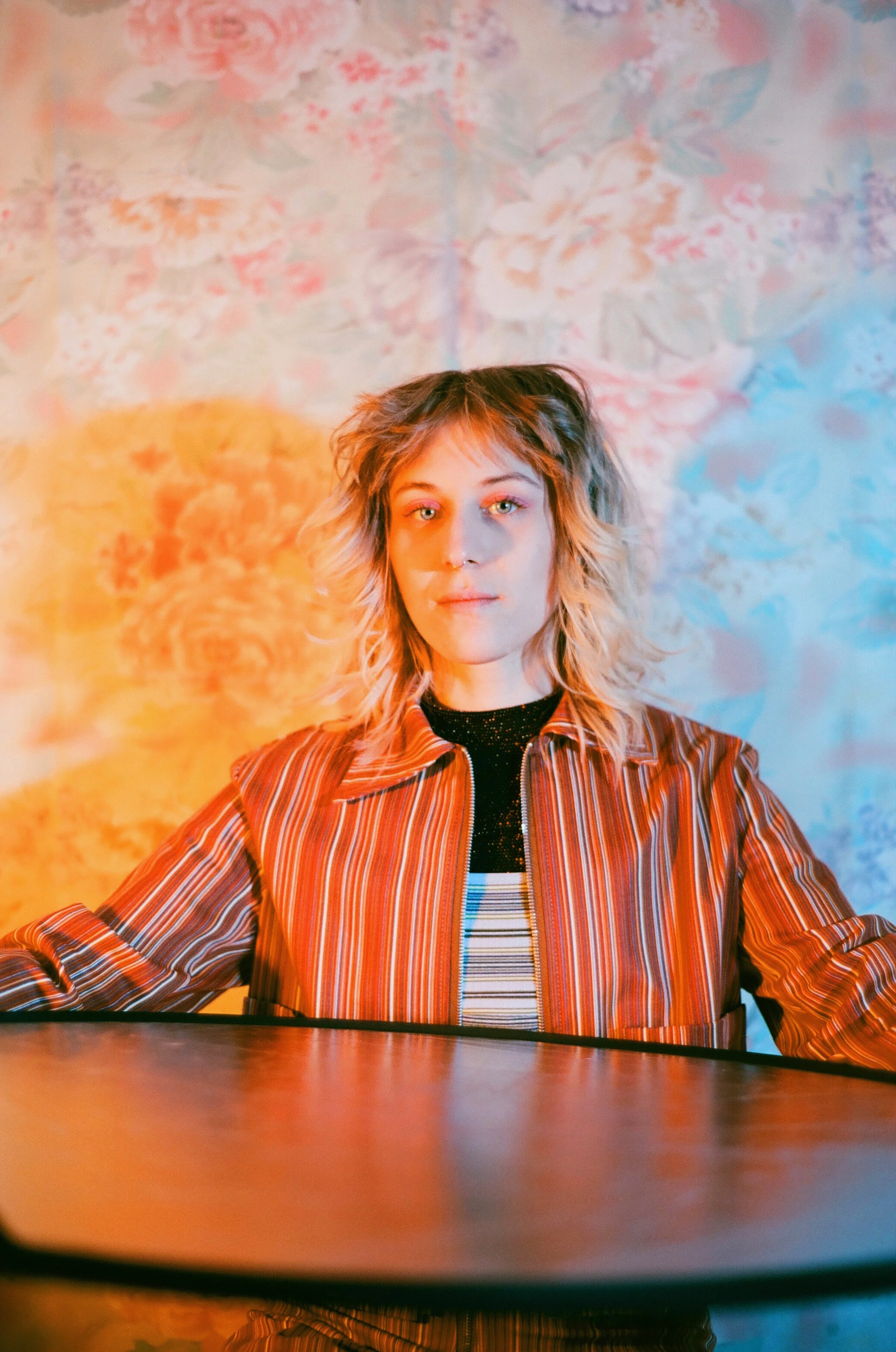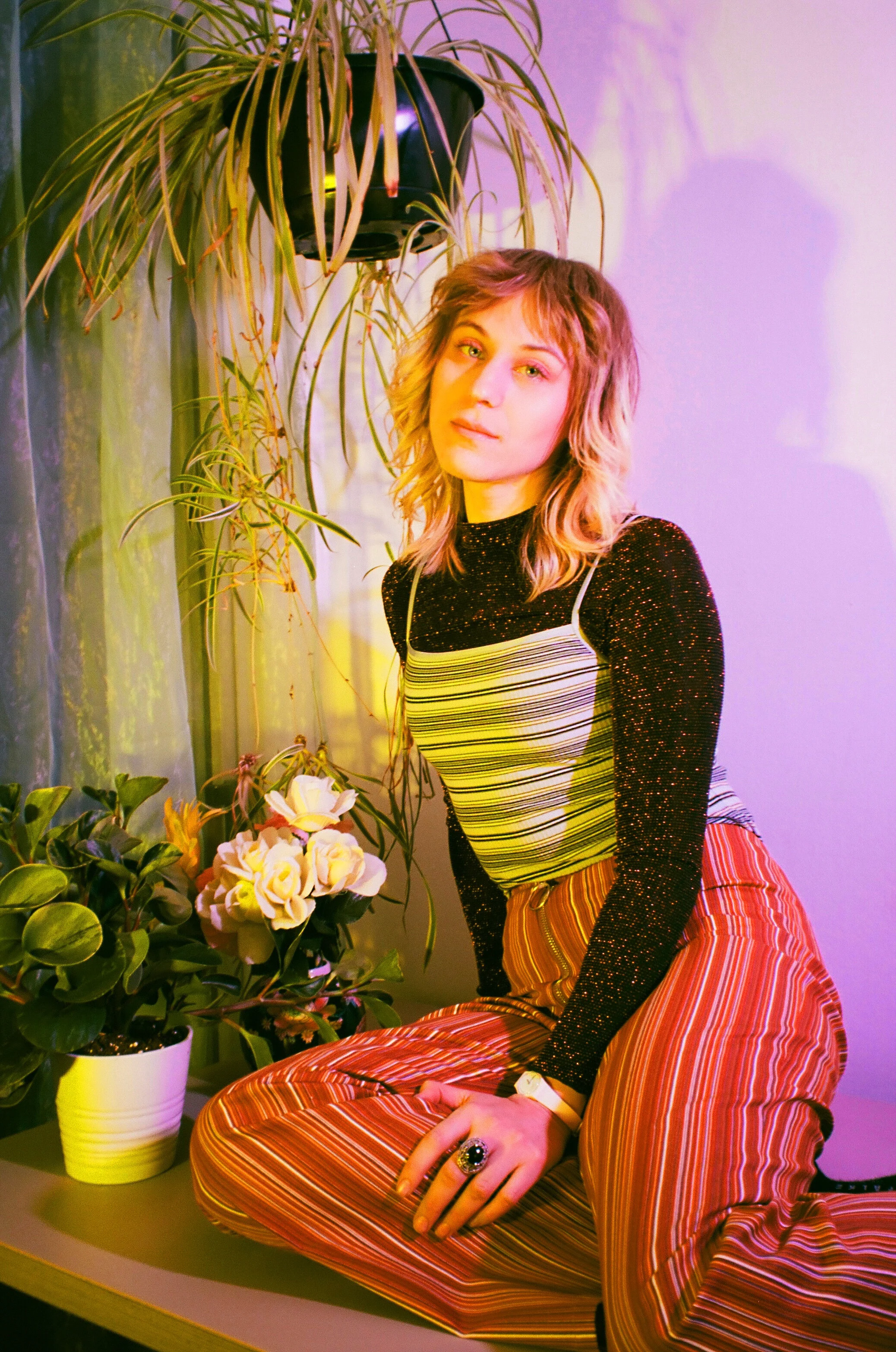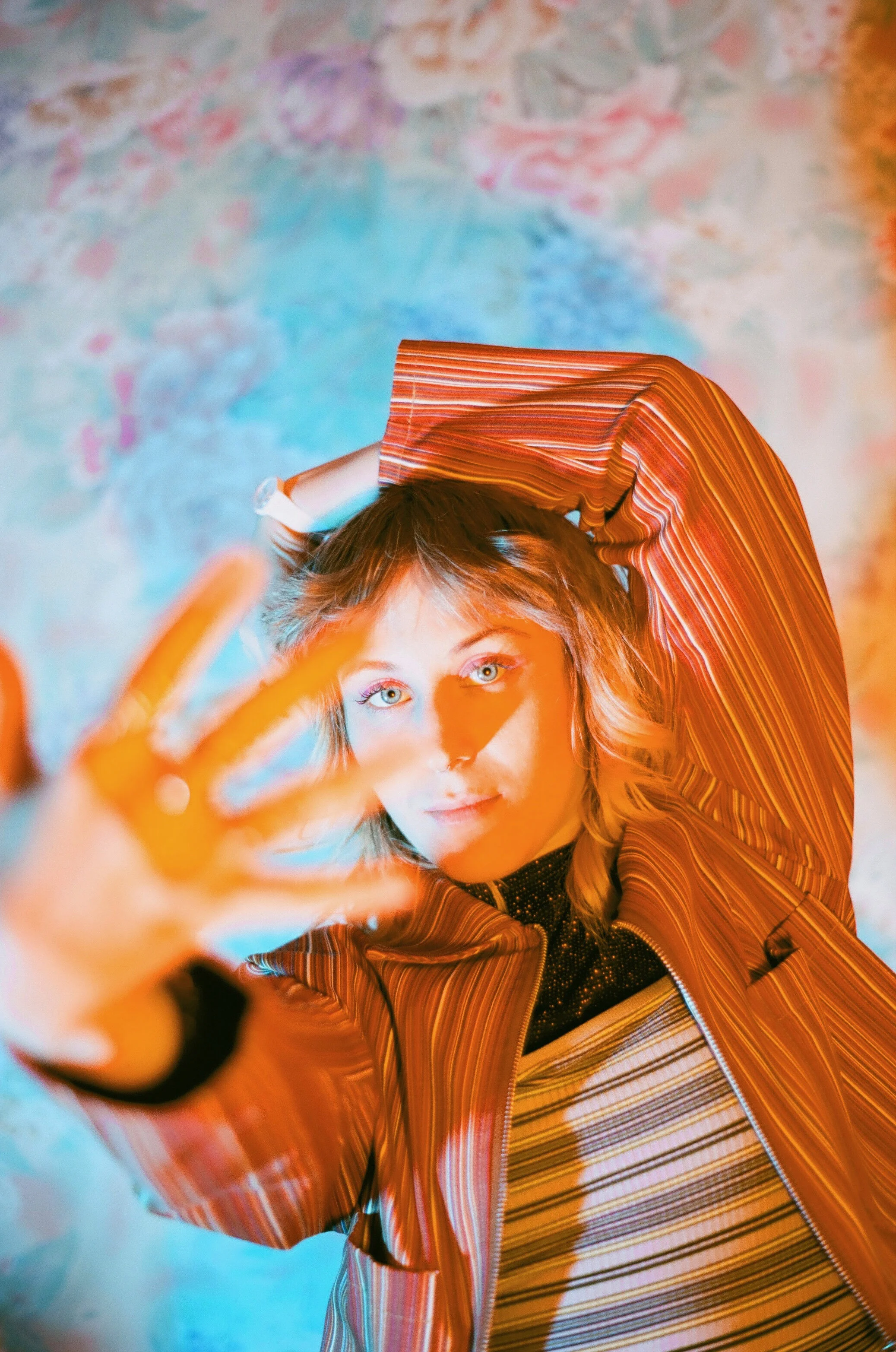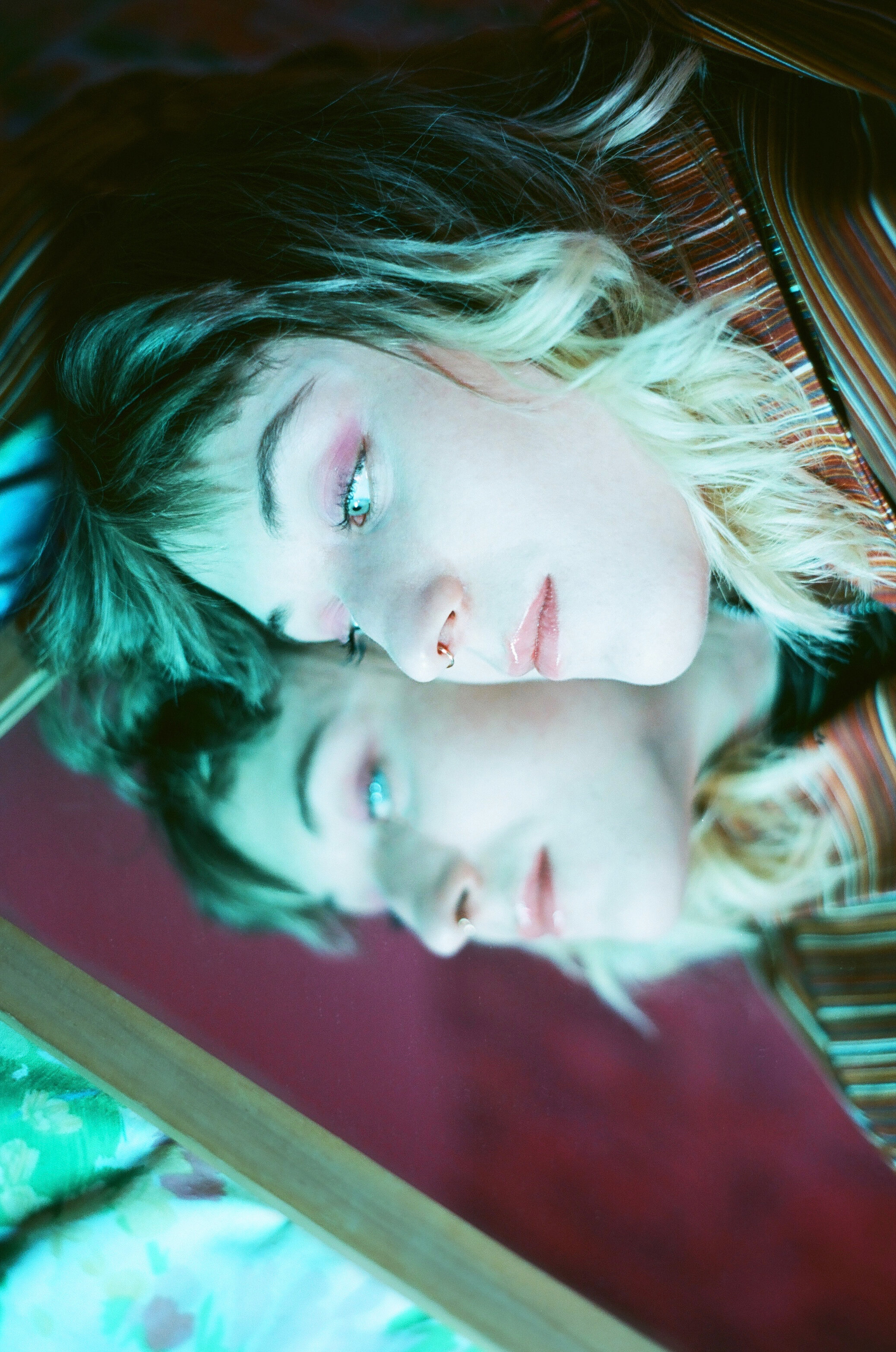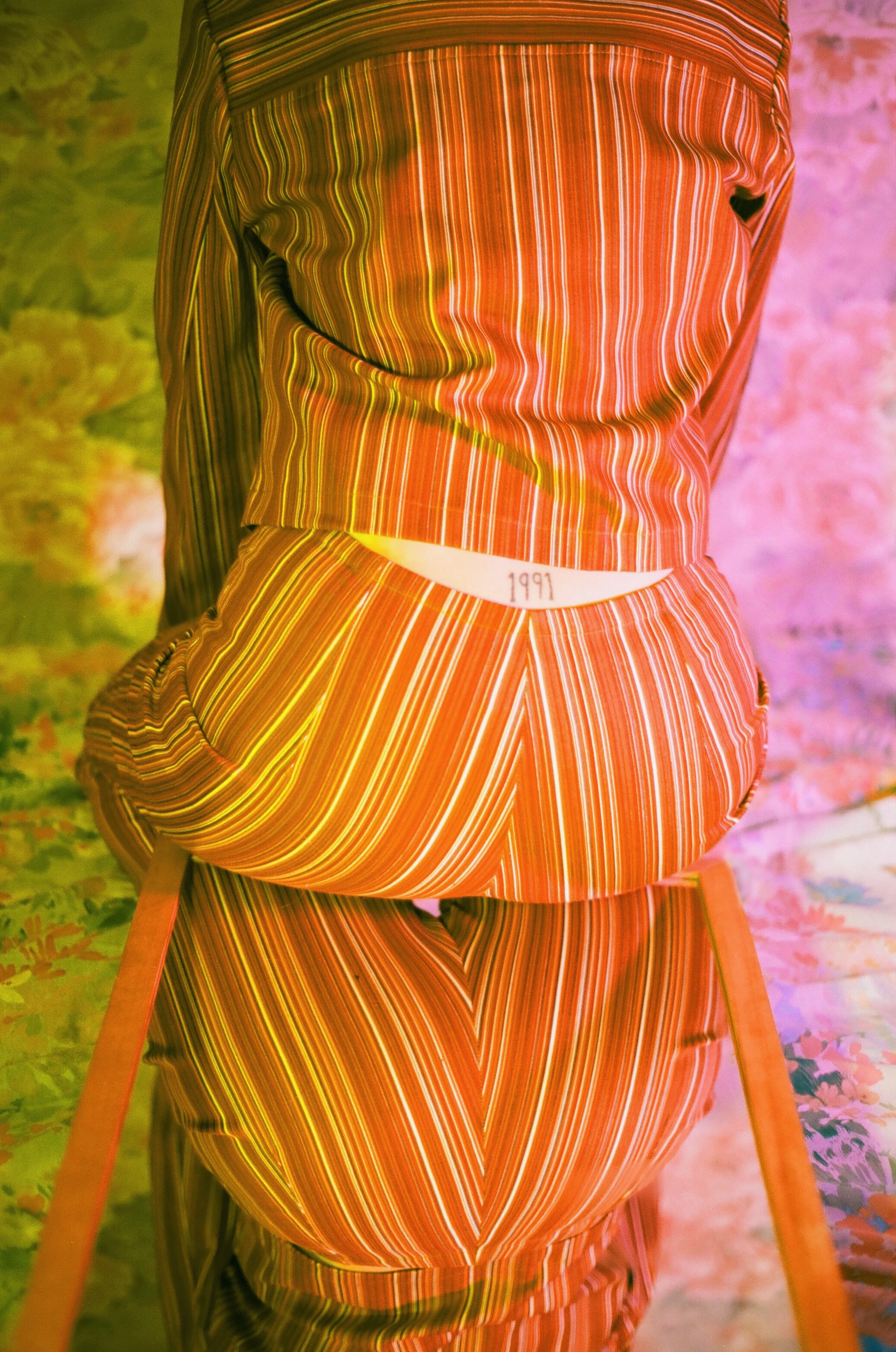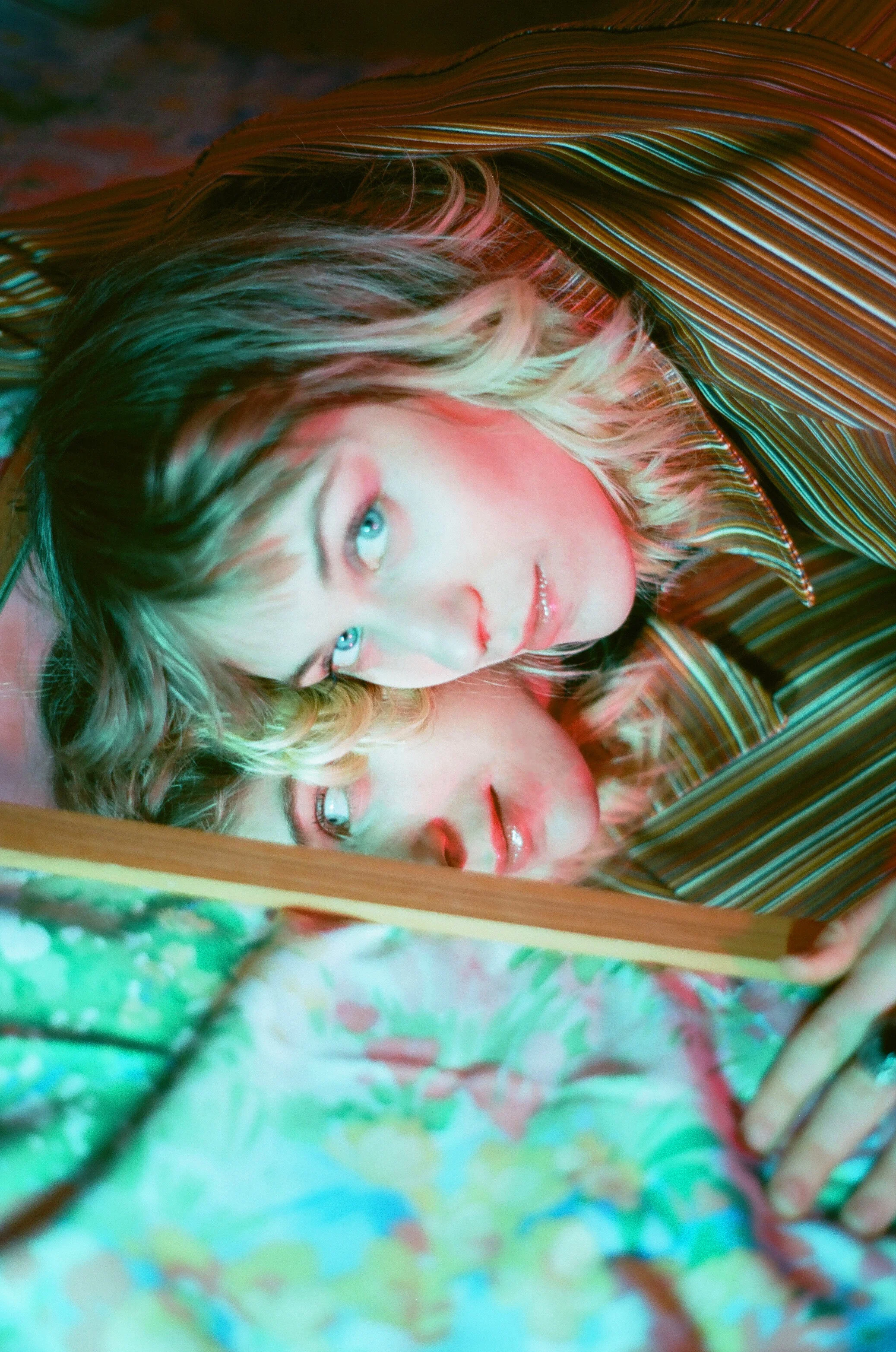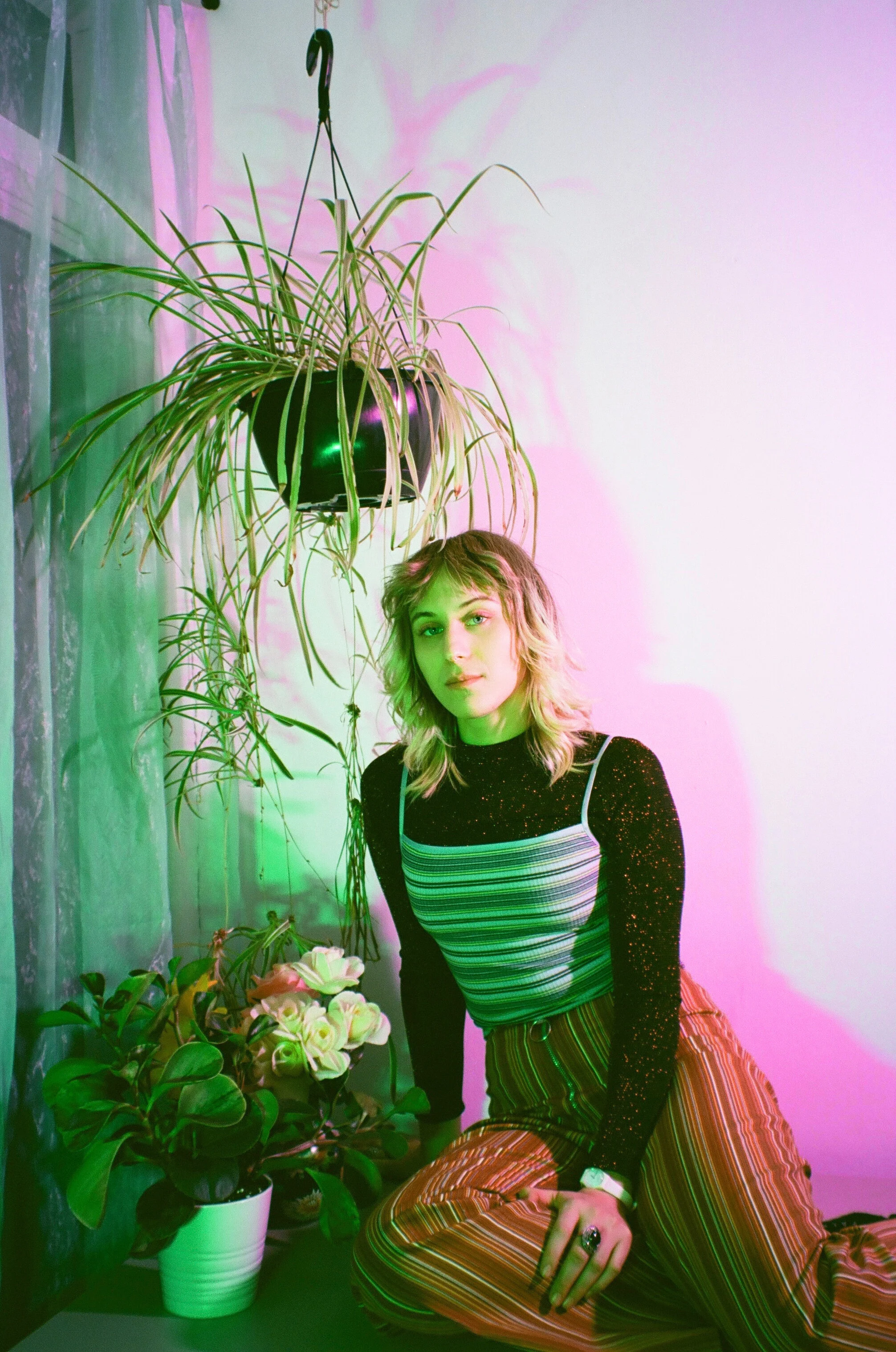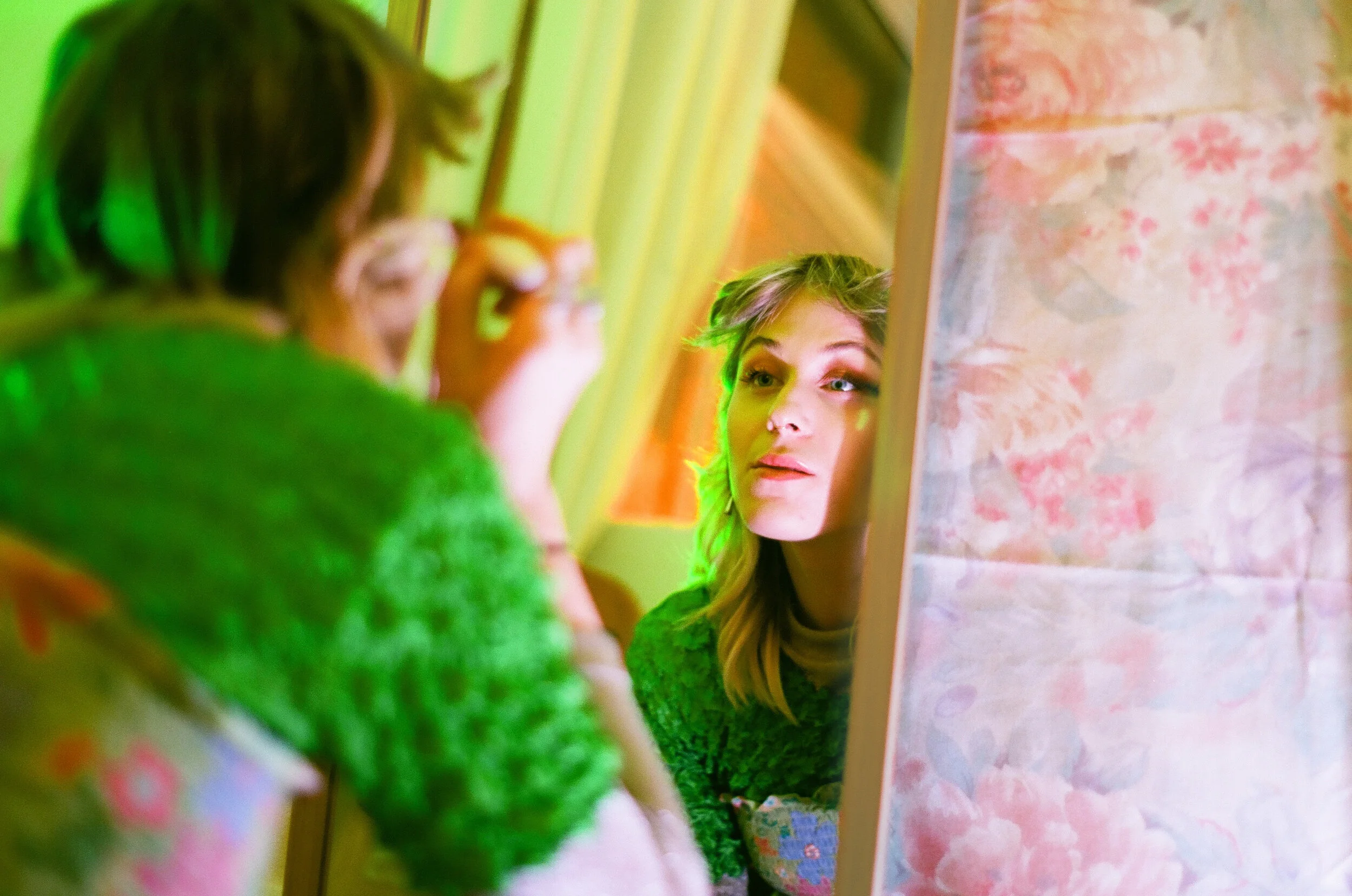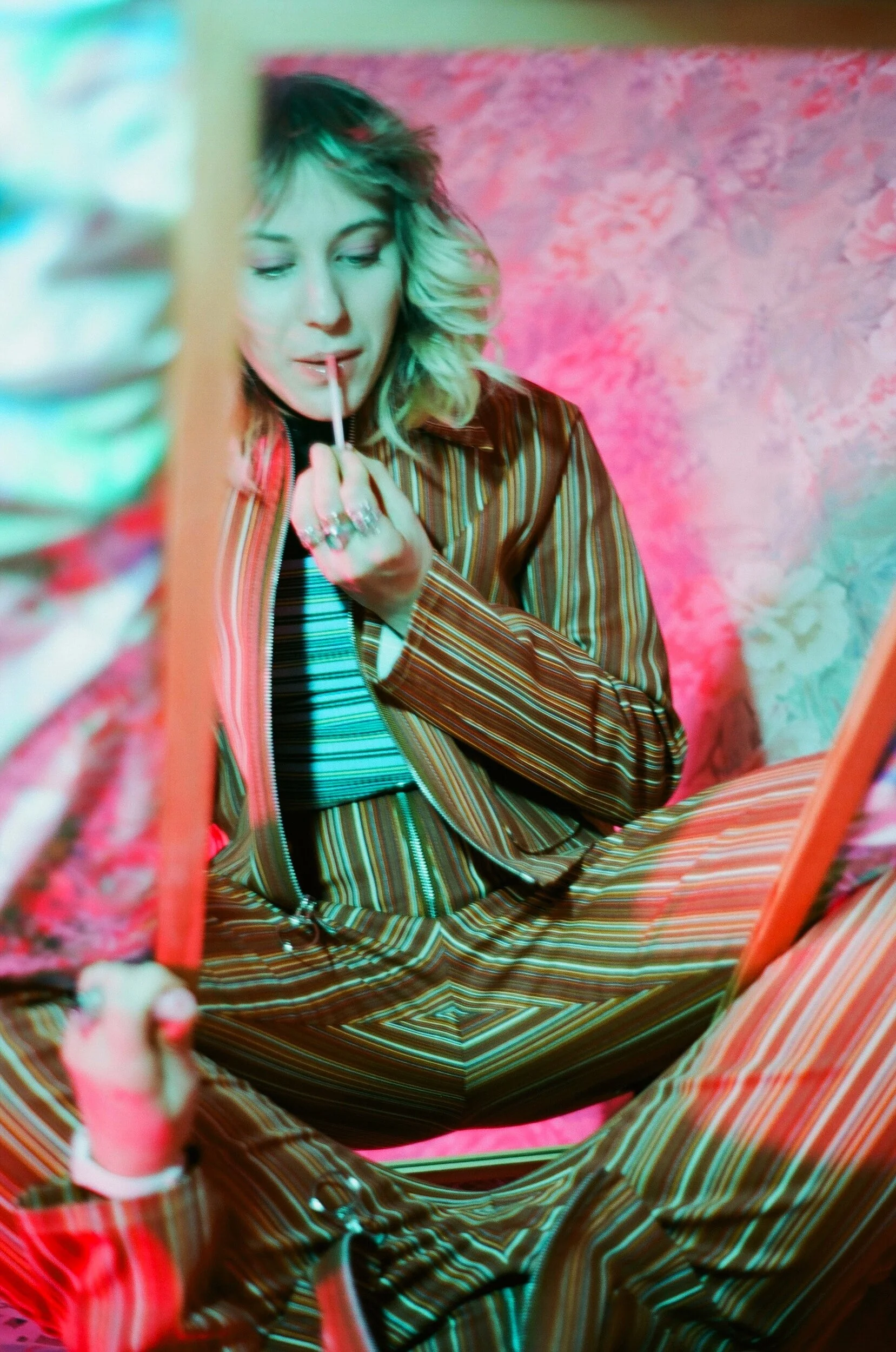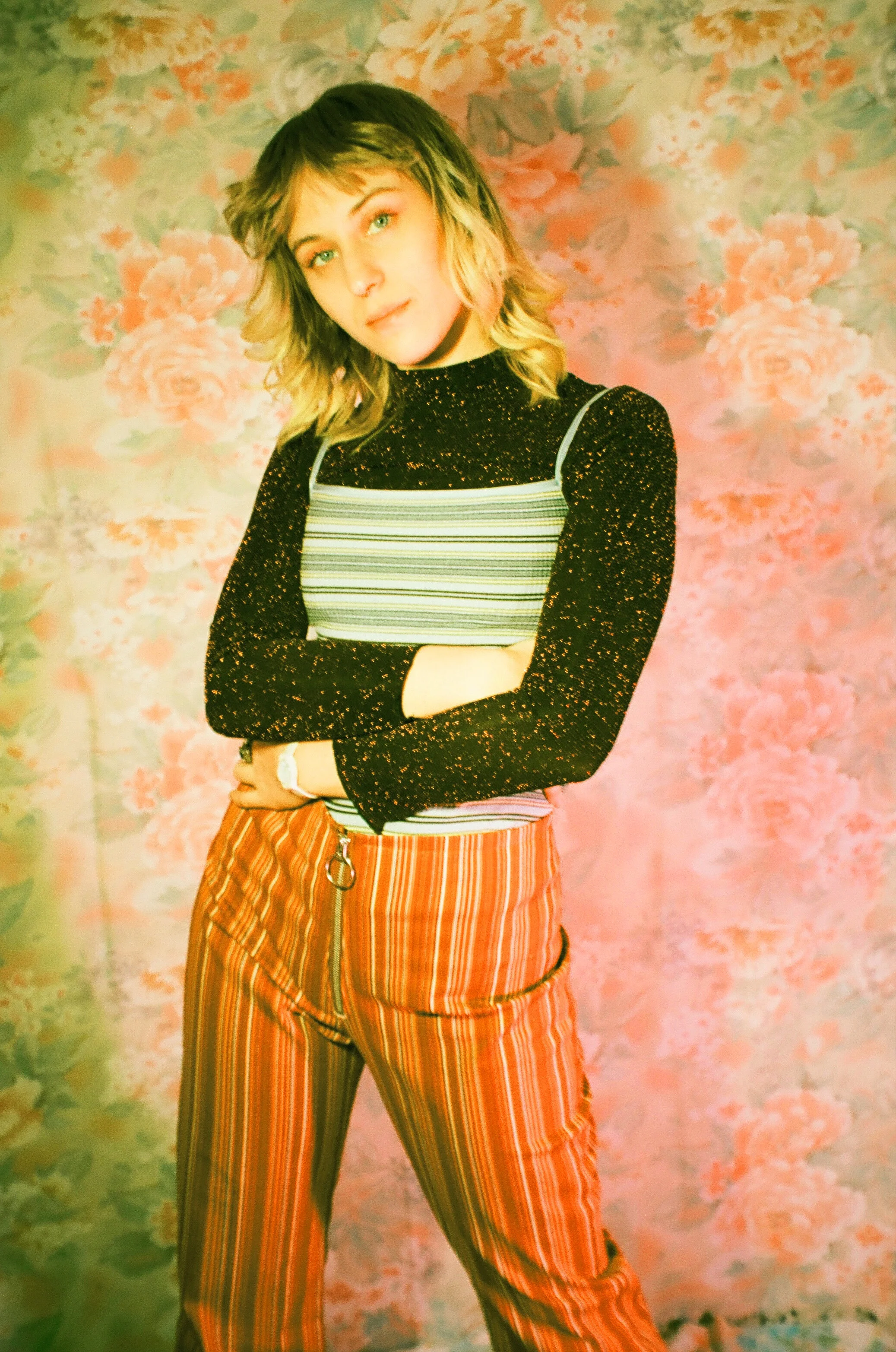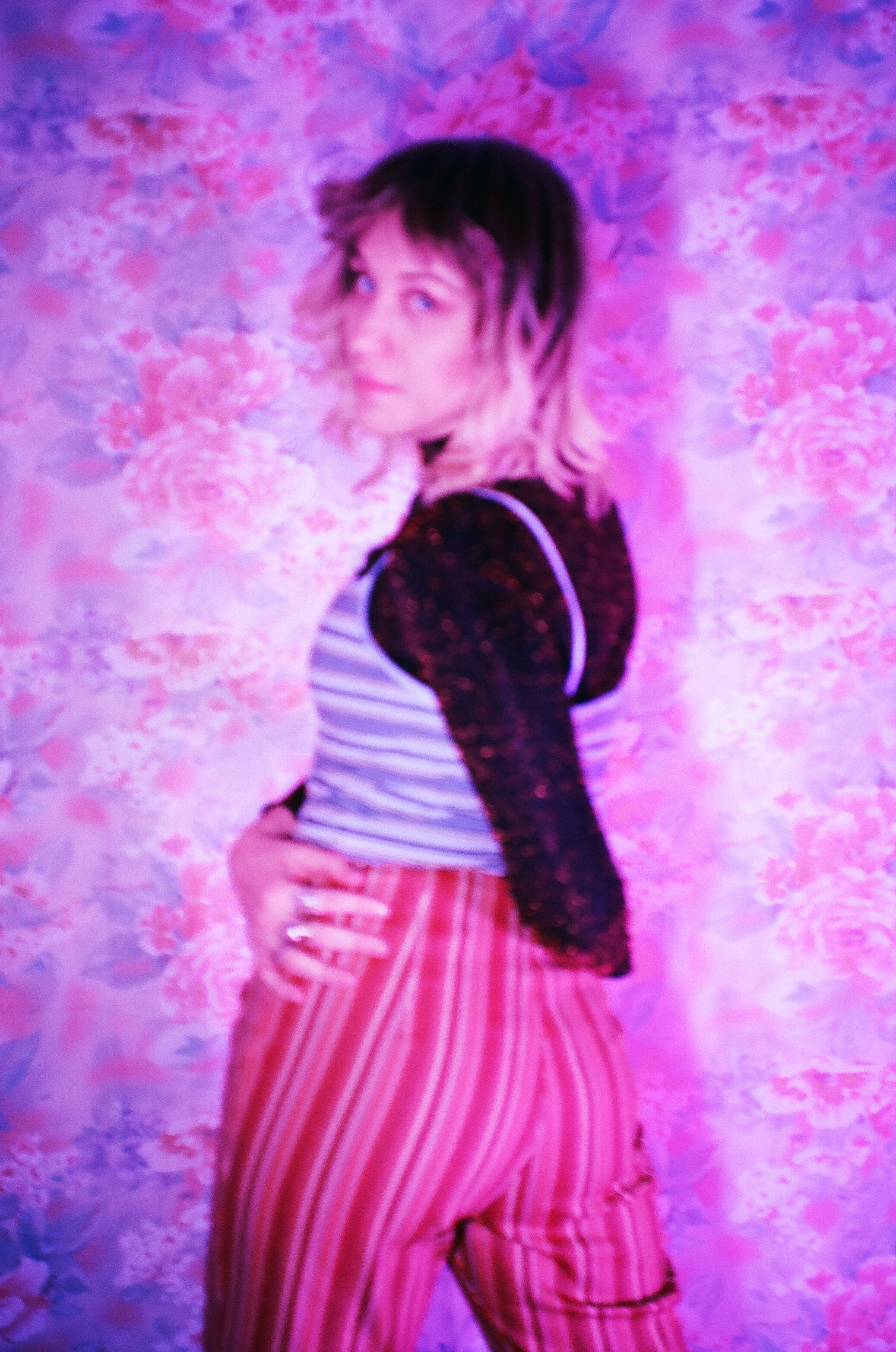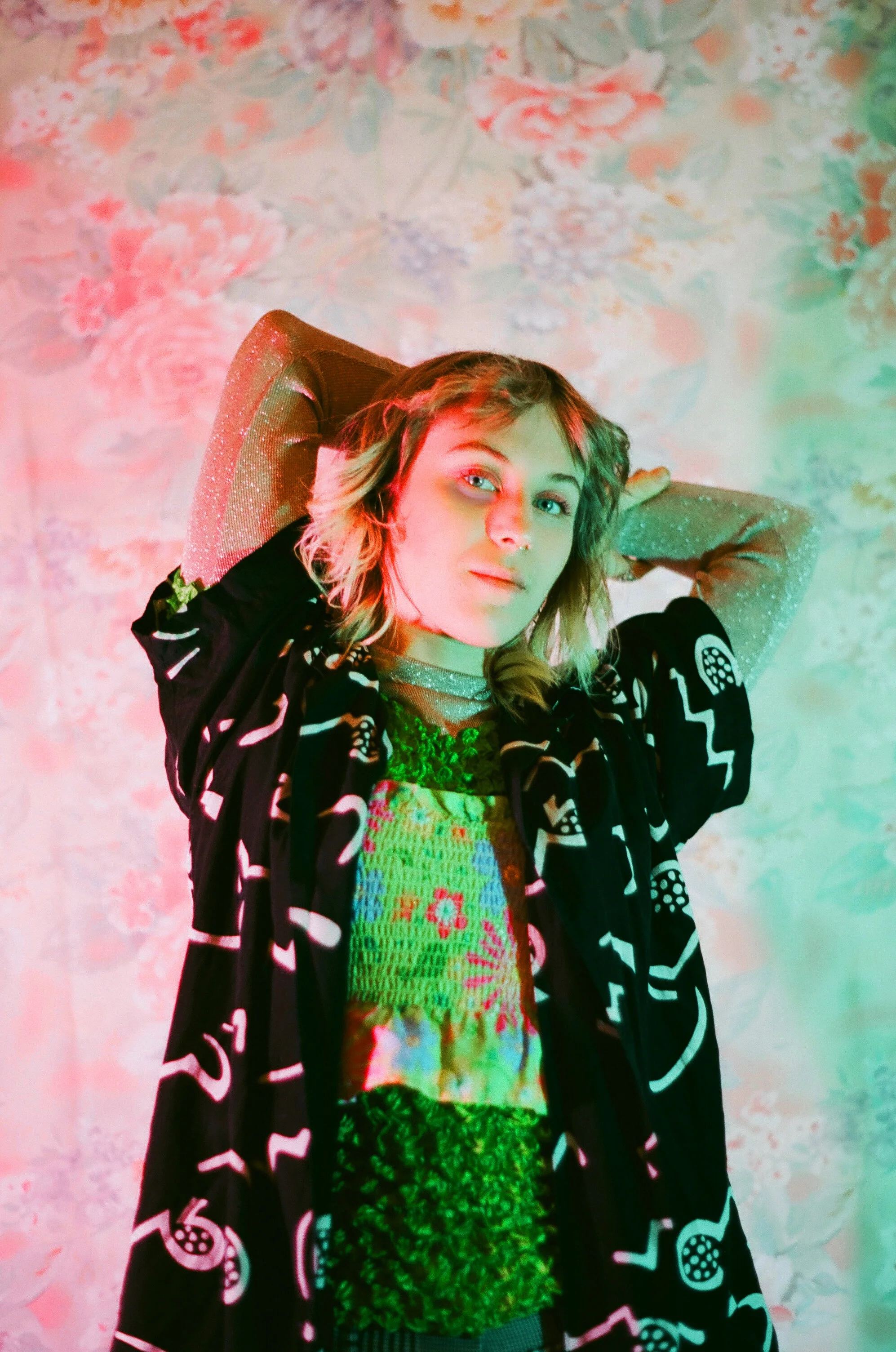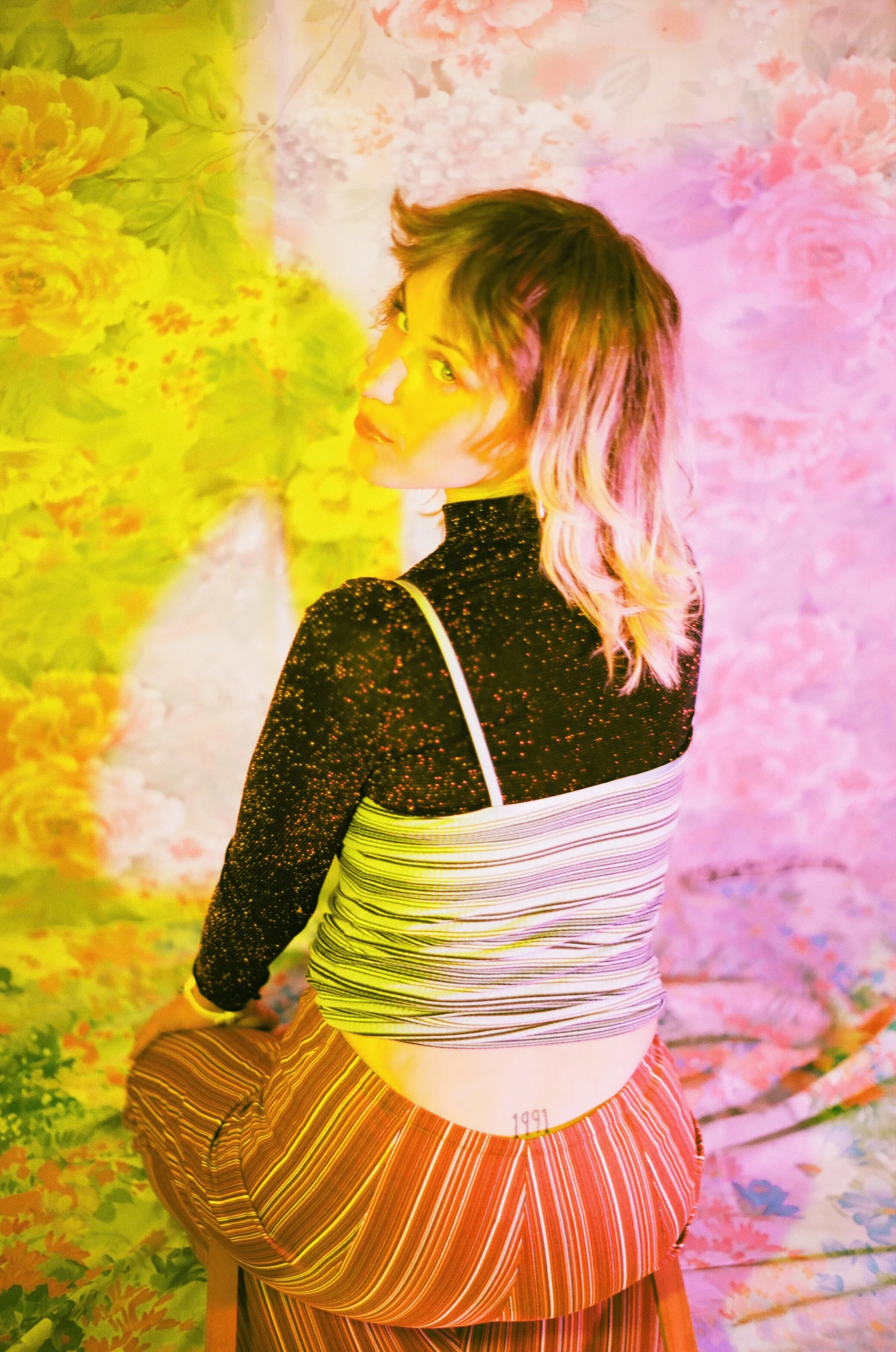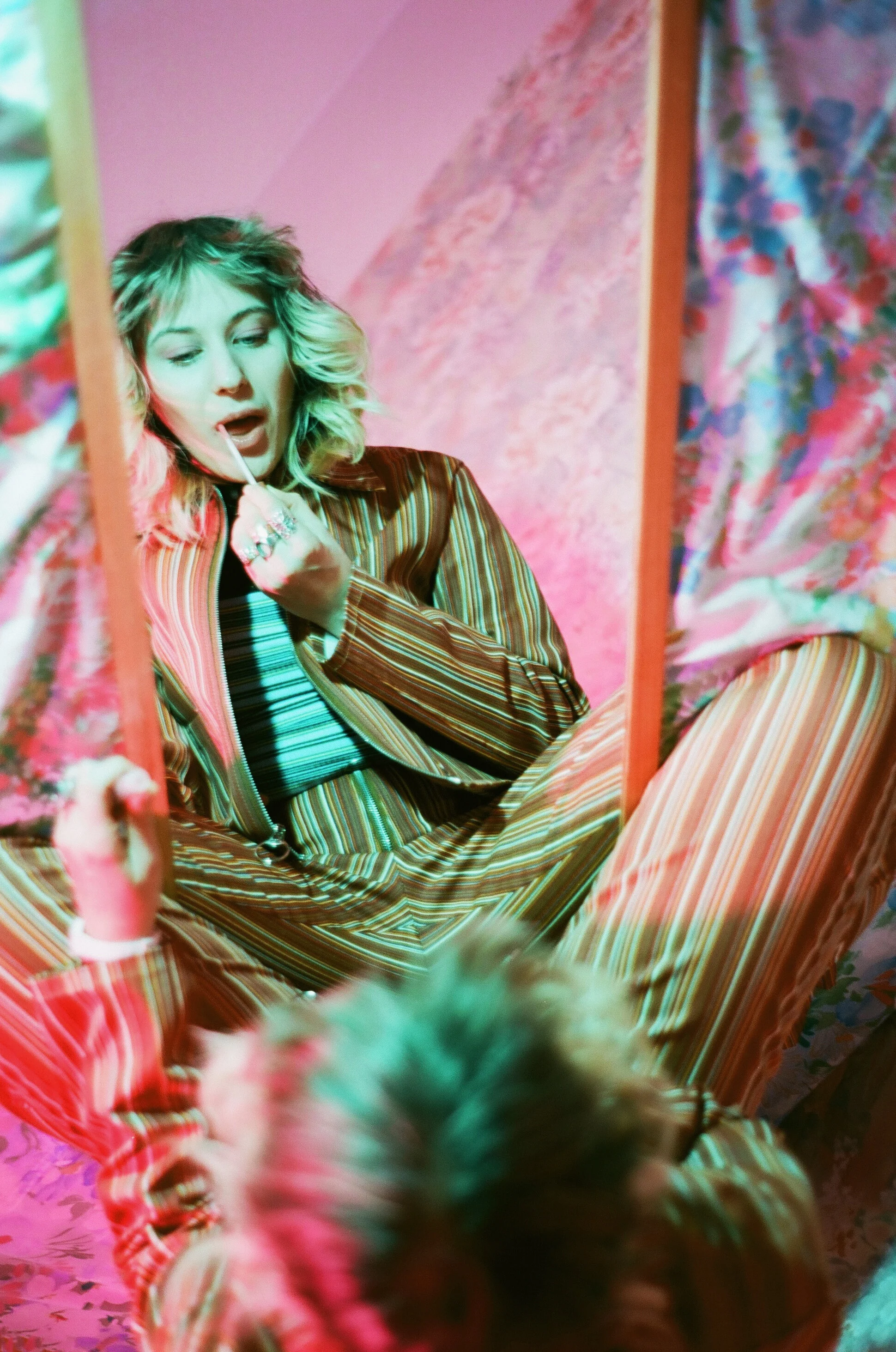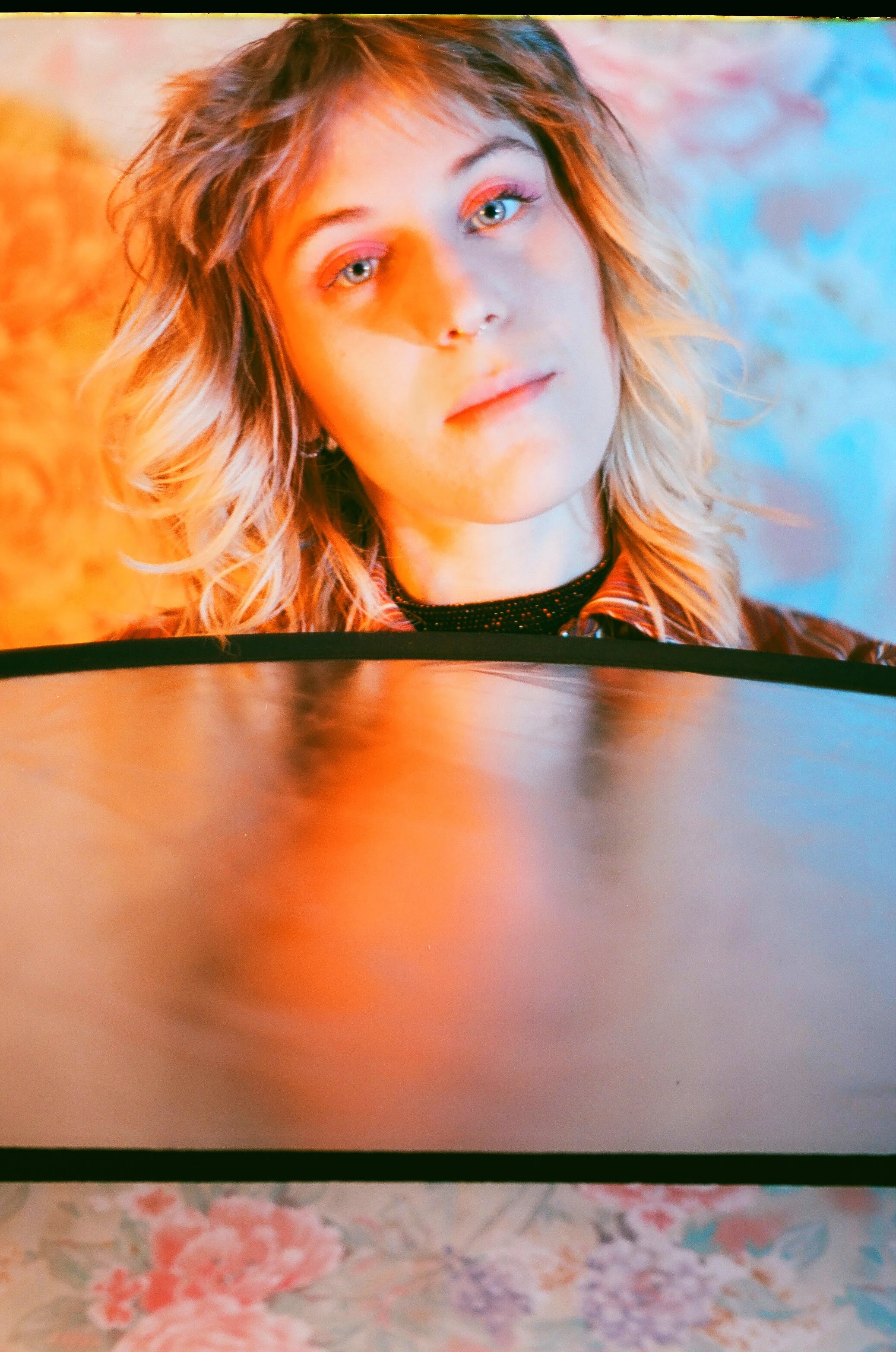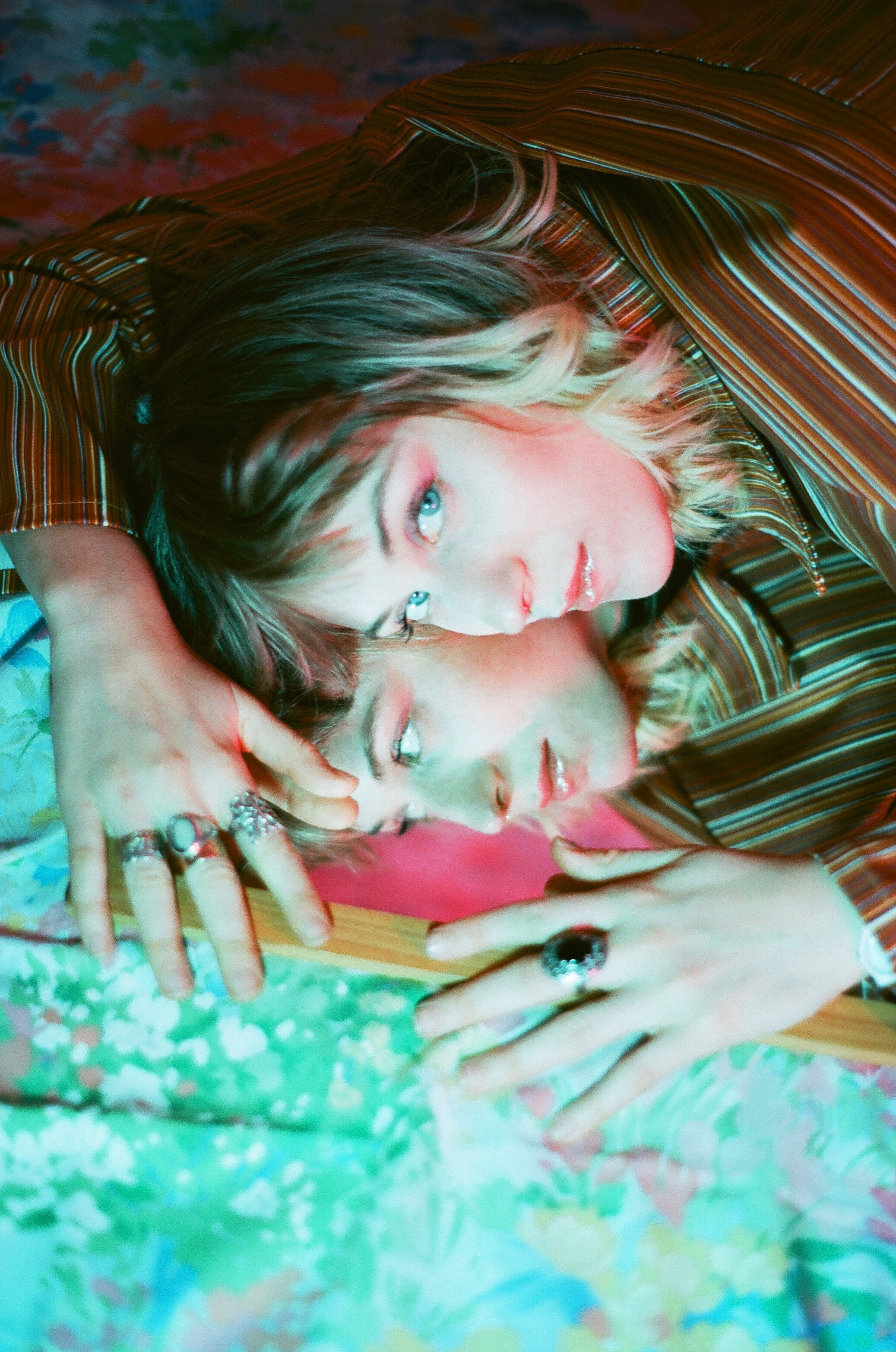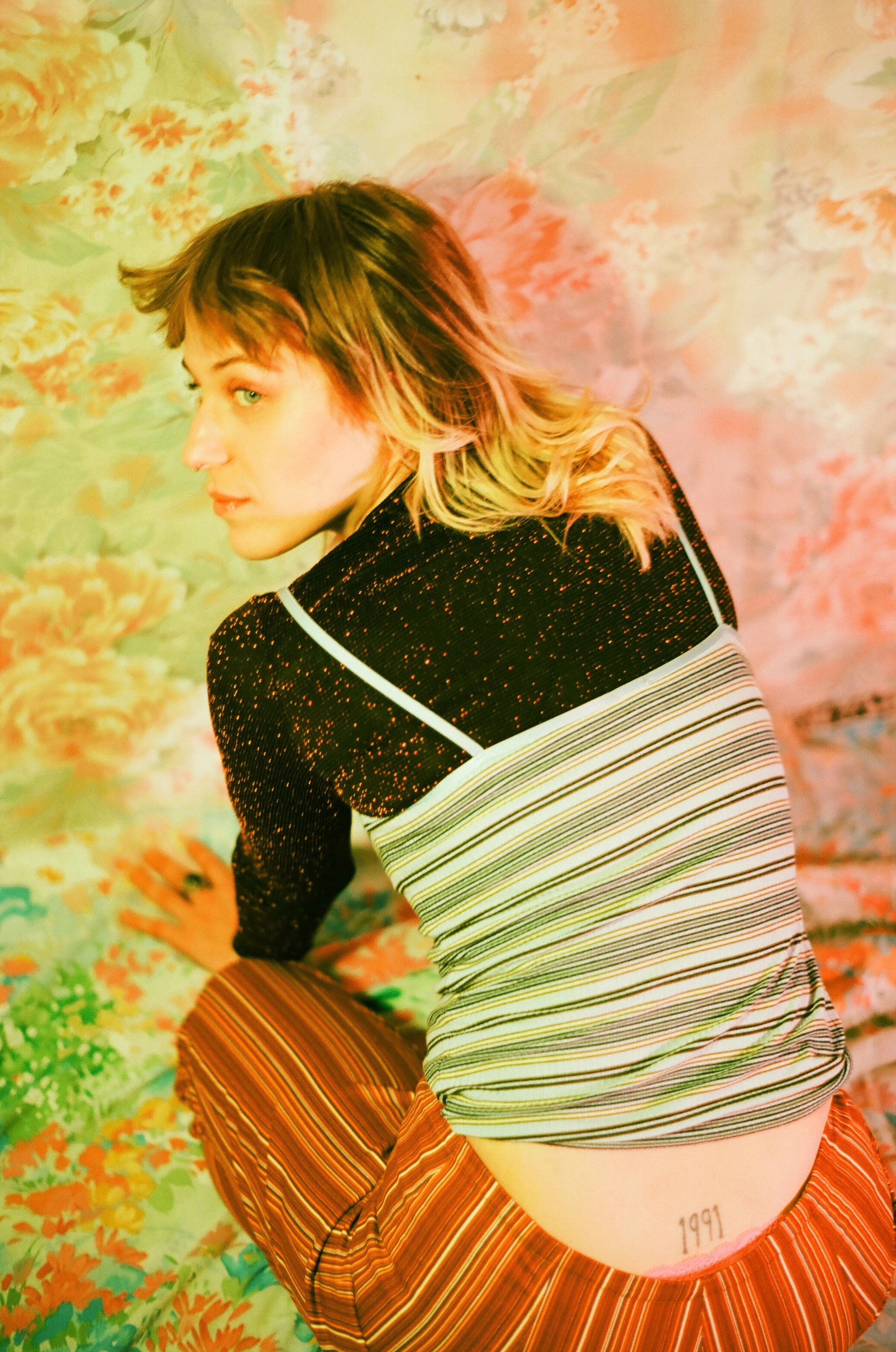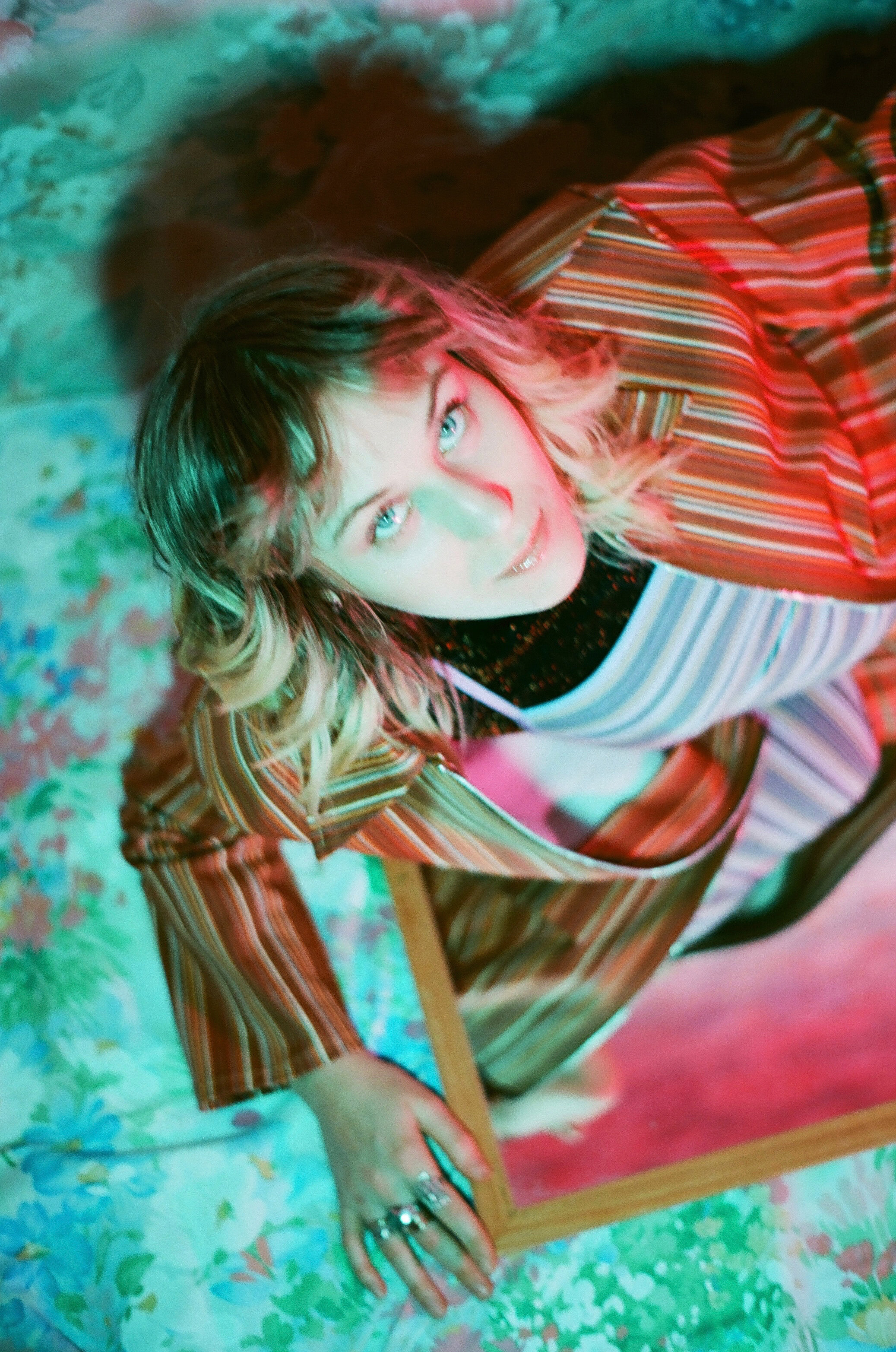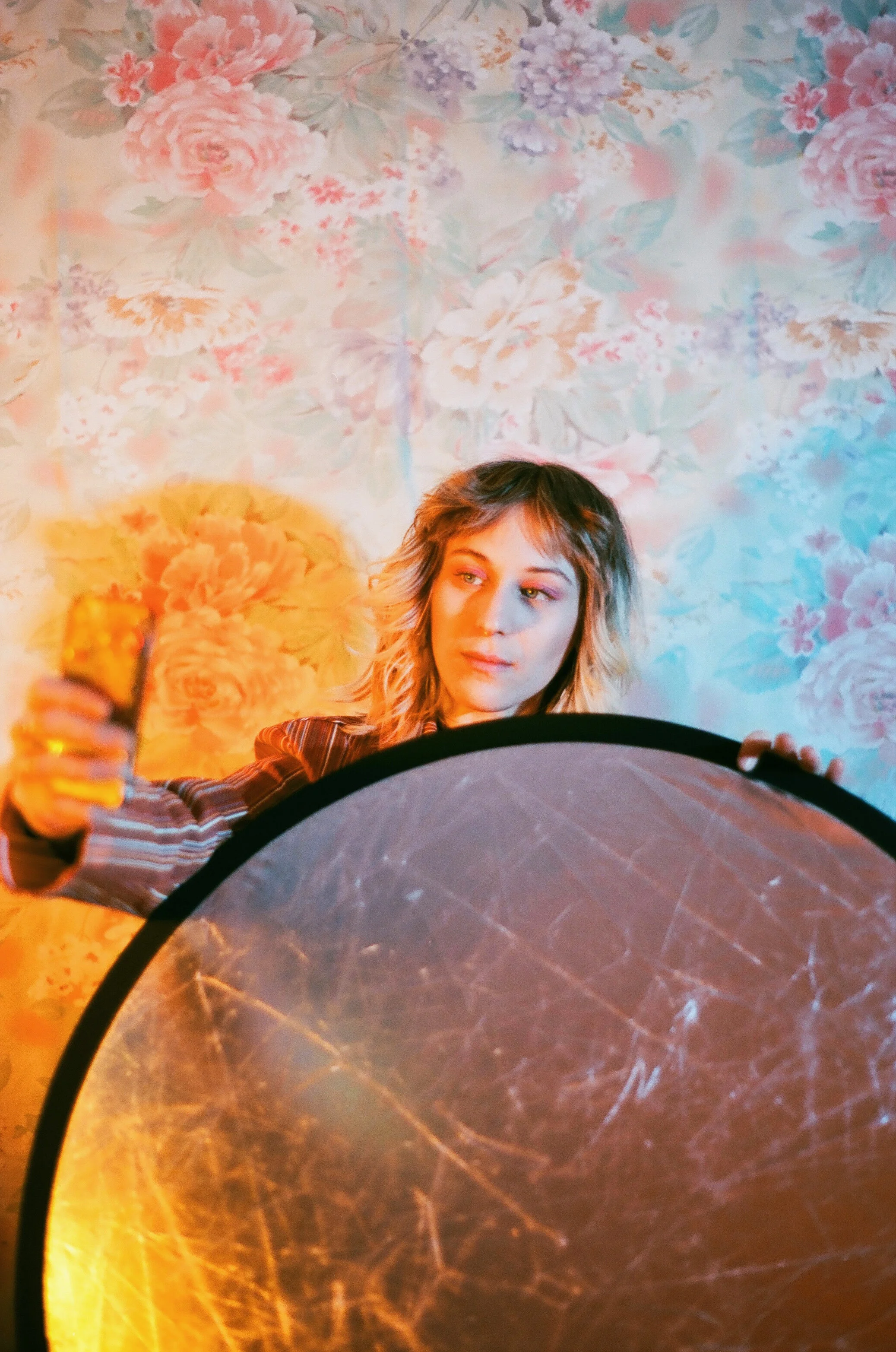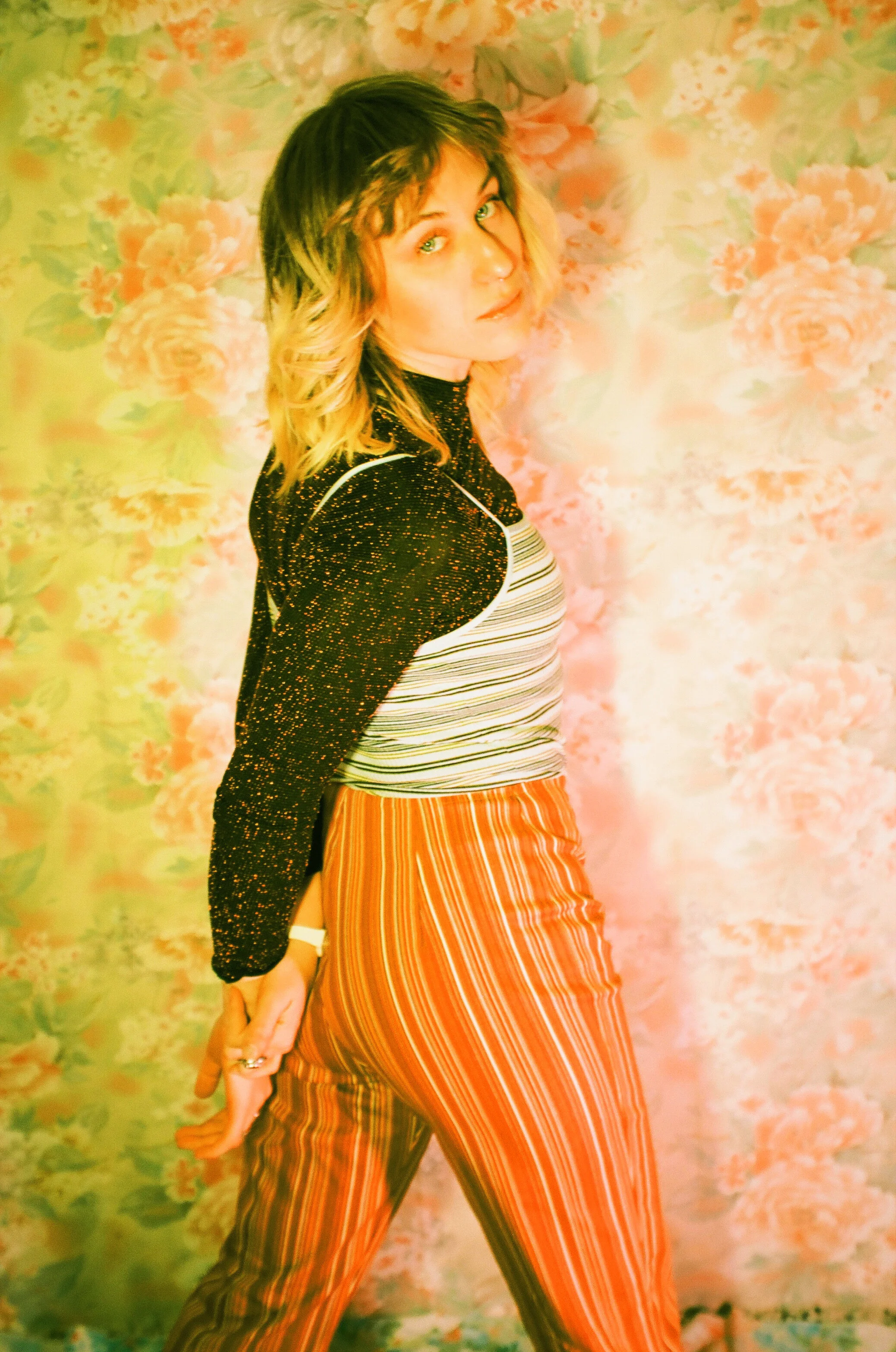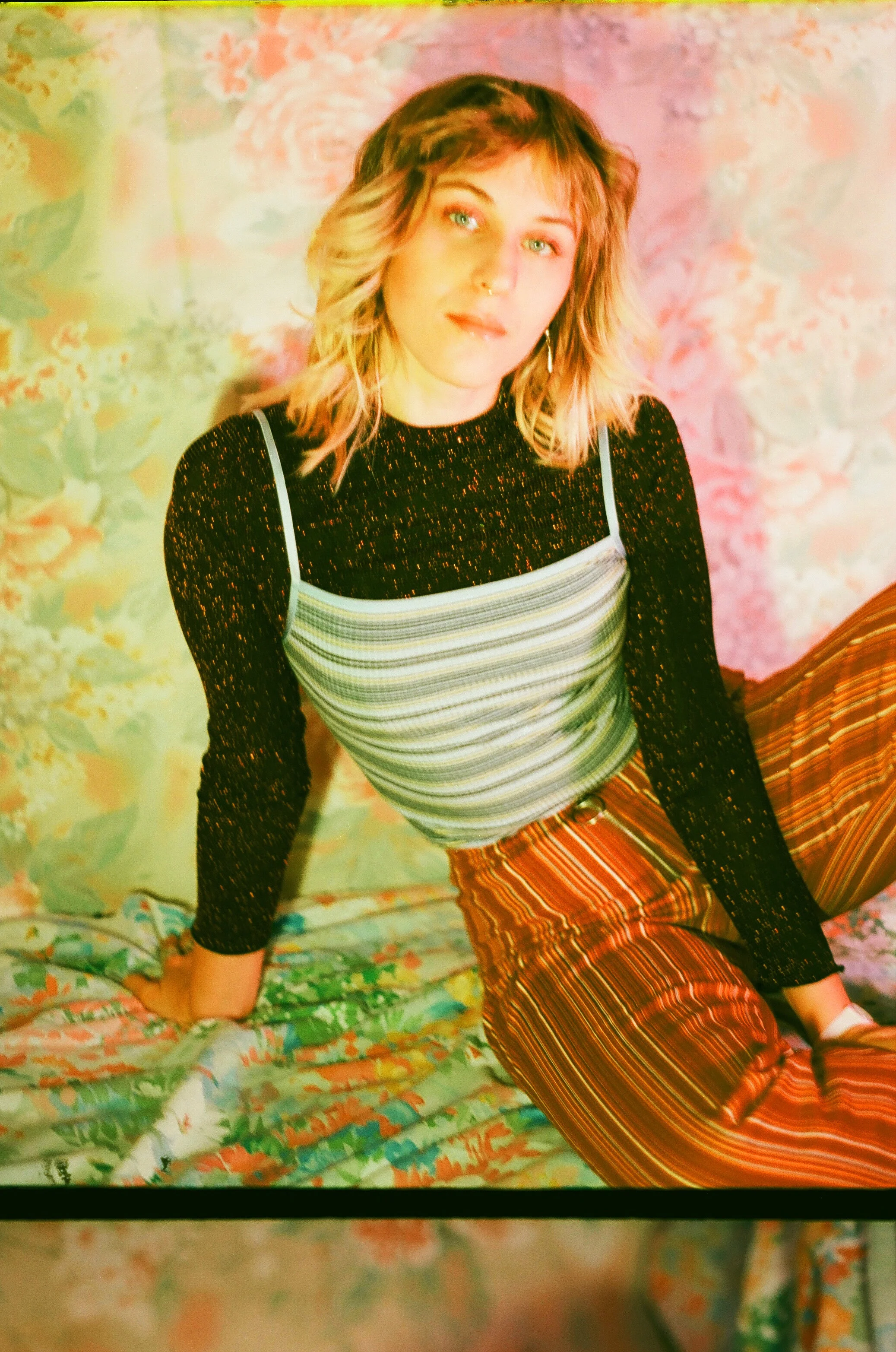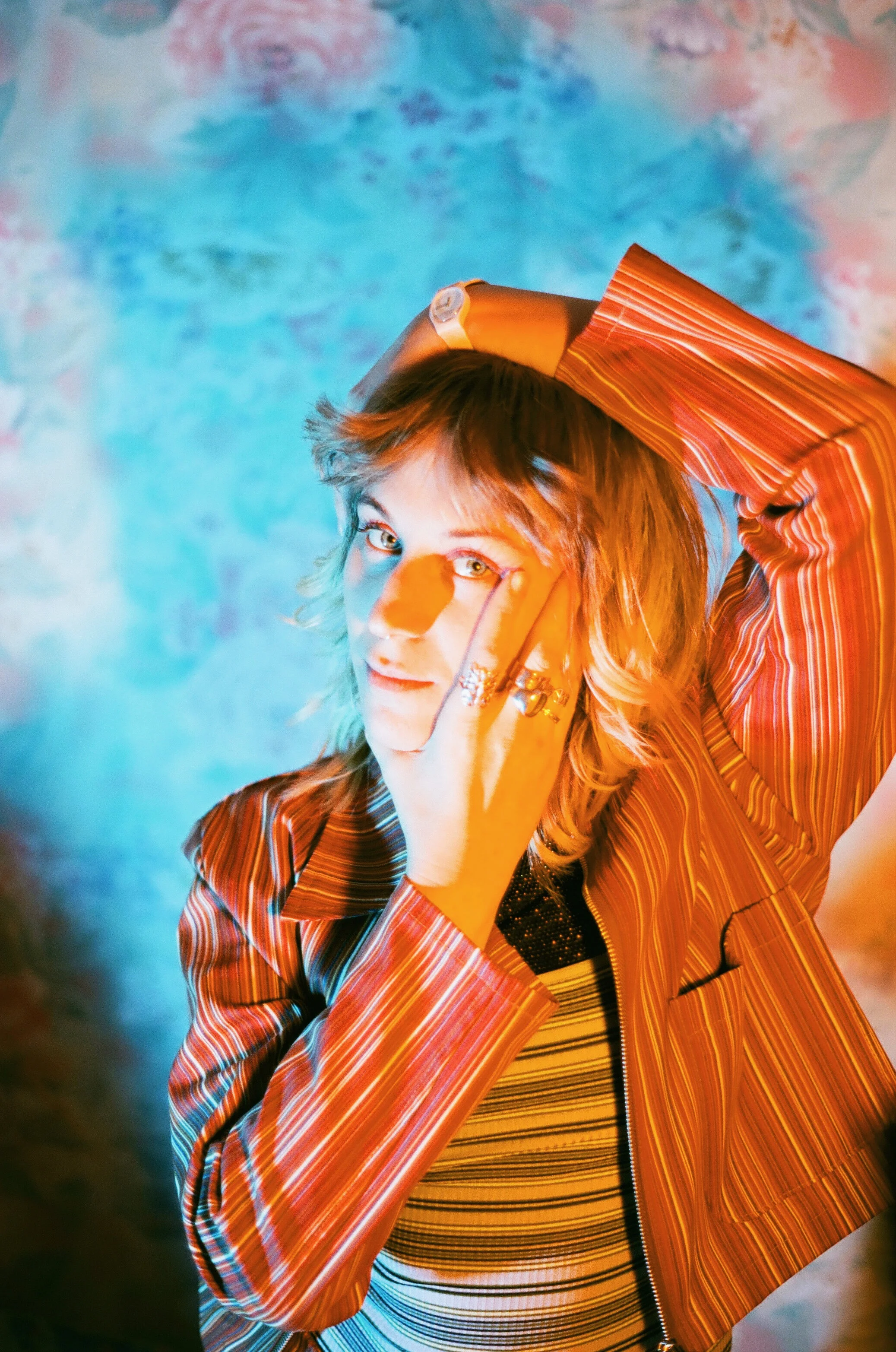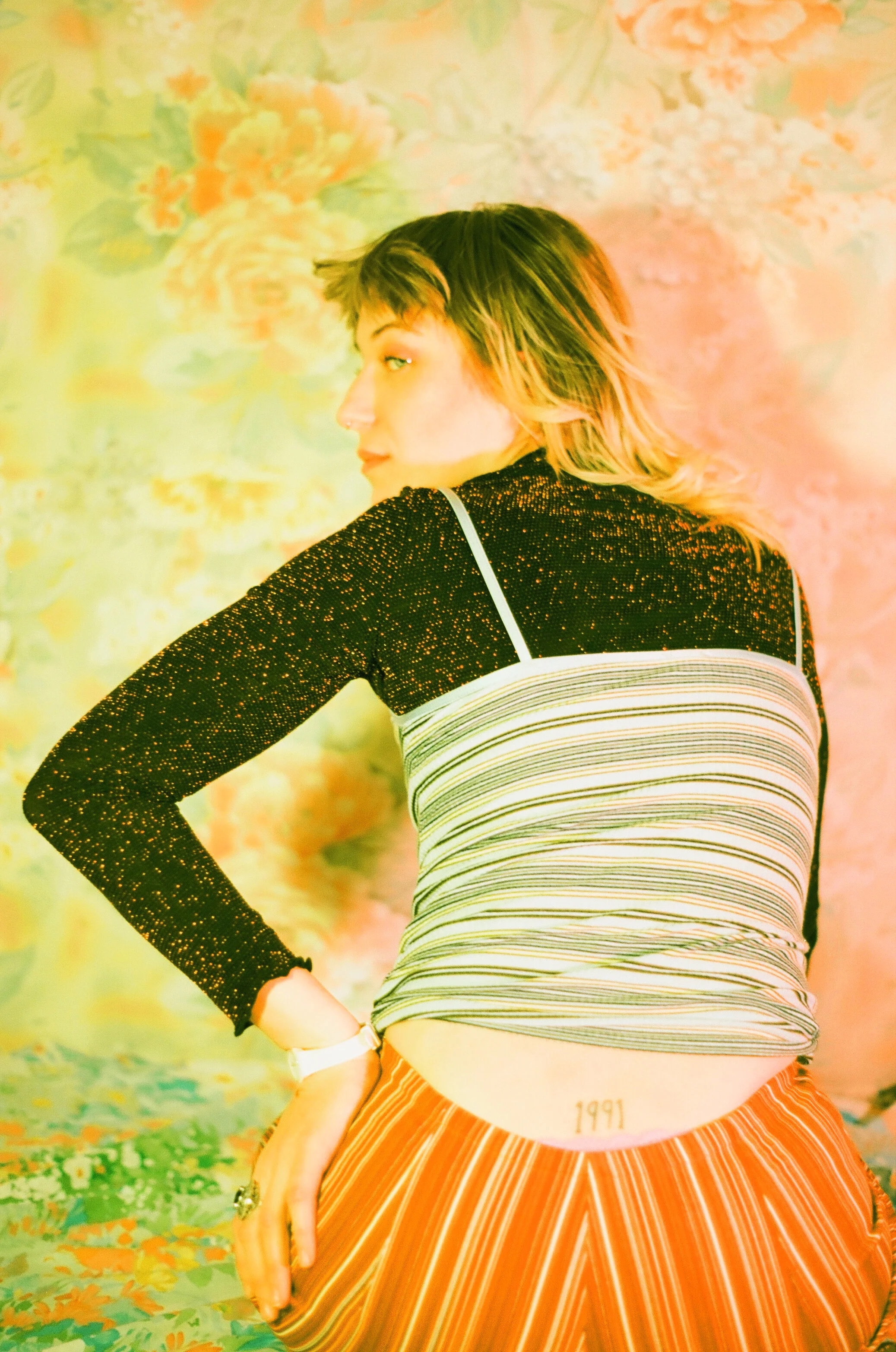
Montreal-based Molyness brings Berlin, and Moroccan fusion to the techno scene
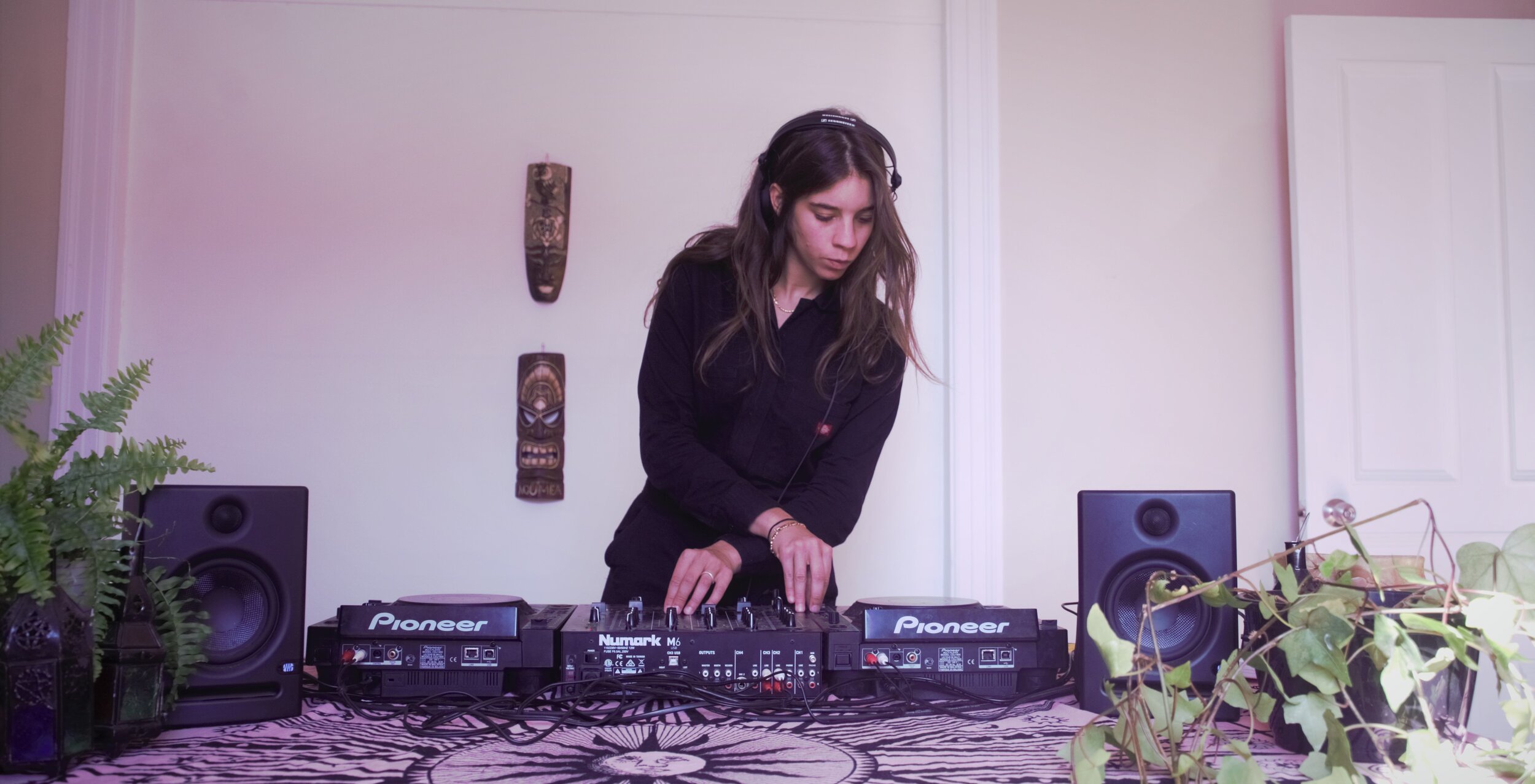
 
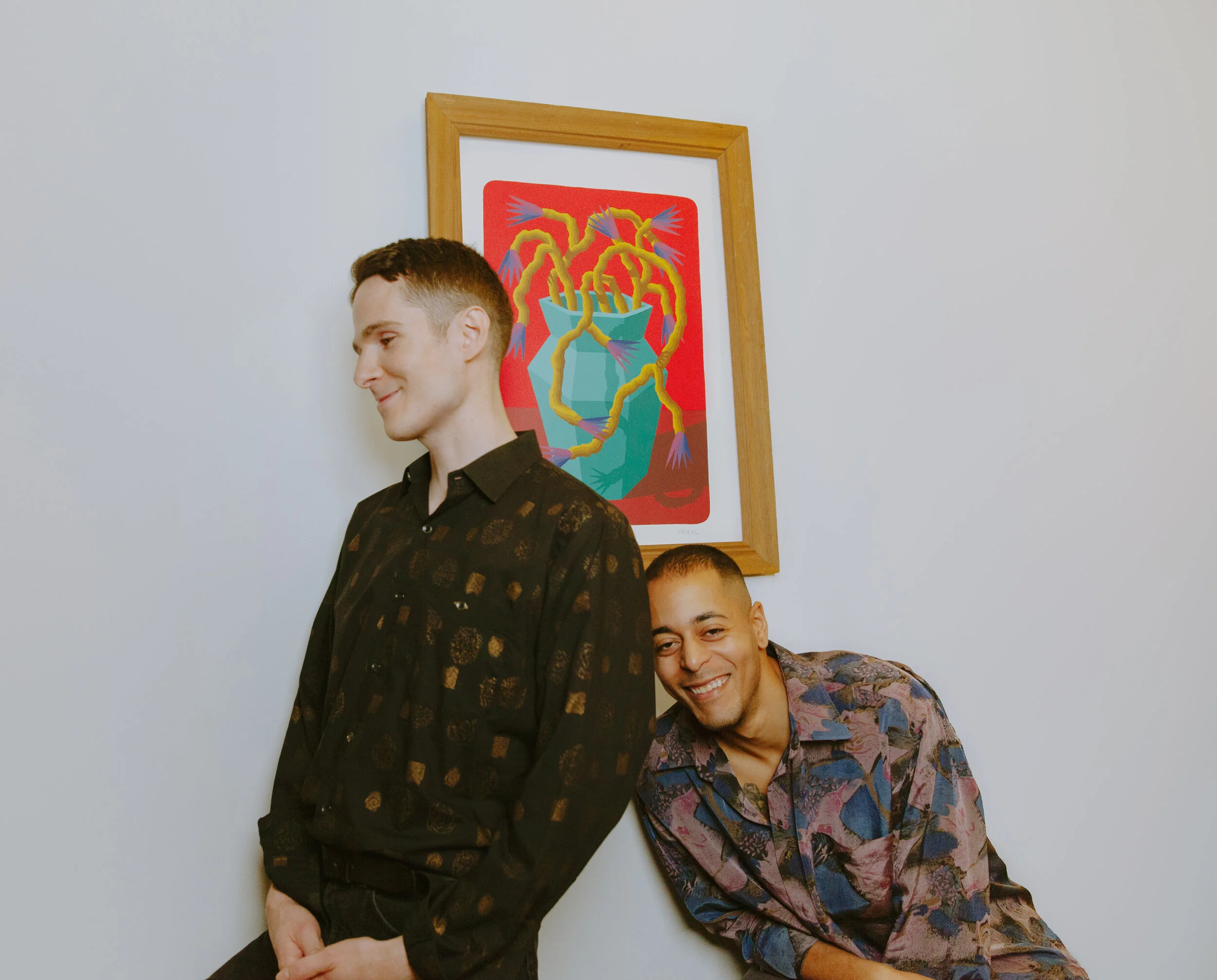
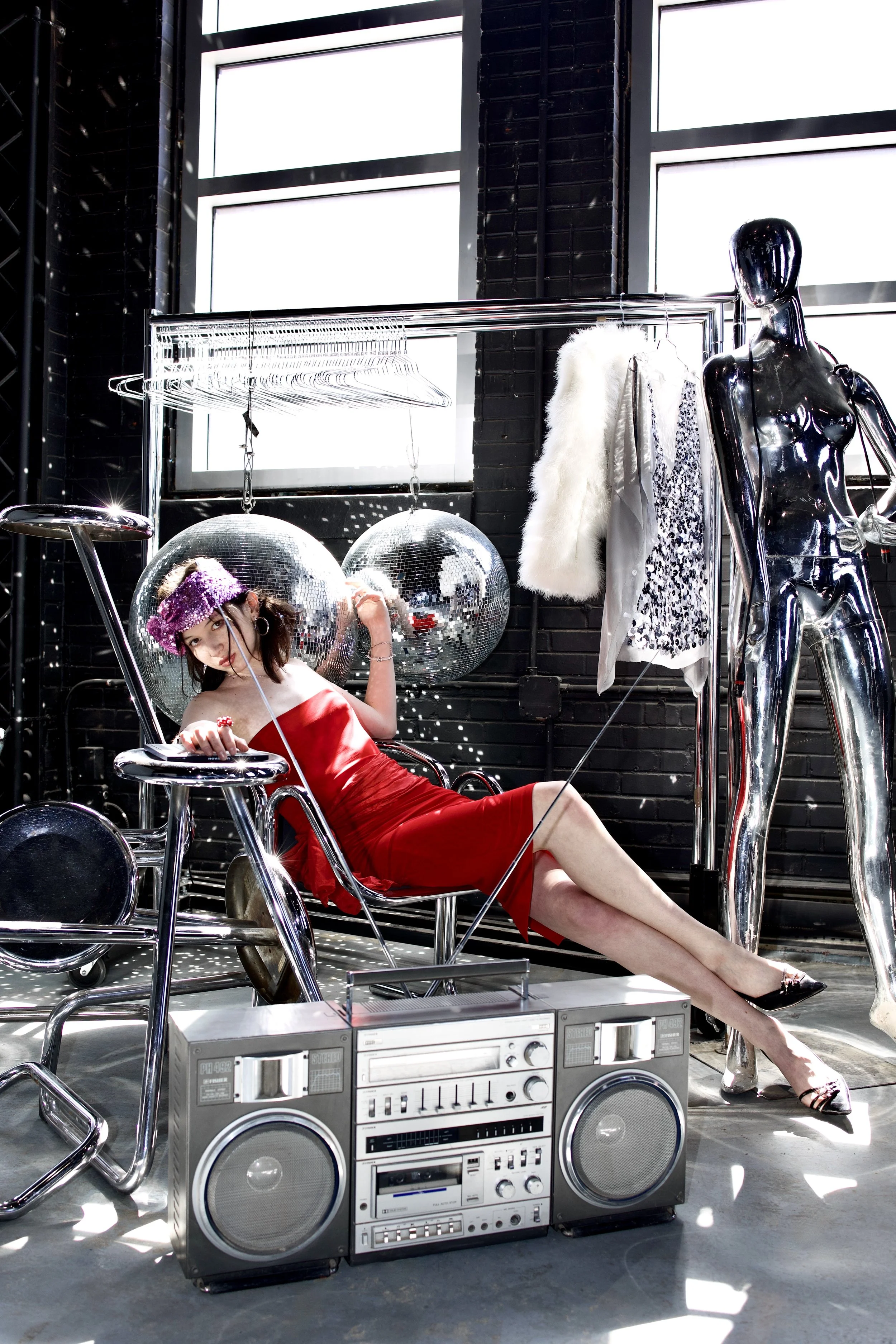
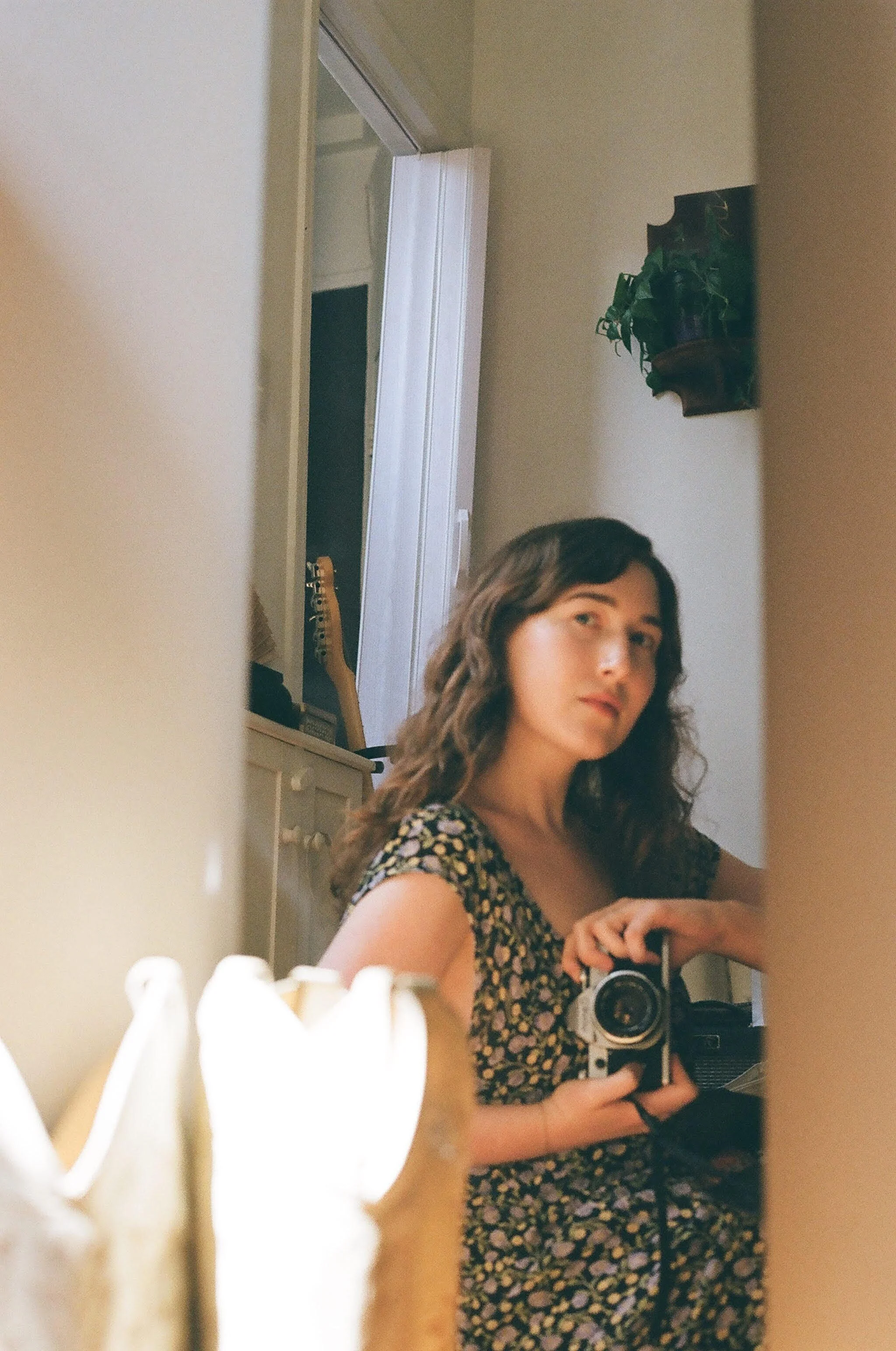
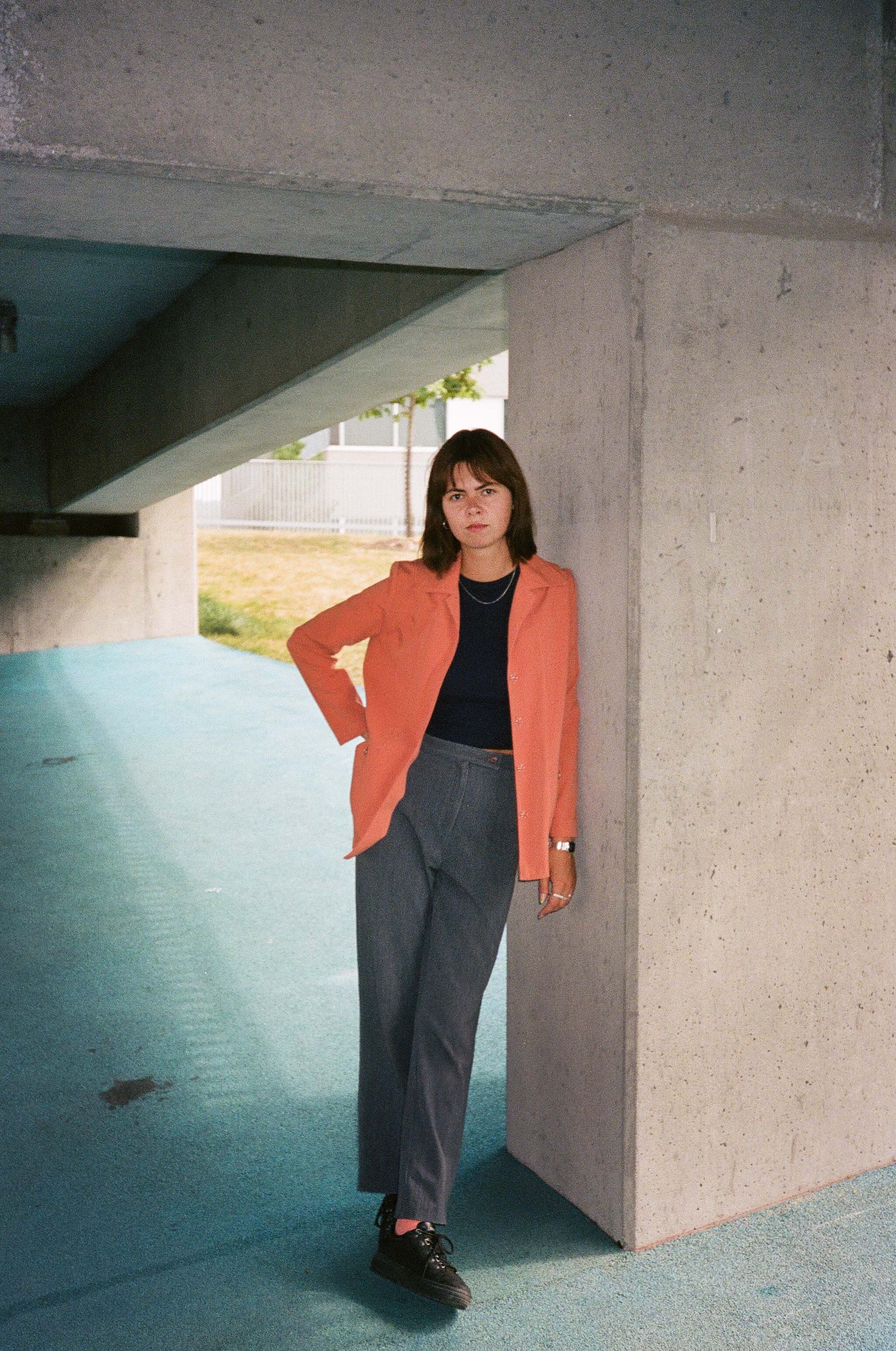
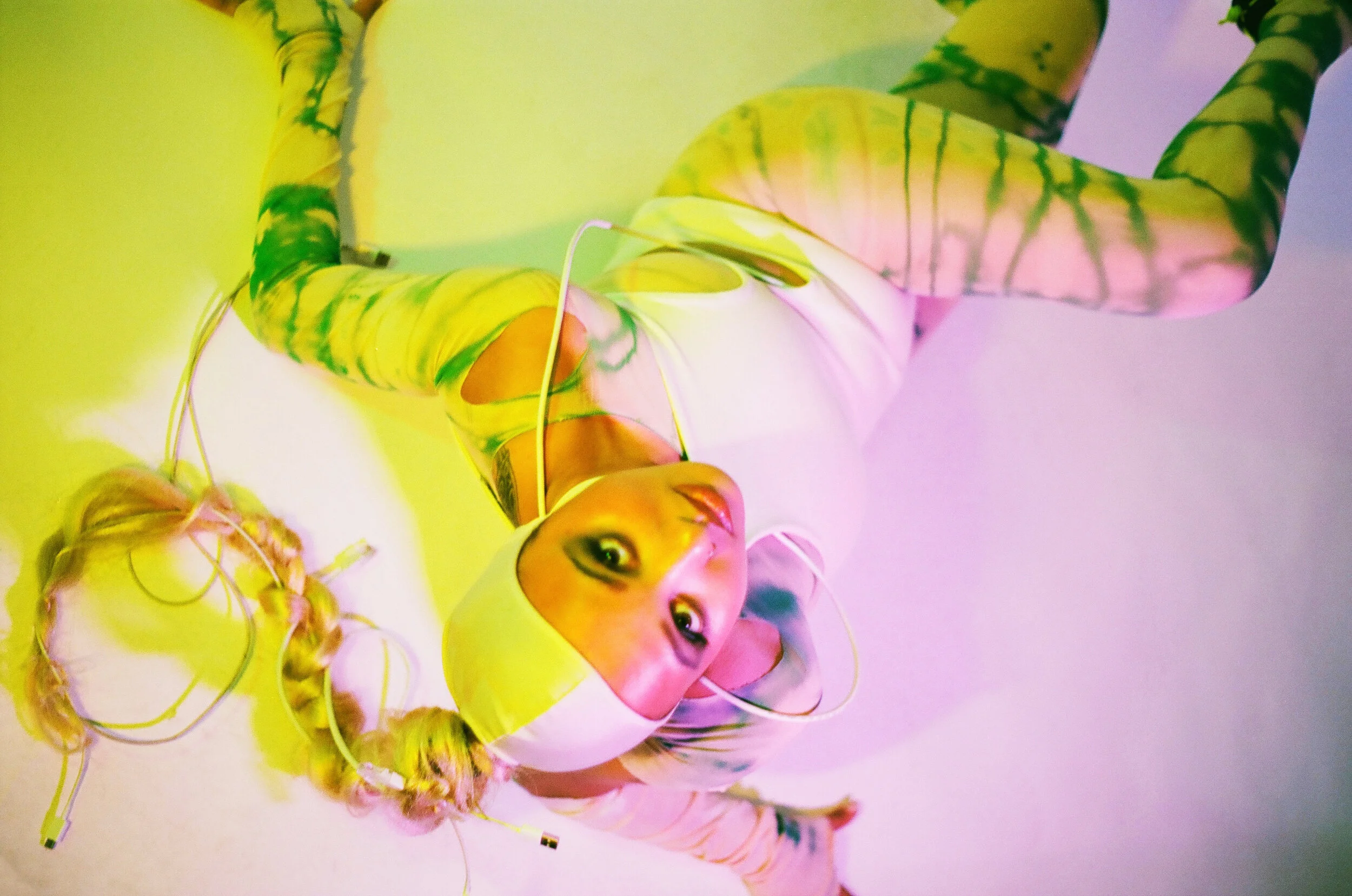
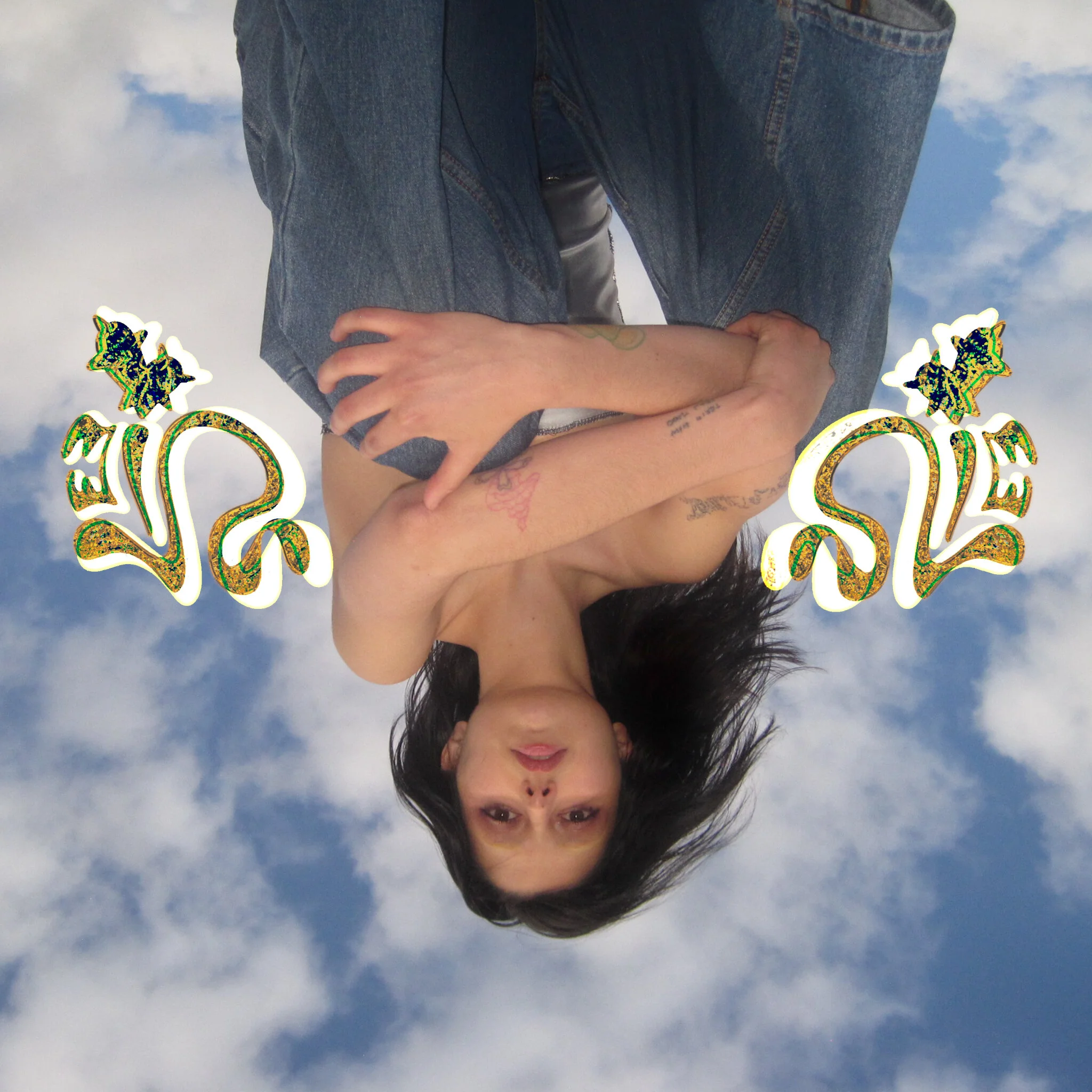
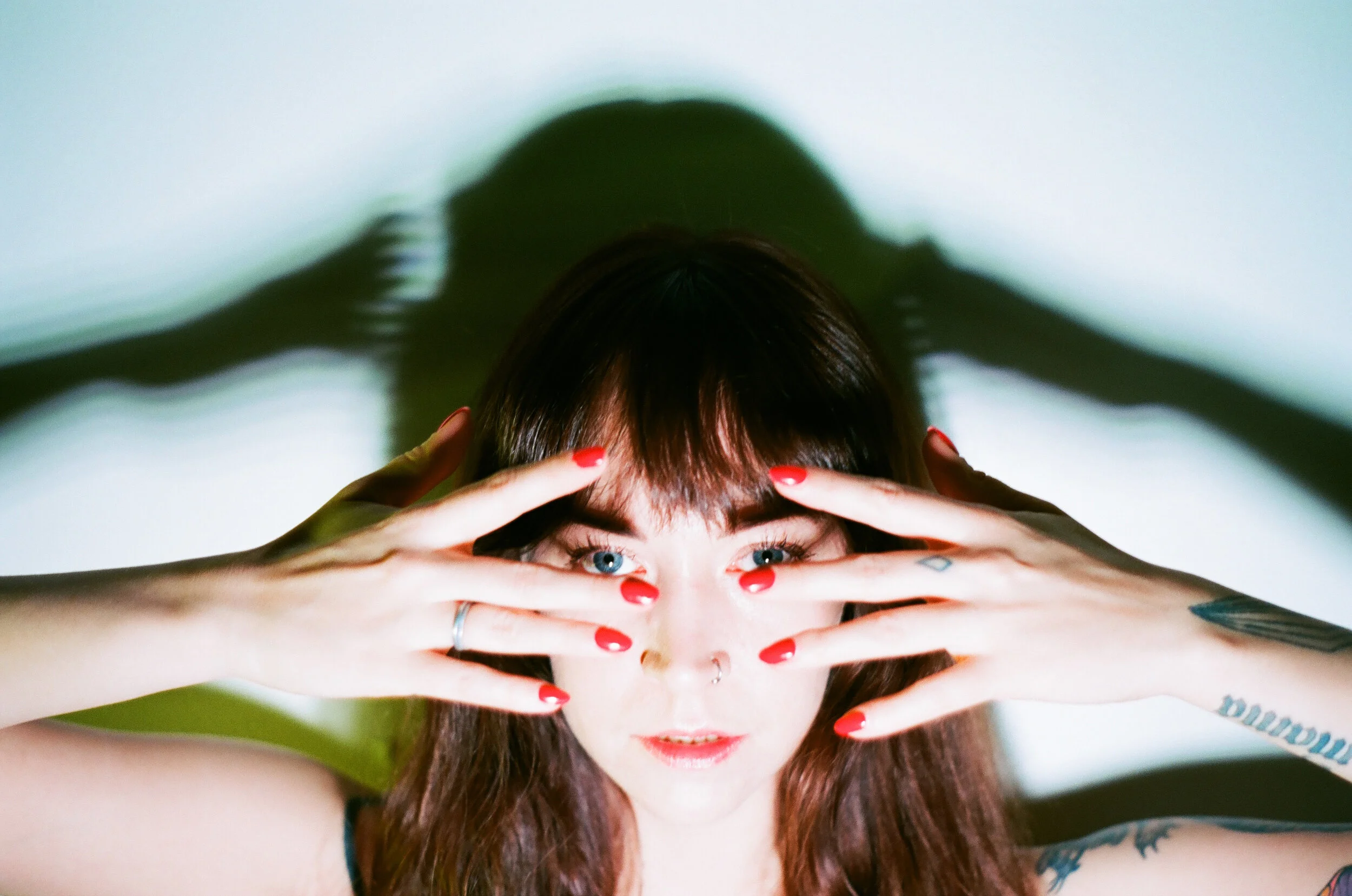
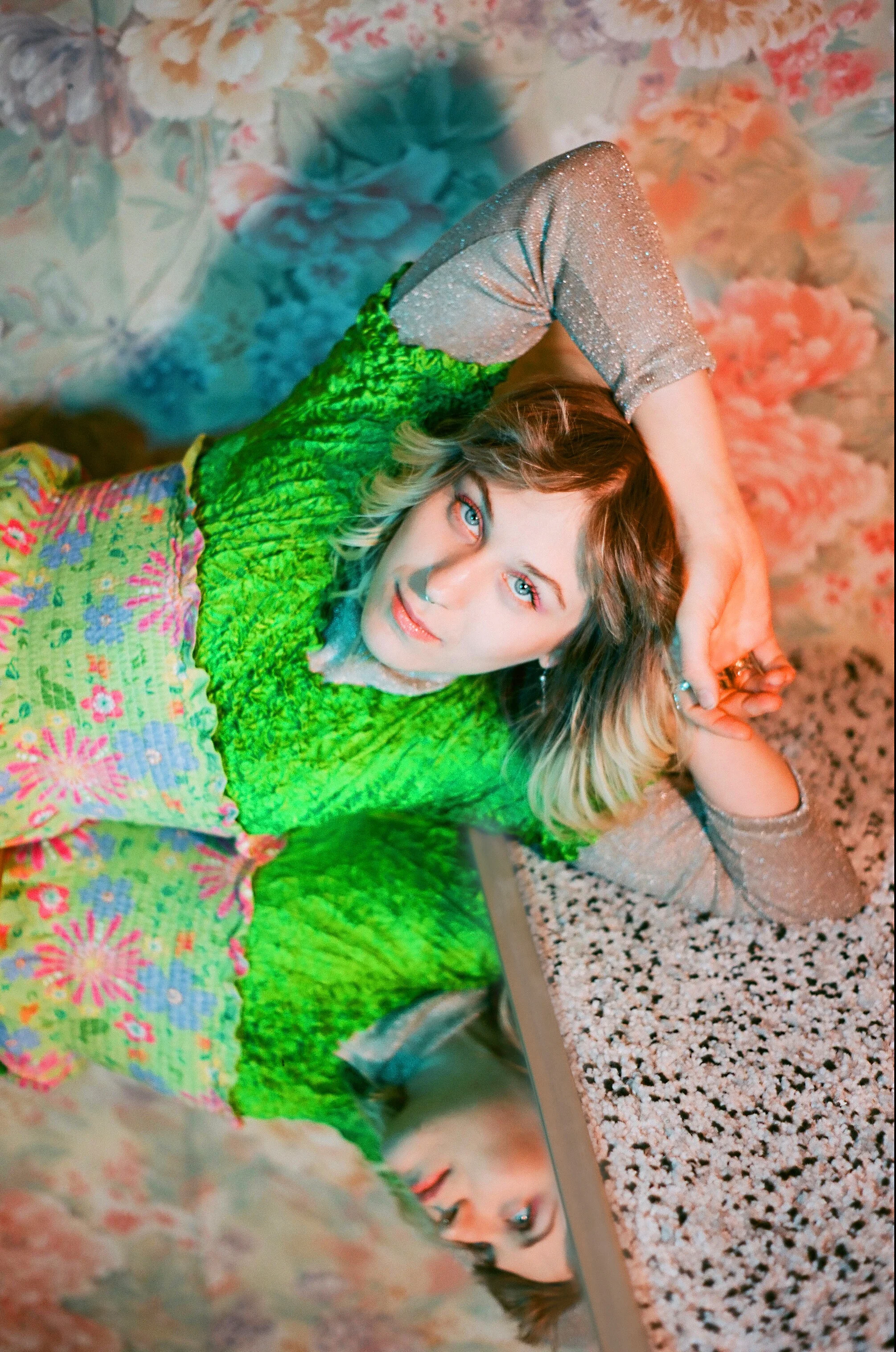
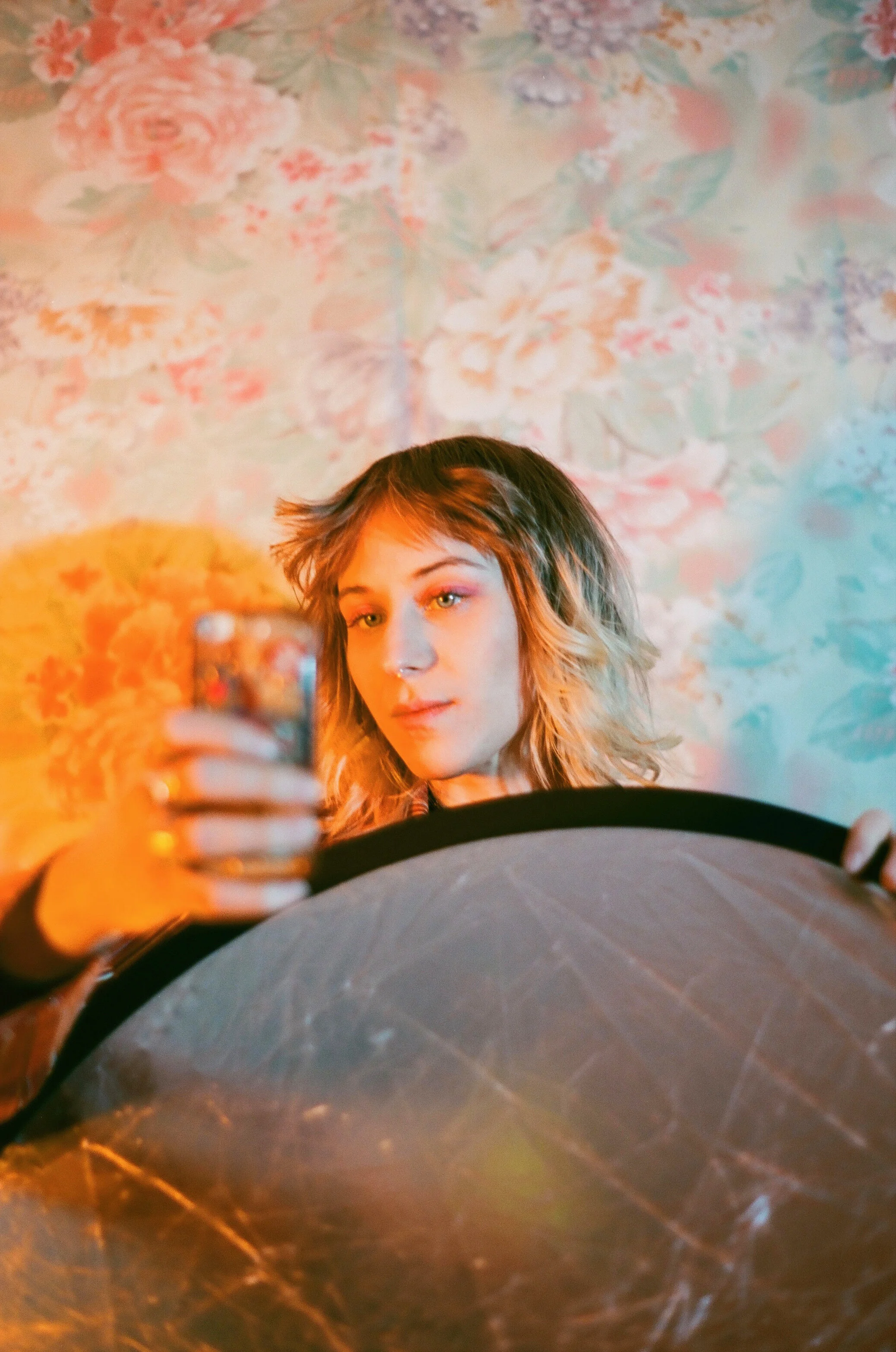
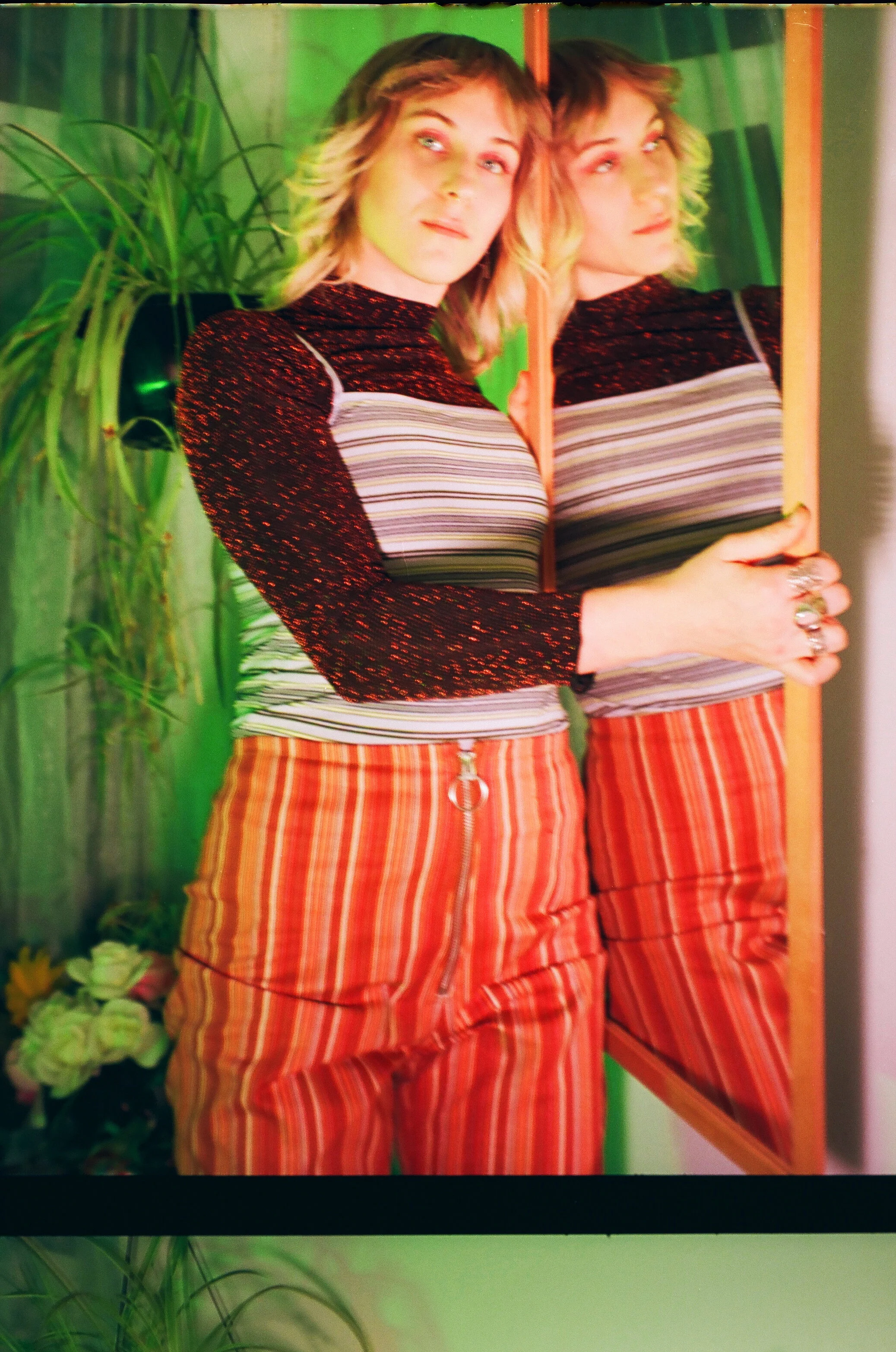
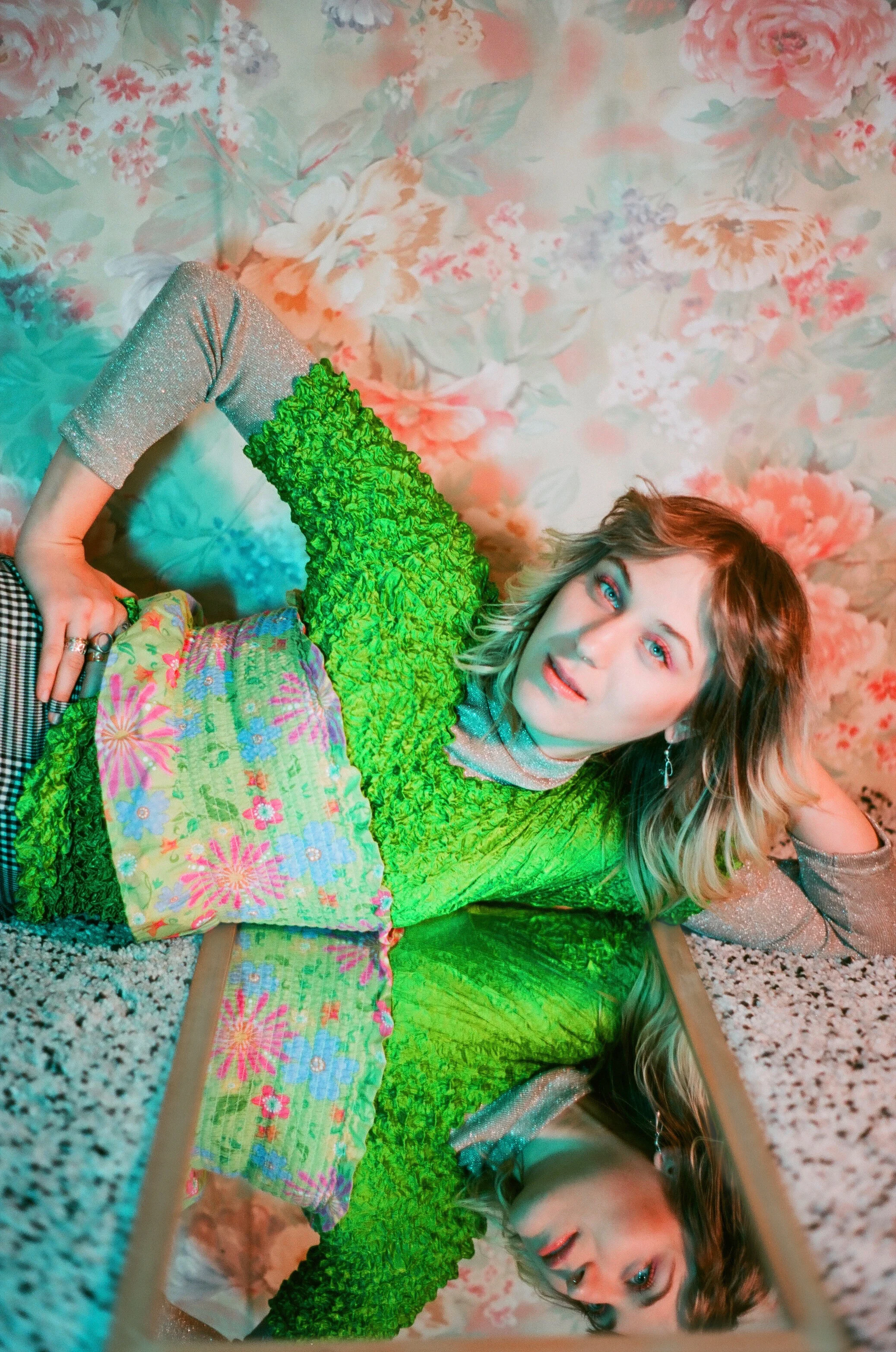
Photo of Molyness by Moussa Fellahi

Photo of Molyness by Moussa Fellahi

This interview was initially recorded in French, translated by the author.

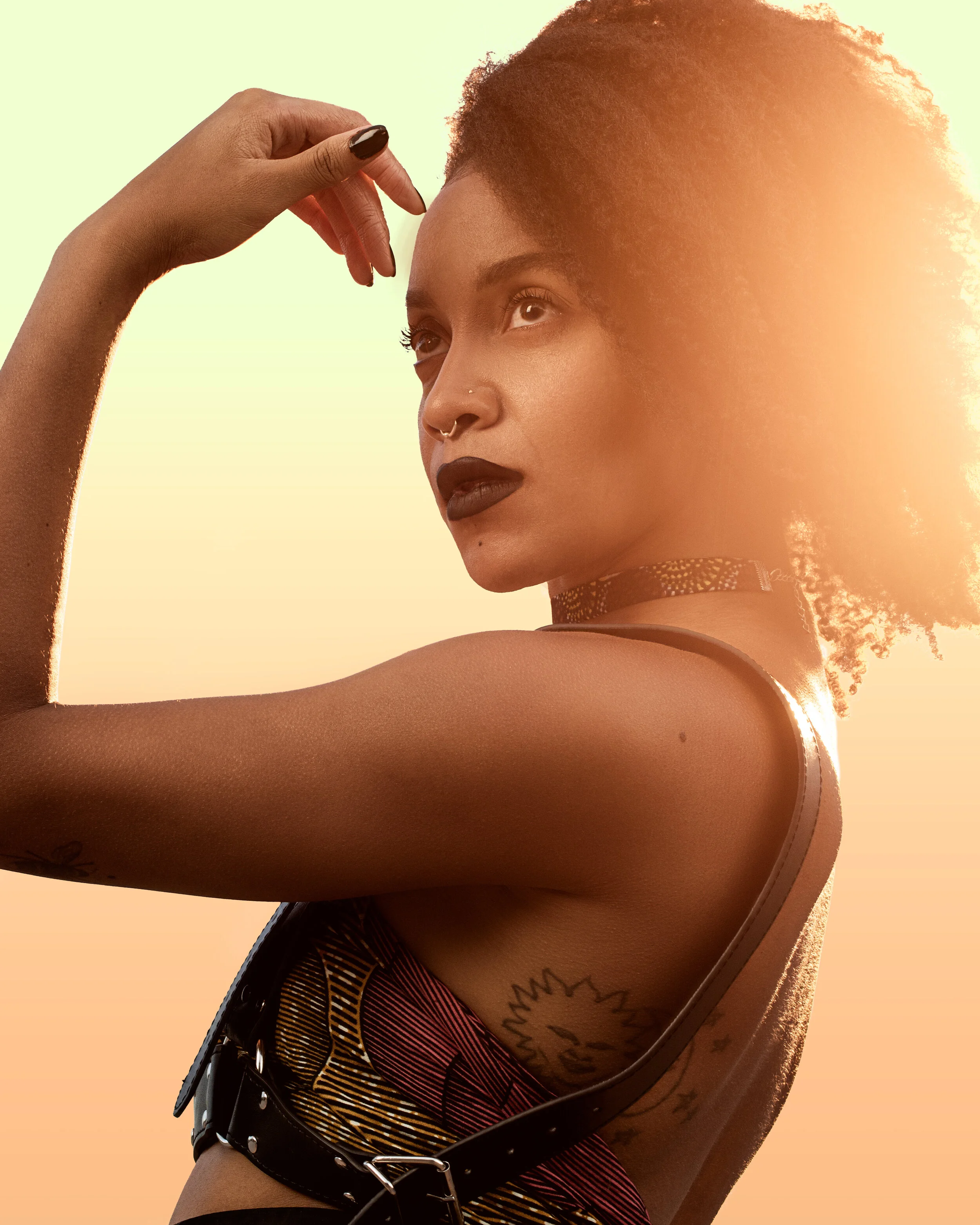
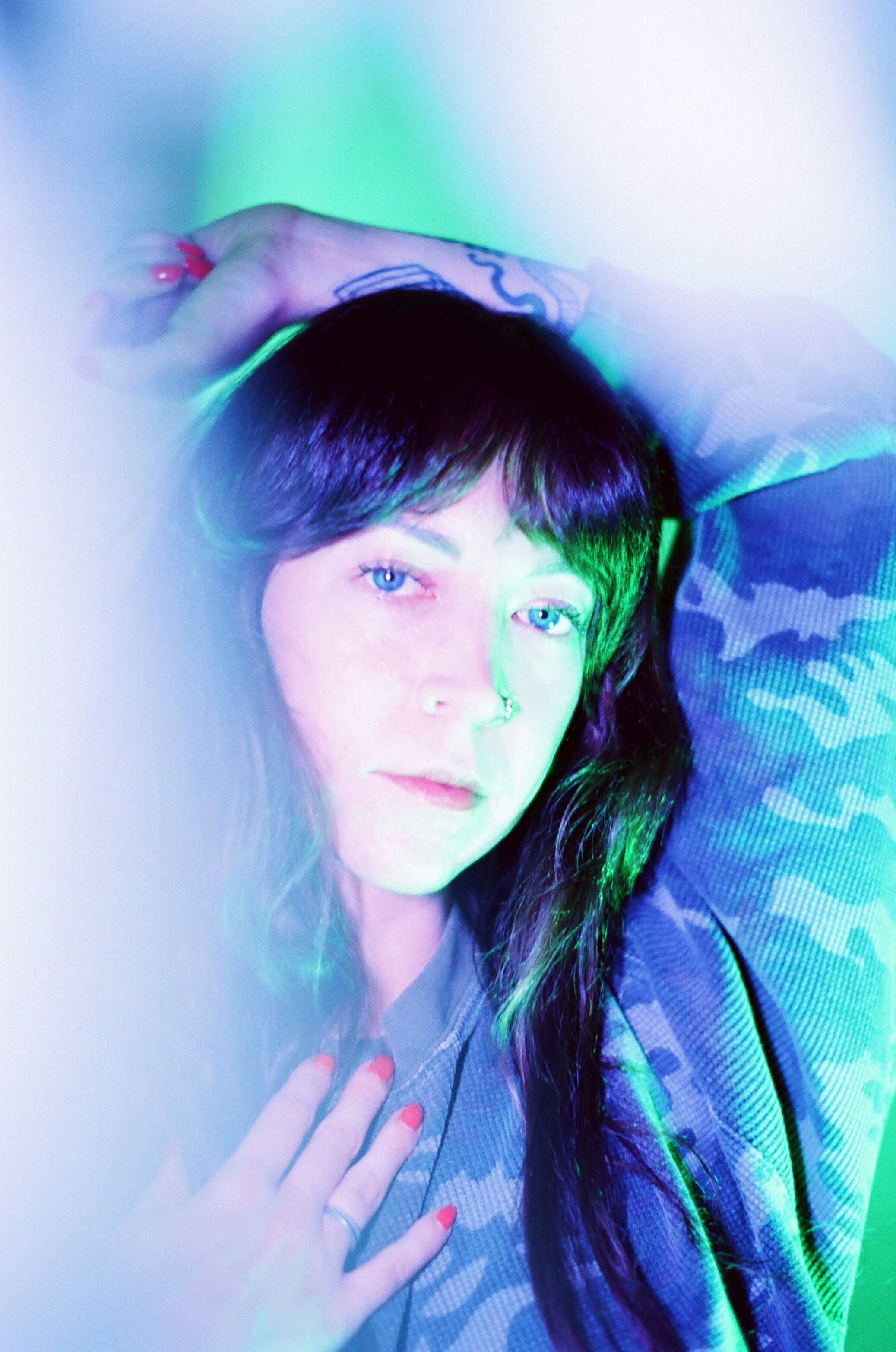
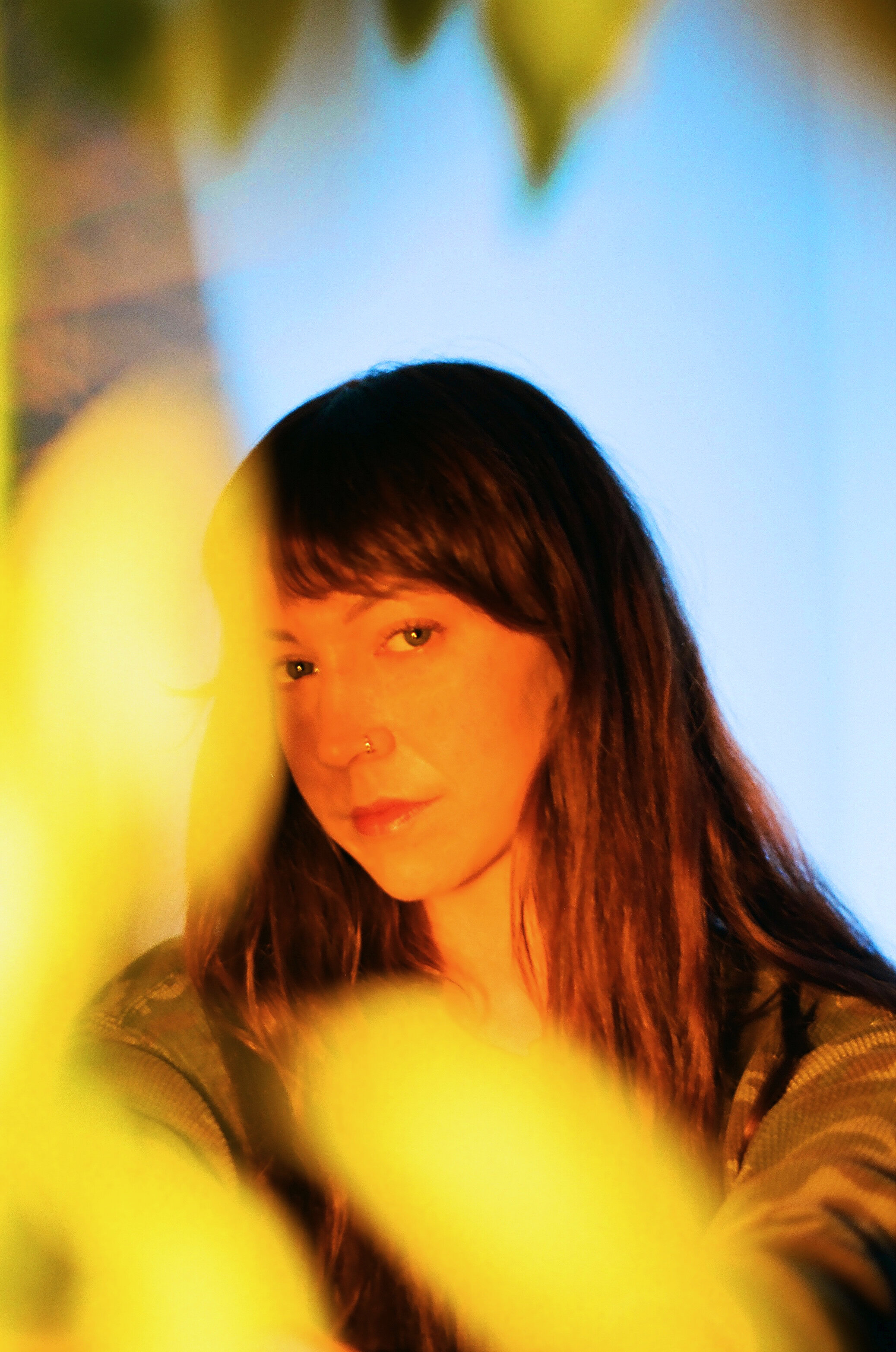
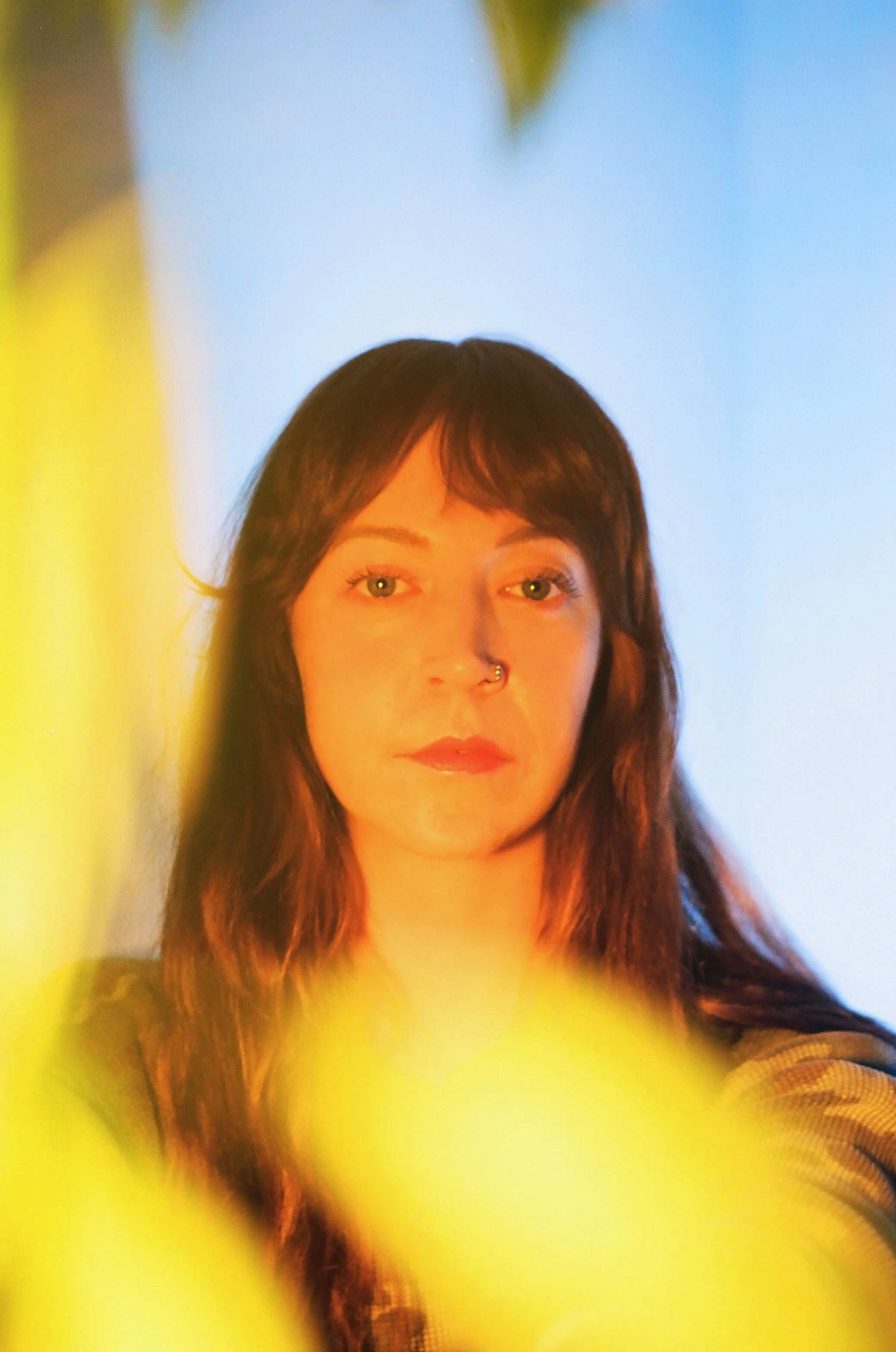
Having moved to Montreal from Morocco three years ago to pursue her passion for electronic music, Ines Mouline – better known as Molyness – brings a fusion of Gnawa, Sub-Saharan, Berlinesque, and orchestral influences into the scene, and her art.

I first met Mouline last summer at a techno afternoon party in the Mile-End. My friend introduced me to her, and I got to see her mix a set for the first time at the Newhaus, a club downtown where she has often played. It was back in Winter, we took a taxi down to the club lit with blue lights, behind a hidden door in the Dirty Dogs on de Maisonneuve. From there on I got to see Mouline frequently play, either at house parties, outdoor raves or larger venues.

Nestled in the back room of Le Café Depanneur, Mouline and I discussed her upbringing, her influences, the beginnings of her musical path, and her positionality in the electronic scene of Montreal.
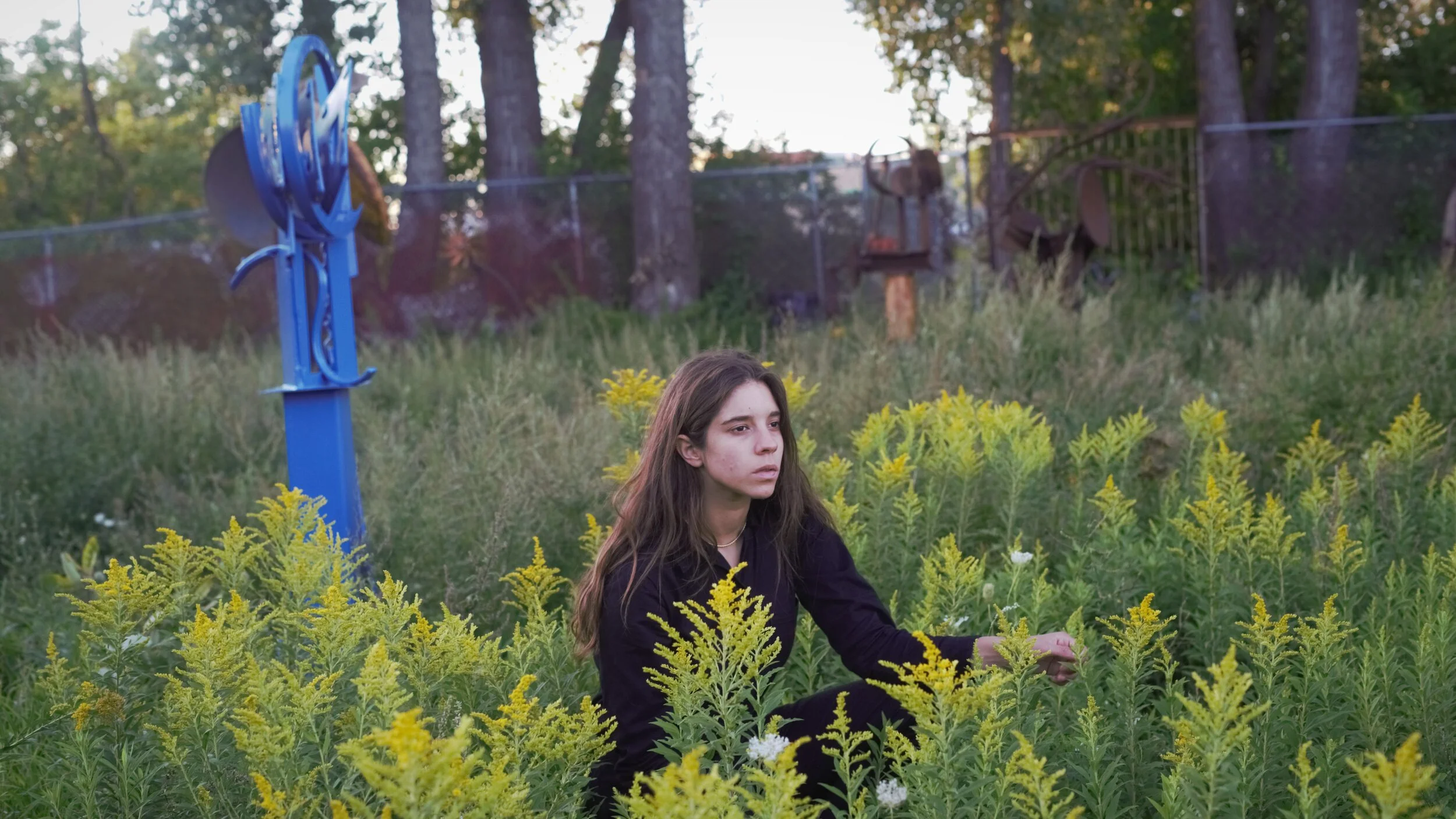
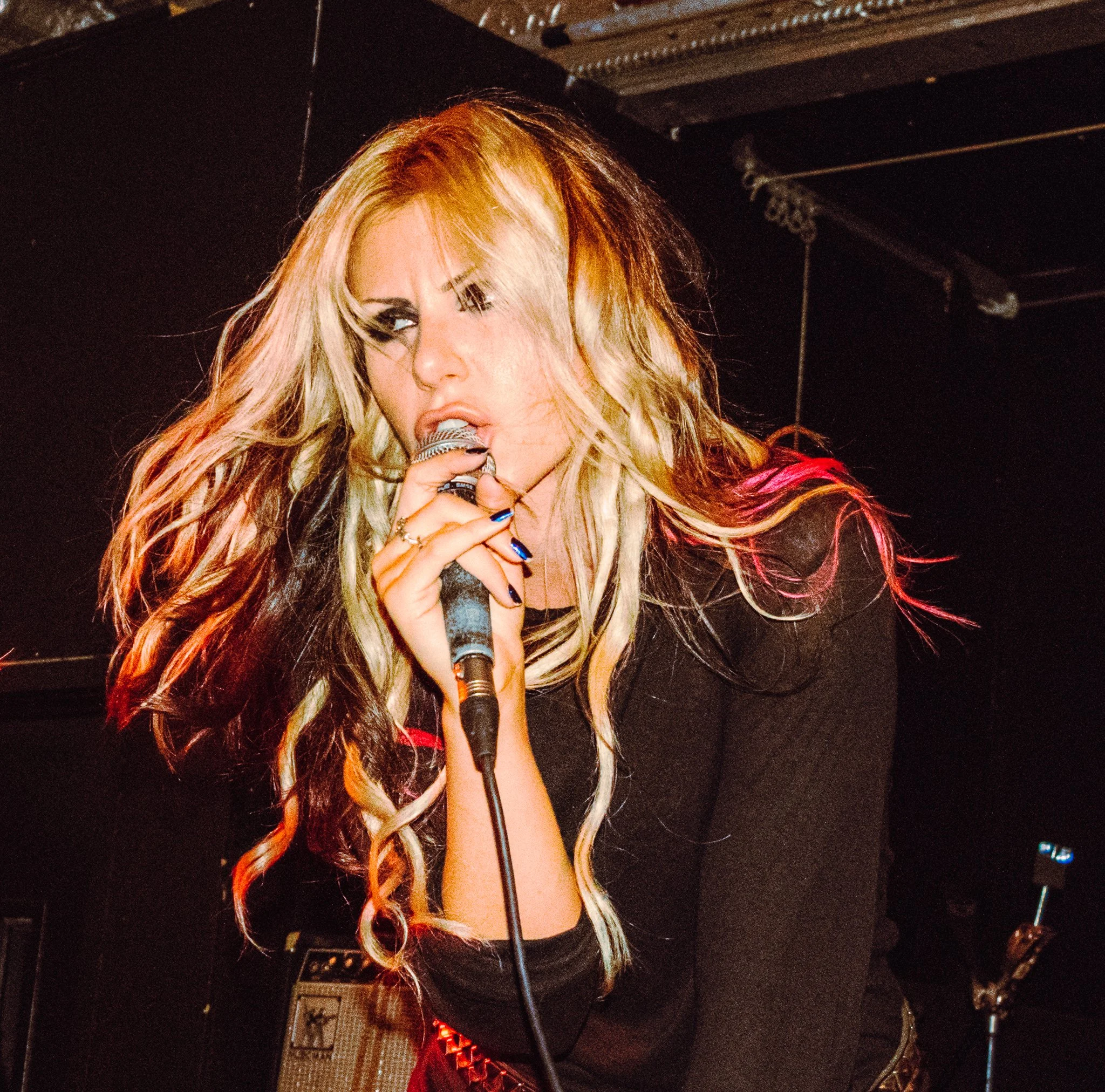
Photo of Molyness by Soline Van de Moortele

Photo of Molyness by Soline Van de Moortele

The style of her music is rooted in her attachment to her native Moroccan culture. She describes her style as “melodic-techno.” Mouline was born in Casablanca, but spent most of her childhood and teen years in the capital, Rabat. It was here that Mouline began her musical career. She grew up seeped in music, her mother pushing her to play piano, and gave her rock & roll influences – particularly, Pink Floyd, whose long intros and sound design have inspired Mouline in her musical production.

At a young age, her mother, a musician, had her playing piano, guitar, and later the bass. “My mother is one of the people who enriches me the most,” she said, “in what I do, in the sense that she encouraged me from the beginning. She let me leave so I could pursue something that I love and that impassions me.”

She began playing electronic music in highschool, as it became “la tendance,” the trend. New electronic music gear was hard to come by in Morocco – when she visited Medina with her mom, Mouline bought her first used production material, and eventually her dad would bring her back a Pioneer from France. Finally, her first year in Montreal, she purchased her first controller and her Traktor S4 which she continues to use for her live sets.
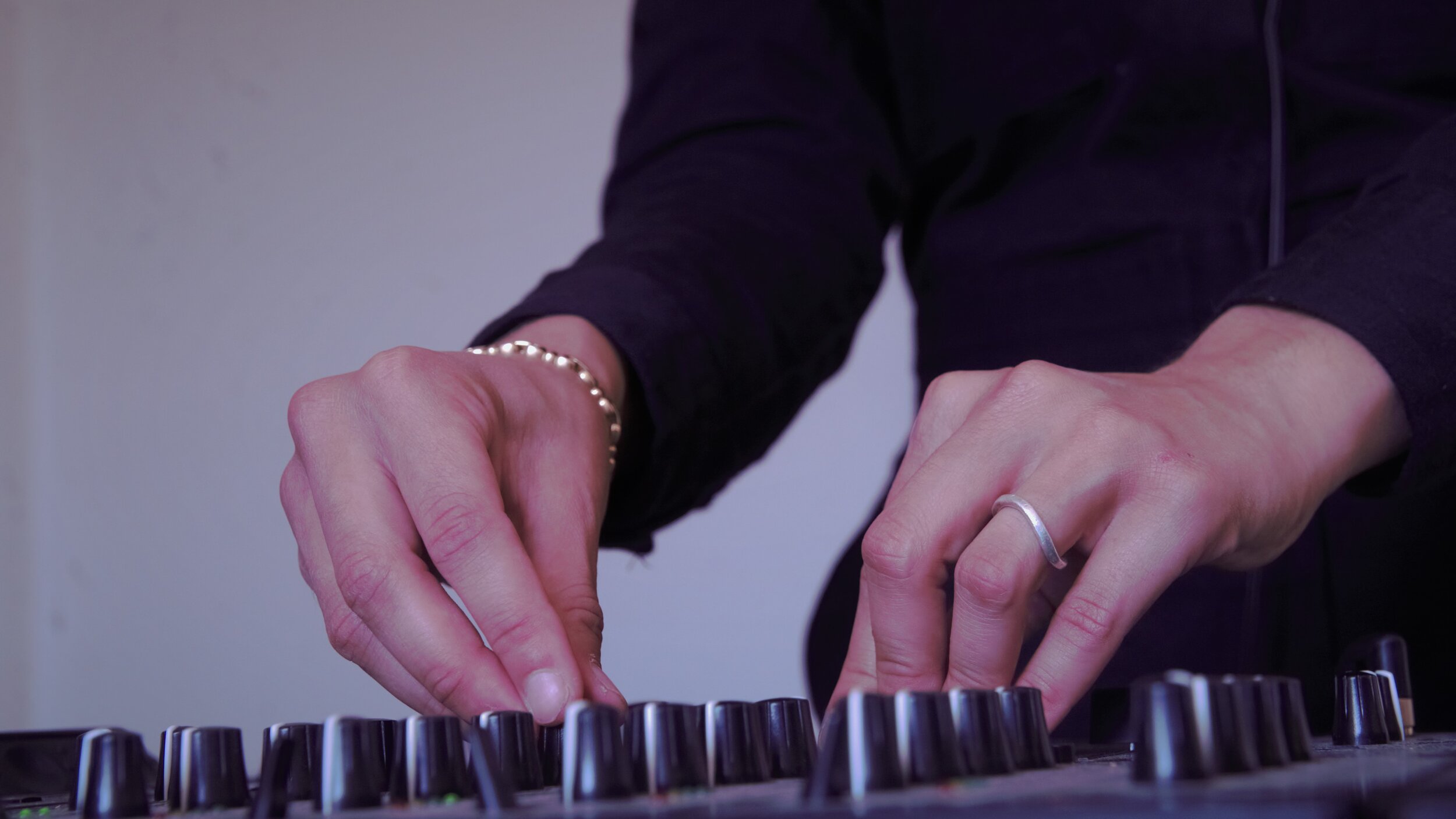
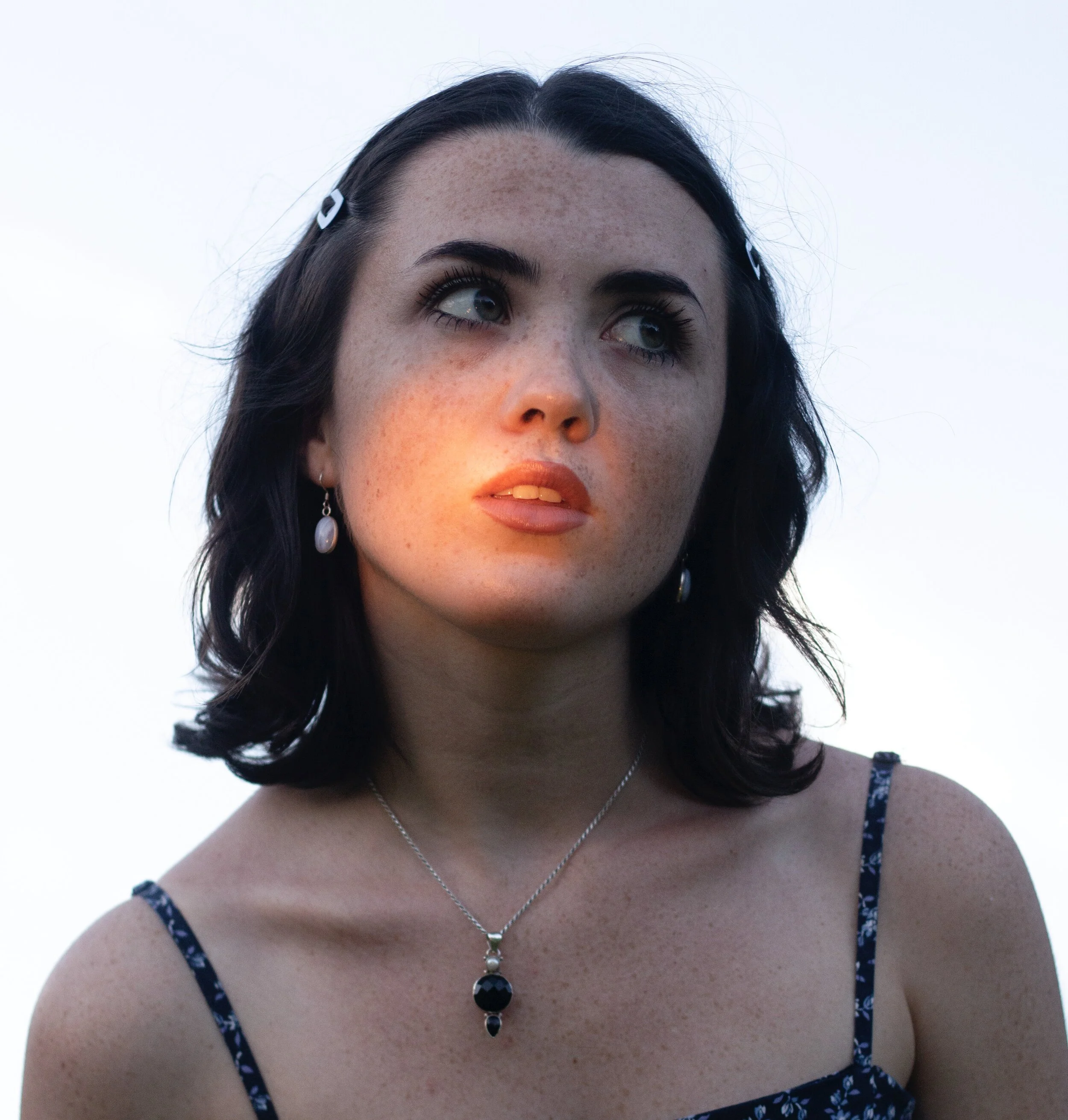
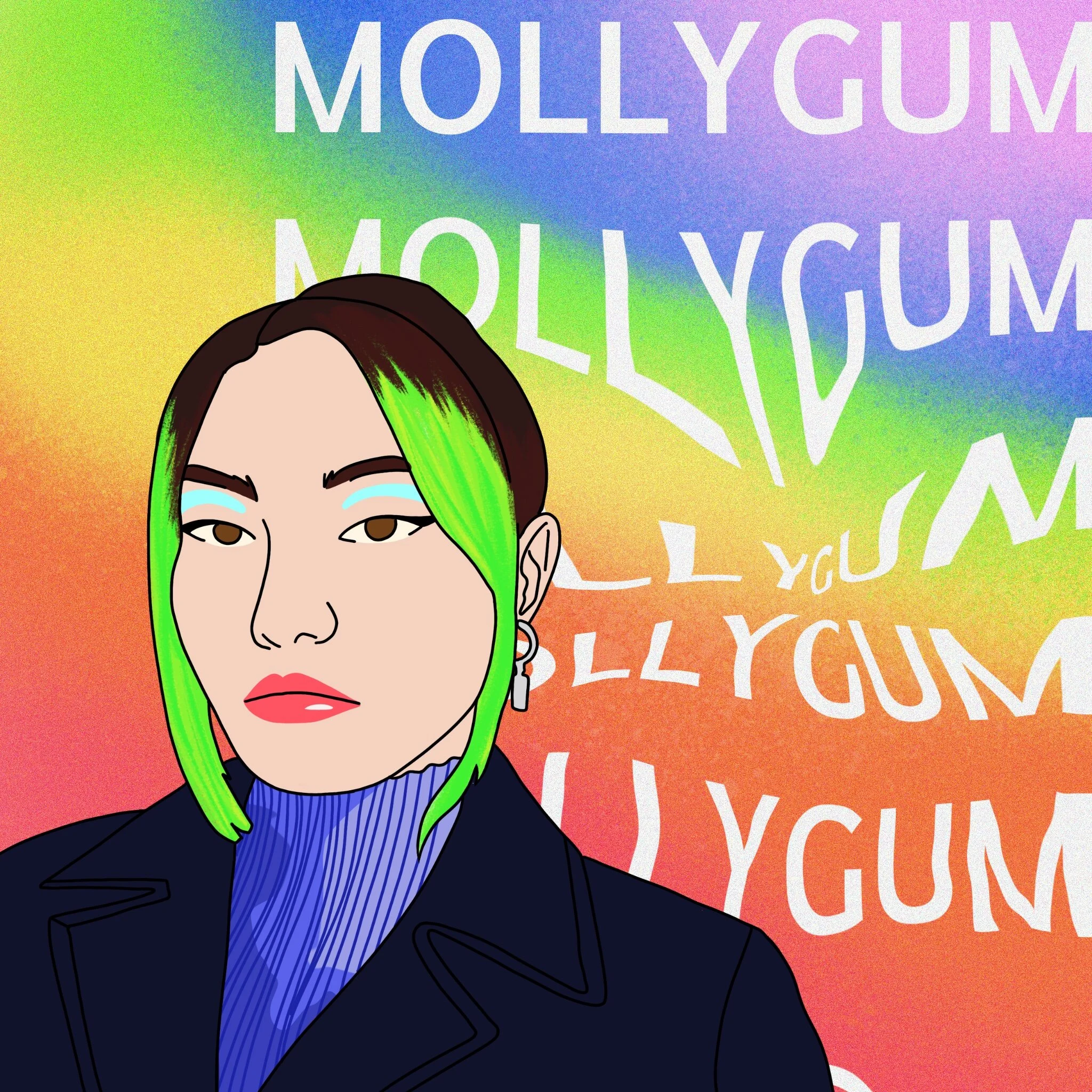
Photo of Molyness by Moussa Fellahi

Photo of Molyness by Moussa Fellahi

Mouline arrived in Montreal three years ago first to complete a certificate at Musictechnic, and after discovering electronic music as an immutable passion during this time, she took the next year off from school to build networks and perform around the city. Last year she began a Bachelors degree at Concordia in electronic music.

Most of Mouline’s evolution as an artist has come from each of her live performances – learning to gauge the public and space is something which demands an interaction with the energy given to her from her audience. “When I compare my first live sets, my first playlists, even people’s reactions, I’m told more and more that in my live sets people are able to better recognize my signature [as an artist]… More and more I let myself go, I let myself experiment a lot more.”

“Each time I perform a live set, it’s an experience, and I learn so much from each one.”
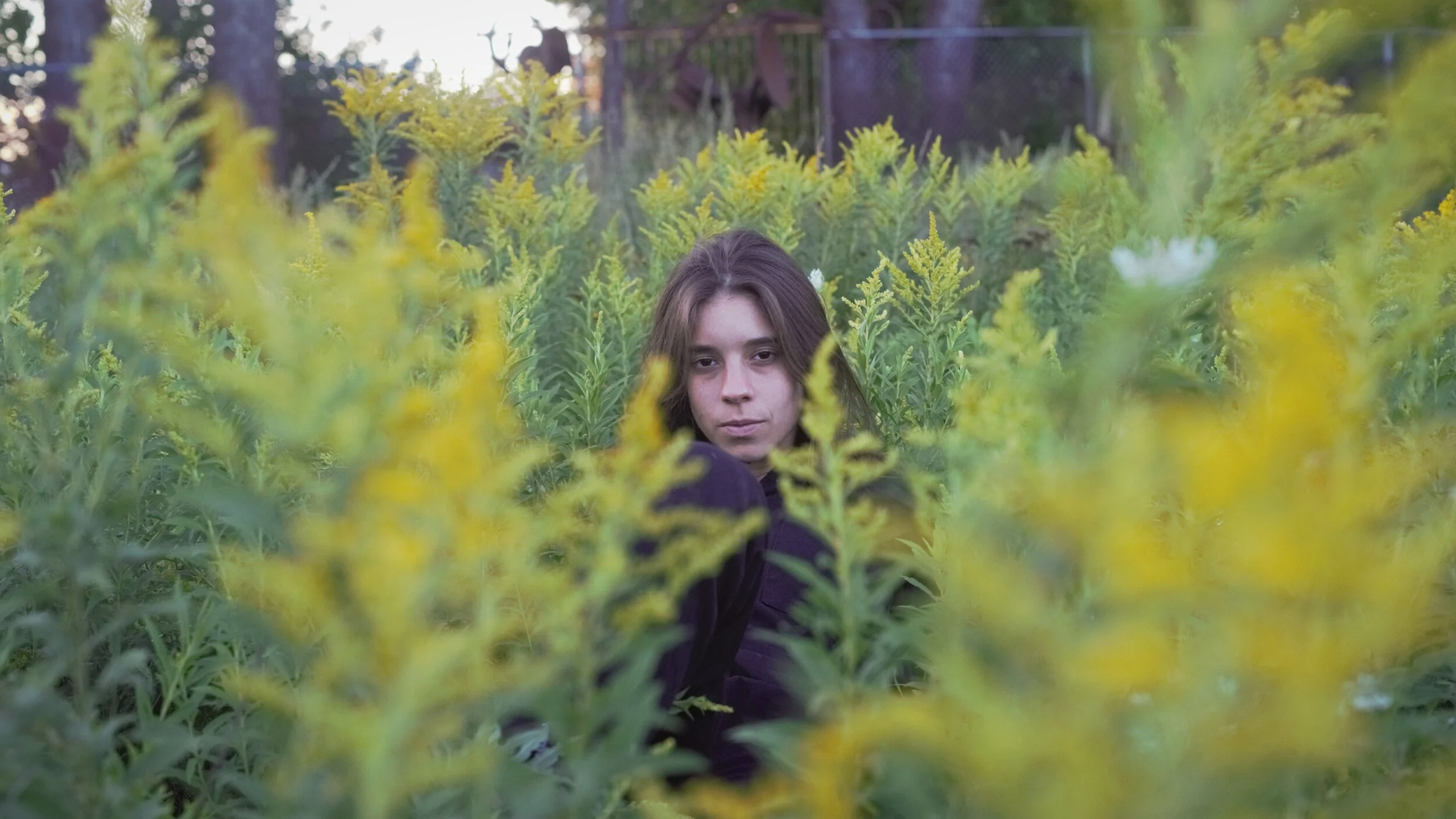
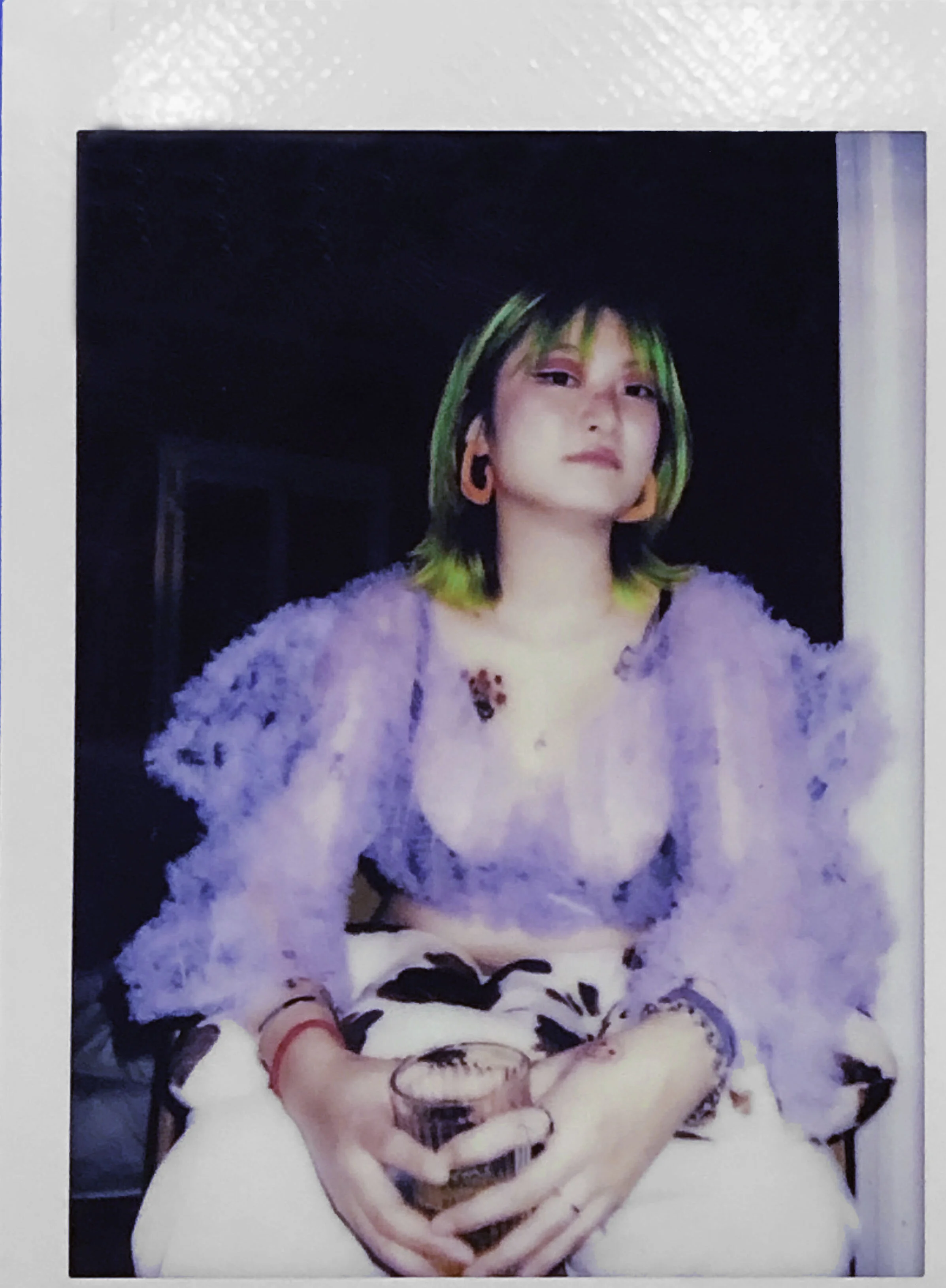
Photo of Molyness by Soline Van de Moortele

Photo of Molyness by Soline Van de Moortele

The first set she played was in Morocco, at a hotel party with a beautiful view her friend from school invited her to perform at back-to-back. “It was the best way for me to throw myself in front of an audience,” she explained. “It gave me a sense of confidence and that’s what we want.”

Her professional performances in Montreal kick-started when she met Abdel – stage name DJ Adverb – who plugged her for gigs across the city. He connected with her through his cousin who knew Mouline back in Morocco, and invited her to play an opening set for a party he was organizing at the downtown Montreal club the Newhaus: “He told me ‘You’re going to play at the Newhaus, it’s now that I need you.’ He had never heard a set of mine, nothing. He just trusted me.”

Mouline did the opening set for the night, and she recalled the experience as being “totally sick, it was just do dope.” From there on, Abdel became a kind of manager for her, booking her frequent shows at the Newhaus and the Velvet club in Old Port. She’s also played underground parties, in hidden indoor spots with more industrial techno. “I like the underground side, I like the intense side of it, but I think I’m someone who always prefers playing in nature.” In general, Mouline isn’t one to go out a lot in clubs or in raves that she might play in. “I don’t really go out in those places, I’ve never been the clubbing type…It’s an intense lifestyle to go out all the time.”
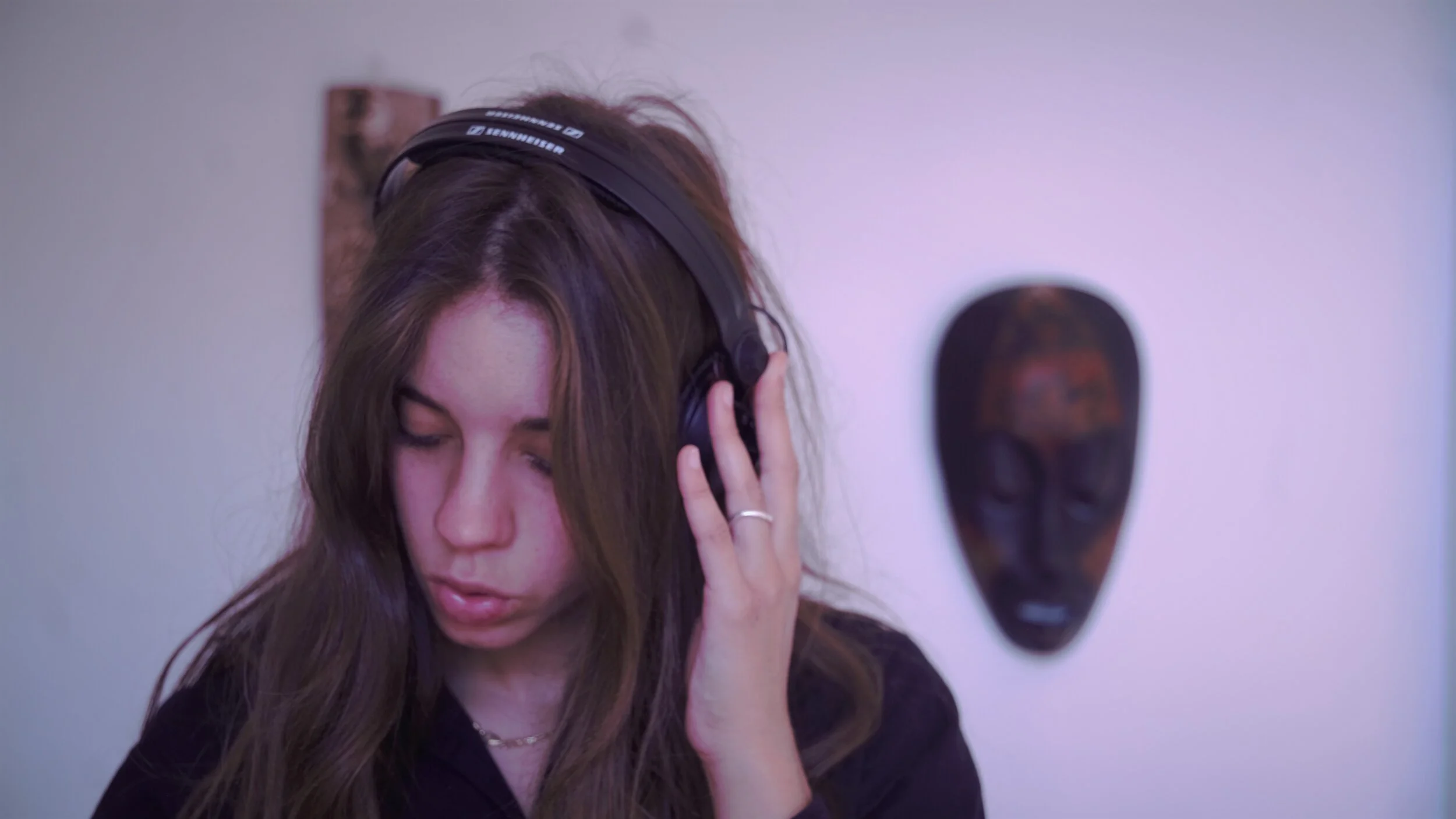
Photo of Molyness by Moussa Fellahi

Photo of Molyness by Moussa Fellahi

I asked Mouline about her biggest influences. “The first, the biggest, is David August.” David August’s Boiler Room set from 2014 was the first set she ever watched. “Honestly, there were no mistakes. His live set was perfect.”

“His album from beginning to end… that’s the kind of thing I want to do. The essence is very different from what I do, but in everything relating to [his] sound design, the way he interacts with the sound, how precise it is.” Him and Nicolas Jaar were the first DJs she followed.

“In music a bit more Arab there’s Shame who’s really good, and Monsieur ID. They play around a lot with Gnawian music.”

Mouline also described to me with passion one of her all-time favorite collaborative albums, “Marhab” by Maalem Mahmoud Guinia, Floating Points, and James Holden. A friend in Morocco showed her the album before she arrived in Canada. The album was done in a town near Marrakech, in Guinia’s home. They spent two-weeks in his home recording the album. “It was just recorded jamming…[I love] that alchemy, and that mixture.”

“[The album] is a good reference to what I want to create,” but with her own, less intense style.
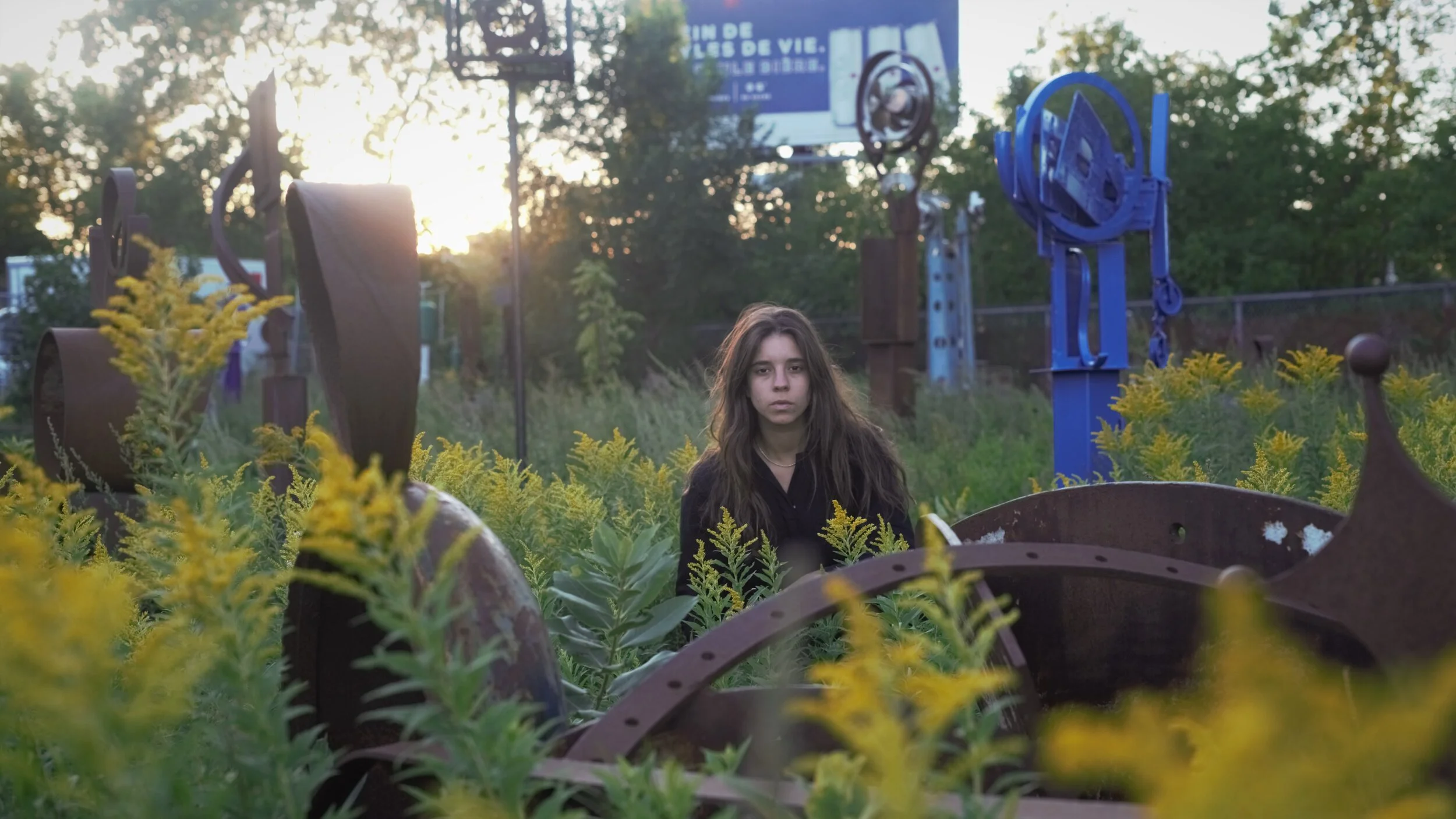
Photo of Molyness by Soline Van de Moortele

Photo of Molyness by Soline Van de Moortele

As a full-time student whose courses went online, Mouline lost most of her routine structure when the pandemic began raging in Montreal. That said, she was able to be productive, in part in her musical production, and in part in the places she was able to play at. It was the first summer she spent away from Morocco.

“Honestly, it had a more positive than negative impact for me. I recognize we were really lucky to be in Montreal, we weren’t completely restrained, there was trust in the population... There are always phases, moments that are easier than others, moments of putting yourself in question, but I took time for myself.”

“What I loved was that it gave space for newer artists.” Mouline had a chance to play in and organize smaller events at a more local level, rather than going through large, established organizations and collectives.
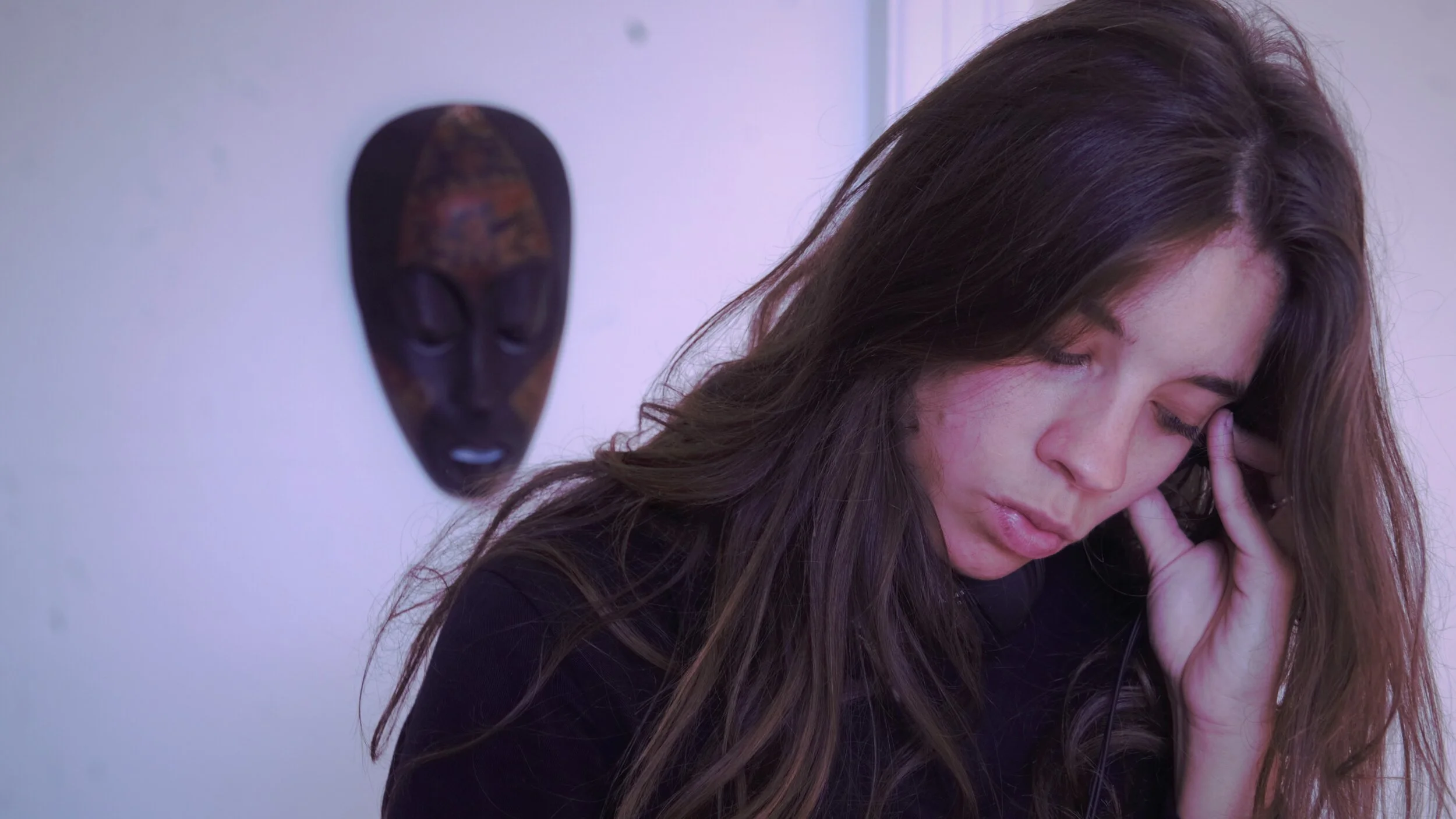
Photo of Molyness by Moussa Fellahi

Photo of Molyness by Moussa Fellahi

With the pandemic raging on and limited access to large events, Mouline believes more local artists will be brought forth. For the Montreal scene, Mouline said she’d “encourage…the push for outdoor parties.”

There are some, including Piknic Electronik and Igloofest. “But the prices keep going up…. I’d want to keep the spirit of Montreal…Everyone must feel good. We gotta stop increasing festival prices every year, [and] play more with the local scene. There’s tons of choices here for local talent, and diversity. No need to go far.”

Right as our interview was finishing up and Mouline was getting ready to leave, I wanted to ask her one last question that, as a techno-lover but not a techno-player, I wanted to know: how do you choose your songs?

“This is what I really learned through live performance… Between my first lives and the ones I do now there’s a huge difference. I now realize that the pieces I listen to alone, those that really get me vibing, aren’t necessarily the best for performing. It’s a different approach… I couldn’t give you the exact words to describe which songs I perform live.”

“It’s about the rhythms, and how you bring [the different songs] in. I play around, it takes time, it’s frustrating, you have to listen to a lot of bullshit… it always takes several steps. Some days I go check stuff on Beatport, Bandcamp, a bit of anything, and I transfer them onto my YouTube playlists.”

Molyness

Instagram

 Soline Van de Moortele is a Philosophy student at Concordia/insatiable feminist, raver, and writer. 
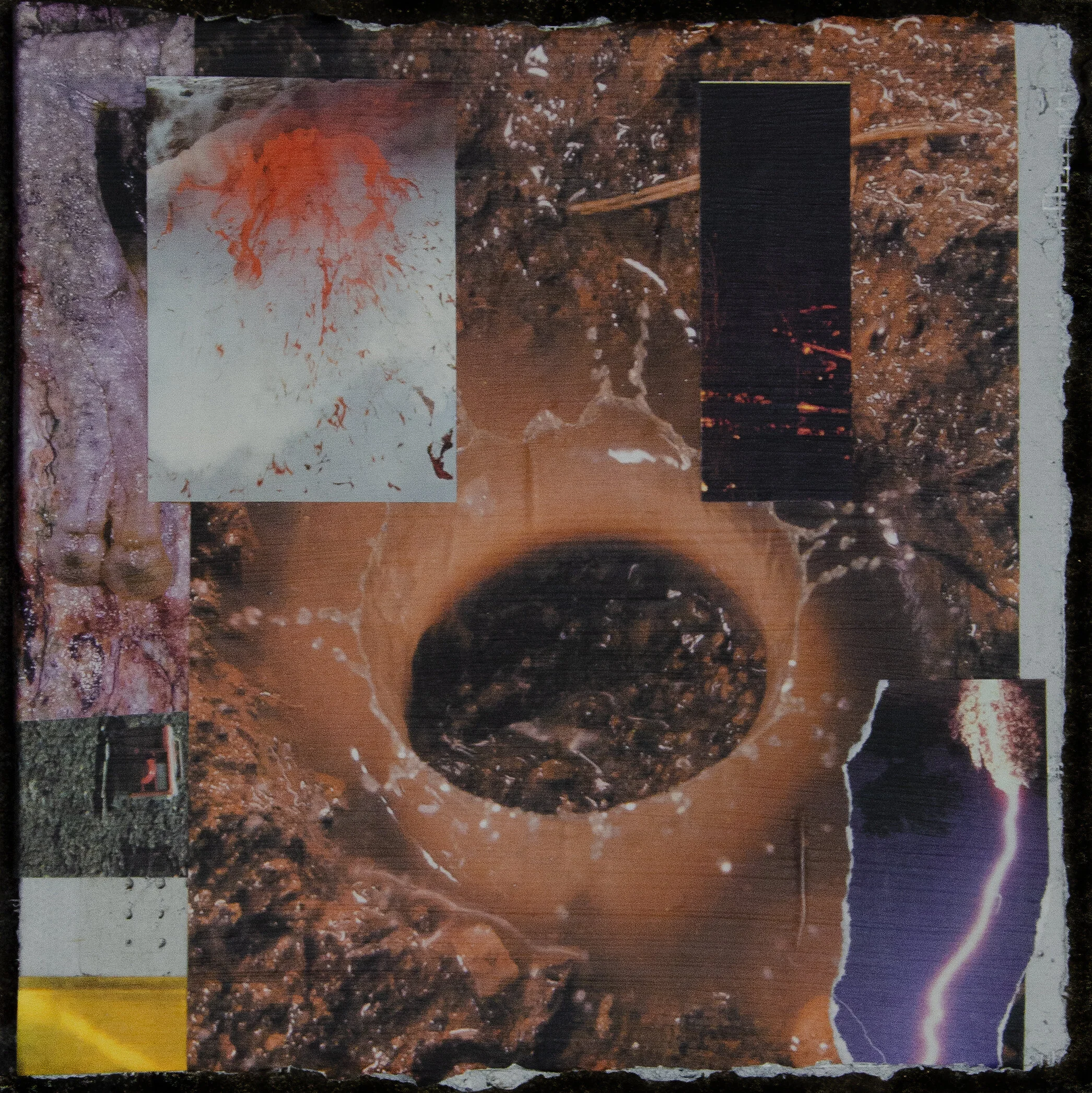
 

Premiere: GG Love - "It Could Still Be A Win"


Photo credit: Kensey Crane

As the hot summer days come to an end, autumn’s mystery and nostalgia gently envelop us, inspiring reflections on relationships past and present. The leaves might be falling, but MTL pop group GG Love’s new video for “It Could Still Be A Win” from their upcoming album, How Do You Define Love?, channels a golden-hued optimism that may best be attained by dancing with disco balls in an enchanted forest…

Their old-time friend, Regularfantasy (who we also interviewed in January), caught up with Georgia Graham (GG) and James Player (JP) on everything from how the band got together to what their signature Pump Pump moves are (keep reading for context!).


Regularfantasy: Who are GG Love?

Georgia Graham: The project started with just me. I played one solo show in my living room in Vancouver before moving to Montreal. James and I started making music together and it grew into a band, for many years with KÌzis Cota on bass. Now the band includes James, Jane L. Kasowicz Chris Hernandez, and myself.


RF: What does the name mean? I know this was your nickname a while back (back when we used to work together at a hair salon) - how did it come about?

GG: GG are my first and last initials - and Love is my middle name. I typed it into SoundCloud when I made my very first demos without really thinking, and then it just stuck.


When did it all begin for you, musically? What inspired you to start a band?

GG: I wrote the first GG Love song, Leave Your Car, on a keyboard I found at my mom’s house back in Victoria in 2012. Before that I was writing and performing kinda folk songs and sometimes playing in other people’s rock bands. It felt good to get the drum machines going. 

JP: Georgia and I met while we were in a production of Jesus Christ Superstar. Georgia played Anas, the priest, and I was the guitarist in the band. We started making music together soon after that.


What are you influenced by in your music?

JP: All of us in the band have a lot of diverse musical interests that influence how we make music together. I’m really interested in improvisation, and that’s sort of my approach to guitar playing, both in recording and performing - improvising inside a pop song structure. Lately I like Mary Halvorson a lot.

I also really like 50s pop music and doo-wop.

GG: I love collaborating and am interested in pushing the performance aspect of a live show. Earlier this year I performed as Tall GG on the shoulders of Laura Jeffery (one of the dancers from the music video) wearing a long coat. I can’t really experiment with performance in that way these days, so I’m turning to video to channel some of that energy. 


What is “It Could Still Be A Win” about?

GG: It’s not about a specific person, but more of a reflection on relationships from my early 20’s. I wrote these lyrics about 5 years ago, so the line about being called out felt a lot more light-hearted. It’s about being skeptical or disappointed by someone, but also seeing their potential. 


Have you acquired any new COVID hobbies?

JP: I started a work out group called Pump Pump. At first it was my friend David and me. Now there are 32 people in the Instagram DM thread - which is the maximum number you can have. You can find us every other day in Jarry Park at either 10am or 6pm by the hill. 

GG: I started sewing and modifying my clothes which feels pretty classic COVID. 


What’s your signature Pump Pump move - GG how’s your knee?

JP: Frog leaps.

GG: Romanian deadlift. I’m trying to remember to do my physio exercises for my knee, thanks for asking.


What about the vid - where was it filmed? Why frog? Why Clown?

JP: It was filmed on Mont Royal near the cemetery last fall. 

I’m pretty obsessed with Fall. I’m also sort of obsessed with frogs. I had a frog costume in the closet, so this seemed like a good chance to combine the two interests. I also really wanted to film at night and have a fire looking something like the midnight society from AYAOTD (Are You Afraid of the Dark - the 90’s horror series).

GG: A lot of it was improvised so I can’t really explain the clown - it was just the vibe of the moment.


You tend to keep yourself busy - what other projects have you been working on?

GG: I co-curate an annual photography slideshow called Magic Lantern that’s coming up soon. We also just filmed another music video (that features Pump Pump!), so I’m working on editing that. 

JP: I’m going back to school. Electroacoustics. Today’s my first day.

Check out the video for “It Could Still Be A Win” below:

Enjoy the videos and music you love, upload original content, and share it all with friends, family, and the world on YouTube.


Premiere: Alpen Glow's debut single "Saturday Nite"


Image credit: Amery Sandford

Remember that Gossip Girl meme that was circulating a few months back? There was one really relatable rendition of it - and I really miss going to gigs, girl. Please find below if you haven’t seen it, courtesy of the very niche Montreal meme page, @burymeatleritz. Alpen Glow’s debut EP Amertape 2020 threw me right back into that quintessentially ‘covidian’ mindset of reminiscing about nights out partying with friends, dance floor romances, and most notably, hugs, girl. 

Alpen Glow is the debut solo project of Montreal-based visual artist and musician Amery Sandford (BBQT, Born at Midnite). Inspired by new skills acquired during lockdown, Amertape 2020 and the accompanying 3D animated videos are an escape into an alternative digital dream world where your lockdown fantasies come to life. Far from being heartbreak songs, Amery’s cheeky lyrics keep the vibe lighthearted and fun, with instrumentals tastefully inspired by the corniness of 2000’s pop and reality TV. 

“The whole thing kind of happened within the time of lockdown. I wrote it all when I was deep in quarantine so that I could go somewhere else mentally - on the days when I could actually make music. I also cried a lot and watched a lot of reality TV. Quarantine was a lot of creative productivity and a lot of being really sad.” 

Admit it, we’ve all had at least one trash TV show we’ve been unusually invested in these past few months. When asked what her guilty pleasure was, Amery unhesitatingly named Real Housewives as inspiration when writing this EP, “I actually started watching reality TV in a serious way during quarantine and the songs are definitely inspired by those weird social experiments. I’ve been watching a lot of Real Housewives - a few of them have music projects and make songs that are very highly produced, but lyrically very sketchy. It’s kind of crazy. I’ve been thinking about these highly-produced, super ‘aspirational’ people who appear on Bravo TV a lot.” 

Photo credit: Brandon Brookbank


Sketchy as it may sometimes seem, stark detachment from reality proved to be a great coping mechanism for bleak times, “I was entering these weird worlds through reality TV… I was also alone in my apartment because I don’t have any roommates… and I was thinking about going somewhere else for a minute, and about the power that creative people have to do that - the power of world building.” 

While some of us just binge-watched Too Hot to Handle, Amery saw an opportunity to integrate her visual art with her music, taking the time to learn how to play the keyboard and do 3D animation, “It was a good time to learn something new - I got really into 3D animation and taught myself how to play the keyboard - and I ended up writing all the songs on it.”

The videos are an experimentation with using a highly-technical program for the first time and freely accepting the clumsiness that comes along with it, “Visually, since I’m not very good at it yet, I would say [the videos] look like early 80’s animations - all these weird spaces that look like a video game with me on a tiny screen. It was a very lo-fi look.” Is it an Instagram filter? Are we in a Zoom club scene? Who knows? Almost too closely resembling some saved video-call screenshots on my camera roll, the aesthetic is relatable and reminiscent of the virtual reality we’ve been living in lately. 

Image credit: Amery Sandford

“Saturday Nite” has a bar scene at the hottest new fantasy dance spot, Amerbar, “I was just thinking, ‘Oh, I'm going to make a bar,’ and then once I modeled it - it looked really sketchy! It's funny visualizing something and then trying to recreate it in a program that you're not very good at - I love that shit. I love when people use programs like that, but they aren't necessarily technical [themselves]. They make something that sounds really unique. That's always been my relationship to music. I'm a visual artist first and musician second - and [being an ‘outsider’] makes it very special.”

“A lot of people that I know just pick up music - and you just have different ideas when you're not a trained musician. You can make things where trained musicians are like, ‘what the fuck?’”

Who needs music theory when we’ve all been in need of a hug since March...


Check out “Saturday Nite,” the first single from Alpen Glow’s Amertape 2020, below:

Enjoy the videos and music you love, upload original content, and share it all with friends, family, and the world on YouTube.


Make sure to stay tuned for the release of Summer House on September 18th and the full EP on October 1st on Bandcamp

$2 from every sale will be donated to The Black Healing Fund, a Tio'Tia:ke / Montreal based project that exists to provide Black people in the MTL area with discretionary funding for therapy and other mental health focused resources.

Below is a playlist of songs that inspired Amertape 2020, including one Real Housewives production (!!!) called Chic, C’est La Vie - we are obsessed.

Enjoy the videos and music you love, upload original content, and share it all with friends, family, and the world on YouTube.


Artist Spotlight: Active Surplus talk creativity, friendship, and releasing their first EP on Pacific Rhythm


Image Credit: Michelle Chiu

“We were always just chillin - we were homies. Homies first, and then we just happened to love jamming.” 


Active Surplus, the collaborative project from Toronto duo Evan Vincent (Emissive) and Ian Syrett, is a product of friendship. As most good things do - one of the most exciting new electronic projects began completely by chance. The two met at a house party in 2014, while studying in London, Ontario - they happened to be the only people in the room who listened to techno. After many years of hanging out and jamming together - they’re convinced to now be approaching thousands of hours of face-to-face time (re: the 10,000 Hour Rule) - this May they released their eponymous first EP on Vancouver label Pacific Rhythm. During a Zoom call one warm quarantine evening, I chatted with Evan and Ian about everything from the ins and outs of producing music with a friend, to piecing together years of work for their debut record, dreaming of hazmat suits to bring back clubbing, and their parallel love for both Baltimore house and roti. 


The EP is a compilation of four tracks weaving together groovy, chilled-out electro melodies with chopped breaks referencing the percussion of Jersey club Bmore house. The intro track, “Yaye”, sets the scene with an addictive vocal chant over very danceable, choppy drum samples, and gentle chords characteristic of the West Coast sound throughout. 


This unique combination of influences was what turned years of jamming and experimentation into a distinctive voice. “We got to the point where we realized we had a LOT of music - and we just sat down one day and we were like, okay, let's actually start putting all the loose ends together. Who does this energy speak to - what sort of cultural movements are inspired by this and are informed by this?” One particular movement seemed to really resonate with them - and suddenly the rest of the pieces fell into place.


Evan: “We started chasing down the Bmore [Baltimore]  sound pretty heavily. Finding ways to flip that into what we were already doing. And I think that's really the one thing. It's really hard to have cohesion - especially when you have a lot of ideas. Having something that's the glue that puts it all together as a theme can be really hard to grasp.”

“So yeah, looking towards Jersey club and the Baltimore sound, it was a really nice way to get a lot of the tracks gelling together conceptually. But it’s something that we kind of jumped on to - we really started absorbing it later. Initially [the tracks] had more of an electro vibe.” 
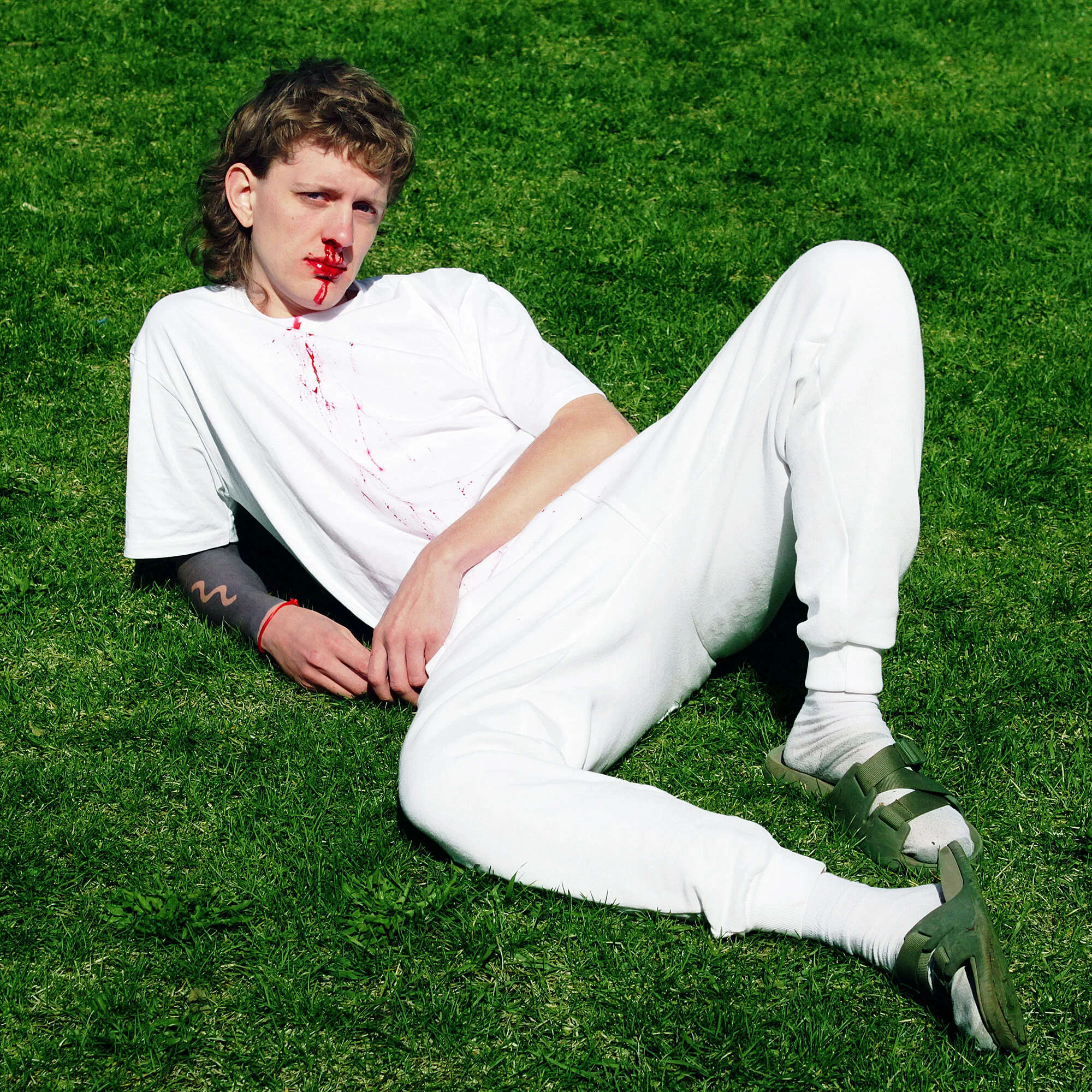

A good thing about working with a sample-heavy sound is the ability to move the samples around and change the direction of the tracks - and upon receiving positive feedback on “Yaye,” the duo figured they were onto something. 


“We can take different worlds and combine them. It's kind of like collaging - that's usually how I think of it. You're taking all of these different elements and finding ways to get them to say something as a collective whole.”

Ian: And this is our first EP, right? So this was our first crack at sending a message out there - and we've got tons more material that we're going to keep working on. The theme for the first EP was definitely very B’more heavy, for sure - that was the vibe that we were feeling at the time.”

When asked why they decided to release on a Vancouver-based label, Active Surplus described working with their friends at Pacific Rhythm as a natural fit for this record. 

Evan: “My favorite labels are the types that have a narrative. We were racking our brains thinking, what's our influence, what are our favorite labels? And then who do we also have a connection with? You know, because you want it to be natural. It's awkward when you're shopping records and you don't know [the label] - music's a very personal thing.”

Good news! Pacific Rhythm is once again connecting game with one of Toronto's most promising young duos, Active Surplus. Active Surplus is the collaborative project from Evan Vincent (AKA Emissive) and Ian Syrett, who also appear on this past winter's fourth volume of Rhythms Of The Pacific. Their new self-titled EP is their love letter to the house music sound that first sprouted from the West Coast. It's laid-back, groovy and touched with lovely instrumentation, like the plucked strings on "Meera," a heartfelt tribute to a loved one. "Meera" and the billowing groove of "Ambrosia" might remind you of early Pacific Rhythm releases, with dainty arrangements and chords that waft across the rhythm section. But Active Surplus put their own spin on things. The EP was heavily inspired by the stuttering drum patterns of Baltimore club, which undergird each track in subtle but noticeable ways, making the grooves that much skippier and slippier. "Yeye" calls to mind the feeling of early Walt J material and delivers a devastating earworm that will stick with you long after the lights have come on at the end of a late night Dance Opportunity, while the looped woodwinds and cool-blue keyboards offer a sweet melodic hook on the irresistible "One Beyond." There's a confident, naturalistic quality to these rippling grooves and silky sounds, which the duo credit to an obsession with water. After all, in their words, "we might not live by the ocean, but we're all H20 on the inside." Thanks for listening!
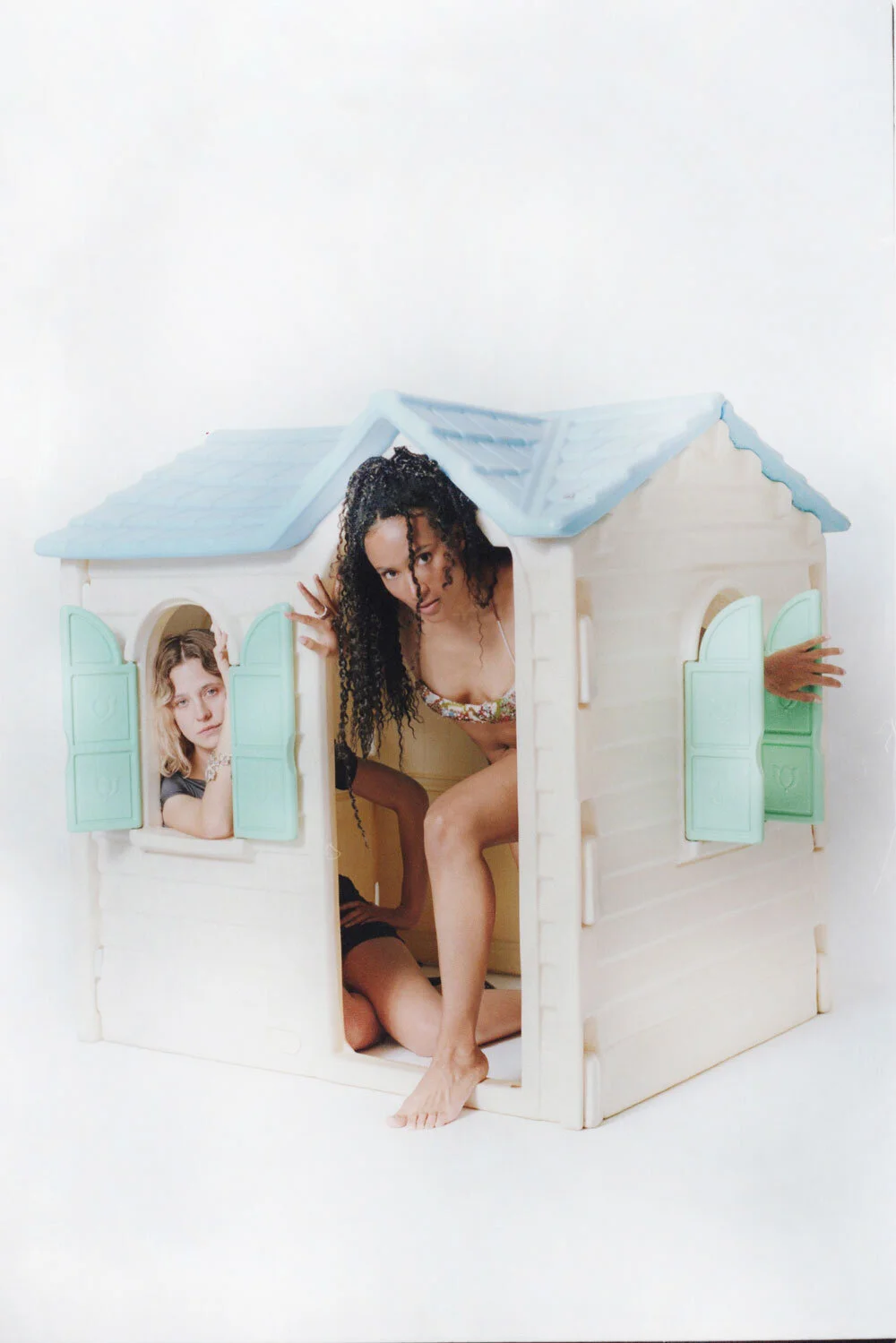
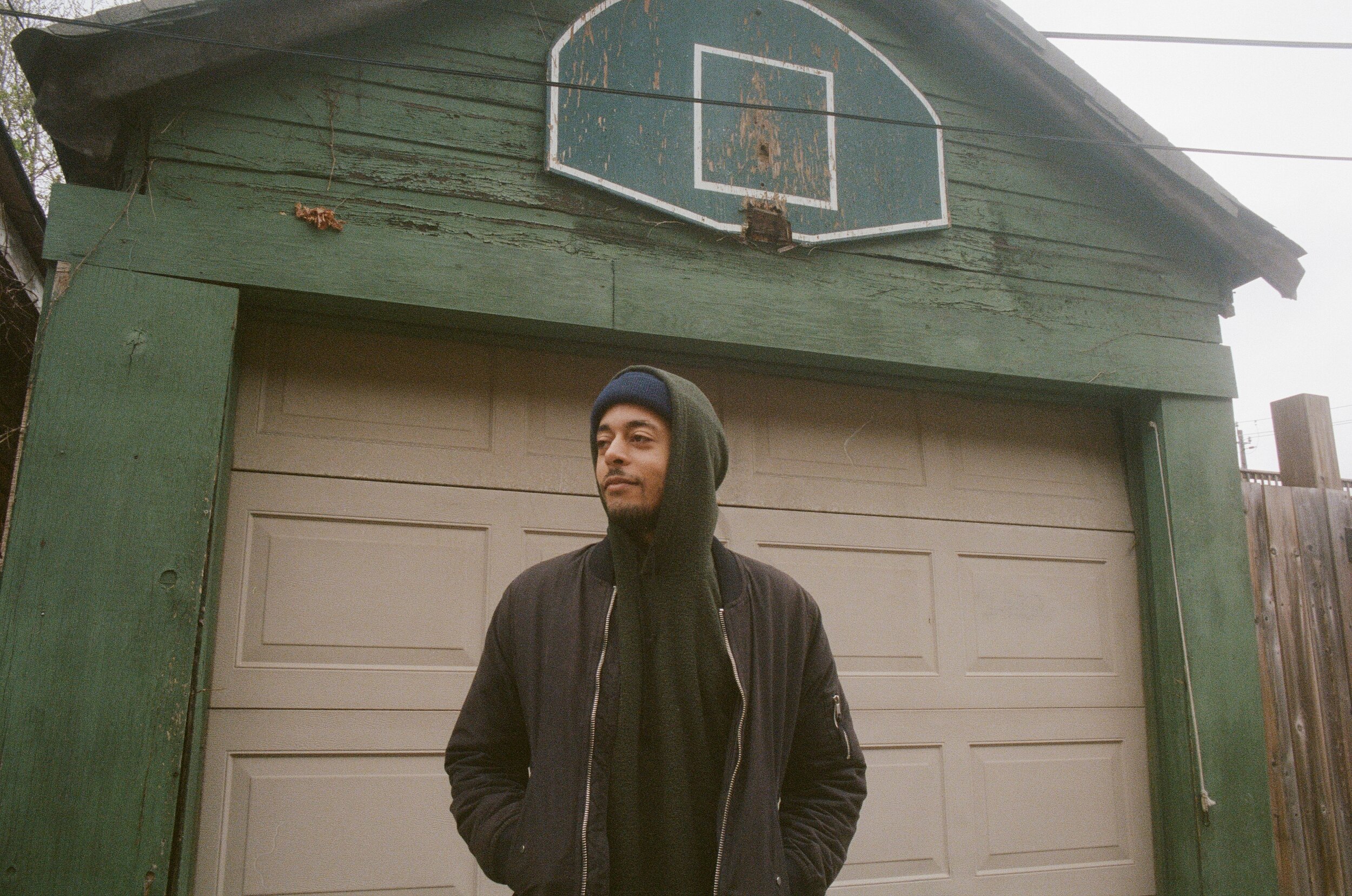

While Evan works as an audio engineer and producer, Ian’s day-job is that of an audiologist. I asked Ian what it’s like to be so immersed in working with different aspects of sound - both hearing and music:

Ian: “It's definitely influenced the way I think about sound, for sure. It has more of an influence on some of the experimental stuff - I've tried a few things as far as more out-there sounds. I studied psychology when I was in undergrad and I was going to go into research in psychology. I was really interested in music, and I deejayed when I was younger - a lot. So [audiology] was a logical step for me to combine my love for sound and music with my background in psychology. As far as whether it influences actual musical material, maybe in some subconscious level - of just incorporating things that I've learned in school and in work.”

“I'm thinking about sound at work all the time, so I'm never that far away. There's similar language going on - both professionally and in my creative pursuit. It definitely makes it easier for me to work at the hospital, and then afterwards Evan and I jam for like - seven hours. Evan comes over, we jam and eat a roti, get back in the studio - eat lots of roti (laughs).”

“I love jamming and working with Evan because he's really proficient and creatively [he’s] really fun to work with. When I work on my solo project, I can sit there and work on the same sample for like three hours - whereas when I'm with Evan, I'll work on it for five minutes, and I'll look up, and he'll just be on his phone and I'll be like, ‘Oh yeah, shit, somebody else's time matters too’. It's easier to keep track of what the goal is when you're working with somebody else.”

Evan: “I'm guilty of the same thing - I'll be tweaking a filter for 45 minutes and it's like, you have to think about what the end pursuit [is], especially when you're with somebody else. I think it's easier to reach a manifested concept when you can be like, ‘this is working,’ or ‘maybe let's try this,’ and you can kind of work back and forth instead of just going in blind.”

Ian: “And lately, like for the past like two years, every time we jam we're making a track - or at least finishing something. So you spend enough time together, and eventually you finish each other's sentences. You don't have to go searching for the medium where your interests meet. It just sort of happens. It's more intuitive.”

Of course, what’s a Zoom call these days without mentioning something about the pandemic - I asked Active Surplus what advice they’d give creative people to stay motivated during this time of isolation:

Evan: When you find yourself with all this time, remember to take care of yourself and be easy on yourself. Also, this is an opportunity to actually just really explore the creative ideas that you're into because there's no more impetus to do just what's cool, or what's what people want. Now's the time to do exactly what you want to do and figure out what your voice is, and what your message is and what speaks to you.”

“Even if you're just making music for your own enjoyment, good. Find the thing that makes you feel amazing. As much as I love going to a club, and dance floor material, producers will feel like they need to make stuff that will get played to get out there - and to have their stuff in mixes. I think we'll see a lot more music of people just exploring sounds, trying new things. Exploring new directions, expressing themselves, expressing their frustrations. And getting into new ideas.. We'll see a lot more albums in the next little while.”

“You have time and you sit home; you can sit and listen to a record for an hour - it’s not like you are strapped for time anymore.”

...and then the conversation went a little beyond advice...


Ian: “You have to build a club where there's a tunnel that goes from your house to the club, but you're in your own little thing, and everyone's in there, and you can dance, and then there's another tunnel that brings the drink or whatever into your hands. And then you can jam with speakers inside each tunnel. And then when you're done, you're just back in your house.  

Evan: “I think I saw this thing online -  hazmat suits for clubbing - like you have your little cigarette…”


Instagram Soundcloud


Check out Vitamix on n10.as radio and catch Active Surplus’ guest mix with House of Delancey on Noods Radio on August 29th at 20:00 GMT

Related Articles


Janette King Debuts New Track "Mars"

 
Janette King by Adam Nigro

Janette King by Adam Nigro

Producer, vocalist and DJ Janette King is back with "Mars." This lusty pop-RnB track produced by Jonny Tobin marks the launch of the record label Hot Tramp.

Founder/owner of Hot Tramp Sarah Armiento has been managing Janette since she launched her company in 2019. "Janette King is one of the most talented, creative and positive people I've ever met who matches that with an equally impressive work ethic, ambition and entrepreneurial spirit". This track is a taste of Janette King's forthcoming debut LP to be put out by Hot Tramp in May 2021. 

Imagined through sex, longing, and lust, "Mars" is a song about overcoming your fears to explore a deeper connection with someone who seems to be from a different planet than your own. This dreamy soundscape with catchy melodies and powerful vocals will definitely take you around the galaxy. 

We caught up with Janette over the phone to talk about the out of this world track, Hot Tramp's launch as a label, and her thoughts on the contemporary creative process. 

Dan MacDiarmid for Also Cool: This will be the first single on Hot Tramp as a label. Hot Tramp started out just last year, but I quickly heard it come up as a big name for show management and promotion, and now it's becoming a label.

Janette King: Yeah! I think it is really cool about Hot Tramp because you don't see a lot of women-led anything in the music industry. Hot Tramp is entirely run by Sarah. She tries really hard to be intersectional, inclusive, and diverse in the work that she does. I think that it's demonstrated in the shows that she puts on and promotes, even within her artists.

Also Cool: Let's talk about the song itself. "Mars" is Hot Tramp's debut single, and it's a celebration of Black queer sexuality. What does the song mean for you? 

Janette King: I had an intimate experience where we played with the idea of being on a different planet. I thought it was really cool because,  sometimes, as a Black artist in general, you kind of just feel like you're from a different world. I don't know, I also just feel like Black artists... they're kind of hypersexualized in certain aspects. It's nice to say "fuck it" to all of that (laughs) and explore sexuality and sensuality regardless. 

AC: Yeah, in your own voice. 

Janette King: Exactly, and as an artist, I haven't really written a lot about my sexuality, so that was kind of a new avenue for me. Exploring it within my own art. It was kind of a challenge, I wanted to expand a bit in terms of what I write about.

AC: What do you usually write about?

Janette King: I would say that I usually write about love. People breaking up, getting together. 

AC: Can you tell me anything more about the upcoming album? What's the vibe going to be, and what's in store for you?

Janette King: I always write about love, and it's a compilation of love songs, to various degrees. But more so, I was focusing on loss in terms of relationships. It expands into loss of oneself and loss of life, and mental health. 

It's an album about love and loss, just like all my other ones (laughs), but it kind of dives more deeply into the loss aspect and different ways you can lose.

AC: Did you write the song this summer?

Janette King: My friend who is the producer of the song, Jonny Tobin, created the beat and the soundscape. I wrote the lyrics, the melodies and the harmonies, and then my friend Alex mixed the vocals together. We did it in our own respective bedrooms.

Janette King by Adam Nigro

Janette King by Adam Nigro

AC: It's really cool that with technology and different ways to connect, you can do all that stuff even if you can't get into a recording studio.

Janette King: In this day and age, with the pandemic, it has to happen that way.

AC: Well, that's getting to the obligatory question, "How are you doing in quarantine?" Has it had influence over this song and your upcoming debut full-length album? Do you have any thoughts about its impact on Hot Tramp and artists and the disadvantages and potential new avenues?

Janette King: Personally, I've been creating a lot more than I usually would. It's given me a lot of space and time to just be an artist. However, I would say on the business side, it was devastating. We had a whole East Coast tour lined up, and a bunch of shows we wanted to do in promotion of the album. We had meetings with various industry folks... there were a lot of things that fell through because of COVID, small heartbreaks.

AC: Summer is when all these independent festivals and shows happen. All of a sudden, artists can't tour, and DIY local venues are shuttered. It's a weird transition phase because everyone has time to make new work, but there are limitations on how they can share that with other people. 

Janette King: Totally. People who didn't think certain things were possible, like producing an album with somebody over the internet, are now realizing, hey things are actually easier than I thought that they'd be. You're going to see a lot more producers pop out of the woodwork, you're going to see a lot more video editors too. When people have a lot of creativity and have a lot of time, magic happens, you know?

You can listen to "Mars" on Spotify, Apple Music, iTunes, Tidal, Soundcloud and Youtube. Keep an eye out for the official music video to be released in September, highlighting Black queerness and celebrating Black people's sexual freedom and expression, and make sure to stay tuned for what's coming up in the future from Janette and Hot Tramp. 

Hot Tramp

Instagram / Facebook

For Inquiries: Sarah@hottrampmanagement.com

Janette King

Instagram / Website


Dan MacDiarmid is a 24 year old writer and reality television scholar originally from the suburbs of Southern Ontario, now living in Ottawa. You can follow their cat on Instagram at @archieisfromriverdale.

Related Articles


Introducing Trans Trenderz: A label by & for Black trans artists

 
trenderz logo pink.jpg

Trans Trenderz is the Black trans-owned record label helping trans and nonbinary artists achieve mainstream success by providing them with the resources they need. Founded by Blxck Cxsper (they/them) in 2016, the record label has now grown to span across Montreal and NYC, with Steph Durwin (he/him) joining the team in 2018. 

The label mobilizes allies via the Ghostly Beats Project, which provides Black trans artists with the resources they need to launch their careers. This includes recording, mixing, mastering, financial help with distribution, graphic design, music video creation, and marketing, all completely free of charge. They also host educational workshops for covering (but not limited to) transness, identity, and creative practices.

We caught up with Trans Trenderz to talk about the label's history and learn how allies can help. 

Blxck Cxsper: Hi! I'm Blxck Cxsper, Black non-binary hip hop artist from Montreal, and founder Trans Trenderz. My pronouns are they/them.

Steph: Hi I'm Steph, I'm an NYC-based engineer, producer & songwriter, and my pronouns are he/they.

Blxck Cxsper_2.jpg

Blxck Cxsper via Trans Trenderz

Malaika for Also Cool: Hi! It's so nice to meet you. Let's start by talking about how the label began.

BC: The label started off as a mixtape that I had curated and produced. It featured 14 different trans artists from all over. We released it during a live launch in New York City on November 6th, 2016. I'm a Capricorn, so I'm always thinking about what's next every time I achieve a milestone. That's what initially inspired Trans Trenderz. The day after the launch, I was like, what can I do next? How do I keep going?

Steph: We met in the summer of 2018 at a trans health conference. We brainstormed about how we could work together on Trans Trenderz. We launched the label's NYC branch shortly after that and found some artists to start working with right away. 

Also Cool: What kind of support does the label offer to its artists, and how is it different from other labels out there?

BC: We don't take any royalties from our artists. We're a label, but we also provide management, an agent, the full package. So when an artist works with us, we're providing them with everything they need to get their career started. We also prioritize working with Black trans people and providing them with the support they need.

What we do most often is a six-month contract where the artist will release one single. They keep their music and royalties' rights, we take 10% of the booking fees, and then split the profit from the merch sales and physical copies. Artists don't have to pay anything in advance, and we record and produce their music entirely for free.

Steph: We do everything from pre-production to recording, mixing, mastering, distribution, the artwork, even going as far as performance coaching and mentorship. The goal of what we're doing is to provide the knowledge and skills to our artists so that even once our contract is over, they're to be fully independent. 

AC: This is the most ethical model for a label I've ever heard of.

BC: Well, we're artists too, you know!

Apollo Flowerchild via Trans Trenderz

Apollo Flowerchild via Trans Trenderz

AC: Understanding industry terms, knowing what kind of a team you need (or not), and even owning your music is essential to surviving as an artist, so it's great to hear that you offer that kind of support.

BC: We don't want the artist to ever be the only trans person in the room. It's essential to have another trans person there with them, so they're not alone if anything happens.

AC: Tell me about some of your artists! Do you focus on particular genres, or is it more general?

BC: It took us a little while to figure out who we wanted to work with, and the most important thing was learning to know when an artist was ready. The artist needs to be able to work with a team, and we need to make sure that collaboration will work before making the commitment. 

Right now, we have Apollo Flower Child and Heather Hills on the label. It's very important to me that the majority of the artists on the label are Black trans people. When it comes to who we work with as a team, there are a lot of white allies volunteering, which is great. We're working on expanding and looking into collaborations with different studios (especially in Montreal). This will allow us to have the infrastructure to work with even more artists.

AC: What would be the best way for an artist interested in working with you to reach out?

BC: We don't just work with artists that we sign, we work with many other people as well. We have a forum for Black and other trans musicians to connect and build this online community. 

Black trans musicians on that forum can ask for free services, whether that be mixing, mastering, graphic design etc. They can connect allies on the forum who offer their services for free. We use that forum to find the artists that we want to sign next since we can witness their growth and provide resources. So whenever we can help someone's career in a more committed way, we reach out to them to sign them. 

AC: How have your operations changed since COVID-19, and how are you readjusting?

BC: The only thing that's really changed about how we work is that we don't do as many live shows. But seeing as Steph is in new york, and I'm in Montreal, we've been working remotely forever. We've been Zoom professionals before it was cool.

AC: One of the most significant barriers to entry for musicians seems to be even knowing how to send a press email, or figuring out how to reach out, or how to make an EPK. We really want to provide advice & tips for anyone starting out and wonder what advice you would have.

BC: I'm a self-taught musician, and although it seems obvious, I would really recommend googling things all the time. How do I promote myself? Google what an EPK is and how to make them. There are so many resources online, even for free. That should be everyone's reflex, google EVERYTHING.

Steph: Something that I've found to be a  useful process is first defining the boundaries of your artistic direction. Figure out what that is, and draw a clear distinction between yourself and your brand. Find someone who's brand aligns with yours and take inspiration by adapting their methods to your brand.

Heather Hills via Trans Trenderz

Heather Hills via Trans Trenderz

AC: Do you think artists need to be online to be successful?

BC: Definitely, without question. Again, free resources. Everything that isn't online is often very expensive. Being online is the best and most resourceful way to get your music out and make yourself known.

Steph: Another thing that's interesting in that sentence is the word "success." What is success? What does it mean to you? It's almost like artists might feel pressure to have a particular definition of success that doesn't necessarily align with their personality or the music they like to make. 

I always say, think about what that means for you. Maybe for you, success means playing shows a few times a month at your local bar, and that's totally ok. 

AC: Wrapping up, is there anything you'd like to highlight, or is there any specific kinds of support that you're looking for from allies right now?

BC: If there are allies from Montreal who want to get involved, whether that be a studio or professionals that can help sign a few artists in Montreal, that would be great. 

ALLIES: Offer your services to Trans Trenderz here

Trans Trenderz

Website I Forum I Instagram

Blxck Cxsper

Instagram I Spotify

Apollo Flowerchild

Instagram

Heather Hills

Instagram

Related Articles


From Beatmaking Workshops to Community Leaders: These are the Froot Origins


If you haven’t heard of Montreal’s Black, queer, hip-hop trio Strange Froots already, it’s about time you drop everything and check out their entire discography on Bandcamp… STAT. The group is comprised of the talented Mags aka Passion Froot, Naïka aka Dragon Froot, and Sage aka Star Froot. Next week, Strange Froots will be celebrating their 6th anniversary as a band with us by throwing a Digital Sleepover — and you’re all invited! Come play our favorite party games, learn trivia about local artists, and have an open discussion about the COVID-19’s impact on our community, as well as the contributions made by its Black artists! DJ Mollygum will also be playing the after party.

The event will be streamed online, and will also serve as a partial fundraiser, with the proceeds donated to the Black Lives Matter DC, Regis Korchinski-Paquet’s family, to Taking What We Need (a Montreal-based discretionary fund group for low-income trans women) and Also Cool Mag's Artist Emergency Fund. Janice Ngiam (of Sun Astronauts), has volunteered her talents and allyship all the way from Hong Kong. For every new donation 20$CAD or more, Janice will produce a short, personalized song about anything you want! Discover her music at www.janicengiam.com/music.html

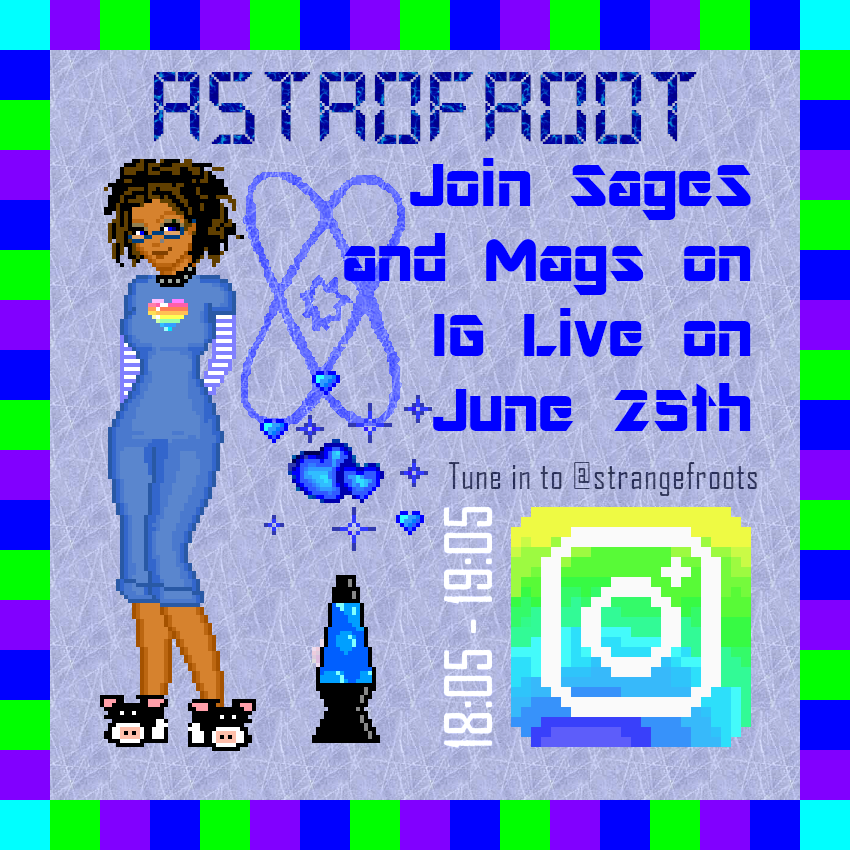
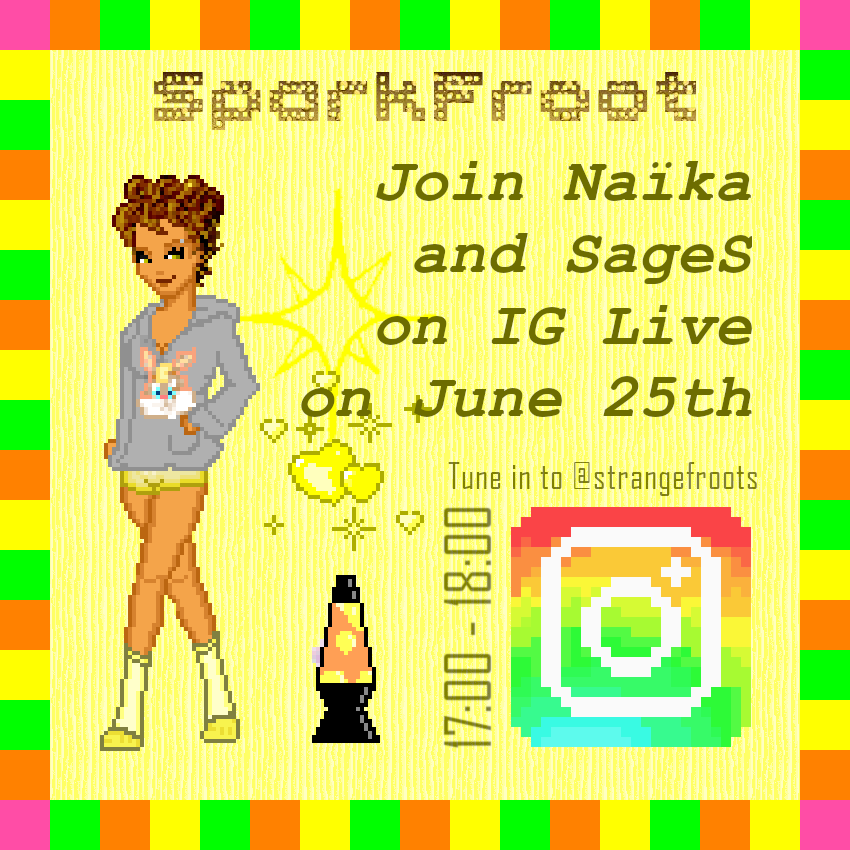
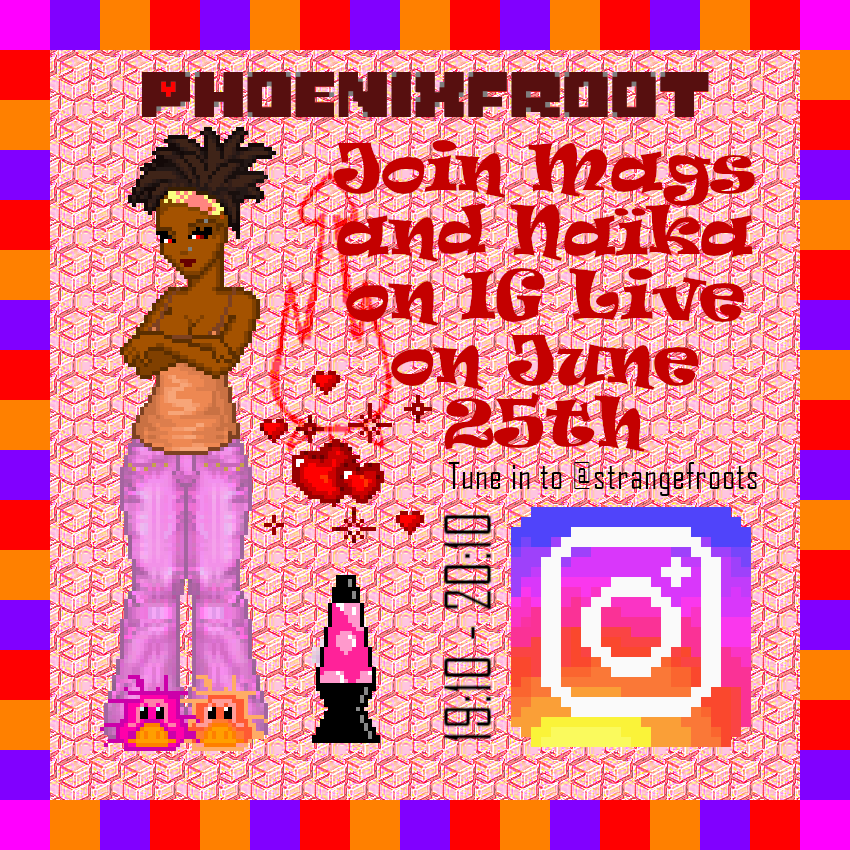
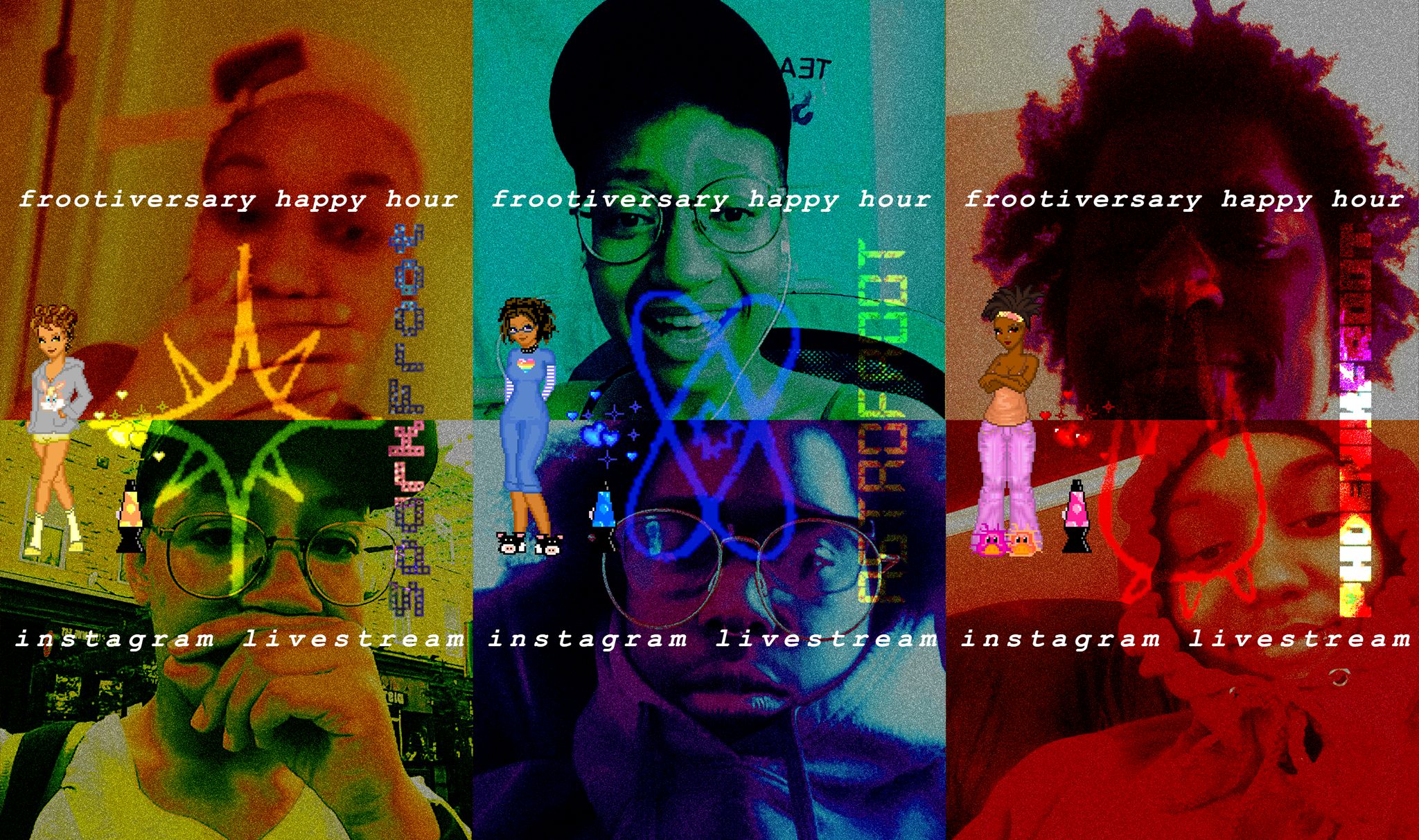
Join the Froots this Thursday on Instagram from 5pm to 8pm for a Frootiversary Happy Hour, and get a taste of what's to come this Saturday!

We got the chance to catch up with the Froots to reminisce on their early beginnings, discuss their future aspirations, and hear their thoughts what work has to be done to make Montreal’s hip-hop circles more inclusive and safe for QTBIPOC folks. Check out our interview below!

105189496_384844119149498_12056195948781859_n.png

Strange Froots (from left to right: Mags, Sage and Naïka), photo by Didi M’bow

Also Cool: Before we begin, tell us who you are and about your individual artistic pursuits.

Mags aka Passion Froot: My name is Mags. I’m an illustrator, cartoonist and graphic artist by trade, as well as a beatmaker, singer-songwriter, MC and casual guitarist.

Naïka aka Dragon Froot: My name is Naïka, I’m a Haitian, queer, Black woman. I’m a singer-songwriter, a guitarist, a bassist, and an MC. I recently released my first solo album, Painted Imageries, this past January.

Sage aka Star Froot: Hello, I’m Sage! I'm a singer, songwriter, actor and producer. I am also a passionate linguist, studying Spanish and Mandarin. Learning languages is a really interesting and ceaseless artform to me. 

AC: Individually and collectively, how has music helped you learn and grow?

M: On an individual level it has helped me spiritually for as long as I can remember, producing (more so than writing) has somewhat helped me translate my journey to sound. It’s also helped me reconnect to my ethnic origins as a first-generation African-American; in learning how to sample, I’ve been able to reimagine classic songs my parents would play around the house, or that I would hear over the summers of my childhood visiting relatives. As part of a collective, I think I’ve been able to contribute the story-telling attributes of my instrumentals, as well as the eclectic sounds of our diaspora. 

N: Individually, music has helped me grow into who I am and explore every facet of what I am., [Music] has given me the ability to express myself in a way that can be scary, but at the end of the day, honestly. Collectively within Strange Froots, this band’s music has allowed me to step out of my comfort zone by pursuing artistic directions and musical styles that are not necessarily my go-to. The band keeps challenging the ways that I write, compose, and structure music, and I love that about Strange Froots.  

S: Music has given me a way to express myself creatively and honestly. As a dynamic introvert, I spend most of my time reflecting over socializing. Music has been a great conduit for me to both share who I am and bond with those in my circles. It’s how I found Mags and Naïka all those years ago. I can’t imagine life without music. If I don’t like the song, I’ll change it, but there are very few times where I’ll go for silence. 


AC: What are the Froot origins? How did your diverse creative backgrounds come together for the first time? 

M: At the time of our meeting (Spring 2014), I was in my last year at Concordia. I was VP Marketing and Communications for the then-named Hip Hop Heads Concordia, of which I am a co-founder; this was a revival of the university’s long-defunct hip-hop club. I had by this time already been acquainted with a few of Montreal’s hip-hop artists, and it’s through them that I was introduced to NoBad Sound Studio

N: The manager of NoBad Sound at the time wanted to do a “girl” workshop, ‘cause few of them were at the studio and few were seen in hip-hop in general. It’s through this that our diverse creative backgrounds came together. I came up with the name Strange Fruits (paying homage to Billie Holiday and Nina Simone) for our band, as we are all Black and know what the song talks about: it was very dear to me, to us. Then Mags came up with the spelling “froots,” like the cereal, ‘cause we’re all nerds like that and are all pretty “out there”... fashion and personality wise, we’re all very colourful. But it says a lot too: the “roots” within fROOTs, refers to our Black roots, and it is also a derogatory gay term that was reclaimed by the queer community; which includes all of us in this band.

S: I was the last to arrive. I went to NoBad interested in beatmaking workshops, when I met Mags and Naïka days later. We shared our musical taste and gauged that we all had very different musical backgrounds. As the alternative member of our alternative-chill-soul collective, I am influenced by rock, house, jazz, pop, film scores, musicals, i.e. eclectic. I was also part of a theatre troupe and sang in choirs growing up, so working together came very naturally 
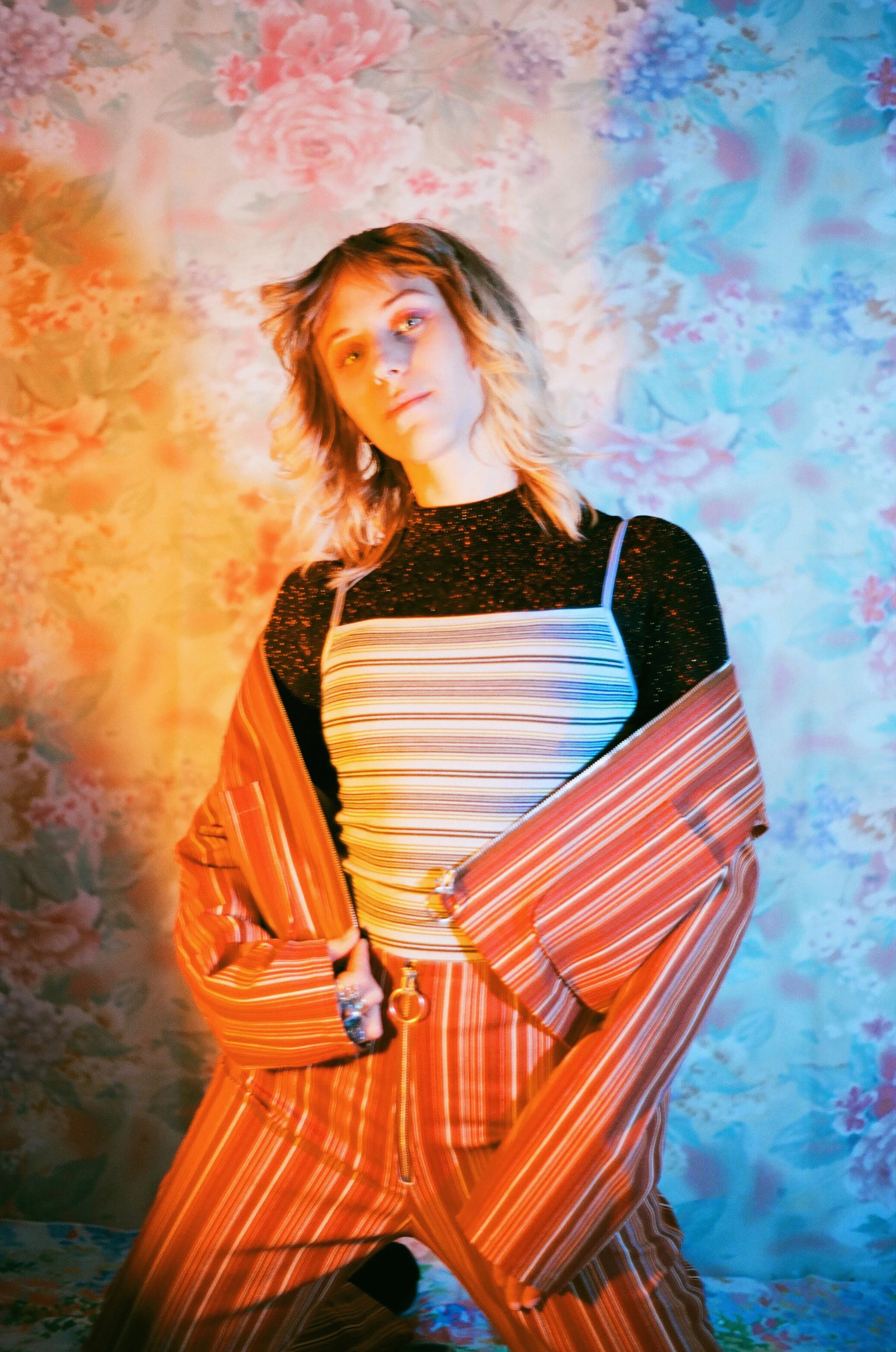
Strange Froots (from left to right: Sage, Naïka and Mags), photo by Andrée-Anne Guy

AC: What is your creative process like as a collective, and how has this evolved over the years?

M: A lot of our collaboration these days (COVID withstanding) has happened digitally, sending beats, voice notes, guitar riffs and the like, due to ever-conflicting schedules. In the very early days, even after our first EP dropped, we would continue to meet up at NoBad and much of our collaborative efforts happened there. Then, you have songs like “Regular” that come about from very random inside jokes created well outside of the context of the band, and just from goofing around as friends.

N: OHHH child it has evolved! At first, we would all sit down together and write to a beat Mags or Sage produced, or a riff I played on the guitar. We held a lot of importance to composing all together in the same space and time, but it’s not always feasible and realistic. Now, we tend to write separately, propose something from one person who wrote, created a riff, laid down a beat and then the rest adds to it. We talk more openly about what we want to change, about directions of the sound. It’s literally a constant draft and constant back and forth within our capacities and availabilities, instead of depending on each other’s presence to finish a song. 

S: I think now a major difference, especially with our individual artistic pursuits, is that we create music with an understanding of if it’s for Strange Froots or for another passion project. If I can imagine Mags dropping a fierce 16 or Naïka working magic with her bass for example, then it’s for Strange Froots. It was easier in the beginning to put us all in one room for a few hours to create, but later became very unrealistic. 

AC: Since meeting through the NoBad Sound Studio workshops, do you feel that the Montreal hip hop scene has become more inclusive? In your view, what work has to be done to further grow hip hop spaces in this way?

M: In the 6 years of our existence, I’ve seen some slow, gradual efforts to not only include more cis women than they did at the time (because if we’re being honest that was their first hurdle). We’ve seen some kind of attempt at understanding and including the LGBTQ+ community. They’re not going to get it right all the time or on the first go, (some might even say there’s a  sense of pinkwashing and “you-go-girl”-ism), but I’d like to think that our group’s existence helped create more waves in that direction, especially in the Black community. 

N: Adding to that though, the Montreal hip-hop scene is VERY underground. The hip-hop that you see out there, that is being paid attention to, is mostly performed by white cis Francophone men. It completely disregards the Black and Latinx folks that laid the groundwork for hip-hop in Montreal, and the deeply ancestral history of hip-hop for Black folks. It’s our culture. In the last 10 years or so, Quebec suddenly “discovered hip-hop” from white kids, even though it’s been here for decades... So is it more inclusive to women? Meh, not really. We make our spaces. There needs to be a lot of work done for women in hip-hop and for queer folks. Hip-hop was made by marginalized folks who were Black and Brown: you have to include women and queer Black and Brown folks, not just the cis het straights, ‘cause they are marginalized as fuck. 

S: I agree, there’s still a lot of work to be done. There is hope – queer and black artists like Backxwash lighting the ground up – but when it comes to the hip-hop scene in Montreal, space is sparse and divided. White Francophones are still the dominant voices of hip-hop in Montreal unless the event is specifically curated to showcase queer and POC voices. Considering the origins of hip-hop as a tool for the marginalized and oppressed, it is crucial that more queer artists of colour are able to share their multifaceted truth and be on the mainstage. I hope we can get to a point where black and queer-owned venues exist and our music is not competing for airtime and spots in the margins. 

Strange Froots (from left to right: Naïka, Sage and Mags), photo by Kinga Michalska

AC: Beyond music and performances alone, Strange Froots has acted as a collective driving interdisciplinary collaboration in Montreal. How have you connected with the music community, and how has that had an impact on your outlook as artists and activists?

M: From experience alone, I’d say due to the varying types of shows we’ve been able to play, we’ve not only made some great friends and musical colleagues, but we’ve been able to connect them to each other in many ways. With amplifying other artists through our platforms and association came an organic sense of belonging, like, “some of us are synth artists and some of us do hip-hop and some of us are riot grrrls but fundamentally we want the same things.” I was able to adopt this mentality when I was approached to co-found the multidisciplinary winter festival Lux Magna in 2017, alongside certain members of the Suoni Per Il Popolo festival.

N: I’m a part of a collective that I I co-founded called Fruition. Fruition is by and for QTBIPOC, and ensures that we have the space to thrive and access the resources we need to survive, succeed and heal in spite of systemic racism, oppression, assimilation, colonialism. We create art/music events, workshops, panels with QTBIPOC folks within our community so they can tackle their artistry in a way that is safe and radical. Individually, that has a lot of impact on me to help me grow and feel even more secure in my identity, but has also helped me find tools to build within our community. 

S: I find activism goes hand-in-hand with hip-hop, since injustice is not too far behind. In our collaborations with The Rap Battles for Social Justice, we had opportunities to explore deep rooted issues in our society, like austerity, police brutality, and climate justice. It inspired me to become more politically informed and recognize the power of music to facilitate important discourse. We are all writing our own artist blueprint while also having to navigate the erasure of inclusive physical spaces to share our art. In Montreal, the helping hand comes from utilizing our network and own creativity. That’s why it’s crucial to stay connected and support each other. I think it’s great that many collaborators are people we can also call friends, but at the very least, are people who share our values. These are people that I want to see flourish, so my activism is about standing up in the face of injustice and also facilitating joy as a form of resistance.
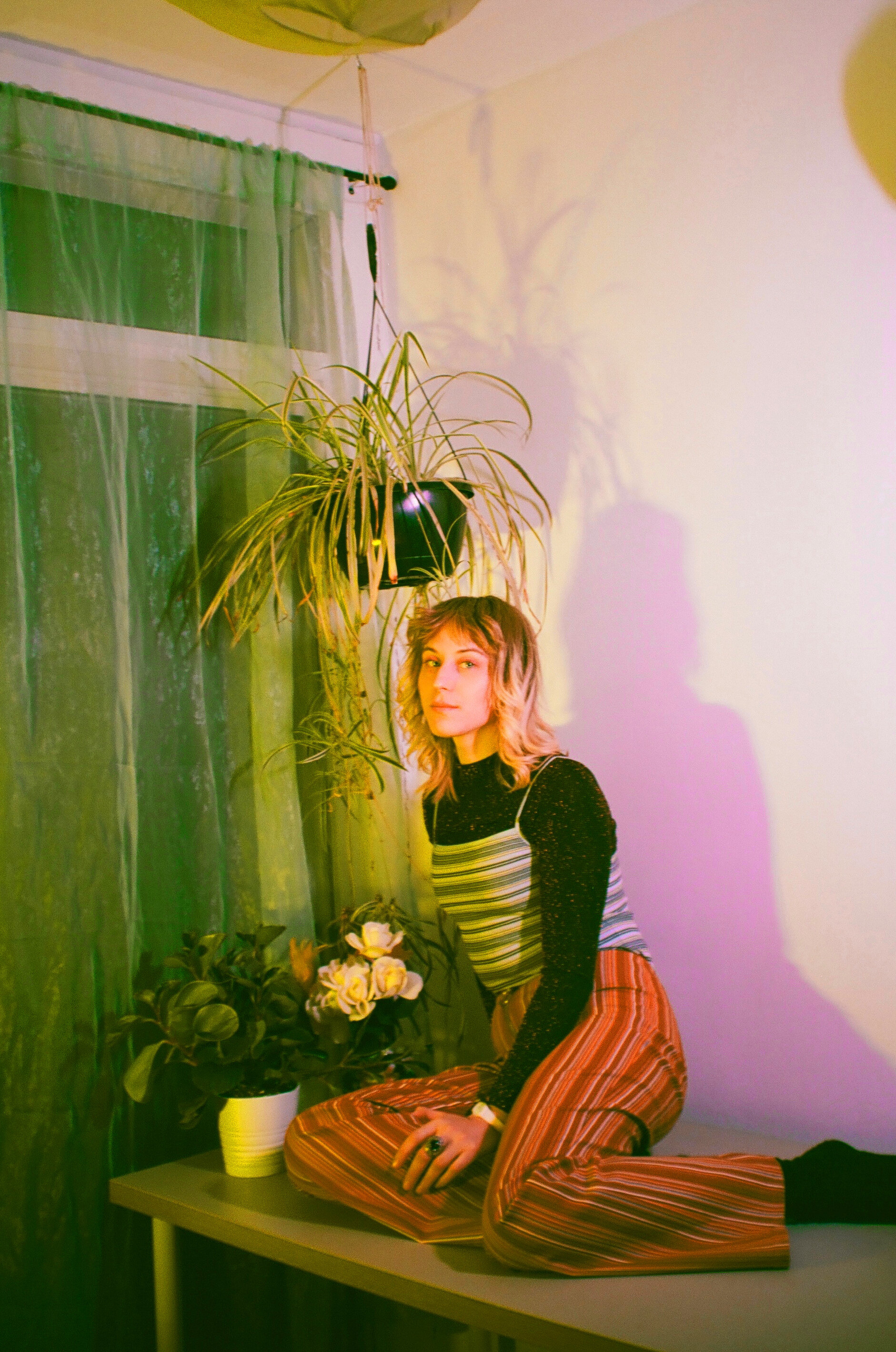
 

AC: Now that we are coming up on your anniversary; what has been a defining moment in your band’s history, and what are some of your future aspirations as a group?

M: Not to be a total Leo rising about it, but I think our priorities and our individual scopes had to severely shift when I was made to leave Canada. Long story short, I had a few bureaucratic hiccups regarding my status in Canada, and so I was turned away at the border when I was returning from a home visit from Silver Spring, MD. A lot of things were put on hold, and I attribute a lot of my shortcomings in taking care of my status, to hyper-focusing on keeping the band afloat. I held an unhealthy amount of self-worth in what I was able to do for the community and how I was able to alleviate my bandmates’ workload (I was the only one done with school), it took me away from myself in some very detrimental ways, and I think we’ve finally reached a place where we see that clear as day, and are constantly working to not repeat the mistakes that lead to several kinds of pressure and burnout. I hope that our group can continue influence positive and progressive change in Montreal’s youth, to make our queer circles less racist, and the hip-hop scene less queer and transphobic overall, and I hope as more doors open for us, we can hold them up for our friends in the game.

N: A defining moment in our history was going to Senegal and finally seeing our community of QTBIPOC fam come together when we put on hip-hop performances for queers. For future aspirations, I want us to keep creating and finding ways to create for ourselves, as a way to sustain imagery and art within our community.

S: I would love for us to all be in the same place physically for longer than a week! Technology helps, but our first in-person rendezvous will be something. The most defining moment for me so far has been our trip to Senegal. The connections made there and the wisdom shared will last with me forever. If the fates allow, I would love to journey with the Froots again to another motherland. Ultimately, I wish for more growth, love and understanding and for us to keep doing the work we do. The journey has been incredible so far. I’d like to see how much further we can go.
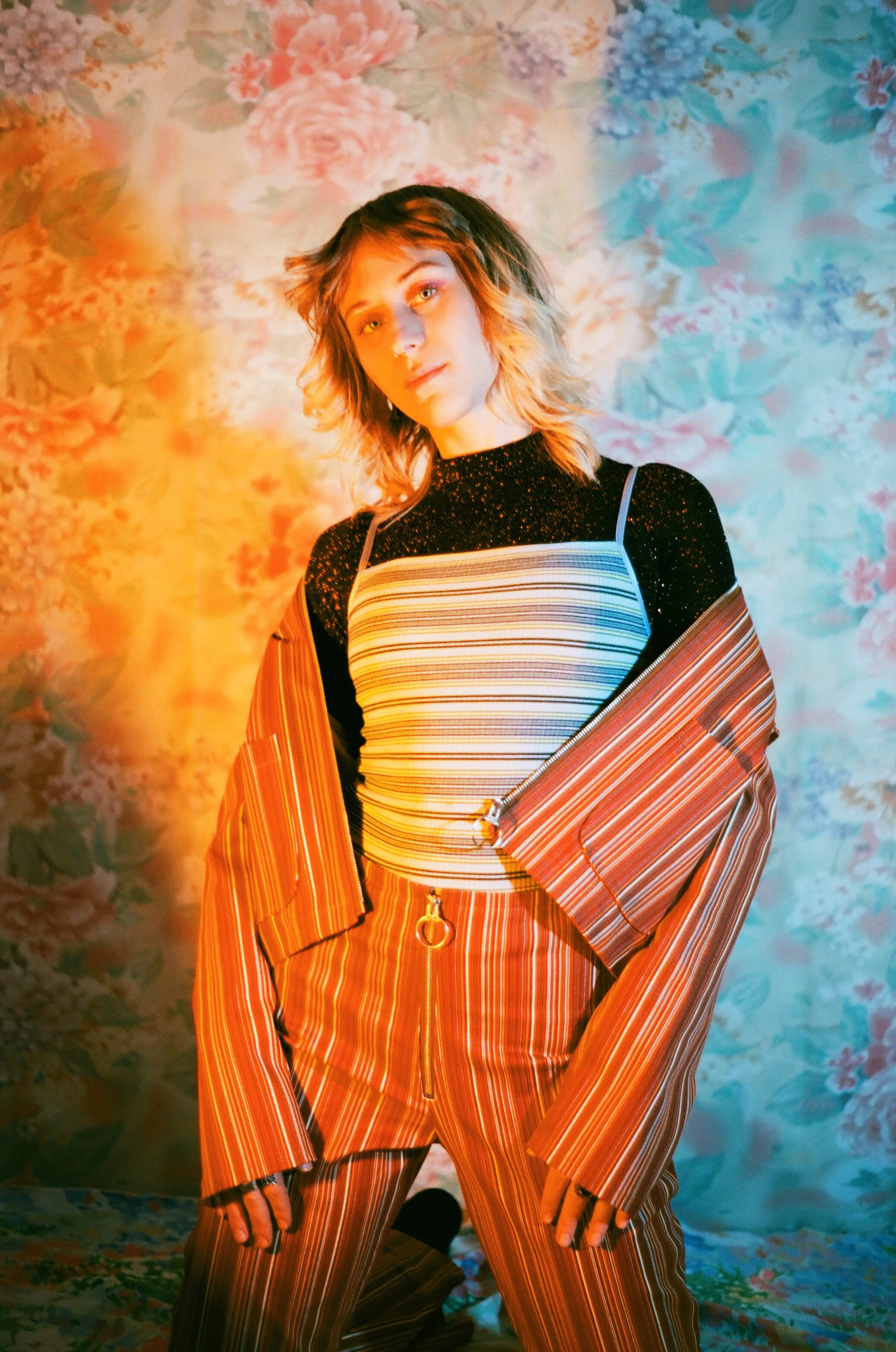
Strange Froots (from left to right: Sage, Mags and Naïka), photo by Mariel Rosenbluth

Keep up with the Froots on their socials!

Strange Froots

Facebook | Instagram | Website

Mags

Facebook | Instagram | Soundcloud

Naïka

Facebook | Instagram | Bandcamp

Sage

Instagram

Related Articles


Friends Interview Friends: Elijah Wolf and Emma Bowers for All My Friends Fest


Emma Bowers (left) and Elijah Wolf (right)

Promotion for All My Friends Fest (on tomorrow!) continues with the second installment of “Friends Interview Friends,” where two pals from our festival lineup interview each other. This time around, we get to know musicians Elijah Wolf and Emma Bowers as they strike up a wholesome phone call. On the surface, Elijah and Emma have a lot in common: they’re both based in NYC, both their names start with the letter “E,” and as we find out, their musical interests stretch far beyond their own mutual folk-rock style. Read their full conversation on creative growing pains, the importance of collaboration in music, and their new favourite records of 2020 (so far) below!

On coming to music 

Elijah: If music wasn’t much of a thing in your household, what got you into songwriting?

Emma: I picked up the guitar at twelve because of Taylor Swift, and then not too long after that I started finding my way to folk music. I did really latch on to a few of my mom’s favorite songs that informed my songwriting after that, “Here’s Where The Story Ends” by The Sundays and some of The Cranberries’ radio hits...and then by high school it was Bon Iver and Joni Mitchell and Bright Eyes.  

Elijah: It seems like you really found your own path...starting with Taylor Swift and ending up at Bright Eyes. Usually you hear a story about an older sibling or someone down the block who gave someone a tape. You never hear someone just kind of finding the weirder side of music on their own after coming from straight pop music. 

Emma: It’s funny what a teenager will get into when up to their own devices. Were your parents musical?

Elijah: They were, thankfully. I grew up in Phoenicia, right next to Woodstock, so there was a big music presence there. Both of my parents weren’t musicians professionally, but growing up, my mom had an old 60s Guild and a really great voice, and she loved Joan Baez and Joni Mitchell and the great folk music of the 60s and 70s. She would just walk around the house singing those songs. My dad had the ability to just pick up an instrument and play it, he’s really humble about it. He plays a mean harmonica. He used to play it through this old mic called the Green Bullet, hooked up to a makeshift pedalboard with a drum machine, and that was all going through some old combo bass amp. He’d get lost in these kind of crazy experimental jam sessions with himself. I’m pretty sure he taped himself, I need to find those. 

Emma: Yes, you do! Sample them or something. I always wonder what my relationship to music would be if I grew up with a parent with taste similar to my adult self, because now that I love Joan Baez and Neil Young, and I wonder if someone had spoon fed them to me, if it would be the same. 

Elijah: That brings up an interesting point, because I was, very much so. As a result I rebelled against it for years. I played in punk bands and listened to everything but folk music, and then I came around to it and realized that it was the music that spoke to me the most. My sister Kashia is four years older than me, so she actually grew up in the 90s and was able to listen to and love in real time a lot of bands that are some of my favorites. I love the 90s music scene from Seattle, so Modest Mouse and Built to Spill, and I discovered them through her. I just decided that music was all I liked to do, and my best friend Evan, who goes by Photay, we’ve been friends since we were really little and he also came to the same decision as a musician, so we just made like every type of different band together, every kind of genre, just trying things out. 

Emma: That reminds me of Katie Crutchfield’s arc from punk music to folk, which is super interesting and I’m glad she’s talked about that a lot more recently because it’s a great contemporary example of how nonlinear your relationship to genre can be. 

Elijah: It does seem like a somewhat familiar progression that people actually go through. There is some kind of natural transition from punk music to folk or country. I think there are similarities - more so than you’d think. Just because folk isn’t often loud or aggressive, it can still have this rebellious nature.

Photo provided by Emma Bowers

On collaboration

Emma: My musical life for a long time has been really isolated and solo, and it wasn’t until I made my EP a few years ago that I actually got into a studio with other people and started playing with a band. Since then I’ve been really wanting to pick up instruments other than guitar so that I can play with my friends’ projects and build out my musical life in that way. 

Elijah: That’s something I’ve thought a lot about too, trying to make sure music is more community based and not such a solo thing. I’m sure there are lot of people who would disagree, and I understand that side too, because I tried it. It’s just more fun when you have friends and collaborators around. At least for now, I really don’t want to go back for a while...I want to stay here and enjoy working with my collaborators and working with friends. 

Emma: It’s such a funny time to have the instinct to want to collaborate! I feel like I want to do things with other people more than ever, and maybe that’s partially because I can’t, but I also think I had these curiosities before this but had a hard time following through on the impulse.

Photo provided by Elijah Wolf

On creativity in isolation 

Emma: Do you find yourself feeling more or less creative?

Elijah: Sometimes I’ll be really productive, and I’ll be able to work on new music and get into the zone and feel optimistic and excited. Then there are weeks when I feel really down and anxious, and don’t make anything at all. I just stare at my guitar and think about how I should be doing it, and then I go down that path which is never good. But it goes back and forth.

Emma: I’ve felt similarly: having really wildly productive days bookended by days where I just can’t get myself to do anything. I’ve been sitting on a handful of songs all Spring, trying to get them to the place where they feel done, and when I can’t do that, I try to be creative in other ways. Either cooking, or making a quilt, or writing about music for work. I find that when I step away after doing those things, I feel a bit creatively restored and can approach my music with a clearer head and a bit more creative confidence. I miss being able to watch other people play in person, that was always a huge part of what kept me inspired. 

Elijah: One thing that’s been helpful for me when I’m in that place is learning covers of songs I love. It helps me to understand the song more and it becomes more personal. 

Emma: That’s something I do too! I often try to find a more challenging song that I love and when climbing up the mountain of learning it, it kind of comes alive in your hands. Every time I do that I end up dumbfounded, wondering, “Did the person who wrote this feel this way about this song?” It’s just so good. 

Photo provided by Emma Bowers

Photo provided by Emma Bowers

On listening to new music in isolation 

Elijah: I’ve been listening to a lot of music from friends, and I think that the amount of incredible music and art in general coming out right now is just insane. Then also from just the people I like and admire. It feels like once or twice a month they pour on the best records I’ve heard in my entire life. I don’t know if I’m just more sensitive right now, but the records that are coming out right now just feel so right. It’s hard to even articulate. The new Perfume Genius record, and...there’s just so many. I was going to begin to list them all but I really can’t. 

Emma: I wonder if it’s having more time to sit down with new music. I’ve found that having a bit more time and space to listen to these records in full has really changed my experiences of them. 

Elijah: What are you listening to right now?

Emma: Between Saint Cloud and all of her livestreams with Kevin Morby, Katie Crutchfield has been my coronavirus MVP. The Fiona Apple record totally blew my mind open, I had no idea I could feel that way listening to music and be so, so intensely interested and hearing all of these things that I’d never heard before. It was such a unique experience and truly felt like a bit of a gift, having my musical world toppled over because I’ve felt recently that I’ve been listening to music in an indie-vacuum. 

Elijah: I feel like we needed that, a record to come and challenge us. That feels particularly important right now...and the Waxahatchee record, so good. 

Emma: The singles from that record! Every time she released a new track, I was like oh, this is my new favorite song. I’m also deeply excited for the new Phoebe Bridgers record, I don’t know if I’m at the liberty to say this...but I’ve been able to spin it upwards of ten times already and it’s absolutely incredible. 

Elijah: I can’t wait to hear it. There’s also the new Woods record! There are so many good records coming out right now. 

Photo provided by Elijah Wolf

On living in NYC

Emma: Does it feel like everyone you know is moving away from New York? Because it feels like everyone I know has already or is going to. 

Elijah: Totally, they are. I’ve thought about it a lot because my family is upstate, and I want to be up there, but there’s no place like the city. I still love it, so I’m not going anywhere. 

Emma: I feel the same way. I don’t feel like I’m done yet, and I don’t want to leave until I feel like I’m done because I don’t want to ask, “What if?” The reason I switched from being a history major and moved back from Europe in all of my haste was because I didn’t want to ask “What if?” I feel like if I left New York, and didn’t see this city through, that I’d be walking back on some of that. 

Elijah: I’ve always admired your ability to completely wrap yourself up in whatever is going on in a community, at least in the time that I’ve gotten to know you. I’ve seen you at so many different shows, or at least have spoken to you later on and discovered that you were at a show or a really cool event, and then going to DC and working at NPR. I’ve luckily been able to travel for different reasons, but I’ve lived in this state my entire life. I grew up two hours North of here and really have no desire to leave this two hour radius, so I admire what you’ve done. 

Emma: Thank you. I’m really ready to not feel like I might need to be somewhere else. I haven’t felt totally settled anywhere in my adult life, and I’ve gone back and forth about how I feel about being in New York, but then I remember why I came here. I’ve moved upwards of ten times in the last five years, and it’s really funny because I’m such a homebody. It’s kind of bizarre how many shows I go to and how many places I’ve lived because all of that is in direct opposition to my tendencies. 

Elijah: That’s interesting, you do seem to have a very homebody feel about you, but mostly I think of you as very adventurous, like more so than most people I know even. You have a very adventurous spirit, and that’s pretty cool. That’s a special combo. 

Emma: It’s pretty weird to inhabit, I kind of feel like I’m internally at odds at all times, but it’s brought me a lot of places and I’m grateful for it. 

You can catch both Elijah Wolf and Emma Bowers at at All My Friends Fest on this Saturday May 30th via Instagram live. Both will be performing on the Also Cool Mag Instagram: Emma’s set is from 3:30PM-4:30PM EST and Elijah’s is from 5:30PM-6:00PM EST!

Donate to the All My Friends Fest GoFundMe here!

All proceeds directly compensate all artists on our festival lineup.

Follow Elijah Wolf: Instagram | Twitter | Facebook

Follow Emma Bowers: Instagram | Twitter | Facebook

Related Articles


Friends Interview Friends: Janette King and Maryze for All My Friends Fest


Maryze (left) and Janette King (right) by Sabina Roman @darksight


Best friends Janette King and Maryze are two of Montreal’s finest femme vocalists, and their friendship is straight out of a musical heroine biopic (when theirs hits theatres one day, we’ll let you know!): they’re both managed by their pal and local powerhouse Sarah Armiento of Hot Tramp Management, they’ve toured together, and now they’re continuing to raise each other up despite being on Canada’s opposite coasts. In a brand new feature for Also Cool Mag called “Friends Interview Friends,” Janette and Maryze interview each other and discuss their musical beginnings, the eternal cultural value of Britney Spears, and how COVID-19 has impacted their creative process in promotion for All My Friends Fest on Saturday, May 30th.

Maryze (left) and Janette King (right) via Janette’s Instagram

Janette King: Blessings. I have some questions for you! My first question is: what brought you to music? 

Maryze: My dad was a DJ for a world music show in the 90s, and he was always bringing home albums from all over the world in different languages and we would play them in our living room and dance around. He introduced me to all these different styles and sounds. So, maybe that’s what first made me connect with music. Honestly, pop music as well. I was thinking about the first time I heard “Baby One More Time” on the radio, and I remember thinking, “This is the BEST song I’ve EVER heard.” I don’t know how old I was, maybe 7, but I thought “wow magic is possible!” Just listening to music, and liking how it made me feel, and wanting to recreate that.

J: That actually brings me to my second question, which I had already written: what is your favourite Britney Spears song?

M: No way! I’m having such a Britney Spears moment right now. I feel like popular culture is really appreciating her as she deserves these days. The other day I was telling my partner how much I love her, and I actually started crying because I feel like she’s had it so unfair. Aside from all of that, I think… Can I choose two? A more popular one and a deeper cut? For the more popular one, I would definitely say “Toxic.” It’s such a banger and I feel like it’s definitely transcended time. It can be sung in so many different styles, I don’t care how you feel about pop music, you just have to recognize that it’s a great song. 

J: Truth.

M: Then a deep cut. So off that album that “Toxic” was on, In The Zone, there’s a few that just kill me. This question is the hardest I've ever had to answer... Damn. Maybe “Touch Of My Hand?” I think it’s about self-pleasure, which was a really bold song for her to put out.

 J: Do you do any other form of art other than music, and if so, what do you get from doing it?

M: I write poetry! I studied poetry and creative non-fiction in university, so writing is definitely my big one. I really miss writing more long-form, and I also really love doing photography. I’ve recently gotten into video-editing for my latest video as well.

J: At what age did you write your first song, and what was that experience like for you?

M: I wrote my first song when I was probably around 6 years old. My great aunt Tina passed away, and it was the first time that I had really experienced death in my life, so I wrote this really sad song about how I didn’t think it was fair that she had to go. It was also the first time that I felt I could use my sadness in a more positive way. It helped me feel better and helped me channel my emotions.

J: In what ways has the quarantine made you a better artist, and in what ways has it made you worse?

*both laugh*

M: It taught me that we always have the time for the things that we prioritize. Often through life, especially when we have other jobs, we’re focused on getting by financially and making art at the same time. Personally, there are always so many things I want to do, but I’ll put them off by saying “I’ll do this when I have time.” Now, having time in quarantine, being faced with all this time, I thought, “Okay, I can finally do all these things if I just set aside a few hours each day for them.” 

How it’s made me a worse artist… it goes hand in hand. When you have this indefinite period of rest, you kind of just keep putting things off. It's made me way more aware of time management, but has also made me procrastinate a lot more.

J: My last question for you is: how do you think music can change the world?

M: I think it can change the world by reminding us how we are more similar than we are different. People from all different places and mindsets can hear a song and feel so powerfully... its sadness or its joy, and that's just such an amazing thing that it can reach people from all walks of life, if we let it. I think that music is really powerful if we just open ourselves to feeling what it has to offer and how it brings us together with others.

For the second part of the interview, Maryze and Janette traded places, with Janette now in the interviewee seat. 

Maryze: Now I get to ask you some questions! You’re currently on the West Coast [of Canada], where you’re from. I was wondering if the environment inspires what you want to write about, and if you feel more inspired to write about things on the West Coast versus the East Coast, or wherever you are in general? 

Janette King: I would say that I’m inspired to procrastinate more on the West Coast *laughs*. The energy here is just so chill, which is great because it’s definitely been healing for my body and mental space. But in terms of being productive musically, being on the West Coast has inspired me to take things slow and to kind of go more inwards. It’s inspired me to be more experimental, playing for the fun of it and seeing what comes up. It's a longer way to write instead of being practical. I’m playing a lot more, which is good.

M: Can you describe an early music memory where a song just really hit you and left a major impact?

J: The first time I heard “Smooth Criminal” by Michael Jackson, it was over. My uncle had the album and was taking me to the store, and put the album on, and it changed my life. I had never heard anything that had hit me so hard in my chest before. It made me a dancer and a singer. That was when I was 8 or 9.

M: What was the first form of art you got into when you were younger?

J: I was a dancer for seven years. I studied hip hop, street jazz, and contemporary for a few years. It was my first art form, and then I played electric bass as well.

M: If you could collaborate with any artist, dead or alive, who would it be?

J: Amy Winehouse and Beyoncé.

M: If your music was an animal, it would be a….

J: It would be a raven! Very dark but beautiful.

M: This is my last one. If you could only write one last song, and get one last message out there, what would it be?

J: It would be to quit looking for happiness in the external world. My message would be to search for all your answers within yourself. 

Maryze (left) and Janette King (right) via Maryze’s Instagram

You can catch both Maryze and Janette King back-to-back at All My Friends Fest on May 30th via Instagram live. Janette King will be performing on the Also Cool Mag Instagram from 4:30PM-5:00PM EST, and Maryze will be performing on the Canvas and Cassette Instagram from 5:00PM-5:30PM EST.

Donate to the All My Friends Fest GoFundMe here!

All proceeds directly compensate all artists on our festival lineup.

Follow Janette King: Instagram | Twitter | Facebook

Follow Maryze: Instagram | Twitter | Facebook

Related Articles


Musical Genes: Sisters DJ_Dave and Maddy Davis Premiere "Can't Do This Alone" Remix


While some siblings get caught up in rivalries over mutual passions, Sarah and Maddy Davis’ combined love of music continues to bring them closer together. Though they couldn’t be any more different musically, with Sarah DJing algorave under the pseudonym DJ_Dave in NYC, and Maddy pursuing her bedroom-pop career in Los Angeles, the sisters are bound by a mutual desire to bring women to the forefront in all aspects of the music industry. Today, they showcase the power of all-female collaboration with the release of “Can’t Do This Alone - DJ_Dave Remix,” a remixed version of Maddy’s original song by her sister, DJ_Dave. Also Cool is psyched to be apart of their premiere, and below we chat with Sarah and Maddy about finding their artistic footing beyond suburbia, navigating gatekeeping in male-dominated spaces, and what it was like working as siblings first, and musicians second, to create this remix.

We and our partners use cookies to personalize your experience, to show you ads based on your interests, and for measurement and analytics purposes. By using our website and our services, you agree to our use of cookies as described in our Cookie Policy.

Also Cool: Hi Maddy and Sarah! Thank you so much for being a part of Also Cool Mag and congratulations on the new release! To begin, can you tell us about your individual music styles and how you got your start in your respective fields? 

S/M: Thank you so much for letting us be a part of Also Cool! We’re super excited about this release and glad you are too! 

Maddy: I am a suburban-bedroom pop artist, which I’d describe more specifically as both a niche indie artist community, and a genre that bridges the gap between the artist, songwriter, and producer. I like to describe my specific style as suburban-bedroom pop because, having grown up in the most cliché suburb, I’ve found myself inspired by my own relatable experiences, which I tend to gravitate towards when writing. 

Sarah: I am an indie-techno pop artist making music within the algorave community. Algorave is a super niche movement of musicians that produce and perform music using code, who are slowly working their way into club scenes around the world. I picked up this skill about a year ago, and have been making music this way ever since. The deconstructed music production environment somehow made a lot more sense to me than a lot of the DAWs (digital audio workstations) I had tried, and it unexpectedly combined my interests in visual arts, coding and music.

Sarah Davis a.k.a. DJ_Dave (top) and Maddy Davis (bottom), shot by Farah Idrees

AC: Both of you made the move to New York City, and now Los Angeles for Maddy, from your hometown in New Jersey: How did you both find a sense of community upon relocating, and has that had an impact on your creative process? 

M: I’ve found a sense of community in both New York and Los Angeles, which has greatly impacted my creative journey. I moved into New York right after high school, and quickly found my place in the music scene; playing shows, going to shows, collaborating with other artists, and just generally meeting and spending time with other young creatives. It was the first time in my life that I was around so many like-minded people who supported each other's art and worked so closely together.

I’ve only been in Los Angeles for a couple of months at this point, but I’m already finding that things are similar here. From these experiences, I’ve realized that learning from your peers is sometimes more valuable than learning from those who are already deeply established career-wise. I can’t express how much I’ve learned from simple conversations with people in these social circles, which has led me to further appreciate the creative environments of both cities.

S: When I moved to New York to go to college, I met most of the community I currently surround myself with through the city’s college scene. More than anywhere I’ve ever been, young people in New York have this incredible urgency to create. This resonated with me, which made finding a community easier than I anticipated. My friends, and the artists around me that I look up to, are some of the hardest workers I’ve ever met. We are always pushing each other to do more, while also acting as a support system for each other.

Living in the city and learning from the people around me has not only changed my creative process, but redefined the way I approach art and music. The arts scene is constantly changing, and being in New York is like having your finger on the pulse of society. It’s really incredible to get to live and create in New York.

Sarah Davis a.k.a. DJ_Dave (left) and Maddy Davis (right), shot by Farah Idrees

AC: For Sarah, your work tackles the representation of femme artists in male dominated spaces, specifically in tech and rave communities. What aspects of these dynamics do you confront in your music, and how do you go about capturing your feelings on this subject? 

S: I first noticed this lack of representation when I would rarely see female DJs at my favorite clubs. Whether it was the most packed night of the week or a slow weekday, the DJs were almost always men. I was tired of seeing the same group of guys getting the spotlight, given the fact that womxn DJs are everywhere, so in my own work I collaborate exclusively with femme musicians and artists. Algorave as a community is actually very female dominated, so using this artform as my way of bringing more womxn representation into club scenes seems very appropriate. I’m surrounded by incredibly talented womxn in music, and it’s honestly just so exciting to collaborate with them and show people our work! 

AC: Branching off of that, we heard that you further combined your passion for technology and safer-space practices to develop an app. Can you tell us more about it? 

S: Yes! So when I was a sophomore in college, I conceptualized an app called Outro that acts as a safe space for women, the LGBTQIA+ community, and people of colour in nightlife. The app allows users to rate and review nightclub spaces based on safety and quality to prevent future unsafe situations from happening and promote spaces that consider safety their number one priority. Outro is available on the app store for whoever wants to check it out!

Sarah Davis a.k.a. DJ_Dave, shot by Farah Idrees

AC: In a similar vein, Maddy, you strive to make space for womxn in not only performance spaces, but production spaces as well. How does having control over every aspect of your music, from songwriting to execution, impact your relationship with your art? 

M: I grew up with the understanding that producers were almost exclusively men.  As a result, I never considered production as something I could pursue, let alone learn. That is, until I saw iconic femme producers starting to emerge and realized that I could produce too. Fast forward five years or so, and now I’m producing all my own music, and repeatedly explaining to guys in my DMs that I don’t need them to send me beats. When I started producing, it unlocked an entire world for me to find my own sound as an artist. This allowed me to better articulate what I wanted to say with my music, and express myself as an artist entirely. 

AC: With this, what advice would you give to womxn trying to navigate gatekeeping in the music industry based on your experiences? 

M: Womxn are taught that men make more money, men are stronger, men are generally more successful, etc. … These same beliefs, unfortunately, exist even in creative industries. The advice I’d give to womxn trying to navigate the music industry, whether on the business side or the creative side, is to not feel intimidated by men. Don’t be afraid to speak up in a session or during a meeting, because your voice matters too. To this day, I still encounter imposter syndrome pretty much whenever I’m in a collaborative environment with men, but I try to always remind myself not to degrade myself and understand my worth as an artist, writer, and producer. 

Maddy Davis, shot by Caity Krone

AC: Moving forward, the track you’re releasing today is a remix of Maddy’s song “Can’t Do This Alone.” What was it like collaborating together and what inspired you to combine your musical feats in the first place? 

S/M: We’d always written and performed music together growing up, so it was inevitable that we would eventually collaborate once we both started releasing music. One of us (Maddy) has this organic ethereal sound, while the other (DJ_Dave) uses a geometric method of music production, so we were inspired to see what the combination of our two contrasting styles would sound like. 

AC: What was the highlight of working on this track together? Did you encounter any challenges? 

M: I’d say the highlight for me was hearing the first versions of the remix. I loved that DJ_Dave was able to transform the song to fit her signature sound, while keeping some of my favourite elements from the original. I’d say the biggest challenge was deciding when the remix was actually finished between the two of us. It took a lot of different versions, but when the final was done, it was pretty obvious to both of us.  

S: “Can’t Do This Alone” is one of my favorite songs by Maddy, so the highlight for me was getting to work with the stems and combine our really different styles. I would say my biggest challenge was maintaining the message of the song, which is so strong and important, while manipulating the tracks.

AC: Before we let you go, is there anything you’d like to add? Are either of you working on any new projects at the moment?

S/M: Since being in quarantine, we’ve both been working on a ton of new music that we are super excited to share soon. Also, just a huge thank you to Also Cool for giving young emerging artists a platform and a chance to get their music heard! 

(Editor’s note: Thank you! We love hearing your music!)

Sarah Davis a.k.a. DJ_Dave (left) and Maddy Davis (right), shot by Farah Idrees

Keep up with the sisters and their music!

DJ_Dave

Instagram I Spotify I Apple Music

Maddy Davis

Instagram I Spotify I Apple Music

Photos by Farah Idrees and Caity Krone

Related Articles


Dance or GTFO: Mollygum Talks Dancefloor Safety, Her New All-Asian Label & DJing Club Q


If you’ve been out dancing in Montreal over the past few years, you’ve probably run into Mollygum either behind the DJ booth on the dance floor. Known for unapologetically calling out any creepy behaviour she witnesses, or anyone standing in the middle of the dance floor on their phone, Seven (AKA Mollygum) is a force to be reckoned with.

Check out her latest mix below while you read her experience connecting to the Asian communities in Montreal and LA, her new all-Asian label, and how she started DJing in the first place.

Also Cool: Tell us a bit about who you are and what you do. Who is Mollygum, how did you start djing, and where are you at now with your DJ/music career? Not to mention that you’re also an incredible chef over at Nice to Meat You.

Mollygum: This is my sixth year in Montreal, and I recently graduated from Concordia University with a BA in Communications. Right now, 50% of my career is music, and 50% is food. When I’m not making music, I’m making food. I was working at a restaurant, doing a pop-up and then doing DJ gigs on the weekend. 

The name Mollygum came when I was in China, from a thought I had: “What if there was gum specifically made for when you're on molly?” I was working at a bar, and I started DJing based on a bet. It was an open decks/mic night. We had booked someone who had sent us a set, but when he showed up he played nothing like what he had sent. It was supposed to be an electronic night, and he was playing all traditional dance music. The crowd was not down, they were there for electronic music. I had to stop him, and told him that it wasn't the vibe for tonight. He asked me if I was a DJ, and if I even knew what electronic music was. I said, “No, I am not but come next Wednesday and you’ll see.” I borrowed all the equipment from a friend, watched YouTube tutorials, and had a great time. I even went down to the dance floor, forgetting that I was DJing, and someone yelled, “Where the fuck is the DJ?,” when the music stopped.

I started with my Chinese twitter name dobidobi7, but the more DJing became a career for me, the more I settled on a name. I was briefly DJ Apportez Votre Vin, but it caused confusion at gigs with promoters, so I changed it.

AC: You’ve been heavily involved in event coordination over the past few years, both in Montreal and internationally. You’re iconic for yelling at people to stop being too cool to dance, and for calling out inappropriate behaviour on the dance floor to keep the audience safe. What does event-planning usually involve for you, and what kind of events do you love hosting?

Mollygum: Montreal is trying really hard to create a safe space dance floor, but you still never know. When I think of the things I've seen and experienced, the people who are affected often don't feel comfortable or safe telling anyone what’s happening. They end up leaving while the harasser ends up staying on the dance floor and continuing to bother more people. 

Everyone working at the venue has a job to do, and the DJ is often the only one actively watching the dancefloor for the vibe. In that way, I feel like I have the privilege and power to keep the dancefloor safe. If I stop the music, everyone stops. If there’s a person making someone else uncomfortable, I want to keep them safe. Every time I've stopped the music or done something similar, I’ve gotten positive feedback from the audience and venue. I'm not starting a fight, but instead giving a verbal warning that works really well. 

In the same way that if you go out with a group of friends, you feel safe, but if you're alone you're way more aware of who's touching you and close to you. If I can make those people feel comfortable, that's what I want. Dance or GTFO the dance floor is for the people who aren't dancing, or who are on their phones, taking up space to look cool when others could be dancing.

AC: How have you been able to find community through the music scene in Canada and in China?

I actually don’t really have my own community in Montreal. Meaning, I don’t have a lot of Asian friends who grew up in China, and then moved elsewhere. I feel super connected to the community in L.A., however. It doesn't matter what category you fit into, there's some kind of community for you there. Here I feel like a part of my identity is lost. 

I've met a lot of friends through good music, and through dancing. That's how we bonded, and every time we hang out there's music involved. They're always encouraging me, and helping me make my own music. They’re even inspiring me to start my own music label, it’s called, “Have You Eaten?,” which will be curated and supported by Asians. We’re not often represented, and we need to support each other and work together to be heard. If you don't have your own community, then start one. Maybe someone else out there will feel the same way you do.

Mollygum (provided by Seven Yuan)

Mollygum (provided by Seven Yuan)

AC: Your set on Club Quarantine a few weeks back was amazing. How did you get involved with them, and what was that experience like for you?

Mollygum: The night I DJed Club Quarantine, I was supposed to DJ a rave in real life. The event got postponed way ahead of time, but a week before the gig, Club Q messaged the event organizers and DJs to do a DJ night online. I checked it out the night before my set, and saw that there were 400 people on Club Q. Not only that, but there were so many people that I knew too. It felt like a Durocher party. The day of, we did a sound check, I got some wine, and I was actually nervous. I got a lot of new followers on my SoundCloud and Instagram. Someone even messaged me about my set afterwards! It felt very positive and supportive, and I DJed the afterparty for hours after Club Q had ended. 

AC: How have you found community during COVID-19, and what are some of the ways it’s affected you?

Mollygum: Two weeks ago, my dad offered me a flight to go back to China. I had to seriously consider it. My life in Canada has become really important to me, so it would really stress me out to leave for a few months. Two years ago, I wouldn't have questioned taking a flight back, but I'm starting to feel like Canadian life is my adult life. I’m starting to plan for the long term here. My family doesnt understand it, they feel like I can just rent my room and leave.

I'm constantly on Chinese social media, watching how China is slowly getting back to normal, watching all the heartwarming videos from day one to where they are now. There's hope, people are out, and getting back to their day-to-day lives. For the large number of people there, they were able to get it under control in two and a half months. I’m feeling a strong sense of national pride for that. China is also helping so many countries, despite the intense external racism. I've even gotten messages from people warning me about going out because of that kind of fear.

AC: How can we best support DJs and the music industry during these times? What’s the best way to support you personally?

Mollygum: For me, asking for money for “no reason” gives me more anxiety than being broke. I know that everyone is struggling for money right now. I am very grateful for my friends who helped me financially when I was in a desperate situation and now I feel I could not/ should not ask for more. 1/10 of the people I know are working from home and everyone else is waiting for EI. The other day, someone asked me to DJ a birthday party of nine people. Everyone paid me $10 for a song request, and I ended up making $80. It was so fun and made me feel like I was really DJing again. 

Now and in the future, party together more often, share my sets, dance to my music. Spiritual support is more important than financial right now. I would rather people pay for their needs and buy their groceries. For others, DJs and producers are putting out mixtapes and new music right now on Bandcamp, and buying their music instead of streaming it is the best way to directly support them.

When this ends, come to our gigs, don't ask for a guestlist and pay for cover. 

Mollygum

Book her for your next (digital) party 7lovetoystory@gmail.com

Catch her next party on May 2nd with LOWSODIUM-4

Instagram I SoundCloud

Related Articles


Andrea Turk & Janelle Brosnan Wish You Good Karma From Their 8Bit 80s Dreamworld


Still from KARMA provided by Janelle Brosnan & Andrea Turk

There’s nothing better than seeing someone getting the karma they deserve, whether it be good or bad. We chatted with up-and-coming artists Andrea Turk and Janelle Brosnan about their collaborative music video for KARMA featuring Prince Husein.

They shared their creative journies with us, from Andrea opening for The Chainsmokers to Janelle making her media for Bank of America in downtown Los Angeles at the age of 14. These girls are killing it, and if you don’t know who they are, you do now. Oh, and did we mention that they made the video with no budget and an all-female crew?

Read our interview below

Also Cool: Hi Janelle and Andrea, thank you so much for being a part of Also Cool. Can you tell us a bit about yourselves, and what you do?

Andrea: Hey hey! I’m a 19-year-old Indonesian-Croatian singer-songwriter and producer based in Greater Los Angeles. I was born and raised in Jakarta, Indonesia and I started living in California last September when I began my studies at the California Institute of the Arts. Although I major in VoiceArts (specialized in singing), I love to produce and write my own music, as well as creating movies for fun on the side. I wouldn’t be here if it wasn’t for the scholarship they offered, so I’m extremely grateful to be given a chance to collaborate with like-minded creatives who are willing to create art for the sole purpose of arts’ sake. 

Janelle: I'm 20 years old, and I grew up in Greater Los Angeles. My family's business is within the entertainment industry, so I was able to understand its intricacies early enough to ruin any aspect of "movie magic." Nonetheless, I've always been obsessed with American pop-culture, which blends into making art. 

AC: Andrea, music entered your life early on. To quote you from your documentary, you were singing while doing homework when your parents first noticed your talent, and subsequently enrolled you in music lessons. You’ve since gone on to open for The Chainsmokers, among many other performances and international music workshops. What role does music play in your life now, and who are some of your musical inspirations at the moment?

Andrea: Truth be told, I was a very shy kid. I never thought singing Ed Sheeran’s + and Adele’s 21 alone in my room would lead to the reason why I have a musical career today. Although I pursued all kinds of musical education (music theory, classical singing, mixing/mastering, etc.), I knew that the only way for people to really recognize my music was to land gigs and collaborations. 

I can never be more grateful for all the opportunities that were given to me, from opening for The Chainsmokers, to winning a songwriting competition in the U.K., to launching a charity concert for a local cancer organization, and finally performing at the Palace as a soloist for Indonesia’s Independence Day in front of everyone, including the President, on live national television. 

It’s been a daze ever since, and I don’t see my life purpose being anything else other than creating music. It’s funny because I’ve always dreamt of being a doctor. As extravagant as it sounds, helping people is the only thing that I care about. I’m glad that my music has made this possible. My musical inspirations change from time to time, but Billie Marten is still my main muse for songwriting. Finneas is also a pioneer for when it comes to music production, and Lolo Zouaï’s aesthetic as an artist inspires most of my outfits.

Still from KARMA provided by Janelle Brosnan & Andrea Turk

Still from KARMA provided by Janelle Brosnan & Andrea Turk

AC: Janelle, tell us a bit about your work as a director and editor. Where did you learn how to produce music videos? Did you go to school for production, did you DIY everything?

Janelle: My first job as an editor was when I was 14 years old, making media for Bank of America in downtown Los Angeles. In high school, I had the privilege of taking film and theatre classes, where I learned how to direct actors and build sets. Theatre is also where I started doing photography when my classmates needed new headshots. I started carrying a camera around school every day, and found it to be so instantly gratifying. 

Post high school, I didn't have the grades, nor did my family have the money to send me to a UCLA or USC program. My declared major in community college was film. Half way through, I realized I was nowhere near graduating, and there was no fucking way I was going to pay to take more general education classes I didn't want to take in the first place. I had a kind of "fight or flight" panic episode and applied to two art schools that I hoped would serve as my way out. Thankfully, I was accepted to both with scholarships, but chose to go to the one conveniently located 15 minutes from my house, CalArts. 

The toss up here is that I applied for their "Photography and Media" program, instead of film, because I was more confident in the less competitive program to help me escape the sinkhole of community college. My plan was to go in as a photographer and finesse my way into using all the film school resources. Only God knows how that is exactly what I managed to do. During my first year, I met sweet princess Andrea Turk and the rest is history!


AC: Let’s talk a bit about the animation aspect of the music video. How did you settle on the Mario-World aesthetics? Can you tell us a bit about the animator? Janelle, how did you find balancing the live-action footage with the animation?

Janelle: When Andrea asked me to make a video for her, I felt it was the perfect time to strike with a professional directorial debut. The electronic sounds bites in the very beginning of the song immediately reminded me of the older Nintendo games I would play as a kid. The extension of this concept led to the use of primary colors, block shapes, and late 80's costume. 

Every set piece we bought for the video was from our own pockets. We spent hours painting the red and white checkered backdrop, cutting and sewing hoodies, and begging our friends to assist on set. The key ingredients came together when I asked my best friend and sister, Summer Wagner, to co direct as a way to mentor me through a professional set. Summer then brought on Alissa Rooney, a cinematographer from Orange County who was willing to help me take the video to the next visual level. Both these women helped me for free, and taught me more than what I had ever learned in school.

 The final piece of this DIY journey was my friend, Gabe Wooden. The very first time I met Gabe, he was sitting on his computer animating on After Effects. I asked him if he knew how to do pixel animation, and he quickly pulled up a reel that was strictly pixel animation. After showing him Andrea's song, we began the three-month journey of me explaining my vision, and him executing it above and beyond. He understood what I was trying to achieve and believed in me enough to put in hours of his time to help it materialize. I think I pushed Gabe to his limits more than anyone else on this set, and I thank him for not only being a reliable artist, but an amazing friend.

Behind the scenes of KARMA, photo provided by Janelle Brosnan & Andrea Turk

AC: What was the inspiration behind the video, both visually and conceptually. The hazy, yet colourful aesthetics are nostalgic but very on trend at the same time. I particularly loved the makeup and how the shots were framed. 

Andrea: When I pitched the idea of doing an animation for Prince Husein to Janelle (since he’s based in Jakarta and there was no way that we could shoot him), she instantly had a vision for it to be this retro Nintendo game vibe that thrived in the 80s. That concept inspired the whole video’s aesthetic, and we made sure that every little detail looked like it came from that era. Janelle is also an 80s poster child so it wasn’t hard for us to revive the looks, since her entire wardrobe is retro. As for the hair and makeup, it was all Lindsay and Gio’s magical touch and talent.

AC: Andrea, you’re Indonesian and Croatian, and also have a little bit of Spanish the lyrics of “Karma.” How do you integrate your cultures and experiences into your work? 

Andrea: I grew up in Indonesia, and recently I’ve tried to incorporate more of our traditional music into my songs, like the gamelan-sounding melody in my song “Message Unsend” feat. Bagus Bhaskara. The gamelan is such a beautiful sounding instrument (Claude Debussy was inspired by it) and it’s sad to see that not a lot of Indonesian youth want to learn how to play it. I would say I’m a nationalist at heart, and I’ve always been pushing for my generation to have national pride. I think cross-cultural music gives a different flavour to the songs as well. Likewise, this educates others about world music genres without needing to actively search for them, which is something happening in Latin music on a global scale. As for the Spanish lyrics, I’ve always thought it was hot to be able to speak it since it’s such a beautiful language.

AC: You mentioned doing the entire video with no budget, which is crazy because it looks like a high-production ordeal. How did you make that happen, and what would your advice be to others who are shooting their own music videos?

Andrea: There wasn’t any other motive than to create the highest form of art we could possibly make, and I think that’s purely what we did here. Since I’m not signed to any label and I’ve been releasing my music independently, having a strong support system from other artists is the best thing I could ever dream of. When you get the chance to collaborate with such talented individuals, you don’t think about the nominal anymore. At the end of the day, the art that we’re making is what we value more than anything else. For anyone who’s shooting a music video, the sky is your limit. If Janelle and I hadn’t believed in the video enough, it wouldn’t have happened. We kind of used what we had in close proximity and started from there. There’s also no harm in asking help from people when you need it.

Janelle: The only advice I can really give is: THE DIFFERENCE IS DOING IT! You may look at my video, or my photography, or Andrea's song and think, "Well I could've made that," but you didn't make it. We made it, and making it took a lot of fucking effort, but once it's made... it can finally exist. The existence of the art itself helps us claim the title of its creators. . So, if you can do it, why not do it? I'll acknowledge there was a lot of privilege at my disposal, the main thing being my upbringing and the opportunity to attend an art school. However, about 90% of the resources we used were outside of my school’s resources. I'll point out that Lady Gaga's most recent music video was shot on an iPhone. Half the work is getting others who want to create as much as you do, and putting forth the effort to create your united goal. 

AC: Do you (both) have any exciting projects coming up? How have you been keeping busy lately?

Andrea: You’re actually the first one to hear about this. I’m excited to share that I’ll be releasing a new single this month, and I’ll definitely be dropping another album this year. I’ve been working with other animators as well to make the visuals, so that’s going to be super fun! Once the pandemic crisis eases down, Janelle was planning to help out with my album artwork, so I’m excited to be working with her again on that. She’s such an amazing partner to work with. Though I’ve only known her for a short amount of time, I’m lucky to call her one of my best friends, especially one who supports me in my music career.

Janelle: Obviously things are very complicated right now, as far as the pandemic, but that doesn't mean we can't use this time to our creative advantage. I've been dedicating more time to exercise my editing skills as well as learning how to animate. As soon as I'm able to go outside, I’ll start shooting again too.

Still from KARMA provided by Janelle Brosnan & Andrea Turk

AC: Last but not least, where can we find you (both) online?

Andrea: You can find me on Instagram and YouTube! Also your online music streaming services, of course.

Instagram I Youtube I Spotify I Apple Music

Janelle: You can find me on Instagram! @janellebrosnan 

Thank you everyone for watching and supporting the video! We appreciate it more than you know!

Music video credits:

Artist: @andreapturk @princehusein

Director/Editor: @janellebrosnan

Co Director: @summergwagner

Cinematographer: @alissa_rooney

First AC: @hunter_drones

Animation: @_mastergabe

Gaffer: @austin_bland

Makeup: @giovanni.rubio.mua and @lindsayreneebeauty

Wardrobe: @janellebrosnan and @angelo.numa

Extras: @peytonkileysaige @genevieve_garcia_ @jamespaulsklena @donovan.darko 

PA:  @ratenamer @pepiandthecreatures

Song credits:

Composed by Andrea Turk and Prince Husein

Produced by Andrea Turk

Mixed by Indra Qadarsih

Mastered by Chris Gehringer at Sterling Sound, New Jersey

Related Articles


Frankie Teardrop on Pre-Show Anxiety, the Best After Hours & Being a Grandpa


Photo courtesy of Frankie Teardrop

There’s no denying that Frankie Teardrop is a Montreal queer icon. Check out their absolutely fire mix while you read about the LIP & Slut Island founder’s journey to becoming a DJ, producer & gay superstar. 

Malaika Astorga for Also Cool: From being a varsity soccer player to playing guitar in Ursula to now being a powerhouse DJ, you've been performing in front of audiences for a long time. How do you prep for a set (musically and personally), and do you have any tips for pre-show anxiety?

Frankie Teardrop: Pre-event anxiety has never failed to show up before a gig or a game, no matter how often I do it. On a team or in a band we could deal with it collectively, as a group, we could squeeze our nervousness out of us by relating and talking it through. As a DJ, you're somewhat alone in this game of butterflies. I don't want to sound like a shitty politician by not giving a direct answer to a question, so here we go. 

Five things I find that help reduces my pre-show anxiety:

1) Being prepared in advance, musically and technically.

2) Talk it through. Just like therapy, vocalizing your feelings helps. Give yourself a time limit, and find a friend who is willing to listen for a moment before you head to your gig. I usually go to gigs alone, but you could alternatively bring a friend. I did this when I played Igloofest, and it helped immensely. 

3) Arrival time. Go to the venue early. It always helps me to get a good sense as to what vibe in the space is like that night, who the crowd is, who the other DJs are, and what they are playing. It helps me have confidence in knowing what direction my set will take. 

4) Outfit. I refuse to be ashamed to bring this up. Pick your outfit, or get in contact with the designers you're collaborating with in advance. This probably doesn't apply or even occur to a lot of dudes because they can show up in their random pantalonz and shirt, and people will drool over them. But being femme, I feel pressure whether I like it or not (reminds me of that Beyonce and Ed Sheeran meme). Personally, I feel the eyes are on me, I want to look and feel good along while also sounding good. Even if I'm in a big baggy tee, I want to rock that big baggy tee.

5) Lastly, pick one "Step back and look at yourself!" reminder. Mine is: FRANKIE YOU'RE JUST A DJ LMAO

Also Cool: You've been heavily involved in event coordinator over the past few years in Montreal and Vancouver, from your first gig at Playhouse, to LIP and Slut Island. What are the differences you've experienced in the two scenes, and what's one thing you love about both cities?

Frankie: There is quite a difference between the two, the cities are so different economically. Vancouver is expensive, event-goers live across the entire city and surrounding suburbs, and people often have to work a lot to survive. 

My life here is very different than it was in Montreal. I work in film with a minimum of 14-hour days. I'm constantly exhausted, and I feel disgusting after work. Still, I try to direct any free time and energy I have towards my community projects. It is hard to find the energy, but I feel so deprived in the cis white straight man world of film that when I do hear of a queer party happening, I buy my ticket in advance and willingly look forward to that one night out. 

As for Montreal, I love how abundant queer events are each weekend. It's overwhelming how many options you have every night. The scene is small but powerful. The city feels small, people live close, living is cheap, so capitalism doesn't seep in as deep. Organizers and artists are less competitive, which creates way more space for collaboration. I love Montreal, it's been a pleasure to experience and witness the growth of the queer scene over time. I miss it.  xoxo Grandpa Teardrop

Photo courtesy of Frankie Teardrop

AC: What was your experience like when you were first finding community in Montreal? How have you been able to find community through the music scene now both online and IRL?

Frankie: When I first moved to Montreal, my community was my soccer team. I'd bus out to Loyola campus every day after class to practice with my teammates, and we'd go on trips around Quebec to play every weekend. Soccer was my life. By my third year, I had to quit, classic to women's sports. The team got no scholarly funding, so I had to work. That's when I, of course, became a freakin' raging trans-integral feminist!

I was working at American Apparel when I first found my music lovers, queer friends, and my first girlfriend (co-founder of Slut Island Sultana Bambino). I moved to the Mile End around that time with my roommate, and we started going to Faggity Ass Fridays at Playhouse. This is where I found the queer community. FAF was where I realized why I wasn't as excited as my soccer teammates when the boys would share a touring bus with us.

During this time, I also learned that parties can hold incredibly powerful messages, and can solely exist to uplift those who are in more need of support in this world. FAF was a fundraiser for the Head & Hands Sense Project. It's a project that supported and still supports youth's healthy sexual development by giving them the information and tools to make empowering decisions about their own sexual health. Fulfilled and inspired by having found community and friends I related to, listened to and learned from, I started LIP and Slut Island.

AC: What was the best after-hours spot you've been to, and why?

Frankie: The best one I've been to was in Mexico City this February. There were actually two that blew my mind, but I'll pick the one that had more bathrooms. 

It was massive. There was a taco stand outside, the walls were smothered in colourful graffiti, and the ceilings were incredibly high. There were soaring pillars jutting out everywhere, holding the building up around the dancefloor. There was a little tunnel into another rave room that made me feel as if I entered into a cave, with one laser as a light source. For me, the best after-hours spot means a good sound system and a fascinating space to allow your party-people to drool over. 

AC: How can we learn how to DJ while we're quarantined?

Frankie: This really depends on how accessible equipment is to you. If you already have a controller or CDJs, keep practicing mixing tracks! Many of us have time to be patient right now. If you don't have the gear, computer DJing helps a lot when preparing to use physical gear. That's how I did it, virtual DJ, to controller, and then to CDJs. 

Keep an out eye for our collaborative DJ workshop series with Digital Hell, starting on April 14th.

Photo courtesy of Grandpa Teardrop

AC: What's the best way to support you and other DJs/performers right now?

Frankie: Share and listen to our mixes. Donate if you can, most of us have our online cash drop apps up. Book us if you're doing anything online. Remind those who are not in the music or art scenes to support self-employed artists!

AC: Any final thoughts? 

Frankie: I wish everyone the best during these times, it's not easy. Shout out to all the frontline workers who are working so hard right now to keep people alive and safe.

Thank you Also Cool mag for your time, I love what you're doing.

(Editor’s note: Thanks, we love you too Frankie.)

Keep up with all things Frankie here & catch them on the LIP x HOT CRIP: Club Quarantine Take Over and stay tuned for our upcoming interview with Internet sweethearts Club Quarantine.

Related Articles


Jodie Overland on How Dancing Can Induce Socio-Political Change

 
Jodie Overland by Ariana Molly

Jodie Overland by Ariana Molly

What’s better than dancing to forget? Dancing to induce socio-political change. As a DJ, producer, event organizer, and community activist, Jodie Cook embraces this true spirit of dance culture. The Vancouver-based artist known as Jodie Overland has been recognized as a rising star in Canadian electronic music, bringing an acid-infused incursion of hard, dark techno to a scene characterized by chilled-out dream house. With upcoming releases on the labels Sweat Equity NYC and Lisbon-based Naive, Overland has only recently began making music full-time - and yet her near-decade of DJing has established her as a sonic wave-maker touring the world over.  

However, Overland’s hypnotic sounds are not the only waves she’s making. Last summer, Jodie organized Rave Against Renoviction - a rave protest outside of Lululemon-founder Chip Wilson’s $73.1 million Vancouver home. Over 60 artists gathered together to dance in protest of the displacement resulting from Wilson’s development firm’s eviction of artist studios and music venues with impossible rent hikes. I got a chance to catch up with Overland before her Montreal Boiler Room debut this month, got the lowdown on her involvement in Vancouver’s underground, and the aftermath of raving outside of Chip Wilson’s house.

Jodie Overland by Ariana Molly

Jodie Overland by Ariana Molly

Overland got her first set of CDJs at 17 years old, when she was living in Calgary. Upon moving to Vancouver seven years later, she had just learned how to use Ableton, and had little more than a few tools and a dream of one day releasing her own music. She first moved in with fellow artist and Planet Euphorique founder, D. Tiffany.  “I holed up in this warehouse and made music for the better part of a year. I would go to different raves, but no one would book me because no one really knew who I was. I realized I needed to figure out who the bookers were at these places. So I just started throwing my own parties - and I haven’t really looked back since.”

Those parties were the beginning of Freak Hour - the Vancouver-based warehouse rave series that Overland described as, “the Berghain of Vancouver, where it’s just peak-hour techno all night.” Prioritizing booking women, queer, and nonbinary artists, Freak Hour’s bottom line is hard, fast techno, “There’s no opening or closing set - people just know that there’s gonna be hard dancing all night.”

Jodie Overland by Ariana Molly

Jodie Overland by Ariana Molly

Some of the organizations that were ‘renovicted’ by Low Tide Properties include Red Gate Arts Society, AIDS Vancouver, Index, and 333 - which was a frequent venue for Overland’s Freak Hour parties, among many other iconic underground events. That’s how the idea of Rave for Renoviction came to be - upon the closing of two monumental venues for the underground music community, one of Jodie’s friends asked the obvious question, “Want to throw a rave outside Chip Wilson’s house?” Clearly, her answer was ‘yes’. 

Similar to the evictions and displacements induced by big developers such as Shiller Lavy Realties in Montreal, Wilson’s Low Tide Properties was responsible for evicting artists and community services that were deeply rooted in the local identity - taking an especially hard toll on marginalized LGBTQIA2S+ and BIPOC groups. 

Chip Wilson made an unexpected appearance just as the protesters were setting up for the rave. After listing all of his charitable donations for various artistic causes, he clumsily attempted to justify the firm’s operations, stating, “I didn’t get here without making a lot of mistakes and having failed many times, and many times I couldn’t make rent because I didn’t have a product that people actually wanted to buy.” 

“OK, thanks for the econ lesson.” Although the exchange was brief, Overland noted that the athleisure magnate’s appearance made a huge difference in the aftermath of the protest, “We probably would have just looked like a bunch of crazy art people staging a rave in front of a billionaire’s house.” 

Thanks to clumsy one-liners like, “Socialism will always fail,” Chip’s comical response brought the public’s attention to the plight of Vancouver’s art community. “The aftermath was just really good press for the arts community. Since then, Vancouver started to donate spaces to artists and collectives and to help subsidize rent for artists. Vancouver is also looking into replacing the square feet that have been lost by gentrification to kind of keep the fabric of the art community alive.” Programs supporting artist spaces in the city include the Artist Studio Award Program and the Artists in Communities Program

Jodie Overland by Ariana Molly

Jodie Overland by Ariana Molly

What artists or sounds have you been inspired by lately?

I digest music in a strange way. I get obsessed with things, then I move on. I’m into individual songs, but I don’t really follow particular labels. I just kind of stumble upon things and I’ll be like, “This is sick,” and move on. 

I’m obsessed with Leticia (softcoresoft), I think everything she does is fantastic - I could not go on more about her. Violet has been such a mentor, she’s like my rave mom. She was the first person who said “yes” to my music and I was just like, “what?” (laughs) she has always been there for me. My friend Eric from Edmonton, he goes by Frazier, makes amazing, crazy electro. Reptant, he’s a good friend, also makes wild electro. I don’t really play a lot of that kind of music, but I like to listen to it. 

I listen to a lot of ambient and sometimes I don't listen to anything at all. Sometimes I like no music. I need to rest these ears a lot, I find. Sometimes it’s nice to put on a YouTube playlist and let it run - then I don’t have to do any of the work to choose anything.

What does your gear setup look like?

Oh god… I’m never gonna impress gear-heads honestly (laughs). I just work in a dinky little studio. I have my little MOTU microbook sound card and my Roland 303, and then just my laptop. I mainly just have samples of an 808 and a 909, then I use certain plugins and delays to make them sound cutesy. It’s a pretty simple setup. The delays and reverb that I’m using are the only thing I keep super consistent. 

Jodie Overland by Ariana Molly

Jodie Overland by Ariana Molly

I saw you have big things coming in 2020 - records on Sweat Equity and Naive - what’s been your mindset for the new music you’re writing? What are you excited about (in music or in life) for this new year (or decade...)?

The one with Sweat Equity is really about autonomy because for a long time I wasn’t autonomous. I’m just really coming into myself as an artist. The one on Naive is just that playful, naive theme that [represents the label] - it’s about how I’m not a genius at anything, I’m just still trying to figure it out myself. They're the same but also different.

I go through really hard times and then I’ll spend a week just writing music. I’ll come out of that hole and be like, “Ok, wow, um I feel better.” After that, I just won’t make music for a month, and then I’ll go through another hard time and it starts over again. I find that I’m only able to write when I’m going through hard times, which is probably not healthy but, you know, I need to exercise the demons. 

I’m doing music full time now, which I never thought I would do. It was always just a fantasy, but I quit my job - told them I wouldn't really be able to work since I’ve been away so much. I’ll be in Europe for most of this year and in the US a bunch, just going wherever the wind blows, or wherever someone wants me to come. 

Public Works, San Francisco

https://www.residentadvisor.net/events/1372724

 Dolly, Vancouver 

https://www.residentadvisor.net/events/1380153

Tresor, Berlin

https://www.residentadvisor.net/events/1380381

More and more DJs and event organizers are taking the initiative to take activism beyond social media likes and reposts. The community values of the dance music scene are a critical tool in mobilizing people to engage in political activism. The history of dance music is built on this, and preserving DIY spaces is essential to keeping these movements alive. In Dr Motte’s famous words during Berlin’s Love Parade in 1989, “We want to keep this place for ourselves, our children and all the others who will be on this planet after us.”

To the artists organizing events in support of the Wet'suwet'en crisis, we see you and we would like to support you however we can. 

Jodie Overland

SoundCloud I Instagram

Photography by Ariana Molly

Ariana Molly has been striving to capture the feelings with no name in her short films, 35mm photographs, and music since she could identify her pulse. 

Visual I Sonic

Maya Hassa

Maya is a music journalist from Chicago who fell head-over-heels in love with Montreal’s unique DIY culture. She works to promote underrepresented and underground artists through her writing.

Related Articles


VAULT Unlocked: How Montreal Raving Builds Community

 
Visual by Malaika Astorga

Visual by Malaika Astorga

From the organizers of the infamous tunnel rave that entranced Montreal this past summer, VAULT: Unlocked brings you almost 24 hours of pure rave bliss and community events. NON/BEING is the collective behind some of the best underground raves in the city. Over the past few years, they’ve brought the community together -  from their early days at Barbossa (FKA Blizzarts), to the depths of an abandoned tunnel in Griffintown. 

Tickets are selling fast, be sure to pre-order here to avoid the increased ticket price at midnight. The daytime events are free, and open to the public.

VAULT: Unlocked is a celebration of the collective’s forthcoming compilation album Certified Reality, which features international artists such as Murder Pact (NY, USA), Tati Au Miel (Montreal, Canada), Jaclyn Kendall (CA, USA), Minimal Violence (Germany), and many others.  The festival itself is centered around sharing knowledge and resources, and bringing various scenes, practices, and communities together. The event experiments with the relationships and sentiments shared on the dancefloor, but this time recontextualized in daytime events and community-oriented activities. 

VAULT events are known for their excellent rave-invite websites, all created by Remote Access. You can catch their radio show “Digital Hell” on N10.as Radio every fourth Wednesday of the month at 5pm EST.

Also Cool Mag is proud to co-present the community panels portion of the festival, where we will have a facilitated open discussion on Montreal’s various creative scenes, and how we create, support, and sustain the communities' efforts. The panel discussions will be led by community leaders and creative organizers from different academic, social, and experiential backgrounds, bringing together people and perspectives from many different parts of Montreal's cultural foundation.

Read our interview below with NON/BEING co-founder, and VAULT: Unlocked coordinator Diana Baescu a.k.a. D. BLAVATSKY.

Also Cool: Who is Non/Being? 

Diana for NON/BEING: NON/BEING IS THE MURKY SLIME THAT COVERS A DANCE FLOOR AFTER A RAVE. We are Diana Baescu [who is speaking in this interview], Simon Rock, and Heather Mitchell at its current core - but we are more importantly a research studio built by the sentiments and moments we share in warehouse rave basements and late night chat rooms.    

AC: How did the idea for the Vault: Unlocked festival come about - what was your vision?

Diana: The VAULT: Unlocked festival all came together in about a month - but it has also been something we have been working towards for many, many years. Our vision is all of us hanging out in a big warehouse sharing time, knowledge, and resources. Maybe eating some snacks, or dancing...but mainly just being together in celebration, with ourselves, and with one another. 

AC: The festival is an opportunity for exploring the meaning of community and the various interconnections that exist within it - what is the significance of collaboration between various 'scenes'. How can Montreal's creative community benefit in particular?

D: Montreal has always been a very fragmented city. Based on a very clear separation between Francophone and Anglophone culture/communication, there is a type of transience present with how people interact with this city that makes it difficult to establish long term creative infrastructure. Collaboration is the most important thing. Although our different scenes might nurture varying aesthetics and sonic preferences, the lack of communication and resource sharing happening across even just the different rave communities within Montreal is really limiting our abilities to set up secure community roots. It shouldn't be this difficult to find spaces to throw events and work out of, nor this tough to seek out knowledge and advice from older, more experienced community developers. 

The difficulty and conflicts that each new generation of creatives faces in Montreal is ultimately based on how impermanent living in this city feels. People living here are constantly looking at places like Berlin and New York as cultural focal points to raving and other forms of art organization, but the reasons why people can do the things they are doing there now is because they have generations of infrastructure to tap into for resources, knowledge, and support. The point of collaboration is to come together and share what we have/what we know, and although dancefloors and rave spaces might be our current focal points for these community organizational practices, collaboration will only enrich our lives as creatives and individuals. 

I think that it is pretty clear at this point in time that institutions in power are not concerned with our states of being. They are not here to protect or nurture our interests or basic needs of living, and although at a younger and more naive point in my life I may have been inspired to try to ‘change the system’, at this point I am only concerned with establishing alternative support networks for the ones that continue to fail us. 

Raves are important, but this isn't just about raves. It is about using raves as spaces for celebration that expand to other aspects of our social livelihoods. This festival is a small contribution to our deeper social reflections on how we can support and flourish with one another, in a world that feels like it is falling apart - we will only continue to fail at building broader long-term community infrastructure, if we do not learn the best ways to collaborate and live with/alongside one another.     

N10.AS is an online community radio, who will be co-presenting the daytime market portion of the festival

N10.AS is an online community radio, who will be co-presenting the daytime market portion of the festival

AC: What events have you previously organized and how have those experiences fed into putting together the festival? 

D: Everyone in the NON/BEING and festival crew has organized a wide range of events. Vault itself has been running for two years, and has been most deeply impacted by the abandoned tunnel rave we threw over the summer. Completely changing our personal perspectives on our capacities as organizers, and really slamming down on some important aspects of illegal event throwing, the abandoned tunnel rave has informed us as both ravers and community members in really special ways. 

Throwing a festival of this sort has always been a dream of mine. Having moved to Montreal two and a half years ago, some of the first conversations I was having with people I met in the rave scene were about wanting to put something like this together. Based on zine-making events and punk shows I used to organize when I was younger, I have always wanted to expand the special feelings I have while raving to other forms of community gathering. 

When we first started thinking about this event on the 29th, we did not intend for it to be a festival. But after the tunnel rave this summer, the idea of organizing just a rave did not interest us as much. After exploring different warehouses and abandoned churches for a while, Simon and I found the first space for the fest and quickly started fantasizing about different ways we could use it. Also marking the launch of our new collective, NON/BEING, we wanted to do more than just throw a rave. I have always valued markets and group discussions for their shared abilities in bringing different people, perspectives, and experiences together - and it all just kind of came together really fast. So here we are.   

Frankie Teardrop is an event planner and DJ based out of Vancouver. In 2014, Frankie co-founded Slut Island Festival alongside Sultana Bambino. Within the same year they founded LIP, a queer events series, in which both projects are based out of Tio…

Frankie Teardrop is an event planner and DJ based out of Vancouver. In 2014, Frankie co-founded Slut Island Festival alongside Sultana Bambino. Within the same year they founded LIP, a queer events series, in which both projects are based out of Tio'tia:ke. They will be a speaker on the second panel, and a DJ during the rave segment of the festival.

AC: Who are some of the people in the panel discussions and what important topics will they be covering?

D: I am fan-boying over all of our panel speakers so hard. You can read more about each person in detail on the facebook page/fest document we sent out, but it will be an extremely interesting two hours. Drawing from knowledge bases and experiences that are involved in Montreal institutions like Mutek, Moonshine, Slut Island, Inner Circle, McGill and Concordia Universities, Lagom, Taking What We Need, (you folks at Also Cool), and so much more - a lot of really great humans are coming together to share their perspectives and ideas on community. The panels will be segmented into two one-hour conversations, with different folks for each discussion. Broadly asking ‘what is community?’, the first hour will more philosophically look at how community manifests within our lived realities, and why strengthening and expanding community support/conversation outside of rave and dance floor spaces is important. 

Comprised of generally younger members involved in more recent years of art and cultural development within Montreal, the first hour is intended to identify the tone and structure for why and how we should organize ourselves moving forward. The second discussion group will then build off of what was shared in the first hour, to more-specifically talk about the issues our communities face around spaces and funding. 

Incorporating very real dynamics of not only our community structures, but also of our personal lives - we will be graced by more experienced members of Montreal’s various scenes to talk about how we can establish sustainable spaces to work and gather within, and reflect on how we can better collect and direct funding sources within our community practices.

The self-taught, Montreal based artist Jimmy Bertrand (Neo Edo) creates through any means digital. They will be performing live at the festival.

The self-taught, Montreal based artist Jimmy Bertrand (Neo Edo) creates through any means digital. They will be performing live at the festival.

AC: For someone who's never attended a rave before, what would you say have been the greatest lessons you've learned from those experiences?

D: Wow this is a really great question. One of the things that makes raving such a profound aspect of who I am today, is how it can be an extremely personal thing, yet a broader social/community-based undertaking at the same time. Raving has opened up a whole new understanding of embodied existence to me, a relationship between self and the physical that I was never able to fully grasp before moving to Montreal. It has taught me how to be with my physical self, and has offered the resentment I had developed growing up as a trans/non-binary individual, the opportunity to heal. 

Celebration is important. Having spaces we can experiment, escape, and explore relationships with ourselves and one another are founding sentiments for my beliefs in the power of raving. For so long I felt trapped and detached from the physical aspects of my existence, but through this development across my personal journey of raving, and the community relationships I have built - raving has taught me, and continues to teach me, lessons that inform complex aspects of my personhood. 

HONOUR YOUR INSTINCTS. You know yourself best. Always check in with yourself and reach out to people around you if something feels off. Consent and mutual respect should inform every aspect of the intentions you bring into a social space, especially raving. Although raving can be a beautiful and powerful exploration of self, acknowledge and respect how your personal journey affects and impacts the other people sharing space with you. 

We all have something to gain and learn from raving, but your experiences will always be more fruitful for both yourself, and those around you, if you move through them in consideration of broader community sentiments and mindful practices. Raving is a great place to begin these journeys, but I do not think they are the last and only places these feelings, conversations, and lessons should be shared.  


FESTIVAL SCHEDULE

12-6pm: Meet the Community (Co-Presented by N10.as & Sweatboxx)

A daytime art market co-presented by N10.as and Sweatboxx featuring local artists and vendors. Local DJs and VJs will be performing and broadcasting live on N10.as during the market.

6-8pm: Community Panel Discussions (Co-Presented by Also Cool)

A facilitated open discussion on Montreal’s various creative scenes, and how we create, support and sustain the communities' efforts. The panel discussions will be led by community leaders and creative organizers from different academic, social, and experiential backgrounds, bringing together people and perspectives from many different parts of Montreal's cultural foundation. 

Panel One: What is community? 

With speakers Malaika Astorga, Diego Cabezas Watson, Willow Cioppa, Sophia Sahrane, and Jacqueline Beaumont, moderated by Diana Baescu.

The first hour of panel discussions will more philosophically explore what community is, and how it manifests within our lived realities. Reflecting on scene-building within Montreal in reference to broader international art networks, this hour will touch upon how we can nurture fruitful locally-based cultures, while analyzing the political implications of our social organization within the real world. 

Panel Two: Community Spaces and funding

With speakers Odile Myrtil, Danji Buck-Moore, Milo Reinhardt, Estelle Davis, and Frankie Teardrop, moderated by Diana Baescu.

The second panel will be looking at more concrete questions of community spaces and monetary accumulation/redistribution. With the quickly shifting housing market within Montreal, how can we establish sustainable spaces/studios to work out of, and how do we find new venues for rave throwing and event organization. Closely intertwined with questions of spaces, speakers shall also be touching on various resources for funding, and shall reflect on how we can fund projects, pay one another, and redistribute wealth in productive/beneficial ways. 

8pm-Midnight: Live Performances

Live hardware performances from various local electronic musicians Liar/Lier, Exe.Jocko, Neo Edo and Dregqueen.

Midnight-7am: DJs/Rave

DJs and Vjs Pulsum, Frankie Teardrop, Lis Dalton, D.Blavatsky, Art Director B2B Fresh Out, The Dryer, Anabasine B2B Dileta, Remote Access and She.Phase, Viiaan and MPM10.

Buy tickets on Resident Advisor

Related Articles


Lux Magna 2020 x Also Cool Present: Age of Aquarius

 
Visual by Malaika Astorga

Visual by Malaika Astorga

Lux Magna is everything you would want a music festival to be. The festival is entirely operated by a group of women and non-binary curators and artists, who redefine how arts events should be run. They emphasize the importance of lifting each other up, rather than tokenizing and commodifying each others’ work. Lux Magna does this by shining a light on the music, dance, spoken word, and visual art unique to their community.

Also Cool has the privilege of co-presenting a Lux Magna event this year: Age of Aquarius: An Aquastellar Experience with Cosmique Tea. We’ve worked in collaboration with the festival to launch a series of fun “Guess The Sign” visuals (answers at the bottom of the article), and we will have an “Intro to Astrology” zine available at the event!

Read our conversation with Mags from Lux Magna below.

GUESS HER SIGN 1 Visual collab Malaika Astorga x Lux Magna

GUESS HER SIGN 1 Visual collab Malaika Astorga x Lux Magna

Malaika Astorga for Also Cool: Tell us a bit about why Lux Magna started and how it has evolved over the years.

Lux Magna: The festival was born out of a desire to not only expand outside of the corporate understanding of festival curation, but also to see our favorite artists play during a time of year that isn't typically associated with festival season. Winter is a very difficult time in Montreal, especially for mental health, and Lux Magna is one of few ways to relieve that.

Also Cool: Your team has previously voiced frustrations about how music festivals are run. How are you making the changes that you wanted to see with Lux Magna? 

LM: Some of the ways we challenge current festival norms is by ensuring safe(r) space policies and giving accessibility info about our venues. With accessible venues becoming few and far between, not to mention closing down altogether, it's the least we can do.

GUESS HER SIGN 2 Visual collab Malaika Astorga x Mags & JUICE

GUESS HER SIGN 2 Visual collab Malaika Astorga x Mags & JUICE

AC: You've also emphasized that it's essential to be inclusive without tokenizing the communities that you're trying to uplift. How do you implement that into your festival planning and programming?

LM: The simplest way that we do this is by ensuring the team reflects different parts of the local scene, and as a team we go over projects we're genuinely excited about and would benefit from our platform.

AC: How did your team get Lux Magna going? It's incredible what your team has achieved, and we're curious about what that journey has been like. What would your advice be to someone who wants to start a music festival, but doesn't know where to begin?

LM: For my part, I joined the initial team in 2017 after I was invited to curate a show for Suoni Per Il Popolo 2018. My input as an independent event organizer, as well as a younger artist with an ear to the ground in terms of what millennial QTBIPOC were interested in, was noticed and valued. My advice would be to develop a solid work ethic in the public sphere, especially if it's DIY. Often people mistake DIY or working with friends as less professional, but it equally requires doing the homework and showing and demanding respect, while acknowledging all the ways capitalism and mainstream event organizing limits our mobility in the scene.

GUESS HER SIGN 3 Visual collab Malaika Astorga x Mags & JUICE

GUESS HER SIGN 3 Visual collab Malaika Astorga x Mags & JUICE

AC: How do you find and select your artists?

LM: A lot of the time, the local artists we pick are artists we've seen live and are excited to offer a larger audience where we can. Depending on who we're listening to, or discovering on SoundCloud or Bandcamp, we try our best to match artists to a lineup in order for their respective fanbases to discover something new. The best thing about this is that many of our artists end up discovering each other and collaborating after the festival! Honestly, it’s the best feeling.

AC: Let's talk a bit about our collaborative event, Age of Aquarius: An Aquastellar Experience. For those who don't know what's going to be going on, and what are we celebrating?

LM: So, it just so happens that every year, Lux Magna coincides with the beginning of Aquarius season, whose sign is associated with innovation, community and looking into the future. I have been working on an album with my dear friend, and talented multidisciplinary artist JUICE, that we've named Age of Aquarius. This event will serve as its official launch/listening party. During the first half of the evening, we'll be playing the album while our magical Aquarian friend Toni (Cosmique Tea) does 10 minute $10 PWYC tarot readings, which have been made more accessible thanks to our partnership with Overture with the Arts.

Afterwards, Toni will lead a short guided meditation, followed by an Astrology 101 talk that I'll be co-facilitating, as well as some fun zodiac games (prizes may or may not be involved 👀)

JUICE, Mags & Cosmique Tea by Malaika Astorga

AC: Tell us a bit about the Age of Aquarius album. Where did the initial inspiration come from, and how has the project developed over time?

LM: The inspiration behind the album was very random and sudden. In fact, I don't even remember the exact thing that spurred it initially because the themes are so intrinsic to the friendship JUICE and I have built over the last year or so. For example, we are both very much into astrology;  it's part of our daily conversations. We are also both nerds in our respective ways. While we both love anime and cartoons, JUICE is definitely a bigger gamer than I am. That said, I have an appreciation for the music featured in the video games and online games I grew up with. So, the idea to combine both astrology and video games into a musical project came very naturally to us. 

Age of Aquarius cover art

Age of Aquarius cover art

AC: What are your signs, and how do you think that they affect your work and specifically this project? 

LM: The current Lux team is comprised of two Aries, two Capricorns, a Gemini, a Sagittarius, a Scorpio, and I'm a Virgo. If you know anything about these signs, you’ll know that for the most part they like to take charge, but are also able to work independently. So, a lot of this project has been each of us doing our own thing, and then coming together at pivotal moments. JUICE is also a Capricorn but with very heavy Aquarius placements, which is one of the reasons behind why we named our album as such; we both have at least four Aquarius placements in our chart. I feel like working on this album allowed me to bear witness to the conflicting nature of Earth sign and Air sign tendencies, none more than within Joyce, so powering through it together was something very special. I think it comes through in the songs. 

GUESS HER SIGN 4 Visual collab Malaika Astorga x Mags & JUICE

GUESS HER SIGN 4 Visual collab Malaika Astorga x Mags & JUICE

AC: How would you explain astrology to someone who never even thinks about the stars?

LM: Literally the other day I was just saying how the Myers-Briggs test is just the layman suburban mom's astrology. Certainly with astrology, there comes important knowledge of astronomy, the movement of the stars and planets. The concept of astrology is usually described with the phrase "as above, so below,”  meaning the way we see the planets interact with each other from Earth is reflected in the way people act with each other on Earth. All the signs can be split up into different elements, different polarities, much like how the Myers-Briggs is split up by introvert/extrovert, feeling/thinking, perceiving/judging etc. It's these different combinations that make every person so unique. The Myers-Briggs test limits its results to 16 types, astrology is dependent on the exact star map of the time and place you were born. Not everyone's sky is the same. Even with twins, some traits are nurtured throughout life more than others between siblings. I should know, my mom is a twin. 

TL;DR, it's a way more entertaining Myers-Briggs test and nobody's results are ever really the same..

GUESS HER SIGN 5 Visual collab Malaika Astorga x Mags & JUICE

GUESS HER SIGN 5 Visual collab Malaika Astorga x Mags & JUICE

AC: Tell the world what you have going on. (plug any projects, links, whatever here)

LM: Follow me everywhere @Mags119 for more beats, illustrations, possible rants about Steven Universe, and follow my band too! @StrangeFroots

Lux Magna

Event I Festival I IG

ANSWERS TO GUESS THE SIGN

  1. Libra

  2. Virgo

  3. Gemini

  4. Cancer

  5. Pisces

Related Articles


Anyways… Meet Regularfantasy

 
Photo, Hair, and Art Direction by Ariana Molly

Photo, Hair, and Art Direction by Ariana Molly

So you needed a sparkling new party girl anthem to lose yourself on the dancefloor? We did too. 

Montreal-based artist, DJ, and producer, Regularfantasy (Olivia Meek), has cooked up just the jam - topped with dog barks for claps. An expert in finding the perfect balance between fun and sentimental, Liv's productions and DJ sets are sprinkled with funky pop, dance, breakbeat, and UK garage influences. This duality is equally reflected in the vibe Liv creates; she brings the party to life, but beware - her impeccable curation never fails to stir up some deep-down emotions! She’s also playing this year’s Igloo Fest, check it out here.

With releases on Canadian labels Mood HutHeart to Heart, and Total Stasis, the lover of all things analog (and gluten-free!) has been in the game for a while, and she's got more magic up her sleeve. Regularfantasy's latest release on Irish label Pear, titled Anyways…, is a selection of three timeless jams that will make you groove, reminisce, and fall in love with the power of dance music all over again. As she says herself, "How could you not?"

Also Cool's Maya Hassa got the chance to catch up with the dazzling, (not so) Regularfantasy, to talk about her musical journey, her inspirations, and her thoughts on music for healing.  

Photo, Hair, and Art Direction by Ariana Molly

Photo, Hair, and Art Direction by Ariana Molly

Maya Hassa for Also Cool: Before you began producing electronic music, you were playing in live bands. How would you compare your experiences in rock bands to DJing? 

Regularfantasy:  Before Regularfantasy, I had a project called Cover Girl, where I made weird covers, had a loop pedal/guitar, and sometimes performed live - which is still essentially true. That budded my interest in remixes, covers, and edits. I really love the format of a band because it's so loose, creative and fun, and I feel like my ideas flow better when I have someone to bounce them off of. However, as jam spaces in Vancouver became condos, more and more people started to make music at home. I mostly just jammed for fun, even got kicked out of a band once. Ciao is an active project with Void Mirror, where we work in the studio and record live jams. For my solo production, I used to make music only with an MPC and analog synths. I've recently transitioned to using a combination of Ableton, synths, and samples. I collaborate with many different artists, but I've also been making solo music for a long time. I think it was just a way of dealing with being alone. Electronic music allows you to do that. 

I strongly believe in the power of dance music and dance parties as a healing experience, which explains why it inevitably became part of my life. People need it. The scene where I grew up in Victoria, BC, was really playful and dancey, regardless of the musical style. I always loved groovy music and dancing - how could you not? When I moved to Vancouver, I was still looking for that fun vibe and ended up discovering it in the dance scene there. 

Even though I digitize everything, and play using CDJs, I love digging for vinyl. I like choosing music based on the object as a whole, not just the sound. I like the history that the object holds. When I was in my early teens, I inherited a record collection from a family friend. I really enjoy the album art, the physicality of it, record players, everything about it. I only really got into collecting dance music when I was 18. At that point, I became obsessed and never really got over it. Even now, as I make my way through different dance genres, I feel the same way I did then. 

Also Cool: You have a very recognizable aesthetic - your productions unwaveringly reflect the "plush" theme you have going on. Can you describe the story behind "plush" and the cozy aesthetic that you embody so well?

Regularfantasy: One of my longest collaborators is D.Tiffany. We have a project together called Plush Managements Inc., and we both share a love for the plush sound. Plush describes a synthetic version of luxury as well as what "plush" usually means in the context of consumer products. It could be something to do with Vancouver, which can be a depressing place on a budget, like most major cities. I think the sound is an escape, a desire for luxury, comfort, meaning, and safety. 

I think I am drawn to a certain lightheartedness of music because I have a deep darkness in my soul, which is fueled by PTSD and dissociation. I'm constantly using music to recreate a reality for myself that is not my creepy brain. I have an interest in comfort and in creating comfortable spaces (imaginary, audible, or physical) - and the plush sound and aesthetics help to create these places for me. I also think my visual art background plays into my sound, as well as inspiration from all different kinds of music. I like to keep it varied, you know. As Ursula K. Le Guin said, "Variables are the spice of life." 🤔

Photo, Hair, and Art Direction by Ariana Molly

Photo, Hair, and Art Direction by Ariana Molly

AC: What is your gear setup like? Do you prefer using hardware or digital synths (and use a DAW such as Ableton, etc...)?

Regularfantasy: I recently moved, so I don't have a huge setup right now. I've been taking this opportunity to get to know Ableton better and work on finding new workflows. Usually, it's a mix of some synths and drum machines that I sample into the MPC or Ableton. 

For the heads, my previous bedroom setup when I was in Vancouver was (JP-8080, MPC 1000, Shruthi, Juno-106, Micro Korg, SH-101, 707) and recording into Ableton.

AC: Your latest album, featuring collaborations with D. Futers and D. Tiffany (Plush Managements Inc.), is a brilliant mix of moody, cozy, and euphoric. What was your inspiration for Anyways…?

Regularfantasy: Anyways... earned its name because it was kind of a random mix of songs that had no home, but were special in their own right. The song MSN with D. Futers, for example, was UKG-inspired with a throwback vibe, whereas Plushied is a bit of a flowy, pop-inspired jammer. It evokes a memory of someone talking; a stream of consciousness: overheard talking; dream talking; drunk talking; what you wish you said, and what you want to say. Finally, Party Girl Theme was made strictly for dancing purposes.  

Photo, Hair, and Art Direction by Ariana Molly

Photo, Hair, and Art Direction by Ariana Molly

AC: Who are your musical influences?

Regularfantasy: A lot of my musical idols are 90s house producers, including Todd Edwards, Ian Pooley, Danny Tenaglia, Masters at Work, Daft Punk, Don Carlos... anything Italian. I also love 90s Canadian house. My favourite genres include all the styles of house, techno, tech-house, Eurodance, Italodance, Eurohouse, UKG... The list is endless.

I mostly listen to friends' mixes at the moment: Melbourne DeepcastLibramixTrushmixLobster Theremin mixes and HNYPOT, to name a few. Otherwise, I am actively looking for music or listening to the podcast Lexicon Valley, which is about language. It's my favourite thing ever, and I've listened to every episode. 

AC: You've been throwing DIY parties in Vancouver for quite some time. What's the significance of afterhours spaces to you - what meaning do these places have for underground culture and the local art community? 

Regularfantasy: Regardless of how late they go, DIY spaces are essential for building scenes and communities. They allow people of all levels, whether it's artists, DJs, promoters, or bands, to get experience. People can get a hands-on feel for what it's like to do events and learn to understand the responsibilities of working in non-DIY/afterhours venues. I also just like a grungy DIY vibe. It makes me feel comfortable, not sure why.

I think afterhours spaces are vital for the community. They stay open later, which allows people to experience the music and get into dancing. These parties are also usually invite-only and harder to find, which can help different people feel more comfortable to go to them. Sometimes I like a late event just because I can actually finish all the crap I need to do that day. When I can't possibly do anything else, I go out dancing. 

Going late also allows more people from different scenes to come dance together, and staff are also an important extension of the lineup and overall vibe. DIY spaces are like nothing else; people don't all get yelled at and herded out at 3am, pouring onto the street. I mean, they do eventually, but it's not like full chaos, main club-strip style. Something about dancing late into the night is just special. 

Photo, Hair, and Art Direction by Ariana Molly

Photo, Hair, and Art Direction by Ariana Molly

AC: You make the freshest breaky remixes of pop classics. What do you look for when choosing a sample? Are there specific sounds you tend to gravitate towards?

Regularfantasy: I haven't really been into singing much lately. It takes a lot of extroverted energy, which I hadn't been feeling when working solo. Still, I'm looking forward to experimenting again. I've been making lots of pop edits because they're fun to work on - and I still get to play with (other people's) vocals. 

When I choose a sample, I usually like a vintage sound mixed with a clubby/techy vibe. I sometimes choose things that I'm repulsed by, just for fun. I'm still figuring it out. It's all about working to that edge. 

AC: Are you working on any new projects? Where can friends and fans find you next? IGLOOFEST, DUH.

Regularfantasy: I've been travelling a lot, and so I've been working with different people. I have some edits and tracks circulating and coming out, officially and unofficially, with D.TiffanyFlørist, DJ Chrysalis, Priori, Ciao (Void Mirror and I), Fio FaR. KittKristian North, and more!

Upcoming gigs: 

Montreal: Igloofest, Jan 18 (20h00-21h30)

Montreal: Brasserie Beaubien, Jan 31

Montreal: Poubelle Magnifique, Feb 7

Glasgow: Le Cheetah, Feb 13

London: MOT, Feb 14

Berlin: about:blank, Feb 23

Dublin: Izakaya, Feb 29

Regularfantasy

Soundcloud I Bandcamp I Spotify I IG

Photo, Hair, and Art Direction by Ariana Molly

Ariana Molly has been striving to capture the feelings with no name in her short films, 35mm photographs, and music since she could identify her pulse. 

Visual I Sonic

Maya Hassa

Maya is a music journalist from Chicago who fell head-over-heels in love with Montreal’s unique DIY culture. She works to promote underrepresented and underground artists through her writing.

Related Articles