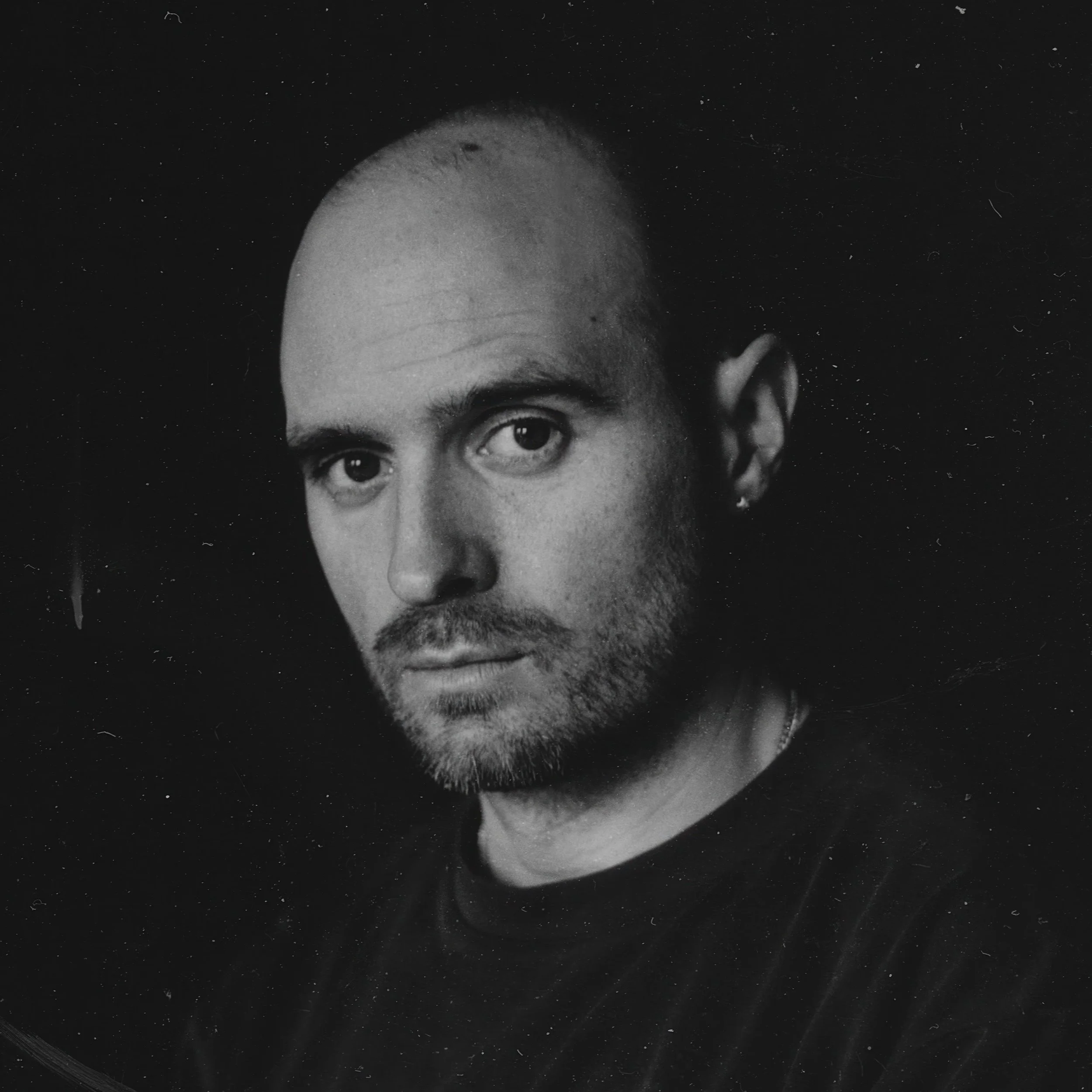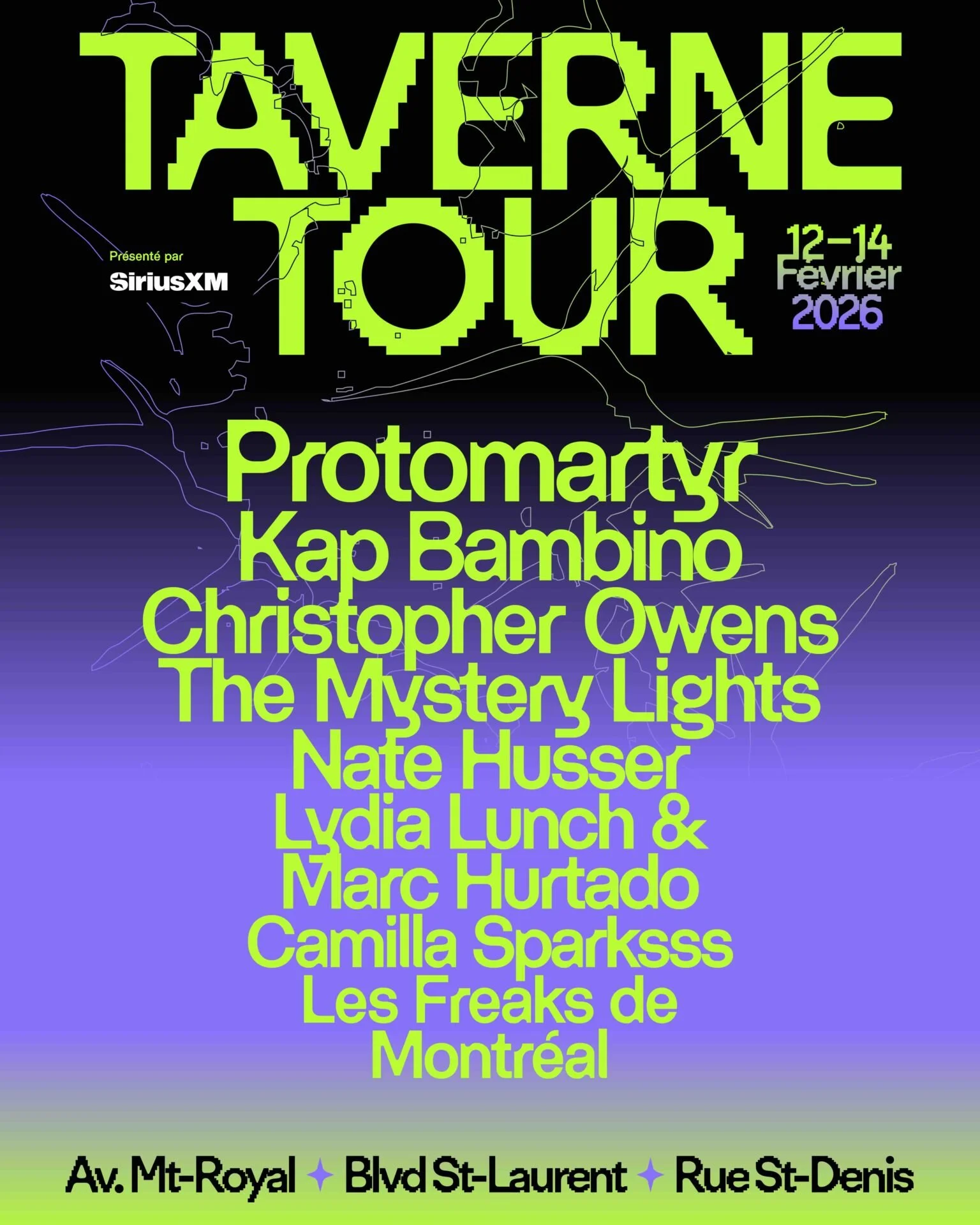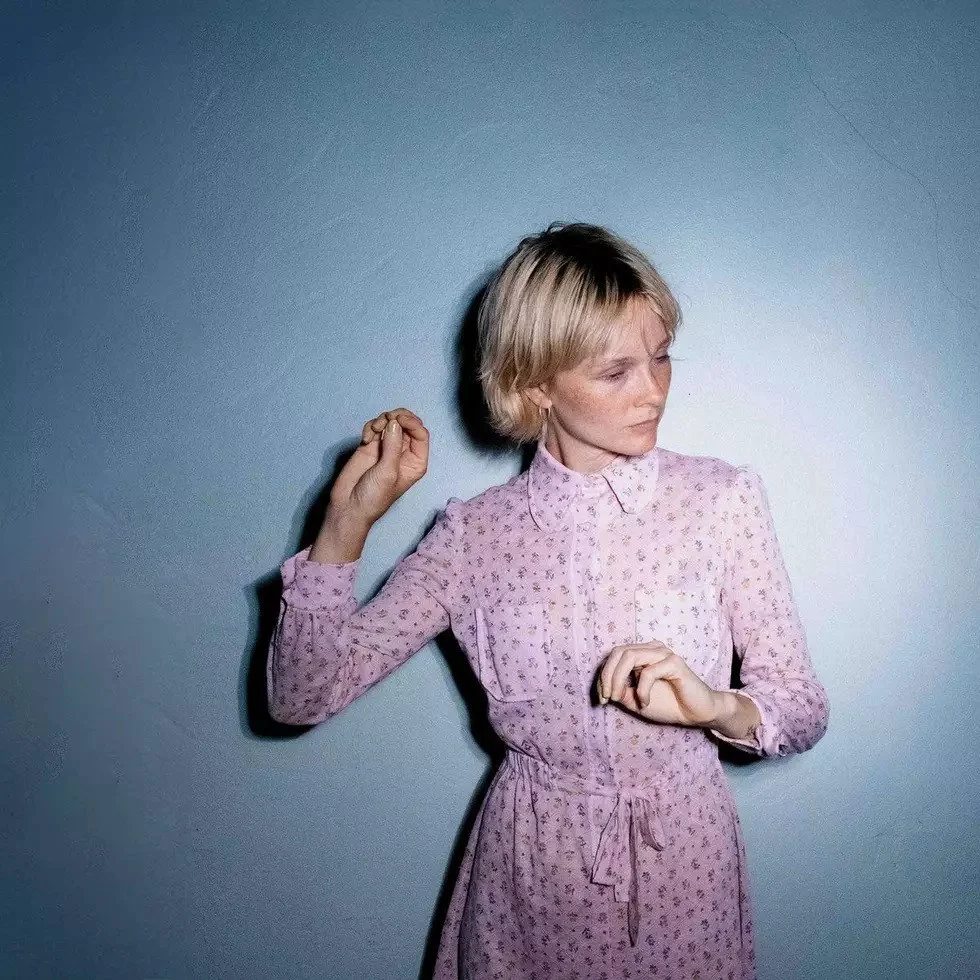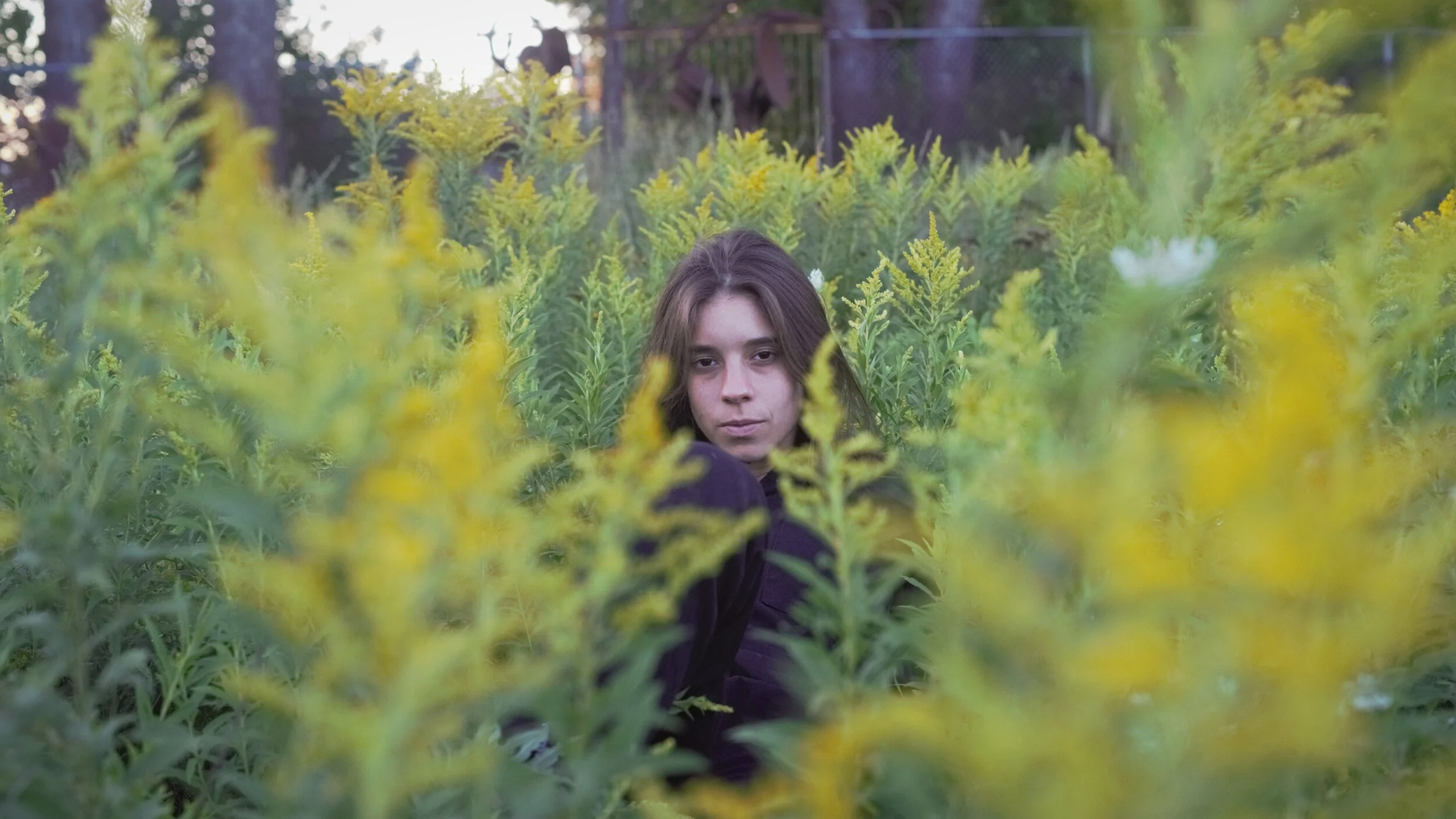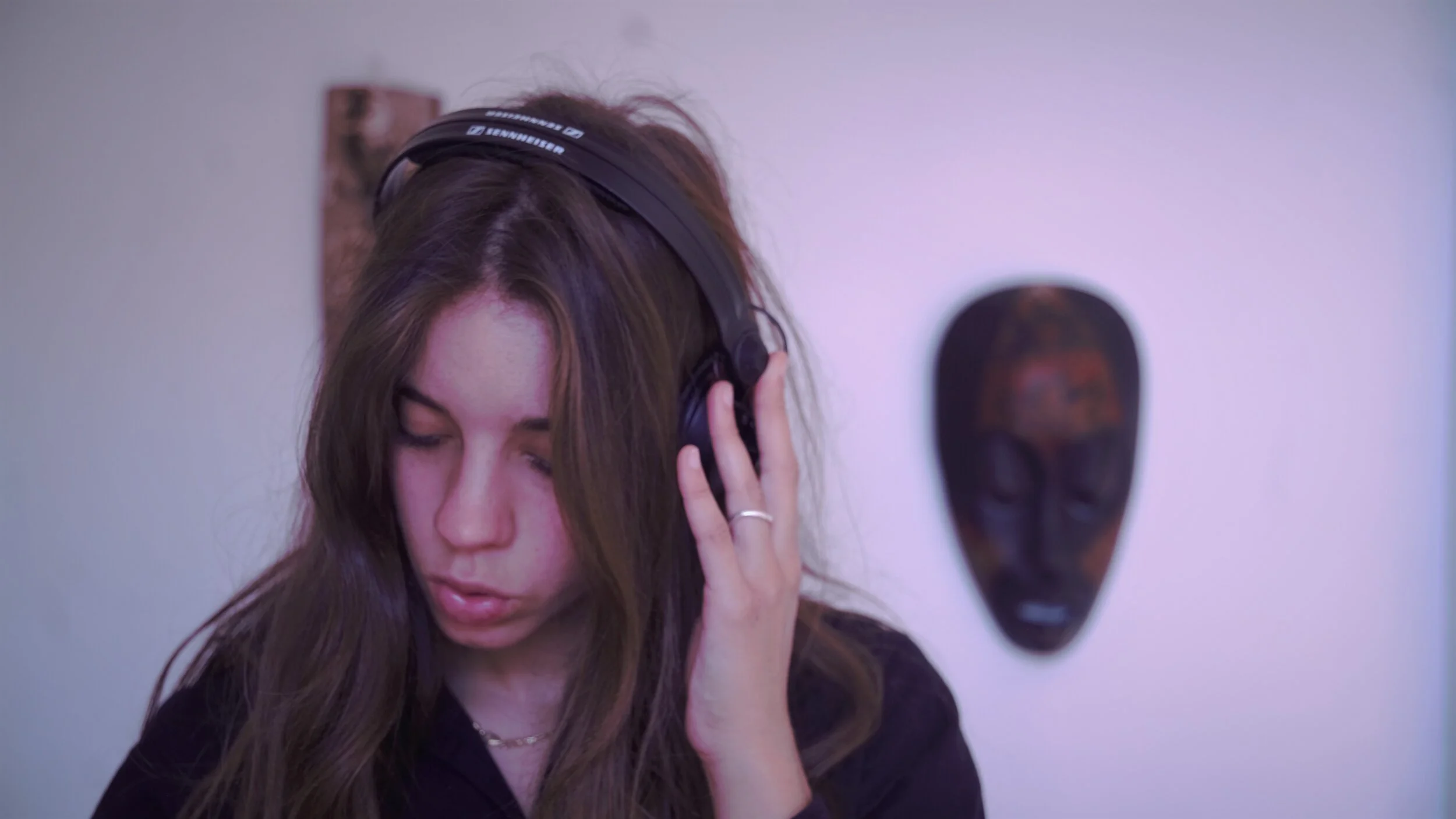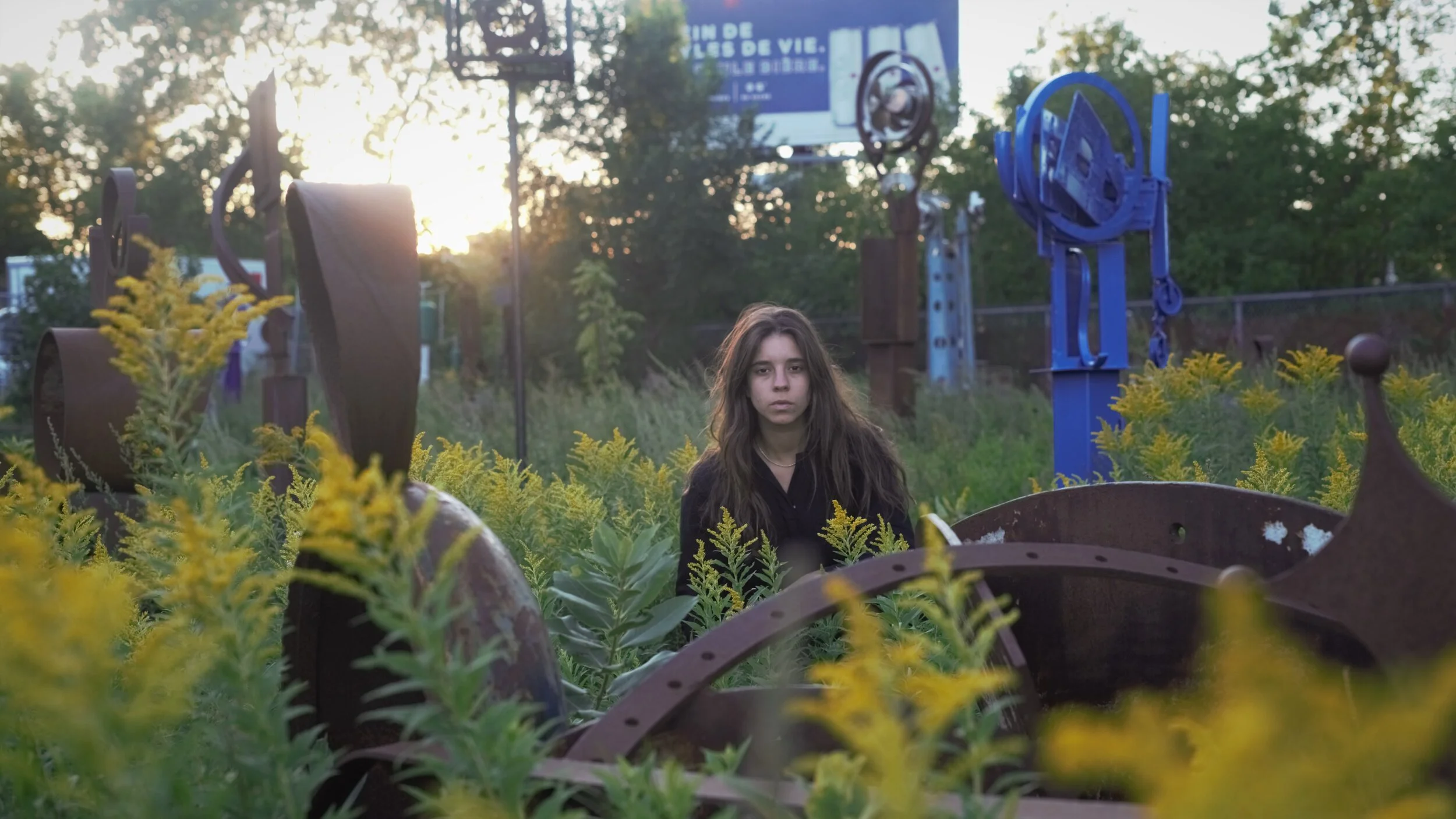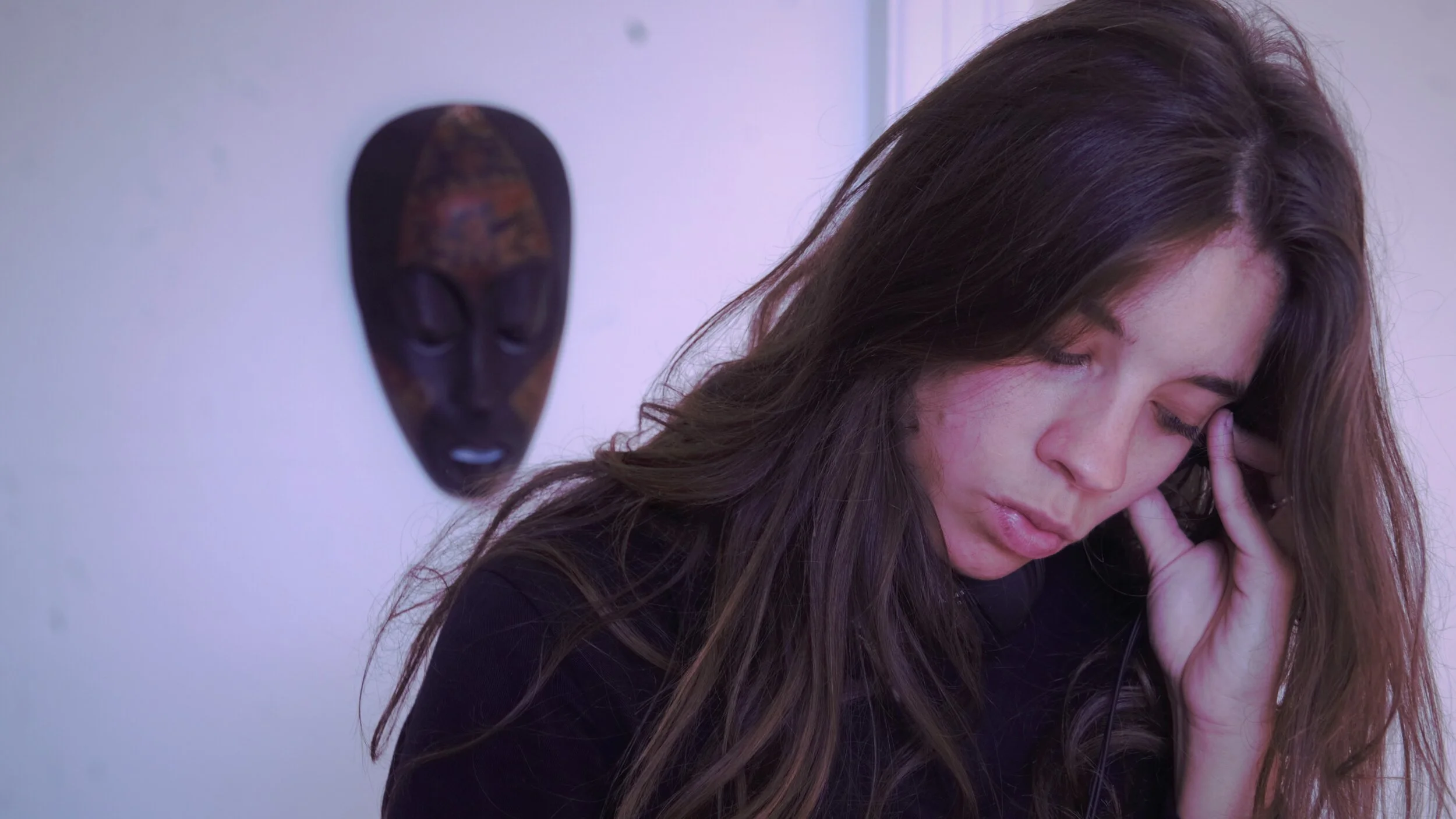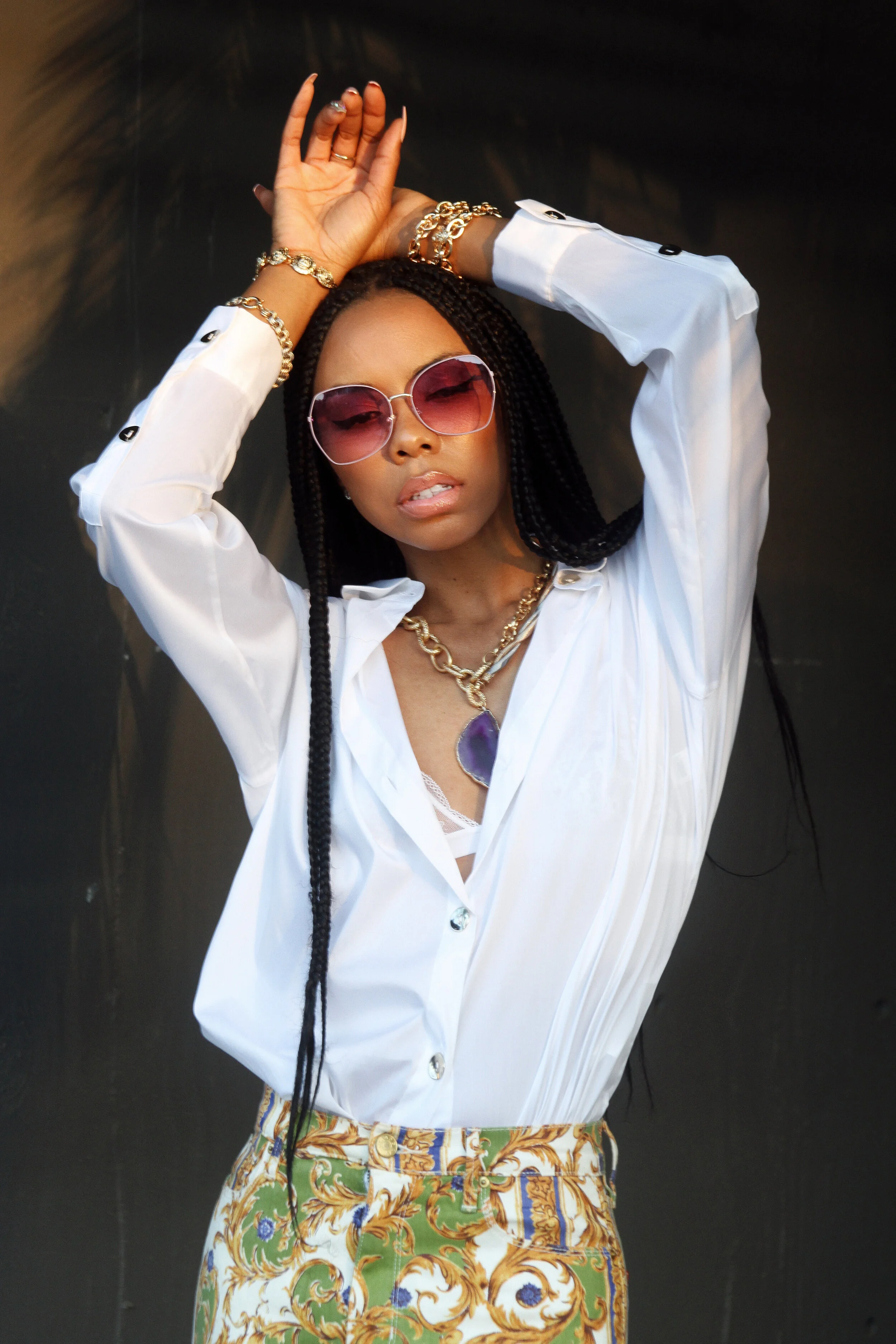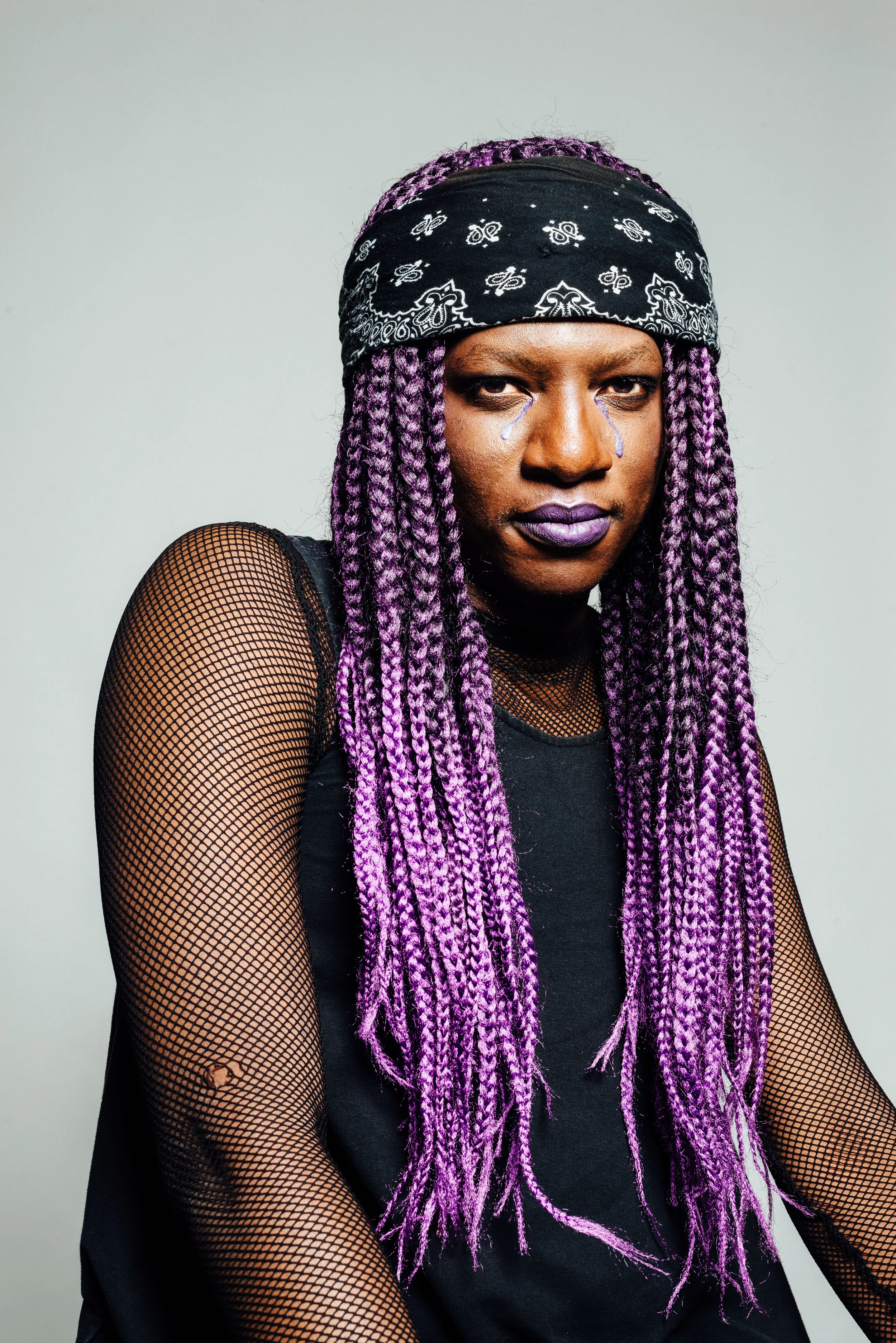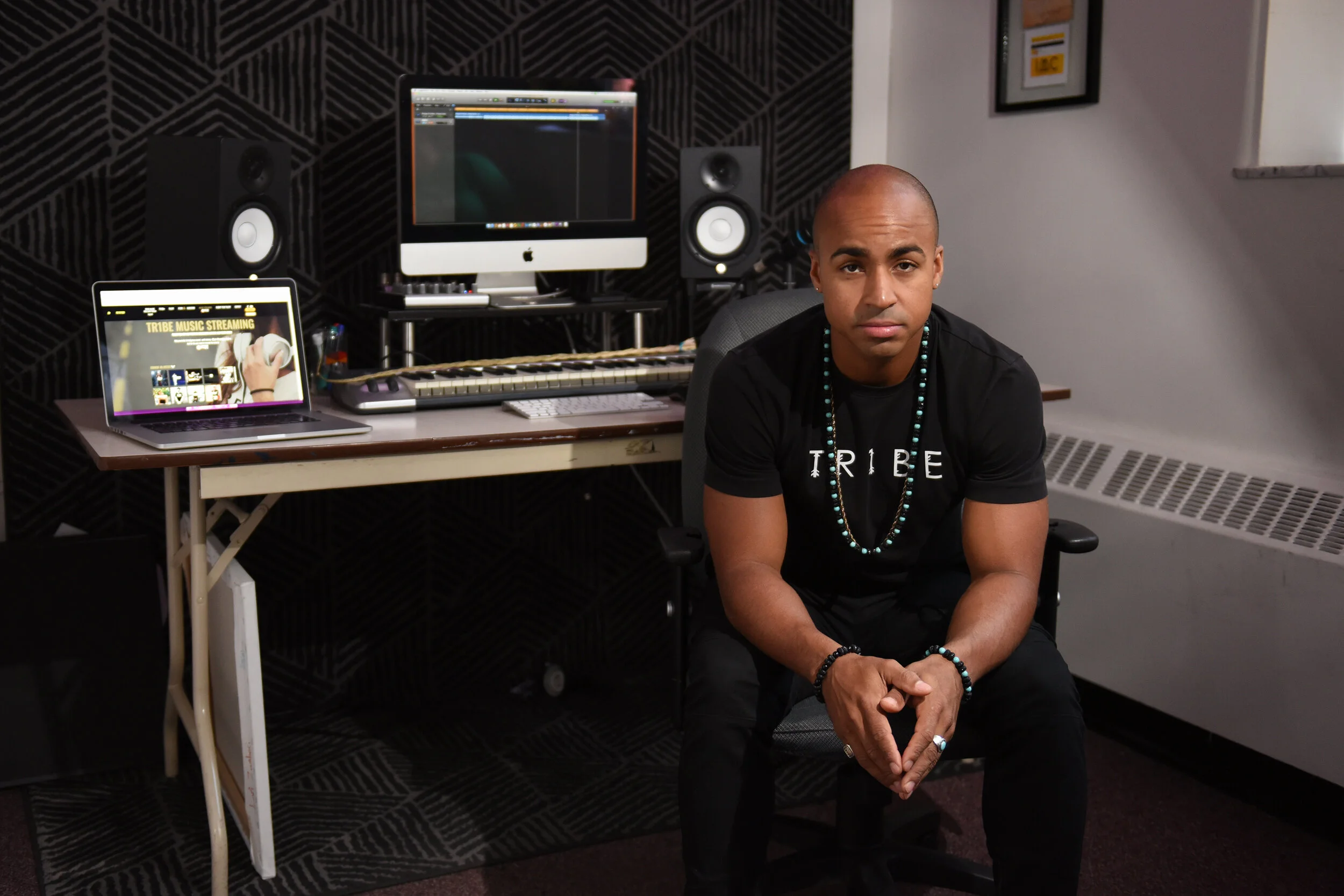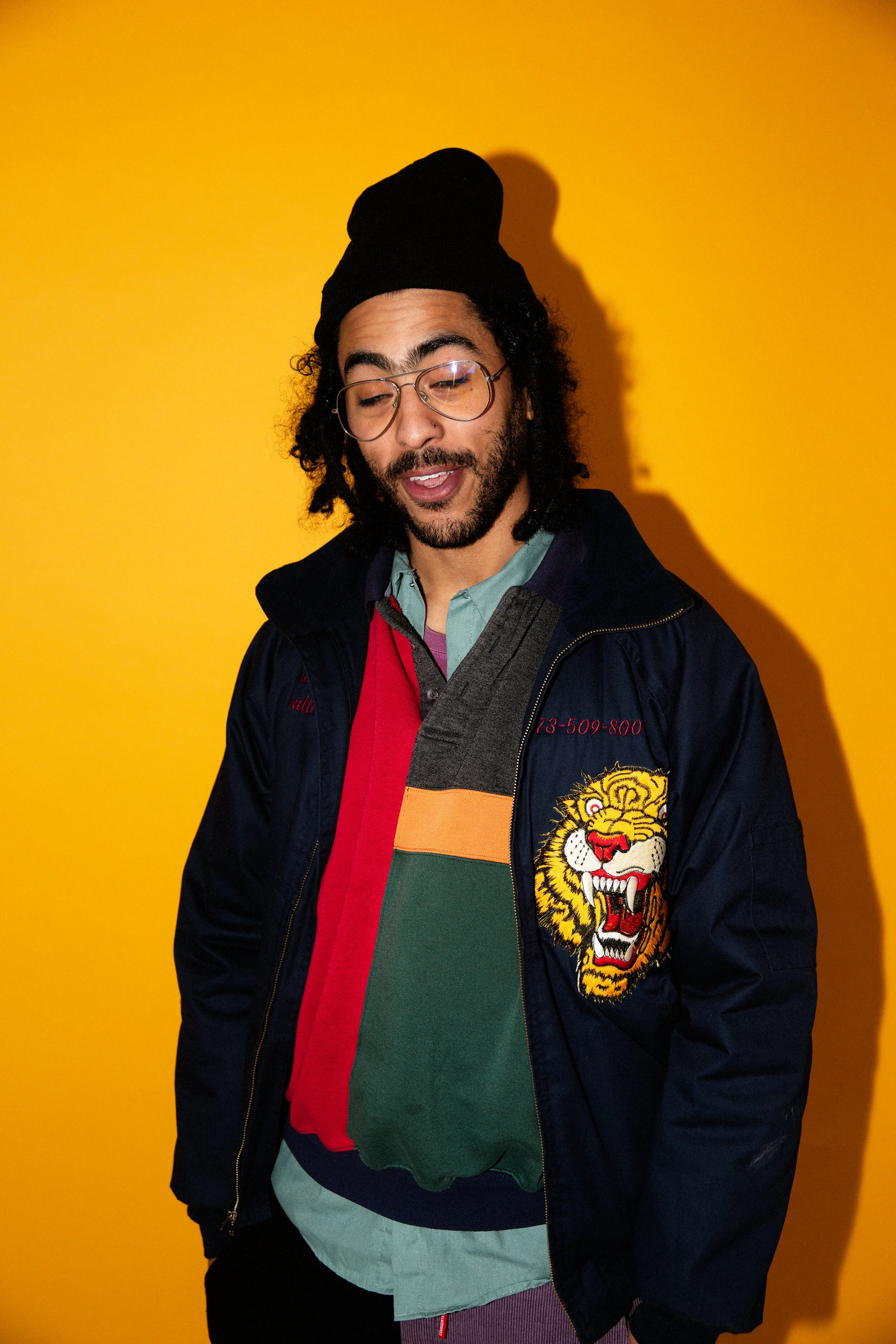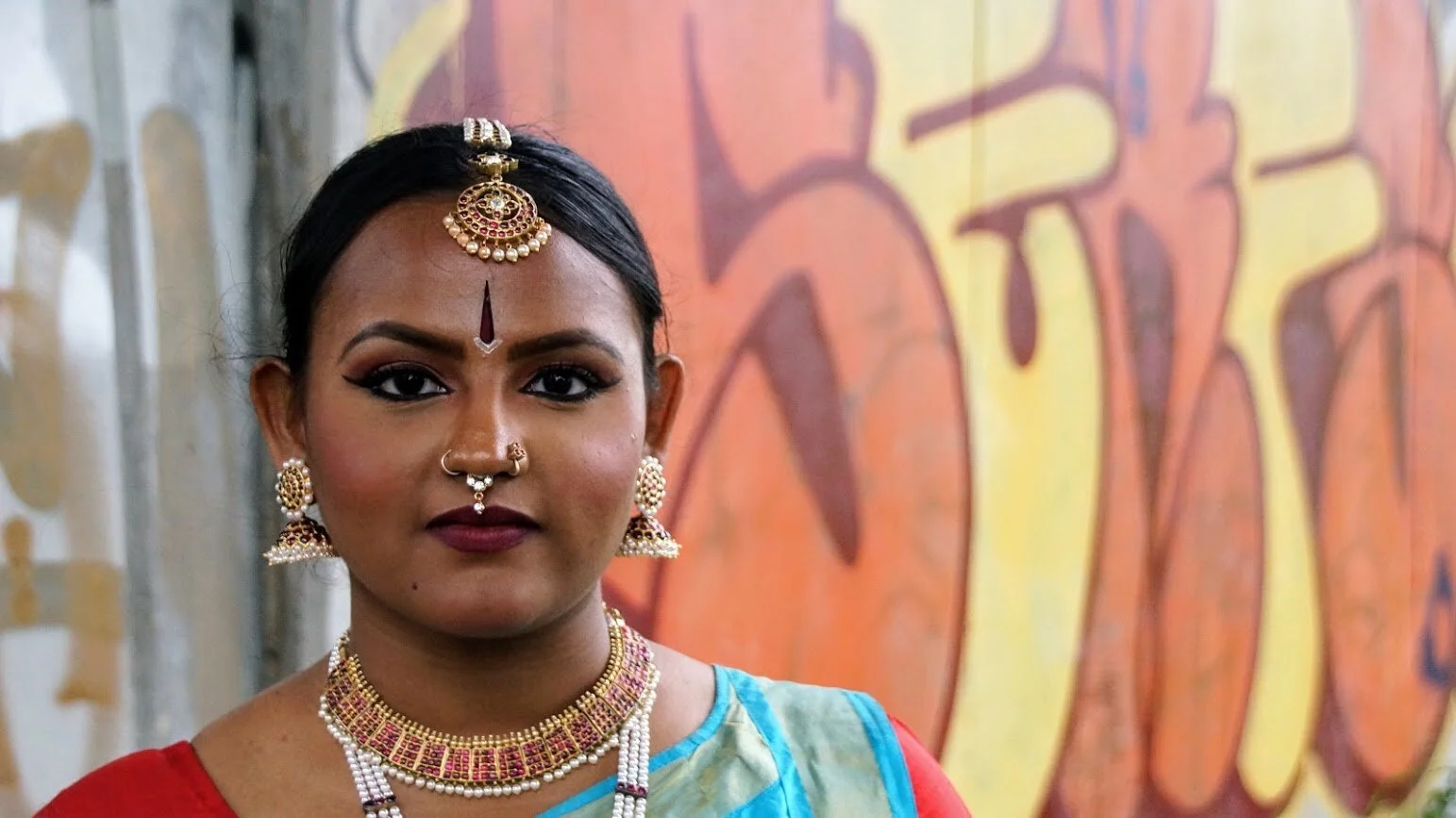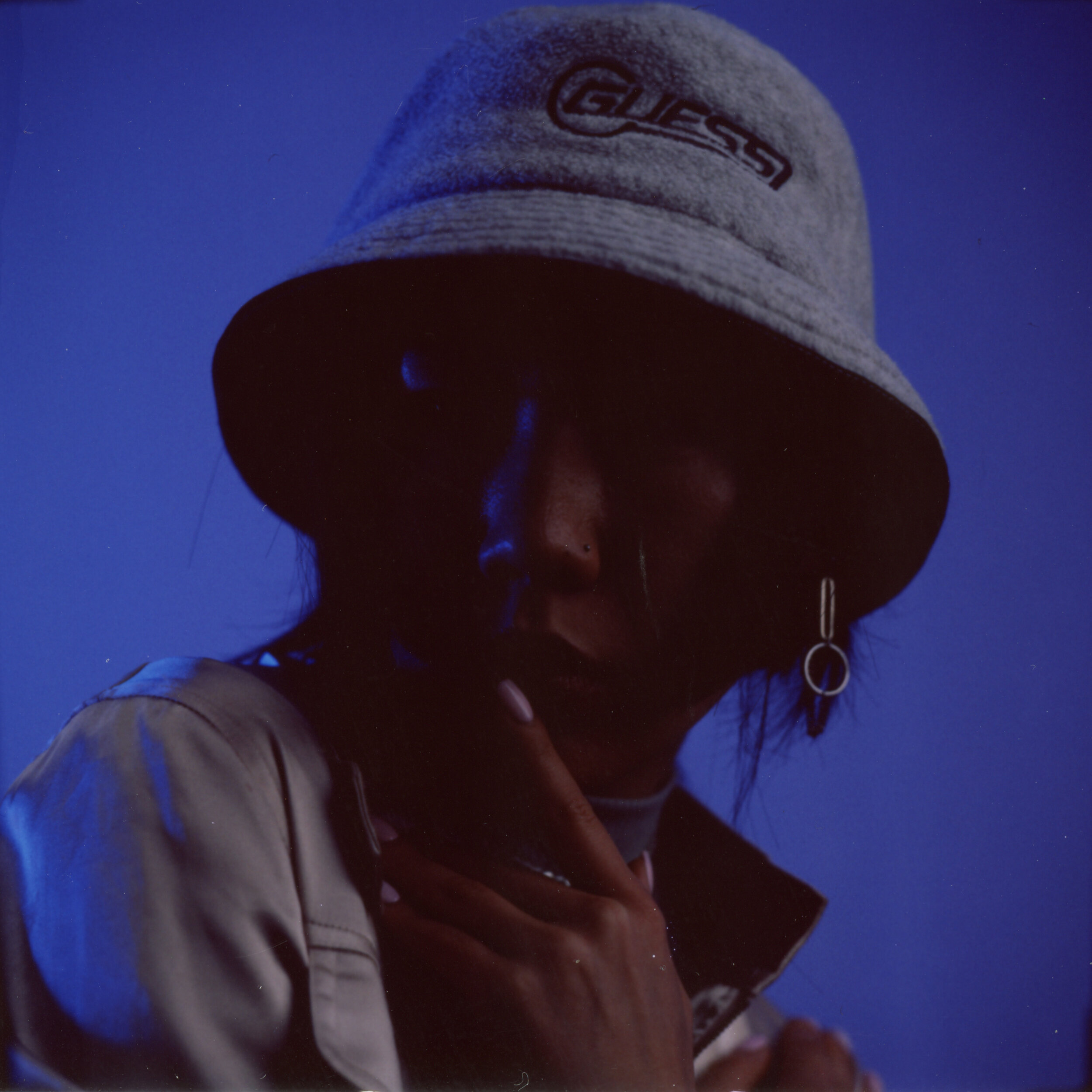
Also Cool x POP Montreal Artist Spotlight: NOVEMBER
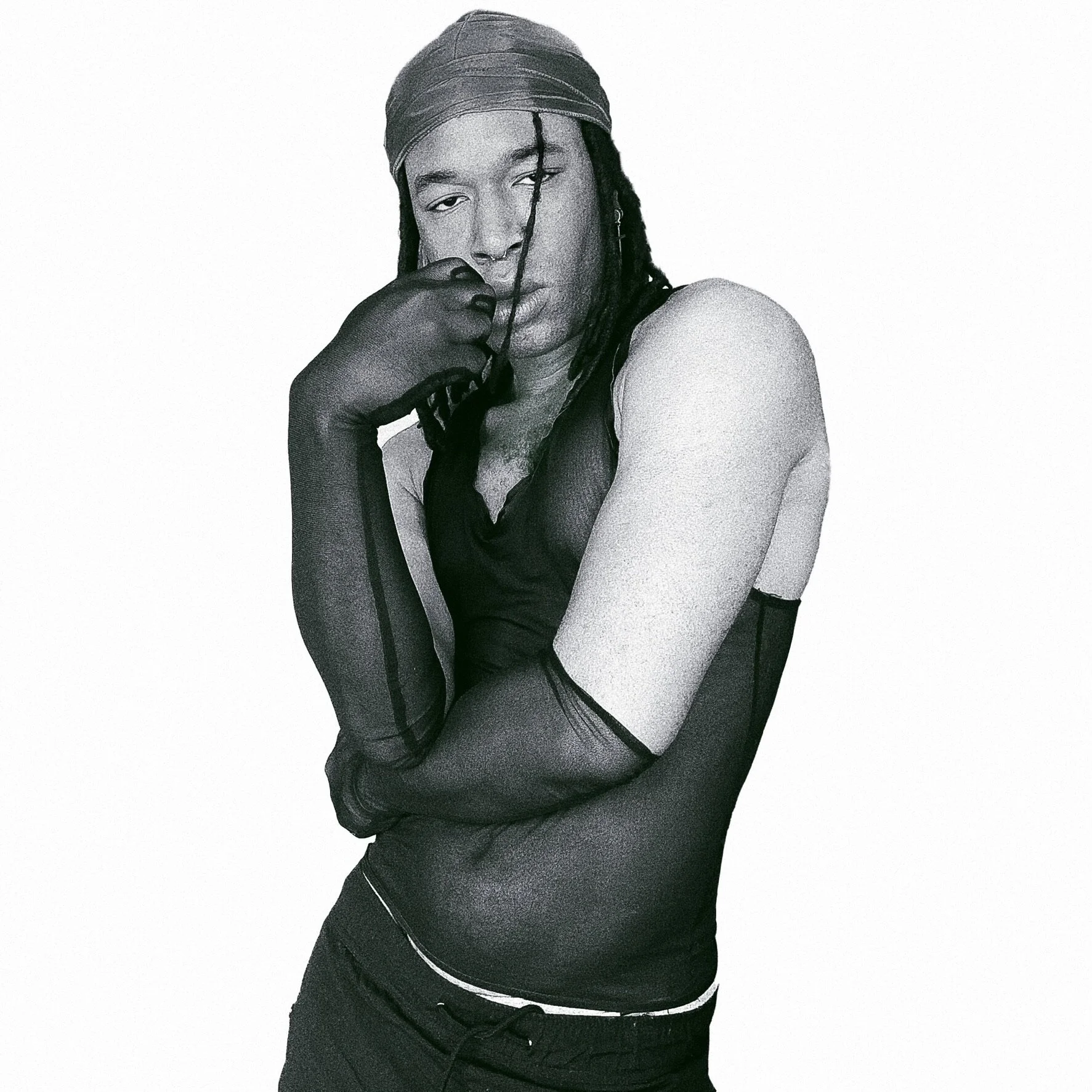
 
image0.jpeg

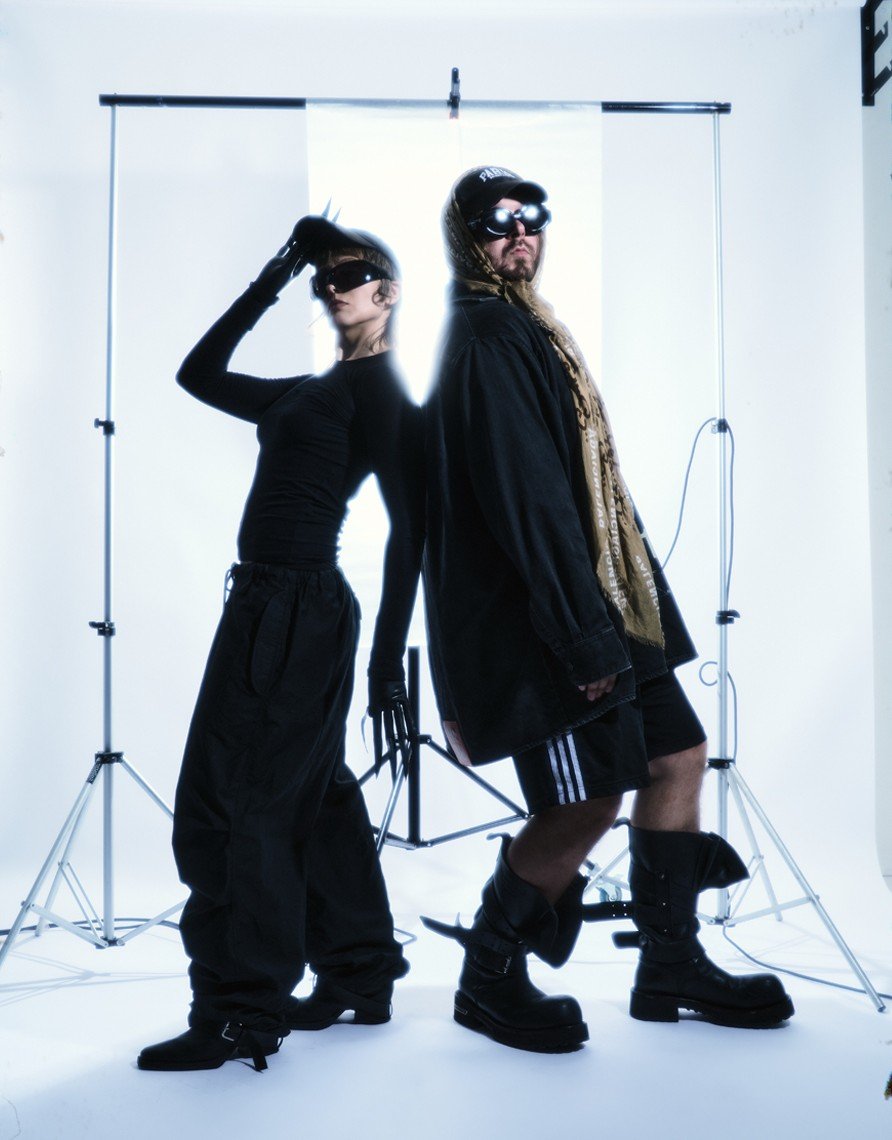
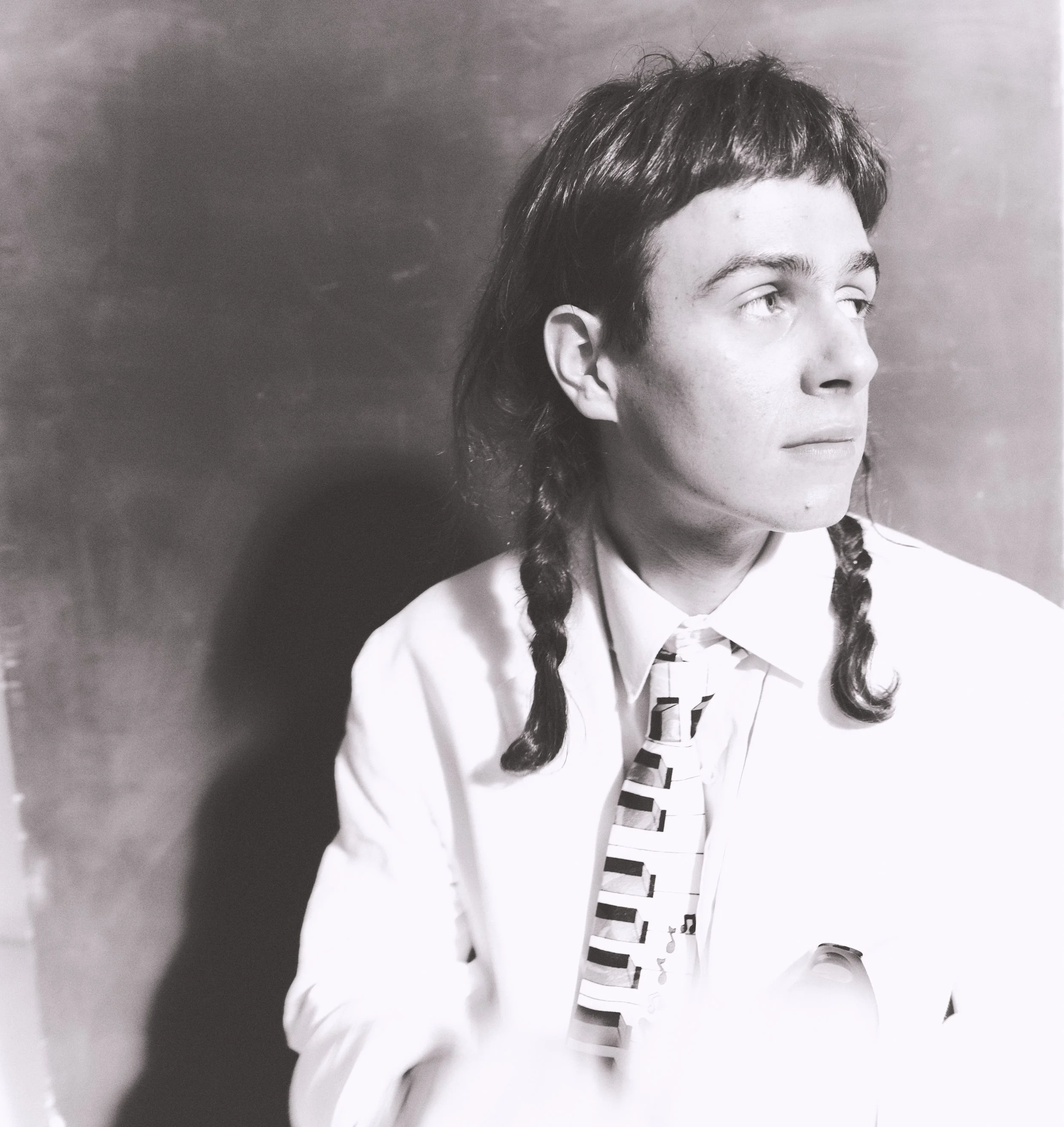
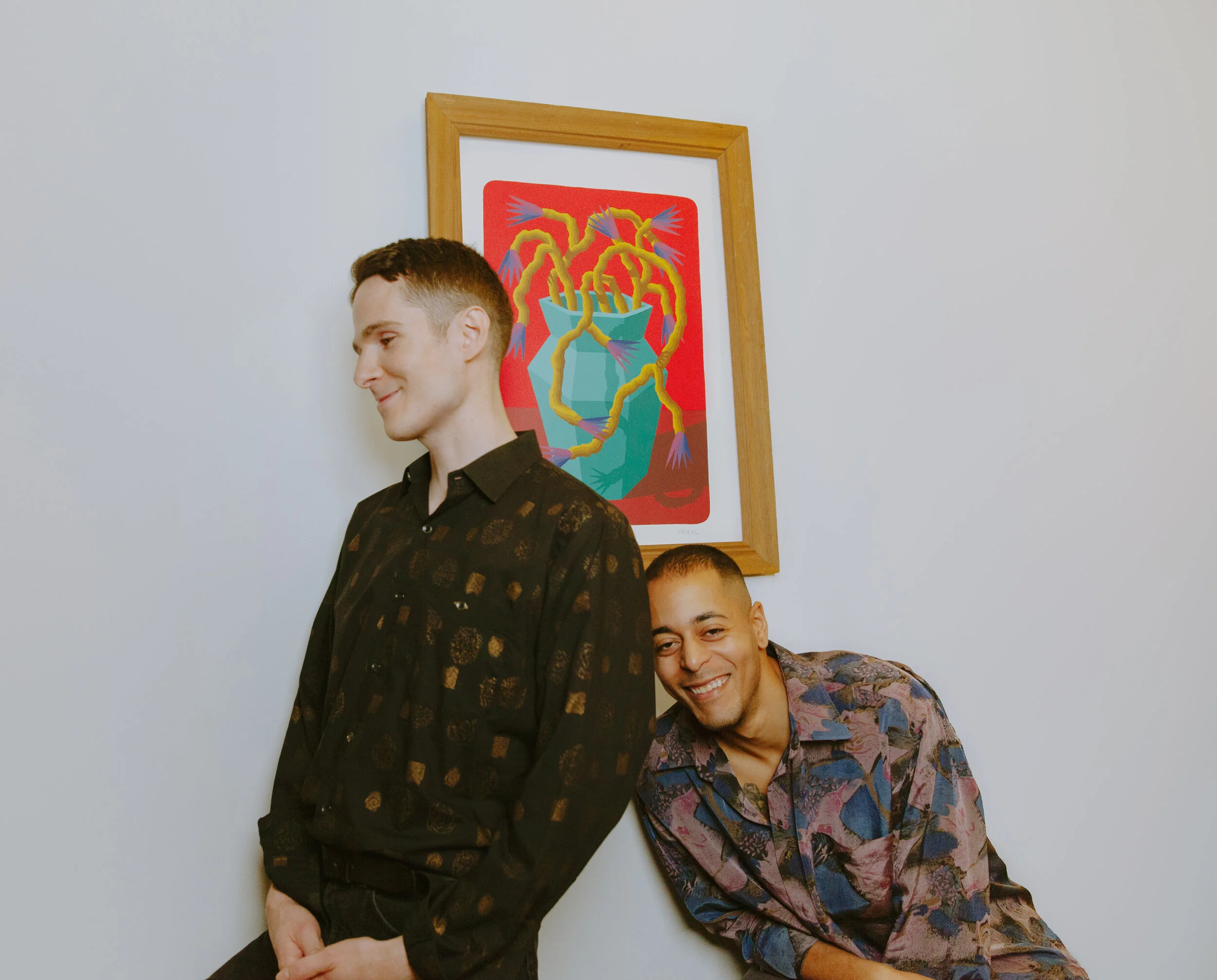
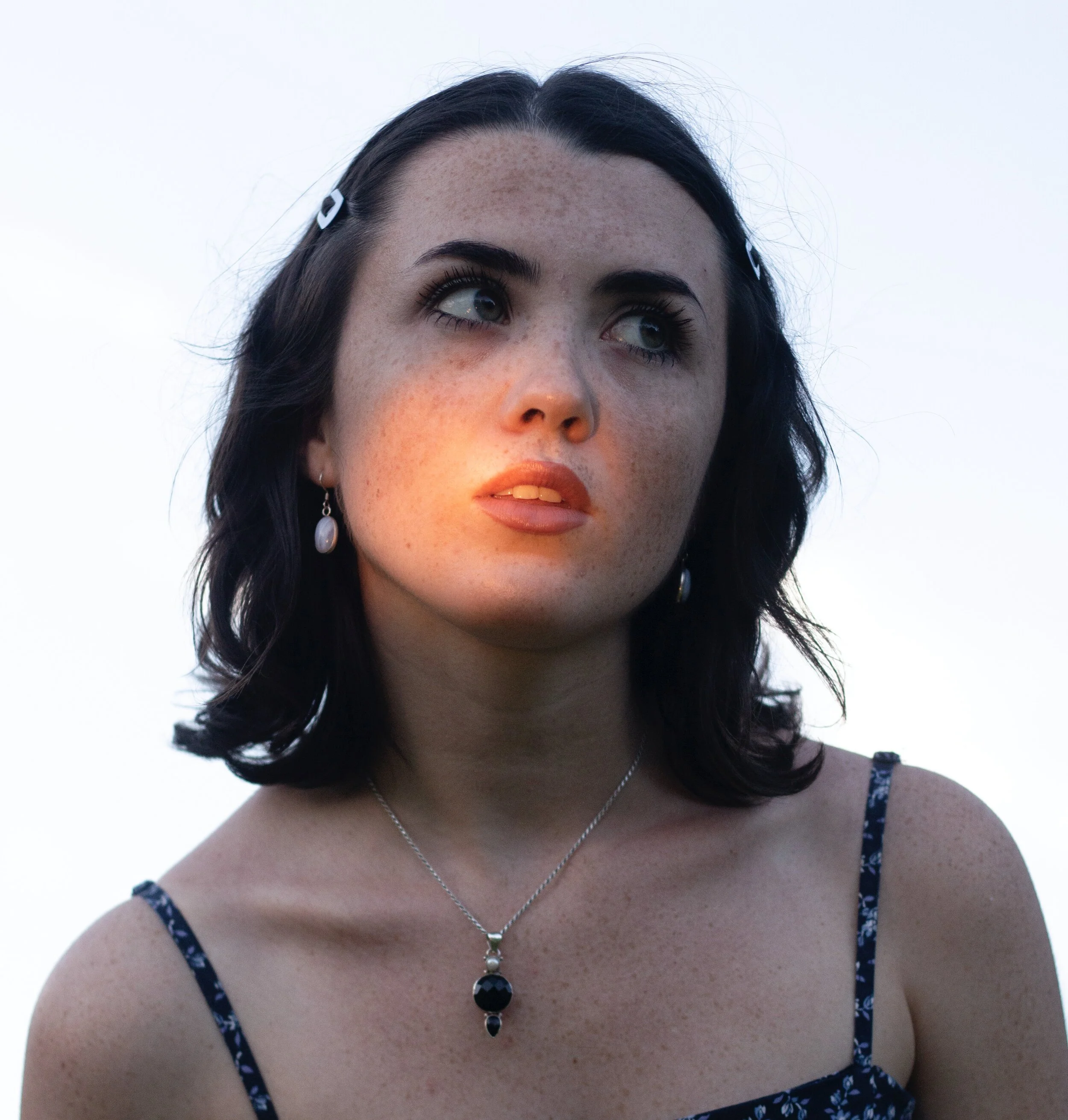
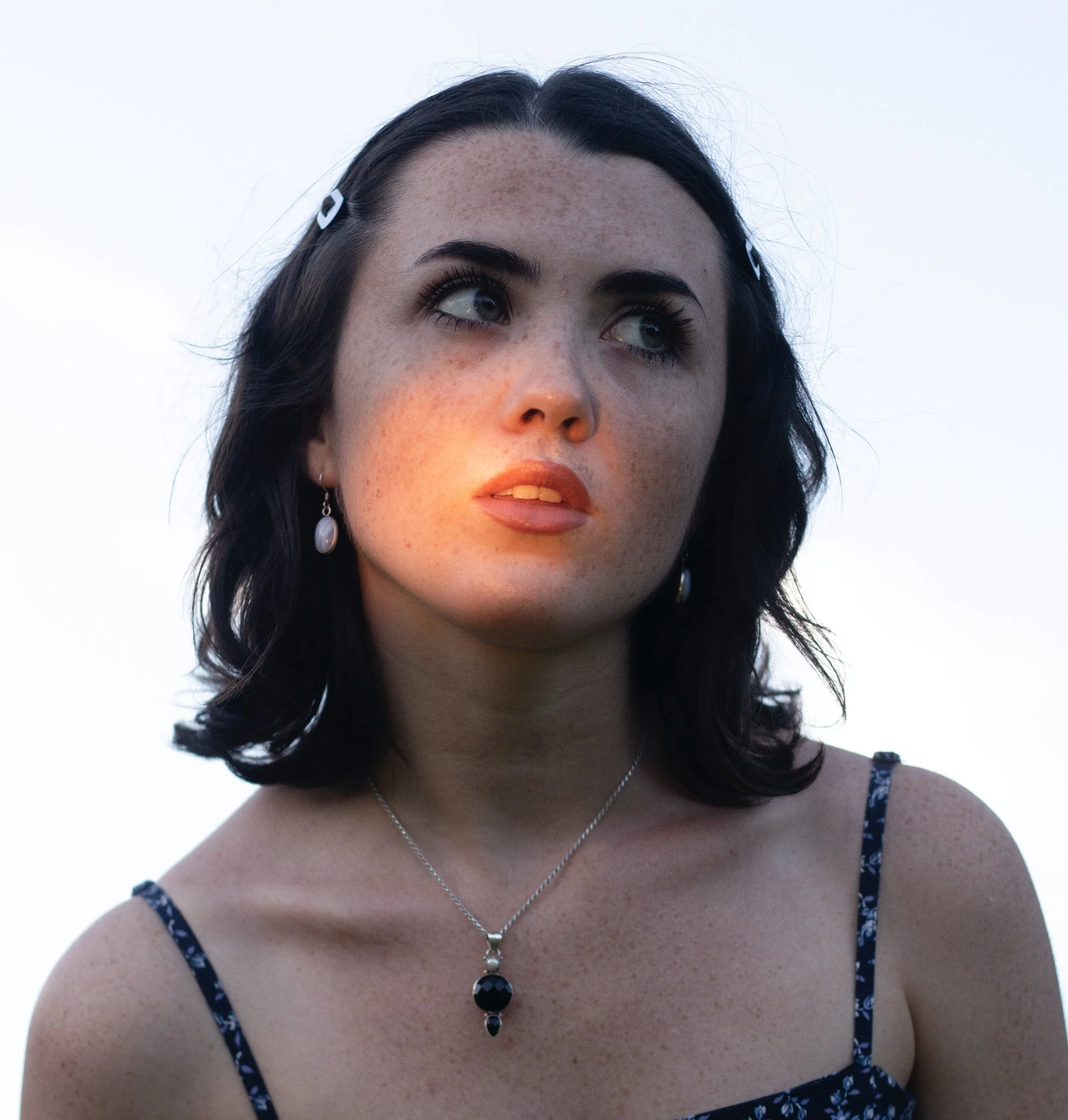
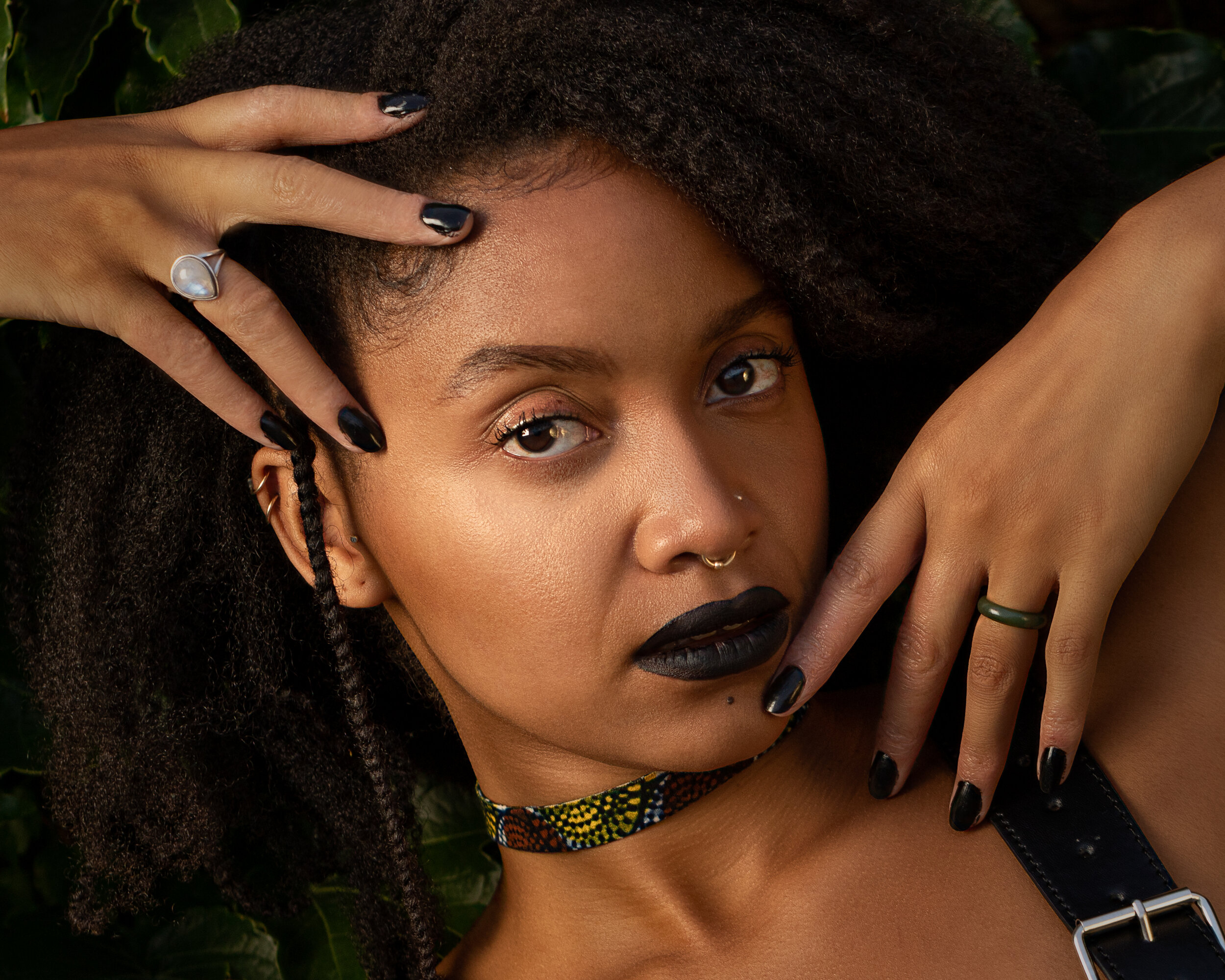
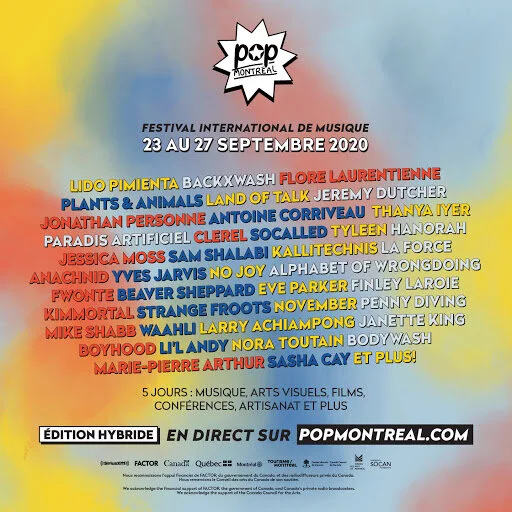
POP Montreal returns this year in a hybrid format (with both online and COVID-safe IRL events), ready to fill the void with good tunes and incredible talent. We're proud to announce our partnership with them, promoting some of our favourite artists.

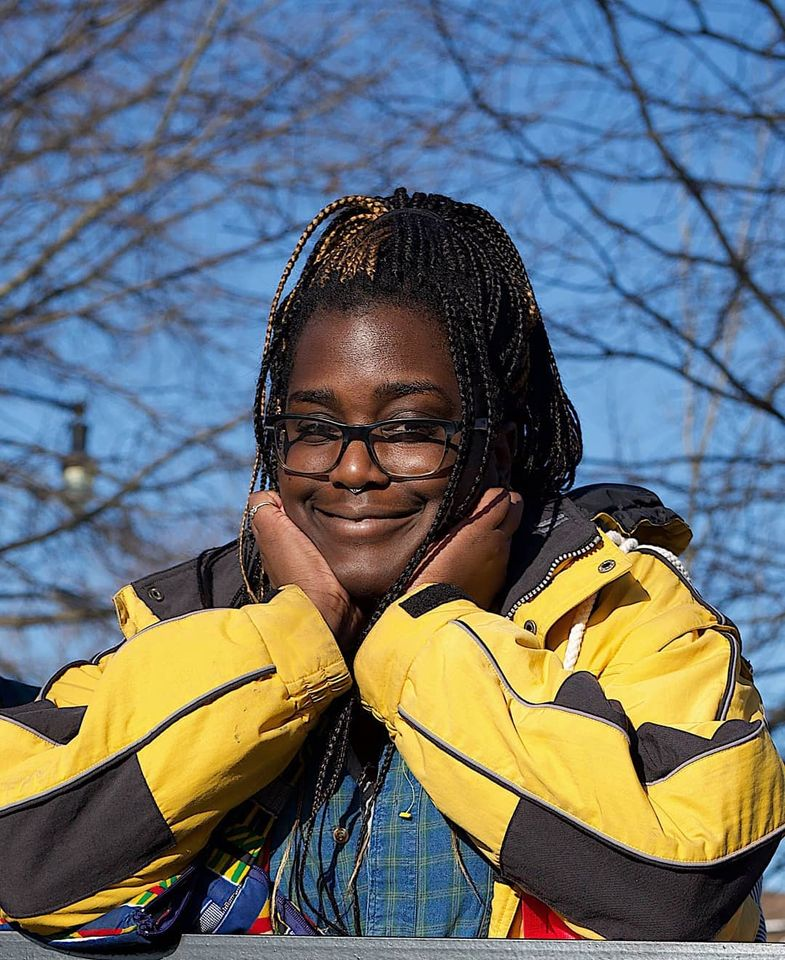
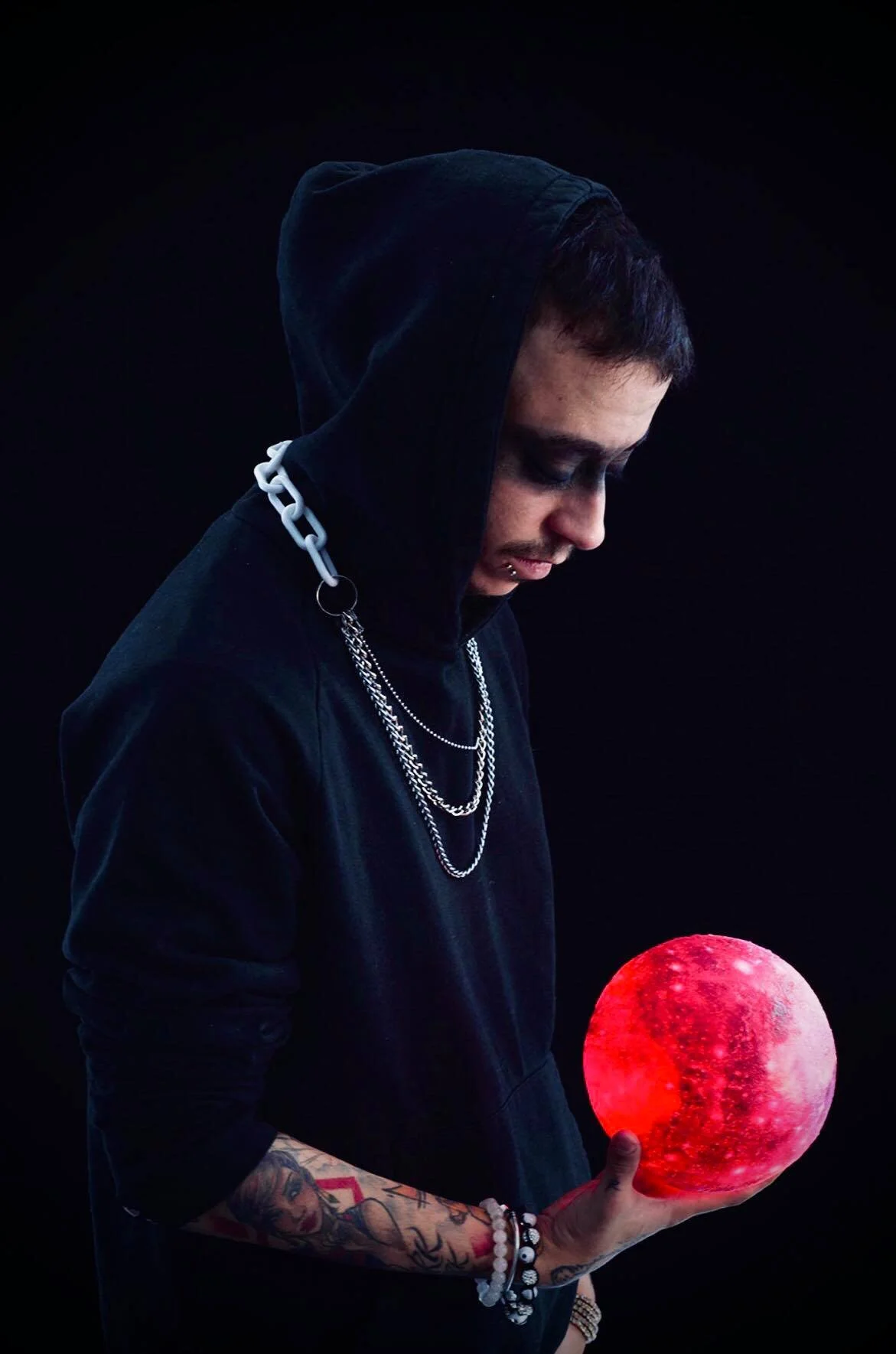
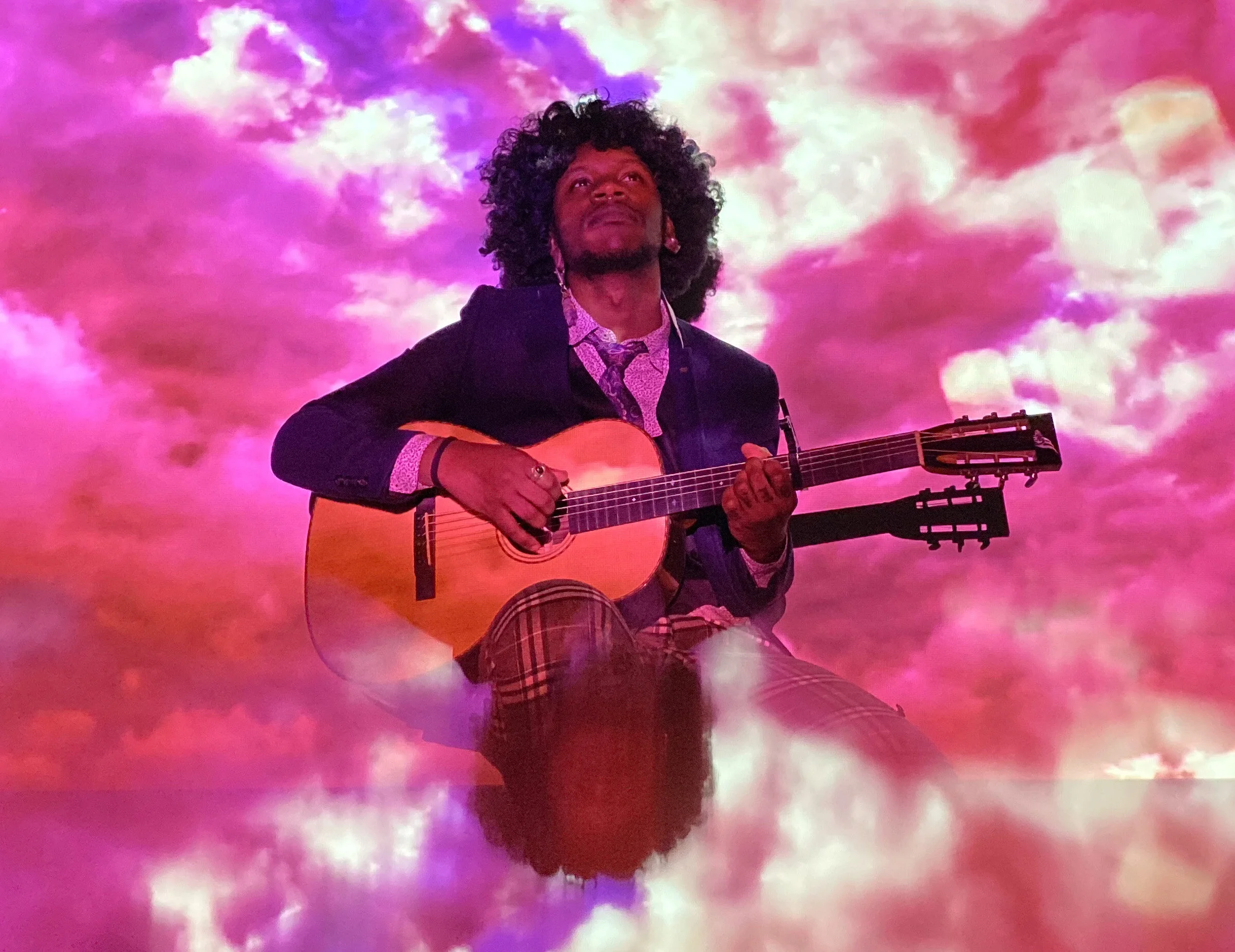
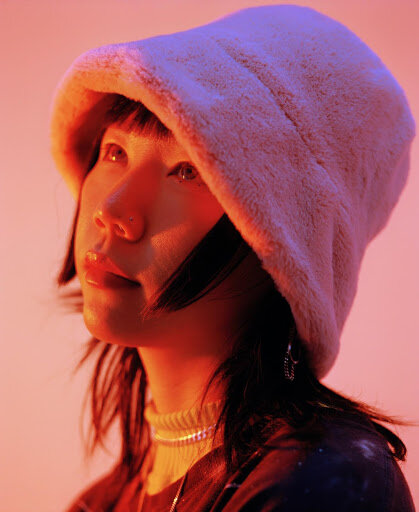
First up, we have the dreamy NOVEMBER, who will be playing on Saturday the 26th, at the Rialto Clubhouse. Get your tickets and check out the even here.
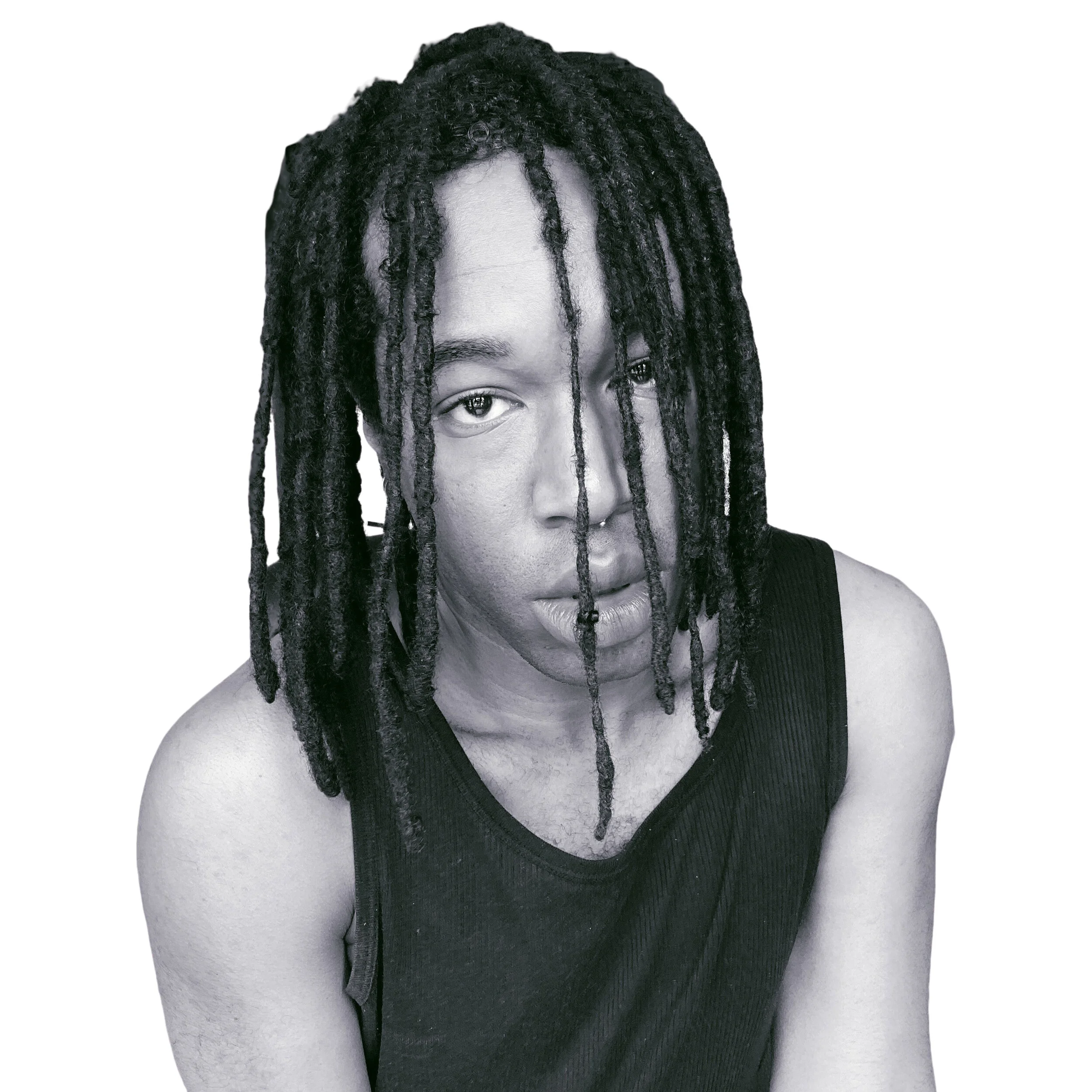
Malaika for Also Cool Mag: How did music enter your life? What's your relationship to music like now?

NOVEMBER: Music was always present at home. I grew up with a single Haitian mother, and not only is music imbued in our culture, but she always said, "We aren't at church, the house doesn't need to be quiet." So something like an 80s power ballad or kompa was always playing in the background. 

I got into it more as an art in my teens as I started finding myself and discovering music by myself. Demon Days by the Gorillaz was pivotal for me as a kid. It was when I was really like, "Ok, I want to make people feel the things I'm feeling now." It took me a while from that point to even admit what I wanted to do out loud. Still, by then, I had started absorbing any music I could listen to and refining my own sensibilities. 

My relationship to music has really strengthened over the years. As it's become more of my career, I was genuinely scared there would be some tainted feels in mixing the art with more business stuff. But before anything, it will always be the most raw and spiritual way I express myself and process life. I'll never not make music, and I'll never not love it. 

Also Cool: Who are your musical inspirations? What are your favourite albums right now?

NOVEMBER: I've always been very inspired by fearless women. I'm a huge Lady Gaga fan and was blown away by Chromatica. Solange and FKA twigs are also two artists who's complete vision I'm just in awe of. Both released last year but When I Get Home and Magdalene were in my top played records for 2019. 

I'd say Dépêche Mode are also huge influences on my sound, and their music is sacred to me. Violator and Black Celebration are up there, but it's all amazing. I also adore George Michael and am influenced by him too. He had this amazing voice, made most of his music himself and seemed like a beautiful soul. I mentioned the Gorillaz, but really all of Damon Albarn's projects have impacted me, and I think he's a legend. 

Other albums I loved this year were; What We Drew by Yaeji, which is an amazing exploration of this soundscape, What's Your Pleasure? by Jessie Ware is disco fire, Mordechai by Khruangbin who are one of my favourite bands, Ungodly Hour by Chloe x Halle which is just excellent, how I'm feeling now by Charli XCX and Sawayama by Rina Sawayama both of which are amazing expansions on what pop music is. An album I've found myself going back to over the years to The Worry by Seekae, who are this Australian act. The record is perfect from start to finish. I'm really into the album experience. 
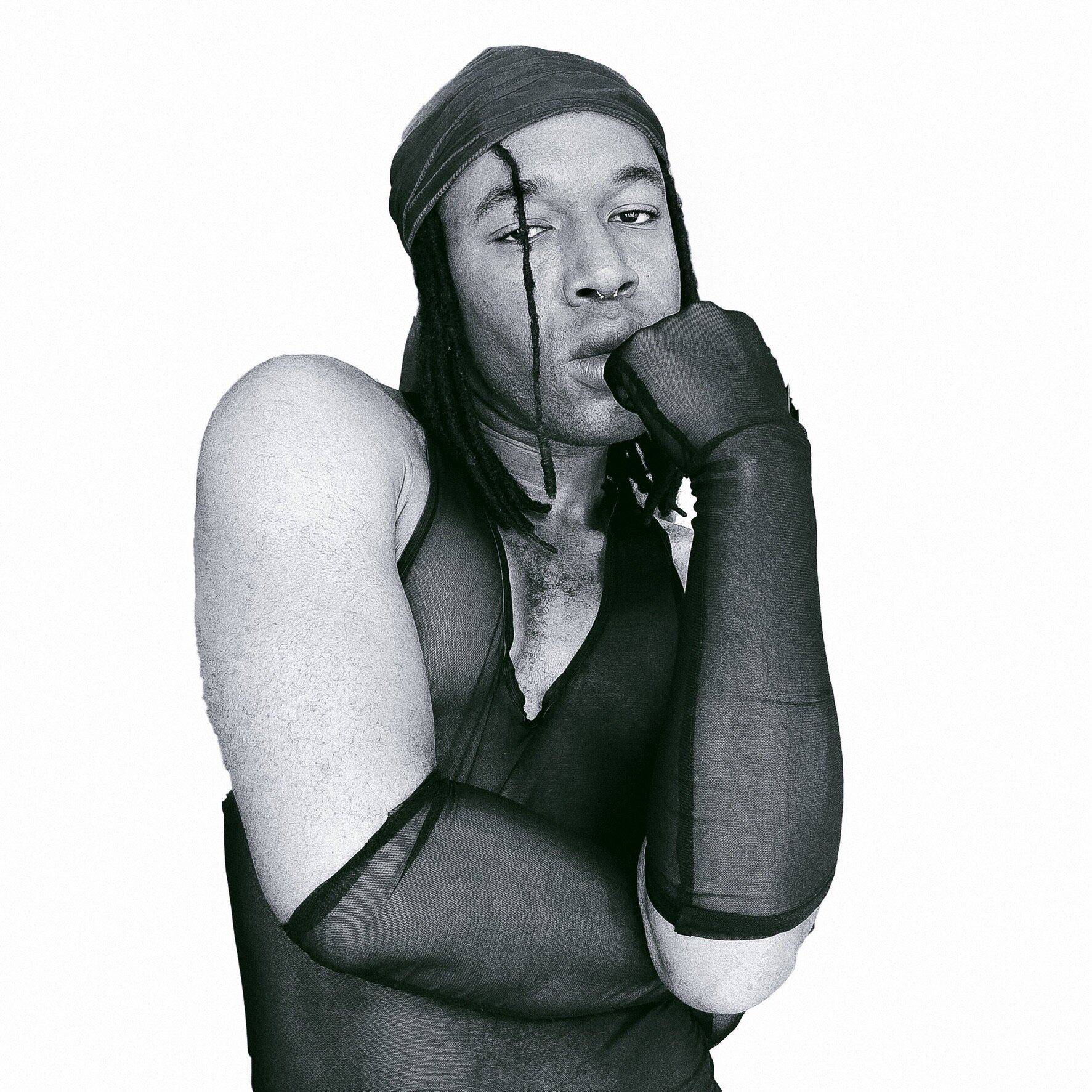
AC: What are your non-musical inspirations? 

NOVEMBER: I've always had a deep appreciation for visual artists and what they do. I love photography and try to see as much as possible through online mediums primarily. When I find photographers I like, I get very into their work. Right now Ren Hang is an artist whose photography I'm really into. 

Besides that, I love museums. I usually visit one wherever I'm playing a show and have a membership to the Fine Arts Museums in Montreal. I also love taking walks in nature, if possible. I love to observe life around me. Lastly, I love being around water, which is ironic because I can't swim. I recently saw the Atlantic for the first time, and it was crazy!! I'm the type to just sit and stare out for hours just thinking, writing, looking. And don't let me get a joint cause then it's doubled. 

AC: What's your experience been like with the Montreal music scene? Do you have any advice for anyone wanting to launch their own project, but who aren't sure how?

NOVEMBER: On one hand, incredibly supportive and uplifting. Many of the opportunities I've had so far have come from people in this city, rooting and pulling for me. People have been very real in this city because they've supported me because of my talent first, which has helped me grow in other areas. Everything kinda snowballs, and opportunities like the ones given to me by the POP team have helped. 

On the other hand, I can live in the real world and say I've seen people come out of nowhere and get much more, much faster. It's all good because there's enough cake on the table, and I truly believe that, but hey, would things be easier if I was white and playing acoustic guitar? Probably. That issue isn't just a Montreal one, though. 

My advice, which disclaimer is biased towards singer/songwriters, would be first off just experiment at home. Download whatever DAW and learn basics from YouTube and forums. You don't need to become a super producer if that's not what your thing is, but always have enough vocabulary to articulate what you want to, whoever you work with. Otherwise, everyone will try to impose their vision of you onto you. Your vision of self needs to be definite and self-created. Other than that, I'd say if your project has vocals, please, you don't need to be an amazing vocalist. I really believe in just being good enough to express your own vision. BUT if you have live vocals, make sure your lyrics get heard. I've seen and played lots of shows, and the strangers you'll be courting into becoming fans when you're the first act of a four-act bill will focus much more if they know what they're hearing. 
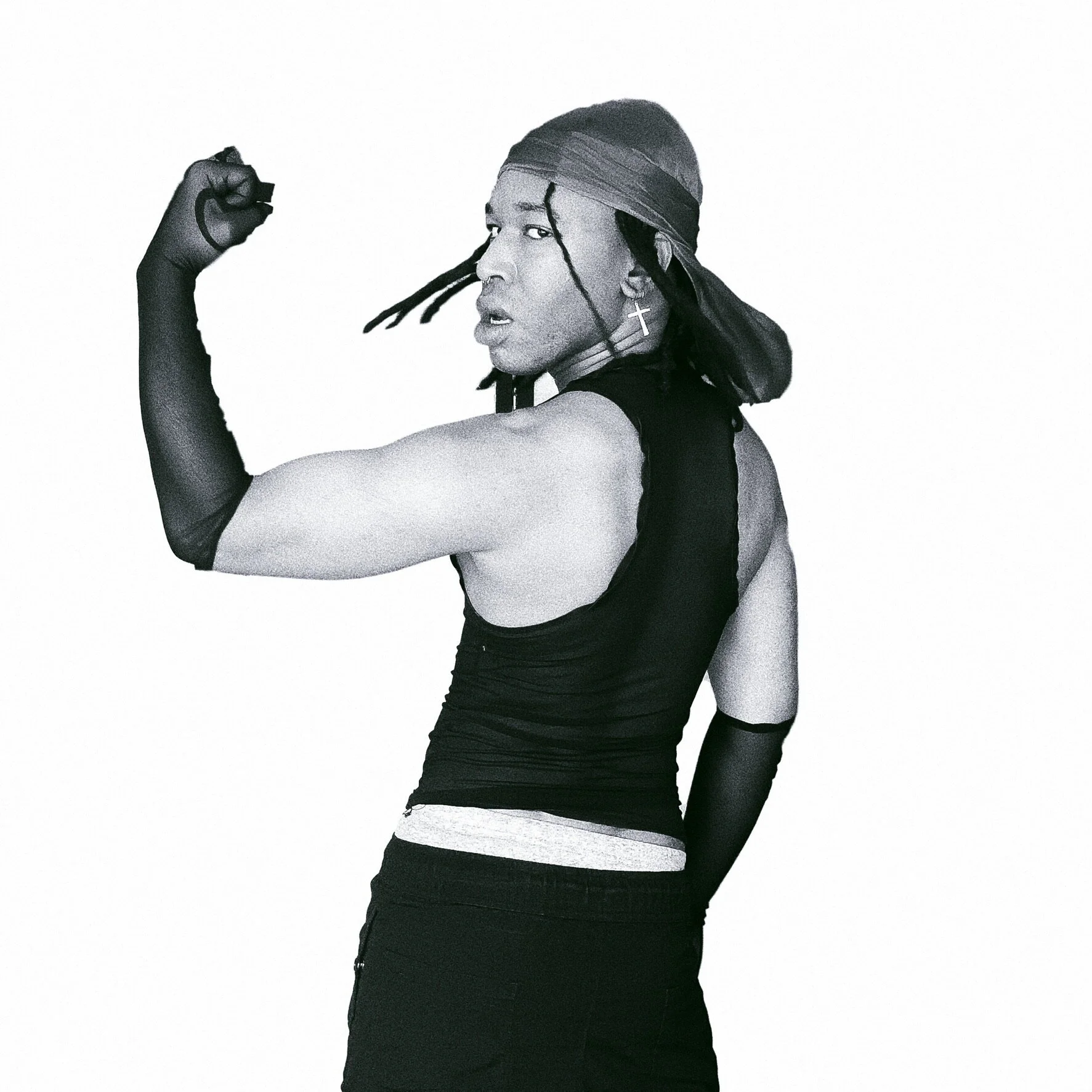
AC: You describe your music as "lovers with open eyes." If you could describe your songs as different kinds of lovers; Who are they, and what kind of dates would they take you on?

NOVEMBER: All my songs are the kind of lovers who cry, for whatever reason, but it happens. Maybe they're tears of joy. They write poetry, lay their feelings out for you and do that neck kiss thing. The dates would involve a museum, a smoke in the park, a movie in a small theatre (cause distancing), and late dinner after another smoke. 

AC: What's one thing that has helped you grow as a person and a musician over this quarantine?

NOVEMBER: Realizing I'm much more capable as an artist and business person than I thought. I finished my BFA in acting during the pandemic, and that helped me come into myself more. I became more able to negotiate for myself and generally be like ok this "what I do." I think I assumed success meant outsourcing a lot creatively, which wasn't how I liked to work. I rediscovered confidence in producing, visuals etc that I hadn't felt since I was a teen just trying shit out. 

AC: Wrapping up, what can we expect from your POP performance, and what's the best way to directly support you?

NOVEMBER: First off vocals. Some people have really cool bass solos, but I've got my voice. It's always been a main component of my sound. I'll be premiering my new song, Jerome, which is coming out right after POP on October 2nd. This will be my last performance before I release a new EP, so it's at least a temporary farewell to songs I've had in my set for years. Because of this, I wanted to update some older songs and add a few new layers to them. 

Other than that, you can always expect to feel something strong from my shows. Whatever that is is up to you. 
2020-09-14.jpg

NOVEMBER

Spotify I Instagram

POP Montreal

Facebook I Instagram I Website


RELATED ARTICLES


Montreal-based Molyness brings Berlin, and Moroccan fusion to the techno scene

 
Photo of Molyness by Moussa Fellahi

Photo of Molyness by Moussa Fellahi

This interview was initially recorded in French, translated by the author.

Having moved to Montreal from Morocco three years ago to pursue her passion for electronic music, Ines Mouline – better known as Molyness – brings a fusion of Gnawa, Sub-Saharan, Berlinesque, and orchestral influences into the scene, and her art.

I first met Mouline last summer at a techno afternoon party in the Mile-End. My friend introduced me to her, and I got to see her mix a set for the first time at the Newhaus, a club downtown where she has often played. It was back in Winter, we took a taxi down to the club lit with blue lights, behind a hidden door in the Dirty Dogs on de Maisonneuve. From there on I got to see Mouline frequently play, either at house parties, outdoor raves or larger venues.

Nestled in the back room of Le Café Depanneur, Mouline and I discussed her upbringing, her influences, the beginnings of her musical path, and her positionality in the electronic scene of Montreal.

Photo of Molyness by Soline Van de Moortele

Photo of Molyness by Soline Van de Moortele

The style of her music is rooted in her attachment to her native Moroccan culture. She describes her style as “melodic-techno.” Mouline was born in Casablanca, but spent most of her childhood and teen years in the capital, Rabat. It was here that Mouline began her musical career. She grew up seeped in music, her mother pushing her to play piano, and gave her rock & roll influences – particularly, Pink Floyd, whose long intros and sound design have inspired Mouline in her musical production.

At a young age, her mother, a musician, had her playing piano, guitar, and later the bass. “My mother is one of the people who enriches me the most,” she said, “in what I do, in the sense that she encouraged me from the beginning. She let me leave so I could pursue something that I love and that impassions me.”

She began playing electronic music in highschool, as it became “la tendance,” the trend. New electronic music gear was hard to come by in Morocco – when she visited Medina with her mom, Mouline bought her first used production material, and eventually her dad would bring her back a Pioneer from France. Finally, her first year in Montreal, she purchased her first controller and her Traktor S4 which she continues to use for her live sets.

Photo of Molyness by Moussa Fellahi

Photo of Molyness by Moussa Fellahi

Mouline arrived in Montreal three years ago first to complete a certificate at Musictechnic, and after discovering electronic music as an immutable passion during this time, she took the next year off from school to build networks and perform around the city. Last year she began a Bachelors degree at Concordia in electronic music.

Most of Mouline’s evolution as an artist has come from each of her live performances – learning to gauge the public and space is something which demands an interaction with the energy given to her from her audience. “When I compare my first live sets, my first playlists, even people’s reactions, I’m told more and more that in my live sets people are able to better recognize my signature [as an artist]… More and more I let myself go, I let myself experiment a lot more.”

“Each time I perform a live set, it’s an experience, and I learn so much from each one.”

Photo of Molyness by Soline Van de Moortele

Photo of Molyness by Soline Van de Moortele

The first set she played was in Morocco, at a hotel party with a beautiful view her friend from school invited her to perform at back-to-back. “It was the best way for me to throw myself in front of an audience,” she explained. “It gave me a sense of confidence and that’s what we want.”

Her professional performances in Montreal kick-started when she met Abdel – stage name DJ Adverb – who plugged her for gigs across the city. He connected with her through his cousin who knew Mouline back in Morocco, and invited her to play an opening set for a party he was organizing at the downtown Montreal club the Newhaus: “He told me ‘You’re going to play at the Newhaus, it’s now that I need you.’ He had never heard a set of mine, nothing. He just trusted me.”

Mouline did the opening set for the night, and she recalled the experience as being “totally sick, it was just do dope.” From there on, Abdel became a kind of manager for her, booking her frequent shows at the Newhaus and the Velvet club in Old Port. She’s also played underground parties, in hidden indoor spots with more industrial techno. “I like the underground side, I like the intense side of it, but I think I’m someone who always prefers playing in nature.” In general, Mouline isn’t one to go out a lot in clubs or in raves that she might play in. “I don’t really go out in those places, I’ve never been the clubbing type…It’s an intense lifestyle to go out all the time.”

Photo of Molyness by Moussa Fellahi

Photo of Molyness by Moussa Fellahi

I asked Mouline about her biggest influences. “The first, the biggest, is David August.” David August’s Boiler Room set from 2014 was the first set she ever watched. “Honestly, there were no mistakes. His live set was perfect.”

“His album from beginning to end… that’s the kind of thing I want to do. The essence is very different from what I do, but in everything relating to [his] sound design, the way he interacts with the sound, how precise it is.” Him and Nicolas Jaar were the first DJs she followed.

“In music a bit more Arab there’s Shame who’s really good, and Monsieur ID. They play around a lot with Gnawian music.”

Mouline also described to me with passion one of her all-time favorite collaborative albums, “Marhab” by Maalem Mahmoud Guinia, Floating Points, and James Holden. A friend in Morocco showed her the album before she arrived in Canada. The album was done in a town near Marrakech, in Guinia’s home. They spent two-weeks in his home recording the album. “It was just recorded jamming…[I love] that alchemy, and that mixture.”

“[The album] is a good reference to what I want to create,” but with her own, less intense style.

Photo of Molyness by Soline Van de Moortele

Photo of Molyness by Soline Van de Moortele

As a full-time student whose courses went online, Mouline lost most of her routine structure when the pandemic began raging in Montreal. That said, she was able to be productive, in part in her musical production, and in part in the places she was able to play at. It was the first summer she spent away from Morocco.

“Honestly, it had a more positive than negative impact for me. I recognize we were really lucky to be in Montreal, we weren’t completely restrained, there was trust in the population... There are always phases, moments that are easier than others, moments of putting yourself in question, but I took time for myself.”

“What I loved was that it gave space for newer artists.” Mouline had a chance to play in and organize smaller events at a more local level, rather than going through large, established organizations and collectives.

Photo of Molyness by Moussa Fellahi

Photo of Molyness by Moussa Fellahi

With the pandemic raging on and limited access to large events, Mouline believes more local artists will be brought forth. For the Montreal scene, Mouline said she’d “encourage…the push for outdoor parties.”

There are some, including Piknic Electronik and Igloofest. “But the prices keep going up…. I’d want to keep the spirit of Montreal…Everyone must feel good. We gotta stop increasing festival prices every year, [and] play more with the local scene. There’s tons of choices here for local talent, and diversity. No need to go far.”

Right as our interview was finishing up and Mouline was getting ready to leave, I wanted to ask her one last question that, as a techno-lover but not a techno-player, I wanted to know: how do you choose your songs?

“This is what I really learned through live performance… Between my first lives and the ones I do now there’s a huge difference. I now realize that the pieces I listen to alone, those that really get me vibing, aren’t necessarily the best for performing. It’s a different approach… I couldn’t give you the exact words to describe which songs I perform live.”

“It’s about the rhythms, and how you bring [the different songs] in. I play around, it takes time, it’s frustrating, you have to listen to a lot of bullshit… it always takes several steps. Some days I go check stuff on Beatport, Bandcamp, a bit of anything, and I transfer them onto my YouTube playlists.”

Molyness

Instagram

 Soline Van de Moortele is a Philosophy student at Concordia/insatiable feminist, raver, and writer. 


Premiere: GG Love - "It Could Still Be A Win"


Photo credit: Kensey Crane

As the hot summer days come to an end, autumn’s mystery and nostalgia gently envelop us, inspiring reflections on relationships past and present. The leaves might be falling, but MTL pop group GG Love’s new video for “It Could Still Be A Win” from their upcoming album, How Do You Define Love?, channels a golden-hued optimism that may best be attained by dancing with disco balls in an enchanted forest…

Their old-time friend, Regularfantasy (who we also interviewed in January), caught up with Georgia Graham (GG) and James Player (JP) on everything from how the band got together to what their signature Pump Pump moves are (keep reading for context!).


Regularfantasy: Who are GG Love?

Georgia Graham: The project started with just me. I played one solo show in my living room in Vancouver before moving to Montreal. James and I started making music together and it grew into a band, for many years with KÌzis Cota on bass. Now the band includes James, Jane L. Kasowicz Chris Hernandez, and myself.


RF: What does the name mean? I know this was your nickname a while back (back when we used to work together at a hair salon) - how did it come about?

GG: GG are my first and last initials - and Love is my middle name. I typed it into SoundCloud when I made my very first demos without really thinking, and then it just stuck.


When did it all begin for you, musically? What inspired you to start a band?

GG: I wrote the first GG Love song, Leave Your Car, on a keyboard I found at my mom’s house back in Victoria in 2012. Before that I was writing and performing kinda folk songs and sometimes playing in other people’s rock bands. It felt good to get the drum machines going. 

JP: Georgia and I met while we were in a production of Jesus Christ Superstar. Georgia played Anas, the priest, and I was the guitarist in the band. We started making music together soon after that.


What are you influenced by in your music?

JP: All of us in the band have a lot of diverse musical interests that influence how we make music together. I’m really interested in improvisation, and that’s sort of my approach to guitar playing, both in recording and performing - improvising inside a pop song structure. Lately I like Mary Halvorson a lot.

I also really like 50s pop music and doo-wop.

GG: I love collaborating and am interested in pushing the performance aspect of a live show. Earlier this year I performed as Tall GG on the shoulders of Laura Jeffery (one of the dancers from the music video) wearing a long coat. I can’t really experiment with performance in that way these days, so I’m turning to video to channel some of that energy. 


What is “It Could Still Be A Win” about?

GG: It’s not about a specific person, but more of a reflection on relationships from my early 20’s. I wrote these lyrics about 5 years ago, so the line about being called out felt a lot more light-hearted. It’s about being skeptical or disappointed by someone, but also seeing their potential. 


Have you acquired any new COVID hobbies?

JP: I started a work out group called Pump Pump. At first it was my friend David and me. Now there are 32 people in the Instagram DM thread - which is the maximum number you can have. You can find us every other day in Jarry Park at either 10am or 6pm by the hill. 

GG: I started sewing and modifying my clothes which feels pretty classic COVID. 


What’s your signature Pump Pump move - GG how’s your knee?

JP: Frog leaps.

GG: Romanian deadlift. I’m trying to remember to do my physio exercises for my knee, thanks for asking.


What about the vid - where was it filmed? Why frog? Why Clown?

JP: It was filmed on Mont Royal near the cemetery last fall. 

I’m pretty obsessed with Fall. I’m also sort of obsessed with frogs. I had a frog costume in the closet, so this seemed like a good chance to combine the two interests. I also really wanted to film at night and have a fire looking something like the midnight society from AYAOTD (Are You Afraid of the Dark - the 90’s horror series).

GG: A lot of it was improvised so I can’t really explain the clown - it was just the vibe of the moment.


You tend to keep yourself busy - what other projects have you been working on?

GG: I co-curate an annual photography slideshow called Magic Lantern that’s coming up soon. We also just filmed another music video (that features Pump Pump!), so I’m working on editing that. 

JP: I’m going back to school. Electroacoustics. Today’s my first day.

Check out the video for “It Could Still Be A Win” below:

Enjoy the videos and music you love, upload original content, and share it all with friends, family, and the world on YouTube.


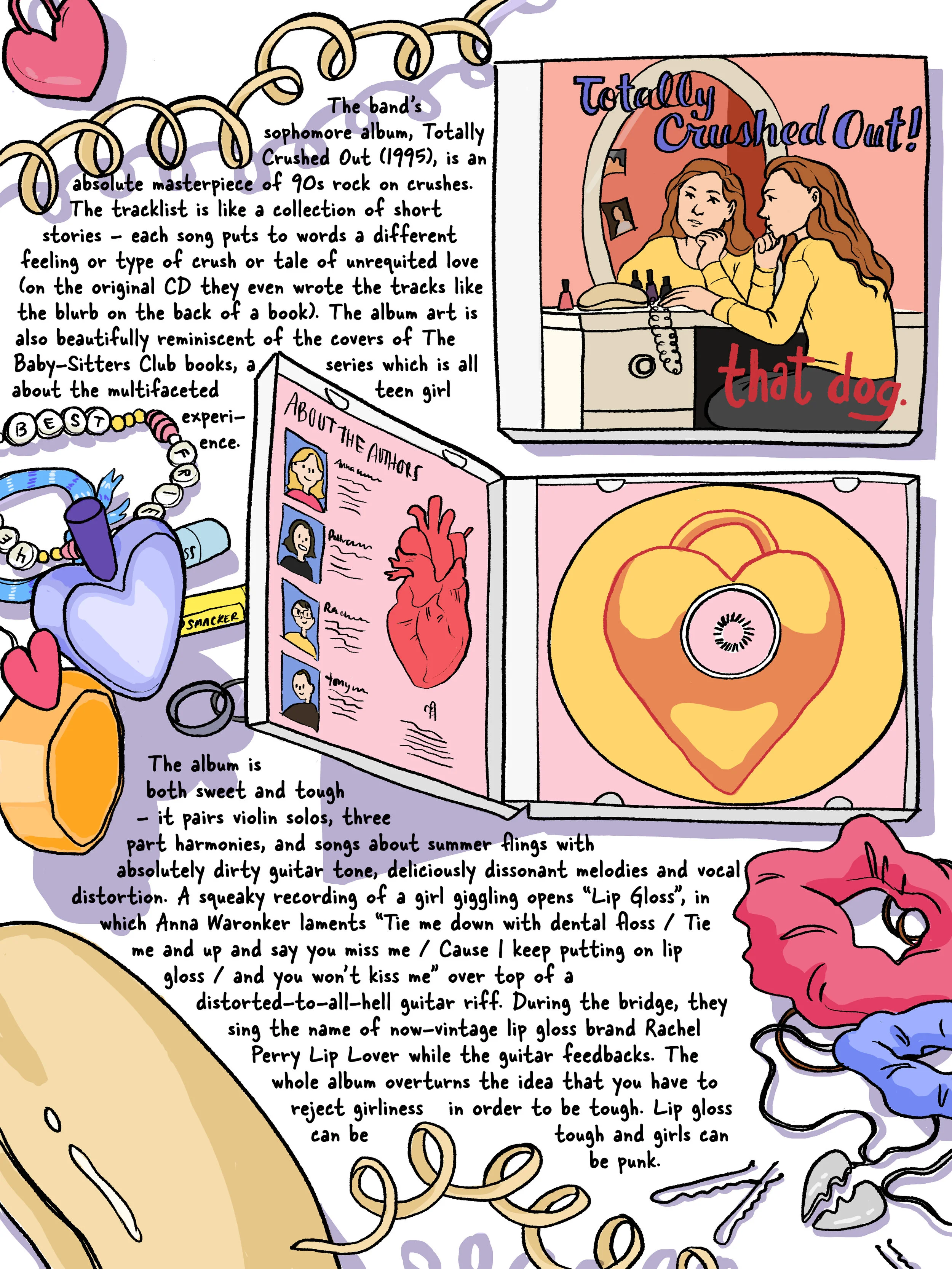
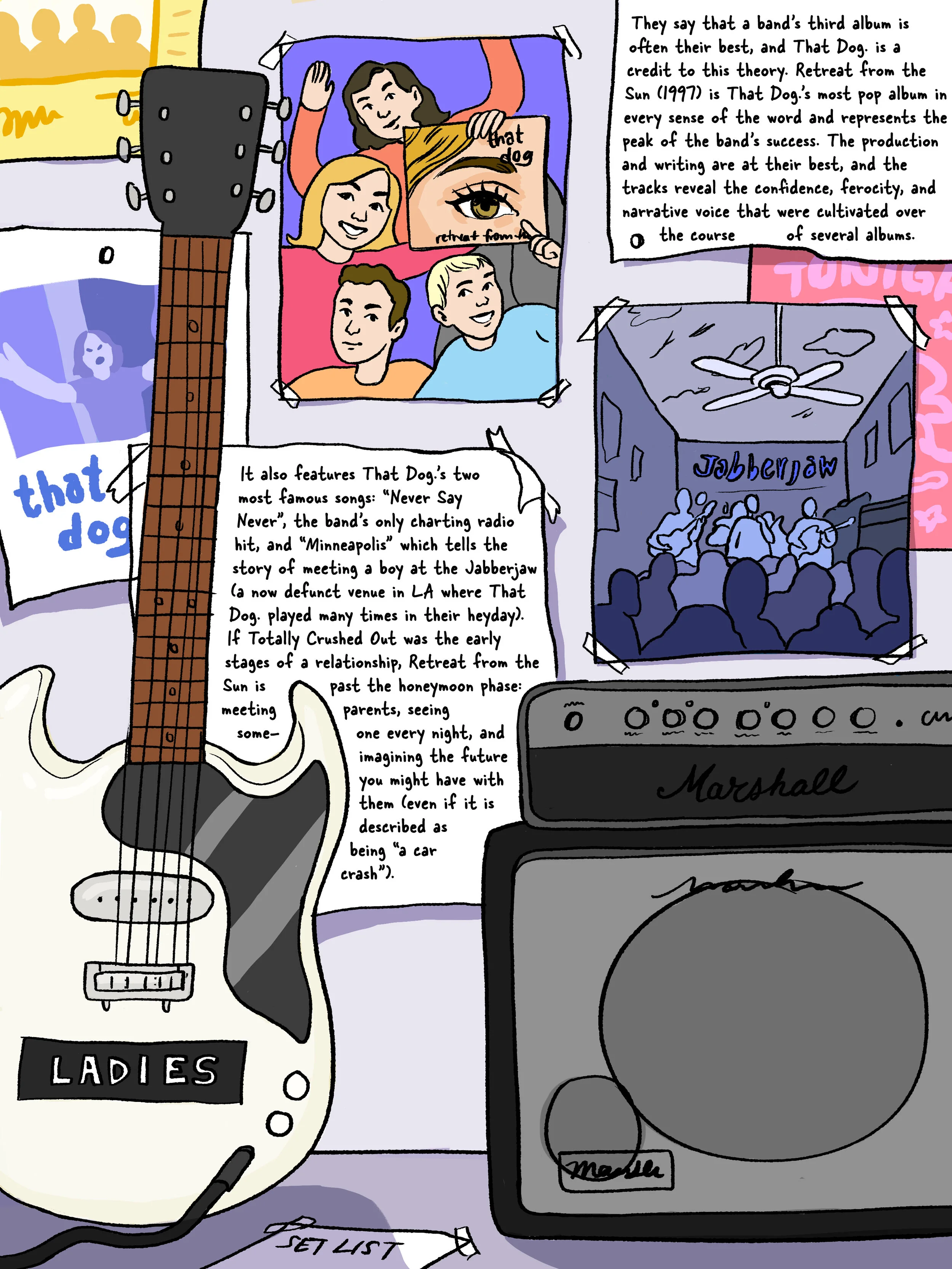
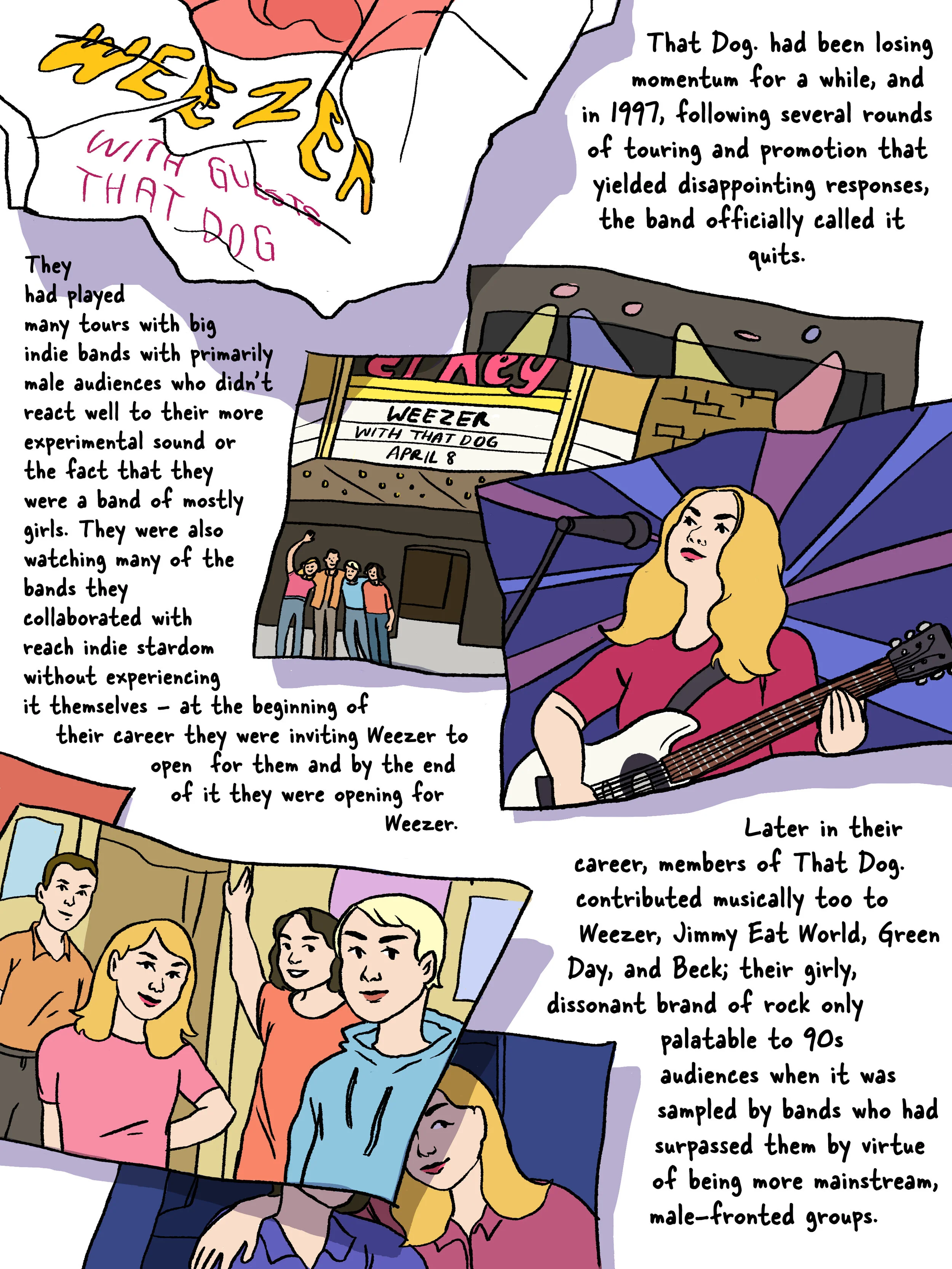
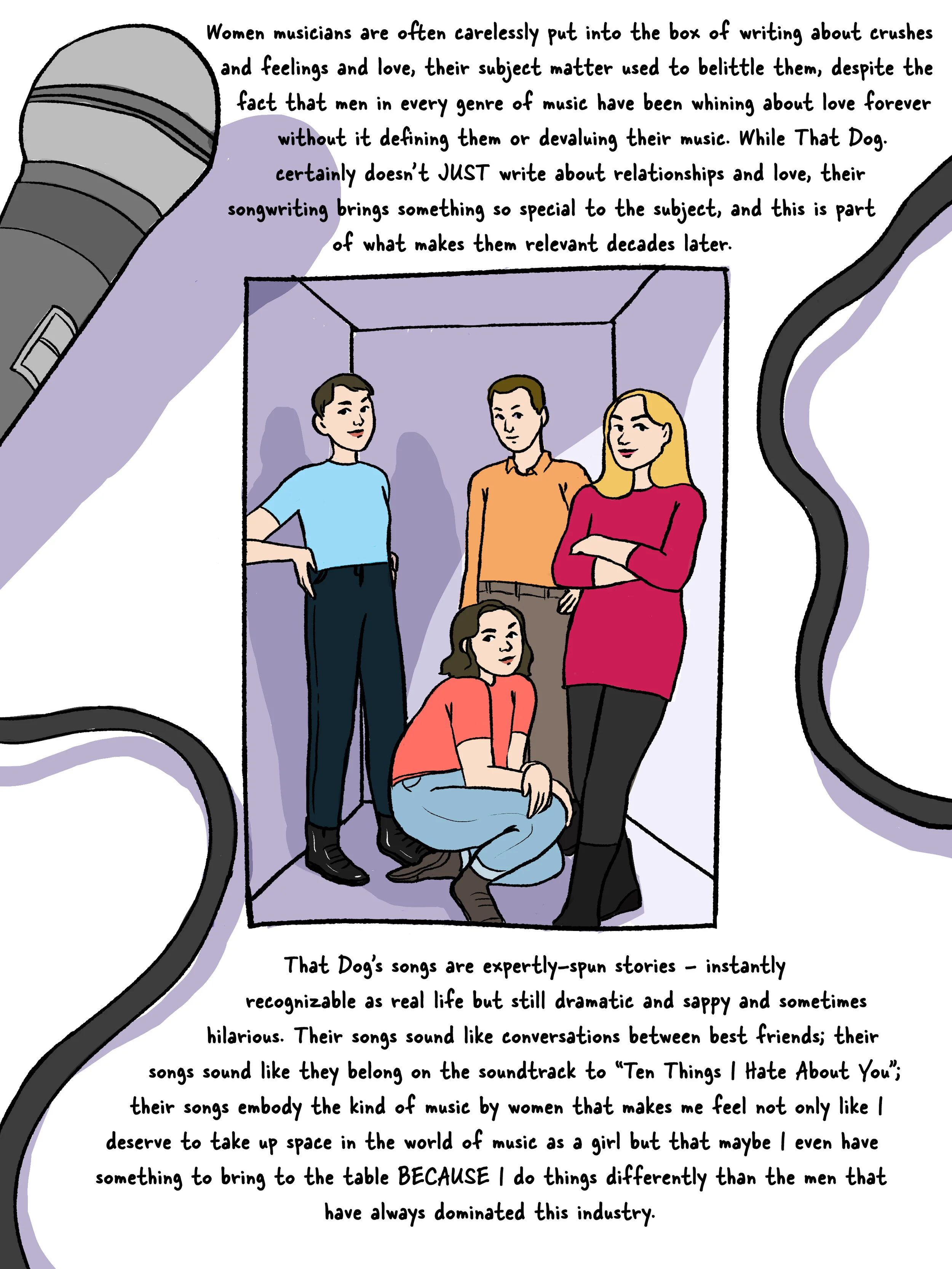
Old Dog, New Tricks: That Dog.’s Music 25 Years Later

 
that dog square cover.jpg

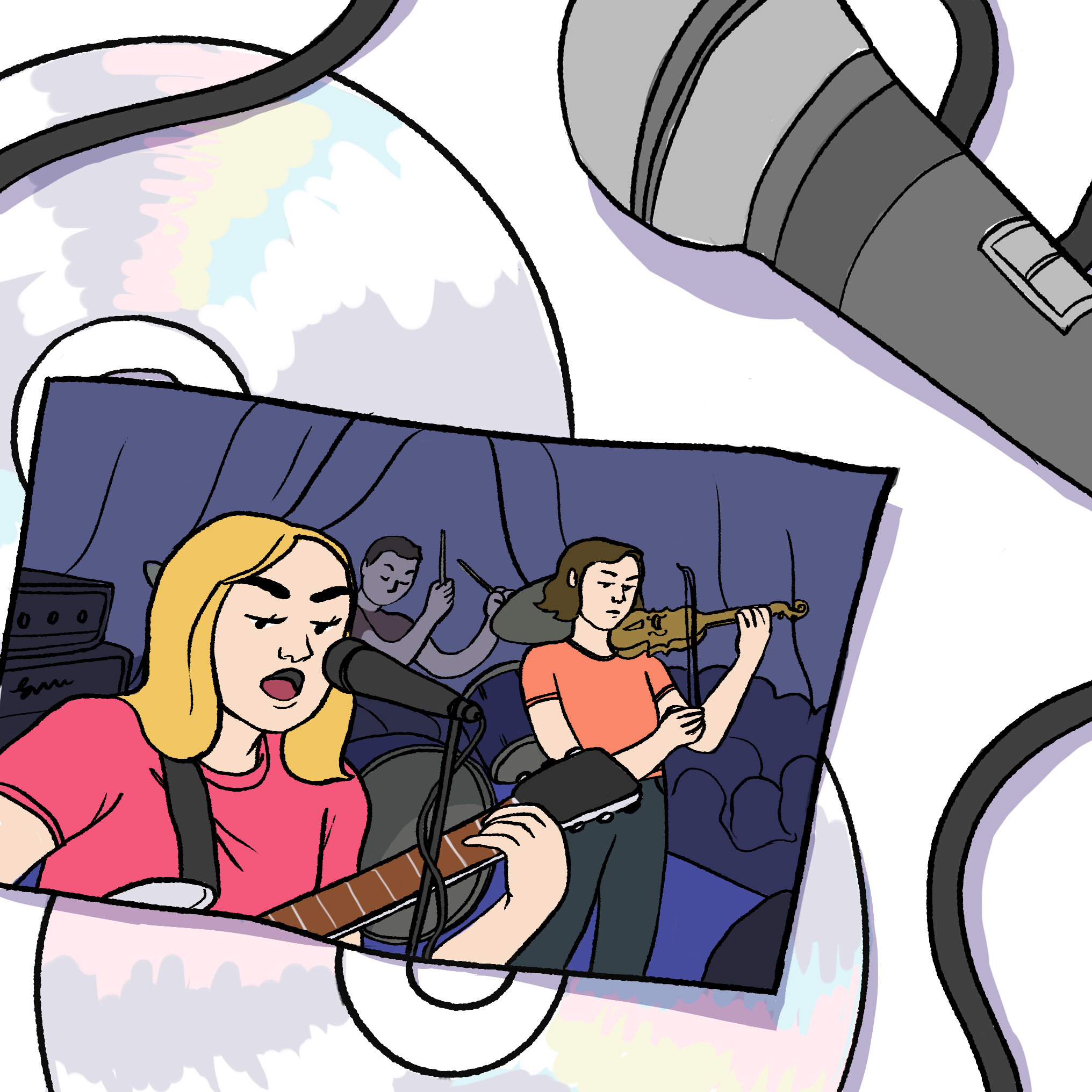
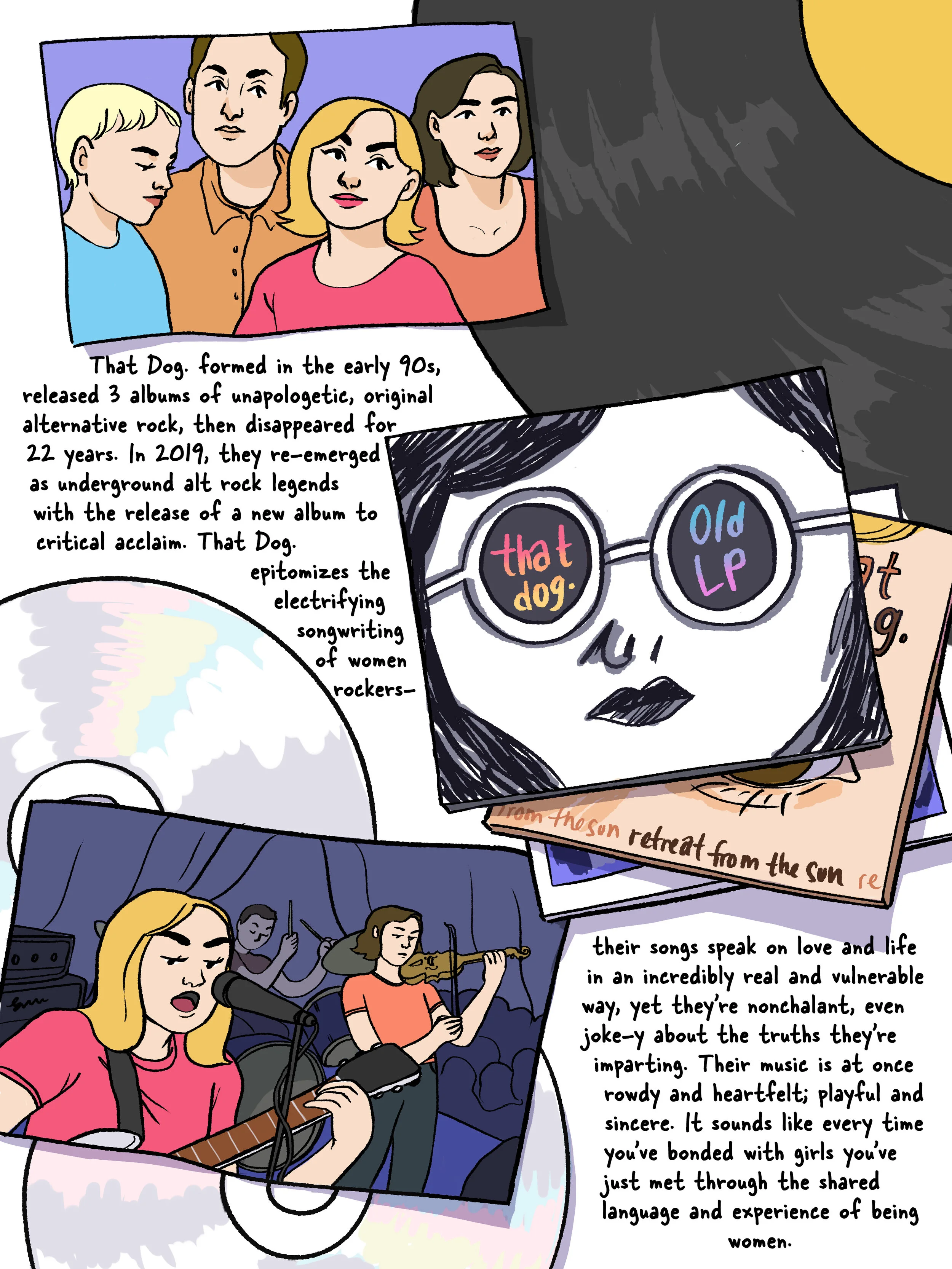
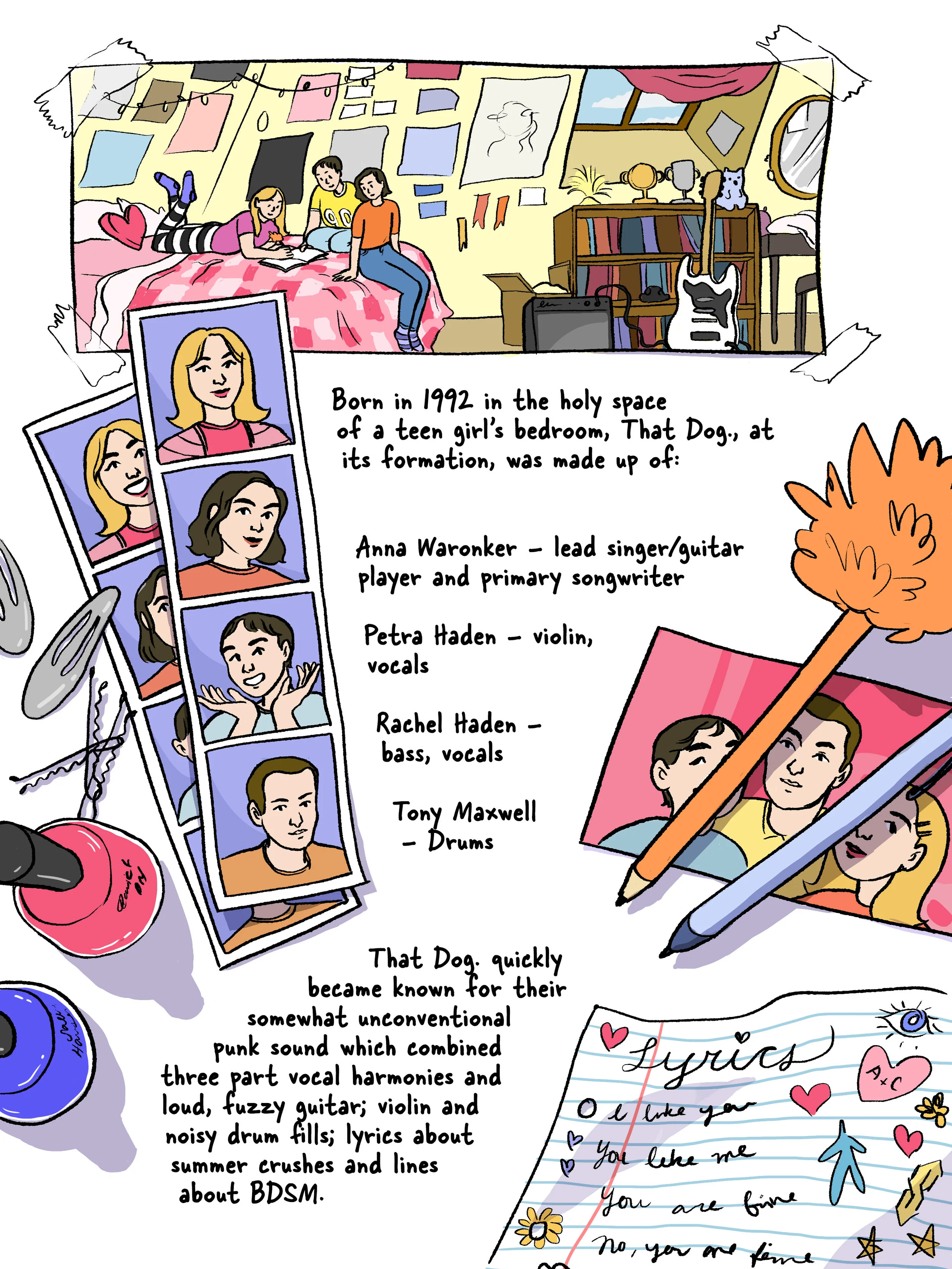
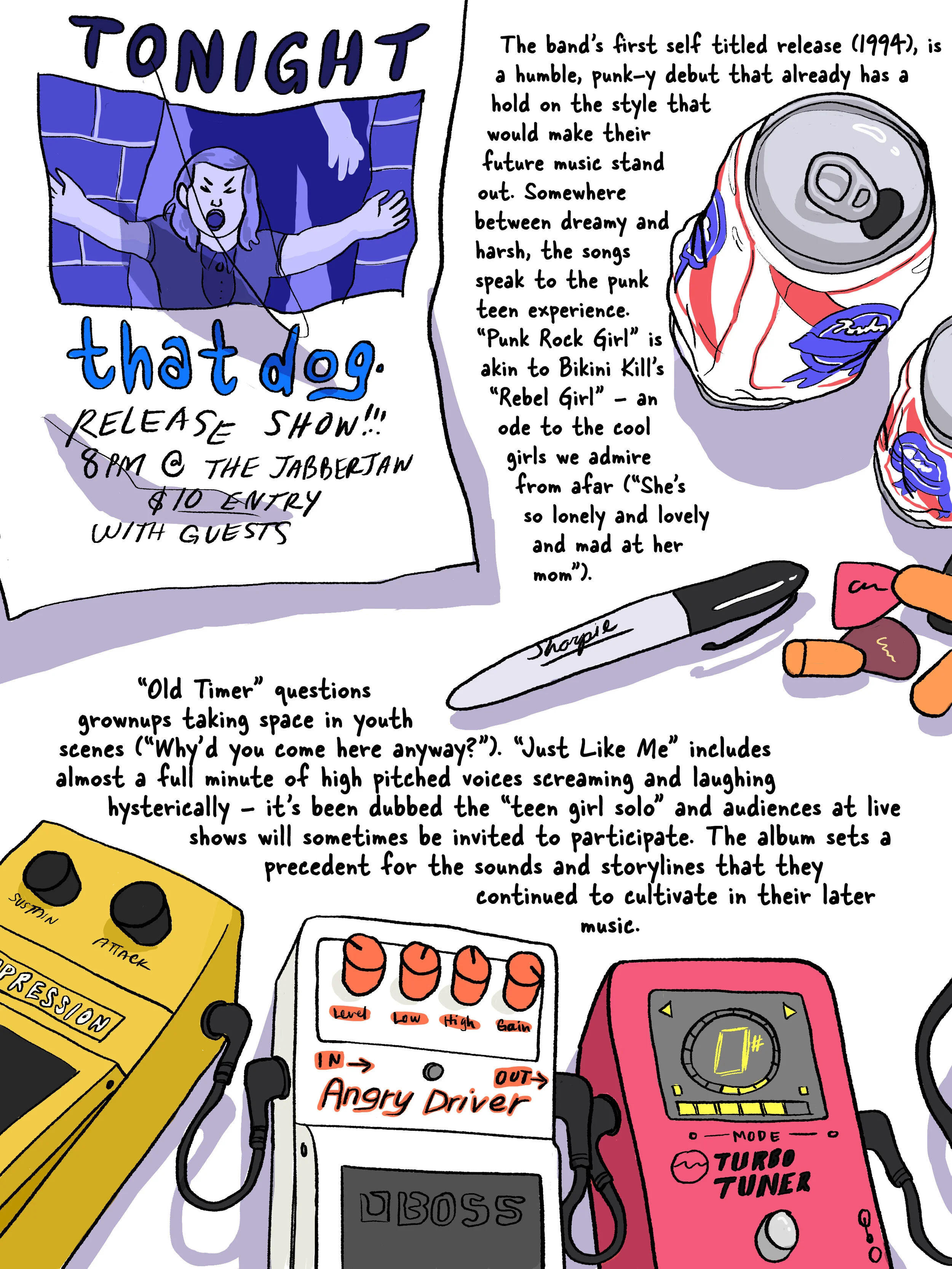
They could have been as big as Weezer or Green Day, yet 90’s band That Dog. remains something of a hidden gem in the world of alternative music.

In 2019, the release of their critically acclaimed comeback album “Old LP” reintroduced many to the band’s older catalogue, and reminded listeners of the charm of their girly yet dissonant brand of rock.

Check out Etta Gerrits’ comic exploring That Dog.’s history, and why their music - and 90’s girl rock in general - remains so relevant today. 

While you read, listen to That Dog. on Spotify

Etta Gerrits is a cartoonist/musician/whatever she feels like being located in Ottawa, Ontario. She likes 90’s girl rock, taking pictures of mittens she finds on the ground, and young adult mystery novels.

Instagram


Related Articles


Premiere: Alpen Glow's debut single "Saturday Nite"


Image credit: Amery Sandford

Remember that Gossip Girl meme that was circulating a few months back? There was one really relatable rendition of it - and I really miss going to gigs, girl. Please find below if you haven’t seen it, courtesy of the very niche Montreal meme page, @burymeatleritz. Alpen Glow’s debut EP Amertape 2020 threw me right back into that quintessentially ‘covidian’ mindset of reminiscing about nights out partying with friends, dance floor romances, and most notably, hugs, girl. 

Alpen Glow is the debut solo project of Montreal-based visual artist and musician Amery Sandford (BBQT, Born at Midnite). Inspired by new skills acquired during lockdown, Amertape 2020 and the accompanying 3D animated videos are an escape into an alternative digital dream world where your lockdown fantasies come to life. Far from being heartbreak songs, Amery’s cheeky lyrics keep the vibe lighthearted and fun, with instrumentals tastefully inspired by the corniness of 2000’s pop and reality TV. 

“The whole thing kind of happened within the time of lockdown. I wrote it all when I was deep in quarantine so that I could go somewhere else mentally - on the days when I could actually make music. I also cried a lot and watched a lot of reality TV. Quarantine was a lot of creative productivity and a lot of being really sad.” 

Admit it, we’ve all had at least one trash TV show we’ve been unusually invested in these past few months. When asked what her guilty pleasure was, Amery unhesitatingly named Real Housewives as inspiration when writing this EP, “I actually started watching reality TV in a serious way during quarantine and the songs are definitely inspired by those weird social experiments. I’ve been watching a lot of Real Housewives - a few of them have music projects and make songs that are very highly produced, but lyrically very sketchy. It’s kind of crazy. I’ve been thinking about these highly-produced, super ‘aspirational’ people who appear on Bravo TV a lot.” 

Photo credit: Brandon Brookbank


Sketchy as it may sometimes seem, stark detachment from reality proved to be a great coping mechanism for bleak times, “I was entering these weird worlds through reality TV… I was also alone in my apartment because I don’t have any roommates… and I was thinking about going somewhere else for a minute, and about the power that creative people have to do that - the power of world building.” 

While some of us just binge-watched Too Hot to Handle, Amery saw an opportunity to integrate her visual art with her music, taking the time to learn how to play the keyboard and do 3D animation, “It was a good time to learn something new - I got really into 3D animation and taught myself how to play the keyboard - and I ended up writing all the songs on it.”

The videos are an experimentation with using a highly-technical program for the first time and freely accepting the clumsiness that comes along with it, “Visually, since I’m not very good at it yet, I would say [the videos] look like early 80’s animations - all these weird spaces that look like a video game with me on a tiny screen. It was a very lo-fi look.” Is it an Instagram filter? Are we in a Zoom club scene? Who knows? Almost too closely resembling some saved video-call screenshots on my camera roll, the aesthetic is relatable and reminiscent of the virtual reality we’ve been living in lately. 

Image credit: Amery Sandford

“Saturday Nite” has a bar scene at the hottest new fantasy dance spot, Amerbar, “I was just thinking, ‘Oh, I'm going to make a bar,’ and then once I modeled it - it looked really sketchy! It's funny visualizing something and then trying to recreate it in a program that you're not very good at - I love that shit. I love when people use programs like that, but they aren't necessarily technical [themselves]. They make something that sounds really unique. That's always been my relationship to music. I'm a visual artist first and musician second - and [being an ‘outsider’] makes it very special.”

“A lot of people that I know just pick up music - and you just have different ideas when you're not a trained musician. You can make things where trained musicians are like, ‘what the fuck?’”

Who needs music theory when we’ve all been in need of a hug since March...


Check out “Saturday Nite,” the first single from Alpen Glow’s Amertape 2020, below:

Enjoy the videos and music you love, upload original content, and share it all with friends, family, and the world on YouTube.


Make sure to stay tuned for the release of Summer House on September 18th and the full EP on October 1st on Bandcamp

$2 from every sale will be donated to The Black Healing Fund, a Tio'Tia:ke / Montreal based project that exists to provide Black people in the MTL area with discretionary funding for therapy and other mental health focused resources.

Below is a playlist of songs that inspired Amertape 2020, including one Real Housewives production (!!!) called Chic, C’est La Vie - we are obsessed.

Enjoy the videos and music you love, upload original content, and share it all with friends, family, and the world on YouTube.


Anime, Hip Hop, & Your Inner Child: Mags Releases AMV Remixes with Backxwash, JU!CE, & More

 
Photo cred: Mahel Pfaff

Photo cred: Mahel Pfaff

Who else wants to be a kid again, watching their favourite anime on a rainy day? In a time where nostalgic comfort is more valuable than ever, MTL-based multidisciplinary artist Mags of Strange Froots has created a new series of mixtape-inspired AMVs (anime music videos) set to last year's Green Apple: The RMX, a short EP made up of six remixes of the titular song.

With society all but collapsing, Mags maintained her creativity through many mediums; today, she’s sharing with us her mixtape-inspired AMVs, and spoke about childhood favorite animated shows with her friends and mixtape collaborators: JU!CE, Jassah (aka Youmna), RamehS.eS (aka Shem G), Little Cashew (aka Kajo), and Backxwash.

Mags (“Granny Smith” Rmx): I think we’ve all had a hard-ass year, to say the least. As I approach my 30s (*deep existential cringe*), with more and more of my friends declaring that they are, in fact, baby, I realize how important it is for us to nurture the inner child that may have been neglected decades ago. I’m really thankful for my chosen family, and all the people I’ve met in Montreal who’ve introduced me to some of my new favorite things, from Steven Universe to Azumanga Daioh. Sometimes it feels like we’re making up for lost time, or even lost youth.

Mags: Last year I put this remix project together with these talented producers, in honour of my band’s five year anniversary; objectively five years isn’t that long, it doesn’t even have its own name as a unit.

But looking back on old photos, videos, promotional posters from festivals and more, we can be aged or grow (yes there’s a difference) by so many different things in our lives. Sometimes it’s okay to honor that growth with a renewal of fond memories from the past, especially when it’s growth for the better.

What is your relation to the anime chosen to accompany your respective track?

JU!CE  (“Calville Blanc” Rmx): Code Lyoko was a show I would always watch when I was younger. Either early Saturday mornings on Cartoon Network or reruns at certain hours. I was in love with the show and characters so much that it was one of the top shows I would watch. In terms of my style with my music, people say, "you always feel out-of-world or in another dimension," and knowing Code Lyoko is actually that, fits perfectly.

Youmna/Jassah (“Flower of Kent” Rmx): The anime Mags chose was new for the both of us, and it fit so perfectly. It's abstract, but there's clearly something deeper unfolding. The specific shots align so well with the story I created with the remix. It feels meant to be.

Ramehs.Es (“Pink Lady” Rmx): I watched Cybersix growing up, on Teletoon, when I was supposed to be in bed. It's the perfect animated reference to my already budding vigilante, dual identity lifestyle.

Kajo/Little Cashew (“Duchess of Oldenburg” Rmx): I grew up watching a channel called Spacetoon that aired Arabic dubs of anime. Case Closed was one of my favourites and the one I recall the most of. I think all the action and tactics was what caught my attention. I definitely used to go around pretending to use my watch to shoot sleeping needles at people (lol).

Backxwash (“Arkansas Black” Rmx): I like Hellsing. It is extremely edgy and very very goth. I also love the religious aesthetic towards it.

How would you describe the final AMV product?

Youmna/Jassah: I also really love how Mags inserted Strange Froots in the anime edit. Watching it felt like a trip in itself, which I aimed to do with the track, so it feels really good to have a visual to accompany it.

Ramehs.Es: The edit tells the story of childhood innocence and memories turning into something real dark, real fast, night and day, two coins, etc.

Kajo/Little Cashew: Honestly, it was hard to imagine a music video for "Duchess of Oldenburg" because it's very all over the place. But seeing the anime MV reminded me of how much I enjoyed watching anime as a kid, and watching them on Spacetoon more specifically. That channel was iconic. It makes me sad that the second I got western channels, I just ghosted anime and Arabic channels. But now that I finally found the real names of those anime (not the Arabic titles), I can look them up and reminisce. So I'm happy with how the MV turned out!

Do you have any old cartoons/anime that ground your inner child?

JU!CE: Shows that help me stay grounded to my inner child is kind of a tough take. I would say Courage the Cowardly Dog, Ed Edd n Eddy, Teen Titans, Foster's Home for Imaginary Friends, Sonic X and The Powerpuff Girls. By far, Cartoon Network was the only station I would watch, second to Nickelodeon, then Warner Bros TV. These are some shows I plan to rewatch at some point in my life. I miss the nostalgia.

Youmna/Jassah: The Jungle Book is a cartoon that grounds my inner child - I always related to Mowgli, and I loved being transported to the jungle itself.

Ramehs.Es: Cartoons with dark, spacey themes as well as proper character development. Classic Batman, Cowboy Bebop, even Static Shock went through way too much for someone his age. It was really telling stuff that taught me way more than any suburban Laval school could (haha).

Kajo/Little Cashew: I would say the ones that I loved the most growing up were Case Closed and Akachan to Boku. I remember casually seeing scenes from Remi the homeless girl [Remi, Nobody's Girl]. I will say though, the one that hit the most was Akachan to Boku, but it's just not the vibe for the track 'cause it's a very calm laid back anime, and I wanted action for the MV.

Those were my go-to as a kid. I think it's because they came out in 1996, one year before I was born, so they were airing when I was really young. I also remember that Captain Tsubasa J was a huge deal when I was young. I didn't to watch it religiously; I mostly just remember parts of the intro song (in Arabic.) Beyblade was also huge, I don't recall the show but I remember buying the Beyblades and attending a competition inside a gift store with a big ring and almost 50 guys stacked in a small room trying to watch.

When I grew a bit older, we got an orbit subscription with the western channels (Disney Channel, Cartoon Network, Tiji). I kind of forgot about anime and began watching cartoons like Recess, Pinky and the Brain, Brandy and Mr. Whiskers, Tic & Tac [Chip and Dale]. So those would be the shows that entertained me and kept me dreaming and distracted from real life as a child.

Backxwash: A lot of 90s-2000s anime is what I was into. Ninja Scroll, Saint Seiya, Sailor Moon of course, Ranma ½

Mags Instagram I SoundCloud

JU!CE Instagram I SoundCloud

Backxwash Instagram I BandCamp

Kajo/Little Cashew Instagram I SoundCloud

RamehS.eS Instagram I SoundCloud

Youmna/Jassah Instagram I SoundCloud


Oddysseys Debut Post-Punk Banger "Body Heat"

 
body heat art final .jpg

If you've been searching for your end-of-summer post-punk banger, we've got you covered with Oddysseys new single “Body Heat.”

With cascading vocals, punchy drums, and high-energy sound, Chicago's Oddysseys’ break away from the shoegaze sound they're known for. This track is a highly-anticipated follow up to their 2019 album "Odd Behaviour."

"Our single, 'Body Heat' marks a new direction, as our upcoming project will embody the pent up energy and anticipation that has built over this period of quarantine and rampant social injustice. Combining the elements of 80's postpunk with punchy post-rock production, we wanted to be louder about how we feel and not beat around the bullshit."

For fans of DIIV, N0V3L, Egyptian Blue and Omni, Oddysseys might just be your new obsession.

Listen to Body Heat now


Re:Conceive - raising money for the Native Women's Shelter and the Just Solutions Clinic in Tiohtiá:ke (Montreal)


Image Credit: Nick Castonguay

Re:Conceive is a collection of tracks from artists living in Tiohtiá:ke, so-called 'montréal', and is raising money for the Native Women's Shelter of Montreal and the Just Solutions Clinic. It aims to activate solidarity between indigenous peoples, settlers, immigrants and refugees alike. Electronic music is a potent conduit in this process, in reclaiming space where just realities might be cultivated or imagined. With the arrival of the rising global tide of right wing politics in 'québec', and the unaddressed history and continuance of colonialism and structural white supremacy in 'canada' at large, it is high time that we reconceive of our history, our present, and our way forward.

All revenue generated by this compilation will be donated 50/50 to The Native Women's Shelter of Montréal and The Just Solutions Clinic.

Re:Conceive est une collection de pièces d’artistes habitant Tiohtiá:ke, appelée «montréal». Le but de cette initiative est de lever des fonds pour The Native Women's Shelter of Montreal et l’organisme Clinique des Solutions Justes.


Ce projet à pour but d’activer la solidarité entre les peuples autochtones, les colonisateurs, les immigrants de même que les réfugiés. La musique électronique est un conduit puissant dans ce processus, en réclamant l’espace où les réalitées équitables pourraient être cultivées ou imaginées. Avec l’arrivée d’une vague globale de politique de droite au «québec» ainsi que l’histoire et la continuation du colonialisme et de la suprématie blanche au «canada» qui n’ont toujours pas été adressés, il est grand temps de reconcevoir ensemble notre histoire, notre présent et notre chemin vers l’avant.

Tout revenu généré par cette compilation seront donné 50/50 entre Native Women's Shelter of Montréal et Clinique des Solutions Justes

Listen to / buy the compilation on Bandcamp


festive moment, tragic and playful neurosis -
celebration of a past event
festive moment as a celebration of a memory
festive moment – marginal, multiple, anti-idealistic,
more counter-monument than
monument

our frail and sick incandescent bodies
coming to celebrate
towards ecstasy
towards ecology and social justice

ghosts will re- main, lurking in new and old buildings, in the voids where buildings used to stand, and in the psyches of those who walk the streets

whatever their origin or reason for being there

it's dancing, disorganized
crowd high on amphetamines
they are coming to celebrate the victory (post-war celebration)
police is gone, prisons are closed
festive moment, they shot the monuments

explosion-like shocks
in which we
gather together - softening together

spending lavishly in in the economy of the underground
the event is a founding disaster
memory is kept in the stones of-
in the economy of the underground
epitaph of our amphetamine-fueled black-outs

How long can we last? What has to be remembered?

The hidden gathering spaces as resting places for souls exhausted by repetitive and alienating work, exhausted by the coercive and violent systems, looking for the feeling of belonging to a group, of being alive. Active destruction of bodies, waste of energy and production force.

How long can you last?

Our microscopic stories at the scale of History that will be, at worse, unknown, at best, vague feelings of an event.

If, under the sun, we endeavor to be part of history, under the moon we remember our purpose is to rot.

a festive moment to feel that we belong in a community in a given space and time – a capacity to negotiate with otherness
festive moment, initiatory and vital praxis
the event is a founding disaster
the festive moment is not entertainment

Writing by Ariane Gagné

Released August 21, 2020

Mastered by Cristobal Urbina

Art by Nick Castonguay

Logo design by Kristian Spears

Additional mixing on track 12. 'AK47' by Joaquin Sabat
Vocals on track 19 'Hallowed Utterance' performed by Odile Myrtil
Cube Life is a project between Fengir & CMD

Thanks to Andy Poblete for his evocation of political issues in 'québec'.

Native Women’s Shelter of Montreal:
Since its incorporation in 1987, the Native Women's Shelter of Montreal has provided shelter and support to First Nations, Inuit and Métis women and their children. Our clientele are self-referred or referred by community resources. The shelter provides an environment where women can focus on their various challenges and rebuild their lives. Our in-house programs combined with our outreach services help in the healing process of women, while assisting them in re-establishing a balanced lifestyle. The Native Women's Shelter works within an Aboriginal framework. We incorporate many different teachings from the various cultures of First Nations, Inuit and Métis. We combine traditional healing techniques with contemporary approaches to give the women a multitude of options to address their immediate needs and issues.

Depuis son incorporation en 1987, le Refuge pour femmes autochtones de Montréal a fourni un abri et du soutien aux femmes des Premières Nations, inuites et métisses et à leurs enfants. Notre clientèle est auto-référée ou référée par des ressources communautaires. Le refuge offre un environnement où les femmes peuvent se concentrer sur leurs divers défis et reconstruire leur vie. Nos programmes combinés à nos services de proximité contribuent au processus de guérison des femmes, tout en les aidant à rétablir un mode de vie équilibré. Le refuge pour femmes autochtones fonctionne dans un cadre autochtone. Nous incorporons de nombreux enseignements différents des diverses cultures des Premières Nations, des Inuits et des Métis. Nous combinons des techniques de guérison traditionnelles avec des approches contemporaines pour donner aux femmes une multitude d'options pour répondre à leurs besoins et problèmes immédiats.

The Just Solutions Clinic:
Service d’information juridique, défense des droits sociaux et accompagnement, s’adressant aux personnes vulnérables et marginalisées, dans le domaine du droit des réfugiés et de l’immigration. S’adresse aussi aux professionnels de la santé et des services sociaux, ainsi qu’aux intervenants communautaires. Accessible gratuitement, sous réserve des frais exigés pour certains formulaires et selon certains critères.

The Just Solutions Clinic provides free legal information and assistance, rights advocacy and accompaniment to vulnerable and disadvantaged individuals in the domain of refugee and immigration law. The majority of the people we assist are refugee claimants and other newcomers with a precarious immigration status. We also help social and health professionals and community workers understand their clients’ immigration situations. Available free of charge, except for the fees required for certain forms and based on certain criteria.

Related Articles


Artist Spotlight: Active Surplus talk creativity, friendship, and releasing their first EP on Pacific Rhythm


Image Credit: Michelle Chiu

“We were always just chillin - we were homies. Homies first, and then we just happened to love jamming.” 


Active Surplus, the collaborative project from Toronto duo Evan Vincent (Emissive) and Ian Syrett, is a product of friendship. As most good things do - one of the most exciting new electronic projects began completely by chance. The two met at a house party in 2014, while studying in London, Ontario - they happened to be the only people in the room who listened to techno. After many years of hanging out and jamming together - they’re convinced to now be approaching thousands of hours of face-to-face time (re: the 10,000 Hour Rule) - this May they released their eponymous first EP on Vancouver label Pacific Rhythm. During a Zoom call one warm quarantine evening, I chatted with Evan and Ian about everything from the ins and outs of producing music with a friend, to piecing together years of work for their debut record, dreaming of hazmat suits to bring back clubbing, and their parallel love for both Baltimore house and roti. 


The EP is a compilation of four tracks weaving together groovy, chilled-out electro melodies with chopped breaks referencing the percussion of Jersey club Bmore house. The intro track, “Yaye”, sets the scene with an addictive vocal chant over very danceable, choppy drum samples, and gentle chords characteristic of the West Coast sound throughout. 


This unique combination of influences was what turned years of jamming and experimentation into a distinctive voice. “We got to the point where we realized we had a LOT of music - and we just sat down one day and we were like, okay, let's actually start putting all the loose ends together. Who does this energy speak to - what sort of cultural movements are inspired by this and are informed by this?” One particular movement seemed to really resonate with them - and suddenly the rest of the pieces fell into place.


Evan: “We started chasing down the Bmore [Baltimore]  sound pretty heavily. Finding ways to flip that into what we were already doing. And I think that's really the one thing. It's really hard to have cohesion - especially when you have a lot of ideas. Having something that's the glue that puts it all together as a theme can be really hard to grasp.”

“So yeah, looking towards Jersey club and the Baltimore sound, it was a really nice way to get a lot of the tracks gelling together conceptually. But it’s something that we kind of jumped on to - we really started absorbing it later. Initially [the tracks] had more of an electro vibe.” 


A good thing about working with a sample-heavy sound is the ability to move the samples around and change the direction of the tracks - and upon receiving positive feedback on “Yaye,” the duo figured they were onto something. 


“We can take different worlds and combine them. It's kind of like collaging - that's usually how I think of it. You're taking all of these different elements and finding ways to get them to say something as a collective whole.”

Ian: And this is our first EP, right? So this was our first crack at sending a message out there - and we've got tons more material that we're going to keep working on. The theme for the first EP was definitely very B’more heavy, for sure - that was the vibe that we were feeling at the time.”

When asked why they decided to release on a Vancouver-based label, Active Surplus described working with their friends at Pacific Rhythm as a natural fit for this record. 

Evan: “My favorite labels are the types that have a narrative. We were racking our brains thinking, what's our influence, what are our favorite labels? And then who do we also have a connection with? You know, because you want it to be natural. It's awkward when you're shopping records and you don't know [the label] - music's a very personal thing.”

Good news! Pacific Rhythm is once again connecting game with one of Toronto's most promising young duos, Active Surplus. Active Surplus is the collaborative project from Evan Vincent (AKA Emissive) and Ian Syrett, who also appear on this past winter's fourth volume of Rhythms Of The Pacific. Their new self-titled EP is their love letter to the house music sound that first sprouted from the West Coast. It's laid-back, groovy and touched with lovely instrumentation, like the plucked strings on "Meera," a heartfelt tribute to a loved one. "Meera" and the billowing groove of "Ambrosia" might remind you of early Pacific Rhythm releases, with dainty arrangements and chords that waft across the rhythm section. But Active Surplus put their own spin on things. The EP was heavily inspired by the stuttering drum patterns of Baltimore club, which undergird each track in subtle but noticeable ways, making the grooves that much skippier and slippier. "Yeye" calls to mind the feeling of early Walt J material and delivers a devastating earworm that will stick with you long after the lights have come on at the end of a late night Dance Opportunity, while the looped woodwinds and cool-blue keyboards offer a sweet melodic hook on the irresistible "One Beyond." There's a confident, naturalistic quality to these rippling grooves and silky sounds, which the duo credit to an obsession with water. After all, in their words, "we might not live by the ocean, but we're all H20 on the inside." Thanks for listening!


While Evan works as an audio engineer and producer, Ian’s day-job is that of an audiologist. I asked Ian what it’s like to be so immersed in working with different aspects of sound - both hearing and music:


Ian: “It's definitely influenced the way I think about sound, for sure. It has more of an influence on some of the experimental stuff - I've tried a few things as far as more out-there sounds. I studied psychology when I was in undergrad and I was going to go into research in psychology. I was really interested in music, and I deejayed when I was younger - a lot. So [audiology] was a logical step for me to combine my love for sound and music with my background in psychology. As far as whether it influences actual musical material, maybe in some subconscious level - of just incorporating things that I've learned in school and in work.”

“I'm thinking about sound at work all the time, so I'm never that far away. There's similar language going on - both professionally and in my creative pursuit. It definitely makes it easier for me to work at the hospital, and then afterwards Evan and I jam for like - seven hours. Evan comes over, we jam and eat a roti, get back in the studio - eat lots of roti (laughs).”

“I love jamming and working with Evan because he's really proficient and creatively [he’s] really fun to work with. When I work on my solo project, I can sit there and work on the same sample for like three hours - whereas when I'm with Evan, I'll work on it for five minutes, and I'll look up, and he'll just be on his phone and I'll be like, ‘Oh yeah, shit, somebody else's time matters too’. It's easier to keep track of what the goal is when you're working with somebody else.”

Evan: “I'm guilty of the same thing - I'll be tweaking a filter for 45 minutes and it's like, you have to think about what the end pursuit [is], especially when you're with somebody else. I think it's easier to reach a manifested concept when you can be like, ‘this is working,’ or ‘maybe let's try this,’ and you can kind of work back and forth instead of just going in blind.”

Ian: “And lately, like for the past like two years, every time we jam we're making a track - or at least finishing something. So you spend enough time together, and eventually you finish each other's sentences. You don't have to go searching for the medium where your interests meet. It just sort of happens. It's more intuitive.”

Of course, what’s a Zoom call these days without mentioning something about the pandemic - I asked Active Surplus what advice they’d give creative people to stay motivated during this time of isolation:

Evan: When you find yourself with all this time, remember to take care of yourself and be easy on yourself. Also, this is an opportunity to actually just really explore the creative ideas that you're into because there's no more impetus to do just what's cool, or what's what people want. Now's the time to do exactly what you want to do and figure out what your voice is, and what your message is and what speaks to you.”

“Even if you're just making music for your own enjoyment, good. Find the thing that makes you feel amazing. As much as I love going to a club, and dance floor material, producers will feel like they need to make stuff that will get played to get out there - and to have their stuff in mixes. I think we'll see a lot more music of people just exploring sounds, trying new things. Exploring new directions, expressing themselves, expressing their frustrations. And getting into new ideas.. We'll see a lot more albums in the next little while.”

“You have time and you sit home; you can sit and listen to a record for an hour - it’s not like you are strapped for time anymore.”

...and then the conversation went a little beyond advice...


Ian: “You have to build a club where there's a tunnel that goes from your house to the club, but you're in your own little thing, and everyone's in there, and you can dance, and then there's another tunnel that brings the drink or whatever into your hands. And then you can jam with speakers inside each tunnel. And then when you're done, you're just back in your house.  

Evan: “I think I saw this thing online -  hazmat suits for clubbing - like you have your little cigarette…”


Instagram Soundcloud


Check out Vitamix on n10.as radio and catch Active Surplus’ guest mix with House of Delancey on Noods Radio on August 29th at 20:00 GMT

Related Articles


Janette King Debuts New Track "Mars"

 
Janette King by Adam Nigro

Janette King by Adam Nigro

Producer, vocalist and DJ Janette King is back with "Mars." This lusty pop-RnB track produced by Jonny Tobin marks the launch of the record label Hot Tramp.

Founder/owner of Hot Tramp Sarah Armiento has been managing Janette since she launched her company in 2019. "Janette King is one of the most talented, creative and positive people I've ever met who matches that with an equally impressive work ethic, ambition and entrepreneurial spirit". This track is a taste of Janette King's forthcoming debut LP to be put out by Hot Tramp in May 2021. 

Imagined through sex, longing, and lust, "Mars" is a song about overcoming your fears to explore a deeper connection with someone who seems to be from a different planet than your own. This dreamy soundscape with catchy melodies and powerful vocals will definitely take you around the galaxy. 

We caught up with Janette over the phone to talk about the out of this world track, Hot Tramp's launch as a label, and her thoughts on the contemporary creative process. 

Dan MacDiarmid for Also Cool: This will be the first single on Hot Tramp as a label. Hot Tramp started out just last year, but I quickly heard it come up as a big name for show management and promotion, and now it's becoming a label.

Janette King: Yeah! I think it is really cool about Hot Tramp because you don't see a lot of women-led anything in the music industry. Hot Tramp is entirely run by Sarah. She tries really hard to be intersectional, inclusive, and diverse in the work that she does. I think that it's demonstrated in the shows that she puts on and promotes, even within her artists.

Also Cool: Let's talk about the song itself. "Mars" is Hot Tramp's debut single, and it's a celebration of Black queer sexuality. What does the song mean for you? 

Janette King: I had an intimate experience where we played with the idea of being on a different planet. I thought it was really cool because,  sometimes, as a Black artist in general, you kind of just feel like you're from a different world. I don't know, I also just feel like Black artists... they're kind of hypersexualized in certain aspects. It's nice to say "fuck it" to all of that (laughs) and explore sexuality and sensuality regardless. 

AC: Yeah, in your own voice. 

Janette King: Exactly, and as an artist, I haven't really written a lot about my sexuality, so that was kind of a new avenue for me. Exploring it within my own art. It was kind of a challenge, I wanted to expand a bit in terms of what I write about.

AC: What do you usually write about?

Janette King: I would say that I usually write about love. People breaking up, getting together. 

AC: Can you tell me anything more about the upcoming album? What's the vibe going to be, and what's in store for you?

Janette King: I always write about love, and it's a compilation of love songs, to various degrees. But more so, I was focusing on loss in terms of relationships. It expands into loss of oneself and loss of life, and mental health. 

It's an album about love and loss, just like all my other ones (laughs), but it kind of dives more deeply into the loss aspect and different ways you can lose.

AC: Did you write the song this summer?

Janette King: My friend who is the producer of the song, Jonny Tobin, created the beat and the soundscape. I wrote the lyrics, the melodies and the harmonies, and then my friend Alex mixed the vocals together. We did it in our own respective bedrooms.

Janette King by Adam Nigro

Janette King by Adam Nigro

AC: It's really cool that with technology and different ways to connect, you can do all that stuff even if you can't get into a recording studio.

Janette King: In this day and age, with the pandemic, it has to happen that way.

AC: Well, that's getting to the obligatory question, "How are you doing in quarantine?" Has it had influence over this song and your upcoming debut full-length album? Do you have any thoughts about its impact on Hot Tramp and artists and the disadvantages and potential new avenues?

Janette King: Personally, I've been creating a lot more than I usually would. It's given me a lot of space and time to just be an artist. However, I would say on the business side, it was devastating. We had a whole East Coast tour lined up, and a bunch of shows we wanted to do in promotion of the album. We had meetings with various industry folks... there were a lot of things that fell through because of COVID, small heartbreaks.

AC: Summer is when all these independent festivals and shows happen. All of a sudden, artists can't tour, and DIY local venues are shuttered. It's a weird transition phase because everyone has time to make new work, but there are limitations on how they can share that with other people. 

Janette King: Totally. People who didn't think certain things were possible, like producing an album with somebody over the internet, are now realizing, hey things are actually easier than I thought that they'd be. You're going to see a lot more producers pop out of the woodwork, you're going to see a lot more video editors too. When people have a lot of creativity and have a lot of time, magic happens, you know?

You can listen to "Mars" on Spotify, Apple Music, iTunes, Tidal, Soundcloud and Youtube. Keep an eye out for the official music video to be released in September, highlighting Black queerness and celebrating Black people's sexual freedom and expression, and make sure to stay tuned for what's coming up in the future from Janette and Hot Tramp. 

Hot Tramp

Instagram / Facebook

For Inquiries: Sarah@hottrampmanagement.com

Janette King

Instagram / Website


Dan MacDiarmid is a 24 year old writer and reality television scholar originally from the suburbs of Southern Ontario, now living in Ottawa. You can follow their cat on Instagram at @archieisfromriverdale.

Related Articles


Premiere: Freck's "Alone Again" is the Perfect End of Summer Anthem

 
Frecks by Allison Barr

Frecks by Allison Barr

You know that feeling? The one you get when you're biking around in August, stopping to pick wildflowers and long grass, and watching the sun go down? That feeling that makes you admit that summer is ending, but you're holding on to it anyways?

Portland-based Freck's latest release, "Alone Again," is precisely that. It’s an anthem for the end of summer, and perfect for your main character playlist.

For fans of Current Joys, and Yumi Zouma, Frecks is easily your favourite new up-and-coming artist. “Alone Again” is the first single off her upcoming bedroom pop EP, "Scorpio Sun," which is set to be released later this year. "Alone Again" explores the fear of being abandoned and the process of navigating codependent partnerships.

It's the perfect dreamy bedroom rock ballad to dance to in a field of flowers, to cry to, or maybe both at the same time.

Frecks by Allison Barr

Frecks by Allison Barr


Hot Tramp Launches Label, and Announces Jannette King Release

 
Screen Shot 2020-08-14 at 3.05.32 PM.png

It's a good day in Montreal when not one but two of your favourite music scene creatives announce new projects. Hot Tramp debuts as a record label alongside the announcement of Janette King's latest single 'Mars.' Stay tuned for an interview with Janette for her release on August 21st.

In the meantime, the label, run by Sarah Armiento in Montreal, is focused on raising the stage for womxn artists. So far, three artists have been set to release albums through the label in 2021: Janette King, Maryze, and Alicia Clara. Partnered with Outside Music as a worldwide distributor and The Diving Bell Social Club as its home venue, Hot Tramp is poised to make 2021 a breakout year for its artists.

Janette King by Adam Nigro

Janette King by Adam Nigro

If you don't know her already, Armiento launched Hot Tramp in 2019 as an artist management company with Maryze and Janette King on the roster. Hot Tramp soon expanded into show promotion, tour booking, and PR, working with over 20 artists in the first year. The inaugural and iconic Hot Tramp Fest was the year's highlight, showcasing 25+ womxn artists across five days. They received festival support from Grolsch, Vans, MOOG, and more.

Regarding the switch over to a label, Armiento explains, "I'm launching Hot Tramp as a label because I think it's a necessary pandemic-adjusted pivot from my former format of a management company and show promotion. Secondly, I think that the industry needs more womxn-run labels to create safer spaces for artists, especially in the wake of all these industry call-outs.

There seems to be a cleanse happening in the industry right now that is dusting off some old cobwebs and clearing up space for newcomers like Hot Tramp." Launching the label alongside Janette King's latest single 'Mars' is the perfect start to making this year in music the Trampiest one yet, and we can't wait to see what Hot Tramp does next.

Hot Tramp

Instagram / Facebook

For Inquiries: Sarah@hottrampmanagement.com

Janette King

Instagram / Website

Related Articles


Soaky Siren's M.I.A. is an Ode to Taking Time Off the Internet

 
Photo by Zac Poor

Photo by Zac Poor

"I've been M.I.A., 100%, selfish disconnect, ain't no Internet."

Do you ever feel the need to just completely disconnect? Take some time off the Internet? Maybe throw your phone into the ocean for the foreseeable future? Soaky Siren's latest release, M.I.A., is a bright and bubbly anthem for isolation as self-care. 

Zac Poor

Photo by Zac Poor

Originally from the Bahamas, Soaky Siren is not a representative of the stereotypical tale of sun, sand, and sea. Her paradise is one without privilege, a stomping ground that would arm her with the fierce drive to launch her career as an artist. Soaky's sound ranges from pop to raw and fiery dancehall. Since moving to Los Angeles, she's been making waves by co-writing with Jason Derulo, Rita Ora, Pitbull, J Balvin, Camila Cabello, and Big Freedia. 

The single is a strong follow up to her latest EP "Lucaya" (named after Port Lucaya in the Bahamas), which we've been listening to since it came out in 2019. (Our fav track is Upside Down), and we can't wait to see what Soaky does next.

M.I.A. is out on all streaming platforms now. 

Photo by Zac Poor

Photo by Zac Poor

Soaky Siren

OFFICIAL SITE I INSTAGRAM I TWITTER I SPOTIFY

Related Articles


Premiere: Antoine93 Volume EP


Photo credit: Jordan Weitzman

Bedroom pop has never been more true to its name - mid-lockdown, post-breakup, and trying to keep his head above water amid a global pandemic - Antoine93’s new EP on Montreal indie label Your Approval Isn’t Needed (Pascale Project) is a stark contrast from the typical lo-fi sounds associated with DIY bedroom productions. 

A93_Edited-16.jpg

Taking on a polished, dancey, hyperpop aesthetic, Antoine 93’s production style gives us sparkly party vibes, while his lyrics reveal the prevailing rawness and vulnerability that we could all relate to over the last months. Looking back on the writing process, Antoine joked that what started out as love songs ended up just being about breakups. A big 2020 mood. 

As the title suggests, Volume is meant to be loud, and stands for forging your own creative platform. As an independent artist, and until recently feeling like he didn’t fit into the prevailing queer scene, Antoine embraced his own aesthetic with this album and in the spirit of his friend Pascale’s Your Approval Isn’t Needed label. Who says DIY releases can’t be glossy pop with a punk essence? 

A93_Edited-5 FIXED.png

Half of the proceeds from this release will be redistributed to Taking What We Need, a Montreal-based volunteer-run community group dedicated to helping trans women, trans-feminine (AMAB), and two spirit people get what they need through discretionary funding. 

Learn more about Taking What We Need here

Download/Listen to Volume by Antoine93

Bandcamp Spotify

Cover art by Samantha Blake

Songwriting, production, mixing, mastering: Antoine Lahaie

Additional songwriting by Seamus Dalton on “We Got a World” and “Speed”.

Listen to Volume on Spotify. Antoine93 · Single · 2020 · 5 songs.

Antoine93

Instagram Spotify

Your Approval Isn’t Needed

Bandcamp Instagram

A93_Edited-17.jpg

Related Articles


DIY Spring Goes Digital For Their 4th Edition

 
DIY SPRING.jpg

Growing up in Ottawa, there was little to nothing to do when it came to the music scene. For both co-founders of Also Cool, Elsa Mirzaei was and still is a beacon of hope for what the music community could be like.  

Since 2016, Elsa’s festival DIY Spring has featured an array of Black, Indigenous, and racialized artists, working to strengthen the local music scene. This year DIY Spring has gone digital, and today they announce the lineup for the fourth iteration of the festival.

Debby Friday by

Debby Friday by Wayne Hoecher

Due to the circumstances caused by the COVID-19, presenting an in-person music festival has had to be re-imagined. Keeping true to form by continuing to support artists, DIY Spring has transitioned into a digital format and is presenting its content virtually this year.

In spite of the circumstances, the festival team is optimistic about the shift to digital that has been made necessary by the pandemic. “We are excited to present our thoughtfully curated lineup in a free online format that makes space for our different realities, in a way that is slow, accessible, and meaningful during these hyper-digital times.”

Backxwash by Bianca Lecompte

Backxwash by Bianca Lecompte

The festival will run from August 3rd to September 3rd and features a mix of exclusive performances as well as new works by Polaris-nominated artist Backxwash, Debby Friday (Vancouver), R.A.P. Ferreira (Nashville), Sri Sri, Jah’kota and more. 

More information including a full lineup announcement can be found at www.diyspring.net

LINEUP

Exclusive Presentations:

Debby Friday (Vancouver)

Backxwash ft Mechant Vaporwave (Montreal/Ottawa)

R.A.P. Ferreira (Nashville)

Jah’kota

Sri Sri

HTEBASIŁÉ

Virtual Cypher:

Paula C

Babe Ruth

SeiiizMikk

Zim (NYC)

Eyeda Sophia (Toronto)

Girls+ Rock Showcase:

Aurora Jade

Naïma Charles

Alicia Asp-Chief

Miss McLeod

+ live panel co-hosted by Full Femme x BabyPink Media: A Look Into : the Intersections of Art, Current Events and Accountability co-presented by DIY Spring, Full Femme, BabyPink Collective

DIY Spring

Website I Instagram I Twitter

Related Articles


Introducing Trans Trenderz: A label by & for Black trans artists

 
trenderz logo pink.jpg

Trans Trenderz is the Black trans-owned record label helping trans and nonbinary artists achieve mainstream success by providing them with the resources they need. Founded by Blxck Cxsper (they/them) in 2016, the record label has now grown to span across Montreal and NYC, with Steph Durwin (he/him) joining the team in 2018. 

The label mobilizes allies via the Ghostly Beats Project, which provides Black trans artists with the resources they need to launch their careers. This includes recording, mixing, mastering, financial help with distribution, graphic design, music video creation, and marketing, all completely free of charge. They also host educational workshops for covering (but not limited to) transness, identity, and creative practices.

We caught up with Trans Trenderz to talk about the label's history and learn how allies can help. 

Blxck Cxsper: Hi! I'm Blxck Cxsper, Black non-binary hip hop artist from Montreal, and founder Trans Trenderz. My pronouns are they/them.

Steph: Hi I'm Steph, I'm an NYC-based engineer, producer & songwriter, and my pronouns are he/they.

Blxck Cxsper_2.jpg

Blxck Cxsper via Trans Trenderz

Malaika for Also Cool: Hi! It's so nice to meet you. Let's start by talking about how the label began.

BC: The label started off as a mixtape that I had curated and produced. It featured 14 different trans artists from all over. We released it during a live launch in New York City on November 6th, 2016. I'm a Capricorn, so I'm always thinking about what's next every time I achieve a milestone. That's what initially inspired Trans Trenderz. The day after the launch, I was like, what can I do next? How do I keep going?

Steph: We met in the summer of 2018 at a trans health conference. We brainstormed about how we could work together on Trans Trenderz. We launched the label's NYC branch shortly after that and found some artists to start working with right away. 

Also Cool: What kind of support does the label offer to its artists, and how is it different from other labels out there?

BC: We don't take any royalties from our artists. We're a label, but we also provide management, an agent, the full package. So when an artist works with us, we're providing them with everything they need to get their career started. We also prioritize working with Black trans people and providing them with the support they need.

What we do most often is a six-month contract where the artist will release one single. They keep their music and royalties' rights, we take 10% of the booking fees, and then split the profit from the merch sales and physical copies. Artists don't have to pay anything in advance, and we record and produce their music entirely for free.

Steph: We do everything from pre-production to recording, mixing, mastering, distribution, the artwork, even going as far as performance coaching and mentorship. The goal of what we're doing is to provide the knowledge and skills to our artists so that even once our contract is over, they're to be fully independent. 

AC: This is the most ethical model for a label I've ever heard of.

BC: Well, we're artists too, you know!

Apollo Flowerchild via Trans Trenderz

Apollo Flowerchild via Trans Trenderz

AC: Understanding industry terms, knowing what kind of a team you need (or not), and even owning your music is essential to surviving as an artist, so it's great to hear that you offer that kind of support.

BC: We don't want the artist to ever be the only trans person in the room. It's essential to have another trans person there with them, so they're not alone if anything happens.

AC: Tell me about some of your artists! Do you focus on particular genres, or is it more general?

BC: It took us a little while to figure out who we wanted to work with, and the most important thing was learning to know when an artist was ready. The artist needs to be able to work with a team, and we need to make sure that collaboration will work before making the commitment. 

Right now, we have Apollo Flower Child and Heather Hills on the label. It's very important to me that the majority of the artists on the label are Black trans people. When it comes to who we work with as a team, there are a lot of white allies volunteering, which is great. We're working on expanding and looking into collaborations with different studios (especially in Montreal). This will allow us to have the infrastructure to work with even more artists.

AC: What would be the best way for an artist interested in working with you to reach out?

BC: We don't just work with artists that we sign, we work with many other people as well. We have a forum for Black and other trans musicians to connect and build this online community. 

Black trans musicians on that forum can ask for free services, whether that be mixing, mastering, graphic design etc. They can connect allies on the forum who offer their services for free. We use that forum to find the artists that we want to sign next since we can witness their growth and provide resources. So whenever we can help someone's career in a more committed way, we reach out to them to sign them. 

AC: How have your operations changed since COVID-19, and how are you readjusting?

BC: The only thing that's really changed about how we work is that we don't do as many live shows. But seeing as Steph is in new york, and I'm in Montreal, we've been working remotely forever. We've been Zoom professionals before it was cool.

AC: One of the most significant barriers to entry for musicians seems to be even knowing how to send a press email, or figuring out how to reach out, or how to make an EPK. We really want to provide advice & tips for anyone starting out and wonder what advice you would have.

BC: I'm a self-taught musician, and although it seems obvious, I would really recommend googling things all the time. How do I promote myself? Google what an EPK is and how to make them. There are so many resources online, even for free. That should be everyone's reflex, google EVERYTHING.

Steph: Something that I've found to be a  useful process is first defining the boundaries of your artistic direction. Figure out what that is, and draw a clear distinction between yourself and your brand. Find someone who's brand aligns with yours and take inspiration by adapting their methods to your brand.

Heather Hills via Trans Trenderz

Heather Hills via Trans Trenderz

AC: Do you think artists need to be online to be successful?

BC: Definitely, without question. Again, free resources. Everything that isn't online is often very expensive. Being online is the best and most resourceful way to get your music out and make yourself known.

Steph: Another thing that's interesting in that sentence is the word "success." What is success? What does it mean to you? It's almost like artists might feel pressure to have a particular definition of success that doesn't necessarily align with their personality or the music they like to make. 

I always say, think about what that means for you. Maybe for you, success means playing shows a few times a month at your local bar, and that's totally ok. 

AC: Wrapping up, is there anything you'd like to highlight, or is there any specific kinds of support that you're looking for from allies right now?

BC: If there are allies from Montreal who want to get involved, whether that be a studio or professionals that can help sign a few artists in Montreal, that would be great. 

ALLIES: Offer your services to Trans Trenderz here

Trans Trenderz

Website I Forum I Instagram

Blxck Cxsper

Instagram I Spotify

Apollo Flowerchild

Instagram

Heather Hills

Instagram

Related Articles


The T-1 sequencer: Turn off your brain and turn on a musical brainstorming machine

 
symbols.png

There’s too much thinking involved in making electronic music - I think it should be more about expression… and feeling.”

The Euclidean algorithm - it binds African rhythms, nuclear physics accelerators, string theory, and soon, dance floors of the electronic underground. Developed by the ancient Greek mathematician Euclid, the algorithm is a mathematical method for finding the greatest common divisor between two numbers - simply put, the largest number that divides two numbers without a remainder. Ugh, yeah, math - but this old numerical theory turned out to be a fundamental concept underlying traditional rhythms, particularly in Greece, India, Namibia, Rwanda, and Central Africa. 

Euclidean rhythms can be found in N-geru and Yalli ballads by the nomadic Tuareg people of the Sahara, make up the Rupaka Tisra tala of South Indian music, Korean Buddhist chants, and were more recently used by the Russian composer Tchaikovsky for his Symphony No. 6 and form the meter for Dave Brubeck’s Take Five.

So what’s this ubiquitous pattern? Discovered by Canadian computer scientist Godfried Toussaint at McGill University, the Euclidean rhythm evenly distributes a given number of pulses (or notes) across a chosen number of steps (how long a sequence will be) in a rhythmic loop. In manipulating just these two parameters, there’s an endless potential of different rhythmic patterns to be made.

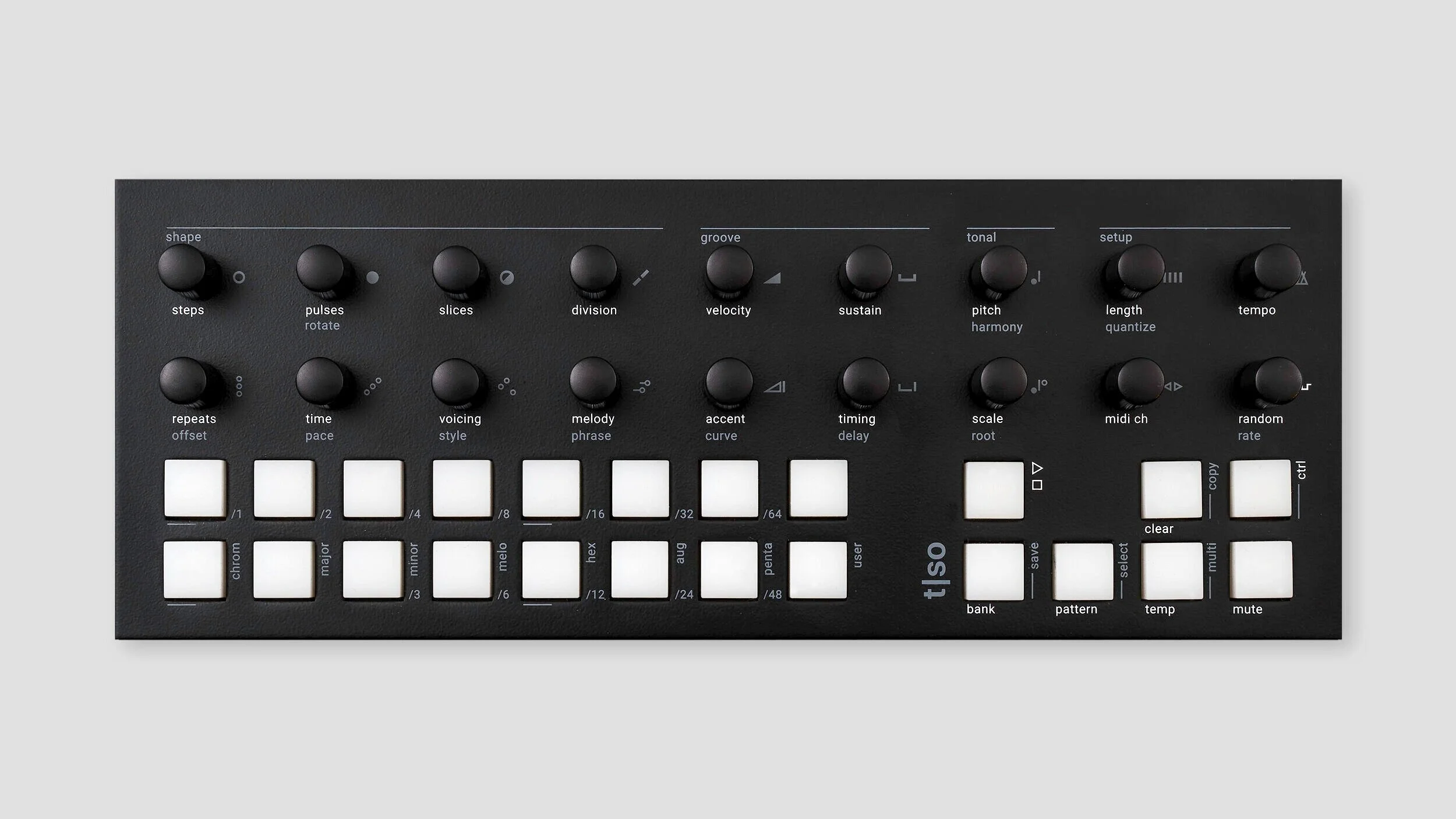
Now that that’s out of the way, why are we talking about ones and zeroes? Remember raves? There are people actually doing research to make the experience even better. A few years ago, a group of friends - Mathias Bredholt, Mathias Kirkegaard, Lars Buchholtz and Jonas Kenton - founded Torso Electronics, a budding music hardware company in Copenhagen. All musicians and/or engineers, they shared a vision for adding more improvisation, more spontaneity to playing live electronic music - and so they came up with a MIDI device called the T-1: a euclidean rhythm sequencer. 

I caught up with Mathias B. (AKA Areal) to talk about how it all started. 

Sequenced on the T-1 sequencer by Torso Electronics

Maya for Also Cool: Could you explain what a ‘euclidean sequencer’ does and how that concept makes the T-1 special as a new drum machine?

Mathias: I really wanted to make something that’s easy to perform with. It's all about immediate response. The cool thing about euclidean sequencing is that you can do it on stage - normally, (with live hardware sets) you enable steps at different sequences. You program the rhythm, but it’s really hard to make radical, sudden changes. 

It was actually a researcher at McGill who came up with it like 15 years ago. He did a study on traditional African rhythms and how they have this commonality - they all share a property that every rhythmic event has this evenness. 

If you take a time sequence, or some duration of time, in each of these rhythms there will be a repeating pattern of equally distributed rhythms. He came up with this simple algorithm with only two parameters to create all these different kinds of patterns. It's really just two numbers that you need - and we created two knobs dedicated for this purpose. With only these two controls, you can create rhythms instantly - and you can change them. You can make them really dense or make them really sparse... and it works great for live performances. You can control how energetic the pattern is going to be - and the cool thing is that they all sound good, no matter what you do. 

Also Cool: How does that change a typical production workflow?

M: The T-1 is a happy accident machine. It's all about listening. If you really get to learn it, you will be able to predict more of what it will do, but to begin with, it’s a tool for exploration. It’s really good if you're stuck and don't really know what to play on your keyboard - you can just start the machine and it will create something for you. You can explore, turn the knobs - and you don't really have to think to use it. That’s what makes it very different from a lot of drum machines - electronic music is too much about thinking. And it's also too visually-oriented. 
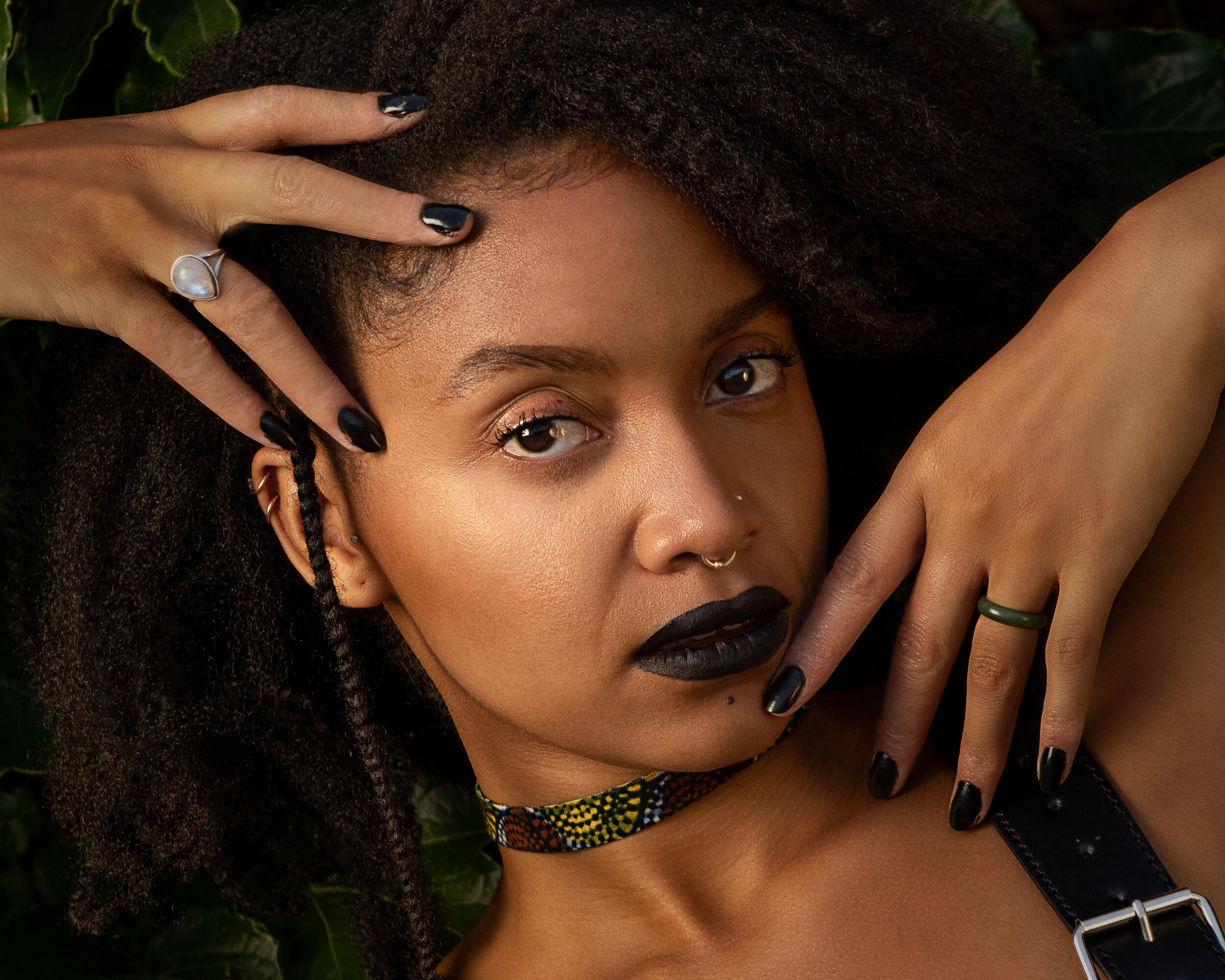
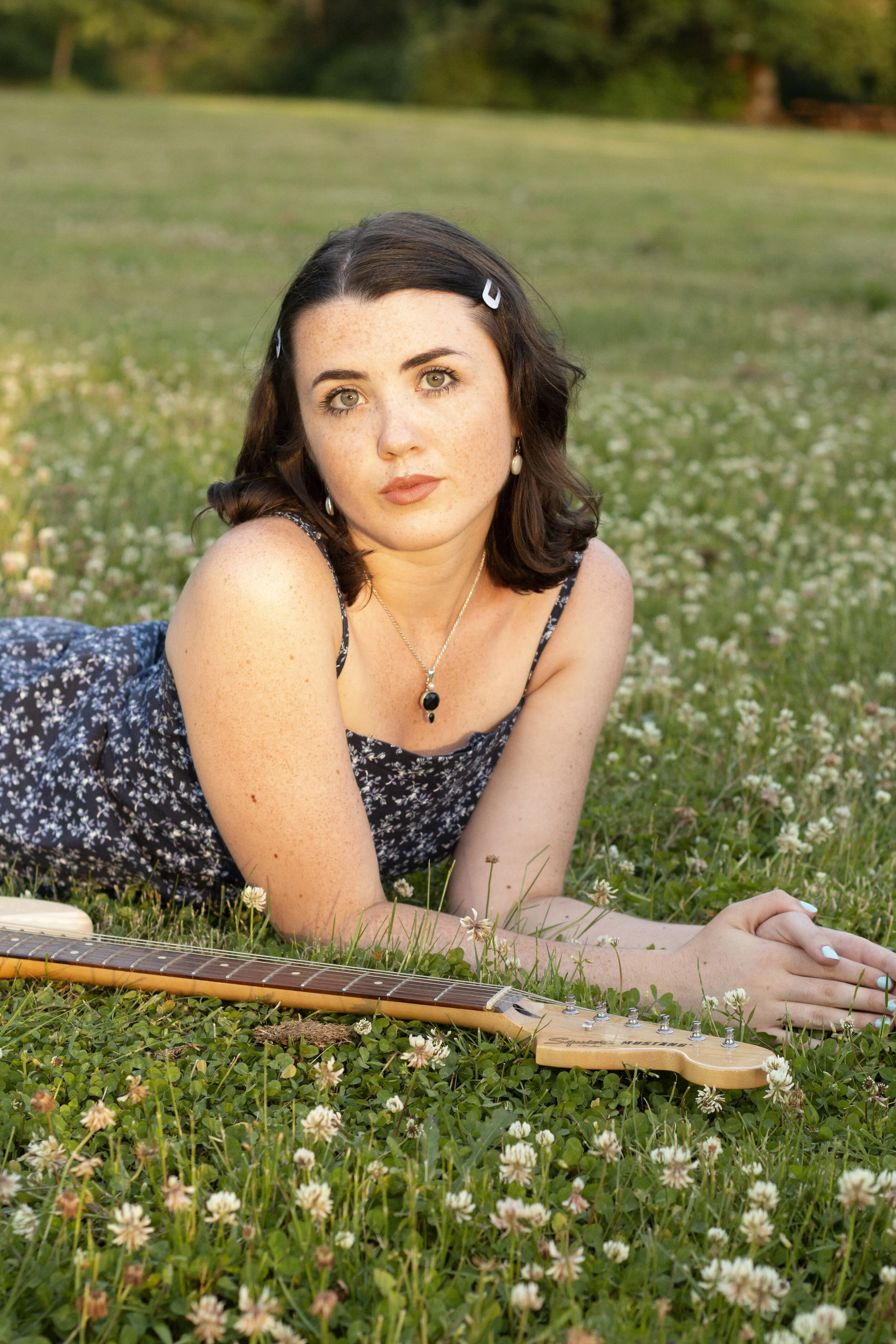
If you work with Ableton, [writing MIDI] is a lot of putting notes in various places, and you have to know some music theory to be able to do that, because otherwise you’re just going to create rhythms that are not in time. When I was teaching electronic music, I noticed that it was very common for people to end up making music in weird time signatures. When you use a computer, you just type stuff in, then listen to it, and decide if it sounds good or not. I think what we’re trying to do is to add some more exploration to electronic music - so you can just play it and not have to think about it. Sort of like if you play the piano. There’s too much thinking involved in making electronic music - I think it should be more about expression… and feeling.

AC: What is the story of how this thing came to be?

M: My friend Mathias and I both studied electrical engineering and met each other at university. We came up with the sequencer as our thesis project in undergrad. Then we worked together with Jonas (Kenton Slash Demon, When Saints Go Machine) - our friend who is a very talented producer and musician. He’s got a lot of experience playing live all over the world - and we also had this idea of playing live music and improvising on stage. He was frustrated that after playing live [electronic music] for over ten years, you still always have to prepare everything - that it feels like you’re not really connected with the music. You can’t really improvise. So we all shared this idea and started working on it.

Mathias and I went to Montreal for two years - we were afraid that the project wouldn’t succeed because it’s pretty hard to keep up the excitement when we were all so far away - but the lab that we were in at McGill gave us a lot of inspiration. We were in the Input Devices and Musical Interaction Laboratory (IDMIL), which is focused on the expressivity and live performances of electronic music - and the embodiment of electronic music. It really follows along the same lines of what we were trying to do. At IDMIL we also explored adding various controls that would allow [the user] to interact with the instrument and use their body to control it more. 

In academia it’s pretty common to see electronic music performed with various gestural controllers that sense your motion and then affect the music in different ways. It’s not very common to see that in the underground music scene. I’m really curious to see how we can merge these two worlds together with the sequencer. 

Torso_Electronics_T-1_top.jpg

During their time in Montreal, both Mathias B. and Mathias K. performed at various local venues, including Eastern Bloc, La Sala Rossa, and Café Résonance - and they also hosted basement jams. Now that they’re back in Copenhagen, Torso just launched a Kickstater campaign to build the first series of T-1 sequencers - and after passing their goal on just the first day, they’ve definitely kicked off on a good note! Keep an eye out for euclidean rhythm sequencers at the next rave…

Learn more about the T-1 sequencer here

Support the Torso Electronics team on Kickstarter.

Related Articles


From Beatmaking Workshops to Community Leaders: These are the Froot Origins


If you haven’t heard of Montreal’s Black, queer, hip-hop trio Strange Froots already, it’s about time you drop everything and check out their entire discography on Bandcamp… STAT. The group is comprised of the talented Mags aka Passion Froot, Naïka aka Dragon Froot, and Sage aka Star Froot. Next week, Strange Froots will be celebrating their 6th anniversary as a band with us by throwing a Digital Sleepover — and you’re all invited! Come play our favorite party games, learn trivia about local artists, and have an open discussion about the COVID-19’s impact on our community, as well as the contributions made by its Black artists! DJ Mollygum will also be playing the after party.

The event will be streamed online, and will also serve as a partial fundraiser, with the proceeds donated to the Black Lives Matter DC, Regis Korchinski-Paquet’s family, to Taking What We Need (a Montreal-based discretionary fund group for low-income trans women) and Also Cool Mag's Artist Emergency Fund. Janice Ngiam (of Sun Astronauts), has volunteered her talents and allyship all the way from Hong Kong. For every new donation 20$CAD or more, Janice will produce a short, personalized song about anything you want! Discover her music at www.janicengiam.com/music.html

Join the Froots this Thursday on Instagram from 5pm to 8pm for a Frootiversary Happy Hour, and get a taste of what's to come this Saturday!

We got the chance to catch up with the Froots to reminisce on their early beginnings, discuss their future aspirations, and hear their thoughts what work has to be done to make Montreal’s hip-hop circles more inclusive and safe for QTBIPOC folks. Check out our interview below!

105189496_384844119149498_12056195948781859_n.png

Strange Froots (from left to right: Mags, Sage and Naïka), photo by Didi M’bow

Also Cool: Before we begin, tell us who you are and about your individual artistic pursuits.

Mags aka Passion Froot: My name is Mags. I’m an illustrator, cartoonist and graphic artist by trade, as well as a beatmaker, singer-songwriter, MC and casual guitarist.

Naïka aka Dragon Froot: My name is Naïka, I’m a Haitian, queer, Black woman. I’m a singer-songwriter, a guitarist, a bassist, and an MC. I recently released my first solo album, Painted Imageries, this past January.

Sage aka Star Froot: Hello, I’m Sage! I'm a singer, songwriter, actor and producer. I am also a passionate linguist, studying Spanish and Mandarin. Learning languages is a really interesting and ceaseless artform to me. 

AC: Individually and collectively, how has music helped you learn and grow?

M: On an individual level it has helped me spiritually for as long as I can remember, producing (more so than writing) has somewhat helped me translate my journey to sound. It’s also helped me reconnect to my ethnic origins as a first-generation African-American; in learning how to sample, I’ve been able to reimagine classic songs my parents would play around the house, or that I would hear over the summers of my childhood visiting relatives. As part of a collective, I think I’ve been able to contribute the story-telling attributes of my instrumentals, as well as the eclectic sounds of our diaspora. 

N: Individually, music has helped me grow into who I am and explore every facet of what I am., [Music] has given me the ability to express myself in a way that can be scary, but at the end of the day, honestly. Collectively within Strange Froots, this band’s music has allowed me to step out of my comfort zone by pursuing artistic directions and musical styles that are not necessarily my go-to. The band keeps challenging the ways that I write, compose, and structure music, and I love that about Strange Froots.  

S: Music has given me a way to express myself creatively and honestly. As a dynamic introvert, I spend most of my time reflecting over socializing. Music has been a great conduit for me to both share who I am and bond with those in my circles. It’s how I found Mags and Naïka all those years ago. I can’t imagine life without music. If I don’t like the song, I’ll change it, but there are very few times where I’ll go for silence. 


AC: What are the Froot origins? How did your diverse creative backgrounds come together for the first time? 

M: At the time of our meeting (Spring 2014), I was in my last year at Concordia. I was VP Marketing and Communications for the then-named Hip Hop Heads Concordia, of which I am a co-founder; this was a revival of the university’s long-defunct hip-hop club. I had by this time already been acquainted with a few of Montreal’s hip-hop artists, and it’s through them that I was introduced to NoBad Sound Studio

N: The manager of NoBad Sound at the time wanted to do a “girl” workshop, ‘cause few of them were at the studio and few were seen in hip-hop in general. It’s through this that our diverse creative backgrounds came together. I came up with the name Strange Fruits (paying homage to Billie Holiday and Nina Simone) for our band, as we are all Black and know what the song talks about: it was very dear to me, to us. Then Mags came up with the spelling “froots,” like the cereal, ‘cause we’re all nerds like that and are all pretty “out there”... fashion and personality wise, we’re all very colourful. But it says a lot too: the “roots” within fROOTs, refers to our Black roots, and it is also a derogatory gay term that was reclaimed by the queer community; which includes all of us in this band.

S: I was the last to arrive. I went to NoBad interested in beatmaking workshops, when I met Mags and Naïka days later. We shared our musical taste and gauged that we all had very different musical backgrounds. As the alternative member of our alternative-chill-soul collective, I am influenced by rock, house, jazz, pop, film scores, musicals, i.e. eclectic. I was also part of a theatre troupe and sang in choirs growing up, so working together came very naturally 

Strange Froots (from left to right: Sage, Naïka and Mags), photo by Andrée-Anne Guy

AC: What is your creative process like as a collective, and how has this evolved over the years?

M: A lot of our collaboration these days (COVID withstanding) has happened digitally, sending beats, voice notes, guitar riffs and the like, due to ever-conflicting schedules. In the very early days, even after our first EP dropped, we would continue to meet up at NoBad and much of our collaborative efforts happened there. Then, you have songs like “Regular” that come about from very random inside jokes created well outside of the context of the band, and just from goofing around as friends.

N: OHHH child it has evolved! At first, we would all sit down together and write to a beat Mags or Sage produced, or a riff I played on the guitar. We held a lot of importance to composing all together in the same space and time, but it’s not always feasible and realistic. Now, we tend to write separately, propose something from one person who wrote, created a riff, laid down a beat and then the rest adds to it. We talk more openly about what we want to change, about directions of the sound. It’s literally a constant draft and constant back and forth within our capacities and availabilities, instead of depending on each other’s presence to finish a song. 

S: I think now a major difference, especially with our individual artistic pursuits, is that we create music with an understanding of if it’s for Strange Froots or for another passion project. If I can imagine Mags dropping a fierce 16 or Naïka working magic with her bass for example, then it’s for Strange Froots. It was easier in the beginning to put us all in one room for a few hours to create, but later became very unrealistic. 

AC: Since meeting through the NoBad Sound Studio workshops, do you feel that the Montreal hip hop scene has become more inclusive? In your view, what work has to be done to further grow hip hop spaces in this way?

M: In the 6 years of our existence, I’ve seen some slow, gradual efforts to not only include more cis women than they did at the time (because if we’re being honest that was their first hurdle). We’ve seen some kind of attempt at understanding and including the LGBTQ+ community. They’re not going to get it right all the time or on the first go, (some might even say there’s a  sense of pinkwashing and “you-go-girl”-ism), but I’d like to think that our group’s existence helped create more waves in that direction, especially in the Black community. 

N: Adding to that though, the Montreal hip-hop scene is VERY underground. The hip-hop that you see out there, that is being paid attention to, is mostly performed by white cis Francophone men. It completely disregards the Black and Latinx folks that laid the groundwork for hip-hop in Montreal, and the deeply ancestral history of hip-hop for Black folks. It’s our culture. In the last 10 years or so, Quebec suddenly “discovered hip-hop” from white kids, even though it’s been here for decades... So is it more inclusive to women? Meh, not really. We make our spaces. There needs to be a lot of work done for women in hip-hop and for queer folks. Hip-hop was made by marginalized folks who were Black and Brown: you have to include women and queer Black and Brown folks, not just the cis het straights, ‘cause they are marginalized as fuck. 

S: I agree, there’s still a lot of work to be done. There is hope – queer and black artists like Backxwash lighting the ground up – but when it comes to the hip-hop scene in Montreal, space is sparse and divided. White Francophones are still the dominant voices of hip-hop in Montreal unless the event is specifically curated to showcase queer and POC voices. Considering the origins of hip-hop as a tool for the marginalized and oppressed, it is crucial that more queer artists of colour are able to share their multifaceted truth and be on the mainstage. I hope we can get to a point where black and queer-owned venues exist and our music is not competing for airtime and spots in the margins. 

Strange Froots (from left to right: Naïka, Sage and Mags), photo by Kinga Michalska

AC: Beyond music and performances alone, Strange Froots has acted as a collective driving interdisciplinary collaboration in Montreal. How have you connected with the music community, and how has that had an impact on your outlook as artists and activists?

M: From experience alone, I’d say due to the varying types of shows we’ve been able to play, we’ve not only made some great friends and musical colleagues, but we’ve been able to connect them to each other in many ways. With amplifying other artists through our platforms and association came an organic sense of belonging, like, “some of us are synth artists and some of us do hip-hop and some of us are riot grrrls but fundamentally we want the same things.” I was able to adopt this mentality when I was approached to co-found the multidisciplinary winter festival Lux Magna in 2017, alongside certain members of the Suoni Per Il Popolo festival.

N: I’m a part of a collective that I I co-founded called Fruition. Fruition is by and for QTBIPOC, and ensures that we have the space to thrive and access the resources we need to survive, succeed and heal in spite of systemic racism, oppression, assimilation, colonialism. We create art/music events, workshops, panels with QTBIPOC folks within our community so they can tackle their artistry in a way that is safe and radical. Individually, that has a lot of impact on me to help me grow and feel even more secure in my identity, but has also helped me find tools to build within our community. 

S: I find activism goes hand-in-hand with hip-hop, since injustice is not too far behind. In our collaborations with The Rap Battles for Social Justice, we had opportunities to explore deep rooted issues in our society, like austerity, police brutality, and climate justice. It inspired me to become more politically informed and recognize the power of music to facilitate important discourse. We are all writing our own artist blueprint while also having to navigate the erasure of inclusive physical spaces to share our art. In Montreal, the helping hand comes from utilizing our network and own creativity. That’s why it’s crucial to stay connected and support each other. I think it’s great that many collaborators are people we can also call friends, but at the very least, are people who share our values. These are people that I want to see flourish, so my activism is about standing up in the face of injustice and also facilitating joy as a form of resistance.


AC: Now that we are coming up on your anniversary; what has been a defining moment in your band’s history, and what are some of your future aspirations as a group?

M: Not to be a total Leo rising about it, but I think our priorities and our individual scopes had to severely shift when I was made to leave Canada. Long story short, I had a few bureaucratic hiccups regarding my status in Canada, and so I was turned away at the border when I was returning from a home visit from Silver Spring, MD. A lot of things were put on hold, and I attribute a lot of my shortcomings in taking care of my status, to hyper-focusing on keeping the band afloat. I held an unhealthy amount of self-worth in what I was able to do for the community and how I was able to alleviate my bandmates’ workload (I was the only one done with school), it took me away from myself in some very detrimental ways, and I think we’ve finally reached a place where we see that clear as day, and are constantly working to not repeat the mistakes that lead to several kinds of pressure and burnout. I hope that our group can continue influence positive and progressive change in Montreal’s youth, to make our queer circles less racist, and the hip-hop scene less queer and transphobic overall, and I hope as more doors open for us, we can hold them up for our friends in the game.

N: A defining moment in our history was going to Senegal and finally seeing our community of QTBIPOC fam come together when we put on hip-hop performances for queers. For future aspirations, I want us to keep creating and finding ways to create for ourselves, as a way to sustain imagery and art within our community.

S: I would love for us to all be in the same place physically for longer than a week! Technology helps, but our first in-person rendezvous will be something. The most defining moment for me so far has been our trip to Senegal. The connections made there and the wisdom shared will last with me forever. If the fates allow, I would love to journey with the Froots again to another motherland. Ultimately, I wish for more growth, love and understanding and for us to keep doing the work we do. The journey has been incredible so far. I’d like to see how much further we can go.

Strange Froots (from left to right: Sage, Mags and Naïka), photo by Mariel Rosenbluth

Keep up with the Froots on their socials!

Strange Froots

Facebook | Instagram | Website

Mags

Facebook | Instagram | Soundcloud

Naïka

Facebook | Instagram | Bandcamp

Sage

Instagram

Related Articles


Introducing Liquid Love: A label for the Montreal underground


Liquid Love Records is a new project by Montreal-based producer and DJ, Martin Cadieux (AKA Liquid Love Angel). “Boundary Condition” marks the label’s second release, embracing the spirit of local collaboration and paying tribute to the city’s underground scene. Two original tracks by Cadieux are accompanied by remixes from Toronto-based Korea Town Acid and Hesk. The EP features original artwork by Francois Beauchesne.

“Boundary Condition” features a hammering acid bassline with a vocal sample of Stephen Hawking discussing his theory of the universe before the Big Bang, “My motto is there are no boundaries.”

Representing the local scene’s diversity and no-boundaries versatility of sound, what begins as a 160 BPM, drum and bass hard-hitter transforms into to a slower, more club-friendly house mix, until it’s finally reworked as an emotional IDM-flavored jam with Korea Town Acid incorporating sustained pads and emotive chord progressions. Meanwhile, Hesk is recognizable for his footwork productions - and his stuttering remix keeps the essence of the style’s rhythmics while simultaneously pushing its boundaries with elements of acid and techno. 

Pursuant to the label’s essence, the record was produced with an improvisational style to it, using live hardware - representative of how Liquid Love Angel and friends organize and play live analog shows around the city.

Martin: “Detroit, New York and Chicago - they have their own sound. I wanted to start a label to represent Montreal. We have such a beautiful and diverse city, and we have a lot to offer in terms of music, producers, and DJs... We have a very vibrant city.”

Attending Concordia University’s Electroacoustics program, Cadieux developed an interest in experimenting with analog synthesizers. Being around so many people with a similar passion inspired him to build his own platform - giving exposure to an unfailingly innovative underground dance music scene.

unnamed-3.jpg

Martin: “I got tired of always listening to other people's music. We have great artists in Canada. I know a bunch of them. I went to school with them. I'm going to shows with them. I'm playing shows with them. 

It did take time - but now that I have all these people, I'm putting everything together, and I only plan on releasing more music. Just seeing where it goes.”

In the spirit of improvisation (we’re all winging it, right?) Martin recounted how the collaboration came to be:

Martin: “I didn't know how it was going to turn out. Jess [KTA] checked it out on Instagram in a 10-second clip and she asked, ‘What is that?’ - she made a comment on one of my posts and said she was going to be playing in Berlin in a few days, at this club called Wilde Renate. She wanted to play the track - and I hadn't finished it yet… 

Then she hit me up like two weeks later and said, ‘Hey, I'm going to play in this club - I want your track where is it? What's going on?’ 

It's hard to put yourself out there - the more I'm doing it, the more I'm impressed with other people. Constantly releasing music - yeah, it's for the love, but also it takes concentration. It takes effort.”

unnamed.jpg

Korea Town Acid by Colin Medley

From the producer, to the remixer, to the sound engineer, to the cover art, putting out a record is a collective effort - it takes a lot of coordination, a lot of synergy. It’s exciting to see a DIY project come to life and shed light on the lesser-known gems in the city.

Martin: “This is the beginning of something important for me, and I'm hoping to bring out other artists I find interesting on the scene through this.”

All proceeds from “Boundary Condition” will be donated to a local organization dedicated to supporting POC in Montreal - get it here

Liquid Love Records

Bandcamp I Soundcloud I Facebook I Spotify

Liquid Love Angel

Bandcamp I Soundcloud

Korea Town Acid

Bandcamp I Soundcloud I Facebook

Hesk

Bandcamp I Soundcloud

Related Articles


Premiere: Korea Town Acid Space Cadet

 
Photo by Colin Medley, album art (below) by Ashli Ahn

Photo by Colin Medley, album art (below) by Ashli Ahn

For her latest release, KTA (Korea Town Acid) was inspired by “conquering [the] astro universe” vibes, Jeff Mills, and the Little Prince.

The Korean born, Toronto-based artist is a DJ, producer, and live performer of mind-bending hardware sets. Her improvisational production approach generates raw, hypnotizing compositions that are like living organisms - endlessly moving, continuously evolving. Each track was written live in one take, using hardware, with no post-editing. 

With elements of both chaos and euphoria, the energy at the essence of this EP is definitely one of the core ingredients for life in space. Album artwork by Ashli Ahn.

Join KTA on an adventure across the Universe

Space Cadet by Korea Town Acid, released 04 June 2020 1. Magic Spells 2. In Your Dreams One Live Hardware Take Adventure With Korea Town Acid

Related Articles