Gatineau Synthesist Nick Schofield Embraces the Beauty of Liminality on "Blue Hour" (Forward Music Group)
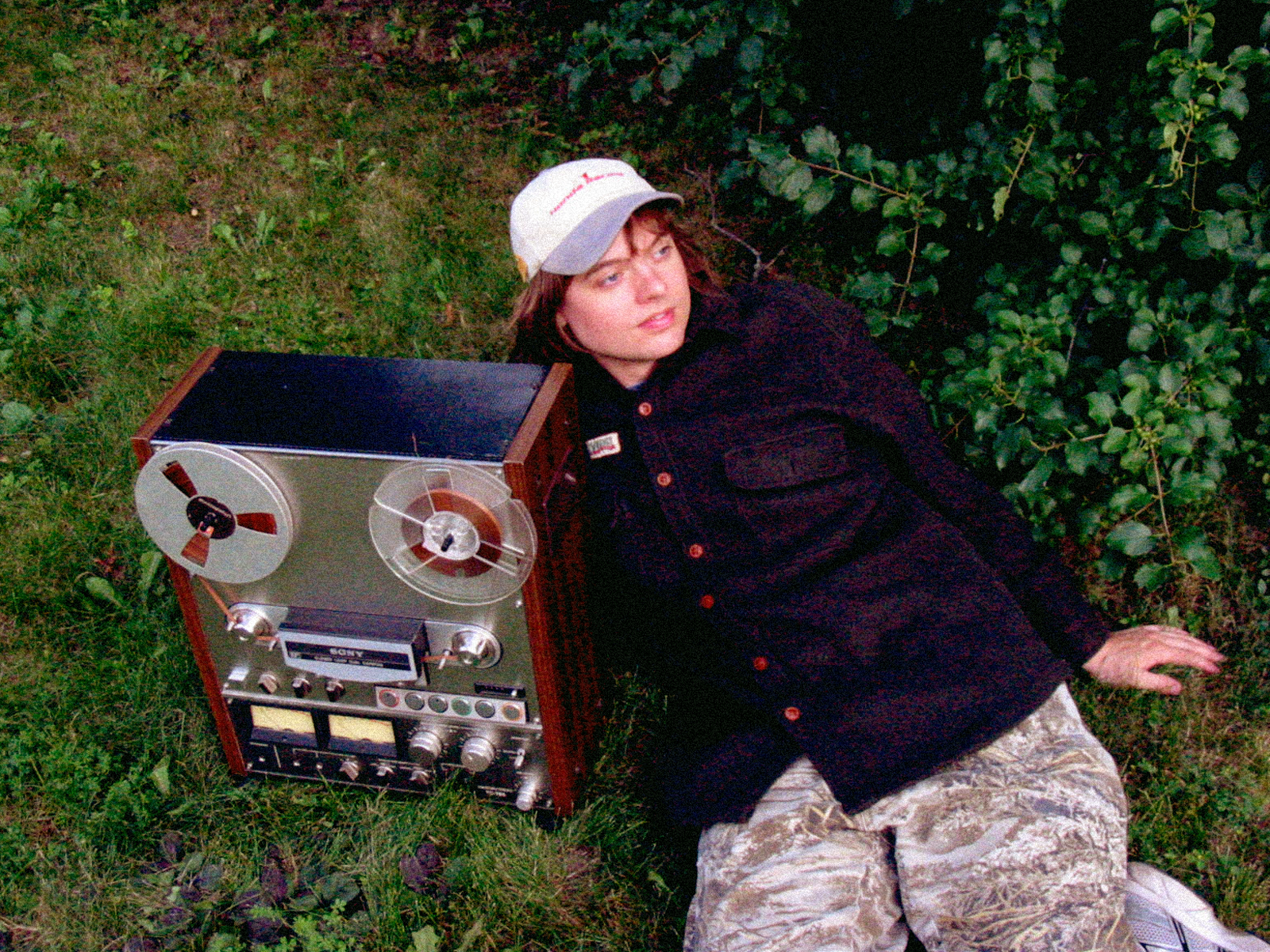
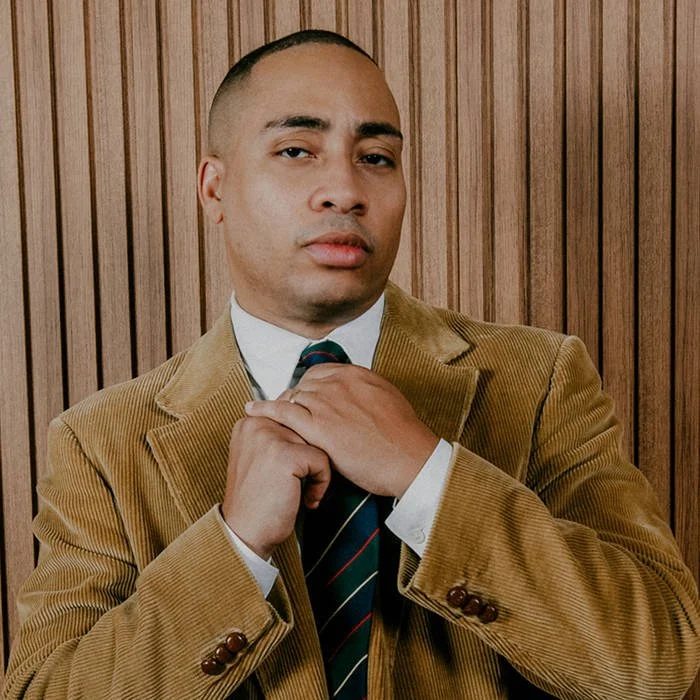
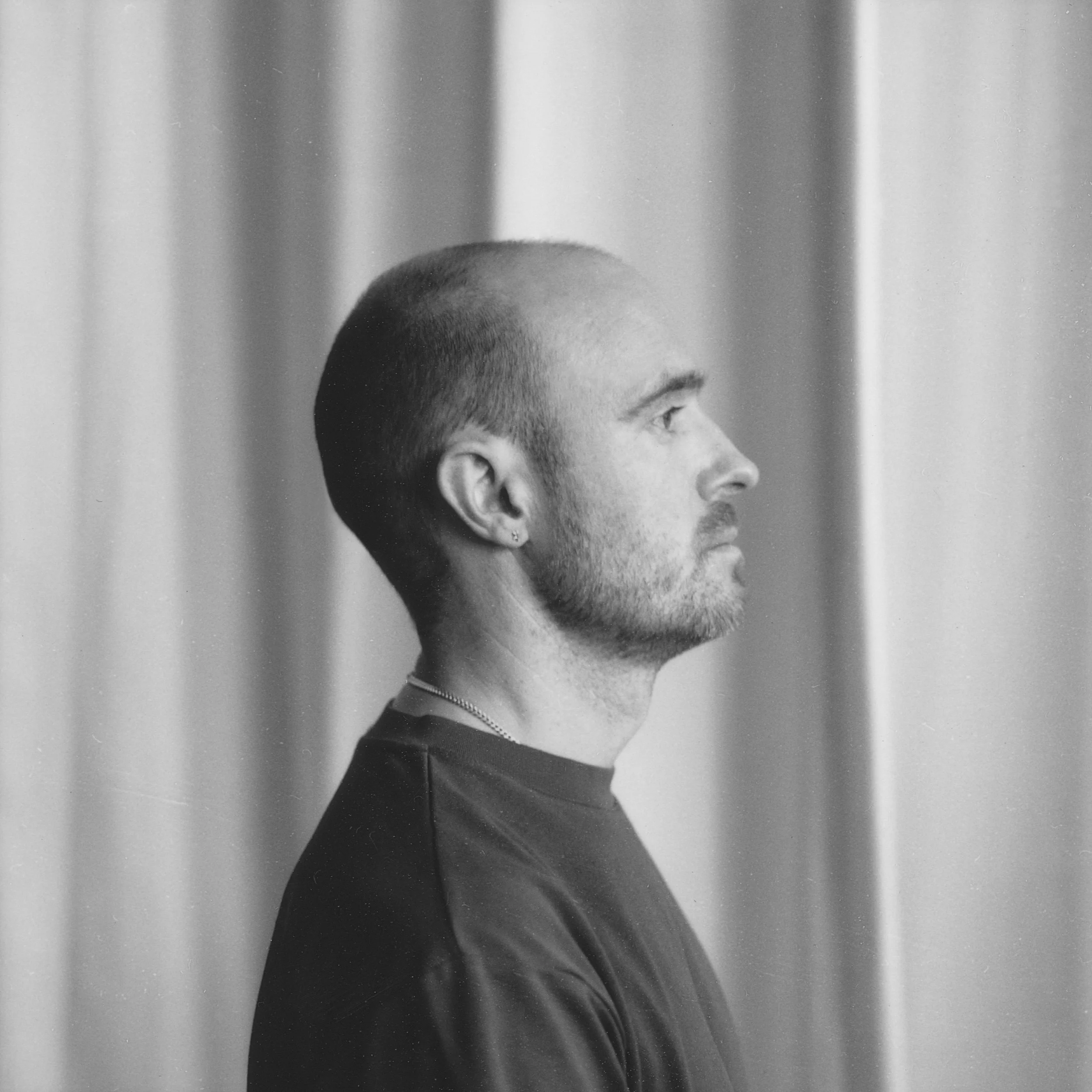
Nick Schofield by Christopher Honeywell
On July 30th, 1969, acclaimed American jazz architect Miles Davis unveiled In A Silent Way. Laying the groundwork for the beginnings of his electric era, In A Silent Way was received with mixed reviews—heavily criticized by jazz purists, while also lauding acclaim from industry muckrackers (namely Rolling Stone’s notorious Lester Bangs, who described In A Silent Way as "the kind of album that gives you faith in the future of music”).
Just shy of 60 years later, another musical forerunner finds himself at a sonic crossroads, taking note from the creative gusto established by Davis on In A Silent Way.
Enter Gatineau-via-Montreal synthesist Nick Schofield and the anticipated drop of his to-be-released Blue Hour (arriving February 6th, 2026 via Forward Music Group).
“This one is really an ambient jazz album,” says Schofield, grinning. “I made an ambient jazz fusion album.”
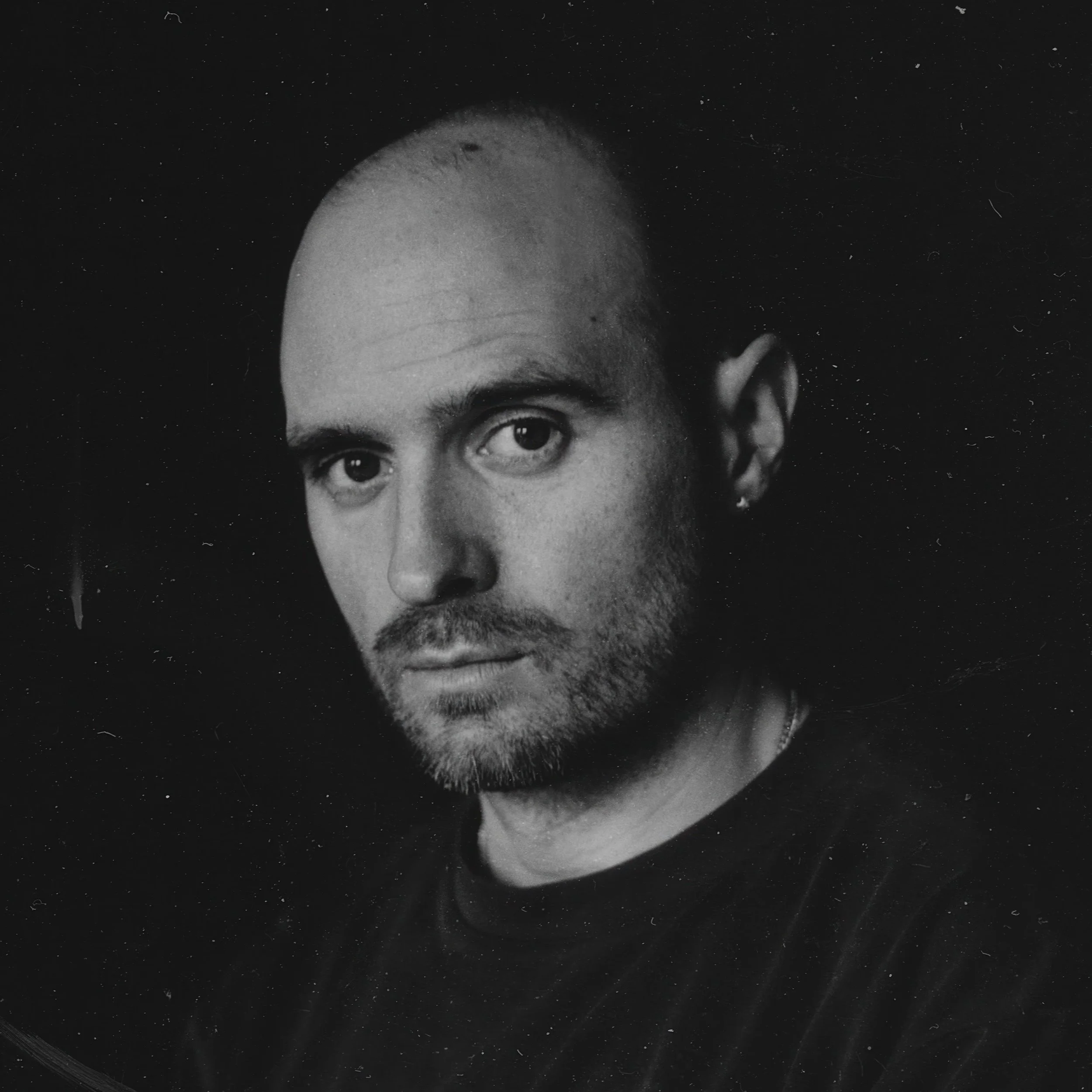
Nick Schofield by Christopher Honeywell
The album’s title, Blue Hour, refers to the period before sunrise, or just after sunset, when the sky takes on a striking blue tone as the sun beams from below the horizon. Embracing the transitional energy of this twilight state, Blue Hour finds Schofield reconnecting with his earliest musical identity to renew his approach to ambient composition.
“Most people don’t know me as a drummer—in the same way that they don’t know me as ever having hair!” laughs Schofield. “But drums were my childhood instrument. That’s the most natural instrument for me to play.”
Beginning drumming at age nine, Schofield’s rhythmic roots lie in jazz fusion—Bitches Brew-era Miles Davis and the musicians who later formed Weather Report—an influence that profoundly shaped his musical thinking, even as his affinity for synthesis flourished during his electroacoustic studies at Concordia University.
“Blue Hour is an ode to my childhood instrument and an era of music that actually predates my appreciation of ambient music,” explains Schofield. “ It’s very nostalgic for me and reminds me of going record shopping and crate digging and discovering all of these jazz musicians,” he adds.
Despite this shift in instrumentation, what remains signature-Schofield in Blue Hour’s essence is his unwavering commitment to a concept-driven creative process. He makes clear that Blue Hour is more of a tribute to Miles Davis, rather than a reinterpretation of In a Silent Way. Blue Hour draws from the album’s underlying philosophy of repetition, impressionism and improvisation.
“With every album, I try to set out a framework of parameters,” shares Schofield. “In this case, I knew I wanted to make an album in the style of In a Silent Way. I kind of had the archetype in place, and just expressed it my own way.”
Key to Schofield’s realization is the gestural contributions of trumpeter Scott Bevins (No Cosmos, Busty and the Bass), whose presence gives Blue Hour its effortless, yet distinct, conversational quality in Schofield’s discography. The two ran in similar circles for many years in Montreal, and developed a musical kinship long before Schofield approached Bevins to complete the Blue Hour bed tracks with his soulful playing.
“We’d always be at each other’s shows and have good heart to heart conversations,” Schofield recalls. “At one point, he suggested we jam, which led to me asking his thoughts on In a Silent Way. We spoke at length about our appreciation for the album. So at the end of the talk, I basically said, Alright, I hear you about the jam, but I'd say we're ready to record because I already have an album!” he laughs. “At that point, Blue Hour was totally finished. It just needed trumpet.”
In the spirit of Davis’ In A Silent Way sessions, Bevins laid down improvisational trumpeting without hearing the tracks beforehand.
“He basically heard the music and I hit record at the same time,” Schofield chuckles. “What you hear is pretty much what he played in the first few takes.”
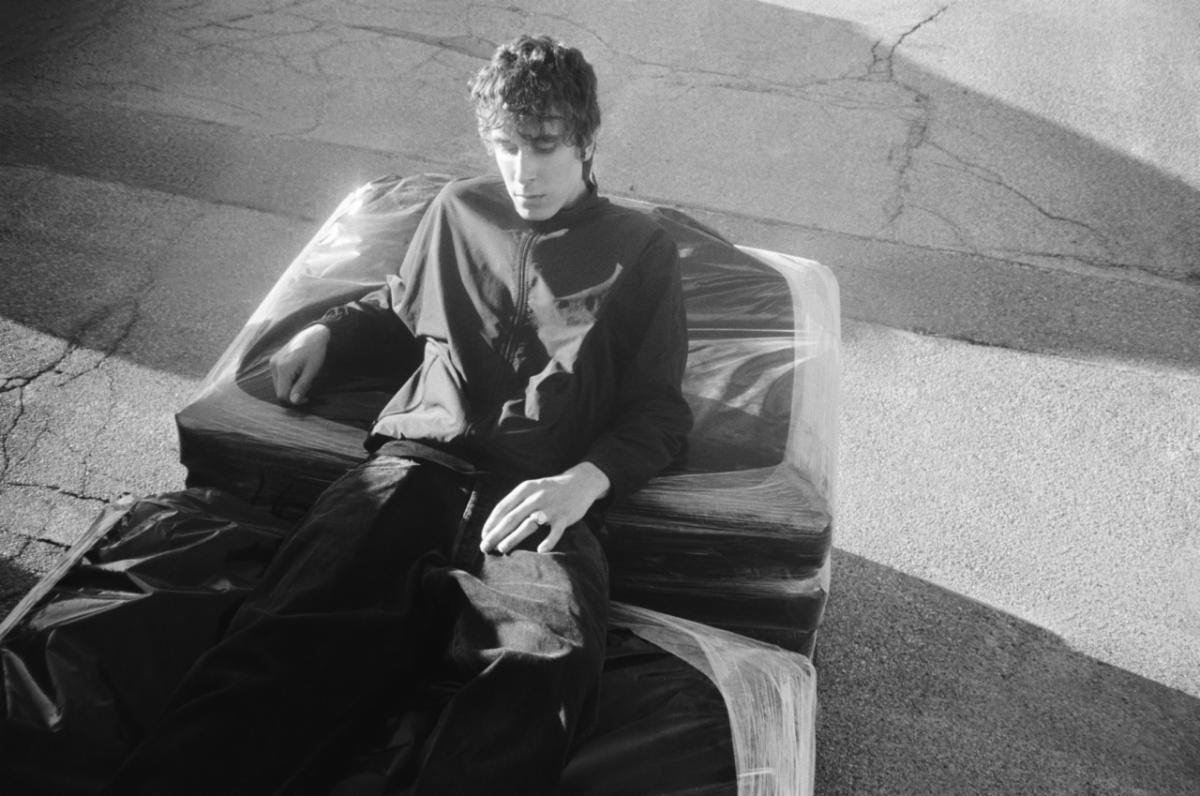
Scott Bevins
The camaraderie between Schofield and Bevins captured on Blue Hour exemplifies how Schofield views tenets of jazz and ambient as harmonious and complementary, rather than uncompromising.
“I think it’s beautiful how ambient aesthetics are being incorporated into so many styles right now,” Schofield says, pointing to contemporaries like Thanya Iyer, Nala Sinephro, Bevins’ solo work as No Cosmos, and even French experimental artist Oklou. “Whether it be the spaciousness, the textures… there are lots of different ways ambient is reaching the masses.”
Schofield’s appreciation for ambient was sparked by Japanese innovators like Haruomi Hosono and Hiroshi Yoshimura. Their captivating minimalism and patience helped him imagine himself as an ambient artist, whereas the work of illusive figures like Autechre and Aphex Twin had more of a mystifying, black box nature.
The album also reflects Schofield’s evolving relationship with space. Recorded largely in MacKay United Church in Ottawa’s quaint New Edinburgh neighbourhood, Blue Hour continues his gradual expansion from bedroom recordings to resonant, communal environments.
“Each album [in my discography] reflects where I was—personally and physically—at that point in my life,” he says. Schofield elaborates that Blue Hour is an evolution of his takeaways from recording his last album Ambient Ensemble (2024).
”Ambient Ensemble opened the lid on my practice to start incorporating acoustic instrumentation like piano, voice, cello, contra bass… While also introducing me to working with collaborators—which was a really fun and joyful process that brought in so many ideas, beyond what I would ever be able to do by myself,” notes Schofield. “Blue Hour is a further extension of that again, working with Scott Bevins and with acoustic instrumentation. Though it was recorded in Ottawa, the album connects back to my deep love of my music community in Montreal,” he adds.
Signaling neither beginning nor end, Blue Hour thrives in the in-between—between genres, cities, and musical timelines. Where jazz and ambient meet without haste, without explanation, Blue Hour invites bright, limitless stillness to reflect on the now, while revelling in the excitement of what’s next.
Blue Hour
arriving February 6th, 2026 on Forward Music Group
Sky Cafe
Magic Touch
Dream On
Goodnight Sun
Imagine Space
Natural Wonder
Hidden Corner
Hotel Cloud
Kyoto Kiss
Times
Scott Bevins - trumpet
Nick Schofield - drums, synthesizers, Rhodes, mixing
Ryan Morey - mastering
Christopher Honeywell - photography
Pascal Huot - design
Related Articles