Jean Grünewald Discusses Montreal Dances Across Borders' New Compilation "Volume 2"
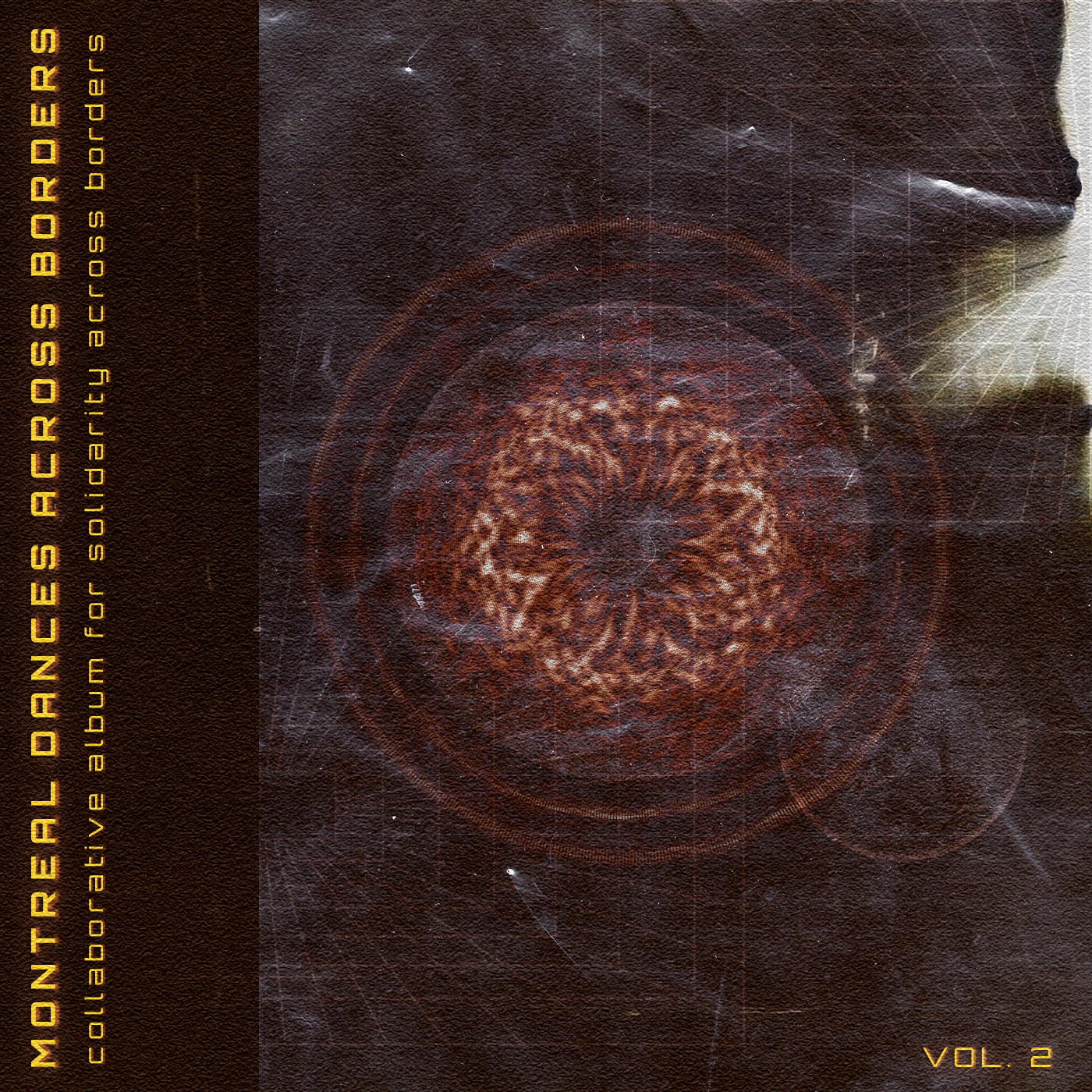
 
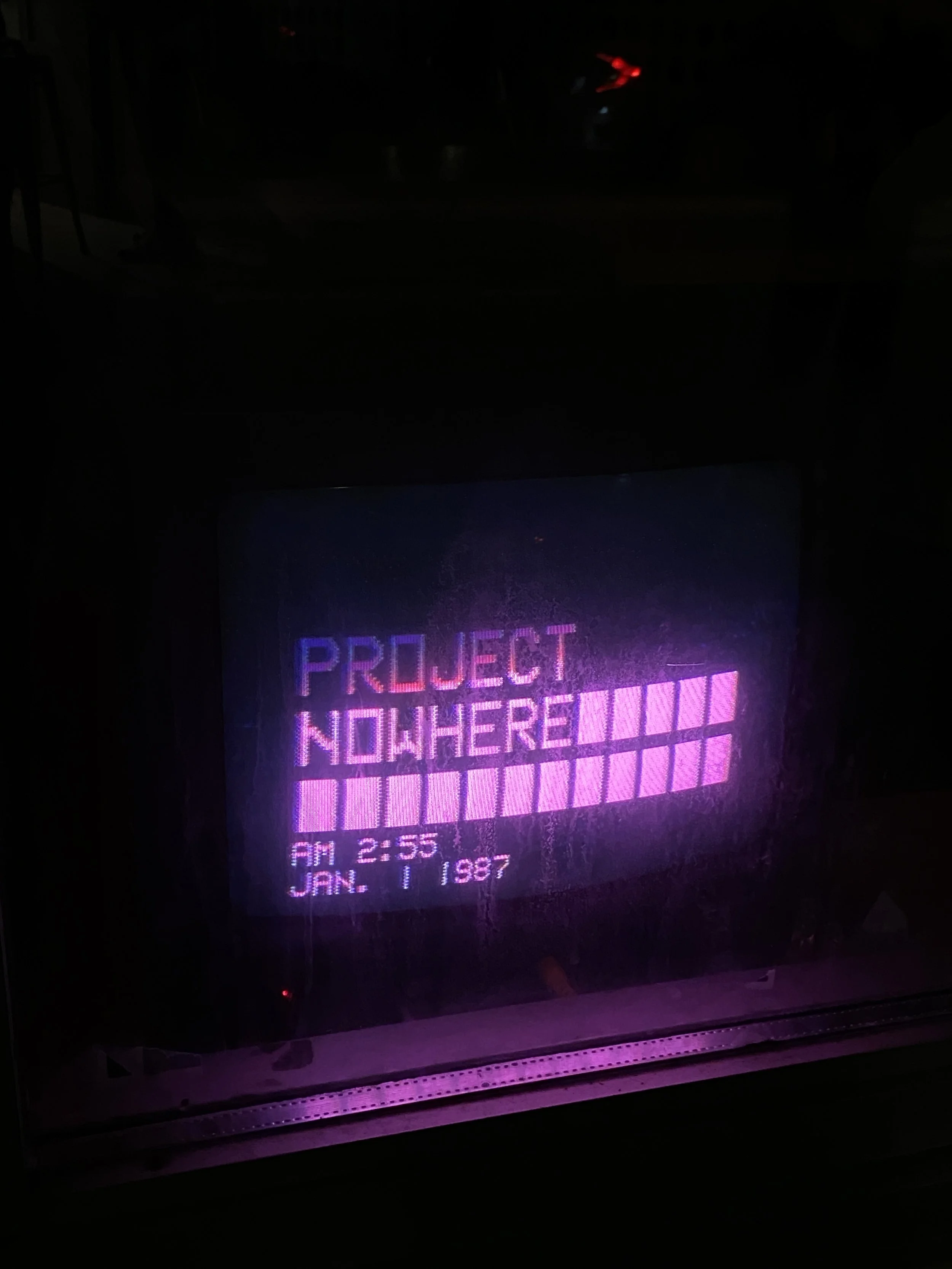
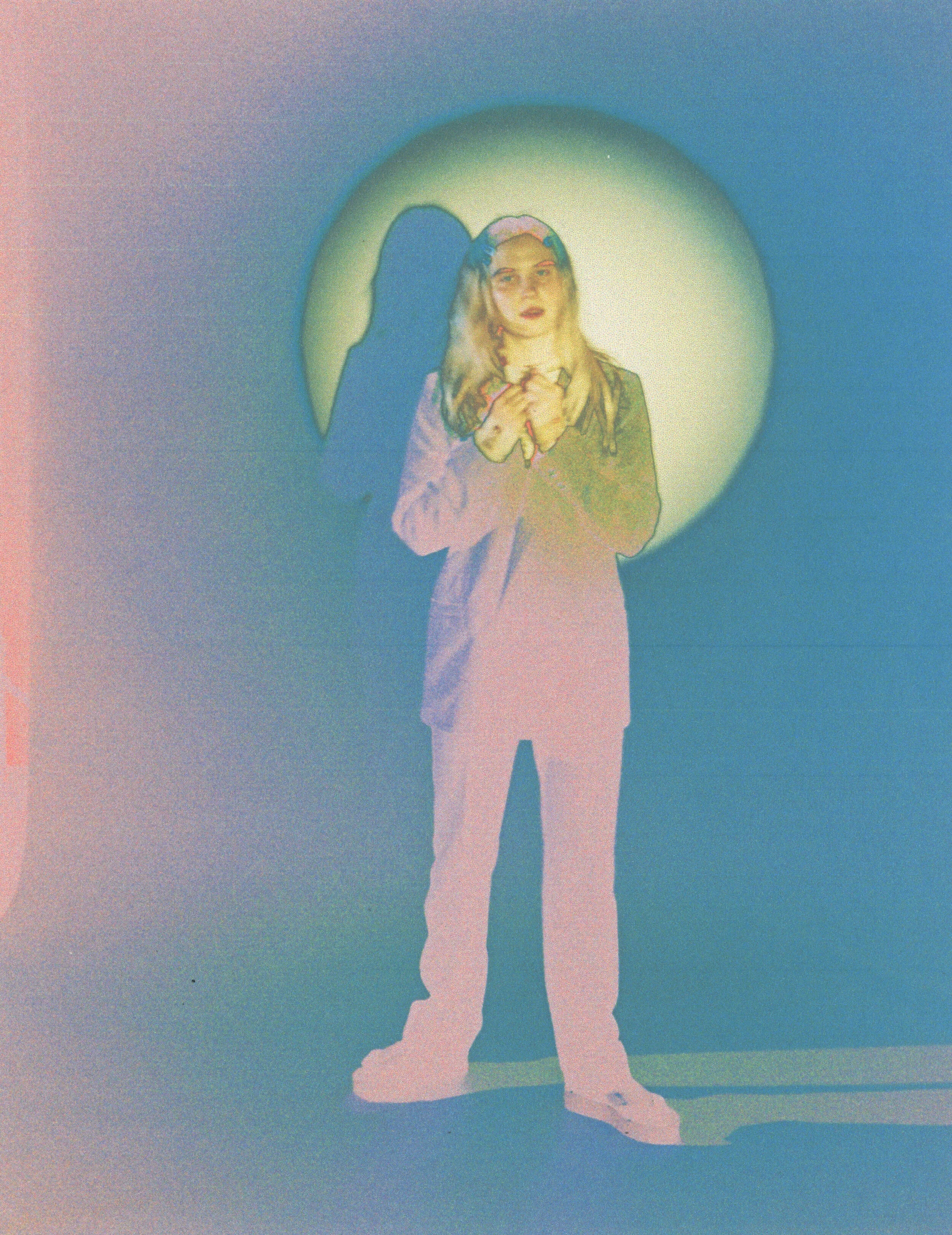
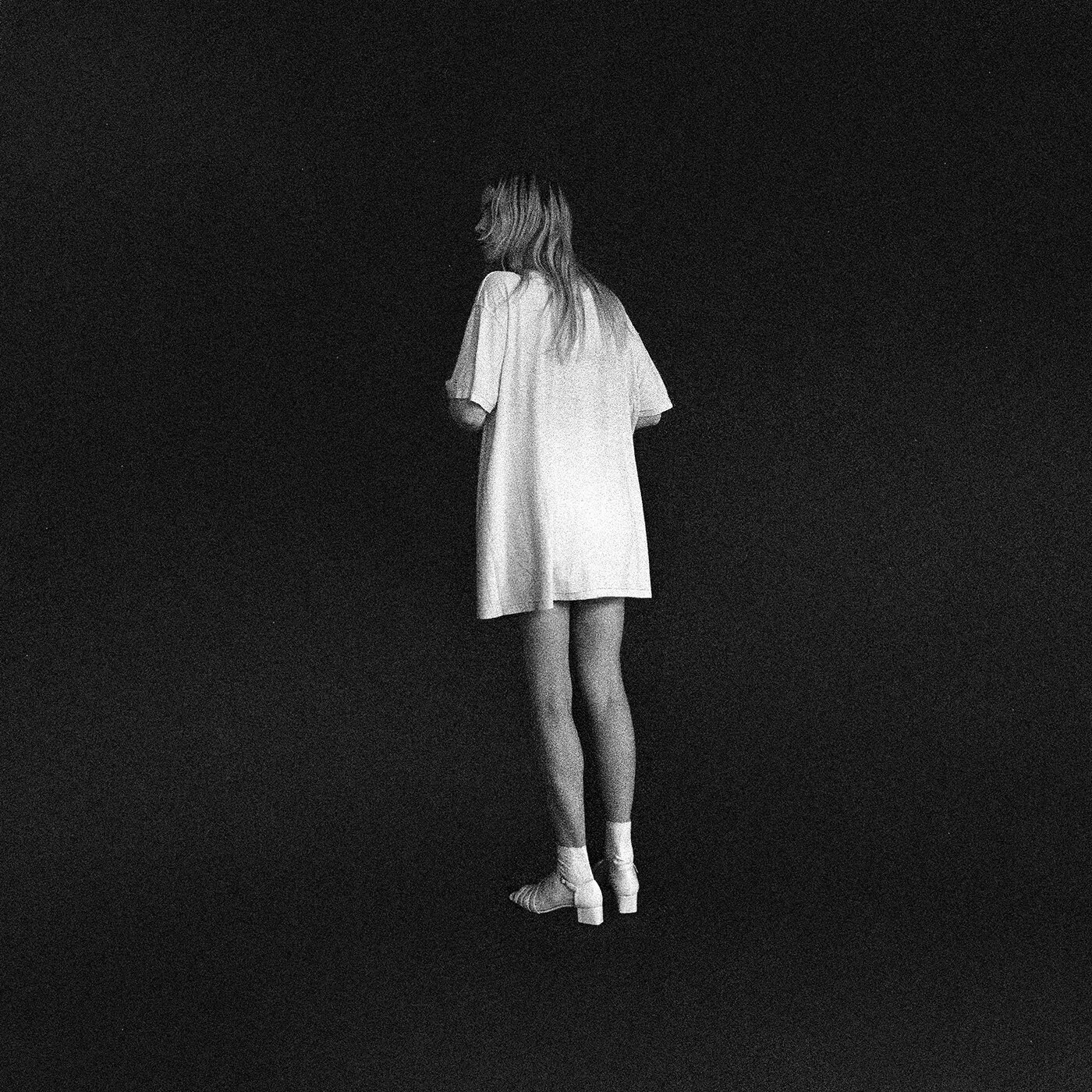
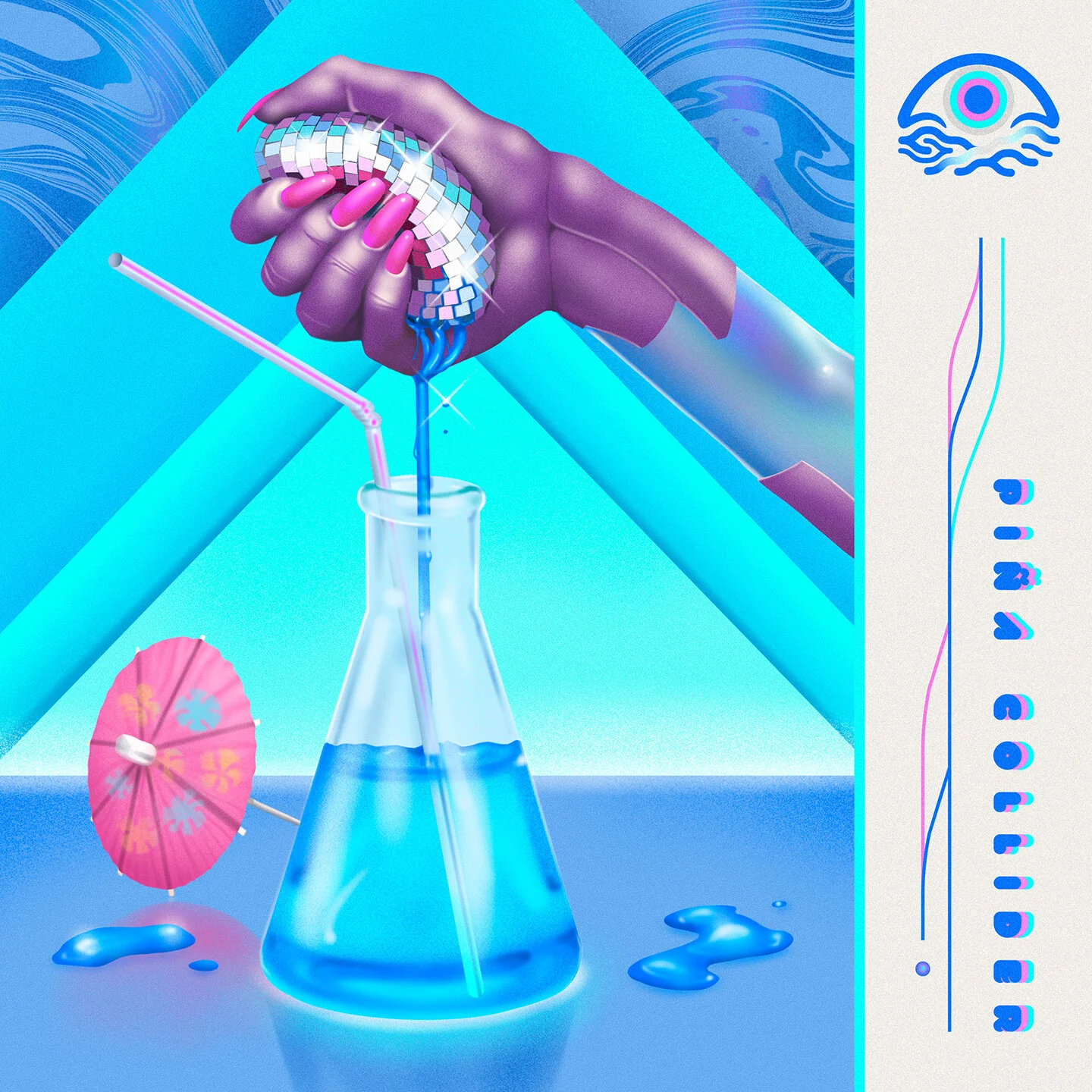
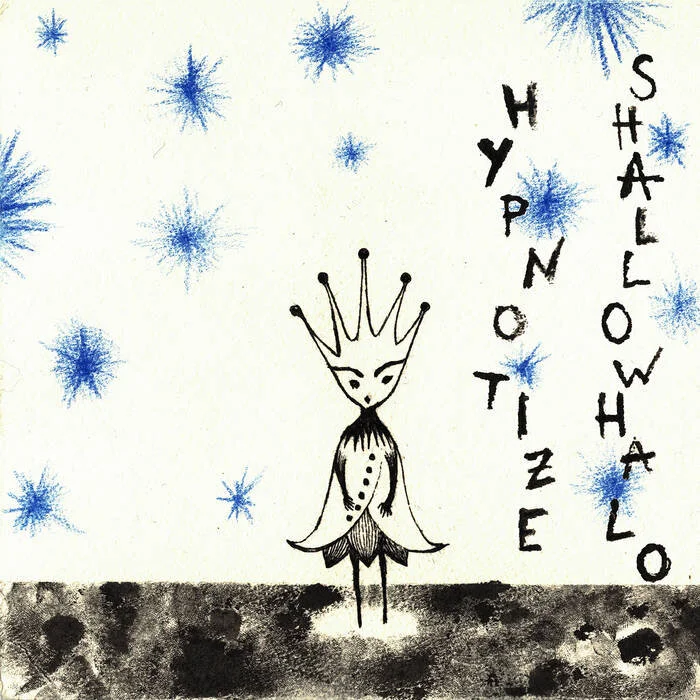
Volume 2 album art courtesy by Thomas Lopez and Elisa Gleize

Volume 2 album art courtesy by Thomas Lopez and Elisa Gleize

On September 28th, 2021, Montreal Dances Across Borders  followed-up their 2020 project Volume 1 with another exciting compilation project: Volume 2. This anticipated release from the Montreal collective brings together 10 incredible electronic artists for a more-than-worthy cause; with 100% of Bandcamp going to Solidarity Across Borders, a Montreal-based migrant support network working to combat the unjust realities faced by immigrants and refugees. 

While the compilation’s sound is experimental and eclectic, the participants’ unanimous support for the project’s cause acts as a base for it’s overall sonic unity. Despite its variety, each track inspires dance, movement and energy. 

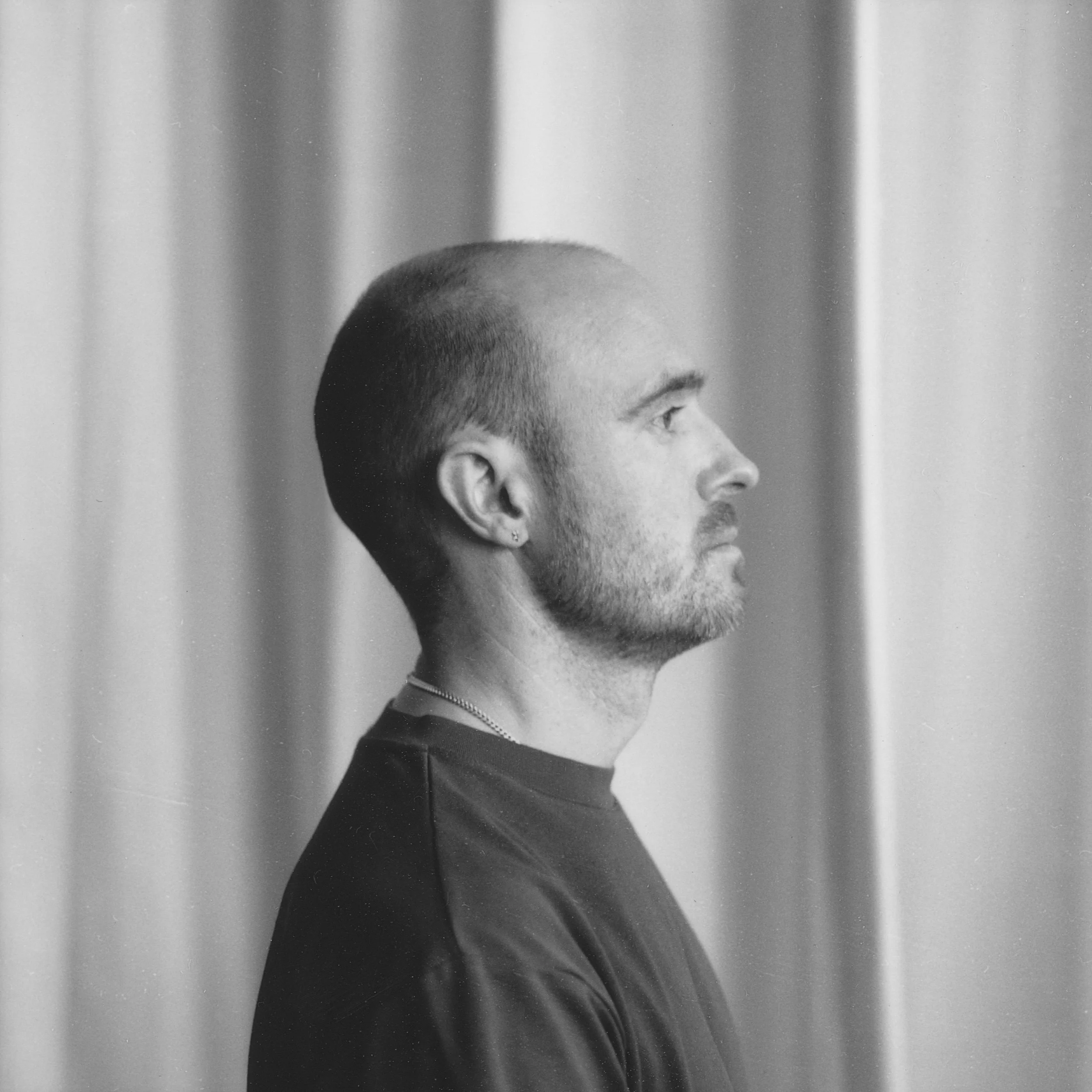
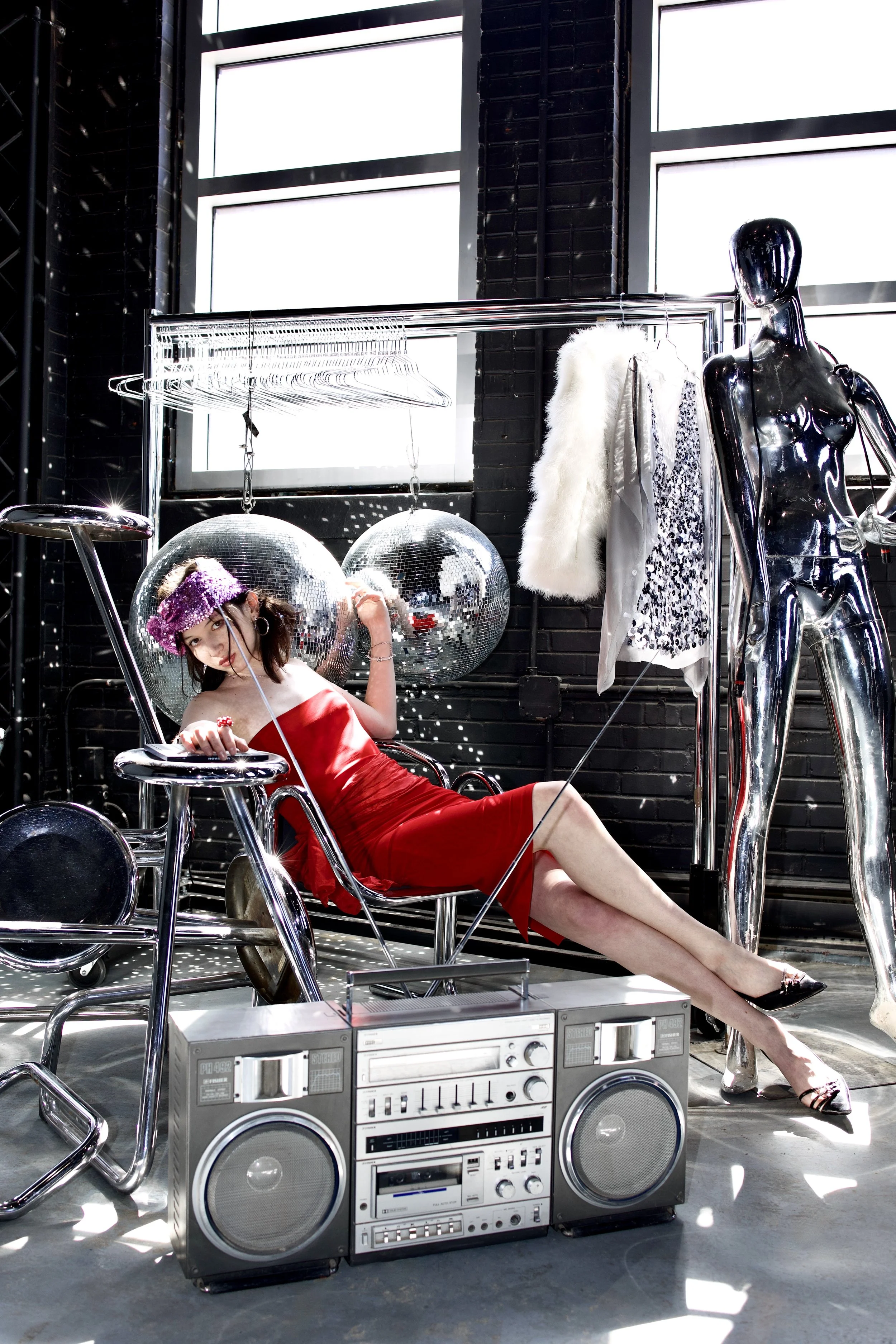
Volume 2 features tracks from: HRT, LE SERVICE HUMAIN, PULSUM, AN_NA - Red Wine, s.talbot, HUMAN JUNGLE, Inside Blur, K-10, Remote Access and DBY. It was curated by Jean Grünewald and Louis Paulhus with artwork by Thomas Lopez and Elisa Gleize. The entire project was mastered by Elliott Sebag.

Volume 2 album art courtesy by Thomas Lopez and Elisa Gleize

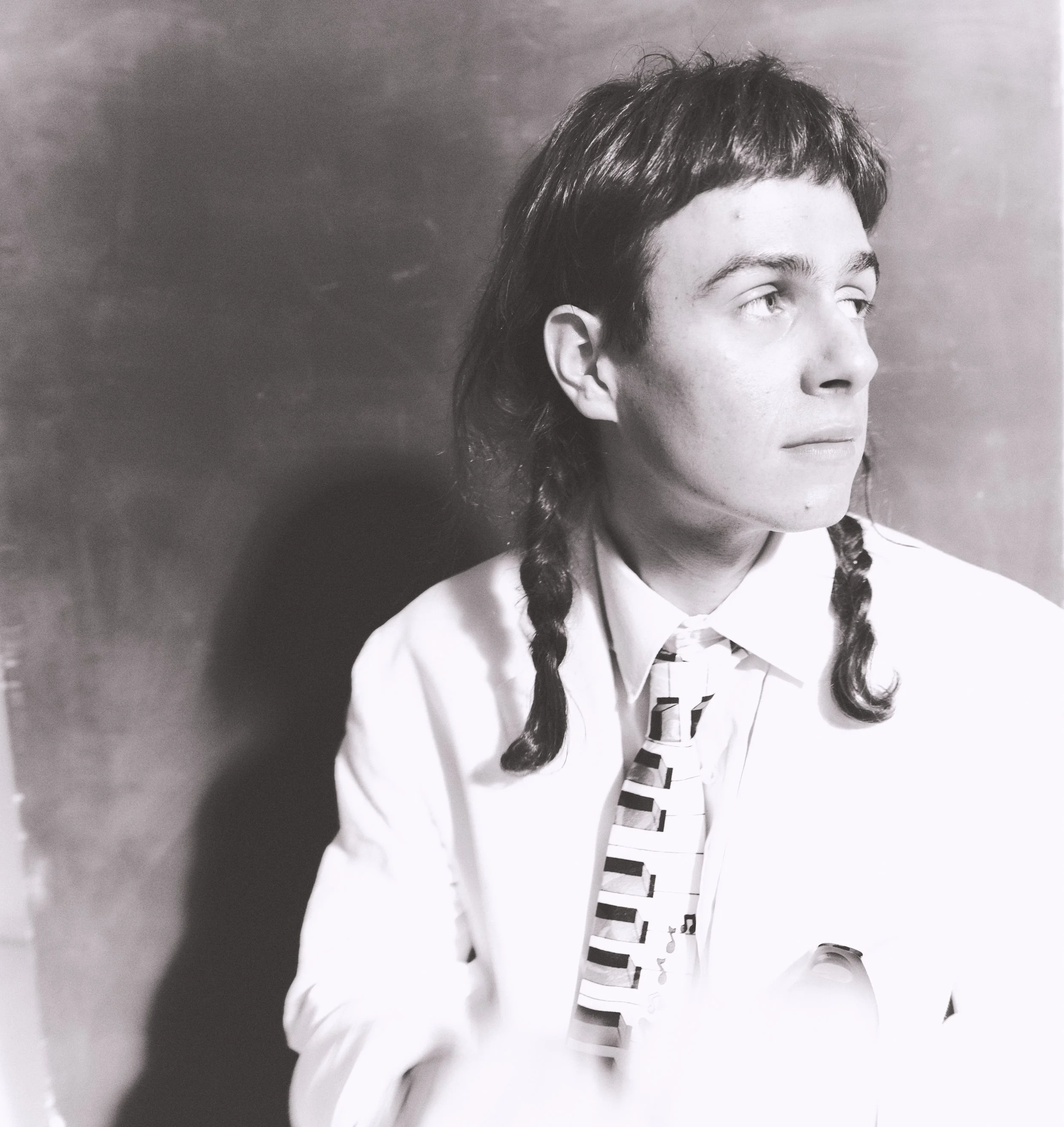
Jean (AKA ottoman.grüw), one-half of the curatorial duo behind the project, spoke with me about challenging borders in a multitude of ways. 

Simone Tissenbaum for Also Cool Mag: I read in a summary you wrote about the project that music embodied in spaces is inherently political… What does that mean specifically for Montreal Dances Across Borders?

Jean Grünewald: The project was created to remind us that [dance] music, embodied in spaces, is above all political. The idea of ‘dancing across borders’ relates specifically to this kind of music. Underground dance and techno music survives the shared cultural knowledge of marginalized groups that is ongoingly threatened by systemic oppression. The spaces where this music is played, whether it’s a warehouse or a club, allow for moments of togetherness... Moments where you can acknowledge and celebrate different realities. The hope is that this can create more empathy, solidarity and respect between different people.

Also Cool: I understand that the music itself is political, and clearly the spaces in which that music is shared become political as well. What does that mean for digital spaces? How is it the same, or different, when we’re talking about this type of music being experienced in a digital sphere?

Jean Grünewald: There’s a paradox in the way that digital releases are connecting but also fragmenting. If there was a pandemic in an era without digital networks, there would have been no compilation at all. This is certainly connected to the idea of borders, dancing across borders, getting rid of the borders… It’s something that digital methods do.

AC: I’m curious then, not to be harsh on the digital realm, but to consider what might be lost inside of it. Obviously there is a connecting factor, but what is being lost right now in a world where live music and shows and events are harder to come by?

JG: With less [in-person] events, I’m wondering how much our feelings of togetherness and empathy are fed. Because when you’re going to a show, whatever it may be, you have people close to you. If they’re reacting in a certain way... you hear that, you see that. Even though you’ve never seen these people before, spoken to them, and may never see them again, there is a connection that is made. You’re testifying the existence of those other people at this specific moment, while you’re also testifying of your own existence.

AC: Is this project designed to address the lack of connectedness you think we’re collectively experiencing?

JG: Maybe [this compilation] is not a whole solution, but it’s an attempt at remedying the situation. In the same way that it’s directly connecting the artists involved, it’s indirectly connecting the people that are listening to the compilation, with listening to the album acting as a shared experience. 

- - -

With such thoughtful and politically-engaged creation and curation, you can expect nothing less than a moving piece of work, both physically and emotionally.  

The project is available on Bandcamp in a PWYC format with all proceeds being directed to Solidarity Across Borders. 

Montreal Dances Across Borders

Instagram | Soundcloud


Simone Tissenbaum is a Montreal-based dancer, educator, and writer. 

Instagram


Related Articles


Bon Enfant Tempts the Revival of Disco Counterculture with Second Album “Diorama” (Duprince)

 
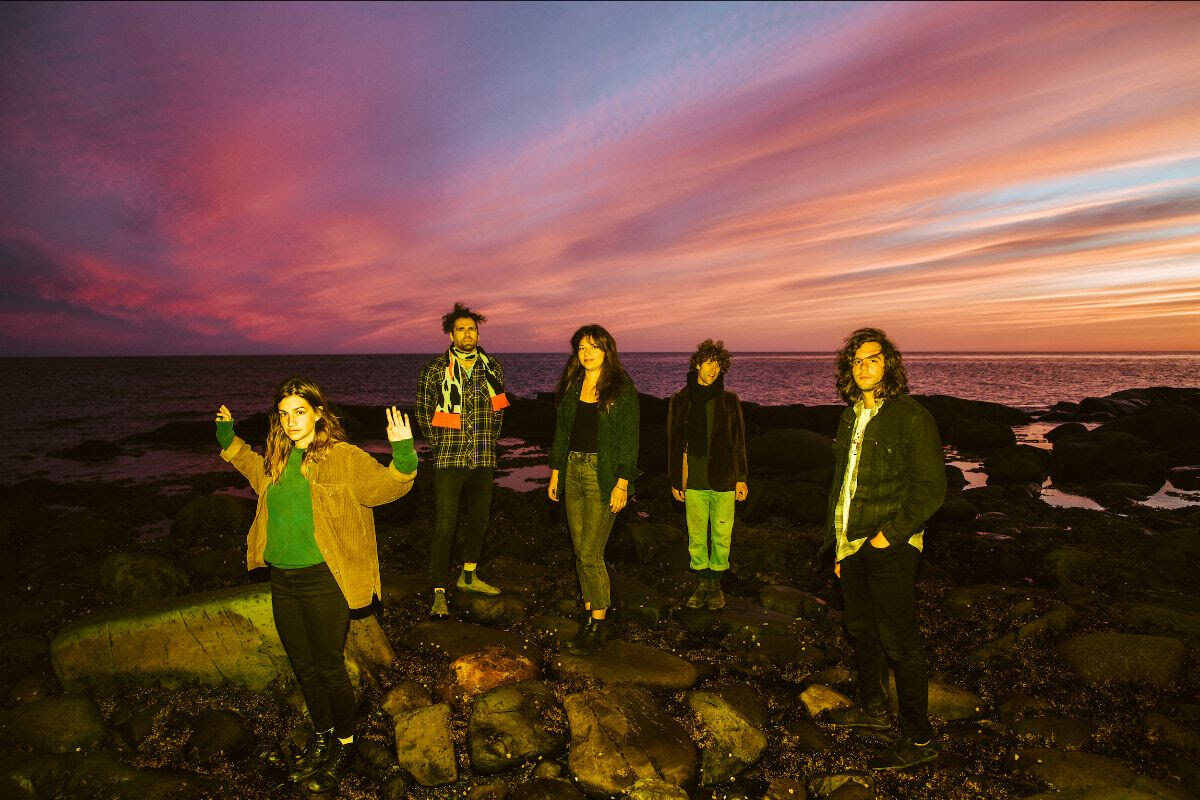
Daphné Brissette, Guillaume Chiasson, Étienne Côté, Mélissa Fortin and Alex Burger of Bon Enfant. Photo courtesy of Camille Gladu-Drouin

Daphné Brissette, Guillaume Chiasson, Étienne Côté, Mélissa Fortin and Alex Burger of Bon Enfant. Photo courtesy of Camille Gladu-Drouin

Close your eyes and imagine a cosmic collision of Andy Warhol’s “Exploding Plastic Inevitable” with a 1980s coming-of-age film – except auditory.

Hold onto your seat and pull on your go-go-boots, Bon Enfant’s second album Diorama is going to transport you through time. Released on Montréal’s own Duprince, the album dazzles thanks to the sophisticated yet swirling psychedelic troupe of Daphné Brissette, Guillaume Chiasson, Étienne Côté, Mélissa Fortin and Alex Burger. The spacey yet visceral album comes after two of its tracks “Ciel Bleu” and “Astronaute Amateur” were released as singles earlier this year.

Bright keyboard harmonies fuse with steady basslines and ABBA-esque vocals in Diorama’s 11 tracks— with tracks like “Cinéma”, we are even confronted with a brief brush of slide guitar. The album is a pot-pourri of ambiance and eclectic grooves; Bon Enfant has transformed disco into high art.

To the creatives desiring solid vocal harmonies and impressionistic arrangements: we have found an album to stimulate your imagination. Whether it be creativity or Québ discothèque culture, Diorama is sure to revive flames that have been lost. Also Cool recently caught up with Bon Enfant to discuss the social forces which directed their songwriting, moodboards, and simulated realities.

Album art via Duprince

Album art via Duprince

CJ Sommerfeld for Also Cool Mag: Hello there, thank you so much for taking the time to speak with Also Cool about Bon Enfant's new album! I am ecstatic about Diorama and would love to hear more about how it came to be.

I have read numerous genres attached to the band—retro pop, Québec pop, and pseudo glam rock are just a few. If you could create a new, original genre to label Bon Enfant's new album, what would it be?

Guillaume and Daphné of Bon Enfant: That’s a good question, because we don’t necessarily try to build a homogeneous aesthetic or genre throughout our albums. We instead embrace different directions for the arrangements depending on the song’s vibe. We love to blend different eras of music and incorporate anachronism in our songs. What creates a whole in our albums is our songwriting and our distinctive way of singing and playing instruments, instead of the genres or arrangements. So, maybe “post-chanson”, because usually, chanson française is a big deal in Québec – we often talk more about the words instead of the melodies. With Bon Enfant, we apprehend songwriting in a more English way in the sense of putting the melody first and words after. It may be the reason why we often sell albums outside Québec.

Also Cool: The band's first album only just came out in November 2019, did all the members know one another previously? Or did your relationships begin when the first album was coming to be? How did everyone in the band meet?

Bon Enfant: The project really started with us, Guillaume and Daphné. We wrote a couple of songs and then Étienne and Mélissa joined us – both were playing with Daphné’s other band Canaille. Alex was the one who we vaguely knew before the band and who we really discovered [through] doing shows together. But really, even if we knew each other a little bit before, the relationship grew while touring. Even when we listen to the first album now, we can hear we didn’t have the chemistry we have now. It’s probably what makes our new album so much better, in our opinion – the vibe in the studio was insane because of the friendship we developed.

AC: The sounds heard on Diorama undeniably allude to those from the 70s and 80s – what albums were the band's greatest influences?

BE: Oh, that’s a tough one! We listen to a lot of different music – for this album, we listened to a lot of Vangelis, Abba, Heart and T. rex. To name a few: Abba’s Arrival; Vangelis’ Spiral; The Kinks’ Lola Versus Powerman and the Moneygoround, Part One; Hawkwind’s In Search of Space, Jean-Pierre Ferland’s Jaune,  and Louise Forestier’s La douce emma.

AC: If you had to choose one era over the over—70s or 80s, according to the time's sounds and aesthetic, which would it be?

BE: We would probably choose the 70s for the music, but also because it was a very optimistic and creative period for Quebec’s artists. The 80s was a darker and cynical period here with the post-referendum years.

AC: If Diorama could be represented with different images and objects on a moodboard, what would the mood board be comprised of?

BE: There would be: 

  • a spaceship, the kind we can see in Jodorowsky’s Dune documentary, 

  • an apple tree with cider dripping from the leaves, with our producer Emmanuel filling his glass out of the tree, 

  • a magic wand, 

  • a disco ball, 

  • two Wall Street traders shaking hands after doing a great transaction, 

  • Gene Simmons’ tongue on a table, 

  • a room-size synthesizer, 

  • and a Marshall full stack.

Daphné Brissette, Guillaume Chiasson, Étienne Côté, Mélissa Fortin and Alex Burger of Bon Enfant. Photo courtesy of Camille Gladu-Drouin

Daphné Brissette, Guillaume Chiasson, Étienne Côté, Mélissa Fortin and Alex Burger of Bon Enfant. Photo courtesy of Camille Gladu-Drouin

AC: Speaking of representations, how did the album's name Diorama come to be? I remember making dioramas in school when I was younger, and am so curious about what this word represents to Bon Enfant.

BE: The word came out when we wrote the lyrics of the eponymous song that talks about simulated reality. We figured out it would be a great album name as the creation happened in confinement. The two of us, Guillaume and Daphné, had to build ourselves a little world inside our apartment to inspire us. It seems also that we’re always looking at things through a glass, a screen or a window – everything reminded us of dioramas. 

AC: A certain magic emerges when music is accompanied with visuals. The video for “Ciel Bleu” reminisces on the aesthetic of the uncomplicated, predated-MTV-music video; the flashes of Olan Mills-esque portraits also contribute to this time-traveling effect.

Are there any other components of music videography from the past that you are hoping to be revived in Diorama's next videos?

BE: We want to explore other eras in our next videos, so bye bye 70s. We are thinking about doing a David Cronenberg-inspired music video with an uncanny vibe, and maybe bio-tech... we’ll see. (laughs)

AC: Living on the west coast of Canada, I have always been jealous of the animate music scene further east. I noticed that Bon Enfant's next tour is constrained to Québec, does the band have future plans of visiting other parts of Canada, notably Vancouver? We would love to have you here!

BE: We sure want to tour all of Canada, [we have] nothing planned farther west than Ontario but spread the word around and we might do the trip!


DIORAMA

Released on October 1st, 2021 via Duprince

a2816656212_10.jpeg
  1. Astronaute amateur

  2. Cinema

  3. Ciel bleu

  4. Porcelaine

  5. Pâte à biscuit

  6. Triangle

  7. L'amour à sens unique

  8. Chagrin d'amour

  9. Diorama

  10. Grandiose

  11. Vent doux

Produced by Emmanuel Éthier

All rights reserved Duprince, 2021

Two album release shows are also on the horizon, October 21 at the Fairmount Theatre in Montreal and October 23 at the Pantoum in Quebec City. We’ll see you there!


Bon Enfant

Website | Instagram | Facebook | Bandcamp

CJ Sommerfeld (she/her) is a Vancouver-based freelance writer with a particular interest in the convergence of art and society. When she is not writing, you can find her experimenting with harmonic minor progressions on her keyboard.


Related Articles
 

Marilyne Lacombe (Mothland, Taverne Tour, DISTORSION, FME) Talks Music Industry Beginnings and Montreal's Alternative Music Scene


Image courtesy of Marilyne Lacombe

Live music is back with a vengeance, thanks to hardworking folks like Marilyne Lacombe. If you haven’t met Lacombe at L’Ésco already, you’ve definitely attended one of her brainchild events. For over a decade, Lacombe and her entourage have cultivated pillar projects at the core of Montreal’s alternative music scene, including Taverne Tour and DISTORSION psych-fest, as well as booking agency and indie label Mothland. We had the chance to meet Lacombe IRL at this year’s edition of FME, and catch her in action as a festival programmer and producer. Between sets, Lacombe graciously took the time to chat with us about her career beginnings, starting a label during a pandemic and her must-have essentials for any festival go-er. Check out our conversation with Lacombe below! 

Zoë Argiropulos-Hunter for Also Cool: Hi Marilyne! Thanks so much for chatting with Also Cool. To start, you've been around the block when it comes to the music biz. Tell us about your intro to this career path.

Marilyne Lacombe: I started to book shows in Montreal in 2008 when I was in charge of the music programming at Chez Baptiste sur Masson. Back then, the bar presented shows every week!  I had this idea of doing an alternative “St-Jean” that would celebrate the contemporary Montreal indie scene, in opposition to the nostalgia medley traditionally presented at Parc Maisonneuve. Then, “L’Autre St-Jean” was born. It created a whole media and political circus, as we were criticized for adding anglophone bands to the lineup. In the end, it really helped put the event on the map, and during the course of  five editions, we had close to 10,000 visitors coming every year at Parc du Pelican in Rosemont. We sadly had to end it because of the lack of funding; we were honestly taking huge financial risks for a one-day event.

A couple years later, I founded a multi-venue festival called Taverne Tour with my partner from “feu” L’Autre St-Jean, Pierre Thibault. Initially, it was just about creating a fun festival in the middle of winter that doesn’t take itself too seriously and trying to cure that January depression, all the while supporting small local businesses. The response was so great that it quickly became a staple in Montreal’s festival circuit. Over the years, we’ve presented some of my favorite bands, including: Deerhoof, METZ, A Place To Bury Strangers, Föllakzoid and Guerilla Toss, just to name a few.  

Image via Taverne Tour

Also Cool: When did Mothland come into the mix?

Marilyne Lacombe: Around the time of Tavern Tour, I joined some like-minded people —gravitating around L’Esco— and together we founded DISTORSION. We wanted to present a well-organized, independent, underground psych festival with modern and diversified art direction.  We quickly gathered a community around the festival and eventually, we decided to start Mothland to help further the bands that we were working with, as no other booking agency would work with them.  Back then, I was pretty adamant of not transforming this into a label… But when COVID-19 hit the music industry, we weren’t all that keen on organizing livestream events, as we felt they would not really connect with our audience… So. starting a label was a great way to move forward with our mission.  I’m not sure how we got here so quickly, but we’re currently working on our 17th release!

Image via Mothland

Also Cool: That’s amazing! Segwaying off of that, let’s talk about this year’s edition of FME, which was a long-awaited return to live music. Seeing as music festivals are certainly you're thing; what makes FME stand-out and what was your involvement with the festival? 

Marilyne Lacombe: I started programming for FME four years ago. At the time, I would book a handful of weirdo and wild card bands on the lineup. As of 2020, I've been directing the programming with the support of my Mothland colleagues. Since the festival is mainly focusing on new acts and music discoveries, we have almost infinite artistic leeway and are able to put forth cutting edge programming. The festival has been running for almost 20 years now and over the time, has built a solid and trustful relationship with the artistic community across Europe and North America. It’s truly an honour to take on curation duties for such a great event!

I think there is something very magical about FME. Doing the annual 8-hour pilgrimage to a remote mining town, up in northern Quebec, for 4 days of music, is always a highlight of the year. If you compare it to similar festivals in Montreal, I feel like there are so many other distractions. During FME, people really have one thing to focus on; going to concerts to discover new music. There is also something exciting about bringing international acts and inviting them to this northern region of Quebec, as they would never end up there otherwise. I also love that the local community is deeply involved in the festival, making it a communal event where everybody chips in! 

Image via FME

 AC: What was it like programming the festival this year and what acts were your favourite?

ML: There is something really weird and exciting about programming a festival in COVID times. Usually, you’d see pretty much all the bands live before booking them. This year, we programmed many artists that we’d never seen live!  Though it was a bit risky, I was really pleased with taking the leap overall. I loved seeing Toronto’s kulintang ensemble, Pantayo, for the first time; ‘’mockasin-gaze’’ outfit Zoon; Quebec-Atikamekw grungy indie-folk artist Laura Niquay; Jangle-pop duo Ducks Ltd.; and canadian shoegaze veteran No Joy.


AC: What are your music festival essentials that you can't live without during festival season? 

ML: Well, since we’re talking about FME here, I could not survive without my fall clothing essentials: a lot of sweaters, jackets, mittens, hats, and scarves! Fortunately this year wasn’t too bad, but I always come prepared because it has literally snowed during FME weekends in the past.

Other than that, I always have an iconic Taverne Tour flask in my bag, which also helps with the cold weather!


AC: In closing, are there any other current projects that you're working on that you'd like to shout out? 

ML: Definitely check out Mothland’s upcoming releases! I can’t tell you too much about them, but we really have some badass releases coming down the pipeline! Also, we’re preparing for the return of live music events in Montreal… Stay tuned! 

Taverne Tour

Website | Facebook | Instagram


DISTORSION

Website | Facebook | Instagram

Mothland

Website I Facebook I Instagram

FME

Website | Facebook | Instagram

Zoë Argiropulos-Hunter (she/her) is the co-founder and managing editor of Also Cool Mag. Aside from the mag, she is a music promoter & booker, and a radio host & DJ.


Related Articles
 

Sometimes Alienating, But Always Fascinating: Suuns' Joe Yarmush Reflects on New Album "The Witness" (Secret City Records)


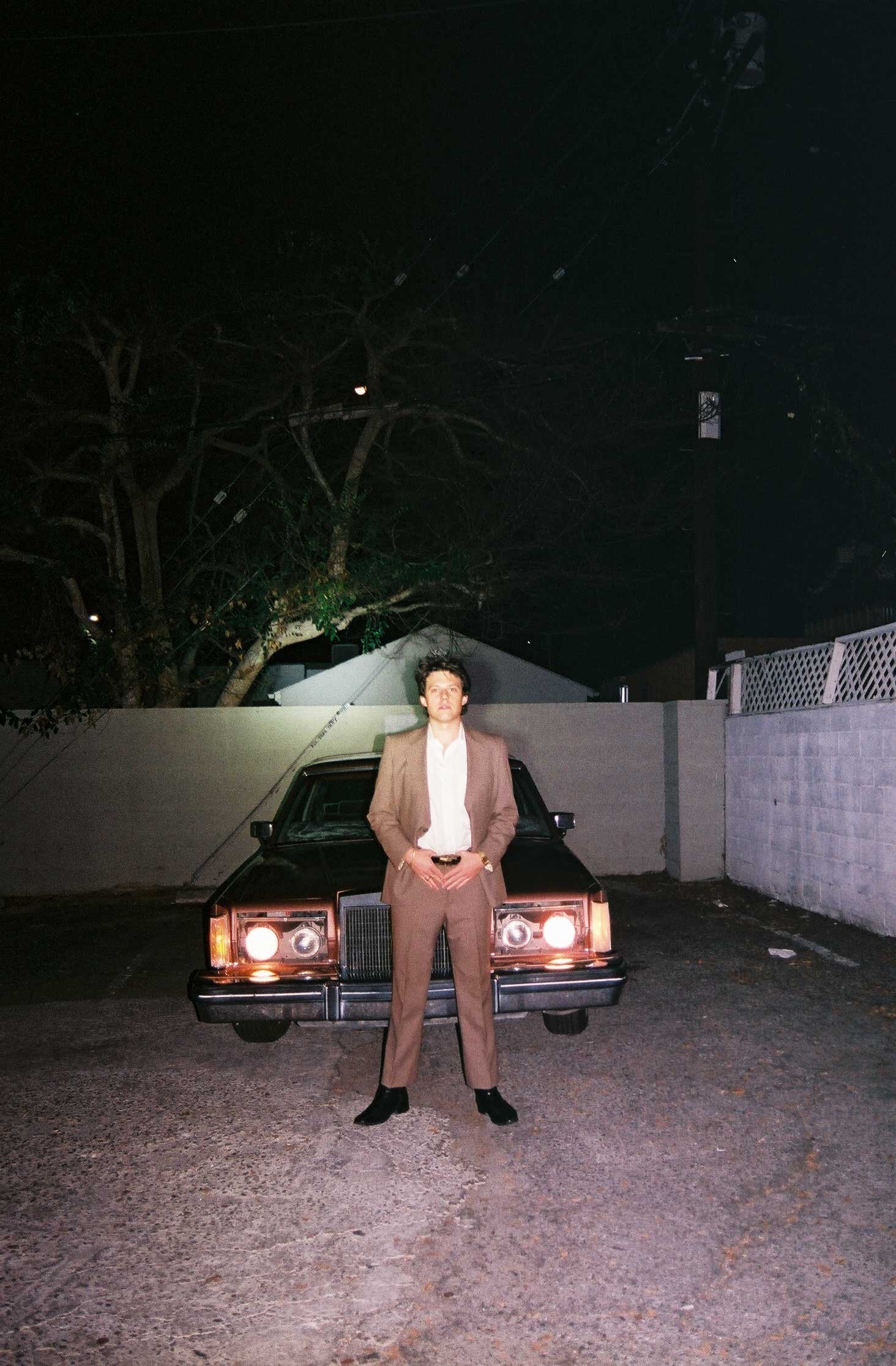
Suuns, shot by Will-Lew May

Montreal’s Suuns opened their first show in nearly two years at l’Impérial Bell in Quebec City, a setting which guitarist Joe Yarmush describes as “an old-timey nightclub, where a crooner would play.” Yarmush highlighted the experience as something the avant-garde trio isn’t used to, but went on to liken it to riding a bike: “It’s weird at first, but it’s also very familiar on a lot of levels,” he says. “And it’s more familiar than I would have thought.”

The band’s ongoing tour supports their newest offering The Witness, which was released on September 3rd, 2021. The LP’s 38-minute runtime opens and closes with the sounds of swarming cicadas, and contains elements of dark techno, contemplative multi-interpretive lyricism and colourful synthesizers all-throughout. The result is something that is sometimes alienating, but always fascinating.

During our phone call, Yarmush clarified the meaning of their album’s title, explaining that their music focuses much more on the act of witnessing in and of itself, rather than witnessing any specific thing or event.

“Now, in our civilization and society, we witness stuff that even 50 years ago we wouldn’t have seen,” Yarmush says. “When anything happens in the world, we see it immediately. Everything’s filmed, everything is being shown… How do we choose to react to things in these circumstances? Do we lose our capability to react to things that would have been appalling to us a mere few decades ago?” Yarmush and fellow Suuns members are echoing a sentiment that is all too prevalent in the 21st century: That we are becoming desensitized to the world and losing interest in major global events as soon as the next shocking headline pops-up on our newsfeed.

Exploring themes of desensitization is not new for Suuns, who have been channeling existential philosophy through free-form rock compositions since their formation in 2007. Still, Yarmush believes that “there’s something pointedly different about The Witness,” saying that all three band members could sense this difference from the moment it was being recorded to the time of its September release. 

Yarmush and company are not the only ones picking up on this shift. Pitchfork describes The Witness as the band’s “most cohesive album yet,” and Cult MTL praises the album’s “fresh, offbeat sound and poetic insight.” This might be attributed to the band feeding into a desire to explore; which becomes more restless with each new year.

When asked to what extent the genre of science fiction informs their work, Yarmush explains: “While it might not necessarily be dystopian, the concept of the future is definitely a recurring theme in a lot of our music.” In a purely musical sense, Yarmush describes his band as constantly trying to propel themselves towards the future, doing something new and unimaginable each time they enter the studio for a recording session. “We never do throwbacks or purposely try to recreate a genre in a new way, even though we might put older, more traditional elements into our music from time to time.”

“In many ways [Suuns] has stayed the same, but we’ve also evolved drastically,” says Yarmush, reflecting on how the band has developed over time. “We were four members for twelve years, with very distinct musical voices. We really felt the change after Max Henry, our former bassist, left… and the band has certainly been heading in a new direction.” Yarmush fondly recalls forming the band with vocalist Ben Shemie in his mid-20s, saying: “It’s crazy to believe that I’m now in my 40s… I feel like Suuns is only starting out now in a lot of ways, even though that’s not the case, and we are very different from when we first started out.” He elaborates by saying that when he listens to their 2016 album Hold/Still, he feels as though he is observing a previous version of the band from a distance. “There are distinct contrasts between the band that made that album, and the band that just released The Witness,” he says.

For Yarmush, the process of creating, recording and subsequently performing music can be best described as a spiritual experience. When asked about whether he feels more validation during the creation or the performance of his music, he replies: “The two feed off of each other,” and are thus inseparable. “Both can speak volumes regarding an individual or a group’s musical legacy,” he adds. “Records will live on longer than performances, but there’s something really cool about playing a show. Because as soon as it ends, it just disappears.”

Suuns, shot by Will-Lew May

Suuns, shot by Will-Lew May

Suuns has existed for more than a decade now, blending experimentation with indie-rock, and method with madness. There is a thread which weaves through the experimental post-rock chaos of their works, and though The Witness marks their fifth studio album, the band shows no signs of slowing down any time soon. “People are starting to get us more,” says Yarmush. “And we’re starting to get us more. On our latest album, we’ve begun to understand something about our band, which was always elusive before. I think people are reacting positively to that.”

Luckily for Suuns listeners in Quebec and Europe, the band will be spending the next two months touring across the globe. They will be ending the French-Canadian portion of their tour later this week in Gatineau, and will proceed to spend October and November visiting Belgium, the Netherlands, the United Kingdom and beyond. For more information on tour dates, visit their website.


Suuns

Website | Instagram | Facebook | Spotify

Spencer Nafekh is a tireless reader, writer, editor, and advocate for the written word. With an undergraduate degree in Concordia's English and Creative Writing program imminent, he plans to pursue a Master's specialization in journalism so that he can fully realize his career path. When Spencer is not working away, he is probably listening to experimental music while lost in the world of a science fiction novel.

Instagram


Related Articles
 

Brother. Finds Love Through the Nostalgic Haze of “Goodnight Girl” (Handwritten Records)

 
Single art via Handwritten Records

Single art via Handwritten Records

Maybe this fall’s got you cozied up under flannel covers with the one you love. Maybe you’re ruminating on how distance from family and friends makes the heart grow fonder. Whoever we love, however we love, we love nonetheless – it feels so good to show it.

That’s the guiding philosophy of “Goodnight Girl”, the latest single from Brother. out now on Handwritten Records. These Utah indie-dreamers have built a reputation for their charismatic sound, and “Goodnight Girl” is no exception. Brother. continues to make their mark with this nostalgic soundscape, featuring classic pop synths and a crying lead guitar that complements the lyrical adoration.

Band member Chuck Emery penned and produced this track as an encapsulation of the bond that he and his wife share. “I wanted this song to not only be for my wife, but for everyone in love or in the process of searching for it,” he shares. “Love comes in many shapes and forms, but when you feel it you know it’s love. I hope everyone finds that person who they never have to say goodbye to.” We’re not crying, you’re crying.

Inspired by the sincere vulnerability of “Goodnight Girl”, we caught up with Brother. to chat more about the comfort of love – and a good sandwich.

Rebecca L. Judd for Also Cool Mag: Hey Brother.! Thanks so much for taking the time to chat with me today. Tell our readers a bit more about your band, and how you all came together.

Chuck Emery of Brother.: Thank you! We are an indie alt band based out of Salt Lake City, Utah. We have been playing together for the last 5 years. Brother. originally started as a solo indie folk project but has evolved since then to become more full-band. Myself, Erika and Nathan basically all started together at the beginning, Scott joined in late 2018, and Elias has been with us for the last year or so.


Also Cool: Your latest track 'Goodnight Girl' is a warm, romantic tribute to other-halves and the light that they bring into our lives. Its hazy earnestness feels very comforting – perfect vibes for the end-of-summer. Chuck, take us through the process of penning this track for your wife. 

Brother.: I originally wrote the guitar chords using a chorus pedal stack. The stack of chorus pedals gave it this really warm, 90s-esque-feeling guitar that felt new and nostalgic at the same time. I added the instrumentation to accent this guitar and make it shine. 

I wanted the lyrics to not only be about my wife but to stay general enough for everyone with that special someone, or someone looking for that special someone. I feel like most love songs rely heavily on the physical attributes of someone. I wanted to steer away from this and highlight the things my wife does for me that keep me healthy and happy.

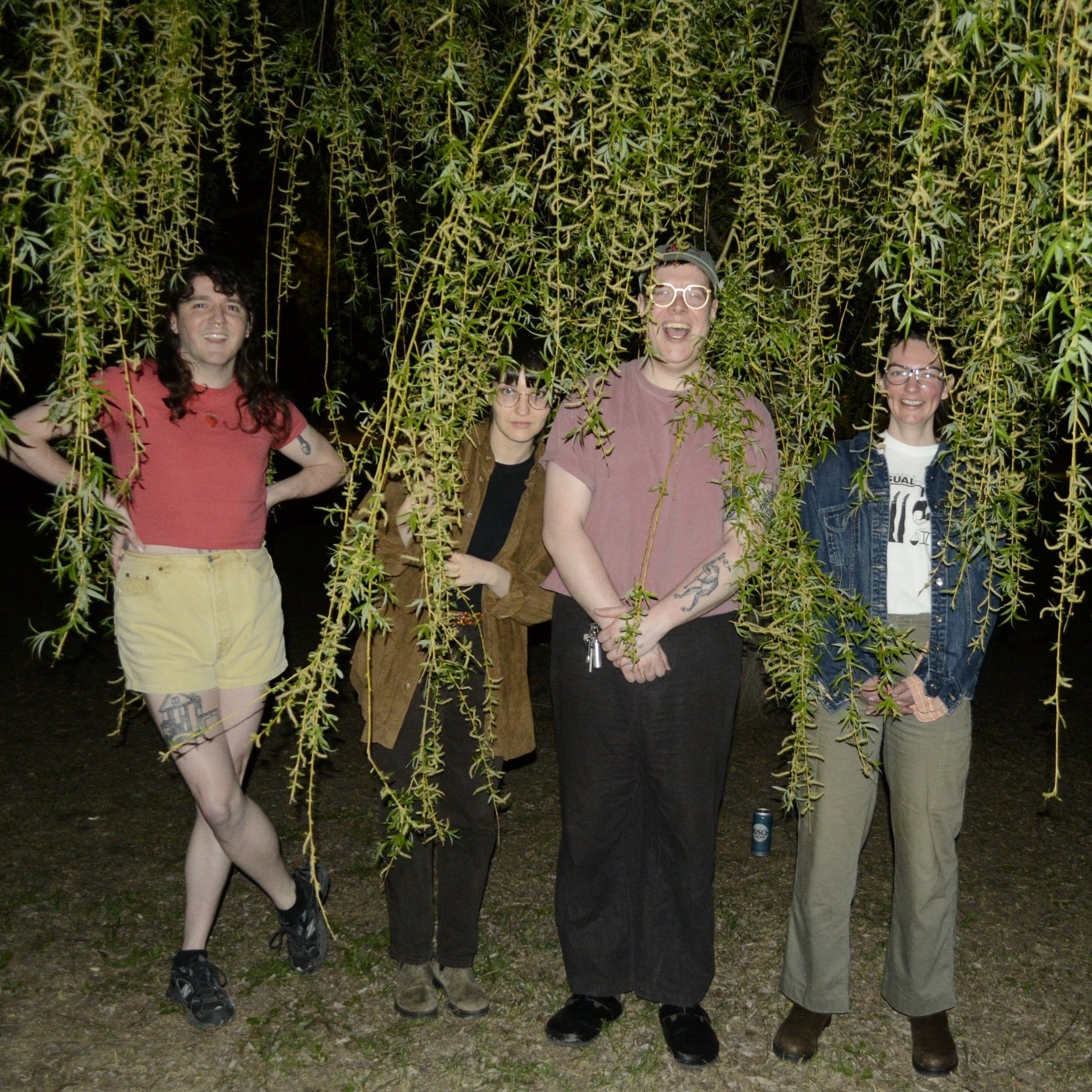
Chuck Emery, Nathan Standage, Erika Goodwin, Scott Knutson and Elias Pratt of Brother. Photo courtesy of Savannah Mckenzie

Chuck Emery, Nathan Standage, Erika Goodwin, Scott Knutson and Elias Pratt of Brother. Photo courtesy of Savannah Mckenzie

AC: The 'Goodnight Girl' music video is out now, and it perfectly accompanies the tender emotions of the track. Can you explain the creative vision behind this video, and what it was like to watch it all come together?

B: The music video was a fun one to be a part of! We wanted the song and video to resonate with others who are in love, or in the process of searching for it. We featured local talent from the LGBTQ community and wanted to portray a love that felt comfortable to someone as a person. The vintage, hazy look pairs perfectly with the vintage, 90s-sound guitar – again giving that feeling of nostalgia and something fresh and new.

AC: Fresh off the release of 'Goodnight Girl', you folks are spending September touring the West Coast. How does it feel to be back on the road? Which parts of touring did you miss the most?

B: It feels awesome! All the shows we have played so far have been amazing. It has been so great connecting with people from different cities who enjoy our music. Some parts that we’ve missed are just heading to different cities and trying different local foods. Collectively, we all love sandwiches. We try our best to hit up the best local sandwich places in the cities we travel to.


AC: 'Goodnight Girl' is described as Brother.'s first official love song – hopefully it's not the last. Which direction are you all hoping to take Brother.'s music in next? What can we expect from you folks towards the end of 2021?

B: Hopefully it is not the last! We have a brand-new album coming out October 15th through Handwritten Records. It is something we’ve put a lot of heart into and are excited to get it out into the world. We have released about half of the songs on the album as singles, but will have 5 new songs with the release. Excited to show the world what we have been working on, and hope to do more touring after the release!

Watch “Goodnight Girl” below!

Brother.

Instagram | Facebook | Twitter | YouTube

Spotify | Apple Music | Soundcloud

Rebecca L. Judd (she/they) is the features editor of Also Cool Mag. She writes and creates out of her studio apartment in Ottawa, kept company by vivid dreams and a cuddly grey kitty named Dora.


Related Articles
 

Meggie Lennon's Debut LP "Sounds from Your Lips" is a Psychedelic Dream Pop Wonderland

 
Album art via M

Album art via Mothland

Are you in need of a 60s-inspired psychedelic soundtrack for your cottagecore botanical gardens date? Yeah, we thought so. 

Meggie Lennon's self-described "make-out-dream-pop" album “Sounds from Your Lips” is the perfect mélange of shimmering psychedelia and sensual chamber indie-pop. Released on one of our favourite local labels, Mothland, the record was produced by Samuel Gemme (Corridor, Anemone, The Brooks). It features the guitar-playing of The Besnard Lakes and Elephant Stones' Gabriel Lambert and additional contributions from her longtime friend and collaborator, Jules Henry (Super Plage). 

If you're a fan of Weyes Blood, Charlotte Gainsbourg, or Melody's Echo Chamber, we can guarantee you'll fall in love with Meggie. We got to know a bit more about the singer's world over email, and after meeting IRL at FME earlier this month, we can guarantee that the singer radiates as much sunshine and kindness in person as she does on her record.

Dive into Meggie's world below

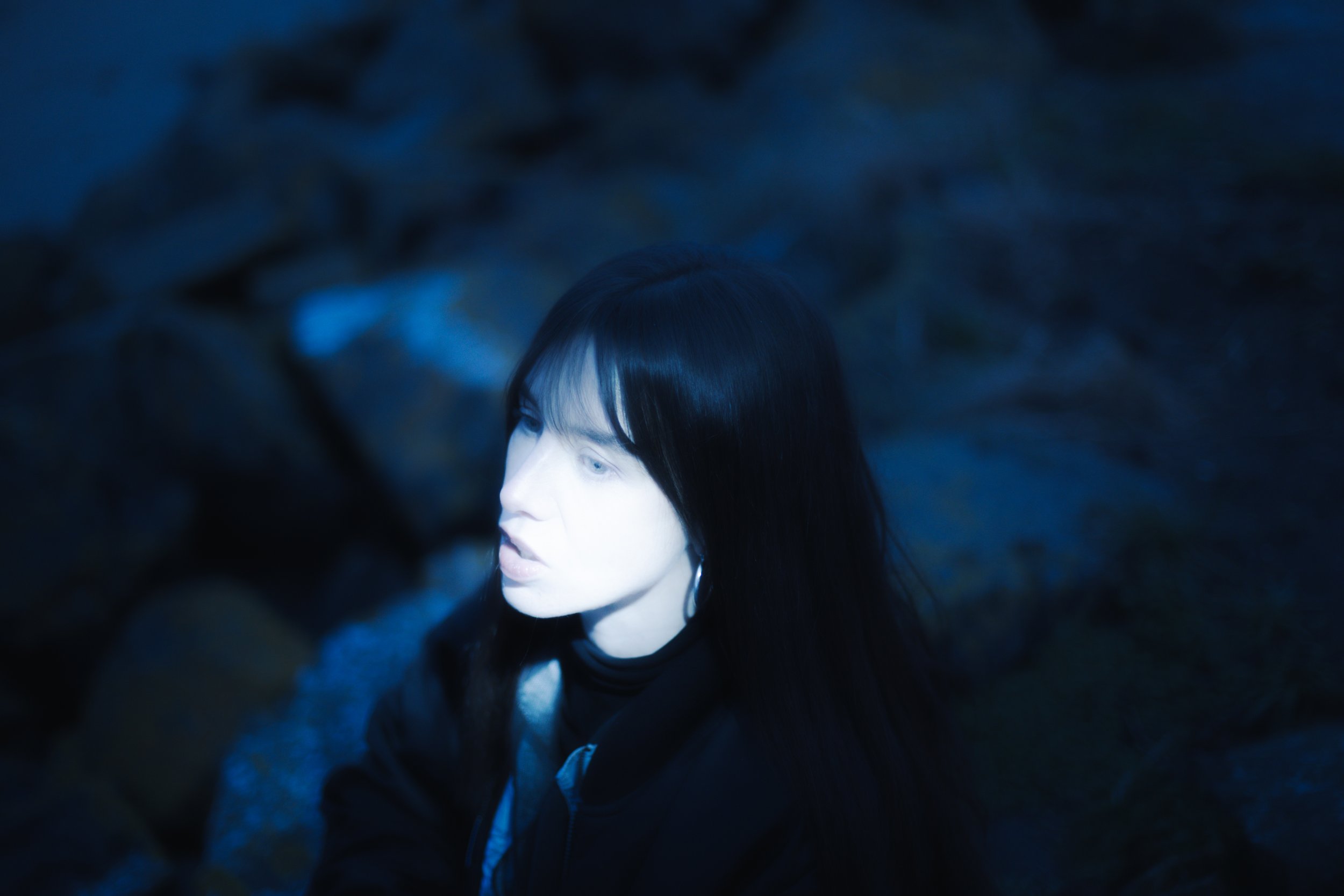
Meggie Lennon by Mélissa Gamache

Meggie Lennon by Mélissa Gamache

Also Cool Mag: From the mellow sparkle of 'Night Shift' to the unapologetic seduction of 'Long Time,' this album is wrapped up in a sense of pleasure and hedonism. How did this thematic inspiration come to the surface, and what does it mean to you to create with indulgence? 

Meggie Lennon: I am very easy to please. Simple pleasures are the best, from a nice warm espresso to a gentle kiss on the neck. My songs are inspired by my own life. I like to have fun, eat well, and listen to vinyl. I am very fortunate to have the life I have and am very thankful.

AC: This album is the perfect fit for the heat of summer's haze, timing brilliantly with a reopening world and further avenues for exploration. If you could describe the perfect scene meant to be soundtracked by Sounds From Your Lips, what would it be? 

Meggie: It would be in a natural setting, where a couple would lay in the green grass and kiss passionately under the warm sun. Water would be nearby, ready to welcome these warm bodies in love.

AC: The music video for 'Night Shift' is such a dream, balancing kaleidoscopic sensations with coyness and intimacy. Tell us more about the process of creating this video. 

M: I am lucky enough to be surrounded by really creative friends. I had jotted down all my ideas and showed them to my friend Marielle Normandin Pageau. She really dug it and called her other friend Samuel to operate the cameras. We shot everything in two days. Four locations were needed: a parking lot, a lake, a bathtub and my basement. It was a lot of fun but was quite intense since it was in October and the water was crazy cold. Marielle is a real magician when it comes to editing. She really succeeded in conveying the psychedelic feel we wanted through her shot selections and image superpositions.

Meggie Lennon - Photo de presse 1 par Mélissa Gamache.jpg

Meggie Lennon by Mélissa Gamache

AC: How do you nurture yourself creatively and inspire artistic reflection? 

M: As I said, what I see around me and do every day inspires me greatly: a walk in the park, a feeling of depression or happiness, my flowers and plants growing, a crazy bar hopping adventure with my friends, a live show, anything. I like to keep it simple and straightforward. I am not a poet though I enjoy poetry. Leonard Cohen is amongst those I enjoy. And the music, always more music, passionate musicians like Weyes Blood and Kevin Parker greatly influence my writing.

Catch Meggie Lennon live at POP Montreal & DISTORSION’s showcase with Hot Garbage and ALIAS on September 25th! RSVP on Facebook

Meggie Lennon

Facebook | Instagram | YouTube

Rebecca L. Judd (she/they) is the features editor of Also Cool Mag. She writes and creates out of a studio apartment in Ottawa, kept company by vivid dreams and a cuddly grey kitty named Dora.


Related Articles
 

"Surrounded" - Motorists' Jangle Punk LP Explores Isolation, Community & DIY Spirit (We Are Time/Bobo Integral/Debt Offensive)

 
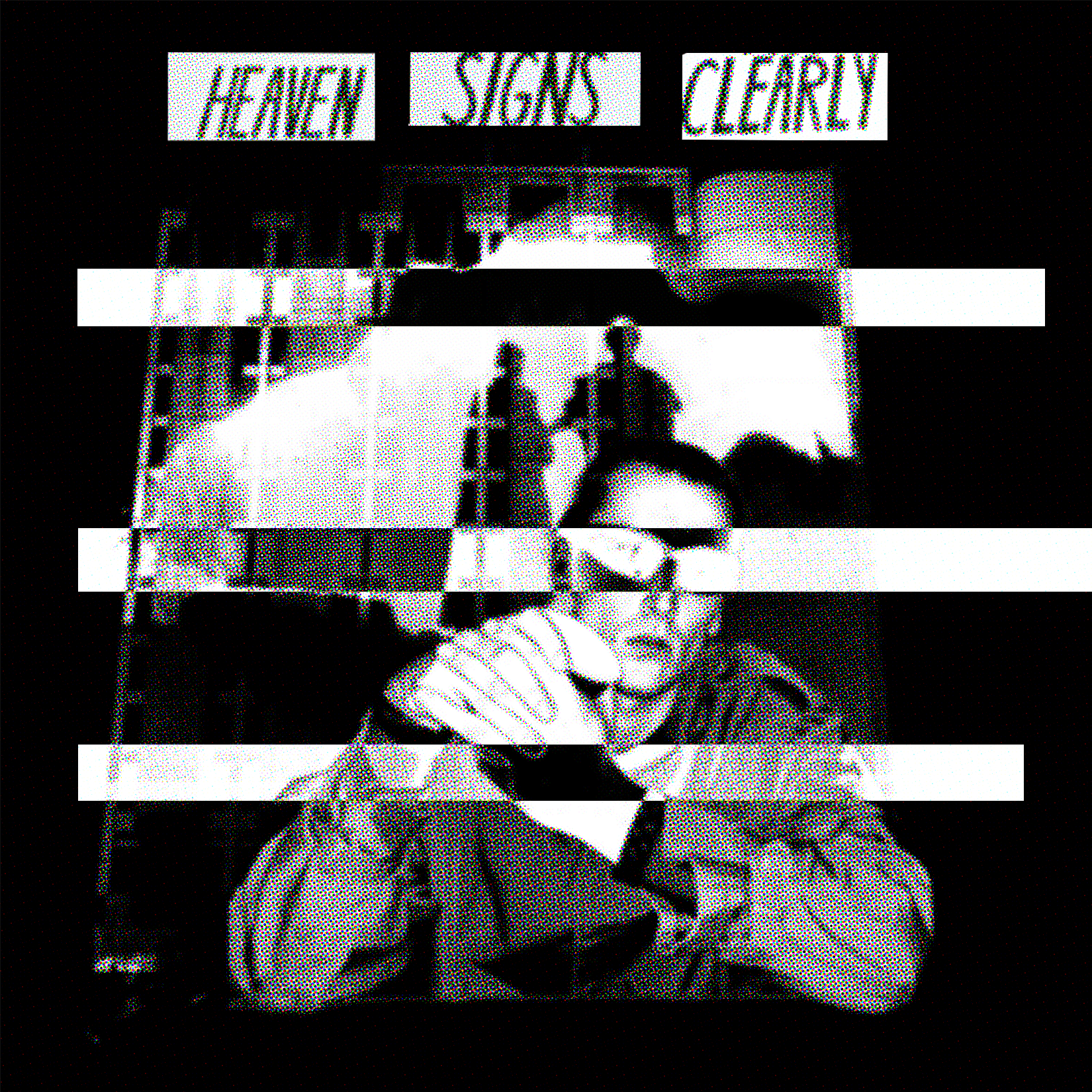
Surrounded by Motorists album art

Surrounded by Motorists album art

Standing at the back of the show, holding your beer close, you're wondering if anyone is going to talk to you or if you'll have the courage to talk to that cool person that keeps walking by. This is the oddly specific yet nostalgic feeling that emerges while listening to Motorists' debut LP "Surrounded."

Comparable to various eras of punk, jangle rock, and mid-2000s Canadian indie rock, Motorists express their struggles with isolation by pairing a post-punk vocal tone with optimistic and upbeat melodies. The trio Craig Fahner, Jesse Locke, and Matt Learoyd have played music together since their early days in the Calgary DIY scene. They've since gone on to work together on various projects, including Chandra Oppenheim's release of her 1980s album EP Transportation.

Throughout their many years playing, touring, and community-organizing together, Motorists have maintained their values and ability to be vulnerable with each other, and through their music. We spoke with the band about all this and more a few months back, leaving us feeling cautiously optimistic for the future of DIY Canadian music scenes. 

Malaika Astorga for Also Cool: Tell us a bit about the band and who you are as people.

Jesse: My name is Jesse, but my DND name is Nox Arcana, inspired by a minimal wave artist who made DND-inspired music. Matt, Craig & I have been friends for a long time, have played in bands together almost ever since, and eventually formed Motorists.

Also Cool: I'm interested in hearing more about the scene you came up in and how you got into the scene.

Craig: Great question! It's particularly fitting because we've been really close friends for the past 15 years. We met each other through the DIY music scene in Calgary. I met Matt when I was 16 and Jesse shortly afterwards. For me finding the Calgary DIY music scene felt like salvation. I was living a pretty sheltered suburban existence and was really thirsty for people with shared values. 

I think it's a testament to how valuable those kinds of communities are. We've been able to maintain friendships and keep those same values together moving forward, even when we've moved to different cities. We've tried to bring those inclusive anti-commercial values to the scene in Toronto, which is ostensibly not an anti-commercial music city. It's very much where people go to make money in music.

Jesse: The last show we played before the pandemic was in the basement of a comic book shop in Toronto, where we were carving out our own little DIY scene. It was all ages, PWYC, which was really similar to many shows I went to growing up in Calgary.

Matt: I also think there was sort of a heyday in the mid-2000s. Maybe from 2007-2011, during the Weird Canada era, there really felt like there was a camaraderie across Canada of various DIY scenes having the opportunity to connect. It might have just been coincidental with us being in our early 20s at that time, but there was definitely an affinity of the Calgary DIY scene with Ottawa, Victoria, and Halifax. 

It's always felt like there's been a sharing of values and perspectives. Canada also has so few major cities, so when you did get on the road to tour, there was definitely a crew of this DIY community. Obviously, these things have shifted and changed over time. Some of these people are stars, some have dropped off, and others are keeping the spirit alive… But there's just something about keeping things DIY and grassroots and trying to resist the industry machine. 

Jesse: We're now tentatively booking release shows, and a lot of those contacts are from the Weird Canada days. Those connections that we forged back then in 2009… Just the fact that Weird Canada had a map icon and you could search by place, it helped build a DIY touring circuit across Canada and connected me to all kinds of different communities.

Photo by Michelle Lemay

Photo by Michelle Lemay

AC: In my own experience growing up in Ottawa, I would be so happy that any show at all was happening. Regardless of what show was on that night, everyone went because it was the only thing happening that night. Now, as I interview more bands, they all bring up this same sort of spirit of how making an effort in their own communities was what really brought them a long way.

That being said, it seems like friendships and community-oriented things are really important to you. What have you learned about friendship in your experience as a band and being friends with each other for such a long time?

Matt: What a nice question! I think being in a band is a special kind of intersection of relationship where you're buds, creative partners, sometimes roommates, and sometimes travel buddies. There's a lot of joy and intimacy due because you end up going through so much together. It's something you might not get from someone who you just see out on the weekends. 

There was also nothing about our friendship where we were once friends and had to cross the threshold into bandmates. That was just sort of the cauldron that we were forged in, so there was nothing more natural than being in a band together. We had all been in bands before, and together it almost felt like muscle memory. Even the songs came together really fast. There's a song on the record that came together three months after we got together. Regardless of if we're in each other's bands, lives or even in the same city, there's always been a cumulative effect of quickly being able to get on the same page creatively. 

Craig: We got to know each other by playing music together, which for me personally, shaped what it means to be in this sort of ideal friendship. And like Matt said, it's one where you have to depend on each other, be accountable, and work through problems together. 

You have this really rich constant negotiation and intimacy, which I think set a foundation for me personally of how powerful a friendship could be. It's more than just having a good time and chatting; it's creating a really rich and meaningful dialogue while being able to rely on each other. When we recorded this record, we were the only people we saw other than the people we live with. This record is sort of a product of that intimacy.

Jesse: I never would want to be like the Pixies, where everyone has their own tour bus. I think we all challenge and hold each other accountable. We raise each other to a height that we know that we can all achieve.

AC: The album carries a theme of reconnecting with people. What has that process been like for you? It feels like an awkwardness that we're all going through together.

Craig: One observation I've made is that COVID has forced us to acknowledge that we all have different boundaries and comfort levels. When re-entering the social world, I think it's a really good thing to approach it with this awareness of others and be considerate of what they need and what they're comfortable with. This is also why we haven't rushed into playing shows again; we're just waiting for what feels like is the right time to do so. 

Matt: Well, it's difficult for sure; a lot has changed as we start to reconnect again. A lot of the venues are gone, the musicians who work in the service industry are struggling, and those who used to tour all the time now have to look for alternative sources of income. We have less time for leisure activities and less time for practicing music. In the most optimistic version of the future, DIY will become a necessity because there just won't be that many places to play. 

In Toronto, we have Rehearsal Factory, where 90% of bands rehearse, but they're all being sold, which is probably 1000 rehearsal spaces gone. We got really lucky because Craig has a basement we can use, but almost everyone I know uses these spaces to rehearse. 

The barrier for entry is definitely a lot higher. I think the landscape is going to change in general. Still, I hope that it makes it so that when shows do happen, people will think of them as really valuable and won't just treat them like a party opportunity. Instead, it will make them more inclined to build community. 

Motorists

Bandcamp I Instagram

Malaika Astorga is the co-founder of Also Cool. She is a Mexican-Canadian visual artist, writer, and social media strategist currently based in Montreal.


Related Articles
 

Digital Sleepover 2 Interview: Magi Merlin, Mags, and Naïka Champaïgne on Hip-Hop Culture, Soul, RnB and more

 
240885320_890143691623618_5428228716189021148_n.png

Have you heard? We're having a sleepover, and you're invited! Digital Sleepover 2, is our latest upcoming collaboration  Hip Hop You Don't Stop and Strange Froots. On September 19th at 8pm EST we'll be livestreaming a roundtable panel disucssion from the Also Cool HQ with JU!CE, Khadijah, Faneva, and Magi Merlin, followerd by an online dance party.

As we did with our previous Digital Sleepover, we're raising funds for our communities: half of the proceeds will be donated to Maison d'Haiti to help with relief efforts in recovering from the earthquake, and half will go to sustaining the ongoing work of Also Cool (staff, web maintenance, etc.), at the very kind request of the Strange Froots crew. You can donate to the fundraiser here.

In anticipation of the event, we caught up with Mags, Naïka Champaïgne, and Magi Merlin to chat about Hip-Hop culture, different genres, and more. 

Mags & Naïka Champaïgne of Strange Froots

Mags & Naïka Champaïgne of Strange Froots

Malaika Astorga for Also Cool: Can you tell us a bit about your relationship with Hip-Hop, R&B & Soul music? 

Magi Merlin: Growing up, my parents mostly played classical music when I was around. I also heard some old-school R&B from my dad and some pop stuff from my mom, but my parents were never that music-oriented. So, as I grew up, and after realizing that I wanted to pursue music, I made sure to listen to all genres of music in an attempt to find what resonated with me the most. I naturally found myself drawn to Neo-Soul, alternative R&B, and Hip-Hop; the voices in these genres really spoke to me. Being a blank slate and not having much outside influence in what I was listening to at a young age almost made my connection to these genres stronger because it felt like we chose each other.

Naïka Champaïgne: My relationship with Hip-Hop, R&B and Soul has been through the sounds being played in my house. My mom had numerous R&B CDs, Hip Hop CDs and was a HUGE fan of Prince. Hearing soul and R&B specifically on Sundays meant my mom was cleaning. It just always has been part of my life. I can’t tell you when, where or how it was brought to my life because it’s just always been there. 

I have a really intimate relationship when it comes to those genres because I always wanted to know more; who sang this? Who wrote this? Who sampled this? Who composed this? What are the different ways they performed it? My mom sometimes would be surprised that I knew this artist, because I was not born during their time, but I was just a kid (and always am to this day) that searched for the artist. I started their discography from the beginning to the end, with the artist’s bio, with the album bio, creative process, writing process and lyrics all open next to me while I listen to the songs, in order to fully grasp the music. My relationship with Hip-Hop, Soul and R&B differs in terms of what/who I’m composing for.

With Strange Froots I focus a lot more on Hip Hop ways of writing and flowing and the more 2000s girl group R&B vocals harmony, and as a solo artist I focus more on the Soul vocalization and melody composition.

Mags: All of the Hip-Hop and RnB I grew up listening to I got from my older siblings, mostly when they would pick me up from school or when I had to tag along with them and their friends hanging out in the 90s, if not simply from having MTV or VH1 on the tube. My family also was really REALLY big on CDs and cassette tapes; my earliest memories of those include TLC’s CrazySexyCool, Michael Jackson’s Dangerous, Brandy’s debut eponymous album, Whitney Houston’s My Love Is Your Love, and the soundtrack to the 1995 film Waiting to Exhale (which included a lot of the aforementioned artists on top of introducing me to some of RnB’s staples like Toni Braxton and SWV). My dad was a huge part of my musical upbringing, in many genres, but he bought me my first CDs when I was in elementary school: Nelly’s Nellyville (which is all Hip-Hop with a few Cedric the Entertainer skits), and the soundtrack to the Will Smith 1999 film Wild Wild West (which was mostly Hip-Hop, with a bit of RnB and Latin-infused music). 

Within Strange Froots I’d say a lot of my artistry as an MC is heavily influenced by Missy Elliott, as a singer I might say Brandy, Nelly Furtado and Destiny’s Child (especially for harmonies), and as a group member overall influenced by TLC who often merge genres.

via Magi Merlin

via Magi Merlin

Also Cool Mag: Have you found that RnB & soul music are often considered hip hop? Why do you think people want to expand the definition of hip hop?

Magi Merlin: I have not personally considered these genres a part of Hip-Hop at all. When people lump genres like these together, it is partially because a large portion of the R&B and Soul community collaborates with the Hip-Hop community. There is a reoccurrence in the names associated with each other, so people may make a subconscious combination of all the people they've seen together, regardless of genre. However, I also feel like it also might be rooted in an assumption that because most people participating in these communities are BIPOC, there is an assumption that they all participate in the same space.

NC: I find that R&B and Soul have been considered to be Hip-Hop because they are Black music. Hip-Hop, R&B and Soul are Black music. Hip-Hop beats sample a lot of R&B and Soul music. And I think the reason why people want to expand the definition of Hip-Hop, it recreates familiar Black sounds into an entire culture of being more vocal, direct about what is on their mind. Hip Hop is a way for Black people to express so much. There is something very ancestral about Hip-Hop while also very much grabbing the old to create something new, to redirect something to a new lens but honoring what came before us, what is now and what could be and that is why Hip-Hop is always expanding and people want to expand it.

Mags: I think there is a double-edged sword to bunching soul and R&B music in with Hip-Hop. On the one hand, it makes complete sense that so many of our diasporic rituals, social cues, cultural references, schoolyard antics and the like all come from these genres, and especially so from the 1970s to the early 2000s; on the other, this expansion allows for non-Black entities to further homogenize us and place labels on us that may not even apply. 

Strange Froots in our early days (before we started regularly rapping) would often get booked on lineups that didn’t make sense for us at the time, simply because we were three Black kids from a youth center in Cote-des-Neiges performing over beats, regardless of whether we were singing or doing a form of poetry. There is a correlation between Hip-Hop, Soul and R&B to the point that they often are categorized under the “urban music” genre, for obvious reasons; that doesn’t make them the same, and folks would be wise to know the difference. It’s also worth noting just how much overlap and collaboration there is between R&B artists and rappers, such as Ja Rule and Ashanti. RnB hooks and interludes over rap songs were all the rage in the 90s and early aughts.

Mags & Naïka Champaïgne of Strange Froots

Mags & Naïka Champaïgne of Strange Froots

AC: Do you think that the different genres have been gendered at all? Or hold any specific perceptions? What has your experience with that been like?

Magi Merlin: For sure, I think that Hip-Hop is predominantly occupied by men. Obviously, this is changing, and there is a visible shift, but I think that both Rnb and Hip hop were very gendered. I personally am very lucky to not have any negative experiences in the genre that I occupy space in. I am not a rapper, but I do feel like female rappers might have a harder time and may feel like they need to "prove" themselves in order to be respected by their male peers. Of course, this is usually the case in any career field dominated by men so Hip-Hop, producing, songwriting is no different!

NC: I do think they are extremely gendered– and if we are moving away from being extremely gendered we are still holding heavily onto the binaries of gender expression (feminine and masculine). And that also ties into colorism. Light-skin Black folks who are R&B and/or Soul artists will get more recognition, more clout, more opportunities because R&B and Soul are perceived to be more soft, more palatable to popular culture, and more feminine. That is highly linked to skin colour; colonialism and white supremacy see anything that is closer in proximity to whiteness to be more soft, good, gentle and dark skin to be aggressive, hypermasculinized, harsh (and that is also why dark-skinned femme and the standards of beauty and desirability do not favour them at all). You will not see as many dark-skinned Black folks in the R&B and Soul genre at the top.

Mags: I think the gendering of the genres also extends to the audience on top of the artists. There’s this idea that rap music is known for expressing a lot of bravado, material wealth and is more explicitly sexual, which not only reaches mostly men in terms of aspirations and relatability, it can be often paralleled to the dehumanization of dark-skinned folks, whereas many R&B songs are made up of more romantic or melancholic content, that feminine audiences find appealing. All of this typically applies, even if the RnB singer is on the darker end of the spectrum (eg. Omarion, Mario, Joe...), or the rapper on the lighter end (Ludacris, Nelly, etc). As I mentioned before, many R&B artists would be featured guests on rap songs, and more often than not, if the genders were different, it was a light-skin female RnB singer over a dark-skin male rapper’s song, furthering the image of near-subordination from the former. 

In my experience, while Strange Froots was in its infancy, many of the girls that came through to NBS Studio (where the group was born) were asked to simply sing while the boys did their raps. Even now, I’m not sure I can think of a Froots song where I sang more than the others rapped (lol); maybe that’s something I need to work out in my subconscious.

via Magi Merlin

via Magi Merlin

AC: Who are you most excited about in Montreal's hip hop, RnB & soul scenes?

Magi Merlin: I love FERNIE!! They are super fantastic RnB such a sweet ass VOICE! I've been super into Skiifall lately as well. Not sure if Kayahoax falls under hiphop, maybe experimental rap but she's sick too! Also always listening to jamvvis and DO, The Outcast.

NC: OOOOH okay so BackxwashMalika TirolienShem GElle Barbara (‘Délice Créole’, love the Disco Soul vibes), and Elena Stoodley.

M: I think Janette King is someone who tows the Hip-hop/R&B line so beautifully, Shah Frank is another RnB artist people ought to look out for. A lot of people know Basics for his rap career but did y’all know this man can sing??

Tune in to Digital Sleepover 2 on September 19th at 8pm EST.

Facebook event I Fundraiser


Related Articles


Montreal's FHANG Makes Lynchian Synth-Punk on Self-Titled Debut


FHANG by _apacalda

Whether you’re a student getting ready for your fall term, an artist unwillingly accepting the end of summer, or a tired individual simply craving something new; we could all use an electronic-ambient-krautrock journey to lift us on our feet and replenish our energy levels. If you found yourself nodding while reading the last sentence, then FHANG’s eponymous debut album might just be the thing for you.

FHANG is an up-and-coming duo from revered Montreal bassist Mishka Stein and avant-garde producer Sam Woywitka. Being a rich artistic encounter between a bass player for Leonard Cohen’s final studio album and a—producer who recently garnered a JUNO award for their work on Half Moon Run’s 2019 album A Blemish in the Great Light— listeners should expect nothing less than musical magic. And rest assured, FHANG delivers: The album seamlessly transitions from peaceful ambience to moments that are sometimes ominous and tense, and other times blissfully psychedelic.

When I ask FHANG whether they knew their collaboration was fate from the moment they first met up, they both answer yes without hesitation. “The way I came across Mishka is definitely funny,” says Woywitka. “I drove out from Vancouver Island with a little tow-behind Uhaul and I didn’t really know what I was doing.” Woywitka describes arriving in Montreal and unloading his Uhaul to stay at his childhood friend’s house before being coaxed into attending a Black Legare concert (a Montreal band which Mishka plays bass for). “Being from a super small town on the West Coast, it was crazy to be downtown in a big city,” explains Woywitka. “The show blew my mind, and I couldn’t stop thinking, Woah, I definitely want to work with these dudes. I had a friend that knew Mishka, and soon enough we were going to concerts together and forming a friendship.”

Sam and Mishka go on to emphasize the belief that their ten-year age gap and respective lived experiences contribute greatly to their collaborative chemistry as well. “I’m the old guy,” Stein jokes, “almost like a parasite with Sam over here keeping me young.” Woywitka laughs, saying, “I feel like we have different lenses that compliment each other. Our differences round everything out in a nice way.”

FHANG, photo edited by Mishka Stein

These differences are pronounced on Stein and Woywitka’s first collaborative LP: The calming moments feeling nearly blissful, and the ominously tense moments feeling stark and visceral. While chatting with the pair, I make a remark about FHANG seeming like the soundtrack to a surreal film, due to its volatility and extensive grandiose moments. When I inquire whether Sam and Mishka’s work is informed by movie soundtracks, I am pleasantly surprised by their response. “This album actually came from some sessions doing music for a film script that I was writing,” Woywitka says. “It was about the soundtrack at first, and when that idea was abandoned, it became about the album. Afterwards, it became about the band. Before too long, we begin to descend the rabbit hole discussing our favourite movie soundtracks,” he elaborates. 

“Soundtracks are a huge influence for both of us,” Stein says, “And as far as influences go, I [used to] listen to the original Blade Runner soundtrack almost religiously for many years. The movie is a masterpiece, in my opinion, because there’s so little dialogue that you get most of the story from the music. [Greek electronic composer] Vangelis just killed it. So did Ridley Scott.” 

As our conversation veers towards the topic of film, I ask what kinds of movies, music, and books Mishka and Sam have engaged with to keep busy during the pandemic. Soon I learn, however, that FHANG was very much a pandemic activity, taking all the time, passion, and effort out of the duo’s daily lives. Mishka describes quarantining in a hotel room upon hearing the news of a canceled tour, and feeling “a sense of staring right into the gaping mouth of the most fearsome aspects of a strange, changed new world.” FHANG was their way of coping with the surges of fear, confusion and tragedy which were all too prevalent for the duo during this unprecedented time.

 This included not only the creation of music, but also their accompanying videos. In the music video for “King Blame,” a man in a rabbit mask follows an alienated protagonist on his late-night voyage through a strange and psychedelic urban realm. “Vaudevillian” alternates between visuals of a strange masked individual and a disturbed Sam Woywitka being painted in colourful makeup. The Lynchian video for “Something Real,” features Woywitka and Stein at a tea party, staring deadpan into the camera with mysteriously grave facial expressions.

All of these visual pleasures were produced with Woywitka behind the camera, and Stein giving his creative input from time to time. Stein expresses his initial reluctance with the filming, much to his amazement later on: “When [Sam] talked about buying a crazy camera and learning video editing software, I was thinking that’s not something you can just pick up and do… but apparently for Sam, it is. When Sam sent me the [video] edits, I literally had no comments. It was great.” Woywitka’s adeptness for video creation clearly shines through in the band’s mesmerising visuals, all of which are strangely beautiful.

Yet video editing was not the only new obstacle that FHANG needed to overcome when creating their album: Stein and Woywitka decided to take up adding their own vocals to their music mixes for the first time as well. “Having to make sounds with your face all of the sudden to complete the picture… it’s a very fragile thing. It could very easily ruin the piece as well,” explains Stein. Woywitka describes the struggle and elation of adding his vocals, saying: “I feel like it has birthed a new part of me. I sang in a punk band when I was fourteen, but that was short-lived. As of lately, I couldn’t stop thinking this would be so much easier if I just sang. It has really opened up a new door.”

Whether it’s the creative and multi-interpretational lyricism, the haunting vocals or the surreal music videos, every listener will have something to take away from their experience with FHANG. Add a sublime album cover from Montreal-based miniature artist Louisa Schabas, and the uncanny bundle that is FHANG is complete.

FHANG’s self-titled debut was released last Friday, August 27th, but listeners can expect more weird and wonderful content from The Hidden Ship, Sam Woywitka’s newly-created record label and outlet for pandemic projects, otherworldly earworms and so much more. FHANG will be performing at this year’s FME festival in Rouyn-Noranda on September 5th at 10:00 PM EST.

FHANG

Instagram | Bandcamp | Spotify

Spencer Nafekh is a tireless reader, writer, editor, and advocate for the written word. With an undergraduate degree in Concordia's English and Creative Writing program imminent, he plans to pursue a Master's specialization in journalism so that he can fully realize his career path. When Spencer is not working away, he is probably listening to experimental music while lost in the world of a science fiction novel.

Instagram


Related Articles
 

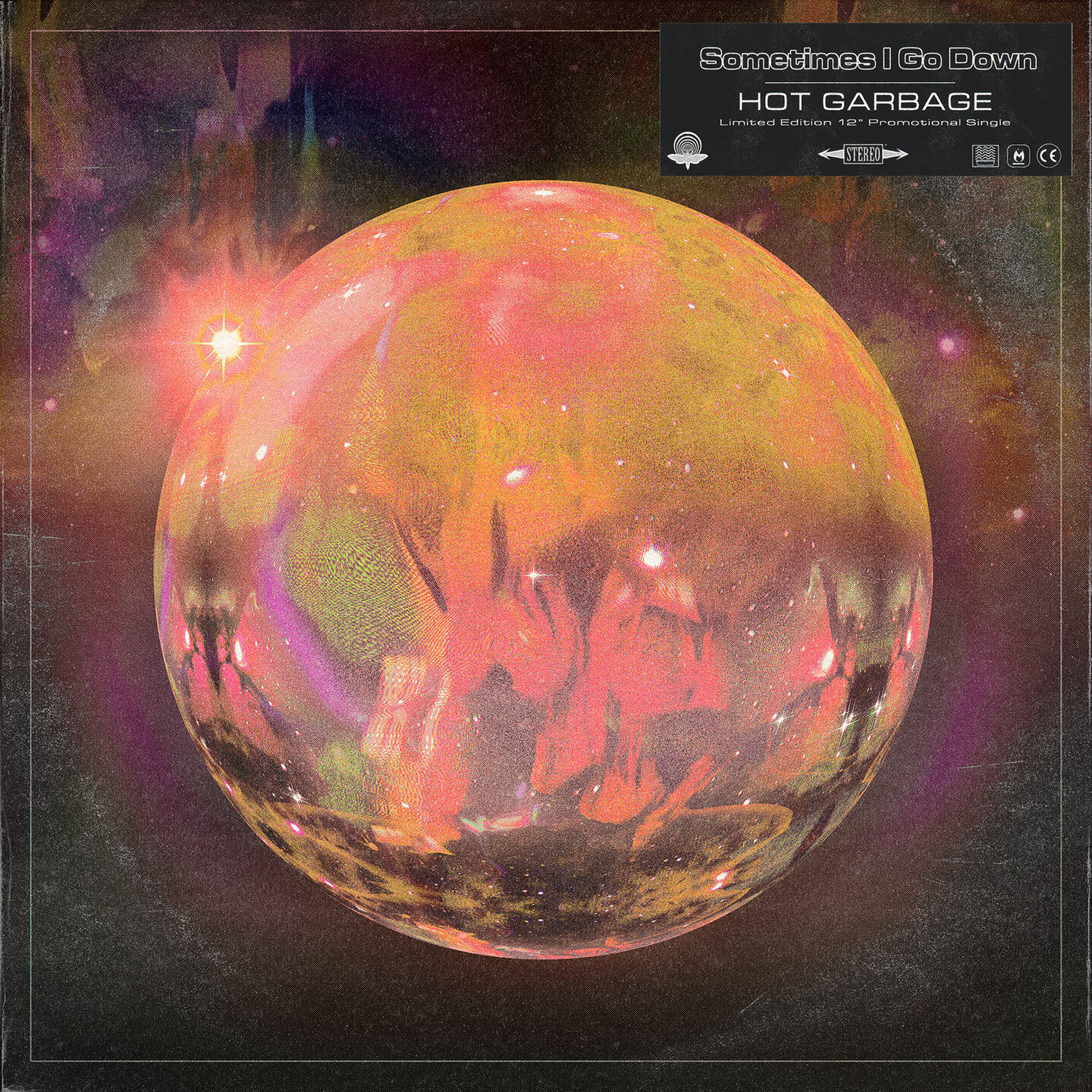
Neo-Psych Rockers Hot Garbage Share Spooky Video for "Sometimes I Go Down" (Mothland)

 
Artwork by Derek McKeon

Artwork by Derek McKeon

Are you in need of some brain-melting psychedelic rock? Well, you've come to the right place. Toronto-based psych outfit Hot Garbage, who are newly signed to Mothland, meld their shiny metallic melodies with gritty krautrock and post-punk rhythms to bring us along on a gaseous neo-psychedelic trip. 

Their latest single, “Sometimes I Go Down,” takes inspiration from the sounds of Sonic Youth, and gives us a taste of their upcoming album Ride. The track is accompanied by a spooky music video featuring mysterious calls in parallel universes, tarot cards, and more

We caught up with the band in anticipation of their set at FME on September 3rd to chat about their music and what's to come in for Hot Garbage in 2021.

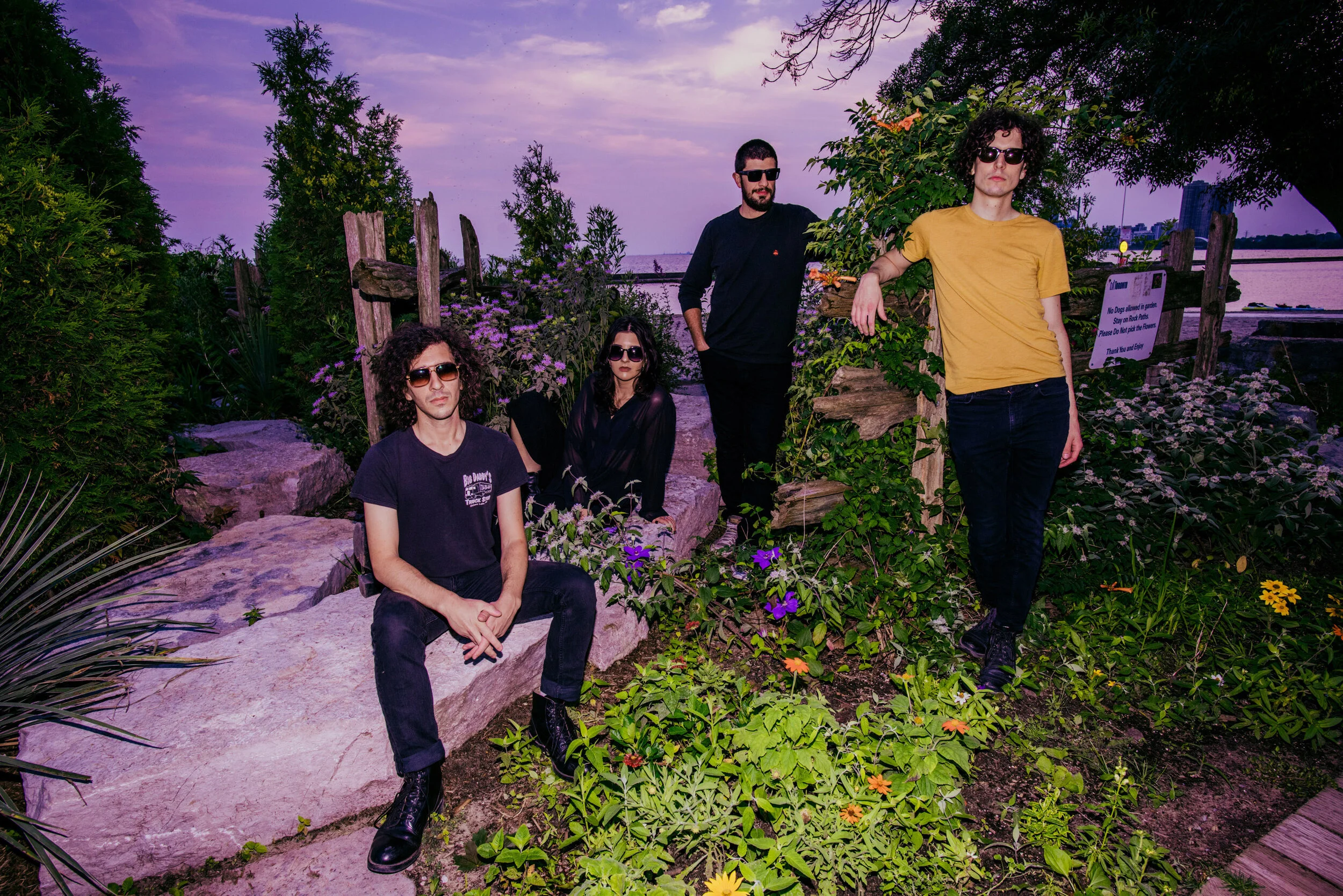
Photo by Alex Carre

Photo by Alex Carre

Malaika Astorga for Also Cool: Hi! It's nice to meet e-meet you. I'm interested to know how you all met and how that friendship turned into Hot Garbage.

J: You too. Alex is my brother, so I've known him since birth. He was putting a band together with Mark, who he had played with in bands throughout high school. I jumped in on bass, and Dylan, who I'd recently met through friends, joined shortly afterwards to fill things out on keys/synth.

A: Thanks for having us! That's pretty much it, yeah. We were hanging out and going to shows and listening to music together in Toronto. So we started experimenting with writing and playing together, and it was fun! We started doing little gigs and stuff around the city.

Also Cool: Your sound is unmistakably psychedelic. Can you give us some insight on where your inspirations are coming from and what those different genres' scenes are like?

J: Our musical inspirations are pretty varied. I think for this record we're putting out now, we delved into a lot of krauty / noisy territory - inspired by stuff like CAN, Gary Numan, Sonic Youth, Exploded View. We also draw a lot of inspiration from the local scene. There's a ton of quality music coming out of Toronto. Even without hanging with those people and seeing them at shows, I'm listening to amazing record after amazing record that people have been putting out during the pandemic.

A: Yeah, I think all of us really enjoy a lot of different types of music. From a writing standpoint, psychedelic is a great access point to play with musical ideas. The human experience can be so psychedelic, mysterious or strange at times, and those feelings are also so hard to put into words. So I often feel like psychedelic music is just music that is relatable in that way. We're extremely lucky to be a part of a great music community here in Toronto!

AC: Psych shows are often accompanied by crazy visuals that enhance the overall experience. Do you have any memorable/favourite psych shows that you've been to?

J: Definitely. Anything the Oscillitarium has done visuals for is memorable. They have this magical way of transforming any space. A Place To Bury Strangers at the last Crystal Lake was pretty amazing and intense. I've seen Black Angels a bunch, and they always have great visuals by the Mustachio Light Show. There are also a lot of sets that stick with me from Levitation and Desert Daze over the years, like Iggy Pop, 13th Floor Elevators, Jesus and Mary Chain, John Cale. The installation art and visuals are always really well done at those fests; it's clearly factored into the experience.

A: Yeah, it's interesting to see this live collaboration between visual artists and musicians! Oscillitarioum light shows in Toronto rule. With buds like Possum, Kali Horse, Vypers, Mother Tongues, and so many more. I also remember having a pretty profound experience seeing John Cale at Desert Daze a few years back. The visuals and music hit me so hard. It was such an expression.

AC: I'm curious about the mysterious phone calls in your most recent music video. Can you give us any hints of who the mystery caller might've been? I'd also love to know a bit more about the tarot symbolism in the video.

A: Good question... We were playing with the idea of these kinds of gross dudes (Dylan, Mark and myself) talking on the phone and maybe being warned about something and not taking it seriously. While we're being gross, we meet our demise. Juliana maybe heeds the warning and challenges fate by pulling the right card (mystical tarot magic). She's "in touch" with the caller.

Also for the record, we made this video like a year before the pandemic, so any parallels there were not planned… Last year, when the band could only talk on zoom, we were joking about how it looked just like our music video!

AC: We're very excited to see you play IRL at FME. What are you most looking forward to at the festival?

J: Thanks, we're really stoked to play. I'm looking forward to seeing Paul Jacobs and OBGM's for sure. There are a bunch of friends going who I haven't seen in a while, so I'm excited to just hang out and see some shows. I am going to try and catch Cadence Weapon on Thursday if we get in in time. 

A: Thanks! Yeah, I know Paul Jacobs and the OBGMs have such great energies, and I can't wait to soak that up! Also just to be able to play again and be at a show feels so good. This will be our first indoor gig since the pandemic started.

AC: Lastly, what are your plans for the next year, now that shows are happening again?

J: We will be playing shows around the release of our new record - fall/winter will be mostly local-ish but hoping to make it back down into the US to do some touring in the spring. There is also new material being passed around, so we're going to be working on putting that together for the next thing. 

A: Exactly, finally tour this record! We'll go to the USA again and play some shows as soon as we can. But we've been writing tons during the pandemic, so we'll also be working on new material.

Watch Ride below

Hot Garbage

Bandcamp | Spotify | Apple Music | Youtube
Instagram | Facebook

Malaika Astorga is the co-founder of Also Cool. She is a Mexican-Canadian visual artist, writer, and social media strategist currently based in Montreal.


Related Articles


TikTok Star Aqyila Shares Viral Hit "Vibe for Me" Visualizer and Shares Her Creative Journey (Sony Music)

 
Aqyila by Zahra Siddiqui

Aqyila by Zahra Siddiqui

Whether you're obsessed with it or are totally freaked out by it, the power of TikTok is undeniable. Ok, I know that sounds scary, but hear me out. The all-too-powerful algorithm has connected communities, raised awareness of different issues worldwide, and even launched careers. 

One of those careers being that of Aqyila, a Mississauga-based R&B singer and songwriter. Her TikTok hit "Vibe For Me (Bob For Me)" went viral, which went on to be covered by Lizzo, and eventually caught the ear of Sony Music, who has since signed her. 

We caught up with Aqyila about her TikTok journey, her musical beginnings and more. 

Malaika for Also Cool: Hi! Let's start with a little intro, who are you, and how did you get into music?

Aqyila: Hi! My name is Aqyila, and I'm Jamaican-Canadian. My mom's from Kingston, and my dad is from St. Thomas, but I was born here. I started singing when I was in grade five. I actually wrote a song for my mom at a talent show called "Momma," which she loved, of course. From there, I continued to write more and more songs over the years, filling up songbooks as I went. I started doing covers on YouTube and slowly transitioned to all the other socials media, and now have been focusing on TikTok.

Also Cool: What's the music scene in Mississauga?

Aqyila: It's cool! The whole set is really into hip-hop and R&B, and the vibe is just amazing. There's a ton of talent; it feels like a hidden gem. Until I got signed, I was doing everything alone in my room, but lately, I've been doing sessions with so many talented people.

Also Cool: I'm also obsessed with TikTok and have found it a great tool to connect with community, and I'm really interested in your experience with that.

Tiktok matches you with anything you like, and I interacted with a lot of singers and people who are into music. 

Aqyila: It's funny because I never really took TikTok seriously; I had just downloaded it in quarantine, like everyone did. I tried to dance and stuff (laughs) initially, and then I said never again. I then tried makeup and lipsynching to random videos, but that didn't feel right either, so I decided to sing. 

The first video I made didn't really go anywhere, so I kind of doubted myself, but I tried again and sang "Here" by Alessia Cara, and that one went viral. I started getting song requests and gained a following for my singing. After that, I did an Ariana Grande song, and then I did "Bob for Me." I was in my room, late at night, searching for beats to sing to on YouTube when I came across PDub's channel. He collabed with Thomas Crager on that song, and then he said, "Oh baby, it's the vibe for me," which initially inspired me. I didn't take it too seriously, though and put the video in my drafts and eventually posted it, not thinking too much of it. I went to the kitchen to make food, and when I came back, my phone was blowing up, and I was scared people were dragging me because you never know how TikTok can go, but people loved it! They were using it as a sound, wearing wigs, and doing dances, and it went viral. 

Once it went viral, people were asking me to sing "vibe" instead of "bob" because they didn't own wigs, and once I did that, they asked me to write a whole song. It was December 26th, and I recorded the full song, asked the producers for permission to upload it on all the streaming platforms, and they were like, "Go for it!" After that, it hit 1 million streams in one month, with no ads or anything.

AC: It's crazy how fast things go viral! It's really 0-100.

Aqyila: For sure! I feel like it's great if you're a singer or a producer on the app, and you want to get yourself out there; you should just start posting! You never know what will happen.

AC: I think that's really great advice because people often get so in their heads about posting. I feel like Instagram has tried to make us perfect all the time, and TikTok feels so much better relaxed. You'll find people with who you connect, so it's easier just to be yourself.

What have you learned about yourself in this whole process? Whether it be in the context of the music industry or just on TikTok? 

Aqyila: Haha, well, I'd say sleep! (laughs) I'm a night owl, and I'm always up late working, but I've learned to I need to rest. I'd also say that I've learned that I really like working with people because, like I said, I've always just been alone in my room, making music. It's a very different experience to collaborate so much, but I really enjoy it. 

AC: So looking forward, what's next for you in 2021-22?

Aqyila: Well, for now, working with producers has been amazing, but I'm just going to be working really hard on my music in general! I have a music video coming out soon, and I'm hoping to come out with an EP as well.

Otherwise, I'm working hard on my brand LuxeBa; I'm going to start working on an inclusive and eco-friendly clothing line. I've been working on it on and off since 2018 but worked hard on my rebrand throughout 2020, and I'm just really excited for what's the come.

Stay tuned for her upcoming music video for “Vibe for Me (Bob for Me),” to be released on August 25th. 

Aqyila

TikTok I Instagram I Facebook I Twitter

YouTube I Spotify

Malaika Astorga is the co-founder of Also Cool. She is a Mexican-Canadian visual artist, writer, and social media strategist currently based in Montreal.


Related Articles
 

Bnny Reflects on Grief, Death & Moving On in Debut LP Everything (Fire Talk Records)

 
via Bnny

via Bnny

Drawing on the breathy charm of the Velvet Underground and Mazzy-Star, Chicago-based quartet Bnny gently guide us into the lone country of grief with their debut album Everything. Written in sessions that span several years by singer Jess Viscius as she processed the death of her partner, the album is a chronicle of love at its most complex and loss at its most persistent. 

Viscius mulls over her responsibilities, bites back at broken promises, and occasionally finds herself adrift. Standout tracks include "Sure," where she circles around the titular word, testing its meanings and applications as a positive affirmation, a guarantee, and as an exhausted acquiescence—and finding a weakness at the core of each meaning. "I'll change," she sings in a disassociated loop in "August," as if she's trying to enchant herself into doing so. But my favourite track by far is "Time Walk," a bouncy reflection into the past that feels like flipping through memories while still moving on with your life.

We caught up with Jess to chat about how she got her start in music, the Chicago scene, and more.

via Bnny

via Bnny

Malaika Astorga for Also Cool: Hi Jess! Let's start with a quick intro, where are you from, and what was the music/art scene like when you were growing up?

Jess for Bnny: I grew up in the suburbs of Chicago. In high school, it was a lot of dudes in emo bands playing shows in their parent's garages. At that point, it hadn't even occurred to me that I could play music myself; I was always just a listener. At 16, I got my driver's license and a forest green Toyota Camry that my sister and I named Rebecca. After that, I spent my weekends going to shows and trying to make friends in the city.


Also Cool: I read that you got your start in Bnny after picking up a guitar that a friend left behind. How do you think you've grown as an artist since then, and how has music re-shaped your life?

J: So much has changed since then. Back when I was just starting to hang out in the Chicago music scene, I was making lots of friends, and everything felt so exciting. I also remember feeling very intimidated. Today, I'm much more self-assured and feel a certain purpose within how I relate to music. The Chicago music scene has become such an integral part of my life; it's an incredible community to be a part of. 


AC: What have you learned about friendship through music? Whether it be negotiating with bandmates or documenting friendships and experiences through sound? 

J: I'm so grateful to my friends who make these songs come to life. My bandmates are all so funny; sometimes, we spend more time laughing and messing around than actually practicing at practice. Something I realized about myself through music is that I'm sort of a control freak. I typically associate myself with being a type B personality, so this was a surprising discovery. I've learned the importance of letting everyone explore their own ideas and trusting in the process. Allowing that space helps us grow and learn from one another. 

via Bnny

via Bnny

AC: I love the concept of clarity in motion. I find that I'm able to process whatever I feel when I'm in motion as well. Can you speak more to the concept of continuing to move forward while still honouring and acknowledging the past?

J: I think accepting your past allows you to be present in your future. Cherishing the journey that led you here, flaws and all. Learning from mistakes and just setting out to be the better version of yourself. 

AC: Switching gears a bit here, who are some creatives in your life who you think deserve more recognition?

J: My friend Alyx is an amazing artist/ fashion designer: ig: @_harch 

My friend Mina runs the best eCommerce store: ig: @maimoun

My friend Nicole makes the best visuals: ig: @nicole.ginelli

My bandmate adam just released his beautiful solo debut record: @ulnaband

AC: Lastly, what is your most optimistic vision of the future right now? 

J: Everything is so overwhelming right now, but checking in on your friends, finding different ways to get involved in the community, helps everyone feel less lonely. Whenever I get stressed, I remind myself to take things day by day or hour by hour (minute by minute if I'm feeling especially unhinged). I'm definitely looking forward to permanently retiring my mask... one day : )

Bnny

Website I Instagram I Twitter

Spotify I Fire Talk

Malaika Astorga is the co-founder of Also Cool. She is a Mexican-Canadian visual artist, writer, and social media strategist currently based in Montreal.


Related Articles
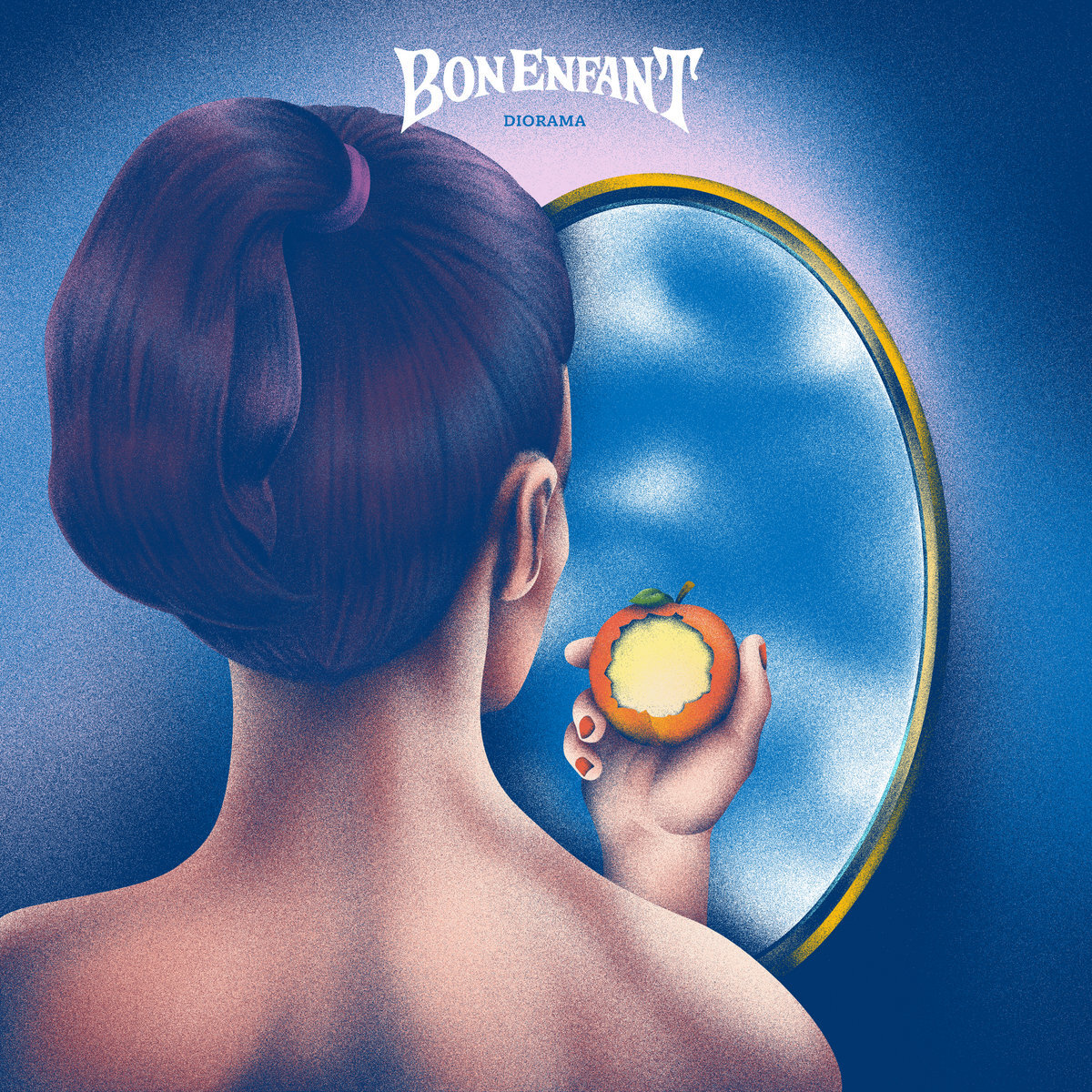
 

Microtonal Punks Body Breaks Reflect on the Distance that Facilitated Their Sound


Body Breaks, Julie Reich (left), Matt LeGroulx (right), by Natalie Logan

Before specific apps were developed to target long-distanced collaborators embracing unconventional music-making during a pandemic, DIY veterans Body Breaks were joining forces despite living in different cities. Comprised of Toronto’s Julie Reich (Bile Sister, Chandra) and Montreal’s Matt LeGroulx (EXPWY, Galaxius Mons), Body Breaks’ microtonal rock journey began in 2013 when LeGroulx meshed quarter tones (inspired by Balinese gamelan tuning) with post-punk fortitude to compose the drum-bass-guitar underpinning of what would eventually be the pair’s debut record Bad Trouble — out now on our new favourite indie label We Are Time

When speaking with the band, I was keen to find out how their creative processes informed each other while simultaneously working independently as Bad Trouble came together over the better part of six or so years.  

“It’s hard to recall exactly how it all came together (laughs). I know I wrote and recorded all the music and then sent it over to Julie about a year later, and that’s when she started working on her vocal parts. She did stuff that I would have never thought of! Things that would have never entered my mind; from the lyrics, to the harmonies, the vocal effects and her performance… I really loved everything she was doing. She sent me demos here and there, but for the most part I just let her take full control,” shares LeGroulx. 

“It was actually a treat to be handed these incredible songs on a platter and to be able to focus on songwriting, singing and vocal production,” responds Reich. “I took a lot of time with the lyrics, it was a conscious priority to make sure they were honest, sincere, meaningful and relatable. I knew I had the opportunity to have a message and speak from the heart. When Matt delivered the bones of Body Breaks, I was inspired to breathe life into them. I knew they were special right away and felt like I was meant to complete the missing piece of the puzzle.”

Bad Trouble album cover by Roxanne Ignatius

From this comment, I ask Reich where she drew inspiration from when developing the narratives to compliment LeGroulx’s compositions. 

“With my other band, Bile Sister, I avoided literal writing or story telling because it was a stylistic choice. For Body Breaks, I felt I needed to speak my truth at the time, to penetrate and connect to anyone who would listen. For this album, I was channeling my inner glam. I was thinking about Lou Reed and David Bowie, Divine, Jayne County, The Fall, Pink Noise and so many others. I consciously was aware of the male presence in the inspiration as well, with the intention to create a place where I would see myself represented in this world. Bad Trouble is a very special example of this inspiration. Each song speaks my truth at the time, as a struggling artist filled with self doubt, as a woman outsider in her own generation, dealing with aging, insomnia, questioning the purpose of employment and how to be happy, thinking about my generation and the entitlement therein, words of advice to a younger me, making peace after betrayal from an ex, and stories of coping, being down and out. We've all been there. I wanted people to hear what I was saying, I wanted to not rely on a lot of effects, I wanted the voice to be clear and heard, flaws and all… After all, flaws are what make us beautiful and unique,” articulates Reich.

I then turn to LeGroulx to hear his thoughts on watching his songs transform from something he worked on alone, to with a friend, to a now fully realized project; recognizing the really interesting and unique relationship he has with the tracks that formed Bad Trouble

“I never take that much time to do anything (laughs)! I tend to rush things, generally. When I’m working on a project; after a month into working, I’m kind of sick of it and want to move on to the next thing. So, in comparison to everything else I’ve done music wise, I’ve had the chance to live with these songs and see them transform,” reflects LeGroulx. “Throughout the process of Julie recording her vocal parts, every new song she would send me would become my favourite one. Every year that passed as the project developed I saw it get stronger and stronger as a record.” 

Along with their striking sound, Body Breaks also have a noticeable visual identity as a band. I was especially curious about the band’s creation of worlds to accompany their album; particularly those depicted in their surreal “Eyes to Brightness” video, which spotlights animations by Reich. 

“I love to create worlds just like I love to create identities, it’s an escape and a means to have a sense of control in a chaotic world,” chimes in Reich. “When I created the music video for “Eyes to Brightness,” maybe in 2016 I think, I had just started working with 3D animation software and I have grown a lot since making that video. Aesthetically, in other videos I have created, I speak to the theme of nature versus technology and our environmental crisis. “Eyes to Brightness” is an early attempt to create a world with this focus. Visually, I tend to focus on creating a stark reality, a vision of a new planet in the future, with remnants of planet Earth intermingled with natural elements floating and defying laws of gravity.  Our norms can be flipped upside down to the point even gravity doesn't exist. Anything you can fathom is possible. Consider this for good but also as a warning.” 

While the band’s take on day-to-day existentialism makes them stand-out, their partnership has acted as a lifeline when it comes to confronting the future’s uncertainty, especially for musicians.

“So we've been separated for quite some time now, and I can't see it being a full band thing until, you know, obviously the world looks a little bit more normal than it does right now. You’ve got to hope things get better. While it’s hard to stay hopeful when you look at the news everyday, the whole experience of Body Breaks has been a huge bright spot,” says LeGroulx. “The team at We Are Time, our label, are wonderful to work with and Julie is a wonderful bandmate. So, these songs have come to mean so much more to me than the initial tinkering they once were.”

Body Breaks

Instagram | Bandcamp | Twitter

Zoë Argiropulos-Hunter (she/her) is the co-founder and managing editor of Also Cool Mag. Aside from the mag, she is a music promoter & booker, and a radio host & DJ.

This interview was conducted via Zoom and partially over email and has been condensed and edited for clarity.


Related Articles
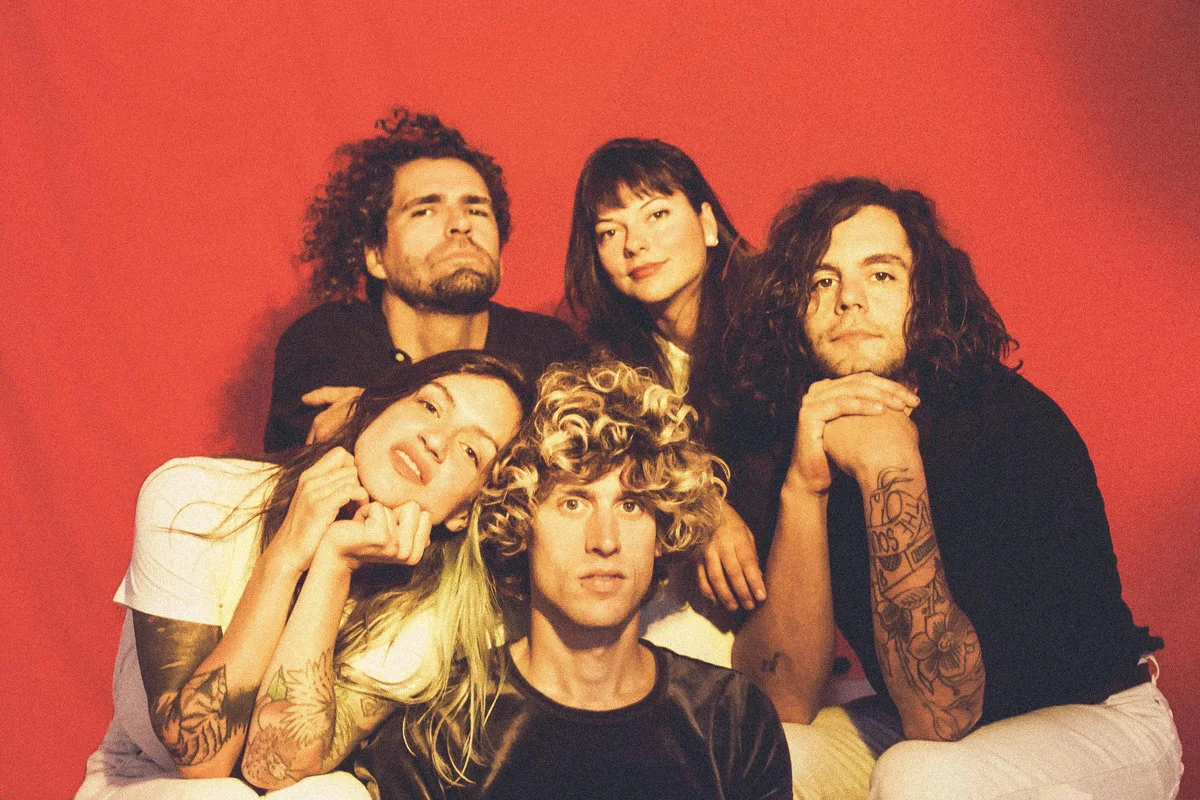
 

Toronto's Indie Jangle-Pop Duo Ducks Ltd. Release "How Lonely Are You?" (Carpark Records / Royal Mountain Records)

 
Album artwork via Ducks Ltd.

Album artwork via Ducks Ltd.

It's getting to that point of the summer where it feels like all you can do is contemplate your life with your friends over some wine on a rooftop, wondering if and when things will ever get better. Discussing what we can collectively do to help, wondering if anything we do will make a difference at all, staring into the sunset, all while listening to indie jangle-pop. 

Lucky for you, Toronto's Ducks Ltd.'s new single How Lonely Are You? is the perfect soundtrack for your mildly existential end-of-summer playlist. It's a follow-up to probably one of my favourite singles of the year, 18 Cigarettes. The single comes in anticipation of their debut album "Modern Fiction," which is set to release on Carpark Records / Royal Mountain Records on October 1st, 2021.

I had a chance to catch up with the band about Toronto's music scene, their upcoming album, and more.

via Ducks Ltd.

via Ducks Ltd.

Malaika Astorga for Also Cool: Hi! Let's start at the beginning; you two met at a Dilly Dally show. How did you first get into that kind of music scene, and how do you think it's impacted your creative trajectory?

Ducks Ltd: I don't totally know to be honest! I was reaching back, trying to remember something that feels like an entry point of the first show or conversation. I think I first got into stuff in Toronto by going to what were mostly noise shows at a Senegalese restaurant in Kensington Market and playing in bands who played at that same Senegalese restaurant. It feels like it all happened very naturally once it started happening, though there were definitely a couple years when I first moved here where I was interested in playing music but couldn't really figure out what the "scene" was or how to get involved with it.

It's definitely been hugely impactful for me, though. In some not insignificant ways, getting involved in Toronto music completely changed the path of my life. I don't think I would still be seriously making music at all were it not for the people I have met in it. There's also something really helpful for my writing process in being in environments where people are doing and making interesting things. Not even directly picking anything up from them necessarily, but I'll often find the initial seed of something that becomes a song when I'm at a show watching another band. I don't really know how or why, but it will kinda knock something loose for me creatively. 

Also Cool: What's the Toronto music scene like now? I know that amidst the rampant gentrification, many venues and projects have suffered, but I'm hopeful that there's still some DIY spirit leftover. 

DL: It's sort of hard to say because there haven't been shows in so long, but I'm cautiously optimistic based on the way things were feeling in 2019 and the stuff I've been able to keep up with while everyone was apart. People tend to get all doom and gloom about it in ways that I often don't think really bear up to scrutiny (complaining about Toronto constantly is one of Toronto's more unfortunate cultural traits!), but the broader trajectory feels positive. 

When I started being involved in music stuff here, the scene felt very cliquey, separated quite sharply along micro-genre lines. It was almost like a series of small scenes bumping up against each other, but pretty homogenous despite those delineations. I don't want to sound utopian or triumphant, as many things could and should be better, but I think overall, the scene is way more diverse and varied now. People support each other and collaborate more than they used to and are generally kinder. I think the artists are also, on the whole, more successful, both artistically and in terms of finding their audiences in the world outside the city, which is probably at least partly related to them being kinder and supporting each other. 

I don't want to dismiss or minimize the problems of gentrification, which are obviously really significant issues with consequences that go way beyond music scene stuff. I guess I just don't really connect romantic notions about the Toronto scene of the recent past. It's definitely far from perfect now, but it feels like the music scene here is more inclusive than it used to be, and I think that can only be a good thing. 

AC: You speak about "the courage to go on," which I think everyone is in need of right now. How do you find that courage for yourself, and where do you see it in others?

DL: Oh, I lack it almost completely! It's very much in my nature to give up and collapse into hopelessness at the first sign of adversity, though obviously, this is something I try to curb. Maybe I admire it so much because I don't always see it in myself. Still, I think that hope, and a sort of stubbornness of purpose when things are bleak, are some of the most beautiful human qualities. 

I've been helping out a little with an organization in Toronto called the Encampment Support Network that formed over the pandemic. I think it's a quality that animates many of the people who are the driving force in that organization and also in many of the residents of the encampments. Any city or society, especially one as wealthy as this one, should be ashamed to have put unhoused people in this situation. Many of them spent the entire winter outside living in tents, and the governmental response to it has been to compound their initial callous indifference with intentional cruelty. It's such a bad and stupid situation that feels more or less intractable absent a complete change in the composition of the civic and provincial governments. But then the people involved in ESN work so hard for whatever little ways they can find to make the lives of their unhoused neighbours better, and the residents work so hard just to survive. They're so resourceful and brave and put up with so much bullshit that they meet with humour and optimism an amazing amount of the time. I mean, some of them are total assholes too, but you know, not as bad as John Tory!

AC: You're both big fans of niche 80s indie-pop labels. For those who may not be familiar, what are some of your favourite labels and bands of that era?

DL: I think the Go-Betweens are a big one for both of us. Evan introduced me to the band, and they're now one of my favourites. I really love The Verlaines a lot. It didn't end up working out, but we got in touch with Graeme Downes from that band to talk about him potentially arranging some strings for the album, which was really cool! He was super generous with his time and willing to discuss songwriting with me a bit which was wild as he's truly one of my favourite songwriters! I also really love McCarthy, a Marxist jangle-pop band whose members later went on to form Stereolab. Close Lobsters are another one who are a big deal for me. Foxheads Stalk This Land might be one of the two or three best jangle-pop records ever made, I think. 

AC: I've been asking a lot of people this question lately, maybe out of a need for optimism, but I'm curious what your idealist vision of the future might look like?

DL: Ah boy! That's a tough one to answer in this format. In the interest of concision, I'm just gonna go with full communism!

AC: I love the sound of the album because it makes me feel like I'm drinking wine with friends on a rooftop somewhere in the summertime, about to go out for the night. How do you hope that people will experience your music?

DL: That sounds like an excellent context! I'm not sure the context is something I've given much thought to, really. It's extremely cool and a little overwhelming that people are listening to it at all. I feel like it could maybe be good driving music? I don't know! Thanks for listening to it, though!

AC: Lastly, what are your plans for 2021?

DL: We've got a few shows coming up, which is exciting, and we just started rehearsing with the full band again, which has felt amazing after not doing it for so long. We're hoping to get on the road a little more next year too, and we're gonna do some UK shows. We've got a few more unreleased things recorded that we might put out, and we've been talking about doing a covers EP. I just really want to set myself up with an opportunity to sing "Head On." Hopefully, Evan will indulge me in this! 

If you love Ducks Ltd. as much as we do, be sure to catch them IRL at FME this year on September 3rd I Buy tickets

Ducks Ltd.

Facebook I Twitter I Bandcamp I Instagram

Malaika Astorga is the co-founder of Also Cool. She is a Mexican-Canadian visual artist, writer, and social media strategist currently based in Montreal.


Related Articles
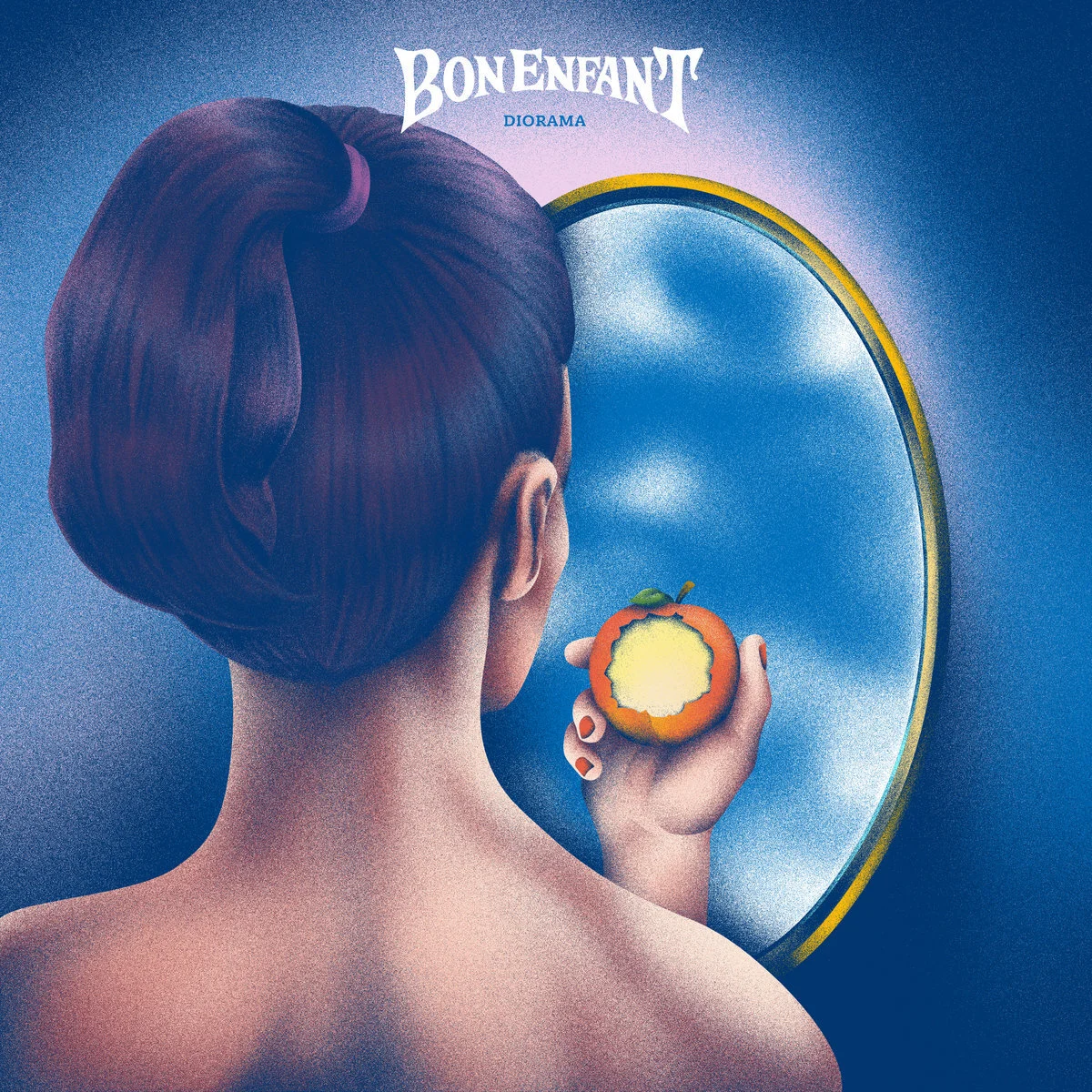
 

Spaceface Ponders Alien Life, Alternate Realities & More With Disco Track Piña Collider

 
0a0092cd-5b8b-8fee-c624-bae5ef5589ef.jpg

Irresistibly funky and incredibly charming, the Spaceface crew are back with their latest summer track, "Piña Collider." The track fuses funky psychedelia with the upbeat energy of a classic summertime bop, making it the perfect anthem to keep your party going all night long. 

The track was inspired by a cosmic experience frontman Jake Ingalls had at the CERN Hadron SuperCollider.

"I was playing a show nearby, and CERN has a whole outreach program to bring artists in to show them what it's all about. After the show, I learned that the crew who showed us around are, in fact, in their own band, which we named the song after. Everyone who works there has to live on campus, and they had formed a group to play functions and holiday parties, etc. I decided to write a song and asked them if they'd like to be on the tune. They said yes, so the next free day at Blackwatch, I set to writing a disco tune about a mythic drink you can only get at CERN."

This track feels like the perfect dose of escapism that we're all craving right now, so I caught up with Spaceface about their own ideals of escapism, aliens, and a whole lot more.

Photo Credit: Erika Mugglin

Photo Credit: Erika Mugglin

Malaika Astorga for Also Cool: Spaceface tends to create entire worlds with each track. If Spaceface had its own planet, what would it be like?

Daniel: If Spaceface had its own planet, I imagine it would be like the music video for our song "Sun Kids." Vinyl Williams created this 3D computer-generated world full of giant purple and green plants and far-reaching meadows under blue skies. Then sprinkled in between the greenery are several structures and buildings with mind-bending, borderline impossible architecture. Some of the buildings were floating in the sky. The structures all had some version of ancient greek or roman influence, but with some mid-century modern architecture influence too. Kinda like if Javier Senosiain had re-designed the Parthenon.    

Eric: My planet would be a small party and leisure destination retrofitted with futuristic interpretations of 50's and 60's dream architecture. We have the technology to portal jump between hemispheres depending on your mood. There's plenty of pools and nightlife. Also, plenty of daylife, but it's chill. 

Jake: I think they both pretty much covered it. All peaceful beings are welcome.

Katie: Agreed, Daniel and Eric nailed it. But I'd like to propose we build an Ewok-style treehouse village where we can all live.

Also Cool: Do you think aliens exist, and if so, what do you think they're doing right now?

Daniel: Well, yes, I think aliens exist. It's a kinda numbers game. If there are so many other galaxies besides ours, then I imagine there are lots of different kinds of other life out on other faraway planets. It might be rare, but I feel like there probably is some. Not to mention the US Government fessed up that UFOs are real earlier this year. 

As far as what aliens or lifeforms on other planets are doing right now, it's kinda hard to answer. Just because there is other "life" in the universe doesn't mean it is anything like a human. I don't think that space is really like Star Trek. The other alien life out there could just be bacteria or microorganisms. Maybe some might resemble animals, but I fear they might be more like monsters like in the Alien movies or otherworldly beings that we can't understand, like in Arrival. Although it would be really cool if they moved through time and space differently than us.

Eric: I do believe in life beyond our own 100%. It blows my mind that people think we're the one and only. Life unimaginable to us exists, has existed and will exist endlessly through the cosmos. I dare not try to describe it more.

Jake: I'd imagine that the vast majority of what we call "Alien" life is a different form of what we've named consciousness and likely aren't really aware of us and thusly do things that are beyond our own comprehension. If they are aware of us, I'd imagine they look at humans with a mixture of pity and carnal envy - the way some angels/gods are described in old myths.

Katie: Contrary to my strict Christian upbringing, I've always believed that life exists outside our planet. If you haven't seen Close Encounters of the Fifth Kind: Contact Has Begun or the other films by Dr. Steven M. Greer yet, do so as soon as possible. His theory that all life on Earth and outside is connected through collective consciousness is very compelling. As for what they're doing right now? Probably having mischievous fun with some US Military pilots or hopefully coming up with ways to save Earth from its own inhabitants.

Photo Credit: Erika Mugglin

Photo Credit: Erika Mugglin

AC: You created a custom drink to go along with the release of the song. What was that process like, and do you have any tips/tricks for the people making it at home?

Daniel: A few of the band members are bartenders, so making up new drink recipes is just as enjoyable as writing music. It's always fun to imagine where you would be or what mood you would be in while listening to some of the Spaceface songs. Then thinking about matching a certain style of drink or liquor to that mood and location. The low-key goal is for each song to have a drink recipe, and we want to include a lil recipe book with the album. Each song has a different mood or feeling, and each song can take you to a different place in your mind. So naturally, each song needs a drink to match. 

As far as tips for making drinks at home, just make sure you have a shaker, a strainer, some ice, and know where your best local liquor store is. We can give you all the recipes you'll need. 

Eric: This drink was born by literally colliding a piña colada with a contemporary classic dubbed the "Trinidad sour" (equal parts, rye, citrus, mango, and orgeat (almond milk syrup).

You'll be best off getting proper tools: A shaker, jigger, and strainer. Make sure you have Angostura bitters and get some Coco Lopez for this one.

Jake: When we know we want to pursue a batch of songs, typically Eric and I talk for a while about how we want them to fit together in a cinematic way. For instance, "Sun Kids" was meant to be Earthy and evoke a feeling of what it was like to spend the day with us in Memphis. With this new batch of tunes, we wanted to evoke this imagery of what a party in the future would sound and look like through the lens of someone in the past. Sort of like those wacky images you see made by sci-fi artists in the '20s imagining what the year 2000 would look like. This lead us to imagine a sorta afro-futurist ecotopia where you can order a drink that reminds you of humankinds' oneness and thusly deciding we should make a cocktail for every song. Plus, Eric and Daniel are fantastic drinksmen, so we thought it best to share their other talents.

Katie: Jake, Daniel and Eric are the geniuses behind the drinks, so I leave that all up to them but timidly ask that they leave the cilantro out of the equation whenever possible. :) 

Spaceface_3_by_Erika_Mugglin_3000x2000.jpg

AC:. The music video is pretty much the definition of the retro-future aesthetic. What were some of your visual references or inspirations for the project?

Daniel: The song is about a drink that you can only get at the CERN Hadron Collider. So the idea was to have some scientists singing the song in a sort of educational TV setting, like Bill Nye, The Science Guy. The Scientists in the video act like they are filming for a PBS segment, and each scientist is from a different period in scientific discovery. It's fun and cool to showcase different types of science like Astronomy, Chemistry, Anatomy, and Botany. 

Eric: Mad scientists shuffling through notes and staggering through experiments. Beakers and lab coats with sparks.

Jake: When I stumbled on Maris Jones' IG in January of 2020, I just KNEW I wanted to get her team on board bc it was the perfect fit. Once we began emailing with The Jones Family Retro Show, we were sharing clips from this silly fake science education program called Look Around You and VHS rips of old actual Sci-Fi learning channel clips and lots of pseudoscience book covers. I knew they were gonna knock it out of the park. When they started texting me pictures of the sets they were making with the guitar, the star gazer's gear and Molly's excellent claymation, it began to feel like we had truly mind-melded.

AC: Now that shows *might* be happening again, will we be able to experience Spaceface IRL any time soon?

Daniel: Nothing is officially on the books yet, we have some offers in the fall, but they are not confirmed. The idea was to put lots of singles out this year, and after releasing the full album in early 2022, there will be a big spring tour. 

Eric: Yea, but no. .. maybe... but yes. 

Jake: I like Eric's answer the best, but if you wanna find out more and truly stay in the know, freed from the shackles of the algorithm - text us at the official Spaceface number to find out :) 901.519.2202

Katie: We definitely miss the thrill of performing live. Taking over a year and a half off of touring and performing has been hard on all of us. But, to elaborate on Eric's answer, yes, if certain members of the population *cough* get their heads out of their butts and get the vaccine, infection rates decrease and stabilize, we'll be back on stage soon...ish.


MAKE YOURSELF A "PIÑA COLLIDER"!
Spaceface's take on the classic Piña Colada


Ingredients:
• 1.5 oz Clear Rum
• .75 oz Lime Juice
• .75 oz Simple Syrup
• 1 oz Coco Lopez (Coconut Cream)
• .75 oz Pineapple Juice

How to make it:
◦ Combine all ingredients in a shaker tin with some ice and shake;
◦ Double strain over ice into collins glass, larger glass or coconut;
◦ Garnish with pineapple stems or wedges and a lime wheel;
◦ Add a dash of cinnamon.

Spaceface
Website | Bandcamp | Spotify | Apple Music

Youtube | Instagram | Tik Tok | Facebook

Malaika Astorga is the co-founder of Also Cool. She is a Mexican-Canadian visual artist, writer, and social media strategist currently based in Montreal.


Related Articles
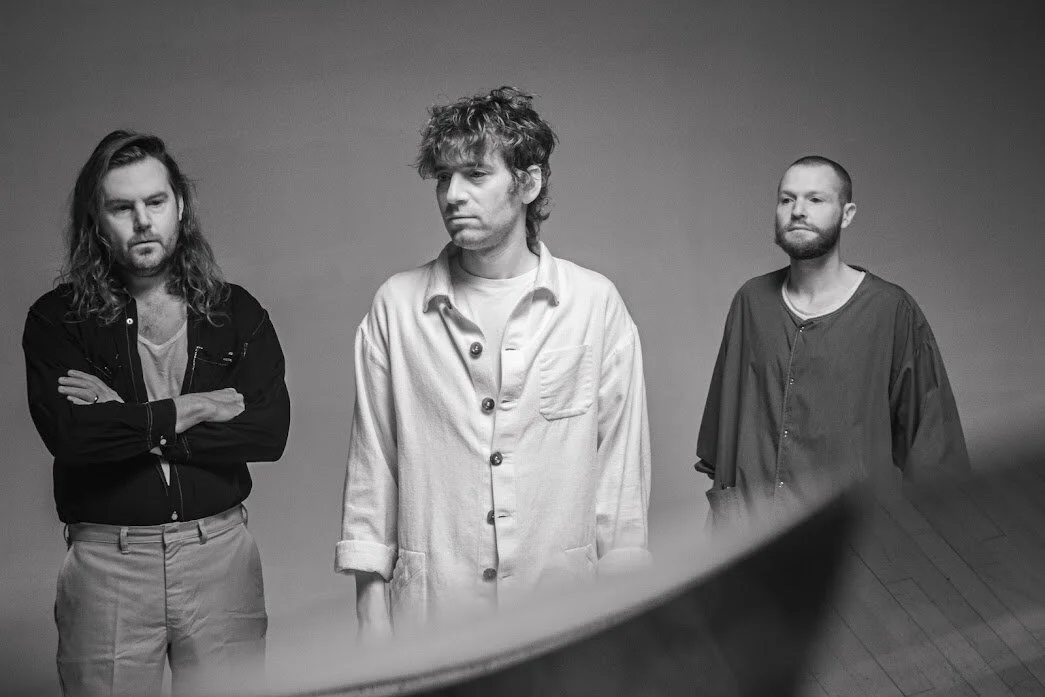
 

NYC Synthpop Sweetheart Shallowhalo Release "Hypnotize" on Open Tab (Fire Talk)

 
Art by anahit via Shallowhalo

Art by anahit via Shallowhalo

Imagine a soft-grunge pastel ghost rave in an old Victorian mansion. That's the energy that Brooklyn synthpop artist Shallowhalo (yes her name is inspired by the Cocteau Twins song), the latest addition to the Open Tab roster, embodies with her track "Hypnotize." For fans of sugary-sweet Spanish pop, Kate Bush, Strawberry Switchblade and synthy nostalgia, Shallowhalo is right up your alley.

We got to chat with the singer about the track, her creative inspirations and more. 

Via Shallowhalo

Via Shallowhalo

Malaika Astorga for Also Cool: Hi! Let's start who you are and how you got into music.

Shallowhalo: I'm Allyson, and I've been making music as Shallowhalo for about a year and a half now! I've also been playing synth in my friend Harrison's band Turtlenecked since 2019, which is how I got into music. We could only play a couple of shows before lockdown, but by then, I was having so much fun that I just continued writing my own songs throughout quarantine. 

Also Cool: What's the creative scene like where you're based?

Shallowhalo: Now that the vaccine is out, I've been going to shows again, and I've noticed a lot more performances in nontraditional spaces, which is really cool. Just the other week, I went to see Slic play a show on a soccer field at a park in Ridgewood, and it was so much fun. One of my favourite venues is Market Hotel. I always get excited when a train passes by during a show because it feels like it's out of a movie. 

AC: We're big fans of both Strawberry Switchblade and Spanish pop. How did you get into these genres of music, and what are you bringing to them with this project?

Shallowhalo: Growing up, my mom, who is from Guatemala, would always play Spanish music. That's how I learned about bands like Mecano or Jeanette. When we first met, my partner and collaborator, Ezra, introduced me to Strawberry Switchblade because he said my style reminded him of Rose McDowell. 

AC: You have a strong aesthetic vision to go alongside your music. Where do you find your visual influences?

Shallowhalo: I've always been fascinated by musicians who incorporate strong visual components with their music, and recently, I've been in a nostalgic phase with mid to late 2000's electropop. It's a little kitschy, a little 80's, a little perfect, and a little awful. 

AC: Building off of that, if you were to have a Shallowhalo world, what would it look like?

Shallowhalo: It would be an old beautiful Victorian home in the middle of the forest with weeping willow trees out front and a wraparound porch. The home would only be a little bit haunted (by friendly ghosts), and all of my friends would be there. At night, it would turn into a rave. 

AC: Who are some artists who you think deserve more recognition right now?

Shallowhalo: I saw Cowgirl Clue play a few years ago, and I've been a fan ever since. She's consistently putting out cool mixes and songs. Recently, I've been listening to Cumgirl8 on repeat. 

AC: What can we expect from you in 2021? 

Shallowhalo: I have a bunch of demos that I've been sitting on, so I'm definitely aiming to put out an EP or album by the end of the year. Next week, I'm playing my first Shallowhalo show ever at Open Tab's launch party and have a couple more shows planned in October. Stay tuned!

Watch “Hypnotize” below

Shallowhalo

Instagram I Opentab

Bandcamp I Spotify I Apple Music

Malaika Astorga is the co-founder of Also Cool. She is a Mexican-Canadian visual artist, writer, and social media strategist currently based in Montreal.


Related Articles
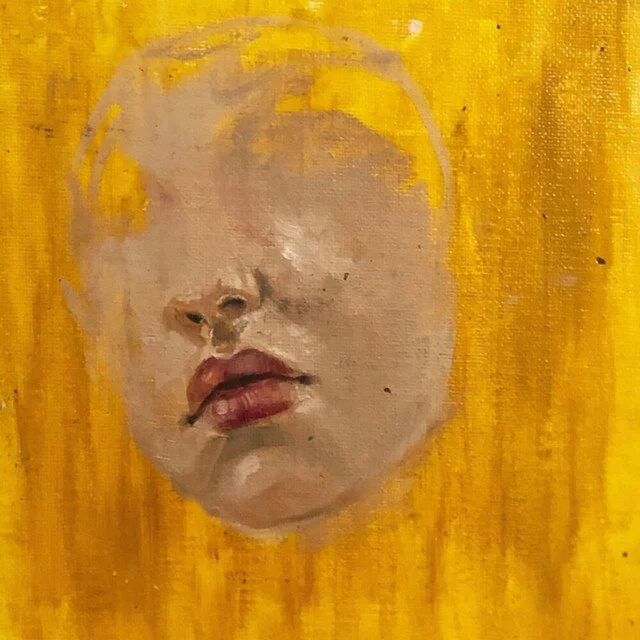
 

PREMIERE: Honeydrip Shares Debut EP Anti-Ego

 
Honeydrip by Ariana Molly

Honeydrip by Ariana Molly

Picture yourself rolling up to the secret rave; you can hear the bass pounding through the trees. As you get closer, you start to run into your friends and see the coolest-looking strangers you've never seen stomping their hearts out on the dancefloor. 

This is the energy that after-hours legend Honeydrip brings with her new EP Anti-Ego. Heavily influenced by the intersection of Black culture and electronic music, the EP is an extension of the dub and sound systems culture. It honours the exploration and boldness found in the genre and every genre that has come of it. Honeydrip expertly meshes dub, techno, dancehall, reggae, and drum and bass while re-contextualizing and pushing the story forward.

We caught up with Honeydrip about her experience in the afterhours scene, learning to DJ, and her EP, of course.

Malaika Astorga for Also Cool: How did you first get into DJing and electronic music? How did you make the transition from a party-goer to the person keeping the party going?

Honeydrip: I spent high school listening to hip hop and dancehall, which then transformed into alternative psychedelic rock. By university, I started my radio show in 2015, playing downtempo electronic and lofi artists like Lukid, invention_ , etc. 

I've always been interested in music that had uncommon melodies, sounds and was generally considered dark or melancholic. I think that naturally led me to enjoy electronic music. A lot of the music I listened to since I was young had aspects of electronic music; I just didn't know at the time. 

Also Cool: What has your experience been like in the Montreal nightlife scene? 

H: I got into DJing because I wanted to make my radio show the best possible, so seamless transitions seemed key. A boyfriend of mine at the time and a good friend of mine (Ativan Halen) were mentors.

AC: What kind of music did you first get into here, and how have you seen the after-hours and electronic music scene change over time?

H: I started DJing right around the time that I started going out. My DJ gigs helped me discover the music scene in Montreal. I also would go to parties with friends that I made through DJing. But before DJing, I was a cheerleader and went to pubs, aha. 

Having a radio show forced me to do research on Quebecois artists as well as Canadian artists. I had a quota of local content on my radio show, which helped me discover so many of the local artists who are my peers now. 

Since I was really into Lo-Fi and cool Downtempo beats, I was a really good opener when I first started. One of my favourite gigs when playing that genre was opening for MNDSGN, but as I continued going out, the sensation I felt on the dancefloor when dance music was playing was so exciting and inviting I naturally started getting into that music. 

My experience in the nightlife scene has been a journey of finding the spaces that I am the most comfortable in, where there is a nice mix of beautiful people, good music, and a bouncy crowd. Every DJ has a certain type of crowd that builds through personal connections, fanbase, musical tastes. I'm super happy with the crowd I've built, and I feel that it's representative of who I am.

Honeydrip by Ariana Molly

Honeydrip by Ariana Molly

AC: Can you describe your favourite going out / after-hours memory? (Whether it be here or elsewhere)

H: One of my favourite going out memories was at Nowadays in NYC with Umfang and LSDXOXO on the lineup. When I go out, I'm more the type to dance than to socialize, and I love it when I'm in a crowd of people dancing as hard as I am. It was like that all night, with crazy hypnotic music. Nowadays is a large venue, but the crowd was insane. I usually prefer intimate crowds because it's easier for us all to be on the same page. 

AC: Your EP meshes genres, expanding and contrasting sounds to open up a new world of electronic music. Where have you drawn inspiration for the album, and how do you hope it that will push the story forward in electronic music?

H: I think with the history of my musical tastes, I have always been jumping from Black music (Hip hop, dancehall, reggaeton, reggae) to electronic music. At many times I was at a crossroads with what I wanted to play or what genre I wanted to be recognized by, and this EP is my deciding I can be both. 

AC: This has been a summer of music and dancing pretty much anywhere people can set up a generator. What do you hope the after-hours scene will be like post-pandemic? What are some values that you think are important for people to integrate into these events?

H: I really respect the people that take the time to organize these DIY events. It takes a lot of love to do what they are doing. The summer has made it easier for these parties to happen. Still, once winter settles in, I'm concerned with the lack of spaces we have, with many staple nightlife spots being lost throughout the pandemic.
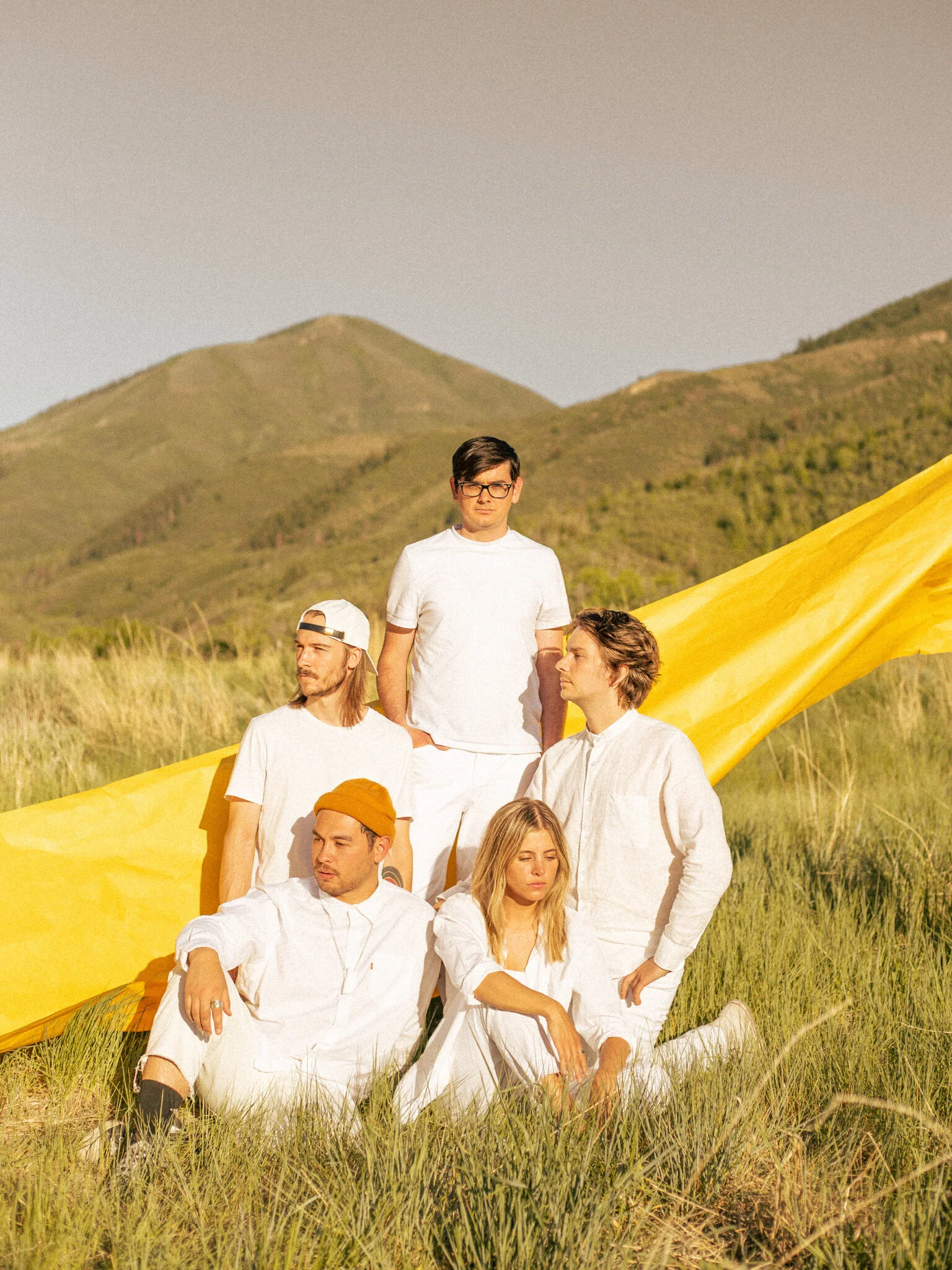
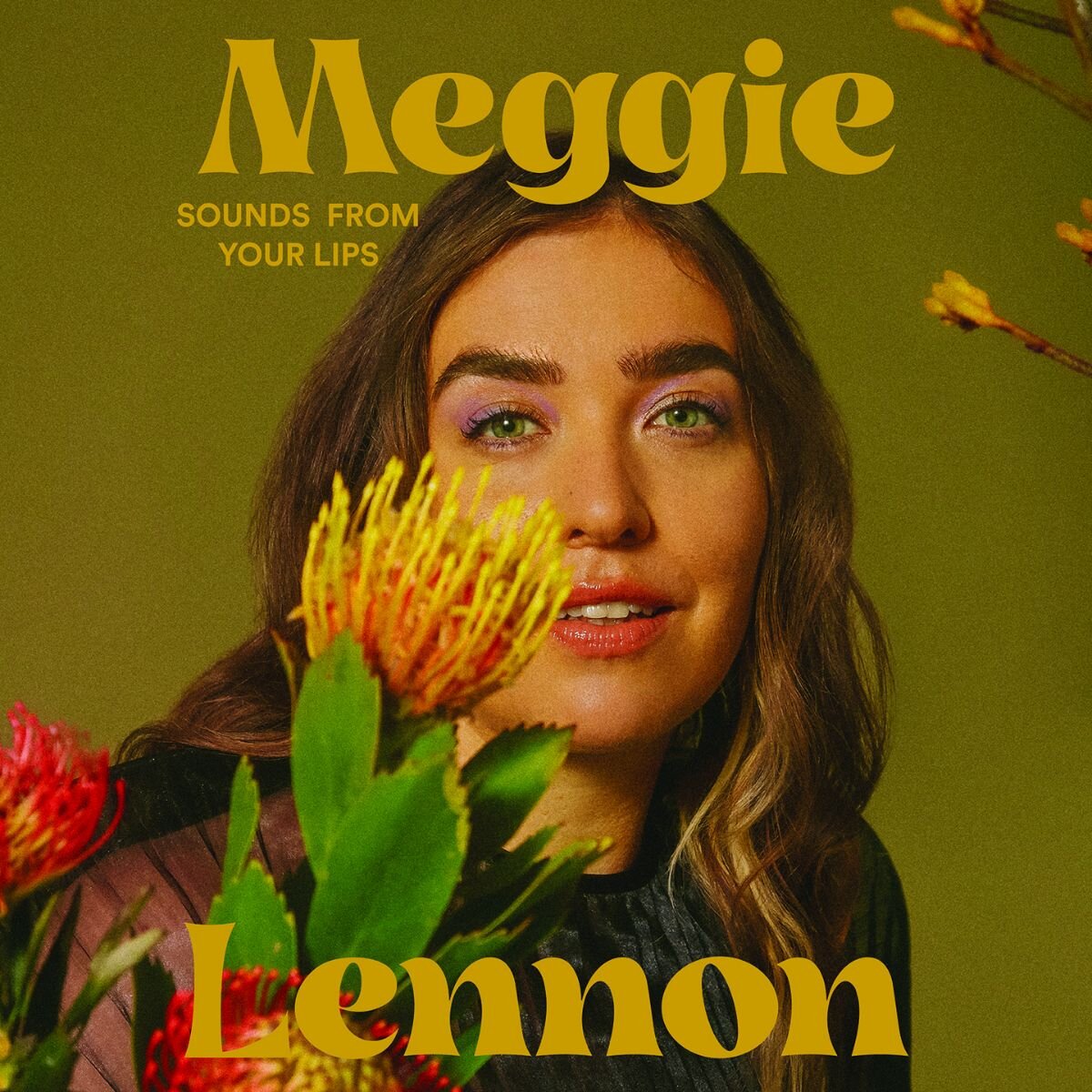
AC: What would your advice be for people who want to get into DJing and making music, but don't know where to start?

H: To start DJing, Intersessions and Chippy Nonstop regularly offer classes physically or virtually to learn how to DJ. Also, follow the artists you like because they will be sharing courses or even offering some themselves sometimes. Join Facebook groups to get access to used equipment. Start digging!

For producing, it helps to have hardware, so you don't do everything on your computer. Getting a midi keyboard or drum pad makes the process more organic. Also exploring VSTs because I feel like most producers have their favourite VSTs that they use frequently. It helps develop their sound. Once again, keep an eye out for beginners courses or reach out to people you know that produce. Most people are always willing to help :)

AC: What's next for Honeydrip?

H: A remix EP may or may not be on its way. And this is just the beginning of my transition to a producer. So far, I am loving it and will continue to release music as consistently as I can.

Credits:

Animated & Produced by Emma Forgues

Composed by Honeydrip

Vocals by King Shadrock

Mixed by Francis Latreille

Mastered by Valentin Ignat

Honeydrip

Twitter I Instagram

Soundcloud I Bandcamp I Spotify I Apple Music

Malaika Astorga is the co-founder of Also Cool. She is a Mexican-Canadian visual artist, writer, and social media strategist currently based in Montreal.


Related Articles


In Conversation: NYC's Mons Vi Opens His Indie-Pop Time Capsule


Matthew Hershoff (Mons Vi), by Drake Li

Editor’s note: The following interview explores themes that readers may find distressing, including suicide, grief and loss. Reader discretion is advised.

Mons Vi is the alias of the Big Apple’s Matthew Hershoff, a multidisciplinary artist who found his bearings by making bedroom-pop a method of survival. Hershoff’s collection of songs amassed over the last decade tell the harrowing story of his twenties; a period marked by immense loss, pain and personal hardship. Finding solace in songwriting, this coping-mechanism transformed into a creative outlet for Hershoff, who began gigging with a rotating cast of musicians in NYC’s indie circuit before the onset of COVID-19.


When speaking with Hershoff, I ask him how his relationship with music has changed since being cultivated as a place of healing during a difficult chapter in his life.


“My twenties kicked off with me losing my mom to suicide, which was devastating to me and coloured the next decade of my life. Music started as an entirely personal thing: It was about going through a process of grieving, and just getting my feelings and emotions out. Though my mom’s death is not necessarily the focal point of every song I’ve written, it’s a cornerstone of my personality and my experience; so, themes surrounding loss and abandonment come through in a lot of my earlier work. That being said, I’ve done a lot of growing since then, not like I’m an old man on the hill (laughs)… but, you know, I’ve connected with different people, found community and peace and am now I’m in a new identity-formation period. For the first time, I’m thinking about how I can bring my music into a live setting and make people come together and experience some kind of collective energy!”


Over the last eight years, Hershoff has built a musical catalog that he plans to release as a full album in the near future. Knowing that his musical career came of age in NYC, we get on the topic of the city’s dense culture and rhythm as a world-renowned epicenter of artistic expression.


“New York has such a rich history of music and powerful personalities,” says Hershoff. “You can’t escape it when you’re here and it makes you feel like you’re part of some kind of lineage; which, of course, informs the music that comes out of the city.”

Matthew Hershoff (Mons Vi), by Delaney D.

For Hershoff, a steady work ethic of going out and playing live music, coupled with getting to know familiar faces at gigs and about town, has helped him settle into a community that he says, “is really there for the long haul.”

The pandemic has made it difficult, if not impossible, for musicians like Hershoff to connect with their community lifelines. Without shows materializing as a cultural milieu, Hershoff has been chipping away at the beginnings of his debut record in isolation.


“As my debut comes together, I’m trying to harness the essence of what made me feel alright with being a human. All of this collective time alone has helped me think of how I can make these songs –some of which are eight years old– both healing and fun and a means of people coming together. This is what I picture while I write, hoping that it manifests.”

To get a glimpse into Hershoff’s imagination, I then ask him to touch on the backstory of his recently released music video for his latest track “After School.”


“I collaborated on that video with a friend of mine, Renata Pereira Lima. She is an extremely talented choreographer and works a lot in the realm of modern, interpretive-style dance. I knew I wanted to make a video with movement and I described what the song was about to her, and she brought that to life. The storyline is really as simple as two characters wanting each other, but one won’t give the other attention, so the other crosses a boundary to get said attention and then they have a party.”

Hershoff articulates that his songwriting is generally character-driven to represent and heighten parts of himself that he wants to come forward in his music. He notes that this method of narrative creation allows him to hone in on parts of his personality to release vulnerable feelings or hold himself accountable.


“We all have parts of our personality that, if you let them get out of check… you know, you end up being a jerk or getting out of control. If you let those parts of yourself speak freely through your art, it allows you to take control of your emotions in a healthy way,” he elaborates.


In closing our conversation, Hershoff dives into what is on his plate at the moment, as well as his upcoming plans.


“I’m putting my band back together right now and exploring other mediums of expression. I’m, of course, especially focused on music and feel like things will reveal themselves sooner rather than later, as the world begins to open up and live shows become possible once again. The best way to support me is by checking out my music and, you know, bobbing your head to it (laughs). But in all seriousness, if you’re interested and listening to the words, come to a show and hang out! I’d love to get to know you.”

Mons Vi

Instagram | Facebook | Twitter

Bandcamp | Spotify | Youtube

Zoë Argiropulos-Hunter (she/her) is the co-founder and managing editor of Also Cool Mag. Aside from the mag, she is a music promoter & booker, and a radio host & DJ.


Related Articles


Toronto's New Chance Makes Existentialism Danceable on New Album "Real Time"


New Chance (Victoria Cheong), shot by Yuula Benivolski

Toronto’s New Chance (Victoria Cheong) has joined the roster over at new indie label We Are Time with the release of her new LP Real Time. A long time collaborator of artists like Lido Pimienta, Jennifer Castle, post-punk icon Chandra and reggae legend Willi Williams, Cheong creates meditative electronic pop soundscapes that are suitable for unwinding from day-job restlessness as well as surrendering to the hum of a late-night dancefloor. On her latest offering Real Time, Cheong brings her reflections on nature’s abstract cycles to the forefront, between spellbinding textures and an eclectic sampling of everything from Calypso percussion to a sunrise rooster crow. We caught up with Cheong on how she wrestles with profound existential questions within the scope of her ever-changing creative outlets.

Zoë Argiropulos-Hunter for Also Cool: Something that struck me while reading about Real Time was that the album artwork is a photo of your grandfather’s. Can you tell me more about this picture and the role it plays in the context of Real Time as a whole? 

Victoria Cheong: I was really inspired by these scrapbooks I have of my grandfathers that are filled with photos of his garden, pictures of garden shows and cutouts from newspapers and magazines about plants. They’re beautiful and I was moved by being able to see through his eyes, in a way. During the pandemic, these hobby scrapbooks were are around me and I found myself flipping through the pages. Eventually, I ended up reworking some of his photographs into the album artwork. The image I chose [for the album’s cover] of the night blooming cactus is a great metaphor for the themes of this record; cycles of time and nature. There’s a kind of patrilineal connection creeping into the record, which I totally didn’t set out to do… but the “father energy” just came about organically in a way that fit perfectly with some of the ideas I was mediating on.

Real Time album artwork by Jackson Cheong, Gord Cheong and Victoria Cheong

Also Cool: It’s so interesting that the photo ended up informing the work in such an unexpected way. To riff off of you mentioning temporality: You move through different spaces on this album, both in a temporal sense, but also in an emotional sense. I don’t want to use the word “tensions” to describe what you’re working with here because it sometimes carries a negative connotation, but you’ve mentioned reconciling with people’s’ relationships with nature, for example, or our existence in relation to “time” and the feelings that can bring about. Where does the song forming process start for you when you’re reckoning with society’s positions on these immense topics? 

Victoria Cheong: I definitely tend to be more beat-driven for sure. A lot of the lyrical content in my work is basically a stream of consciousness, like diary-style venting and questioning of the world around me (laughs). I like turning ideas around in my mind and kind of puzzling over things, like my observations on life and so on. I tend to be an experimenter and tinker with different things, despite having no set format for how I work. I like to collect sounds and put them together. So, for example, I might follow a rhythm or vocal melody, zoom in on that, and see what builds from there. Most of my songs are sampler-based, which really allows for this kind of collage-y process. The sampler has definitely informed a lot of my music-making up until now!

That said, during the pandemic the way I usually work was totally turned on its head because half the songs were written pre-COVID, which meant I had to reevaluate my workflow when the world around me became so different. So, I found that once I had the vision that I was going to finish the record, it shifted the way I was creating. I became way more intentional and deliberate in terms of songwriting towards the end of this process, which was a new development in my otherwise “loose” approach. 

AC: Can you place when or where that shift in direction might have come from? 

VC: I don’t think I can pinpoint it! To tell you the truth, I’ve never dedicated the space and time entirely towards making a record, so being absorbed in the process was a welcomed change. In the past, I would juggle working and performing and make songs here and there, with a lack of focus. Once I could slow down and get in the headspace to concentrate on my own work, that lent itself to, you know, all the aspects of musical production, writing and so on.  

AC: It’s funny that you say that, because I think that really comes through on your vocal performance on this record. Knowing that you are a background vocalist for several acts, what inspired you to take on a more forward approach with your singing and lyrics with Real Time

VC: I think it comes from enough experience with performing. Backup singing has definitely helped me figure out how to embody lyrics and sing words that aren’t my own, while also expressing them in a meaningful way. It’s also informed my confidence for sure. I’ve learned how to nurture my main instrument, my voice, over the years, and I suppose working alone [during the pandemic] let my confidence take over.

AC: I’ve never really thought about backup singing like that before; in a sense that you’re taking on someone else’s words and you have to mean it. Even though this record is, of course, coming first and foremost from your perspective wholly, are there any versions of “Victoria” that you’ve worked with throughout conceptualizing and realizing Real Time? In other words, would you say you’ve embodied other sides of yourself and how have you wrestled with that experience if so?

VC: You mean my relationship with my different selves? 

AC: Yeah, exactly! 

VC: Now that this record is out, I feel like it acts as a type of ending for me actually! In a true sense, it offers closure on a period of my life and a new beginning. As an artist, I’m steering my ship in a bit of a different direction in terms of trying new things, and definitely shedding versions of my “past selves” and some of the creative habits that I held onto.

AC: When you say trying new things; were you taking up any kind of new musical experiments or exploring paths that you hadn’t gone down with your music before? Other than the intentionality with your vocal performance that we talked about before, of course. 

VC: Hmm… different paths. Well, my track “Two Pictures” is the only song on the album that features another person, Karen Ng, who plays saxophone. We were working on a recording session for a completely different project when I started directing some improvised scores and recorded Karen’s playing. I then built [“Two Pictures”] entirely off of that improv session, so what you hear on the record an improvised sample that was created completely separate from the song… before it even existed (laughs)! 

So, that was a path that I want to continue working on. I’d like to improvise with other musicians and manipulate those collaborations, as in creating songs around them or editing them or whatever! Creating improvisational scores that are more conceptual is definitely more exciting to me rather than actually writing out music… which I don’t really know how to do anyways (laughs). 

AC: To ask a more standard question, what inspirations did you bring to the table in this album? I keep thinking about the collage concept you touched on before, and I’d love it if you could zone in on some of its elements. 

VC: Hmm, well there really is a whole medley! I’m, of course, always curious to tune into backing vocals because they have been all over the place over the decades and I find that they are all I ever hear now as someone who sings backup vocals. Something that did come up in terms of inspiration was actually Bobby McFerrin’s “Don’t Worry Be Happy.” It’s a big song from my childhood, but it really inspires me because all of the instrumentation is just vocals! That whole record is amazing.

AC: Wow, that never occurred to me until just now! 

VC: Yeah! It’s so cool what is possible with voices. In terms of other inspirations, Jennifer Castle, Leonard Cohen, Bob Marley and the Whalers, as well as modern day R&B for its uplifting instrumentation come about in my work, too.

AC: Perhaps this is a bit of a painful question to end off on, but since so much of this project is in your hands and the world is starting to look more like the “before-times”: Do you have any idea of how you’d like to share Real Time, in well, real time (laughs)? 

VC: Well, I think I will let [the record] transform into a new experience for me. I need to figure out how to pay it live and how to share it in that way. I’ll keep working and looking and other ways to create and share music while trying out some of those different creative paths I mentioned before!  

Listen to Real Time below!

New Chance

Website | Instagram | Twitter

Bandcamp | Spotify | Youtube

Zoë Argiropulos-Hunter (she/her) is the co-founder and managing editor of Also Cool Mag. Aside from the mag, she is a music promoter & booker, and a radio host & DJ.


Related Articles


Lucid Express Share Hong Kong's Shoegaze Scene and New Album

 
4db651b9-ce0a-48bb-9e09-c40c26fe888b.jpeg

Get lost in the never-ending synthy waves of Lucid Express, the 5-piece shoegaze band from Hong Kong. Their airy sound takes the listener on a journey through the band's colour-soaked world, weaving in traces of their personal values and activism.

The group formed as teens in the winter of 2014 in the turbulent weeks just prior to the Umbrella Movement, the latest in a series of tense pro-democracy protests against increasingly brutal state suppression in their home region. Kim explains that "At that time, it felt like we have a need to hold on to something more beautiful than before. Like close friendships, the band, our creation."  

I caught up with the band via email to talk about their music scene, creative influences, and more. 

Malaika Astorga for Also Cool: Hi! It's very nice to e-meet you all. I want to start with how you all met and how the band came together?

Samuel (bass) for Lucid Express: Wai and I are brothers, and we first met Andy on the Internet. Andy then met Kim and Sky in their vocational training school. 

Also Cool: You've spoken a bit about the music scene in HK and have mentioned that it was only in Taiwan where you started to find shoegaze, dream pop, and new wave music. What kind of music do bands typically play in HK? What are the venues like there?

Sky (guitar): There are actually quite a lot of different genres of bands in Hong Kong! The more you explore the scene, the more you will discover. From classic rock' n roll, core, metal, hip hop and alternative, to blues, jazz, post-punk, math, electronic, noise and experimental, and more. There are venues like cozy bars, independent live venues, cool hidden venues and standard large live spaces. Some of them aren't functional anymore, but some new venues are starting up as well.

Lucid Express Candles Pic by Katy Ng.png

AC: You've spoken about the difficulties of making it as a band in HK due to rent prices, the cost of putting on shows, and the land issues. How have these challenges affected you as a band? What are the benefits of being in HK versus elsewhere?

Kim (vocals/synth): For me, I think being in a band is always challenging regardless of where you are in the world. Hong Kong is a very capitalist city, which makes it harder to do. Everything is tied to money… and we don't have a garage to be our practice place.

AC: You've toured quite a bit as a band now. I'm interested to hear what the music scenes are like in Vietnam, Thailand, and Japan. Do you have a favourite show that you've played?

Andy (guitar): Every live audience was always very enthusiastic, and the performance scene was always very professional. One of our most memorable performances was an outdoor music festival in Thailand. It was pouring rain before the performance, so we had to move to the garage, which was a strange but memorable atmospheric experience.


AC: Aside from the shoegaze and new wave classics, who are some of your musical inspirations right now? Any local bands or friends you want to shout out?

Andy: Yo La Tengo because they're always experimenting with new sounds. I also like the band Fantastic Day in Hong Kong. 

Sky: Beach House, they always make simple and beautiful melodies.

LUCID-EXPRESS_PACKSHOT_3000.png

AC: What can we expect from your upcoming album?

Wai (drums): It's been seven years since we released our first EP, which is a long time! Some songs from this new album were created in early 2015. It's sort of like a journey of us as a band, documenting how we evolved.

AC: What are you looking forward to in 2021? Will we be able to see you live any time soon? We'd love to have you play in Montreal!

Wai: YES!! We hope to see all of you guys after the pandemic is over. Miss the live gigs, the people, see you soon! 

AC: Finally, are there any local causes going on in Hong Kong that you would like to highlight right now? 

Kim: We would like the world to see more on what's going on in Hong Kong politically. Many of us out here are being silenced, and freedom is slowly slipping away. We think that the oppressed around the world should stand together. We need solidarity. 

Lucid Express

Instagram I Spotify

Malaika Astorga is the co-founder of Also Cool. She is a Mexican-Canadian visual artist, writer, and social media strategist currently based in Montreal.


Related Articles