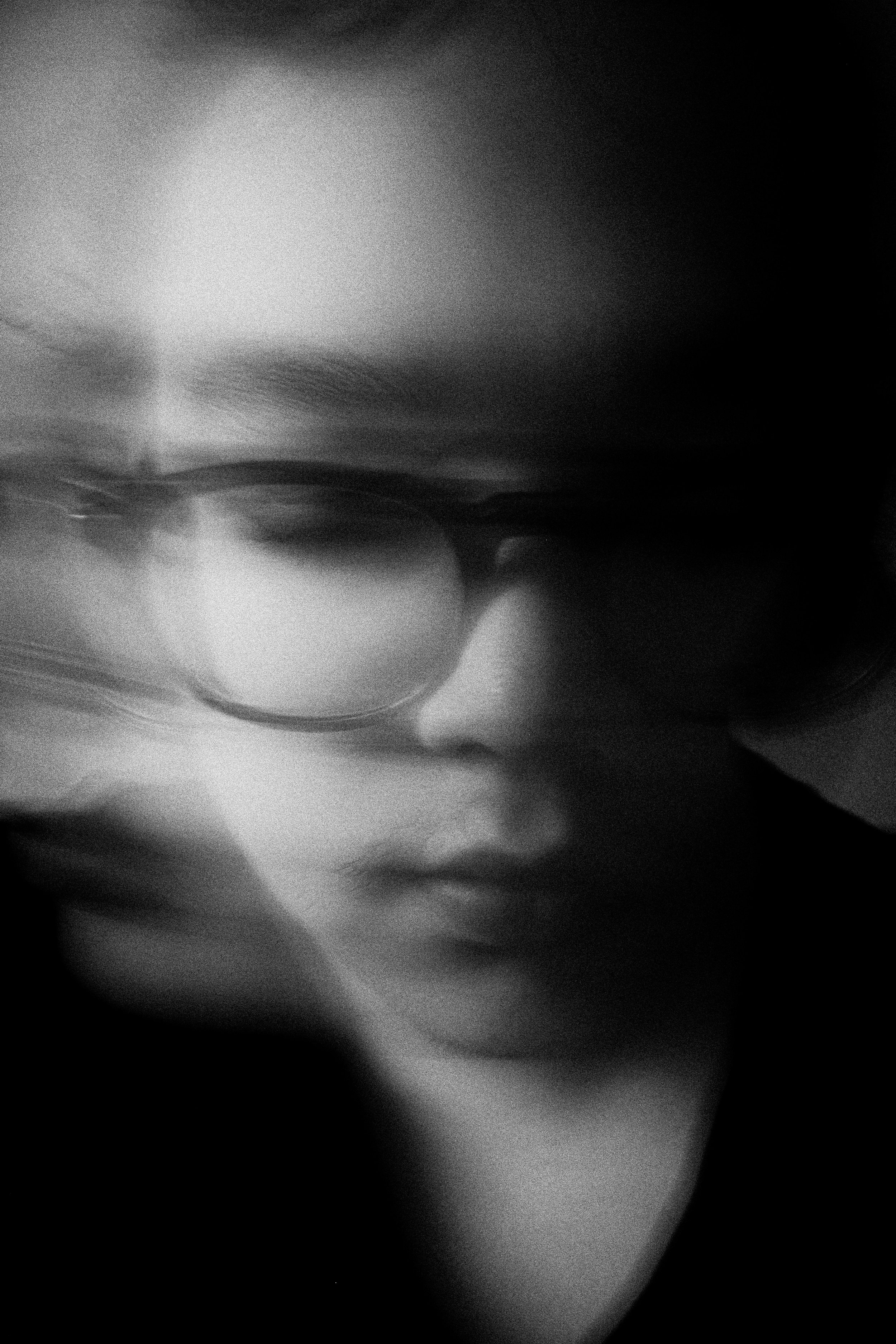
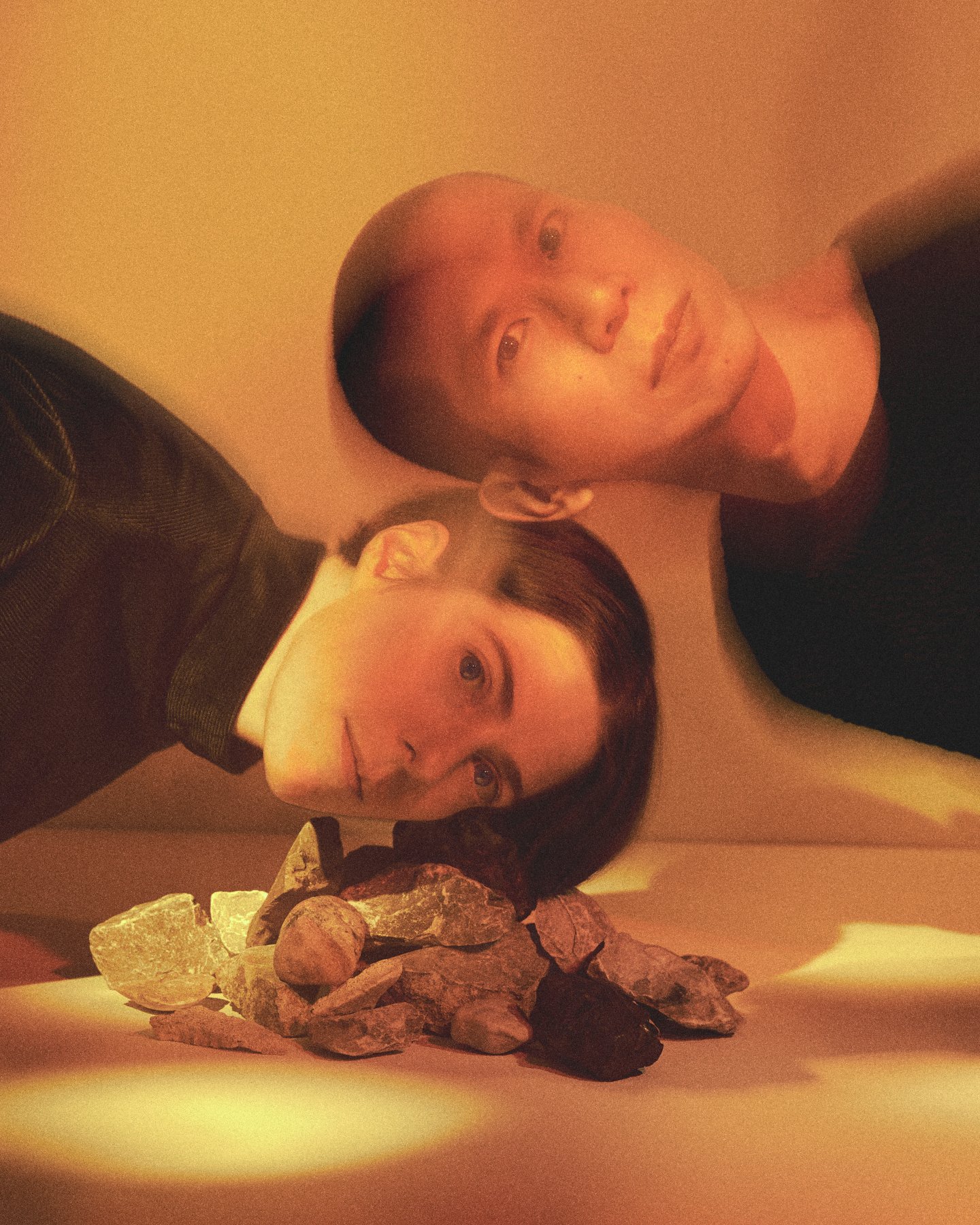
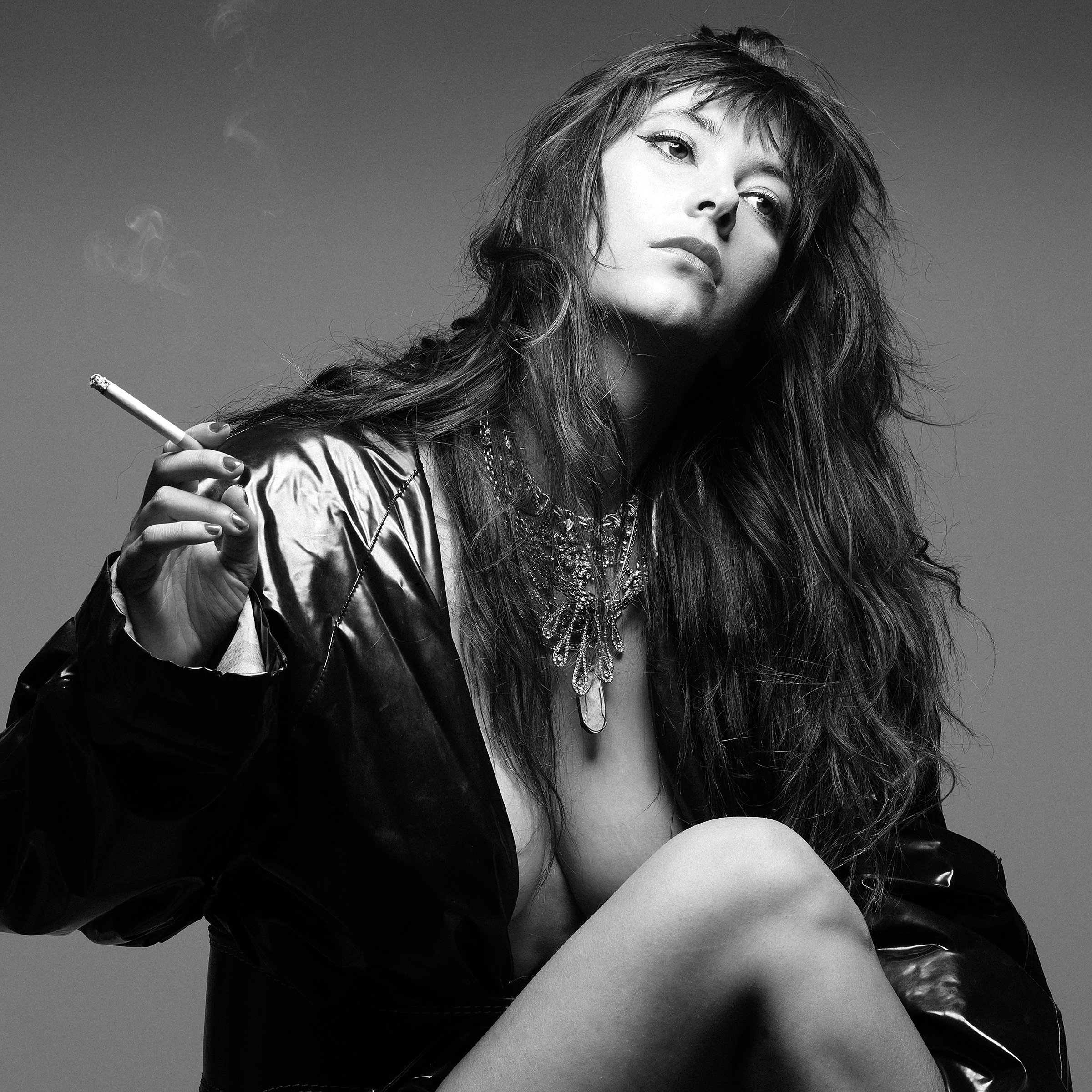
AC: Tomorrow isn’t promised, so in that regard you must put yourself out there the way you want to at that moment and deal with the rest later. [Creating is] all about that natural state of being and what feels right.
O: And, also, to practice – to just isolate yourself to practice your skills, and then come back and refine your vision, not [losing] yourself in what you think people will understand or expect from you.
AC: Is [isolation] an approach that you think you’d take to your future creative work, or was that just an exercise for the time being?
O: It was an exercise that I pushed to the extreme, but I definitely think that isolation helps the creative process a lot. It can be two months, a week, a few days, a year. I don’t know what I will need in the future, but I will need some isolation for sure.
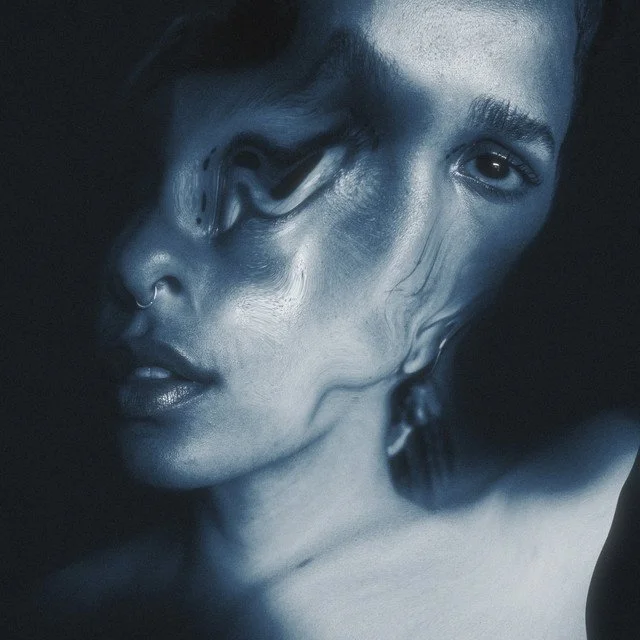
AC: Describe the environment you want to curate with your Frame of a Fauna shows, physically speaking or otherwise. What do you try to convey in your performances, and what do you want conveyed back to you?
O: I really want to convey the energy that I feel inside of me. I want to show a softness while balancing the intensity that I feel inside of myself. I really want to do something musical, but I don’t really want to do a visual show – right now, that is not what I’m trying to do.
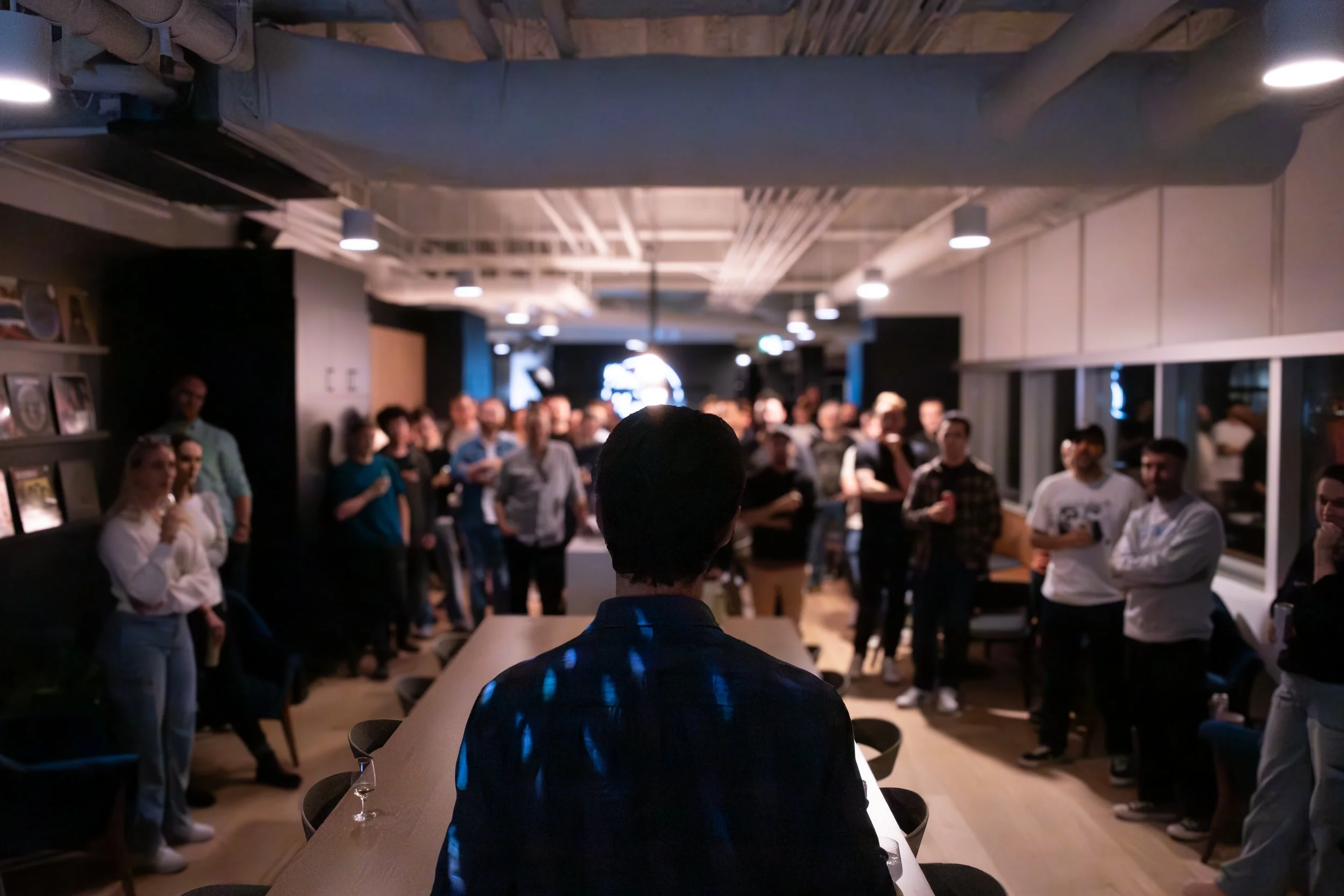
I want to feel a strong dynamic between me, the musicians on stage, and the crowd. I want to feel that exchange of energy. [My shows] will not be unidirectional. I want to stop time, accelerate it, and play with all the parameters.
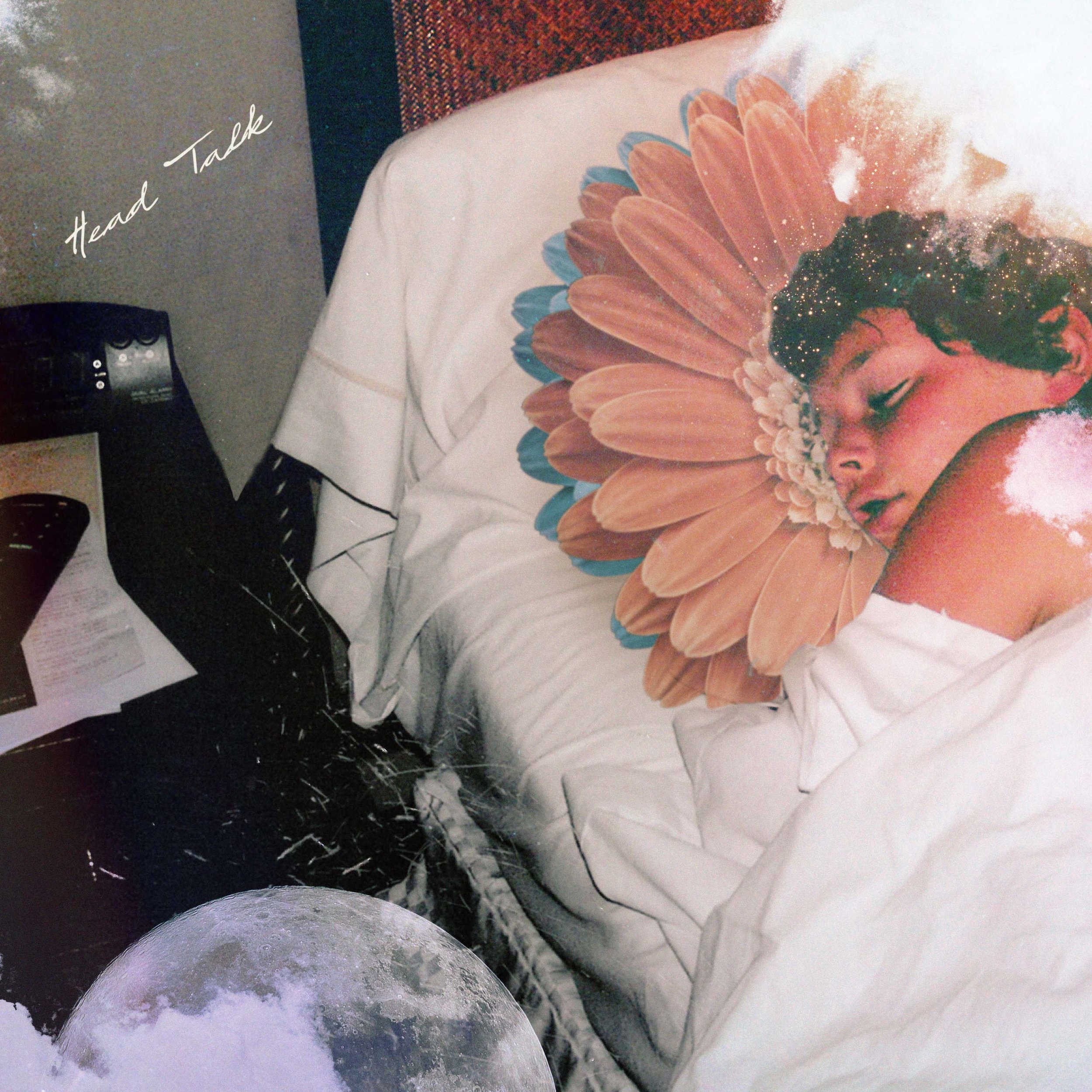
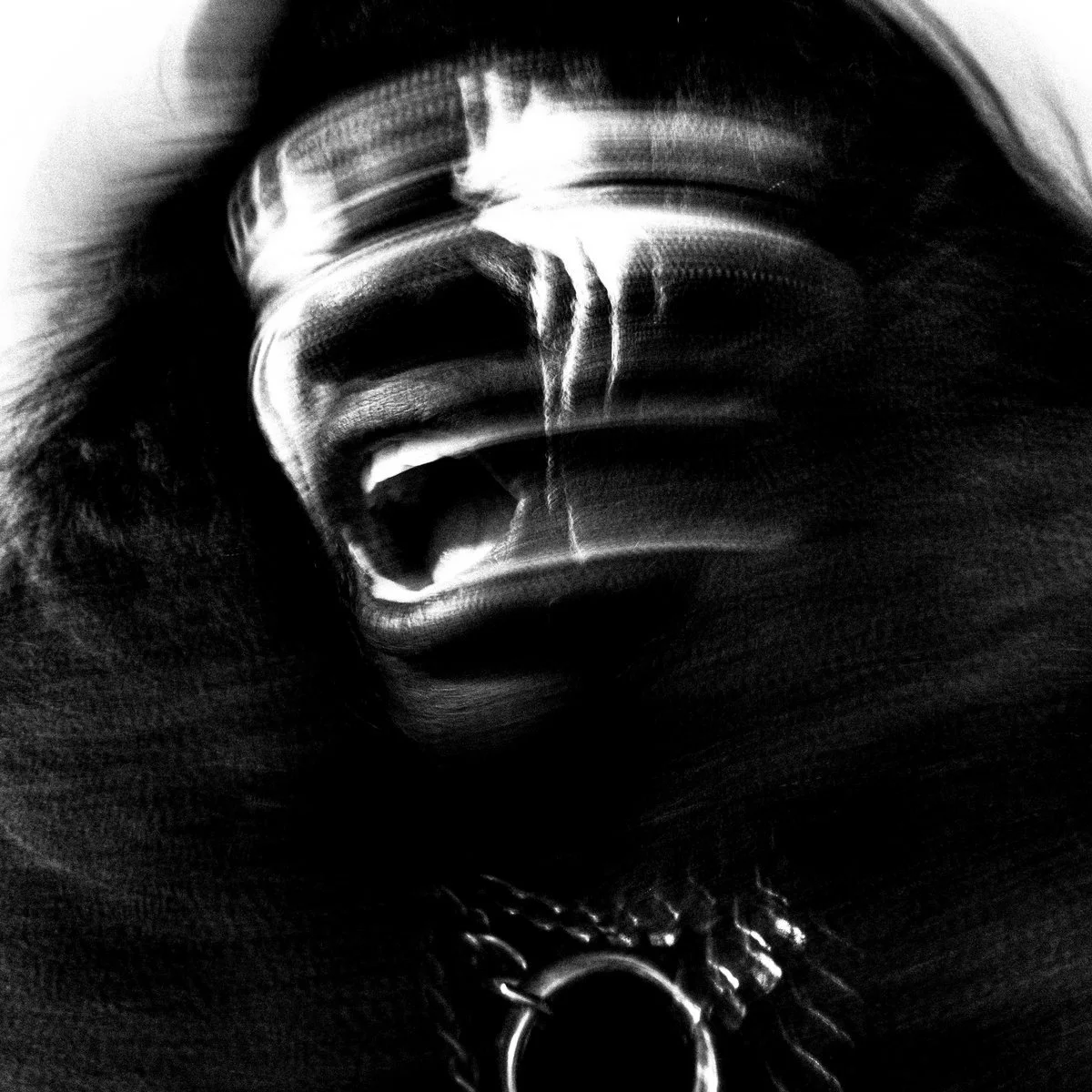
AC: That [description] kind of relates to the overall themes of the album as well. [Frame of a Fauna] is about all of these vivid human sensations that you can’t describe, this “more than words” type of energy. So the idea is, then, that it’s going to be very minimalistic and people are going to be transformed by the musicality?
O: That is really what I want! I feel like there is so much going on visually [in the world]. Since COVID, I’ve spent so much time on my phone––seeing things, trying to grab information from visuals––but sometimes I feel like I receive too much information visually, and it goes too fast and doesn’t make sense anymore.
Music can really help change that, jumping between completely new perspectives and new worlds of sensation. I want to take advantage of that. This is what I do, I’m a musician, so I’m focusing on the music.
AC: We are looking forward to whatever you’re up to next. Is it too early to ask about next steps? How are you hoping to transform in the months to come?
O: Absolutely. I’m going to do a couple of shows after this one [in Montreal on October 27], and I’ll also be launching my own imprint with this album––it’s called Born Twice––so I’m already working on the next project that I’m going to release. I’ll be continuing to forge the sound of that.
I’m really curious to observe people’s reactions to my album. In the past, I feel like I was running away from reactions because I was afraid they would be negative, but now I just want to see how people react to this because it’s going to give me a tip on what to pursue next.
I want to have solid pillars for my different approaches, musically, to Born Twice. I’m already [working on a pillar]; maybe the reaction to Frame of a Fauna is going to be another pillar, and a new collaboration is going to be another one. We’ll see!