Pearly Drops Trace the Glitches of Perfection on "The Voices Are Coming Back" (Music Website)
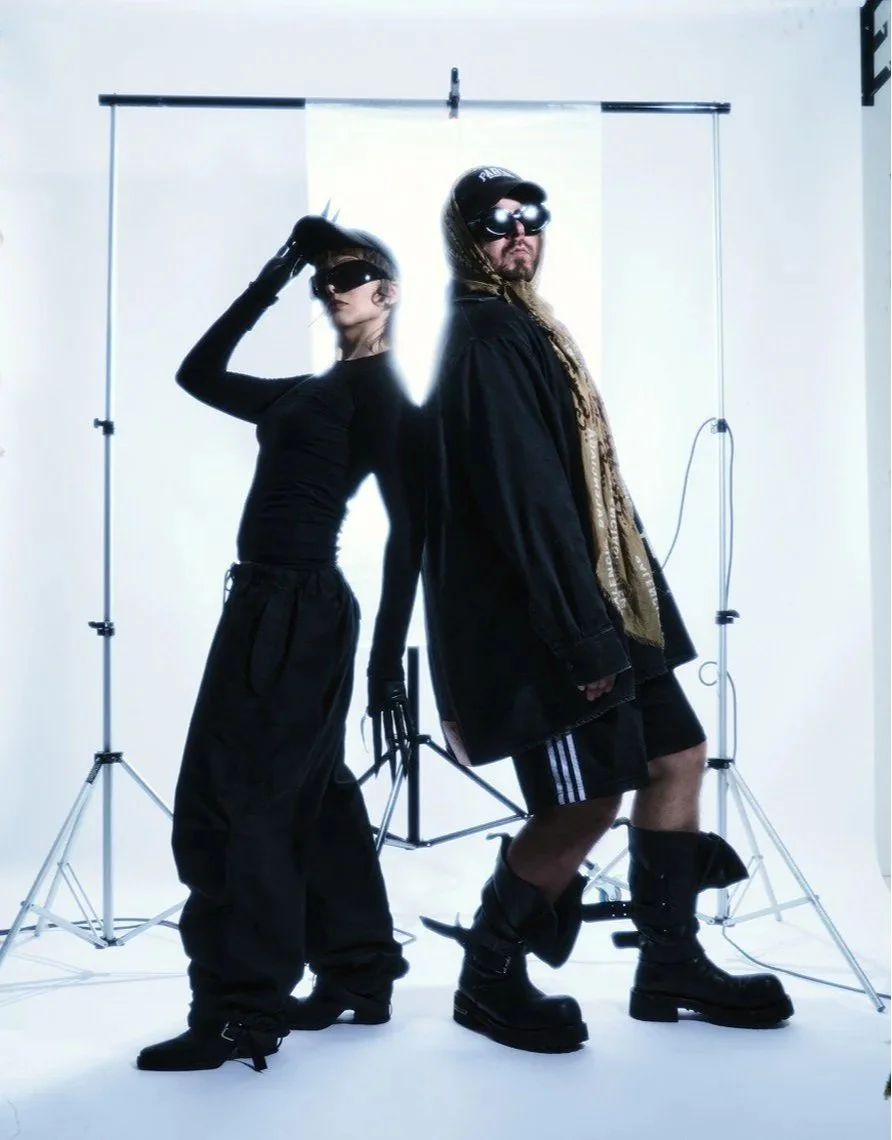
 

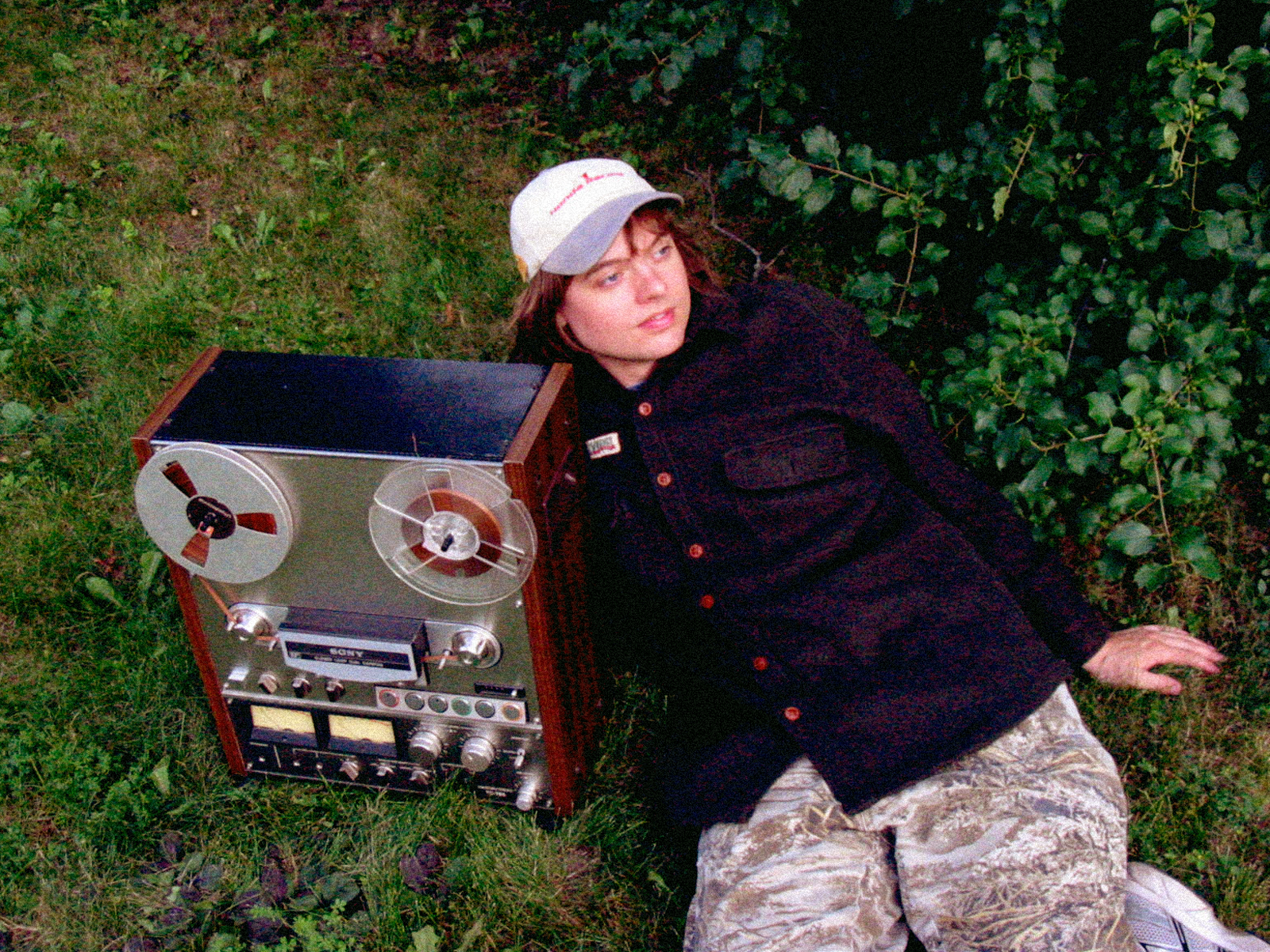
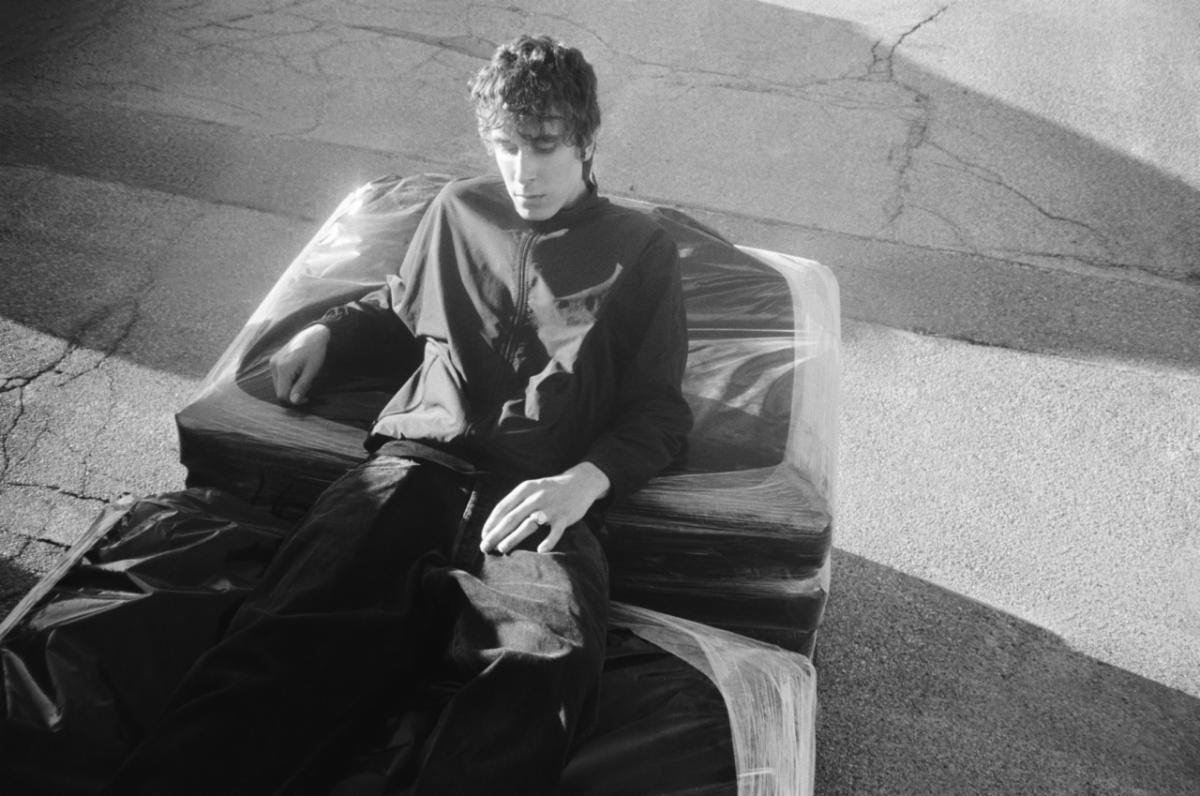
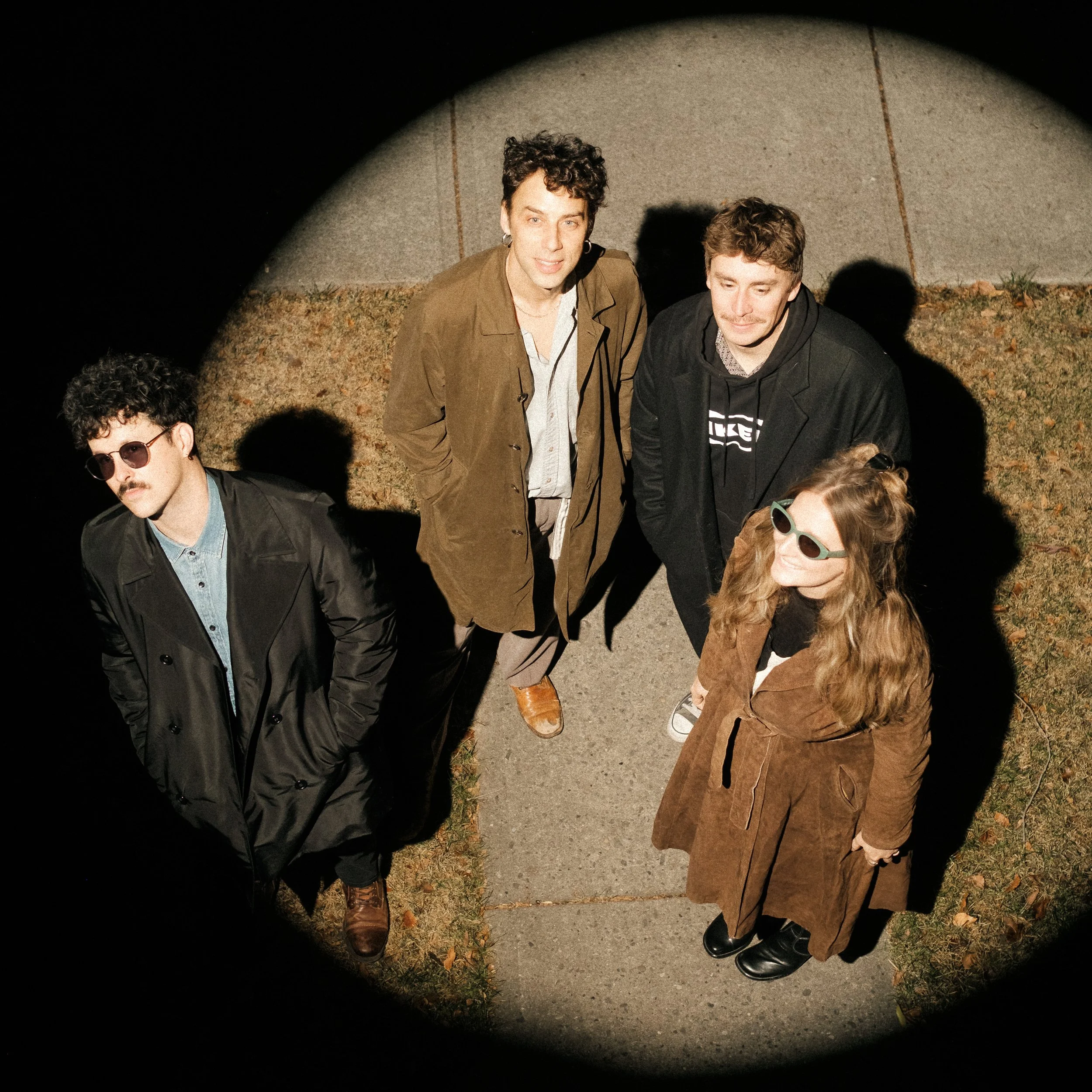
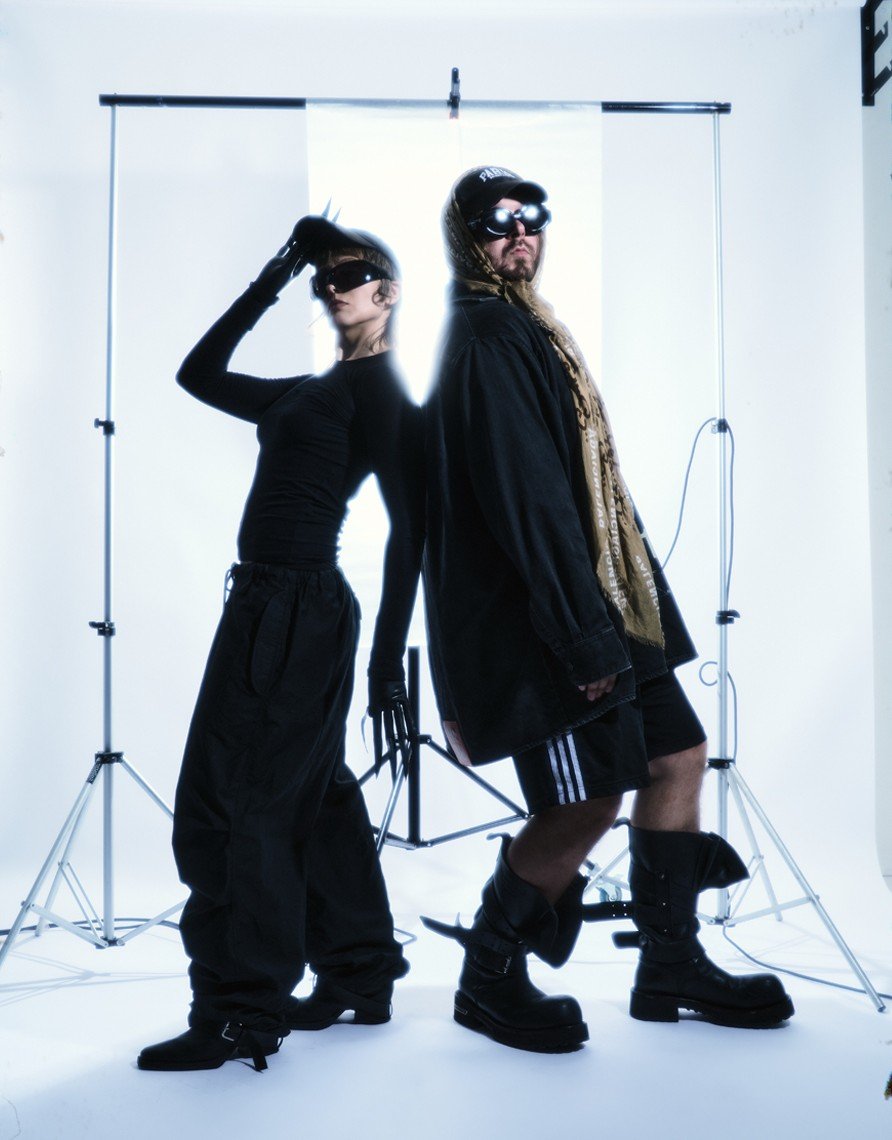
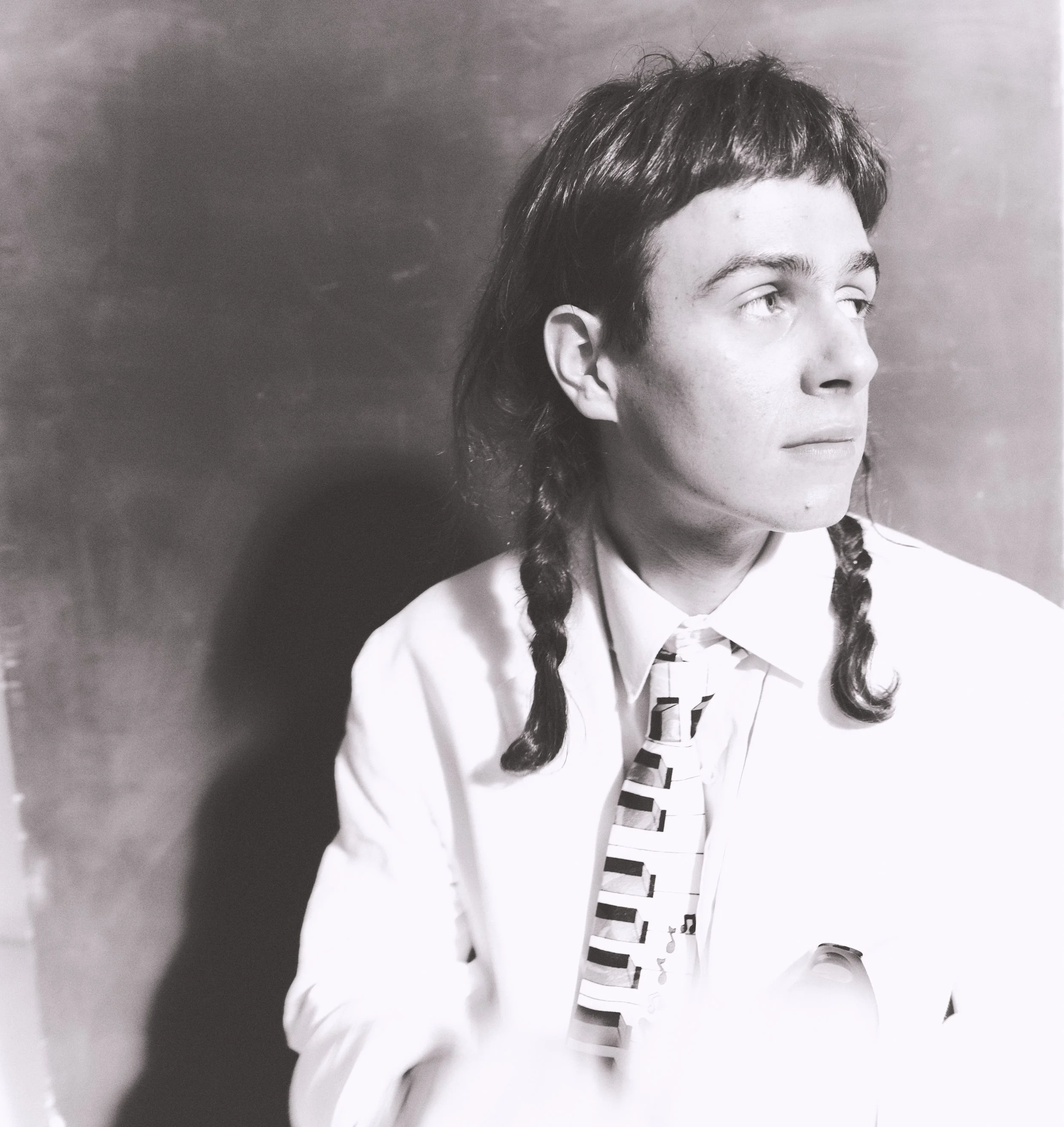
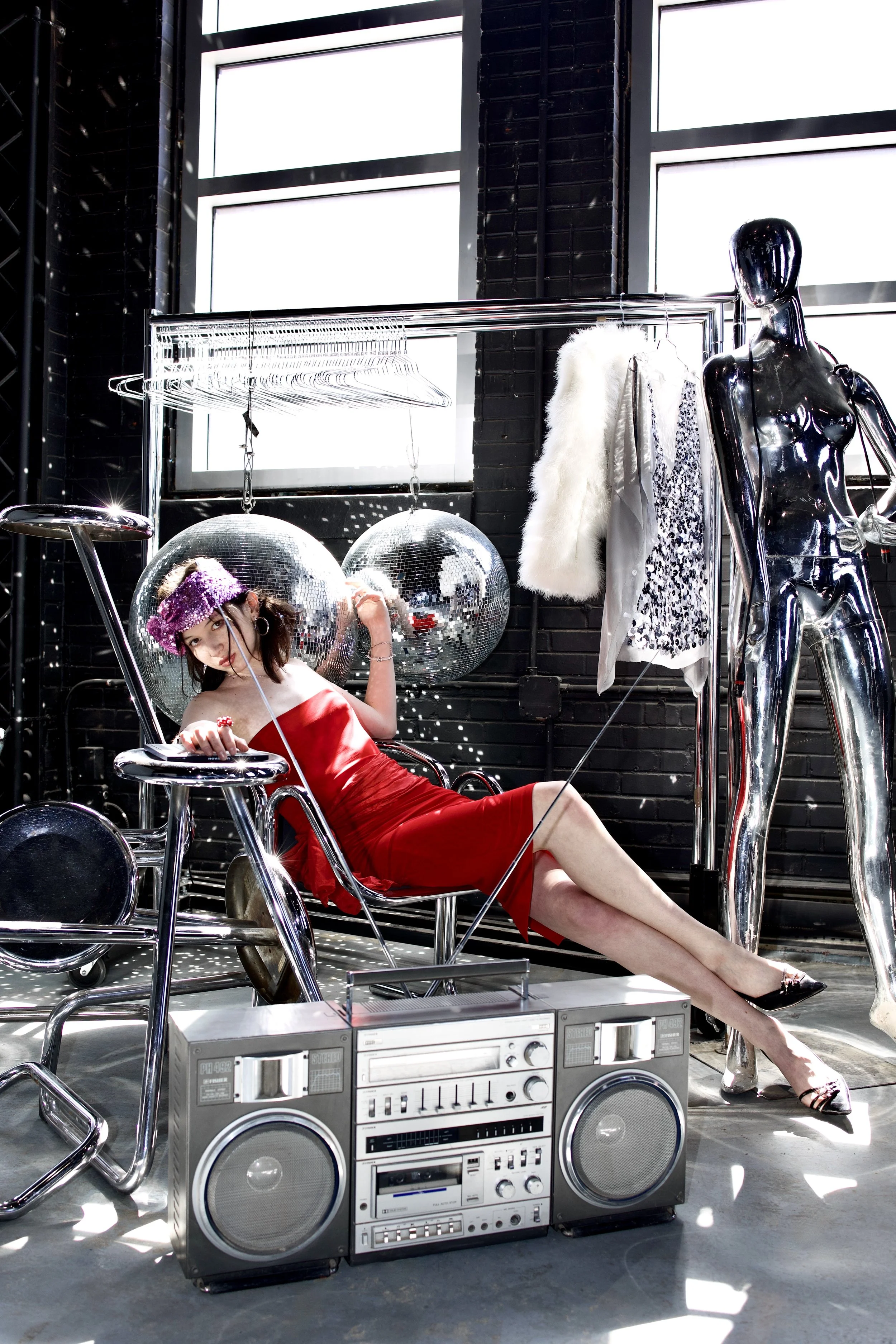
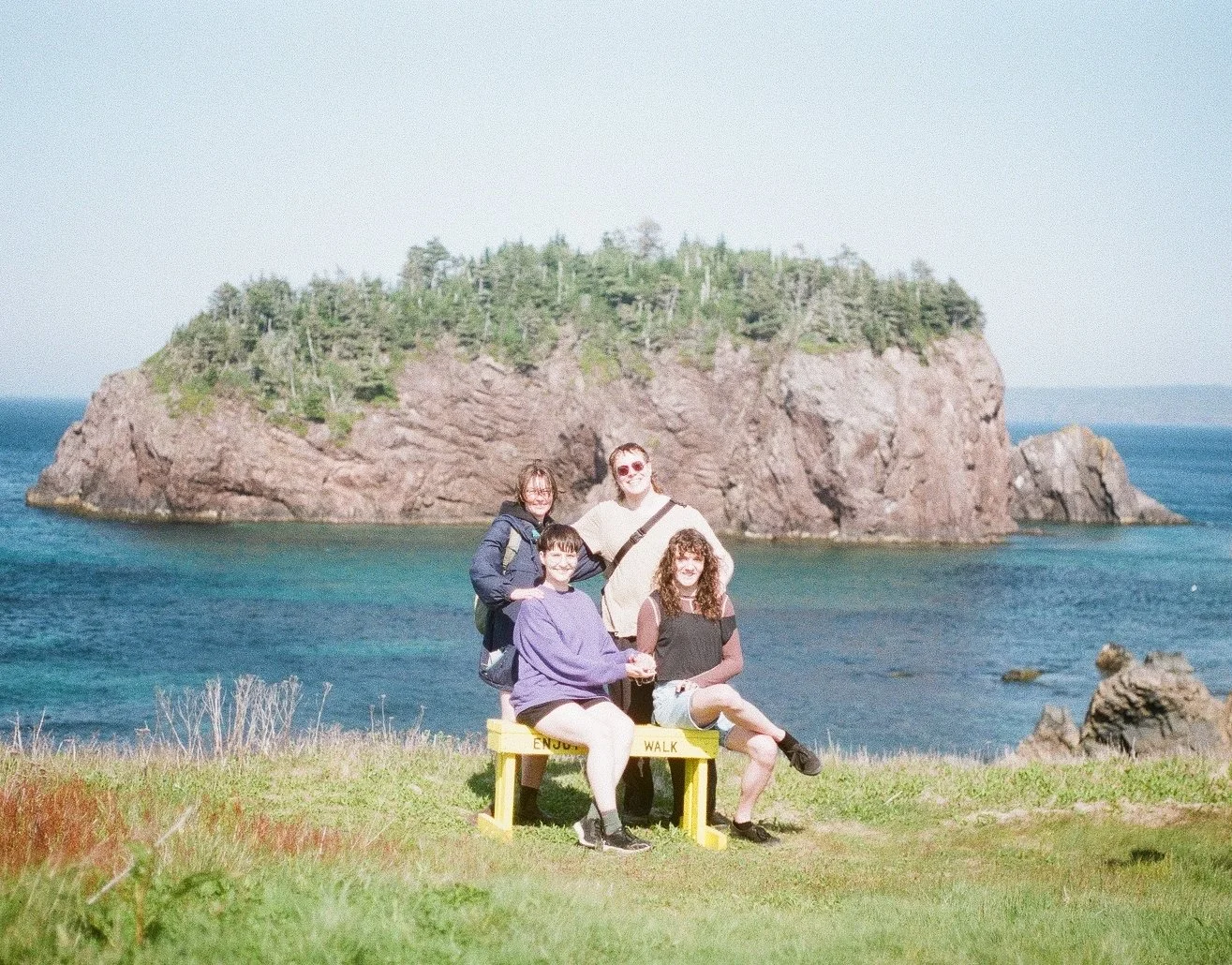
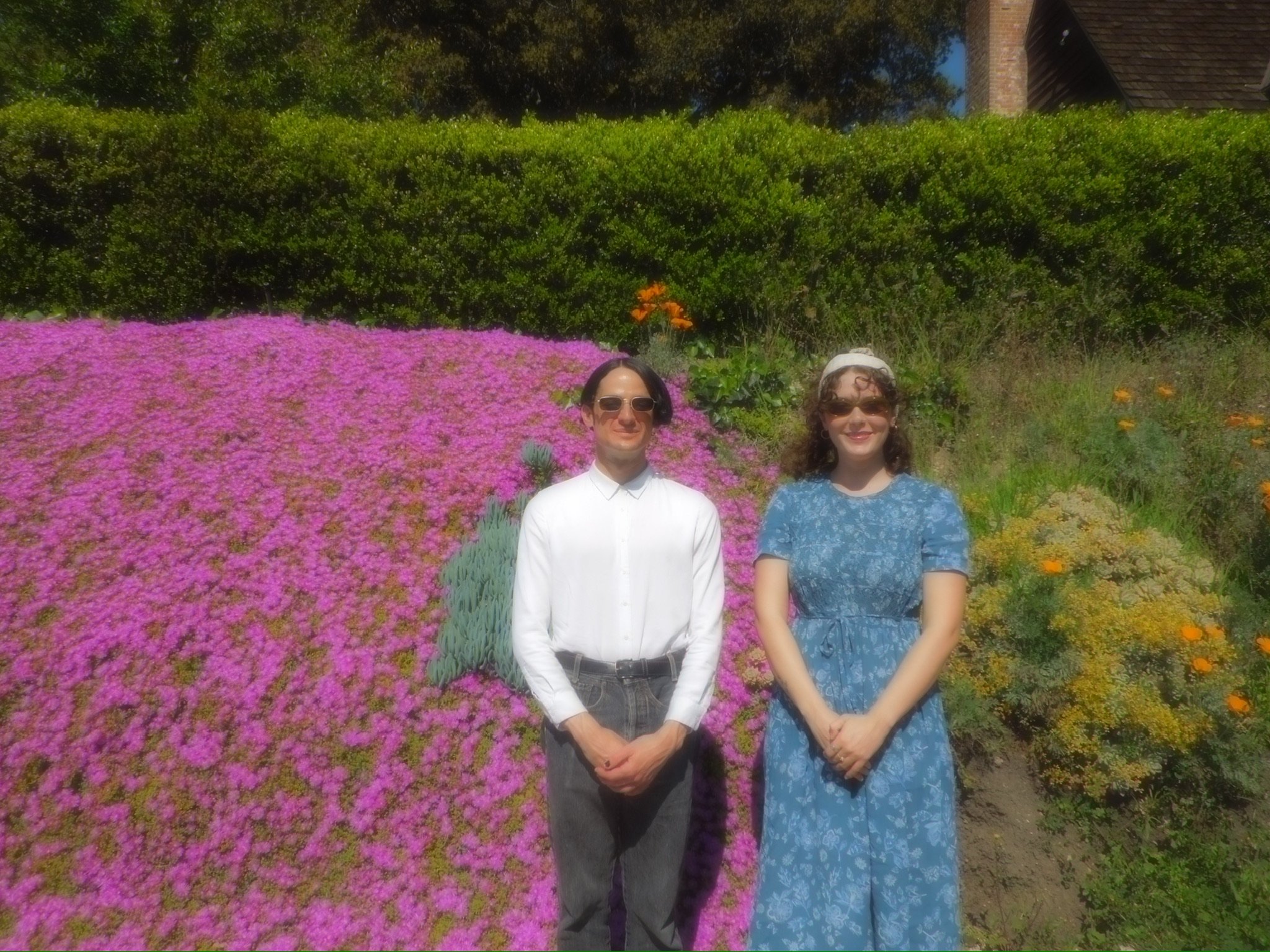
Sandra Tervonen and Juuso Malin of Pearly Drops by Morrigan Rawson

“For some people, LA can be an influencer world,” Juuso Malin notes, joining me with bandmate Sandra Tervonen over Zoom from Tervonen’s apartment in Helsinki. “A lot of yoga mats, iced lattes, palm trees, and Erewhon. There’s nothing wrong with that… but our idea of LA is probably dark.”

That darkness is the current running through The Voices Are Coming Back, Pearly Drops’ third full-length album (out now via Music Website). Here, Los Angeles isn’t glossy or benevolent; its seduction closes in on you, reflecting back the tarnishes you’d rather not look at.

Across the album’s eleven tracks, Pearly Drops build an impressionistic pop realm steeped in their delicate yet slightly macabre tradition. Tervonen’s marbled cooing swells and tenses, ruminating with an air that is equal parts anguished and curious. The songs move with the steady pulse of alternative rock, lit from within by an almost-sacred electronic glow. Described by the band as a piece of “autofiction,” The Voices Are Coming Back braids idealism with the mundane, folding the Hollywood dream into something more psychological – the narrative becomes less about a destination than an emotional mirage, its story shaped by a tormented exchange of fantasy and fear.

When I ask how the city first struck them in person, Tervonen answers with candour: “Los Angeles feels like a place – when you go there as a musician or an actor, there's this feeling of all [these] possibilities, and you can really make it big, but on the other hand, you can fail miserably. That contrast is everywhere.”

Their tone borders on mythic when they describe Los Angeles, but the curiosity is fitting when you consider the duality. While America is vast, and many people profess their own visions of reinvention, Finland exists on a different spiritual plane – its community safety, its social programs, its steadiness. There is much to love about this framework, but also much to long for: Tervonen and Malin note that, for all its charm, Finland is imbued with a sense of modesty and contentment, which, as artists, can be quietly limiting.

It is LA’s sweltering industriousness, its frantic contortion, that breeds dynamism – anxieties about connection, career, and the state of the world find it harder to lay dormant. Getting outside of their own backyard became the opposite of an escape: it revealed a different version of themselves, one that was expressive, mildly turbulent, and awash with possibilities.

Carrying this version home induced limitless inspiration, but also introspection – for the parts of the city they chose to believe in (and to obscure) each signified different pieces of what they were moving through. “I think that place can be a vessel,” Tervonen contemplates – a way of holding whatever they are too overwhelmed to articulate outright. 

Stitching together film scenes and half-remembered feelings, the duo became compelled by the idea of reinvention, but with enough distance to poke at it – for the Hollywood they encountered was nothing like the one on screen. At least, not the polished version most people imagine. If anything, their experience echoed a different cinematic truth entirely. “It really felt like we were inside Mulholland Drive,” Malin remarks – not starry-eyed, but suspended in the atmospheric oddity that the auteur so expertly cultivated.

Beneath the ambitions of the city lay a more destabilizing truth: the high hopes, the harrowing beauty standards, the burnout that breeds malaise. Pearly Drops lean into this tension by letting the fantastical edge of Los Angeles slip into actual fantasy – the siren-like spiral of “Mermaid,” the taunting undercurrent of “Ratgirl,” the moments where dreams don’t just shape the setting but rewrite it entirely. “We are really aware that this LA that we are painting in the album is both the real place—and how we felt there—but also the place that we have always imagined,” Tervonen clarifies.

Another thematic anchor that permeates The Voices Are Coming Back is a little more universal: beauty, and the instinct to disturb it. While augmented by the album’s conceptual location, preoccupations with beauty and the luxury it affords are always on Pearly Drops’ minds as an inseparable beast of the music business. The angsty “Pillow Face” and fuzzed-out “Demonlover” spell this out quite plainly, but almost every song deals with inner discontentment.

Musically, Pearly Drops have curated a strand of "smudged pop” indietronica that enlightened previous releases Call for Help and A Little Disaster. Here, on a record that fumbles around the desire to shapeshift, it would seem that philosophy is even more important. Tervonen underlines a central question: “Where is the place where I can sort of put this little glitch here or there that makes it ugly at the same time?” She is somewhat joking, but the sentiment reads as embedded in their creative process. To a band—a scene—that values grit over gloss, too much beauty could become a liability.

“It comes quite naturally for us to infuse some distortions into music,” Malin elaborates. “I feel like I have to do something.” This friction permeates both lyrics and instrumentation: the fear of collapsing under one’s desire, the connections that disintegrate as a result of, well, human nature. Their songs shimmer, but there is always a twist – the sprite-like curdle of Tervonen’s voice, the murky guitar underbrush, or the overheated synth.

Sometimes, that twist comes in the form of a vapourous wail. Such is the case for Tim Nelson of Cub Sport, who contributed vocals to “Mermaid.” For nearly half of the track, his agile plea emerges with a clean, uncanny precision. “I think [what made it to the song] is the first take,” Malin says. “It’s a really ethereal moment. Obviously, we could have done something more refined or a feature with words, but it just felt right at that moment.”

There are also the arresting voice memos of Tatiana Bruening (or illumitati) which punctuate “Shallow,” “Demonlover,” and “Cocoon & Tatiana’s Lament.” The photographer/musician dwells on a myriad of relatable issues—depression, belonging, and the artist’s peril of creative distaste—and adds a depth of intimacy to the record’s quiet unraveling.

The pair clarify that these striking additions already existed on Bruening’s phone: “They were her diary entries,” Malin recalls. “For me, it comes from the tradition in rap culture where you have the spoken word ‘skits’ on your albums. It just felt interesting to have her on the album doing something she has never done.”

Tervonen also ties Bruening’s vantage point directly to the album’s fixation on appearance: “She’s photographed some really famous people. She has another view of the same theme, and that brought some realism to the album.”

It’s worth noting that Malin and Tervonen don’t try to decode every lyric between them; part of their process is leaving space for mystery, for things that make intuitive sense. Evidently, these remnants from Nelson and Bruening exist less like features and more like echoes of Pearly Drops’ emotional frequency – the muted torment, the subtle pull.

The Voices Are Coming Back will be followed by Pearly Drops’ first headlining tour across North America in 2026. The duo are particularly looking forward to exploring the live architecture of these songs, seeing as how they have only been performed once in London. Tervonen describes the pull of connecting with the audience: “The songs I like [the best] are the most simple ones. I love when I go into a trance, like a shaman. It's easier [for songs where] the lyrics are quite repetitive and I see people feeling it. As an introvert, it's quite hard to go into that place where you can be in front of many people on a pedestal and be comfortable doing it.”

Malin paints a celebratory, almost communal picture of what the tour will entail: “This new album—and the previous albums—translate in a different way because [the songs] are not as ‘closed off’ as on the album. They are more…I wouldn’t say listening parties…but they are parties where we all experience the music together. It's more interactive.” He likens the energy to that of Snow Strippers – charmingly frenetic, an exercise of discovery. 

As Pearly Drops continue to sculpt the pensive collection that is The Voices Are Coming Back, the album feels less like a closed chapter than the opening of something stranger. Even now, they hint at music that didn’t make the cut – thoughts that fester like unfinished dreams. “There's definitely some tracks that were left off, or at least quite a lot of lyrics and ideas,” Malin hints. “I feel tied to this album still.” 

With another release quietly forming and an era of live exploration ahead, The Voices Are Coming Back doesn’t fade – it lingers, unsettling and luminous. “We’ve realized that we just want to enjoy the show ourselves,” Tervonen smiles. “Life is too short.”


The Voices Are Coming Back

out now via Music Website
1. Delusional On Sunset Blvd

2. Ratgirl

3. Mermaid (feat. Cub Sport)

4. Shallow

5. End Credits

6. Demonlover

7. Deep-fried

8. Pillow Face

9. Cocoon & Tatiana's Lament

10. Silver Lake Mystery Forest


Written and produced by Pearly Drops

Mixed by Juuso Malin at Studio Pearly Drops

Mastered by Joe LaPorta at Sterling Sound

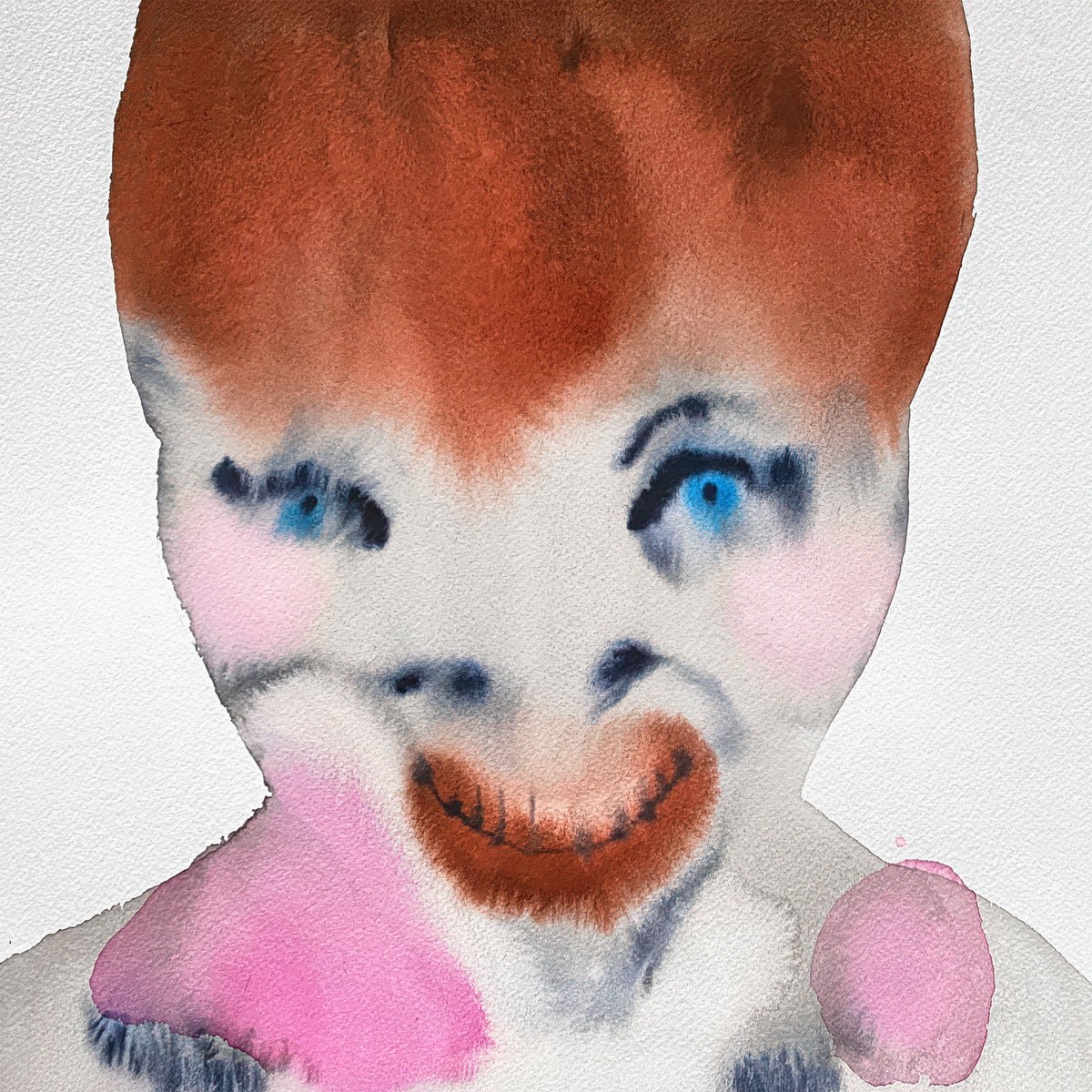
Artwork(s) by Sandra Tervonen at Studio Pearly Drops


Pearly Drops

Instagram | Bandcamp | Spotify

Rebecca Judd is the Editorial & Operations Lead of Also Cool Mag. She is currently based in Ottawa.


Related Articles
 

Step Into Nice Wave's Comforting Paradise with "Warm Glow"


Nice Wave by Priscilla Mars

Something new is brewing in SoCal – emerging indie duo Nice Wave have released the music video for their second single “Warm Glow.”

Comprised of Dakota Blue and Bella Schilter, Nice Wave fuses an appreciation for the musical heritage of California with nods that span across decades. Dakota and Bella formed Nice Wave as an escape from the mundanity of everyday life, a therapeutic outlet for experimentation. Nice Wave capitalizes on these intentions with the “Warm Glow” music video, unveiling a blissfully delicate break from reality.

The music video—directed by Blue and LA-based cinematographer Priscilla Mars—features Schilter waking up in a garden, swaddled by her pastel quilt while surrounded by lush greenery and vivid flowers. Rather than succumbing to confusion, Schilter meanders through the beauty of this landscape, peering through a looking glass and sipping tea (à la Alice in Wonderland).

This relaxing imagery is enhanced by Schilter’s hushed vocals and Blue’s swirling guitar, which are guided by the rhythmic compass of beats sampled from Jarond Gibbs. Said the band of this release: “"Warm Glow" is not merely a song but a captivating experience—an invitation to let go of reality and immerse oneself in a world where timeless allure and modern indie elegance converge.”

Free-falling yet conscientious, “Warm Glow” illustrates the depth of Nice Wave’s potential.

Watch the music video for “Warm Glow” below.


Nice Wave

Instagram | Bandcamp | Spotify

Rebecca Judd is the features editor of Also Cool Mag.


Related Articles
 

Surf Curse Talks DIY Music Scenes, Friendship and TikTok Algorithms


Surf Curse by Julien Sage

When I think of 2013, I think of Buds, the debut album from Los Angeles indie-rock band Surf Curse. At the time, I was just discovering the music and film that would impact my teenage life in an identity-shaping way. I was stoked to hear those same points of inspiration in the band’s collaborative songs and independent projects (Current Joys and Gap Girls), and couldn’t get enough of their garage-rock sound that was re-emerging at the time. 

Surf Curse has come a long way since then, and have been touring their new album Magic Hour this past year following the viral success of “Freaks,” which came off their first album. 

I’ve been lucky enough to get to know Nick and Jacob over the years, in both Los Angeles and at home in Montreal, and was happy to catch up with them before their recent show at Club Soda. We spoke about the all-ages venue in Reno that changed their lives, their friendship over the years, and the impact of TikTok algorithm’s on DIY music scenes.

 Malaika Astorga for Also Cool: Can you describe the scene you came up in Reno and what it was like when you moved to L.A.?

Nick Rattigan: I feel like there's like three parts: Vegas, Reno and L.A.

Also Cool: I went to Vegas for the first time recently and was wondering how people live there full-time. 

Nick: Yes, we do that every time we come back.

Jacob Rubeck: Especially when you're young, it's like you're musically depressed, you know? It would take forever just to go see a band that you actually like. When we got to Reno, there was finally an all-ages space,The Holland Project, where bands that Nick and I loved would actually play.

Nick: It was kind of shocking.

Jacob: The very first night we were in Reno, we got invited to a show that was on the college campus by this guy handing out flyers. It was for a band called The Babies, and it was Kevin Morby and Cass Ramone from Vivian Girls. I had literally gotten the seven-inch record that day in the mail and loved it. Then this guy's handing out flyers for a show that they're playing in like two weeks, and I was like, “Where have you been my whole life?”

Nick: That guy booked our first show.

Also Cool: Not to say that Vegas is a small place, but I understand that there's not much going on music scene wise, and I’m also from a place where there was not much going on. This made it so that any show at all was really exciting and special. It was better than nothing, and I so desperately needed that.

 Nick: We went from a little bit of something to a lot, because L.A. is a lot. When we first visited, it was always the extreme of what we experienced at The Holland Project. There were so many all-ages shows, so many event spaces and places for people to play. So that was very exciting and exhilarating. Now I don't have my ear to the ground at all. I'm like, “Where’s the new stuff in LA? What's going on with the scene?

Jacob: Yeah, it's funny; it’s a lot of touring bands. What's great about being able to live in Los Angeles is that everyone comes to play here. So, you're reunited with old friends, bands that you always wanted to see; they’re all going to land here at some point. I got to see Duster this year and have been stoked on that. I got to see two nights of Pavement, which was incredible, and Danny Elfman for Halloween at the Hollywood Bowl, which was absolute lunacy. The one thing that I do like about L.A. is that you have access to so much.

I will say that I do miss being in smaller venues, like seeing a show at The Holland Project back in Reno. I miss being in that room and on the stage and figuring out what to do at the end of the night. With all these LA shows, I tend to leave immediately afterwards and go home, you know? Like an old guy. 

AC: Yeah. I mean, one of my questions was, and I know politics with The Smell are a bit complicated, but it obviously had a huge impact on your lives, so much so that you wrote a song about it. I'm wondering what other venues or spaces have been impactful for you in that way? Often when I talk to musicians, they often have “this one venue that was the only spot where everyone went to, and where that's how they met everyone in their lives.”

 Nick: Yeah, I feel like that was mainly The Holland Project for us in Reno because it was the only all-ages space we'd ever experienced before. It's where we played all our shows and where the bands that came through hopefully would play.

 Also Cool: And bands don't really tour through Reno?

 Nick: And bands don't really tour through Reno. They do sometimes. They did a pretty good job of lassoing some pretty big bands. I remember Future Islands came through, and that was like the biggest deal of the year. 

But then in LA, my favourite was Pehrspace. It's actually the new cover of our first album because the other cover was so bad, I was like, “We have to change this.”

 Also Cool: Why do you think it was bad?

Nick: It's just like us sitting on a couch with some waves behind it.

Jacob: It was a little beachy.

 Nick: It's a little beachy. We already suffered the “surf curse,” which is that everybody just seems to think that we’re a surf rock band.

Jacob: Which you know–-

Nick: It's the surf curse.

Jacob: It's a curse.

Nick: You get what you know, two beachy dudes from LA.

 Jacob: We love eating pizza.

 Nick: Yeah, yeah. We love movies and pizza.

Also Cool: Movies and pizza, great.

Nick: Movies and pizza, yeah, we still like movies. I've actually been eating a ton of pizza the last few days, but Pehrspace was just this really cool DIY venue in L.A.

Jacob: It's supposed to be coming back.

Nick: It's supposed to be coming back for years.

Jacob: It disappeared because they got kicked out of their location. I'm pretty sure it got replaced with a big chain coffee shop, if I'm not mistaken, but they're moving somewhere else. We opened up for Omni there.

 Nick: The Bootleg, Pehrspace is moving into the Bootleg.

Jacob: Bootleg was a good spot, Non Plus Ultra was also a great spot.

Surf Curse Magic Hour

Also Cool: So, I like to ask people who've been in bands together for a long time: What have you learned about friendship from each other?

Nick: It's complicated.

 Jacob: It is complicated. I like to look back on us. The cool thing about us is that we didn't drive each other crazy so fast because we had too much time in between everything.

Nick: Yeah, we didn't like, blow up, right away.

Jacob: When we first started, Nick moved to New York and worked as a PA, and I was working as a dishwasher.

We had a lot of time to take space from each other and then reunite again, work on music and show each other stuff whenever we did have the time. So it wasn't like we were young, and then our egos got to our heads and were like, “ I fucking hate you,” or nothing like that. It was like, “It's good to see you again. Let's go back into it.

The more we’ve toured and added members and worked on new music, you know, not gonna lie, it has been tough and hard, but we've been able to communicate with each other.

 Nick: Yeah, communication is key. That's the glue.

Jacob: When we added Henry and Noah, we wanted people that we one; totally respect musically, and two; who are just like really great people. It’s balanced a lot of things out between all of us.

It feels good, creatively. When we do Magic Hour, and we are writing new stuff, I have it in my head that it’s intentionally for someone, you know? Like something that's going to be appealing to them. So when I pitched them like, “You like this, do you like this?”

 Also Cool: You both have your independent projects too. I'm sure you separate: “Okay, I'm writing for Surf Curse, and maybe this one is just more for me.”

Nick: I think this year has been a good learning curve to this year because it's the busiest year of our lives, and we're kind of figuring out how to make it all work.

Jacob: When we did figure it out, being as a DIY, independent band or whatever, I think, you know, we mastered it. But then when the major label thing came about, it was a whole other learning curve of trying to figure out what makes sense and what feels good.

Also Cool: I know that film has hugely influenced your music to the point of having song titles on Buds named after movies. What visual media in the last few years has had a similar impact on your creative process?

Nick: We're All Going to do the World's Fair (2021). That's one of the best modern movies I've seen, and is forward in its storytelling techniques. It's a horror movie about this kid that starts playing this online horror game… and that's really all I can tell you about it. You just gotta watch it. It's so good. Alex G does the soundtrack, and I came for the soundtrack, but stayed for the movie.

Also Cool: This is the only TikTok-related question, but I see a lot of kids on TikTok the Internet void, “How do I get involved? Where is the scene? How do I get invited to the party? Where is the secret DIY venue?” Which is really funny but also sweet. They're just like: “I don't know!” So, I'm going to ask the algorithm until it gives me what I want. 

I think the pandemic affected this sort of integral experience of being a teenager that starts going to shows. When I was like 16 to 18-ish and was like figuring it out, I had older people showing me how to act at shows and where to find them. That was completely gone for this generation, where they went from being a teenager to being a sort of adult wondering, “How the fuck do I find friends?”

Nick & Jacob: Yeah.

Also Cool: I'm interested in what your advice is for those people who would like to get involved in things in a meaningful way and have a scene again in real life and not on the internet. 

Jacob: It's a great question. I think the best way is to pick the shows that you like going to, if you do have that music scene and just start noticing who's there and who are the recurring suspects. Those are potentially going to be the people that you can find in all your music, love and trust in.

 Nick: Yeah, that's funny, as soon as you said that, it kind of reminded me of the Facebook question of when people would post their status like: “Hey, what's everybody up to tonight?”At least that's like, my equivalent of it.

When I was 19, we were looking for that too, you know? I think everybody's looking for that. And you sort of stumble into it. I think just life just happens, and you find your people.

Jacob: One thing that I do like about TikTok is that there's no gatekeeping. I see this one girl always posting slowcore stuff. I don't know her name, but she's like: “If you like this, you like Alex G. Here's another five bands,” and then there's discourse that's happening in that comment section. It's like a good way of connecting with people. That's how, you know, I was back in the day on Tumblr, Facebook, and Instagram, just trying to find some sort of sense of a community. It still exists, it’s just changing.

Despite our conversation about searching for community through the algorithmic void, there weren’t as many phones out as expected during Surf Curse’s set that night. The crowd was energetic, respectful to each other (from what I experienced in the mosh pit), but most importantly, just really happy to be there.

Stream Magic Hour on all platforms, and keep an eye out for future shows via Surf Curse’s socials

This interview was transcribed by Cyril Harvin Musngi.


Malaika Astorga is the Co-Founder & Creative Director of Also Cool. She is a Mexican-Canadian visual artist, writer, and social media strategist currently based in Montreal.


Related Articles