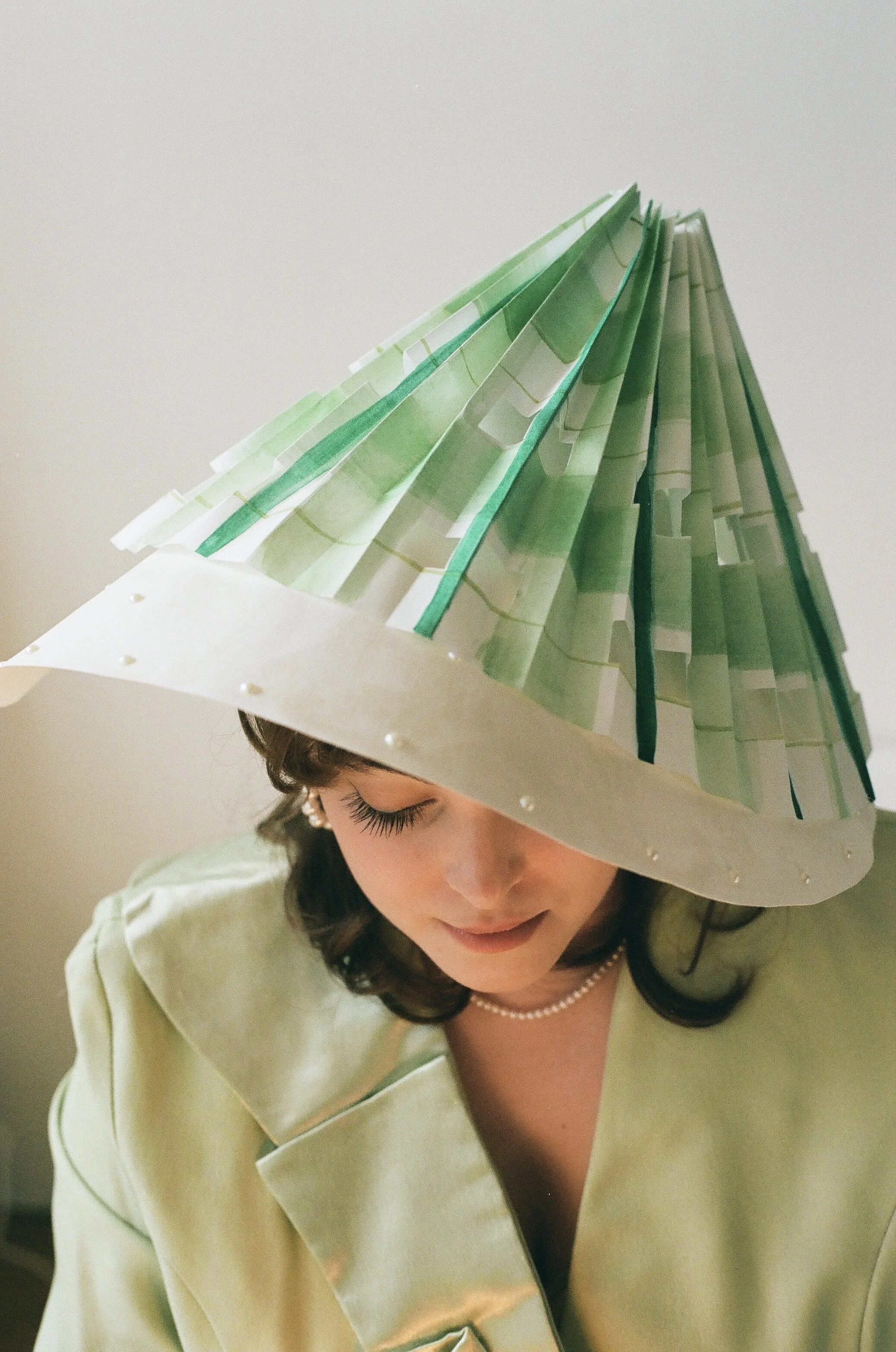
She'd Rather Melt Your Tiffany Ring: Liwen Orfèvrerie
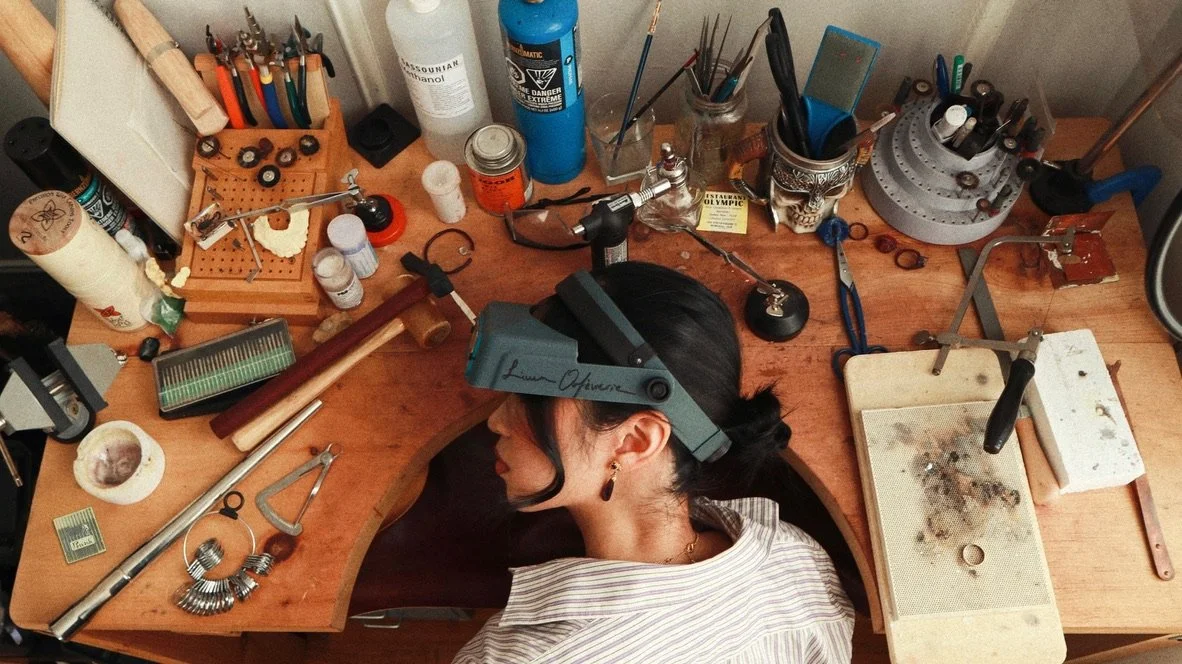
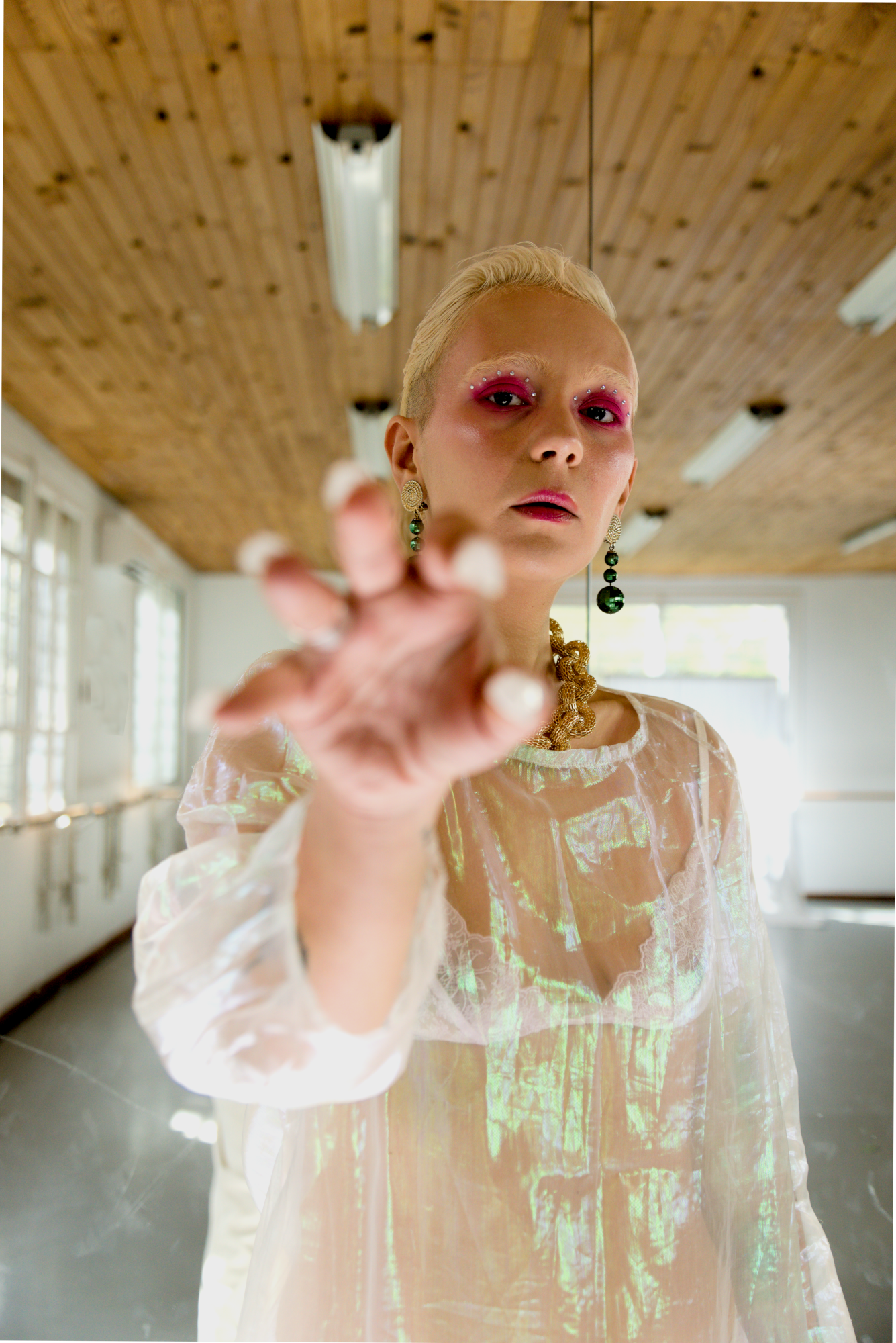
Photo provided by Liwen Orfèvrerie
“I wouldn’t want a Tiffany ring; I wouldn’t want a Harry Winston ring when I'm being proposed to. I appreciate the gesture, but I’m going to take out the stone, melt it down and make something else, respectfully!”
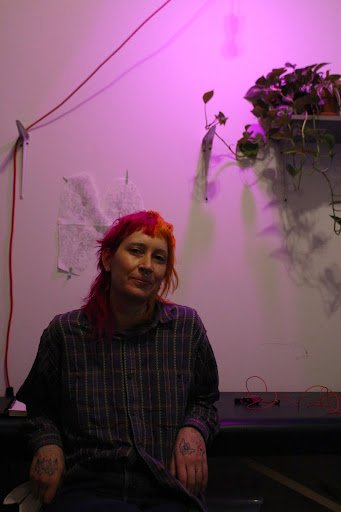
Meet Liwen Orfèvrerie, a bold new jeweller-to-watch, who creates incredibly ornate standout pieces and is based in both Montréal and New York. Also Cool Mag had the opportunity to sit down with Liwen to talk about her jewellery practice, the differences she sees between Montreal & New York’s jewellery scenes, and the way Liwen’s jewellery ended up on Cirie Fields (of Survivor fame) at the Grammys this year.
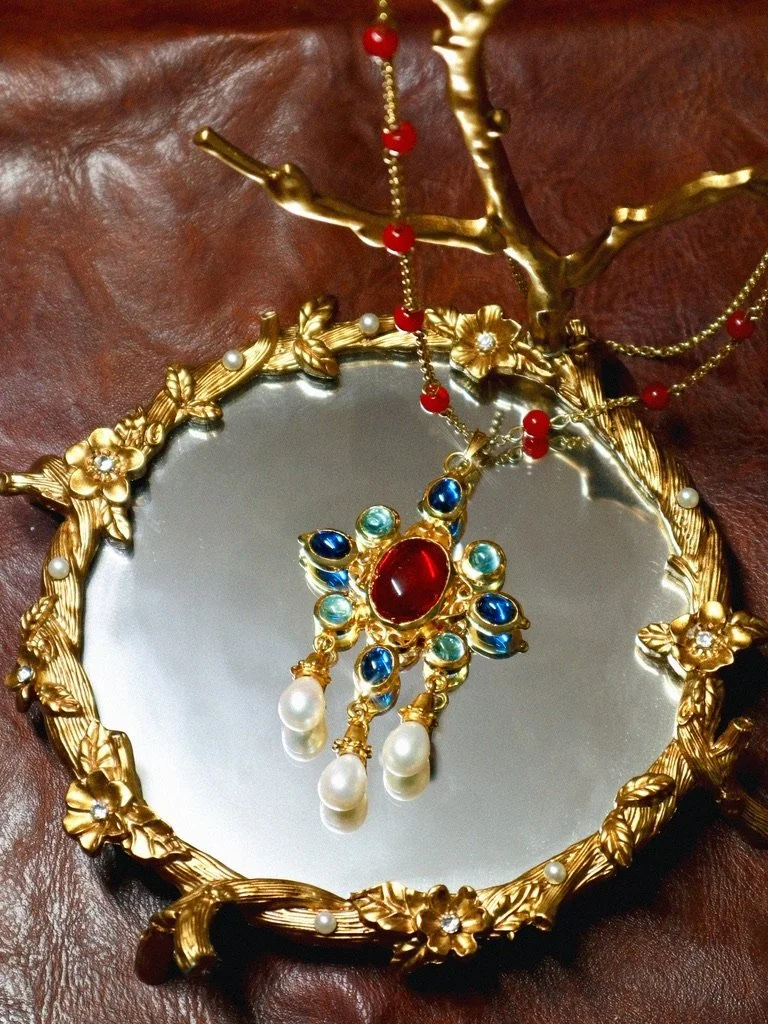
Photo provided by Liwen Orfèvrerie
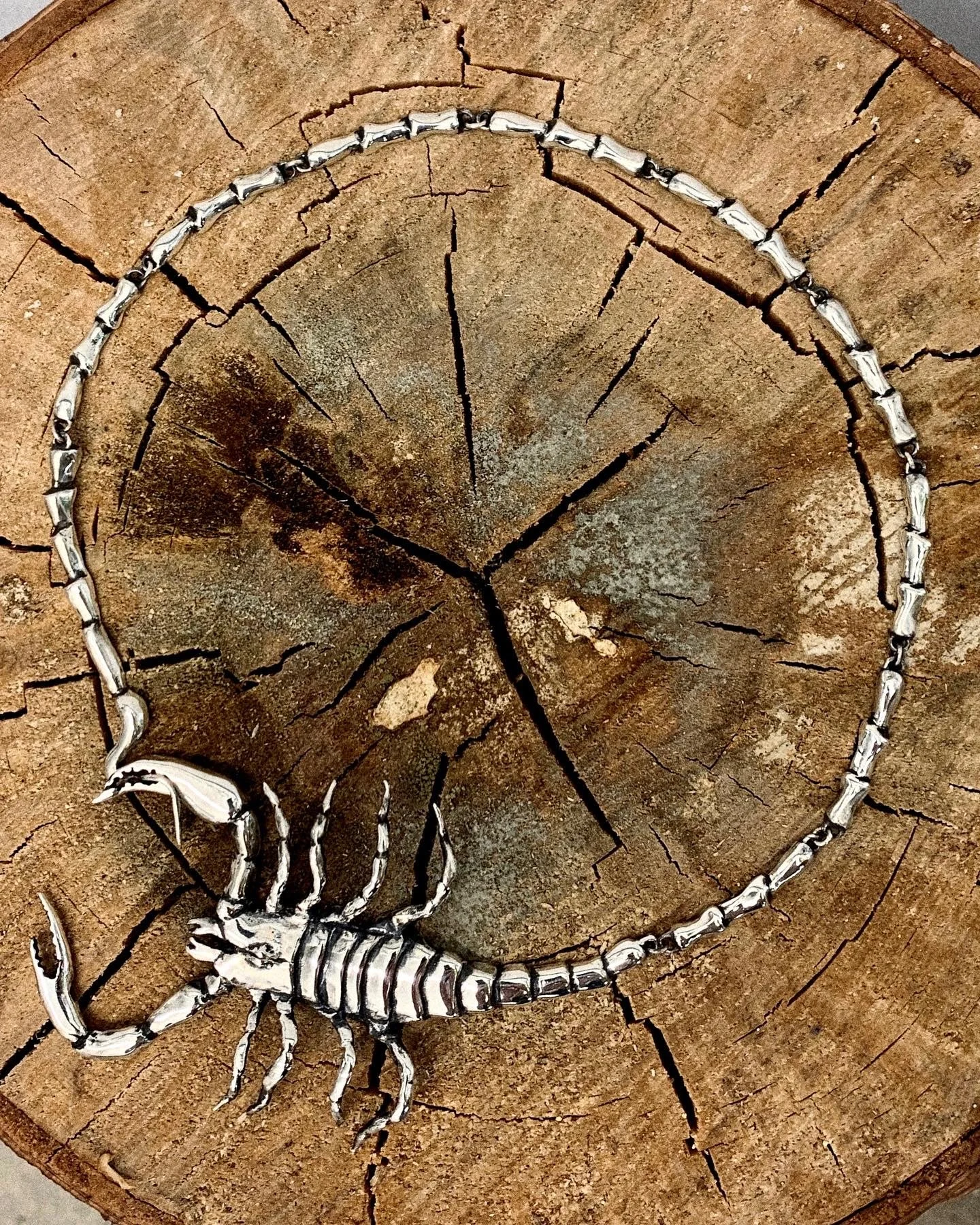
Holly Hilts for Also Cool Mag: Your first piece was the scorpion necklace, and that’s such a major endeavour. I’m curious how you got started with that – what inspired it?
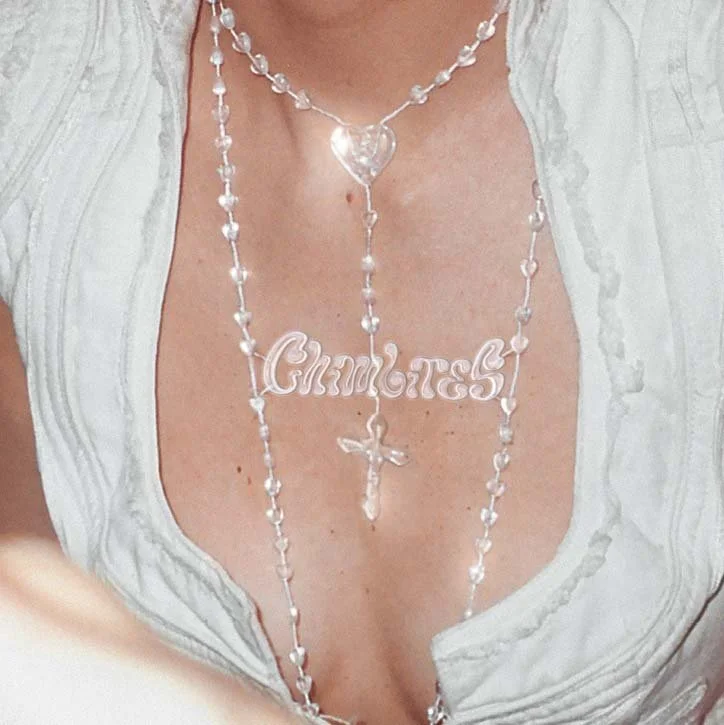
Liwen Orfèvrerie: That is still one of my most-loved designs, and the story of it was very personal. It was my first wax-carving project, and my teacher, Norsola, encouraged me to focus on structured form rather than organic shapes.
At the time, I had a scorpion for 3 years – his name was Vidar. When he passed away, it hit me really hard, so making that necklace became a way for me to preserve him. I carved it directly from a photograph I took of him. So that piece isn’t just inspired by any scorpion that you find online; it’s my scorpion, specifically – rest in peace, Vidar.
The scorpion necklace—both emotionally and technically—marked the beginning of my journey as a jewellery designer.

Also Cool: The scorpion necklace, even with it being your first piece, really ties to your style now – I’m curious what the throughline is? Who is your audience?
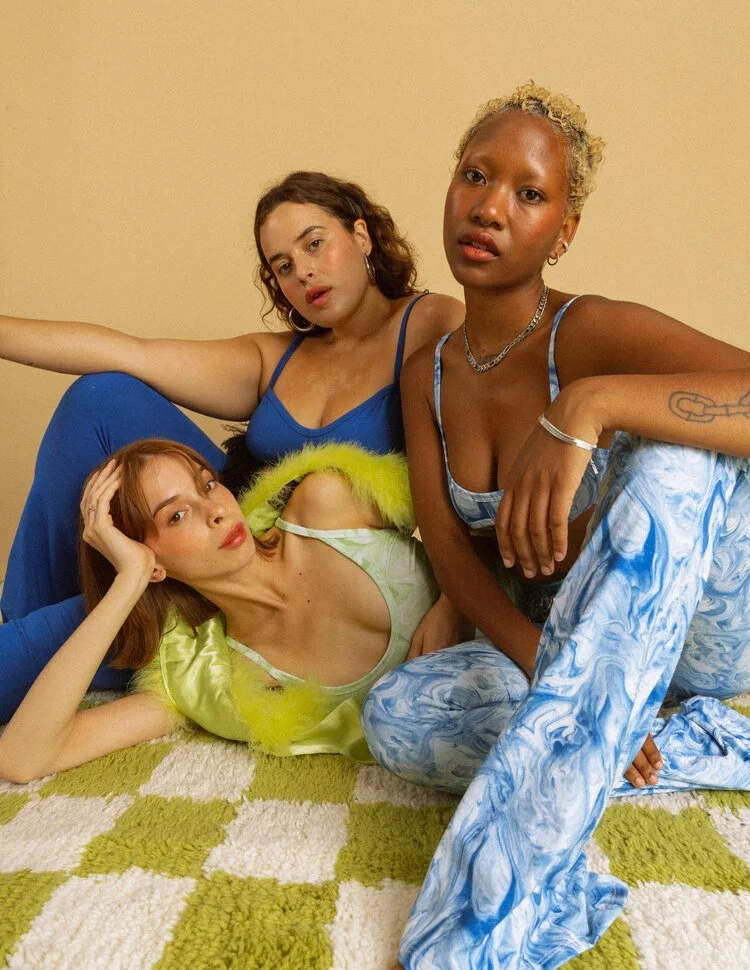
Liwen: I want to design for people who are not afraid to be seen, who want to command the room as soon as they walk in.
I want to create things that are personal. People who don’t see themselves reflected in mass-produced jewellery. Most of the people I work with are drawn to very intimate, intentional pieces, so commissions resonate with me strongly. They are designed for the wearer and carry a different emotional weight for each person. For me, jewellery isn’t just decoration; it’s a way of externalizing your identity. When someone wears one of my pieces, it’s not about completing a look or completing themselves; it’s more about expressing something that is already within you.
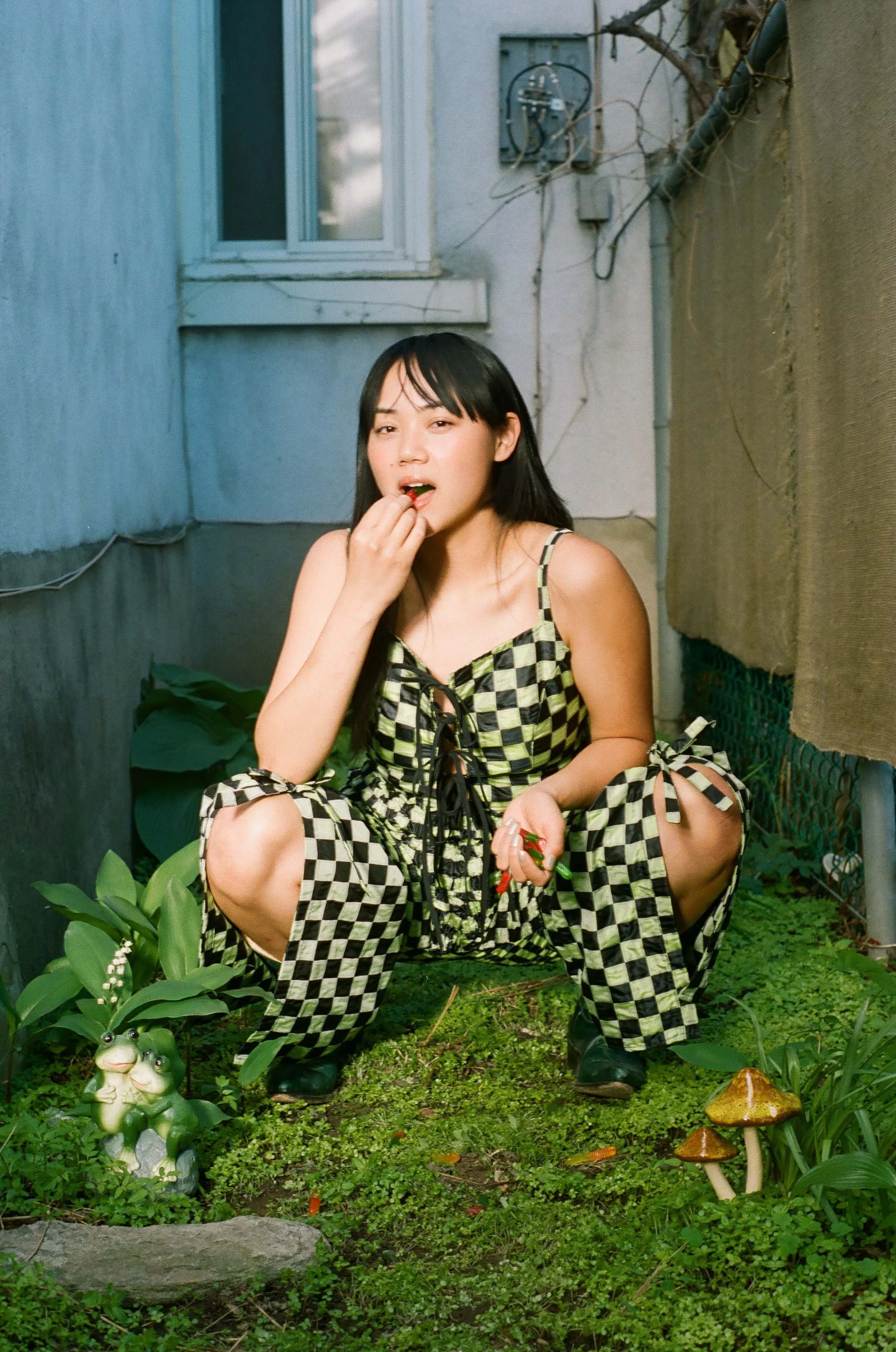
I’m also speaking to people who truly value handmade work – especially in a time when everything is so fast and endlessly accessible, there is something meaningful about knowing that a real person dedicated time, care, skill, and intention to what you’re wearing.
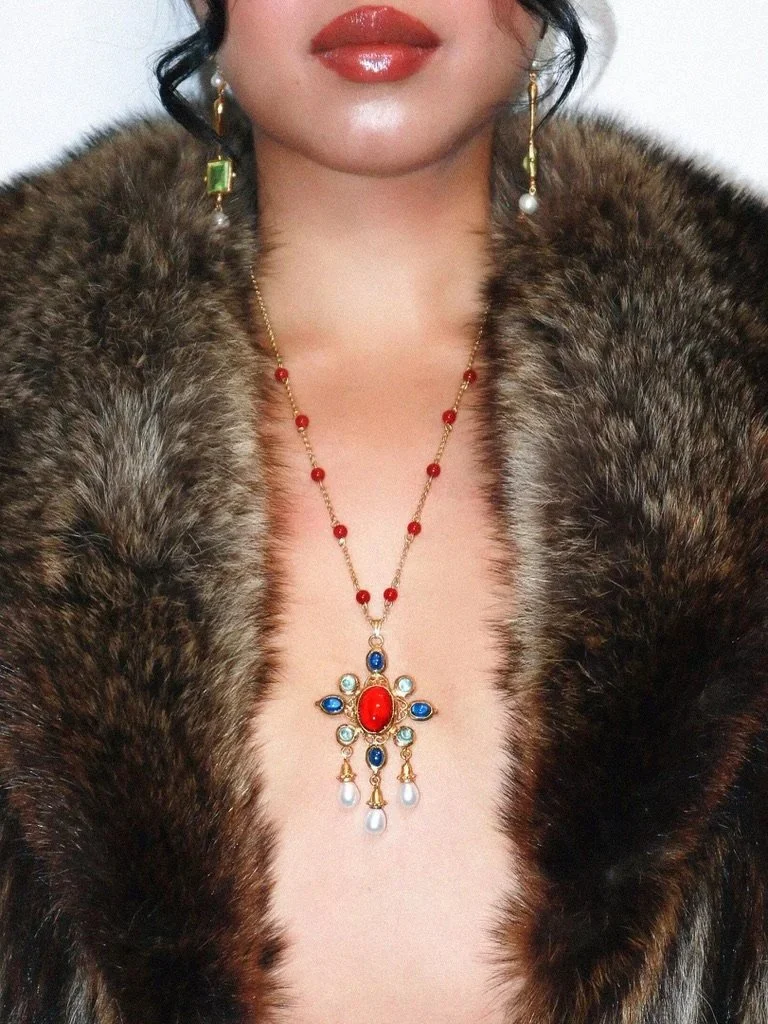
Photo provided by Liwen Orfèvrerie
AC: And how do you see your work fitting into the broader jewellery landscape right now?
LO: I think mainstream jewellery plays it far too safe. When brands have a wider audience, they tend to prioritize monetization and accessibility. A simple hoop earring or a Cartier logo ring band, for example, works with everything, but it doesn’t necessarily say anything about you. The logo is their statement, not yours. It may complete your look, but I wouldn’t say it elevates your outfit. I think this is especially visible in engagement rings. People still gravitate towards very traditional and commercial designs, often sourced from large companies where thousands of people own the exact same piece.
That said, I do see a shift happening – more people are exploring narrative-driven jewellery, and custom work with independent designers. There’s definitely a growing desire for individuality, even if the mainstream still leans safe.
Large jewellery houses want to create pieces that work for everyone, and I don’t believe in one-piece-fits-all. Everyone has different necks, fingers and ears. The way a piece sits on the body matters; jewellery should respond to the wearer.
I wouldn’t want a Tiffany ring; I wouldn’t want a Harry Winston ring when I'm being proposed to. I appreciate the gesture, but I’m going to take out the stone, melt it down, and make something else, respectfully!
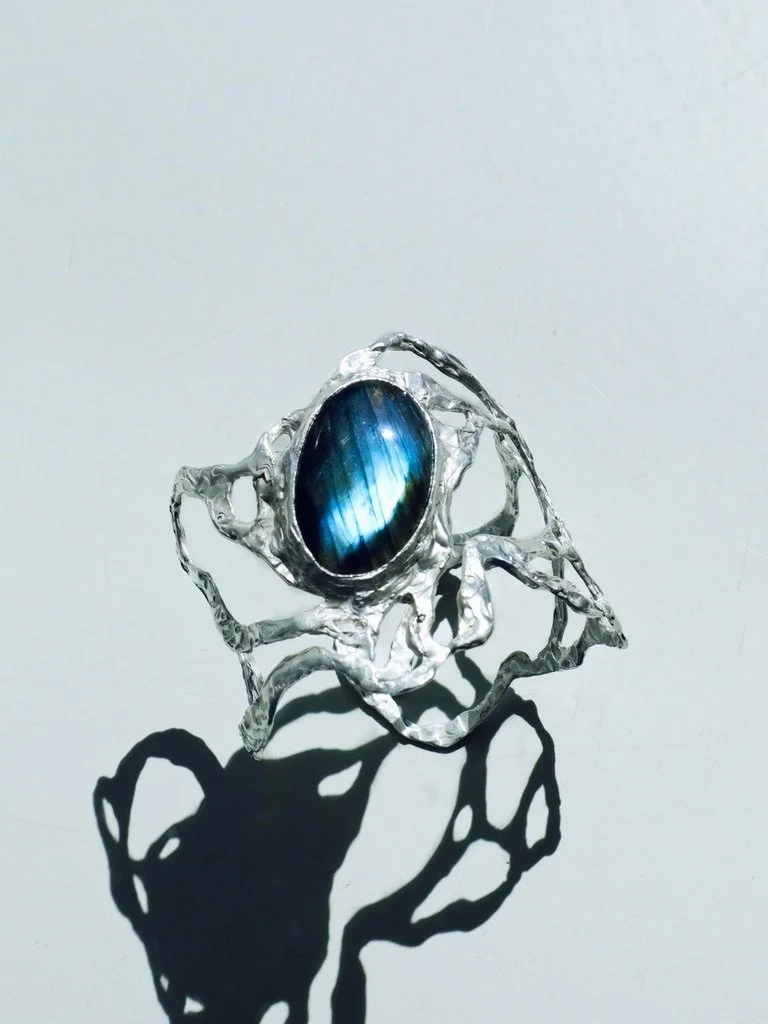
Photo provided by Liwen Orfèvrerie
AC: That bold perspective—and dedication to creating original, standout pieces—clearly carries into every aspect of your work. Tell us more about your practice and studio space in Montreal.
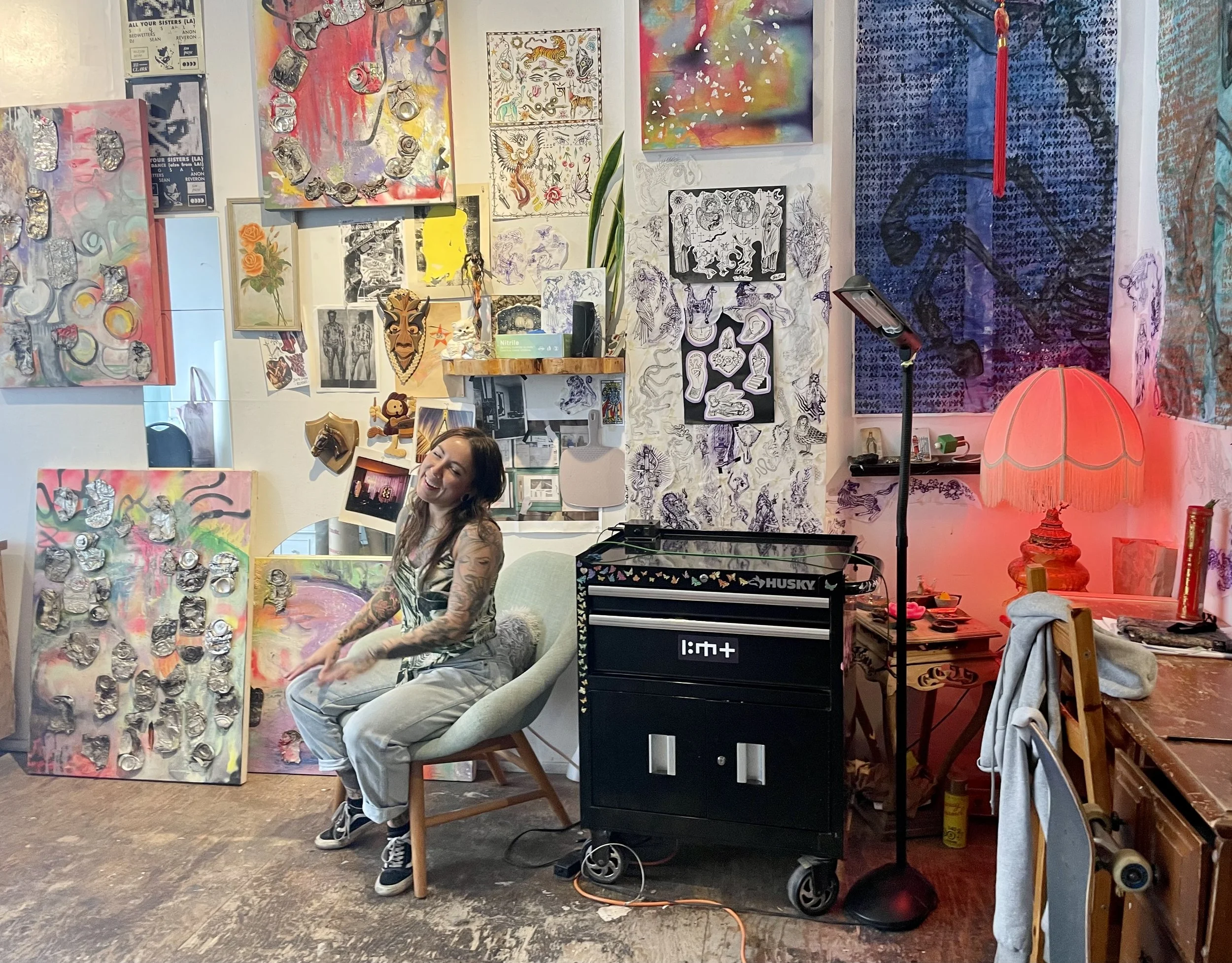
LO: My physical studio space is very small and personal. I couldn’t afford a jewellery bench, so this Paris-based artist, Pauline, helped me build one. We measured the proper dimensions of the bench, went to buy the wood, and constructed it ourselves.
That’s where I do most of my wax carving and bench work. I have a small torch, a pickle pot and just enough bench tools to keep things moving. For heavier processes like hammering, soldering or polishing, I rent bench time elsewhere. My home is more of a place where my design ideas happen – where I experiment, sketch, and carve before they become finished pieces.
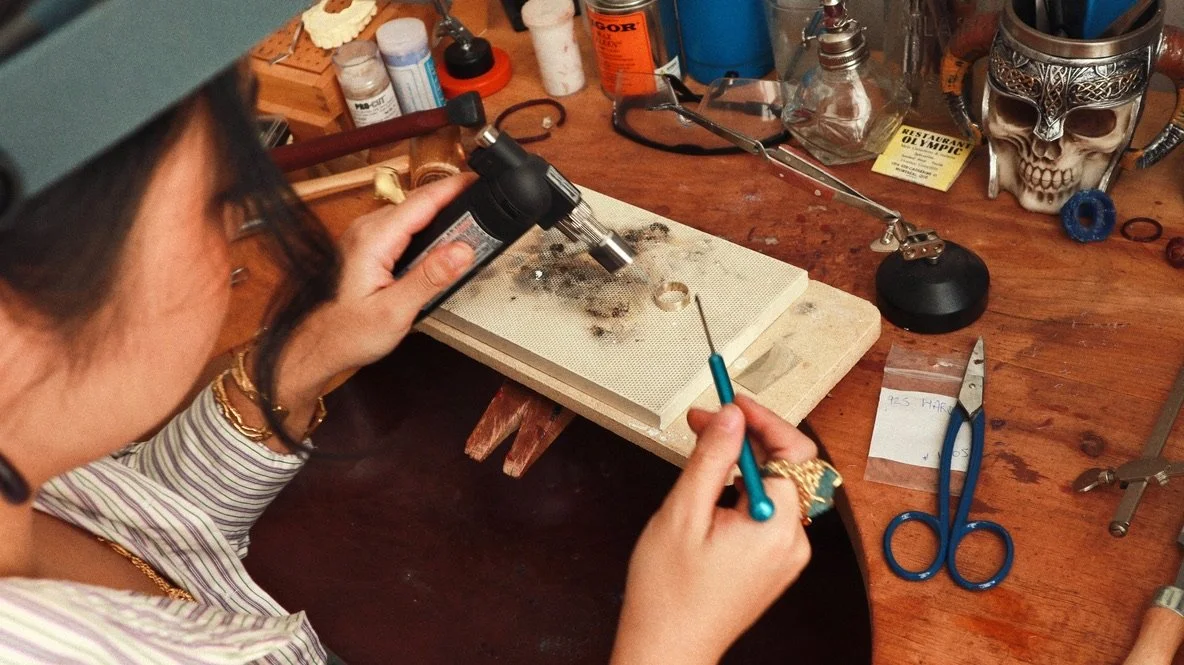
Photo provided by Liwen Orfèvrerie
AC: How does working in Montreal compare to working in New York?
LO: It’s surprisingly inaccessible to make jewellery in New York. They are two very different ecosystems. Montreal is like an incubator; it’s smaller, more tight-knit, and you quickly know people in this trade – who does what, where to buy materials, and who does the casting. It’s also way more affordable – the casters don’t charge you a fee on top of your casting. New York does; they charge anywhere from a few bucks to I don’t know how much, which makes Montreal a really great place to learn, experiment, and do bigger pieces.
But the trade-off is scale. Opportunities in Montreal are limited. The market is smaller, and economically, it’s harder for people to invest in designer jewellery. In New York, on the other hand, people have a much greater appetite for buying jewellery and a greater willingness to spend on individuality and new voices. There is greater visibility, openness, and a willingness to connect you with the right resources. But production there is significantly more expensive and less accessible.
Most jewellers I have talked to in New York outsource heavily. They design digitally and rely on specialists like polishers and stone setters to finish their pieces. But in Montreal, everyone I know – they do everything from A to Z themselves, and they only outsource casting because it’s difficult to do in-house.
So I see it this way: Montreal is where you build your foundation, and New York is where you scale.
AC: And what has been the most challenging aspect of transitioning to New York?
LO: I think the biggest barrier overall is lack of access, connections,and financial stability. I don’t come from a network within the industry. I’m not a second-generation jeweller, and I’m not connected to any stylists. I didn’t attend formal jewellery school, so I don’t have institutional support behind me.
Everything I've built has been just me from the ground up – even sourcing materials can be very difficult. In New York, I’ve encountered stone dealers who were very dismissive and rude because I wasn’t buying in bulk or buying “expensive” diamonds and sapphires. I was buying semi-precious, which to them didn’t carry the same weight.
At one point, I asked one of the dealers, “Why do you all have such rude attitudes?” and they said, “Because you are not anyone in this trade. You are not affiliated, you are not a high volume buyer, you are not a famous jewellery designer, you are not from a company.” That experience really highlighted how relationship-driven this industry is.
On top of that, being a one-woman show means I am responsible for everything: production, marketing, outreach, social media, and website. It's not only about jewellery-making anymore, it’s also running an entire ecosystem alone and struggling to be seen.
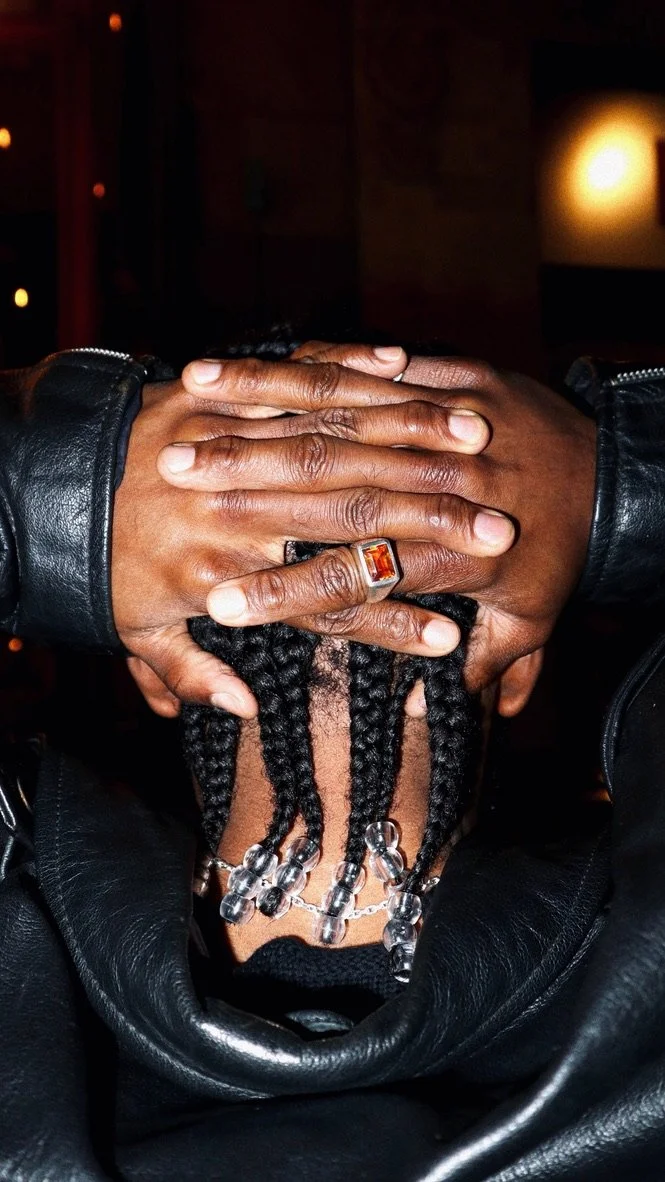
AC: How do you hold onto that hands-on approach in an environment like New York?
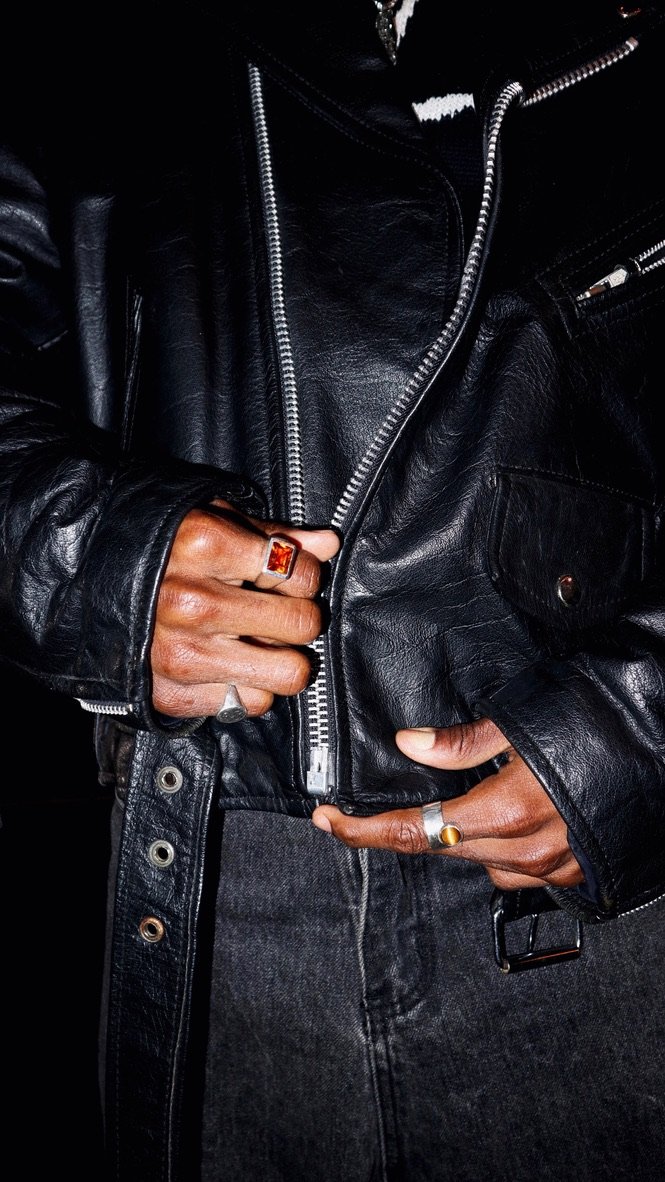
LO: I find a lot of joy in finishing pieces and seeing how they come together. But in New York, it’s like a chain – everybody has their own position. A lot of designers I’ve met only design and then outsource the rest. If you want to do everything yourself, you either need to rent a bench long-term or build your own home studio.
All of my jewellery is in New York – and they’re all silver, so they naturally tarnish. I was losing sleep over them because some pieces needed a quick polish. I don’t want anyone buying a piece that doesn’t reflect the quality of the work. So I started researching where I could rent bench time by the hour. Most options are more expensive and less flexible than what I’m used to in Montreal.
For the past few months, I had been trying to find solutions and eventually found someone. I called many people, explained my situation, and one retired jeweller said, “I’ll let you come use my tools. I know you can’t afford polishers.” It was incredibly kind, but it’s not a long-term solution.
AC: And you now have your jewellery in a store in New York, and your earrings have made a debut on the red carpet! How did this relationship come about?
LO: It was actually very interesting because I decided to go to New York for a whole month to verify if I was romanticizing the city. During that trip, I walked into this boutique Atelier d’Emotion – I wasn’t planning to pitch my work at all, actually; I was feeling very defeated.
I had reached out to almost all thrift stores and designer spots in Montreal from St. Laurent to Old Port, and they had all rejected me. So I wasn’t in the mindset to present anything.
But I just genuinely loved her collection, so while I was there, I started talking with the owner about her curation, the pieces and designers, identifying the stones, and we were playing dress up. She asked me, “How do you know so much about jewellery?” I told her that I'm a jewellery designer and I loved her store, so she asked to see more of my work. I opened my Instagram, and she said to come back on Wednesday. Of course, I came back on Wednesday – and we signed the consignment contract!
I was actually thinking about quitting back in January. It was very hard to sustain my craft even with my 9-to-5 job. Silver was getting so expensive, so I wondered what the point was of me doing this. It didn’t seem like it was loving me back.
Just one day before I decided to quit, I woke up to someone tagging me, saying that Cirie Fields had worn my jewellery at the Grammys. My first reaction was, “This is spam, and this can’t be real.” But when I looked closer, it was actually true. It took me about two days to fully process how big that moment was.

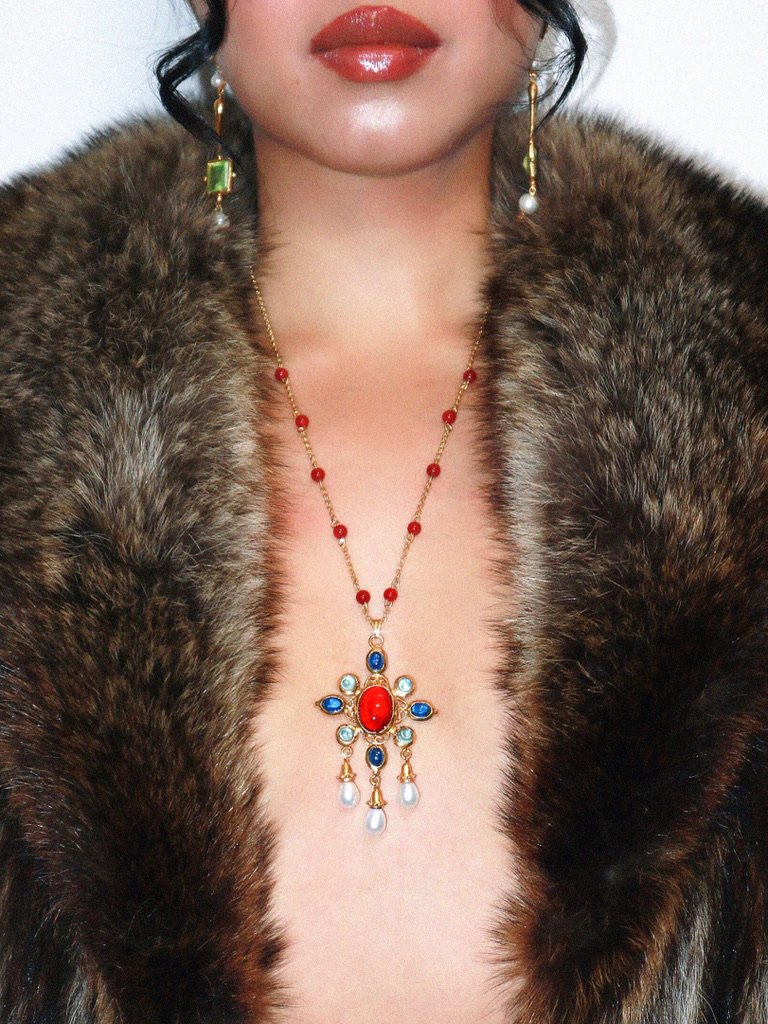
A stylist had rented Liwen’s jewellery from Atelier d’Emotion to style Cirie Fields on the red carpet. Photo by Johnny Nunez
AC: How has this journey shaped you outside of jewellery?
LO: Patience, more than anything else. Jewellery making really forces you to slow down and work with your hands. Each step matters, and if you rush, the entire piece can fall apart. The process of each stage depends heavily on the one before it.
The mindset has started to carry into other parts of my life. I've learned to trust timing a bit more. For example, I recently sold a piece to someone I can’t reveal just yet, but it’s a very exciting placement. You’ll hear about it soon.
Liwen’s pieces may already be finding their way onto the red carpet, but what makes her work so compelling is not the celebrity placement or spectacle. It’s the care behind each object.
Indeed, it is a practice of patience: patience with process, with craft, and with timing. In an industry driven by speed and visibility, her practice moves differently – slowly, deliberately and by hand. And people are beginning to notice.
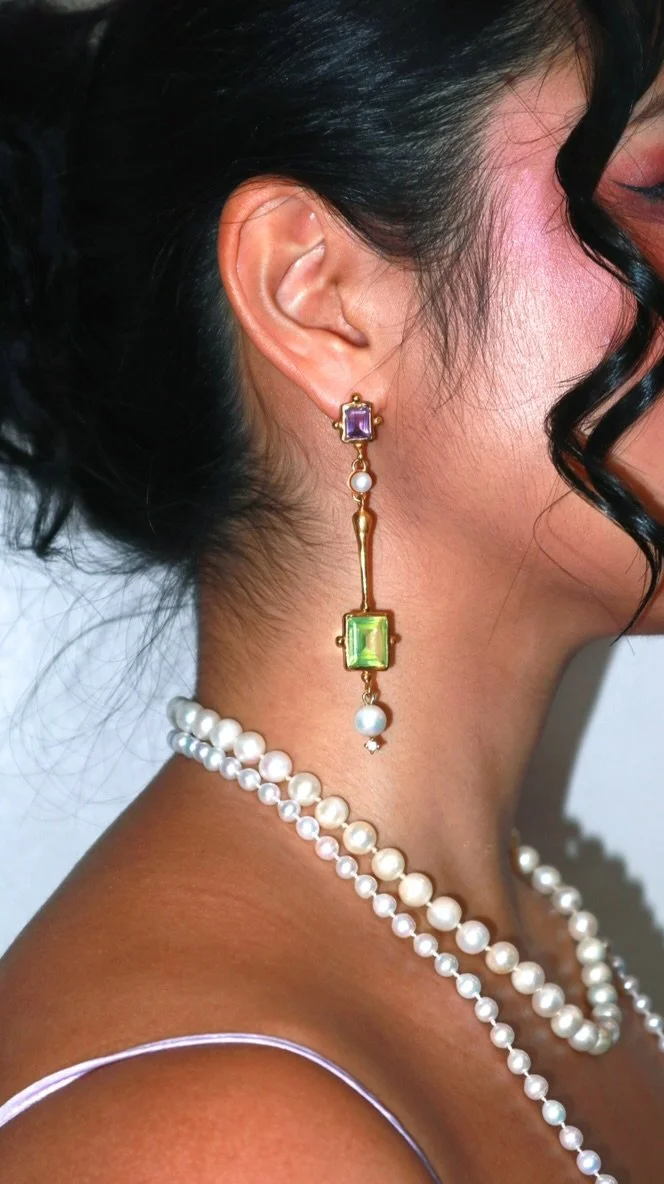
Photo provided by Liwen Orfèvrerie
Liwen Orfèvrerie
Holly Hilts is a jeweler, coder & theatre worker currently based in Montreal.
Related Articles