Taraneh’s Next Chapter on Rock and Reinvention
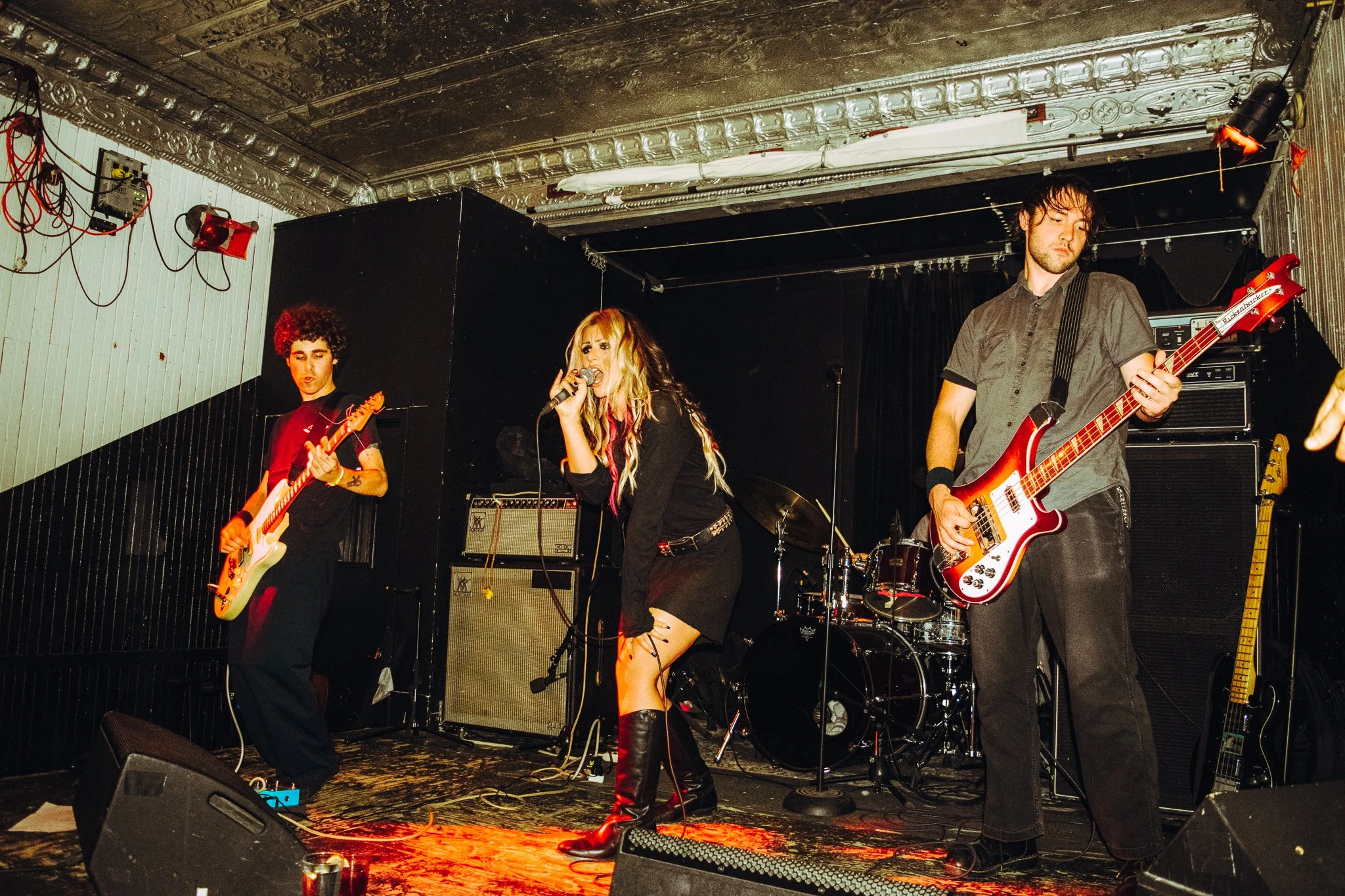
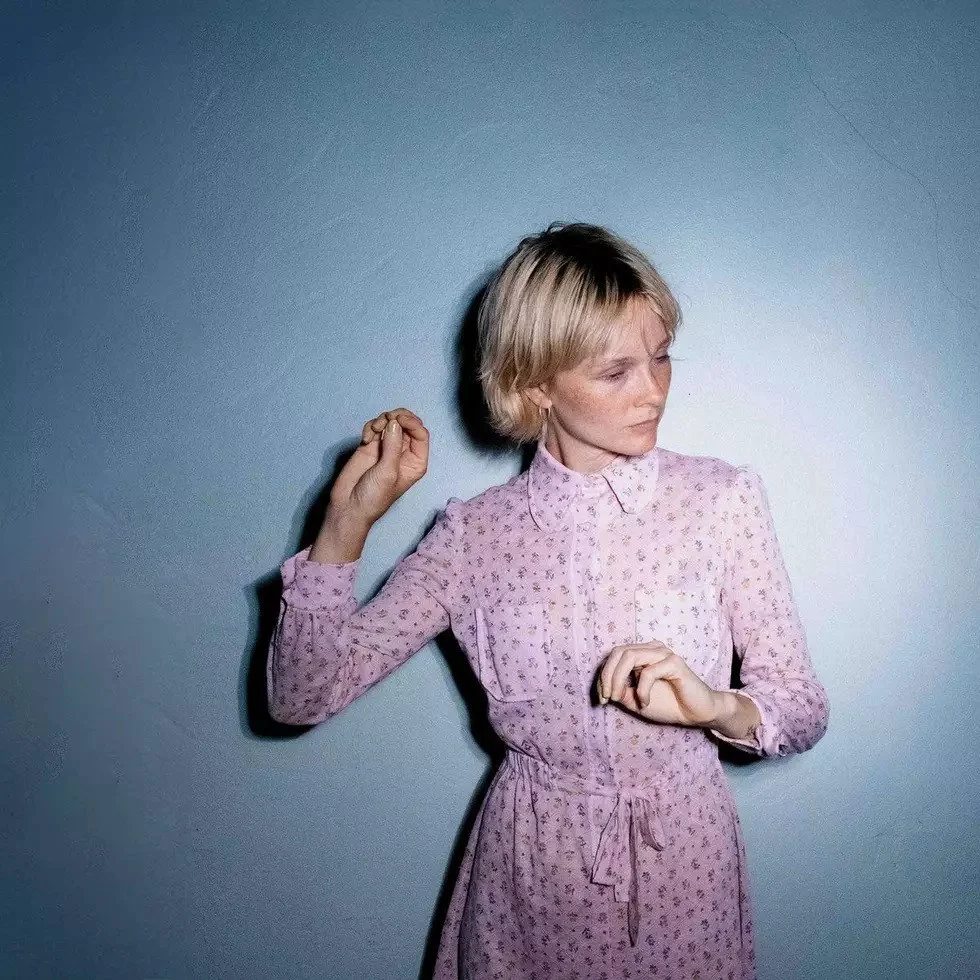
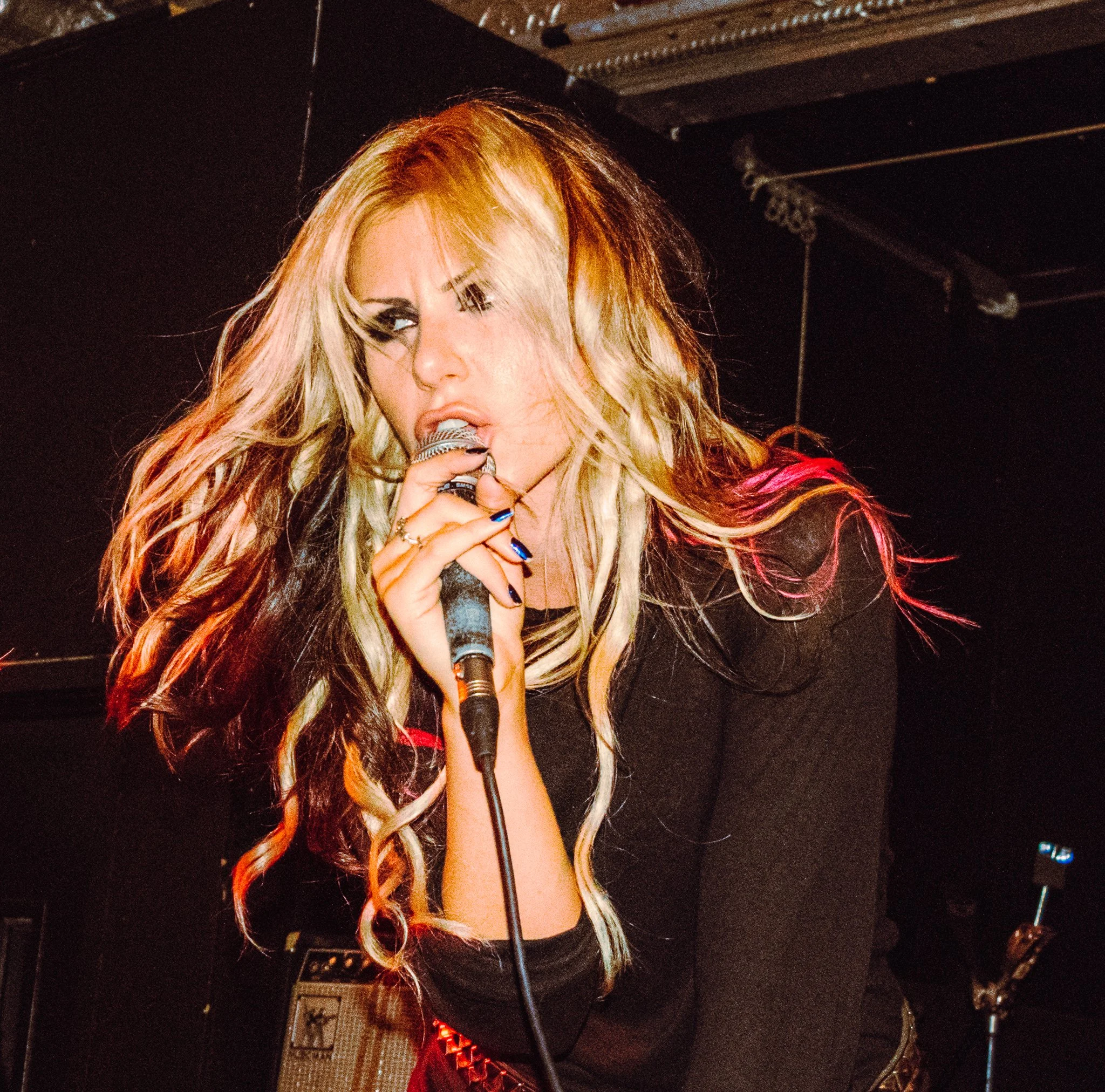
Taraneh by Maggie Rossy-Aulman
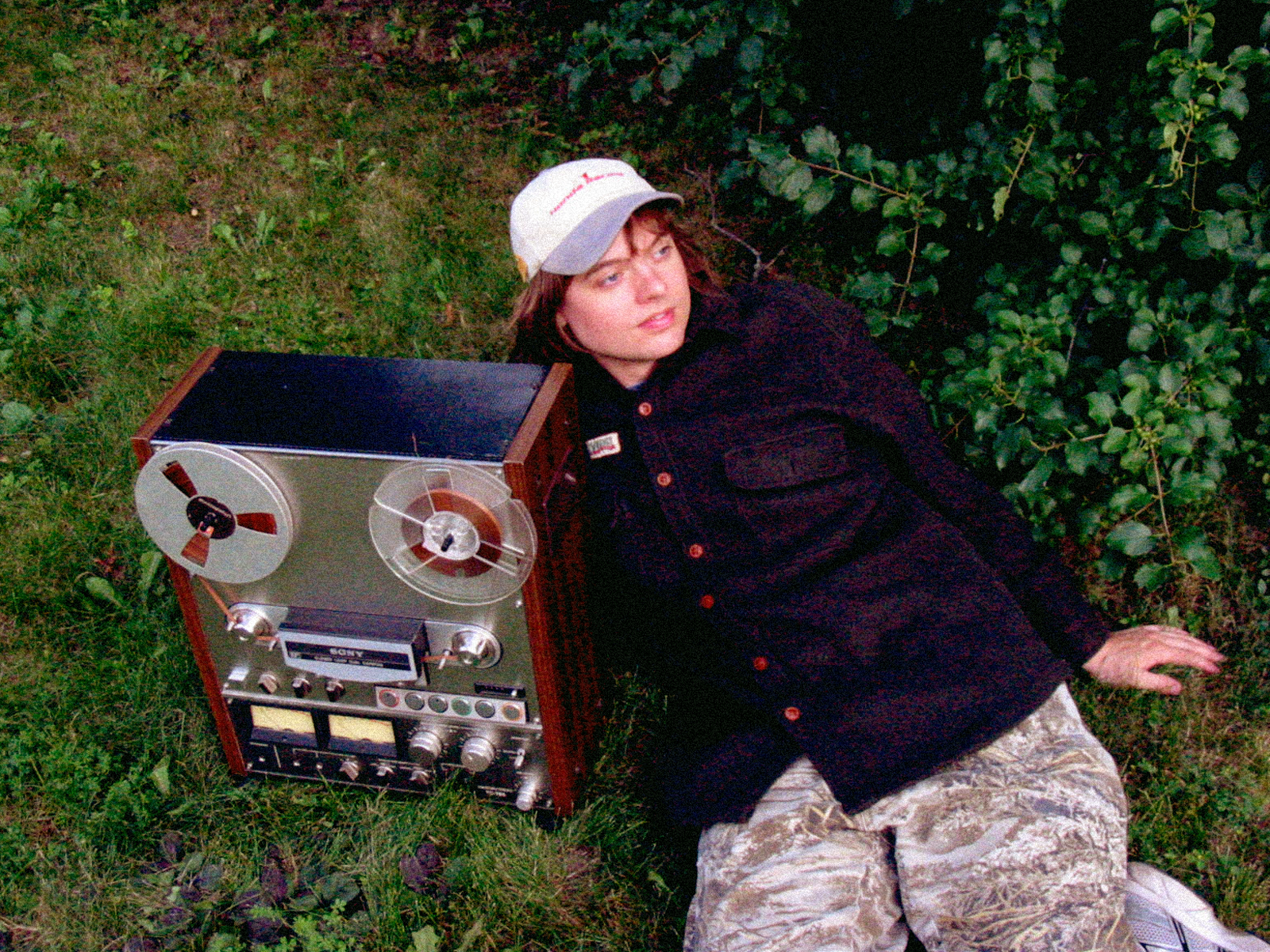
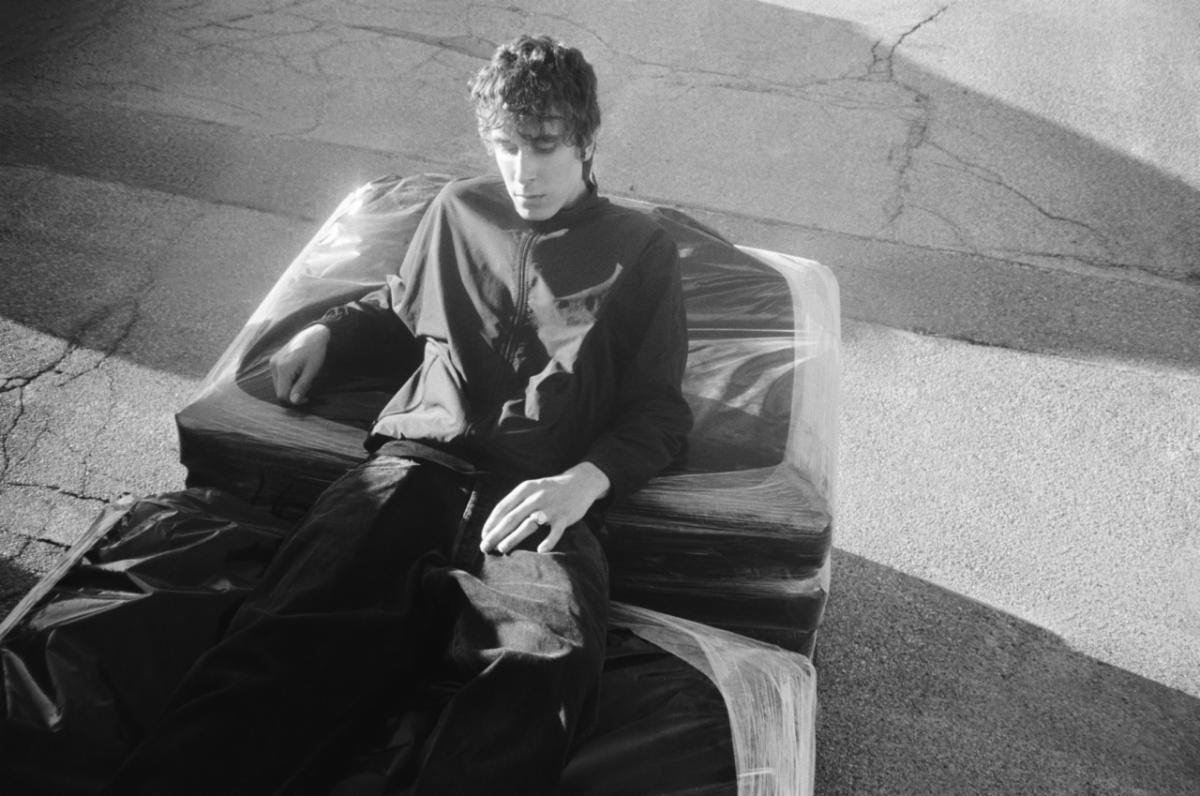
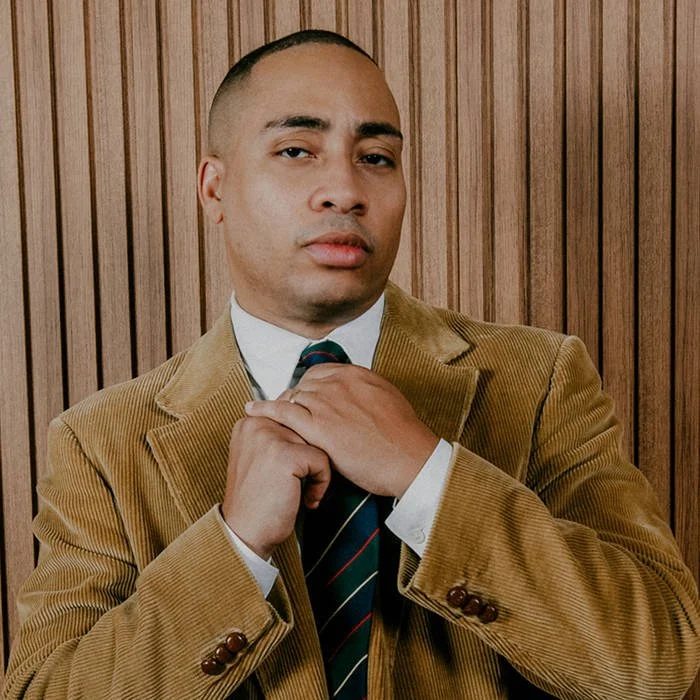
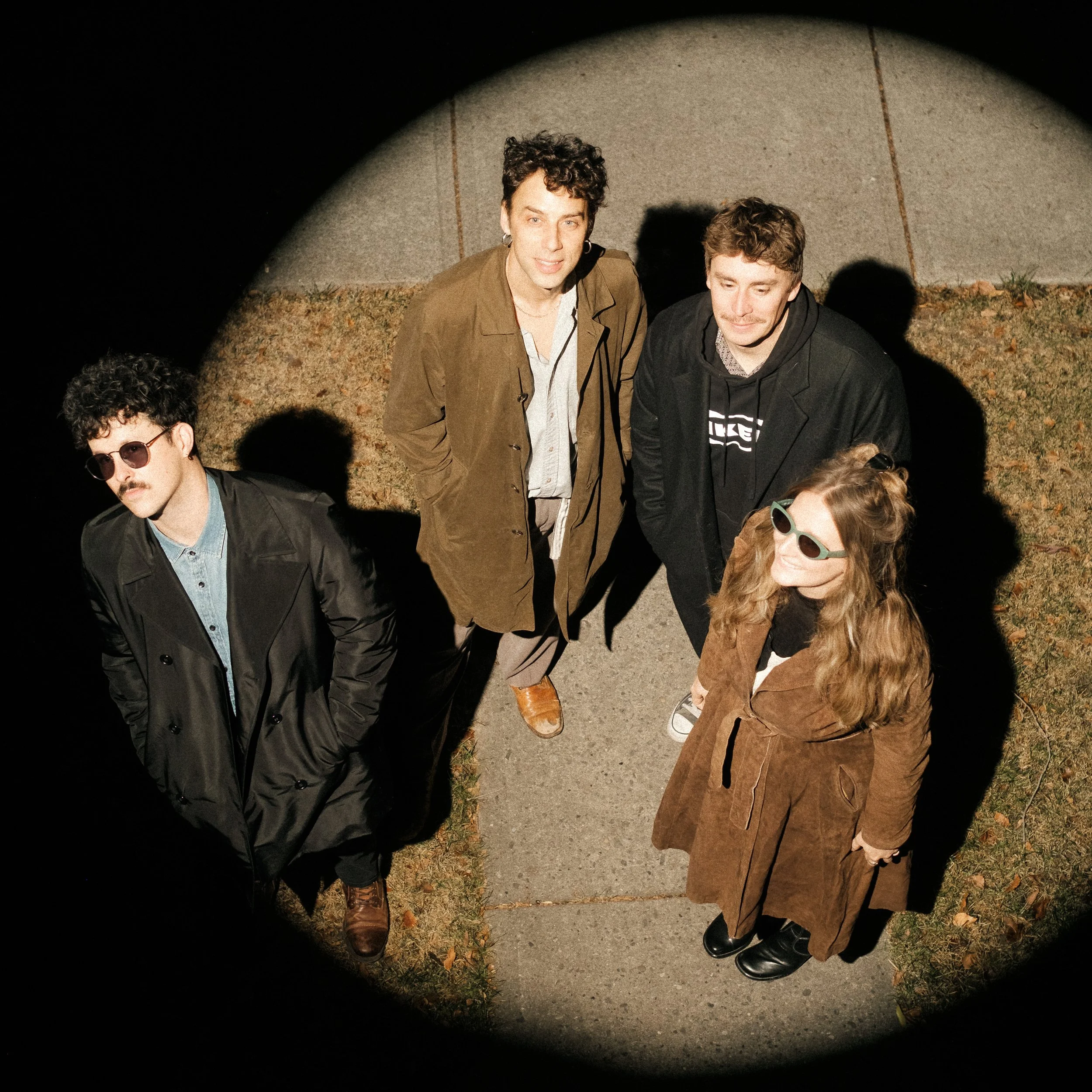
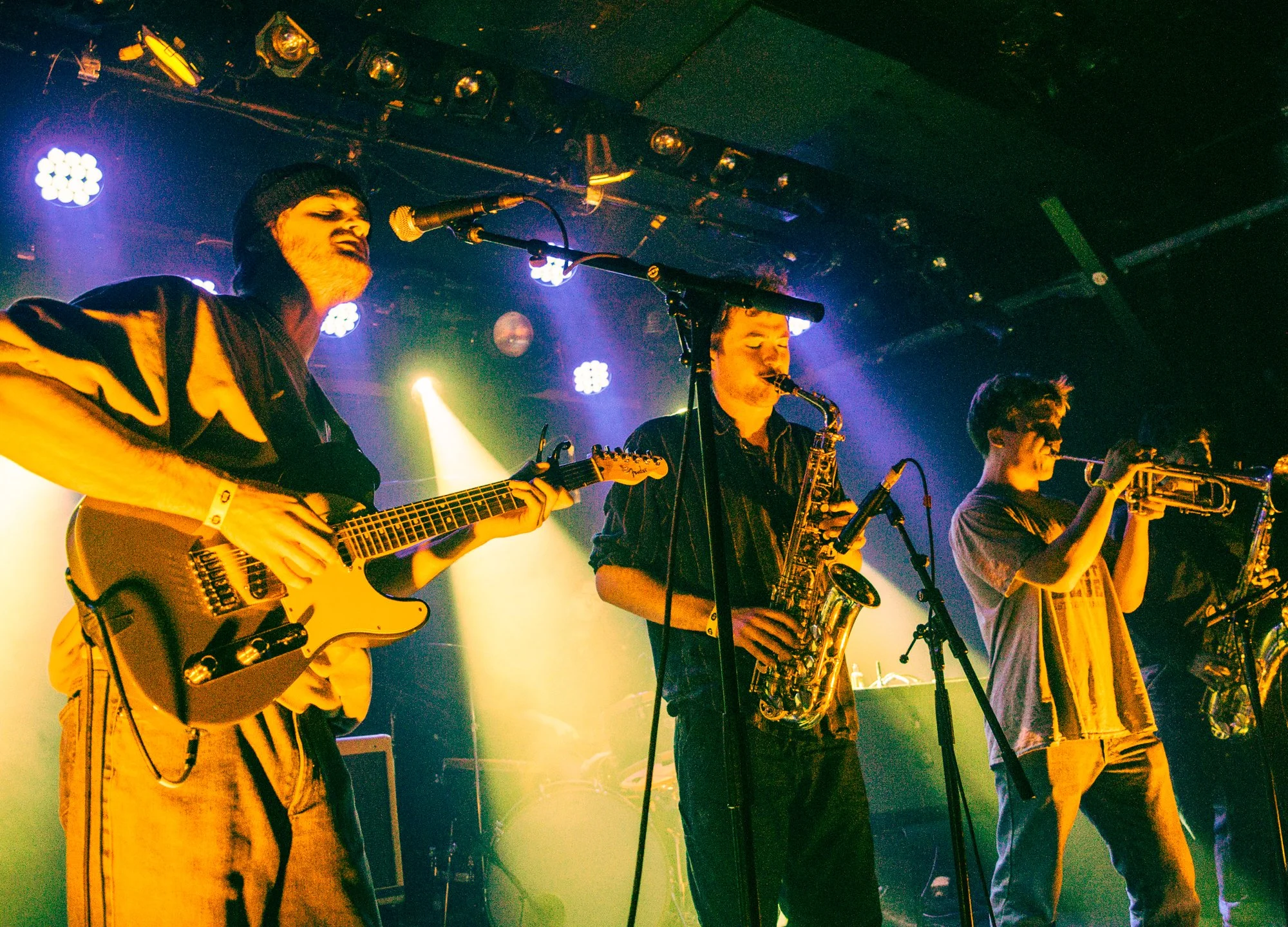
On September 27th, I made my way down the narrow stairs to the green room at Casa del Popolo and sat down with NYC-based Iranian-American artist, Taraneh, before her POP Montreal show. As Comet played above us, her sound vibrating through the ceiling, we discussed her new album Unobsession, her North America tour, and music influences growing up in Ohio. Taraneh shared her thoughts on change, storytelling, and the new era of rock.
Maggie Rossy-Aulman for Also Cool Mag: How is the start of the tour going? How is it touring with Comet?
Taraneh: It’s been awesome! This is the second date that we’re doing with Comet. It’s a huge blessing and a treat to be able to tour with your best friends. This leg of our tour is our warm-up for the main one that we’re doing in October so it’s nice to just get on the road and test a few things out.
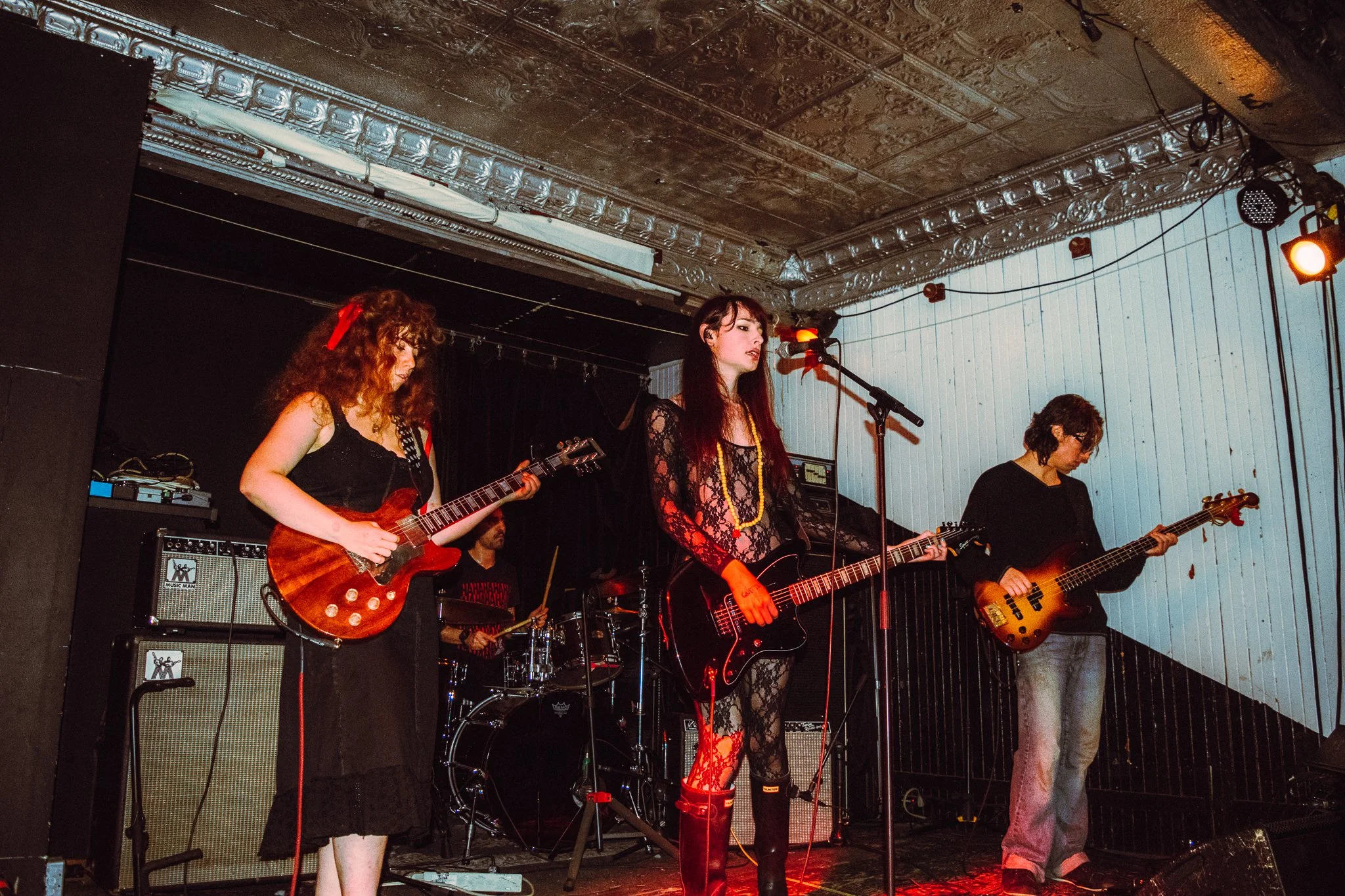
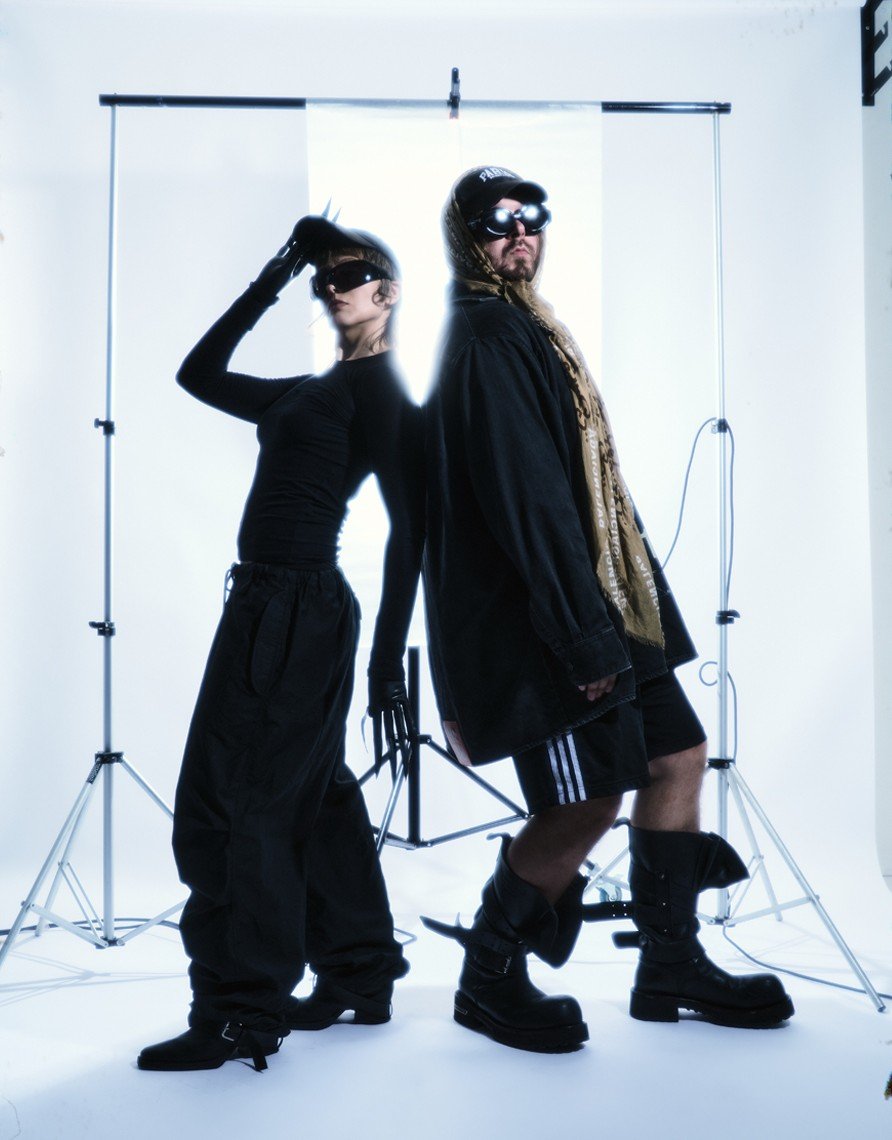
Comet by Maggie Rossy-Aulman
Maggie: Have you played in these cities before?
Taraneh: On this leg, every single show that we’re playing is our first time in each city. I went to school in Boston, but I’ve never played there and then same for Western [Massachusetts], Montreal, and Toronto. It’s nice to see cities with fresh eyes and to experience performing in them for the first time.
MRA: What is your favourite song to play live?
T: I would say either “Prophet” or “Only One,” which is a new one off the record we’re putting out on October 10th. But, honestly, all the new songs are really fun. We have—more or less—a set setlist, but we’ll swap in and out a few songs here and there. That’s the benefit of practicing a ton before hitting the road. We didn’t do that last time and we were kind of locked into a setlist every single night that stayed the same, so now being able to do what we’re in the mood to play is a treat.
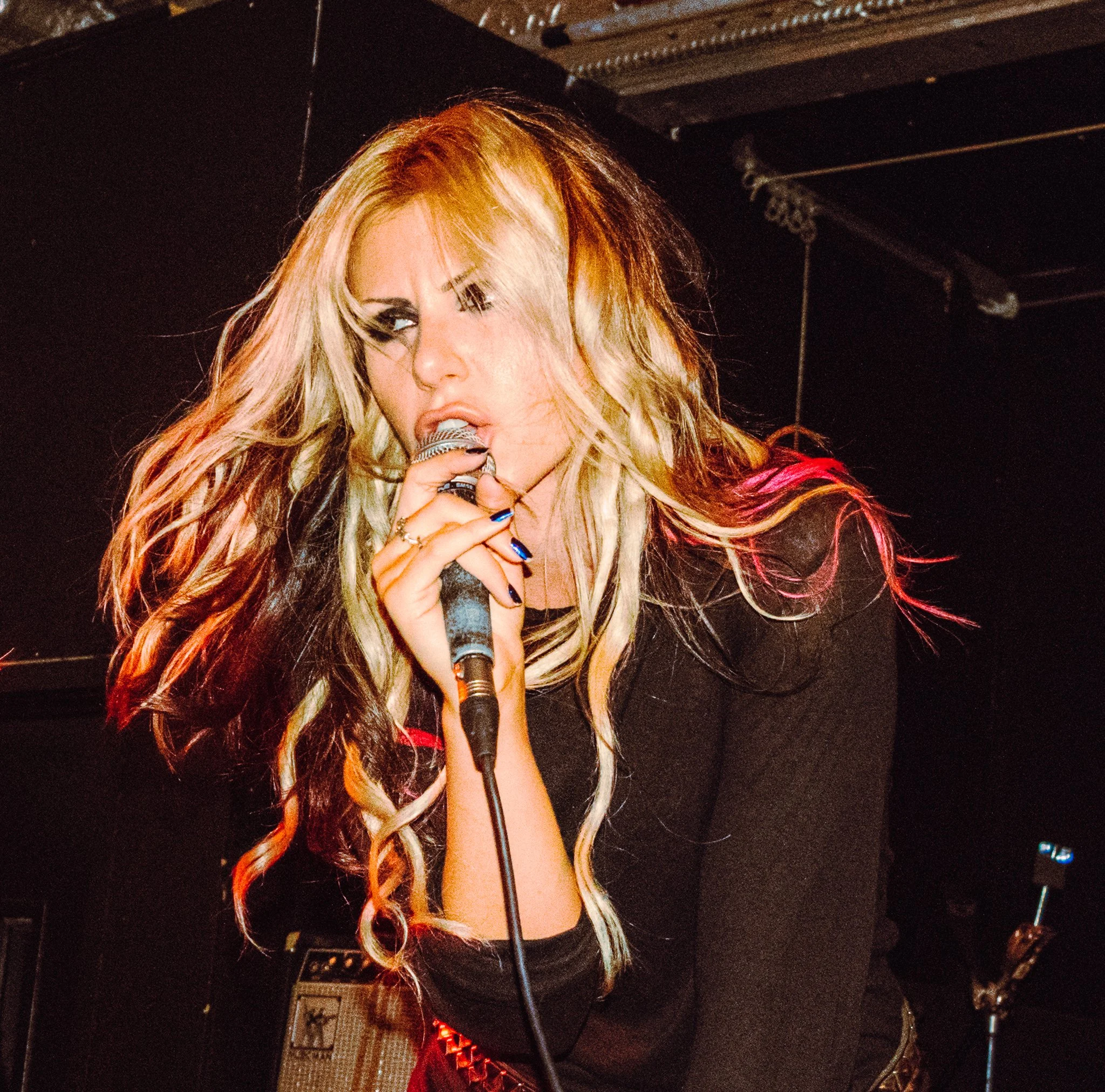
Taraneh by Maggie Rossy-Aulman
MRA: You were a solo artist for a while, but now, what’s your collaborative process like as a band?
T: Having a band has changed the whole process—from writing to performing to everything outside and in-between. [Unobsession] is the first album that we’ve written as a full band, so it was a very collaborative process in that sense – whereas New Age Prayer was mostly demos that I brought in and worked on with my friend James [Duncan] who co-produced. We did everything in the studio, more or less.
This one, we sat as a band in the studio and treated it as our practice space. Being able to play something live that sounds exactly the way we intended for it to sound on the recording is really cool, because when we were touring off of New Age Prayer, a lot of those songs were translated for a live performance. Now, we’re able to just present things as the way they were meant to be presented, which is really fun.
MRA: Is Unobsession more rock?
T: Absolutely. New Age Prayer kind of skimmed the surface of rock for me. There were a few songs that leaned more grunge or rock, but New Age Prayer was written with programmed drums; there were no live drums on it. That inherently made the album electronic at its core. It was a mix of electronic and this “lo-fi dream pop singer-songwriter” sound that I started out with, but Unobsession specifically is completely rock. I would say it’s hard rock, honestly.
And that really stemmed from the first tour that we did as a band together last year… we just made everything so much heavier, and it felt so much better. It felt like, “that’s the music that we’re supposed to be playing,” and that I want to be making. It happened very seamlessly, too. Me and my band were brought together, and things happened very organically, and you can also hear that in the music. It feels, at least to me, like a natural progression from A Fleeting Feeling to New Age Prayer to Unobsession.
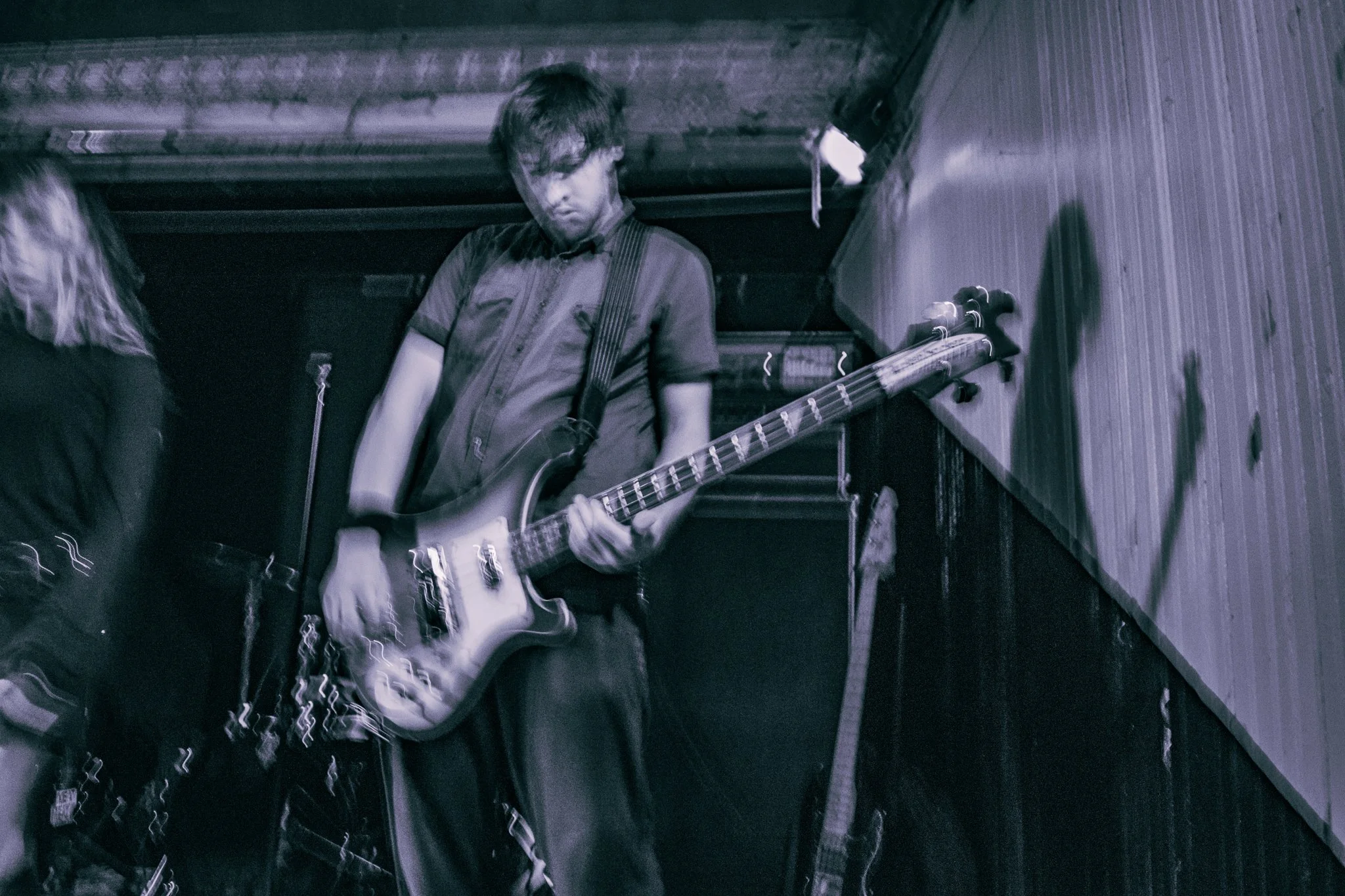
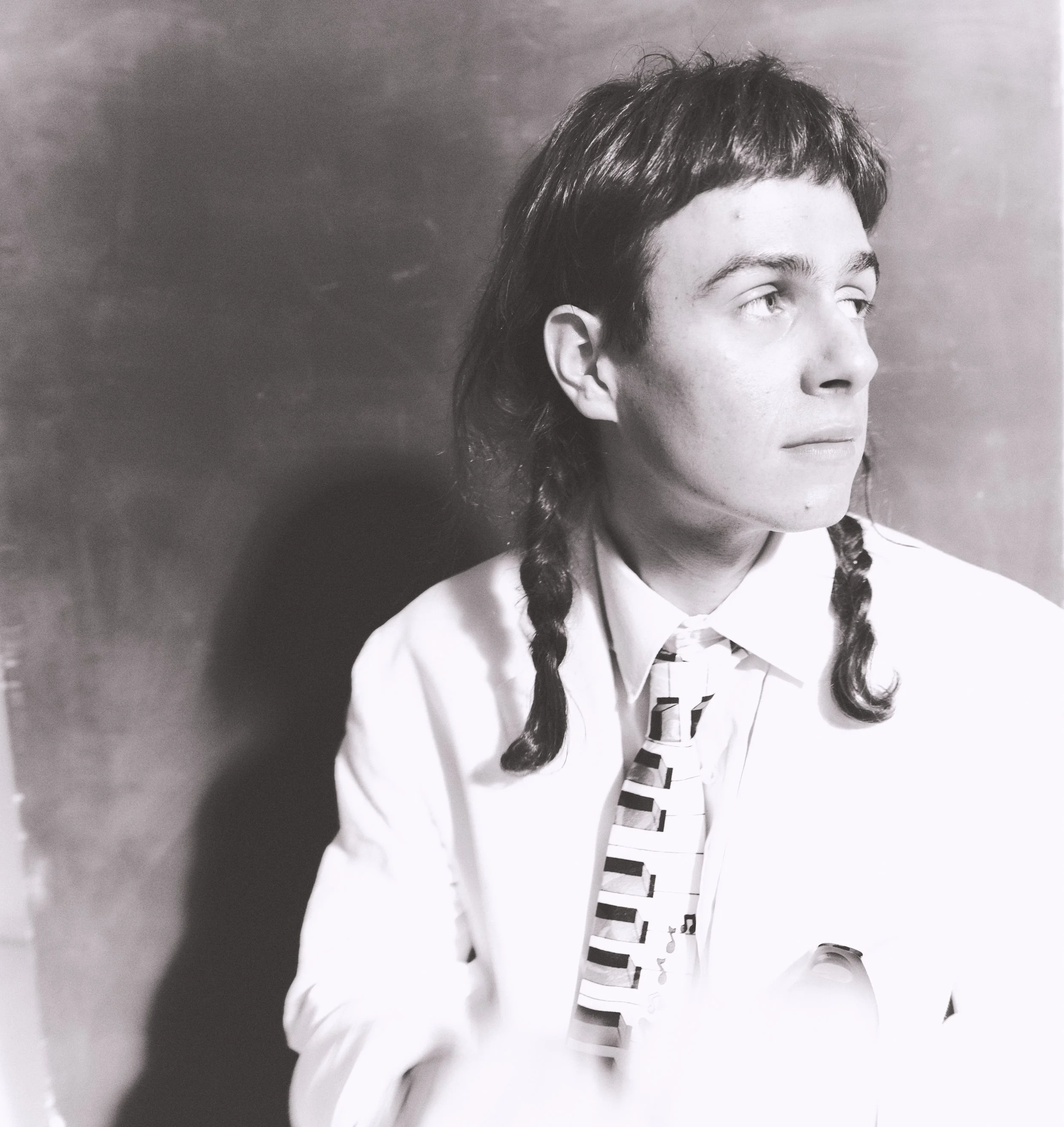
Adam Sosnicki of Taraneh by Maggie Rossy-Aulman
MRA: All of your previous albums have 13 songs. Does Unobsession still have 13 songs?
T: This is the first one with 11 songs. I was again going to do the 13, but I feel like this album—subject matter-wise, energetically, the place that it has in my heart and soul—is about breaking cycles. Having 11 songs was a very intentional shift for me to break that cycle of a boundary that I had created for myself. This being 11 songs is part of that very distinct shift being signaled in the work and in the subject matter, spiritually in my life, and in this chapter of the project.
MRA: What are some themes in this album?
T: I think it says it in the name, even though it’s a made-up word. This album is about becoming so obsessed, so deep in something, and then everything falling apart, and then you put it all back together in a new way. This is about breaking things down so they can be rebuilt in the way that they’re meant to.
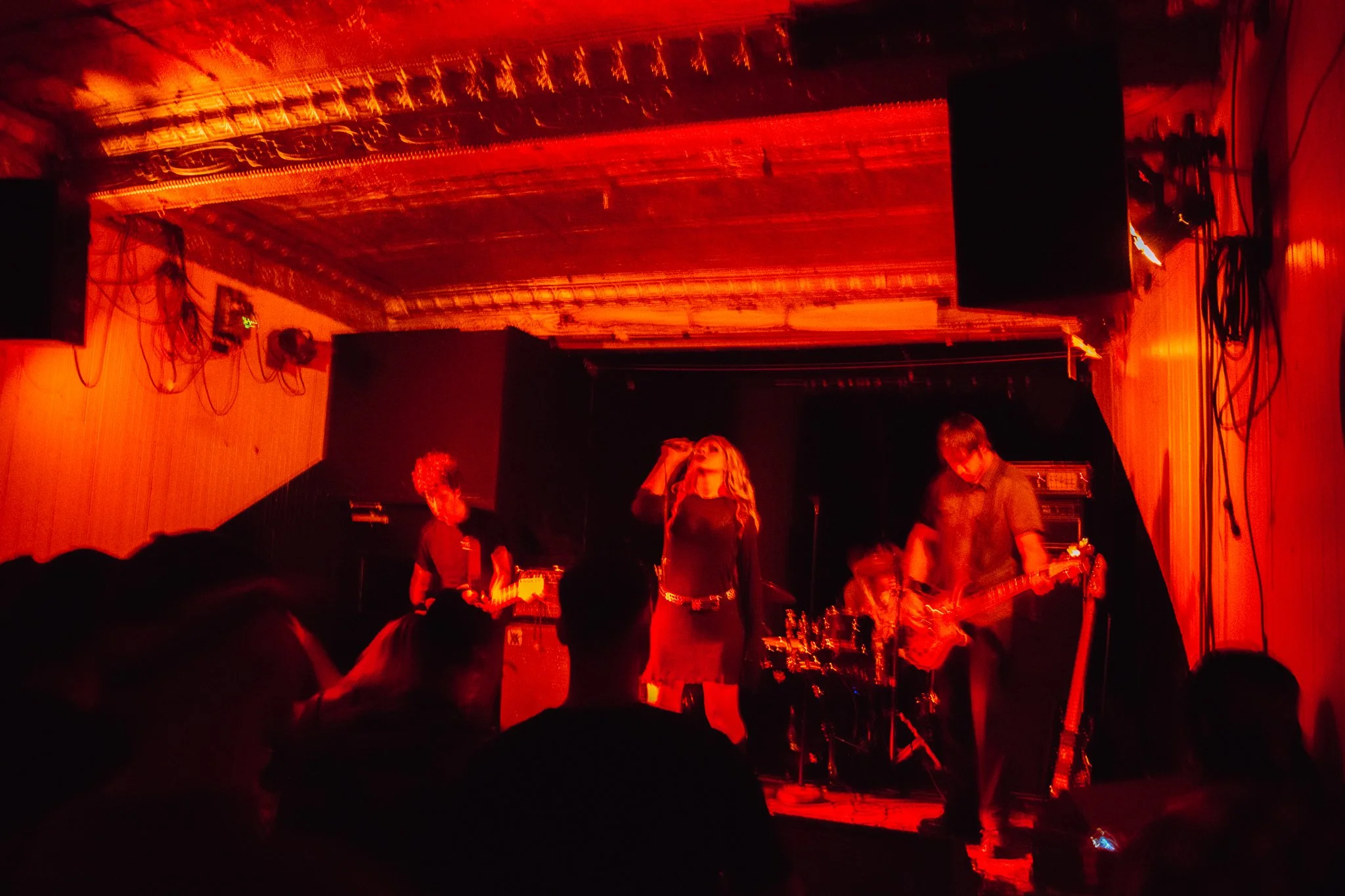
Taraneh by Maggie Rossy-Aulman
MRA: Your overall sound is very gritty and has an edge that a lot of recent rock hasn’t had. There are some other artists starting to do this, but I think you’re at the forefront of that. How does it feel to be a leader in this new era of rock?
T: It’s a big responsibility, but also a great privilege, to be a part of this movement. We’ve had this cultural shift to electronic music: the indie sleaze/witch house revival, which is different than the electroclash of the 2000s, coupled with what we’re seeing with this shoegaze generalization, or “newgaze.” These movements have brought people to a place where they’re actually ready to consume rock; their palette has been primed. The way that electronic music fits into that is that we have these big shifts where electronic music dominates, and then rock dominates, and then it goes back and forth in different ways. But I really do think that rock is back up next, and it’s inherently different because culture, the tools, and the mediums have shifted.
I think rock will inherently have electronic elements, and if not electronic elements, digital artifacts in it. And the spaces that we’re working with have changed. At least in NY, we don’t have a huge warehouse to record in, and you can hear that in the sound of different artists in different cities. The physical parameters have changed—as well as the culture—to influence the sound, so it’s not going to be the rock of the 90s, and it shouldn’t be. But it is going to be a synthesis of our own take on it, and I think that people are going to be ready for that. So I’m grateful to be part of it. It feels like the right time to be doing what I want to be doing.
MRA: What’s one of your influences that’s a bit more surprising or unexpected?
T: On our last tour, Adam [Sosnicki] my bassist, put on the song “Blue” by A Perfect Circle. That’s Maynard James Keenan of Tool’s side project, he’s also from Ohio. Someone else in the band also put on “Blue” by Acid Bath, a Louisiana sludge metal band. And those two songs that I heard within 30 minutes triggered something in my brain where I was like “this is it.” And I think you can hear that in the music.
I grew up listening to Teen Suicide, and later Title Fight and Basement – and those Run for Cover bands when I was 13 in Ohio, those were the shows I would go to. We were listening to Basement today, and I realized how that influence seeped into my brain because you can really hear it in this album. It wasn’t intentional, but it’s interesting how those childhood favourites influence our subconscious in some profound way where they come out ten years later.
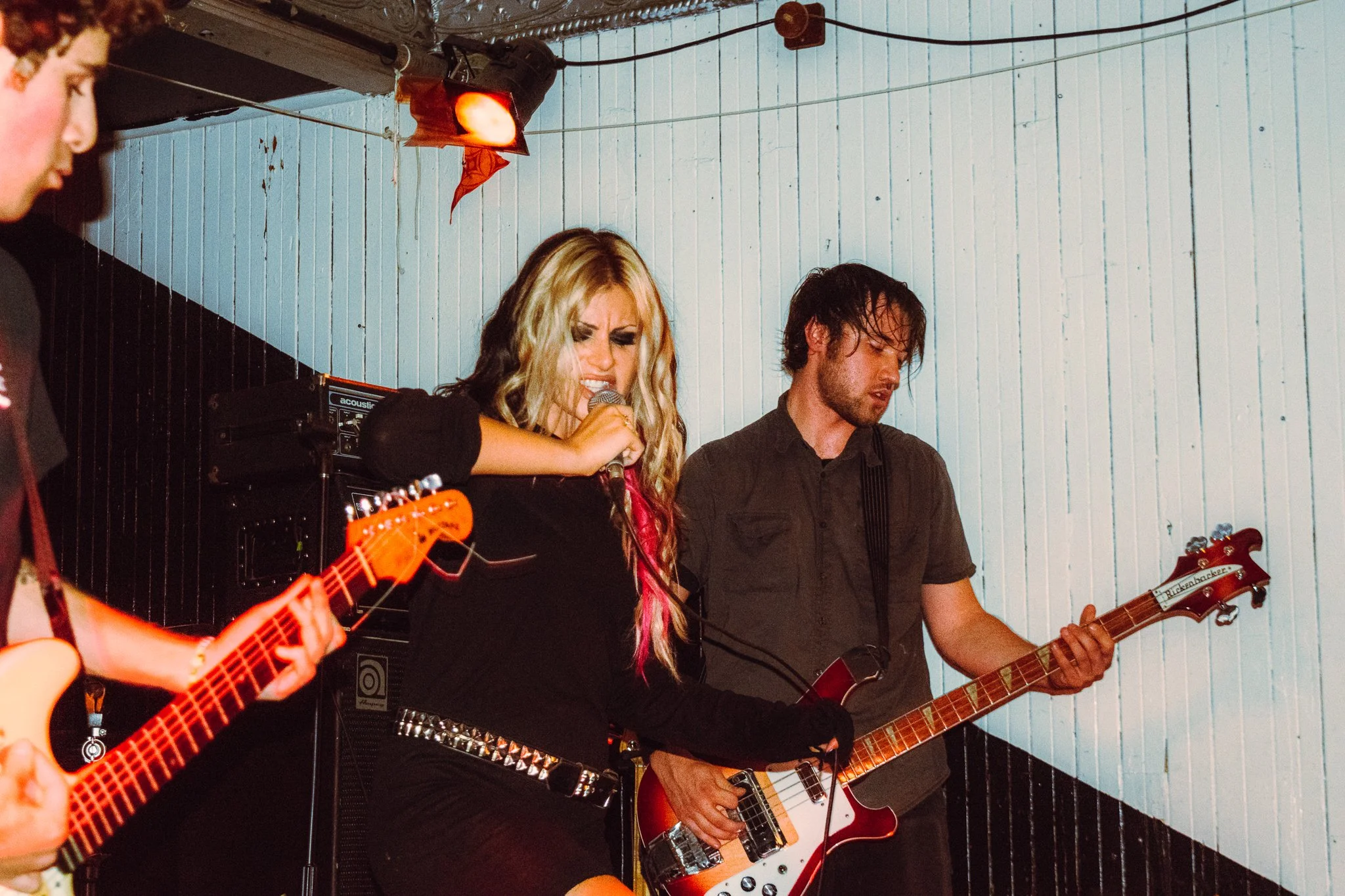
Taraneh by Maggie Rossy-Aulman
MRA: You were previously a journalist with USA Today. From your journalistic experience, what’s a question you would ask yourself if you were interviewing yourself?
T: I would ask myself if the professional shift feels significant or if my work or purpose feels any different.
My answer would be, it does not feel different. Obviously, the medium I’m working in is different. My background is in investigative journalism, and music is so different from that, but I think that music is a form of archiving and storytelling in a similar way. There is this investigative aspect, inherently; you’re just investigating something else and telling the story of it in a different way. In journalism, you get to the bottom of something and then lay it out in a very specific way for an audience, and similarly in music, you do the same thing, but it’s just different subject matter, and it's a different means to arguably the same end.
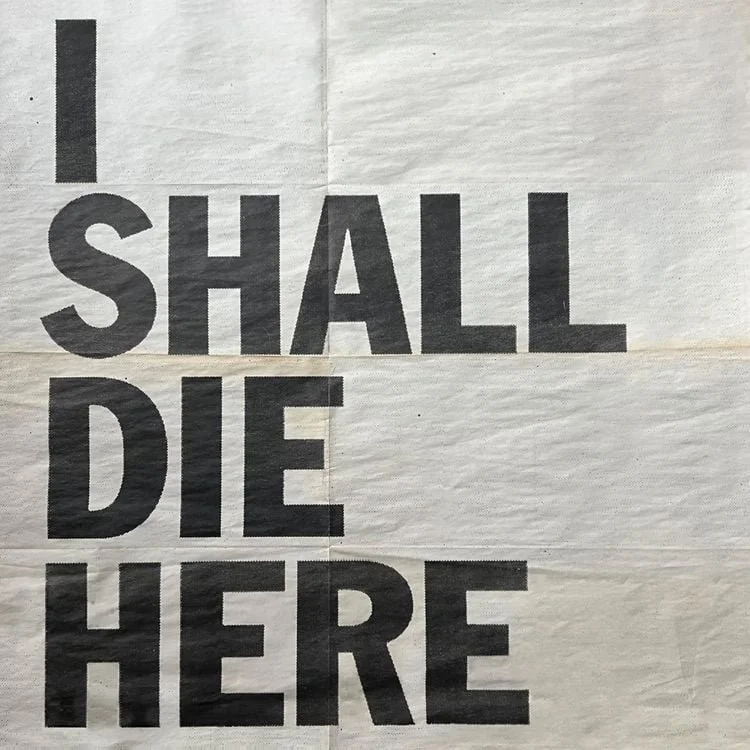
Unobsession
out now via TYPE YES
1. Unobsession
2. Anything
3. Only One
4. Unravel, Together Again
5. False Start
6. Spinning Out
7. Waiting For The Feeling To Pass
8. Magic 8
9. Next Week
10. Passing Through
11. Noorecheshmam
Related Articles