
The Diving Bell Social Club: From a Space Full of Junk to a Community Hub
Visual by Malaika Astorga
The Diving Bell was the home of our first-ever fundraiser and has been an essential part of the DIY music scene in Montreal. The venue is currently run by Sarah (AKA Hot Tramp), Maryse, Austin, Jason, and Evan. We talked to them about how they got started, what it means to run a venue, and how they’re actively creating safer and more inclusive spaces.
Malaika Astorga for Also Cool: Tell us about your first experiences going to shows, and why you wanted to get involved in the DIY music scene.
Austin: I used to go to lots of little DIY shows when I was a teenager. Sometimes they were pretty well set up, like an all-ages show at a youth center or an art gallery. Other times they were very scraped together...but often those were the most fun. A few times we’d get a few bands together and do a sort of "pop-up" show in the underground parking lot of Emily Carr University In Vancouver. Obviously the sound quality was iffy, but it was really fun and spontaneous.
Evan: My first experience going to local shows was through playing in bands in high school in Edmonton. DIY shows were few and far between at that time, so we played a lot of bars. The atmosphere was driven by profit, and bands were mostly used as a way to attract customers.
Sarah: When I moved to Montreal, my first experience going to shows was mainly at the Bog and other DIY spaces that have since closed. As a newcomer to the city who didn’t know many people, I really appreciated the sense of community in these places. I always want The Diving Bell to feel that same way for others; a welcoming place to listen to good music, connect with others, and ultimately just feel at home.
Maryse: My first experience going to shows was in Vancouver, where DIY spaces, unfortunately, keep shutting down due to exorbitant rent. When I moved to Montreal a couple of years ago, I was so blown away by the DIY community and venues that let emerging artists share what they're creating. I think one of our goals at The Diving Bell was to retain the DIY spirit of support and community while offering a licensed venue with a really solid stage and sound set-up.

Visual by Malaika Astorga
Also Cool: What are the different ways that you’ve been involved in the DIY music scene over the year?
Evan: After moving to Montreal in 2011, I was introduced to places like Drones (FKA Silver Door), Poisson Noir, La Plante, Psychic City, and eventually joined up with friends and fellow musicians to create The Bog in St Henri.
Austin: When I came to Montreal, I got involved with The Bog. I initially got involved by shooting videos of the live performances, but also helped to curate some of the events. The Bog is where I met some of the folks who later helped establish The Diving Bell with me. It’s still there too! They don’t do shows nearly as often as they used to, but it’s definitely worth checking out anytime they have an event.
Sarah: I’ve been growing my own business, Hot Tramp, which promotes shows and a yearly festival while offering management, public relations, and booking to various artists.
Maryse: I’m a musician (Maryze) and organize many DIY shows with other artists – often with Hot Tramp spearheading the events, since Sarah is also my manager!
AC: Walk us through the history of The Diving Bell , from the initial inspiration for the venue, to where you are today.
Austin: About a year before we started working on building The Diving Bell , The Bog and the late Psychic City we’re in talks about joining forces and starting an all-new, mega DIY venue space in a former potato chip factory near the train tracks on St Hubert. For many reasons, that never ended up happening, but the spark for finding a new, larger and multi-purpose space had been ignited.
About a year later, Evan, who was managing a bar on Saint Laurent called Blizzarts (now Barbossa), got word from his landlord that there was a large space sitting unused on the third floor of the same building. He called me up and we went in to check it out; immediately seeing its potential. However, we began to understand why such a large, perfectly located venue space was left unused for so long. It was completely filled with junk and the landlord, a very interesting and eccentric guy, didn’t want us to get rid of anything. He kept insisting that we “just put curtains up” to hide the junk and stuff like that. It took a lot of frustrating negotiation, but eventually, after about five solid months of back and forth, he allowed us to move all the stuff to another building he owned on the other side of town.
All in all, we filled up a rented three-ton moving truck ten different times! Eventually, thanks to the amazing support of so many friends from The Bog community, we cleared all the stuff out and were able to get started!
EVAN: In spirit, The Diving Bell is a direct extension of The Bog for Austin and I. We essentially wanted to capture the sense of community that flourished within that venue, while also allowing it to grow. Our goal has always been to create a welcoming space that puts artists first. Bog alumni Sarah and Maryse joined our team, and are integral to the life and energy of The Diving Bell.
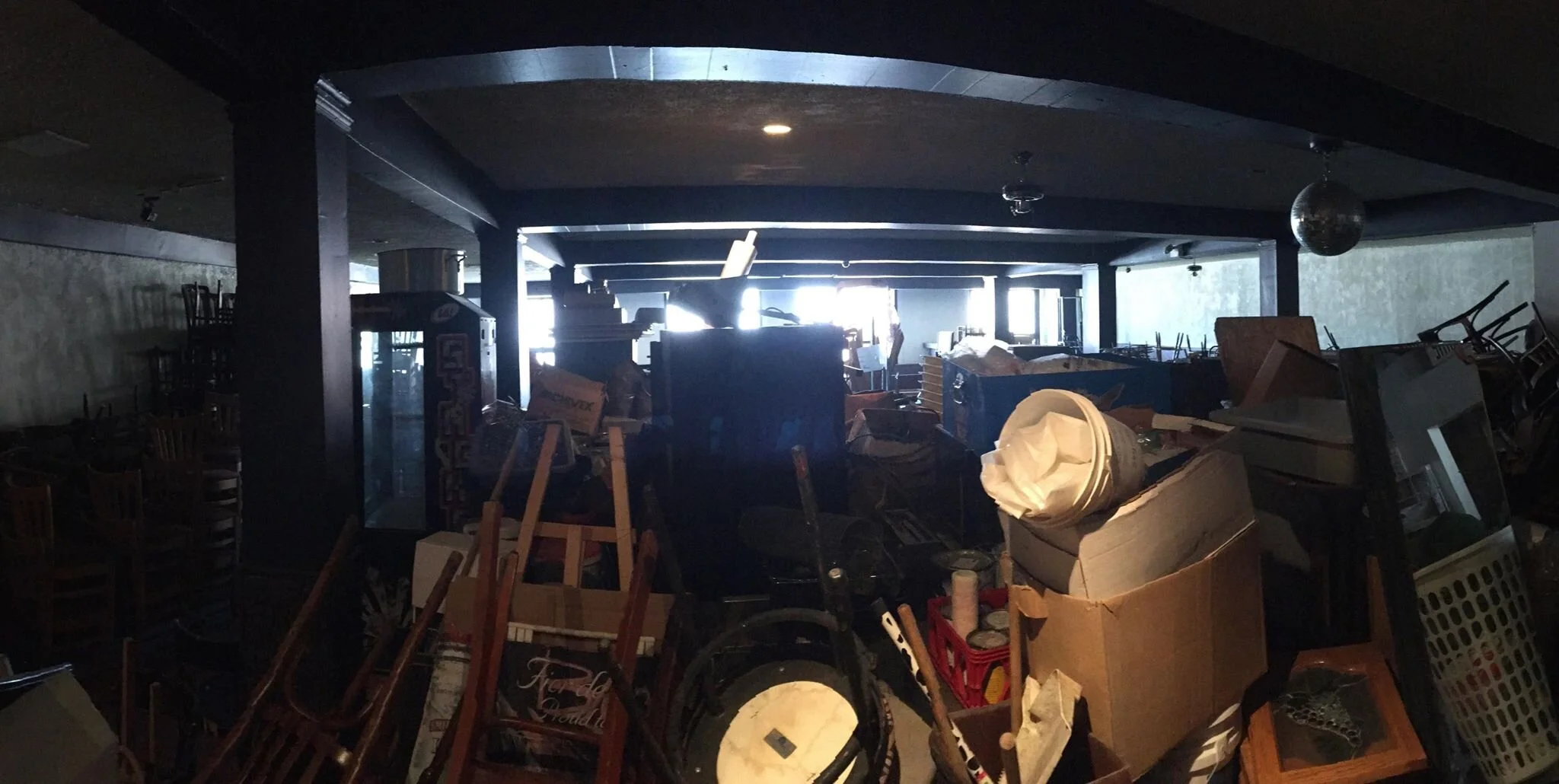
The Diving Bell before it was cleared out. Image provided by the Diving Bell.
AC: What are some of the challenges you’ve faced running a venue?
Austin: The constant threat of noise complaints is something that definitely keeps me up at night (RIP Divan Orange). Many of our main challenges spawned from the instability of our landlord, who unfortunately passed away in May 2019. As previously mentioned, he was a fairly disorganized person who left behind quite a few big messes that we had to wrap our heads around. Also, there were a few stressful months where we didn’t know who our new landlord was going to be and if they would kick us out or crank up our rent. Luckily, it all worked out in our favour for the most part, and we’ve got a more sturdy foundation than ever!
Evan: Recent challenges also include attempts to bridge the divide between French and English programming, and offering better representation for those from marginalized communities.
AC: How do you actively work to make The Diving Bell a safe and inclusive space?
Evan: When we first decided to open up The Diving Bell, we did so with the knowledge that extra measures would need to be taken to accommodate our guests. It has always been a priority to create a welcoming, diverse, and safe space for anyone attending our events. Our staff has been trained in de-escalation and conflict resolution techniques, as well as first aid. What is becoming clear is that regardless of the culture and environment that exists past The Diving Bell door on the third floor, there needs to be the same amount of work put into our stairway and the street outside. Our little corner of St. Laurent Boulevard is not yet the safest space for marginalized peoples, and we hope that by listening to the needs and concerns of our community that can help to make The Diving Bell an even safer and more inclusive space moving forward.
Sarah: As Evan mentioned, active listening and keeping an open dialog with community members is something we take very seriously. We promise transparency and encourage folks to inform us either directly, or anonymously if they feel unsafe or unwelcome in our space. What is great about booking at The Diving Bell is that we are a multi-performance space, which allows us to bring different creative communities together under one roof. When booking, Austin and I always try and put a variety of events on the calendar to ensure that the community we are serving feels represented.
Maryse: I think we make a strong effort to listen to our community about their needs and concerns and to try our best to address them. We especially want to make sure marginalized groups like the queer and BIPOC communities feel safe, welcomed, and included in our space. We need to keep learning by actively listening to folks, and be open to how we can change to better understand and respect their realities.
Austin: With that, we also strive to be as friendly and welcoming as possible on all fronts.
AC: What would your advice be to people who are looking to get involved in the DIY scene by running shows, or even a venue?
Austin: Safety first! All it takes is one mishap to ruin everything for a DIY venue. For example, the fire at Ghostship in Oakland a few years ago was a terrible reminder of the importance of taking these things seriously.
Evan: The best advice I can give is to do what you love, find people with the same passion, and learn to count on each other. This kind of thing can’t be done alone; it truly requires a village. Put on a show in your kitchen, put on a show in a park… The space is not what’s important; it’s what happens inside it. Be safe, be kind, be respectful, and listen.
Sarah: I’d say go for it - our city needs more venues and people running shows! Just keep in mind that it is a lot of work getting anything off the ground. Opening a venue requires spending a lot of time on tedious paperwork and dealing with the frustrating budget constraints of independent promoters. So, you really have to make sure your heart is in it! These early stages are never as fun as they seem.
AC: If I’m an artist or organization looking to book the space, what do I do to get involved? What information should I include in my email?
Evan: The best way to get involved is to send us an email at info@divingbellsocial.com, or come by and visit us during a show! We’re always happy to meet new people and brainstorm new ideas.
Sarah: If you reach out to us by email; you should always include links to your project, dates, and a short overview of the event in question. This seems super basic, but you'd be surprised how many emails I get missing that info! Also for music shows, if you are a touring band, please send us who you have in mind for local support! If you are a local band, please send me your full line-up or at least an idea of what it will be. I think a common misconception is that venue bookers and show promoters are one and the same. As a venue booker, I will rarely put a line-up together for you, that’s a promoter’s forte.
Evan: We will also be adding a FAQ section to our website and booking form in the coming weeks, which should help facilitate your booking requests!
Visual by Malaika Astorga
AC: What are your goals for The Diving Bell in 2020?
Austin: I'd like to see more daytime usages of the space. At this point, we’re pretty much only a night-time space and it just feels like a bit of a waste.
Sarah: I agree with Austin; we need to get some daytime rentals going as it really is just missed opportunity with our space sitting empty all day - so definitely reach out to us if you’re interested in setting up classes, workshops, etc! Overall, I hope in 2020 we continue growing, learning, and connecting with the FAB community we are so lucky to be apart of!
Evan: The Diving Bell has huge goals in 2020. Among these, we are continuing to branch out in our programming and aiming to diversify our events. We want to try even harder to bridge the divide between the Anglo and Franco music scenes and make a purposeful effort to run bilingual shows as often as possible. We have big plans for renovating our bathrooms, and we hope to open our kitchen officially this year. Stay tuned!
Maryse: I’d like to keep finding better ways to offer a safe space for all by creating an environment that is welcoming and inspiring for artists. I’d also like to achieve this by expanding our programming to host new types of events, like artist meet-ups, book clubs, astrology and tarot parties, yoga and dance classes...There are so many possibilities!
The Diving Bell
Website I Instagram I Facebook
Email: info@divingbellsocial.com
Related Articles


Lux Magna 2020 x Also Cool Present: Age of Aquarius
Visual by Malaika Astorga
Lux Magna is everything you would want a music festival to be. The festival is entirely operated by a group of women and non-binary curators and artists, who redefine how arts events should be run. They emphasize the importance of lifting each other up, rather than tokenizing and commodifying each others’ work. Lux Magna does this by shining a light on the music, dance, spoken word, and visual art unique to their community.
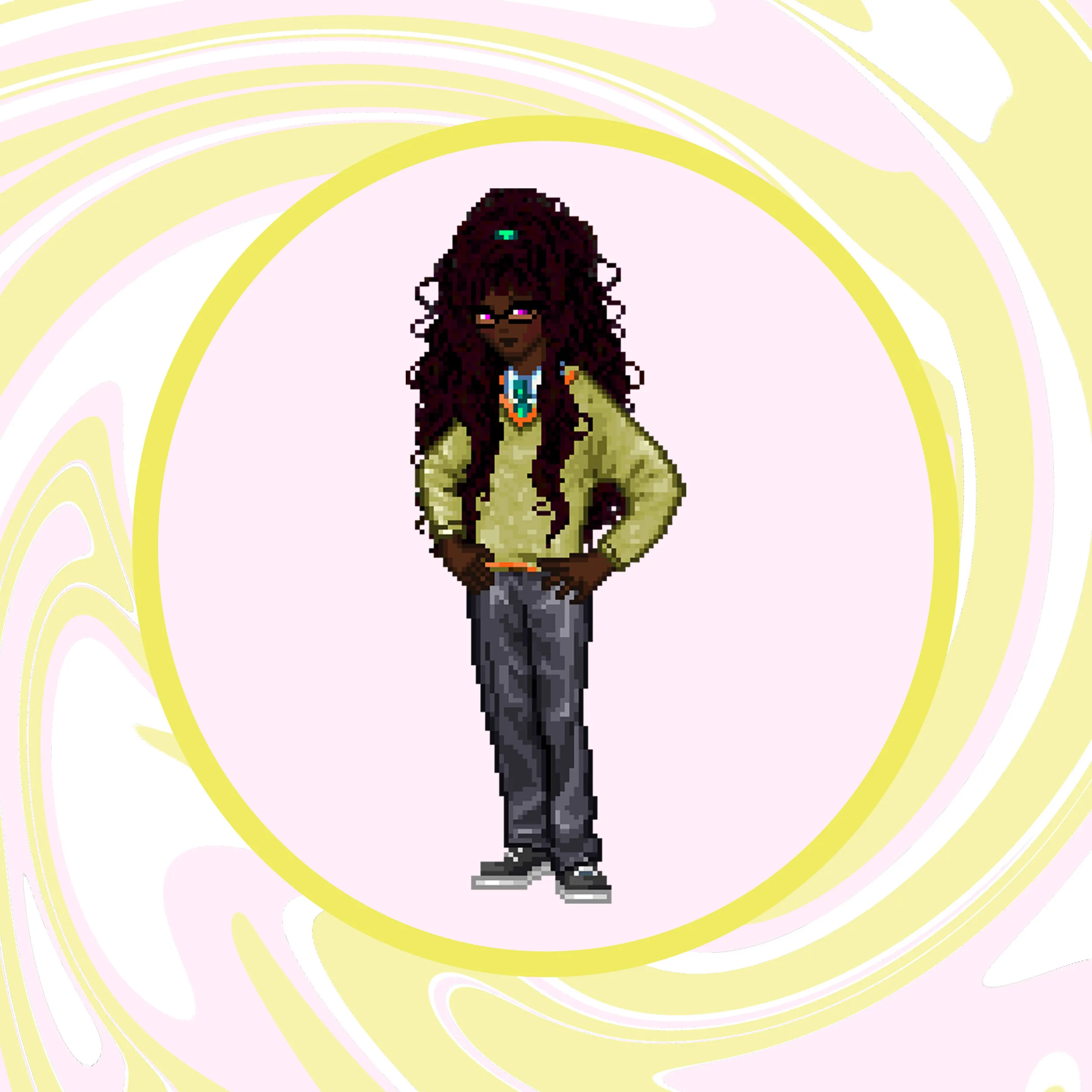
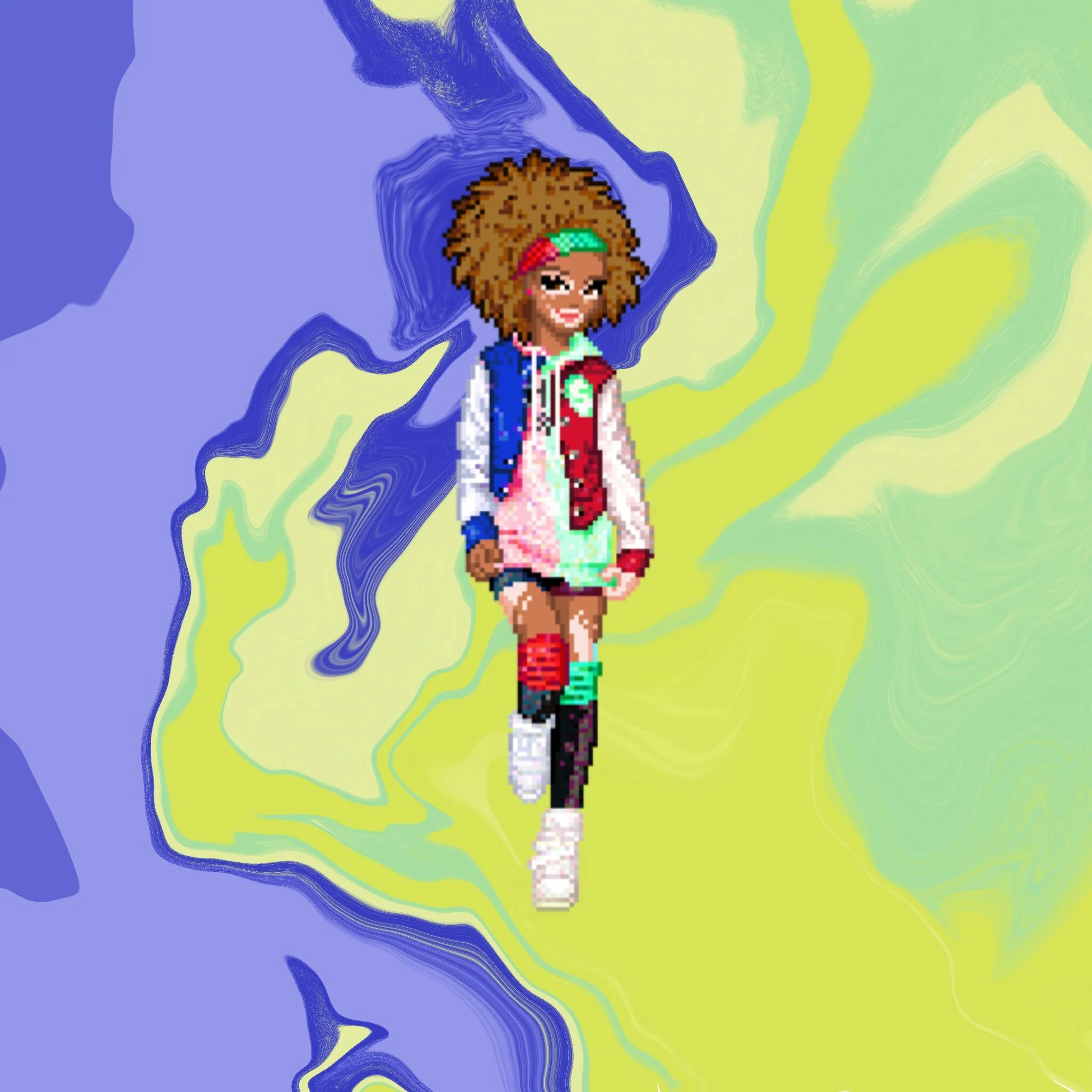
Also Cool has the privilege of co-presenting a Lux Magna event this year: Age of Aquarius: An Aquastellar Experience with Cosmique Tea. We’ve worked in collaboration with the festival to launch a series of fun “Guess The Sign” visuals (answers at the bottom of the article), and we will have an “Intro to Astrology” zine available at the event!
Read our conversation with Mags from Lux Magna below.

GUESS HER SIGN 1 Visual collab Malaika Astorga x Lux Magna
Malaika Astorga for Also Cool: Tell us a bit about why Lux Magna started and how it has evolved over the years.
Lux Magna: The festival was born out of a desire to not only expand outside of the corporate understanding of festival curation, but also to see our favorite artists play during a time of year that isn't typically associated with festival season. Winter is a very difficult time in Montreal, especially for mental health, and Lux Magna is one of few ways to relieve that.
Also Cool: Your team has previously voiced frustrations about how music festivals are run. How are you making the changes that you wanted to see with Lux Magna?
LM: Some of the ways we challenge current festival norms is by ensuring safe(r) space policies and giving accessibility info about our venues. With accessible venues becoming few and far between, not to mention closing down altogether, it's the least we can do.
GUESS HER SIGN 2 Visual collab Malaika Astorga x Mags & JUICE
AC: You've also emphasized that it's essential to be inclusive without tokenizing the communities that you're trying to uplift. How do you implement that into your festival planning and programming?
LM: The simplest way that we do this is by ensuring the team reflects different parts of the local scene, and as a team we go over projects we're genuinely excited about and would benefit from our platform.
AC: How did your team get Lux Magna going? It's incredible what your team has achieved, and we're curious about what that journey has been like. What would your advice be to someone who wants to start a music festival, but doesn't know where to begin?
LM: For my part, I joined the initial team in 2017 after I was invited to curate a show for Suoni Per Il Popolo 2018. My input as an independent event organizer, as well as a younger artist with an ear to the ground in terms of what millennial QTBIPOC were interested in, was noticed and valued. My advice would be to develop a solid work ethic in the public sphere, especially if it's DIY. Often people mistake DIY or working with friends as less professional, but it equally requires doing the homework and showing and demanding respect, while acknowledging all the ways capitalism and mainstream event organizing limits our mobility in the scene.
GUESS HER SIGN 3 Visual collab Malaika Astorga x Mags & JUICE
AC: How do you find and select your artists?
LM: A lot of the time, the local artists we pick are artists we've seen live and are excited to offer a larger audience where we can. Depending on who we're listening to, or discovering on SoundCloud or Bandcamp, we try our best to match artists to a lineup in order for their respective fanbases to discover something new. The best thing about this is that many of our artists end up discovering each other and collaborating after the festival! Honestly, it’s the best feeling.
AC: Let's talk a bit about our collaborative event, Age of Aquarius: An Aquastellar Experience. For those who don't know what's going to be going on, and what are we celebrating?
LM: So, it just so happens that every year, Lux Magna coincides with the beginning of Aquarius season, whose sign is associated with innovation, community and looking into the future. I have been working on an album with my dear friend, and talented multidisciplinary artist JUICE, that we've named Age of Aquarius. This event will serve as its official launch/listening party. During the first half of the evening, we'll be playing the album while our magical Aquarian friend Toni (Cosmique Tea) does 10 minute $10 PWYC tarot readings, which have been made more accessible thanks to our partnership with Overture with the Arts.
Afterwards, Toni will lead a short guided meditation, followed by an Astrology 101 talk that I'll be co-facilitating, as well as some fun zodiac games (prizes may or may not be involved 👀)
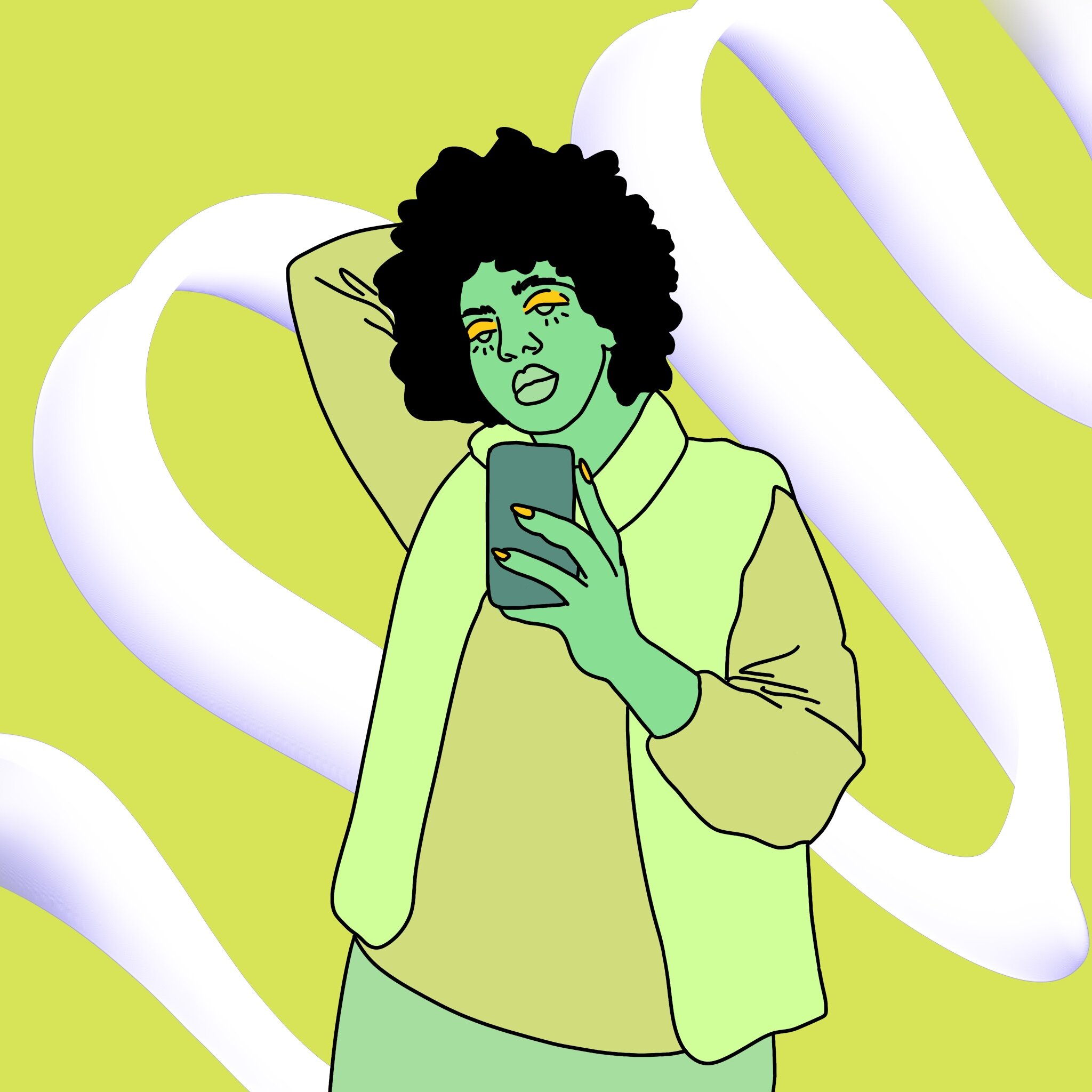
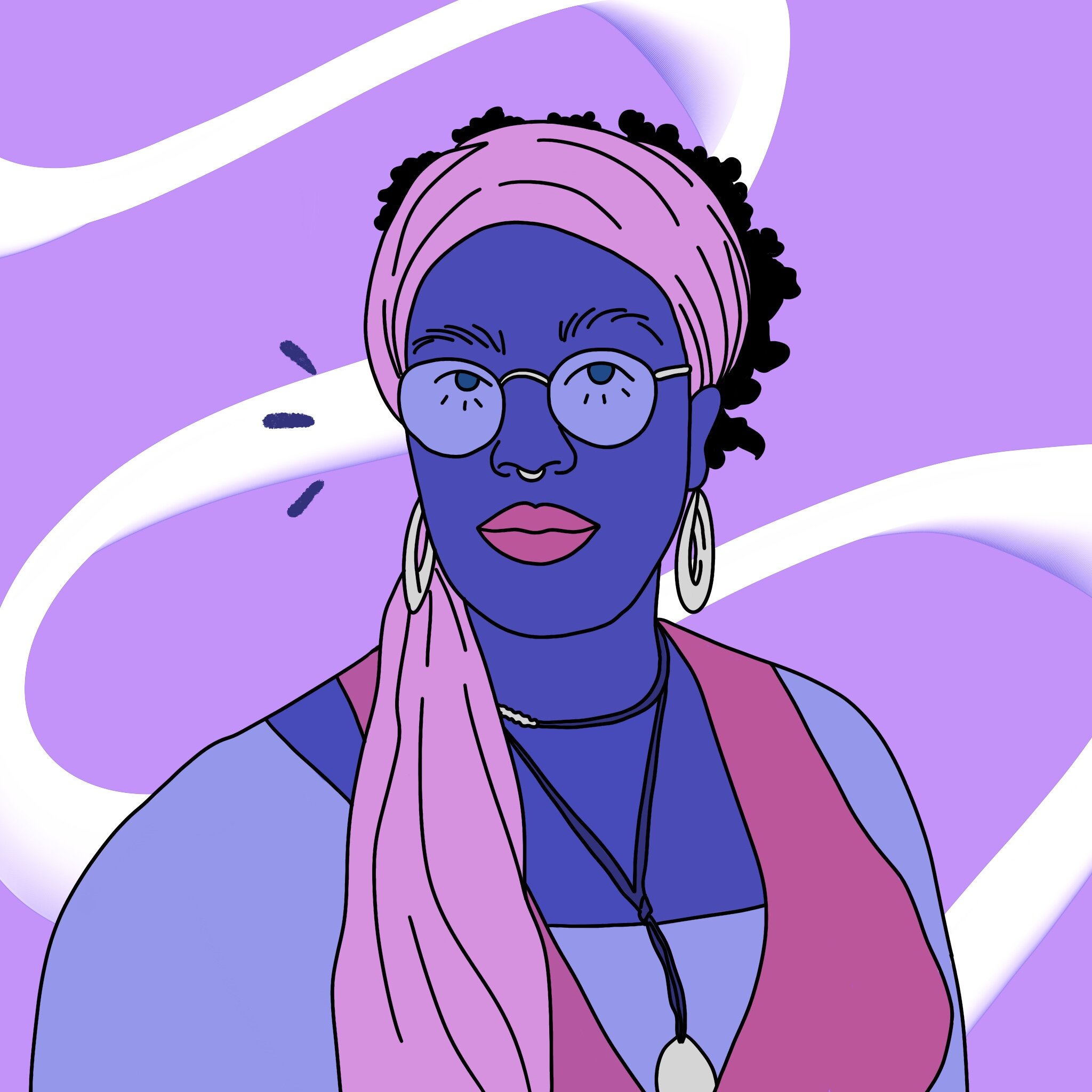
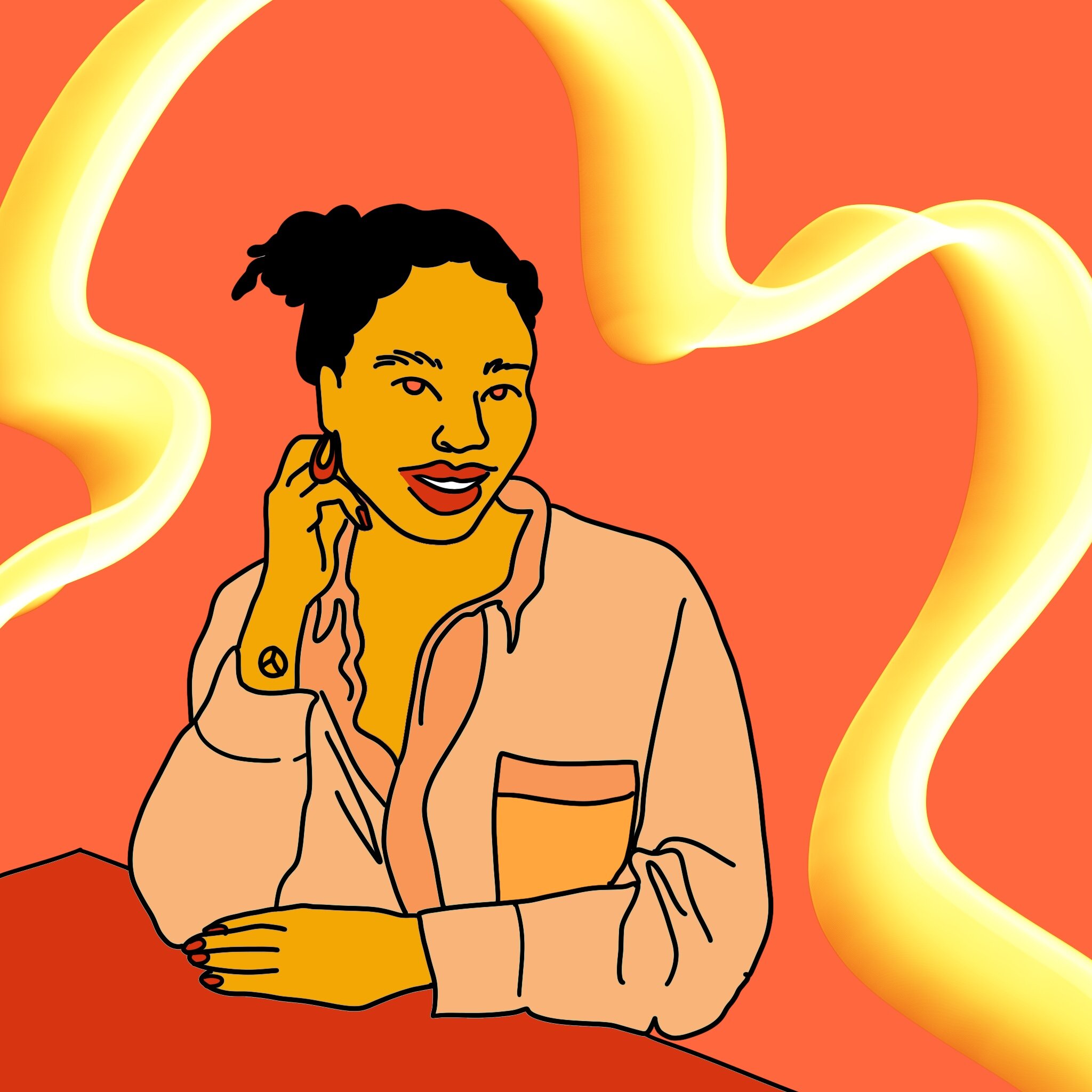
JUICE, Mags & Cosmique Tea by Malaika Astorga
AC: Tell us a bit about the Age of Aquarius album. Where did the initial inspiration come from, and how has the project developed over time?
LM: The inspiration behind the album was very random and sudden. In fact, I don't even remember the exact thing that spurred it initially because the themes are so intrinsic to the friendship JUICE and I have built over the last year or so. For example, we are both very much into astrology; it's part of our daily conversations. We are also both nerds in our respective ways. While we both love anime and cartoons, JUICE is definitely a bigger gamer than I am. That said, I have an appreciation for the music featured in the video games and online games I grew up with. So, the idea to combine both astrology and video games into a musical project came very naturally to us.
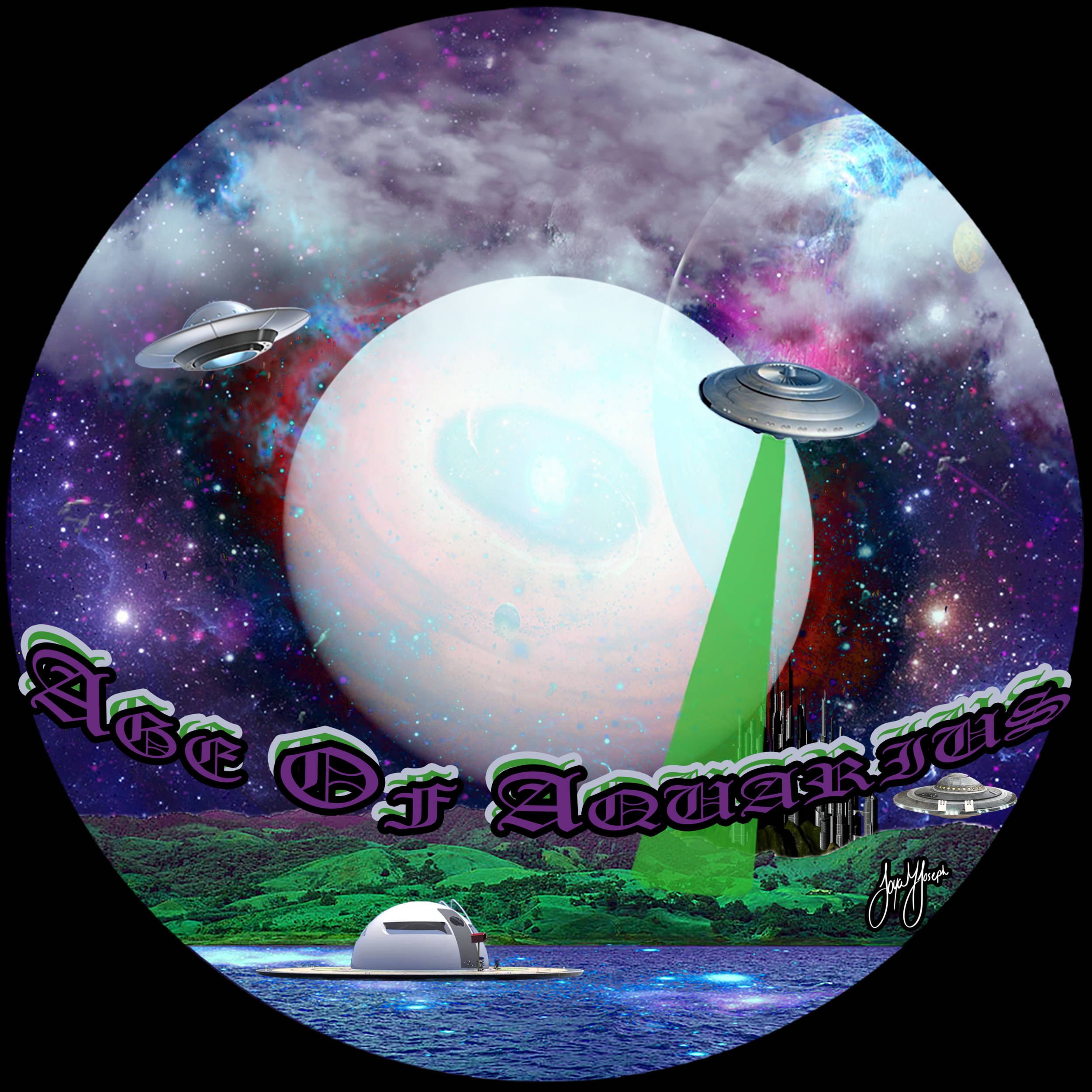
Age of Aquarius cover art
AC: What are your signs, and how do you think that they affect your work and specifically this project?
LM: The current Lux team is comprised of two Aries, two Capricorns, a Gemini, a Sagittarius, a Scorpio, and I'm a Virgo. If you know anything about these signs, you’ll know that for the most part they like to take charge, but are also able to work independently. So, a lot of this project has been each of us doing our own thing, and then coming together at pivotal moments. JUICE is also a Capricorn but with very heavy Aquarius placements, which is one of the reasons behind why we named our album as such; we both have at least four Aquarius placements in our chart. I feel like working on this album allowed me to bear witness to the conflicting nature of Earth sign and Air sign tendencies, none more than within Joyce, so powering through it together was something very special. I think it comes through in the songs.

GUESS HER SIGN 4 Visual collab Malaika Astorga x Mags & JUICE
AC: How would you explain astrology to someone who never even thinks about the stars?
LM: Literally the other day I was just saying how the Myers-Briggs test is just the layman suburban mom's astrology. Certainly with astrology, there comes important knowledge of astronomy, the movement of the stars and planets. The concept of astrology is usually described with the phrase "as above, so below,” meaning the way we see the planets interact with each other from Earth is reflected in the way people act with each other on Earth. All the signs can be split up into different elements, different polarities, much like how the Myers-Briggs is split up by introvert/extrovert, feeling/thinking, perceiving/judging etc. It's these different combinations that make every person so unique. The Myers-Briggs test limits its results to 16 types, astrology is dependent on the exact star map of the time and place you were born. Not everyone's sky is the same. Even with twins, some traits are nurtured throughout life more than others between siblings. I should know, my mom is a twin.
TL;DR, it's a way more entertaining Myers-Briggs test and nobody's results are ever really the same..

GUESS HER SIGN 5 Visual collab Malaika Astorga x Mags & JUICE
AC: Tell the world what you have going on. (plug any projects, links, whatever here)
LM: Follow me everywhere @Mags119 for more beats, illustrations, possible rants about Steven Universe, and follow my band too! @StrangeFroots
Lux Magna
ANSWERS TO GUESS THE SIGN
Libra
Virgo
Gemini
Cancer
Pisces
Related Articles
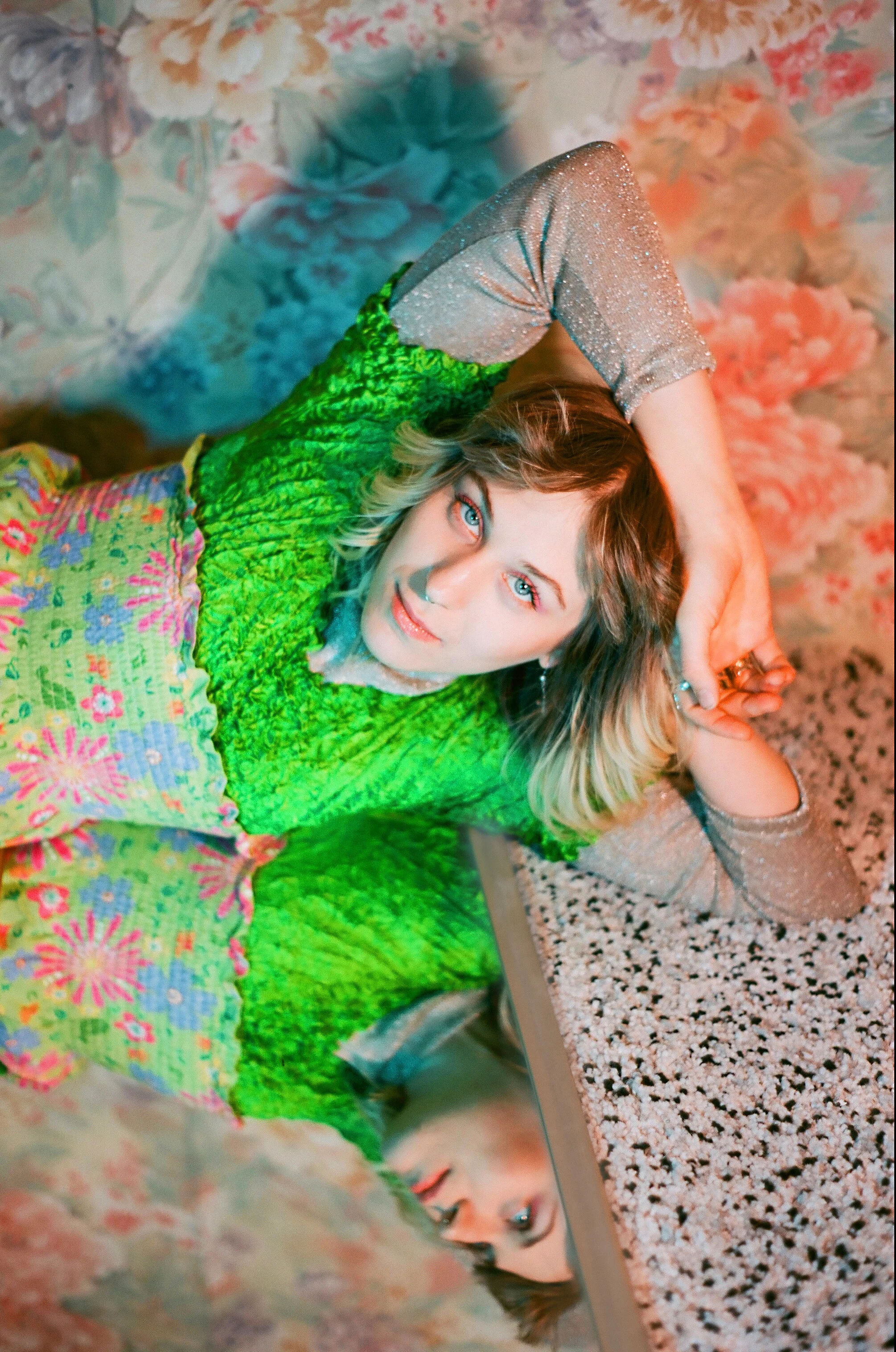
Anyways… Meet Regularfantasy
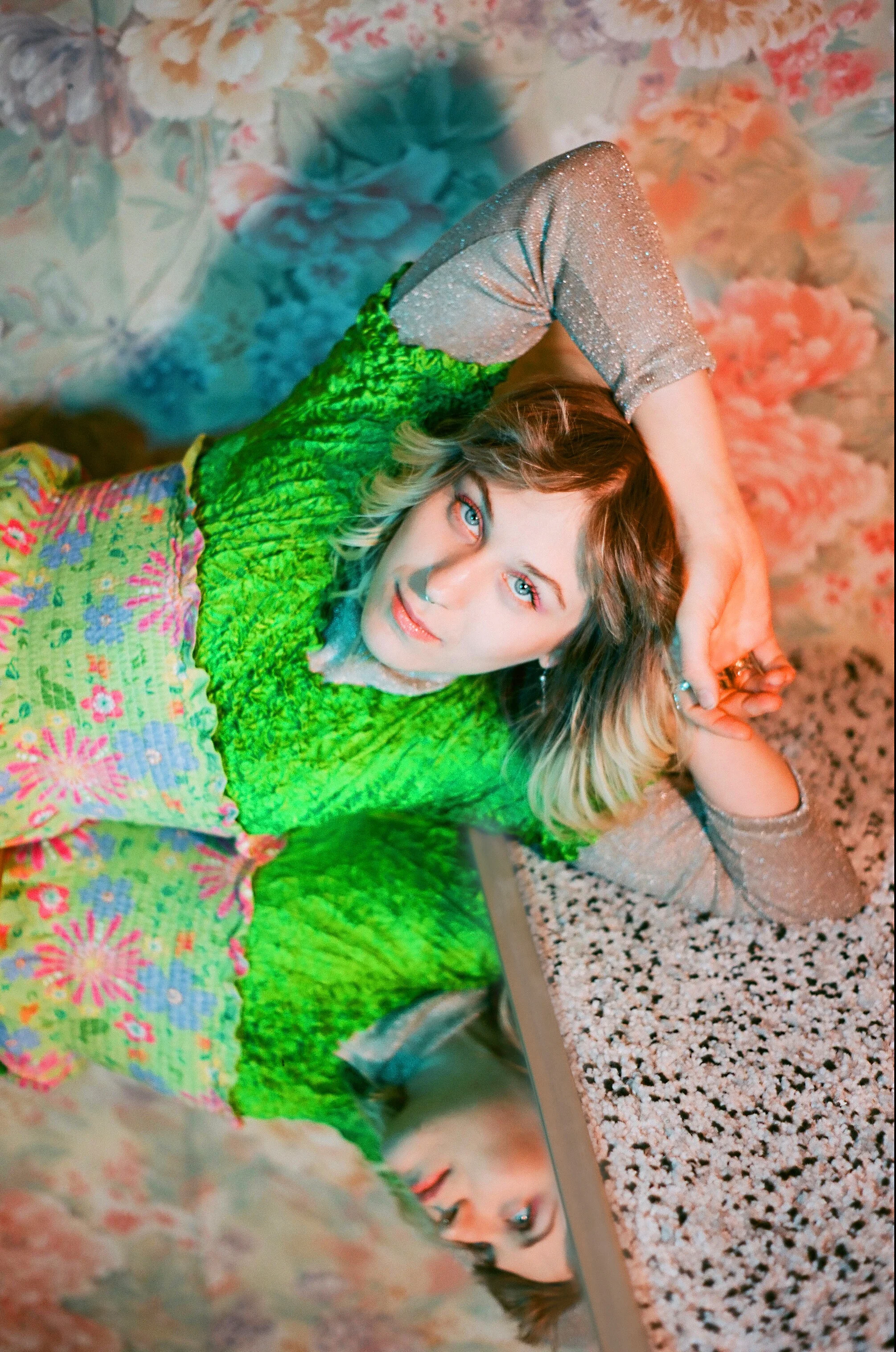
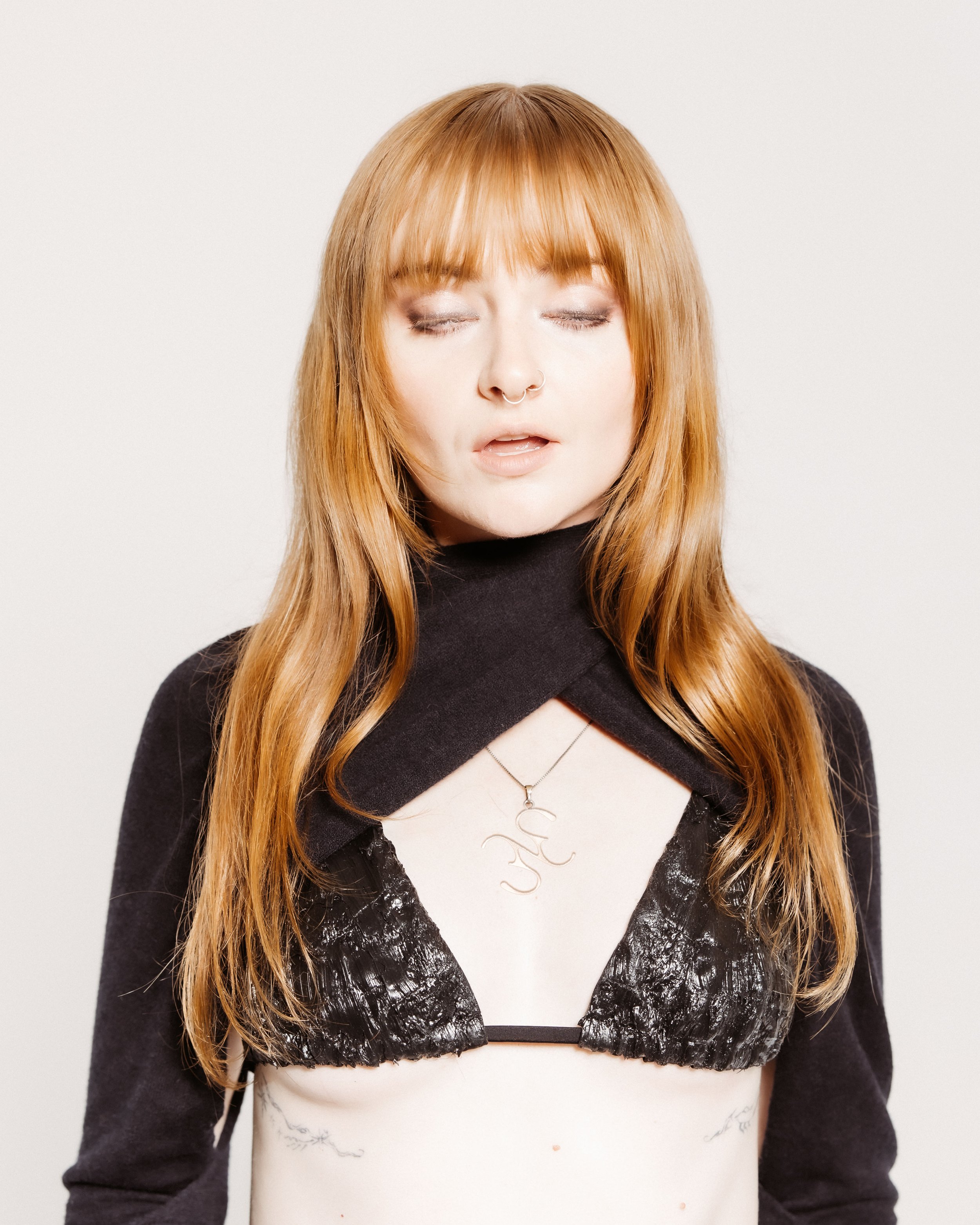
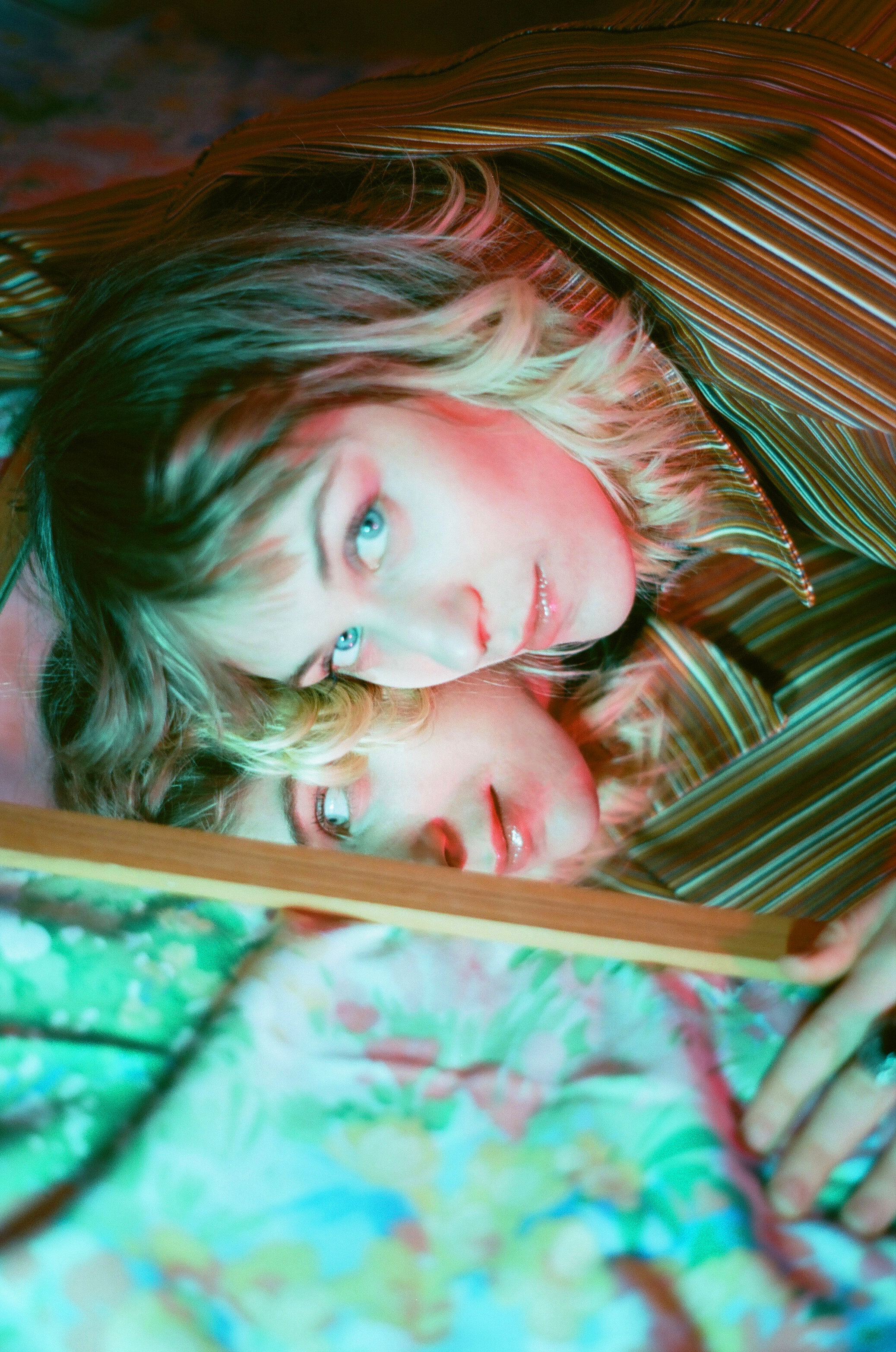
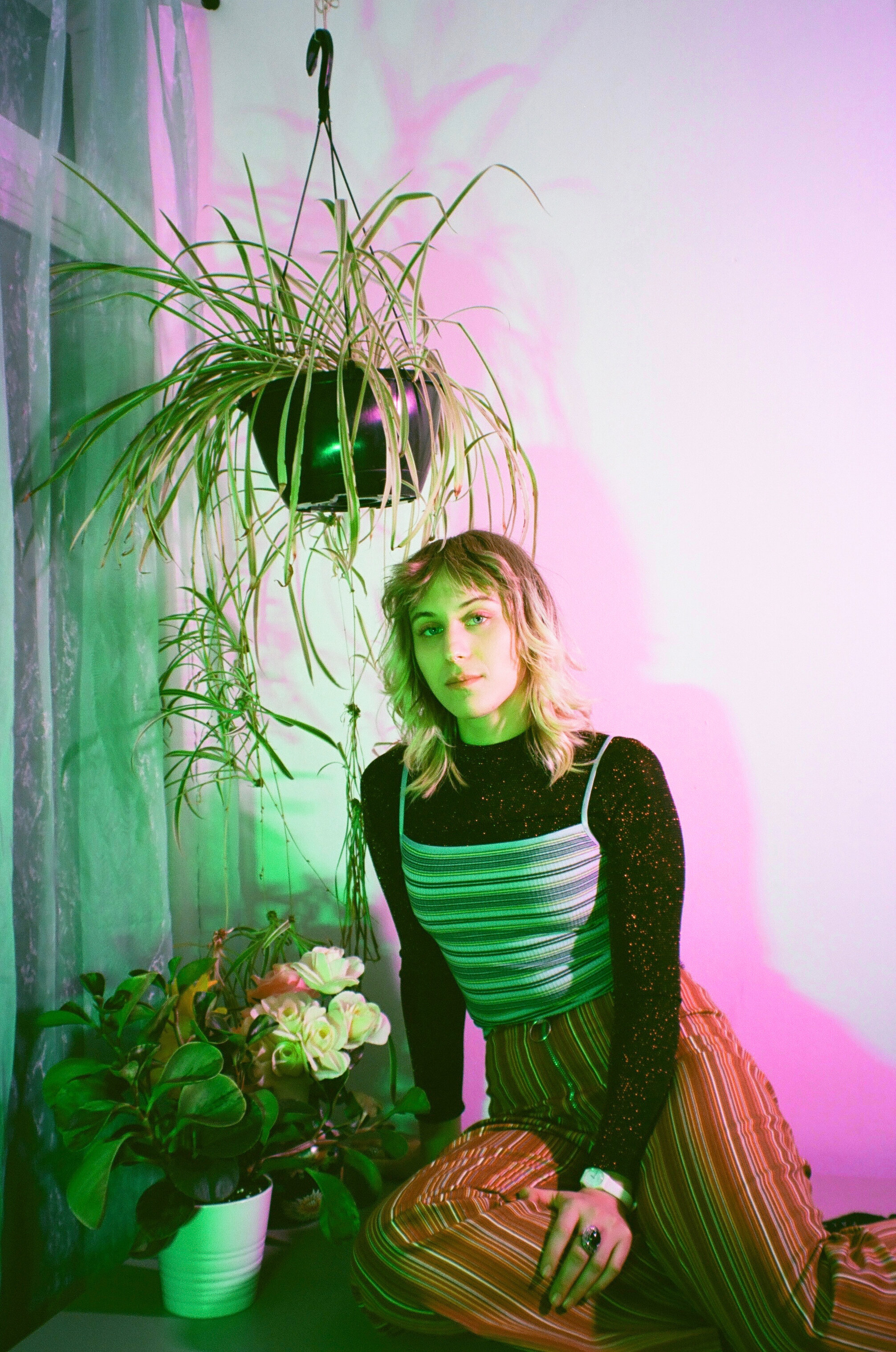
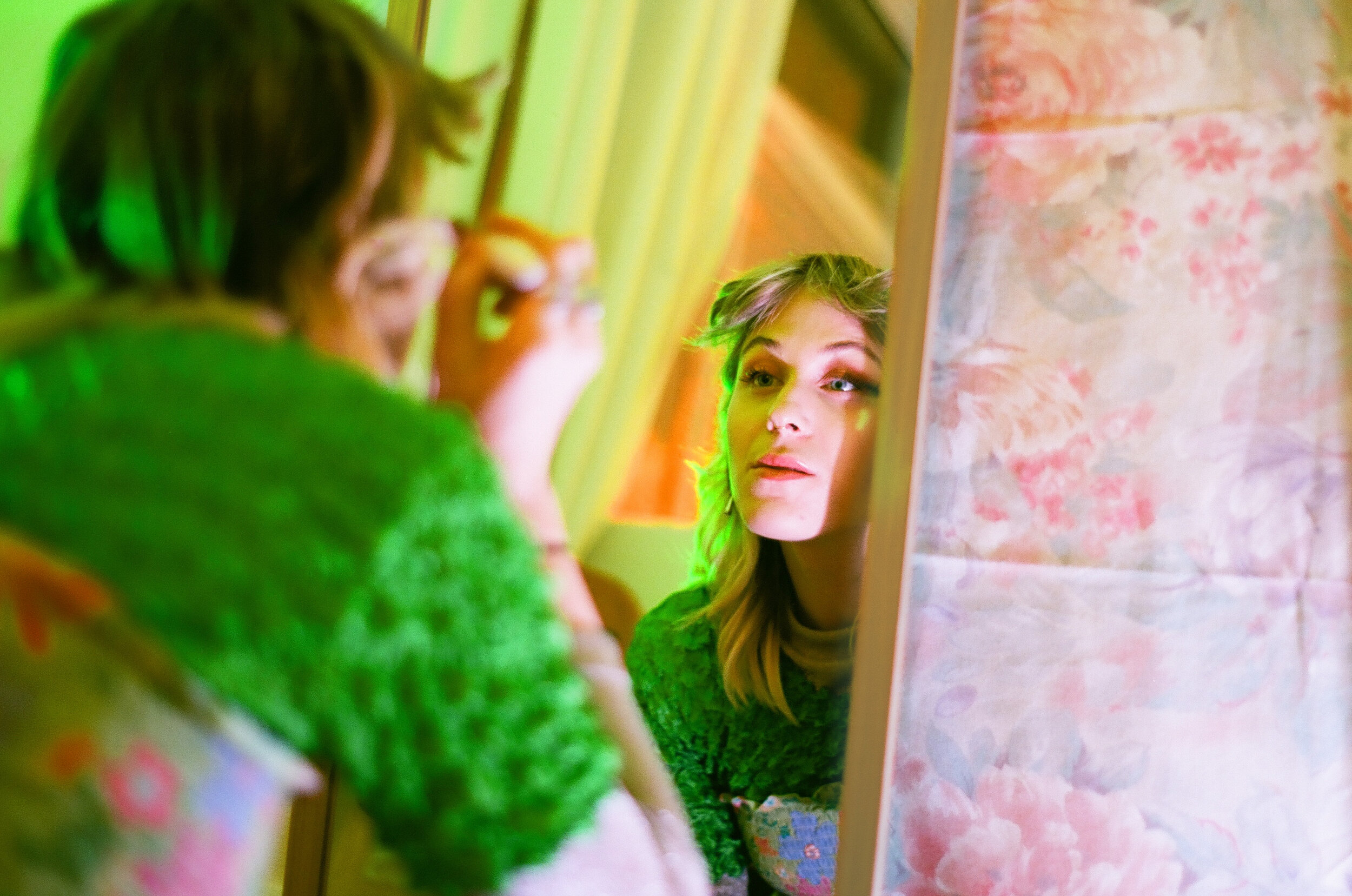
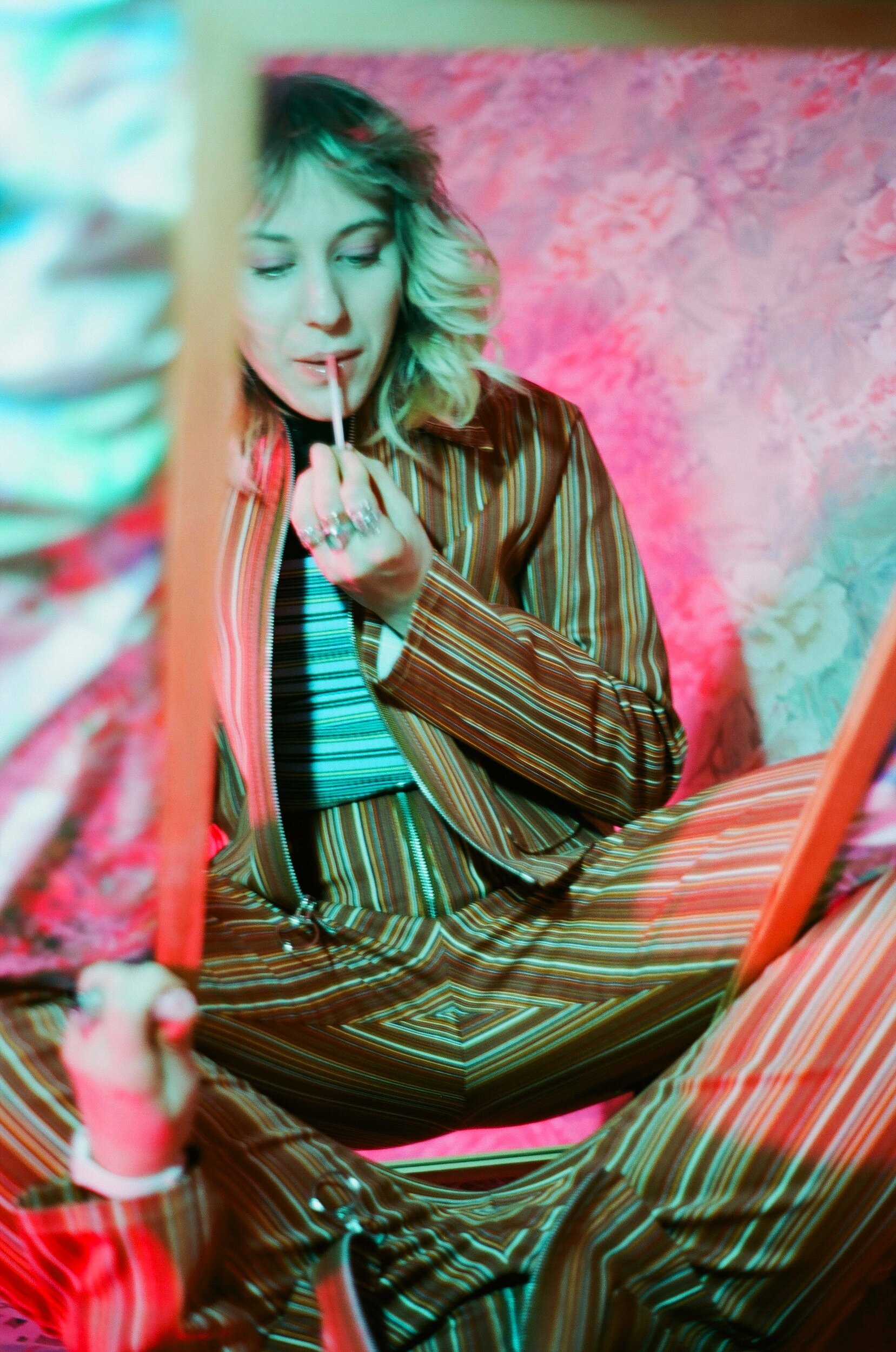
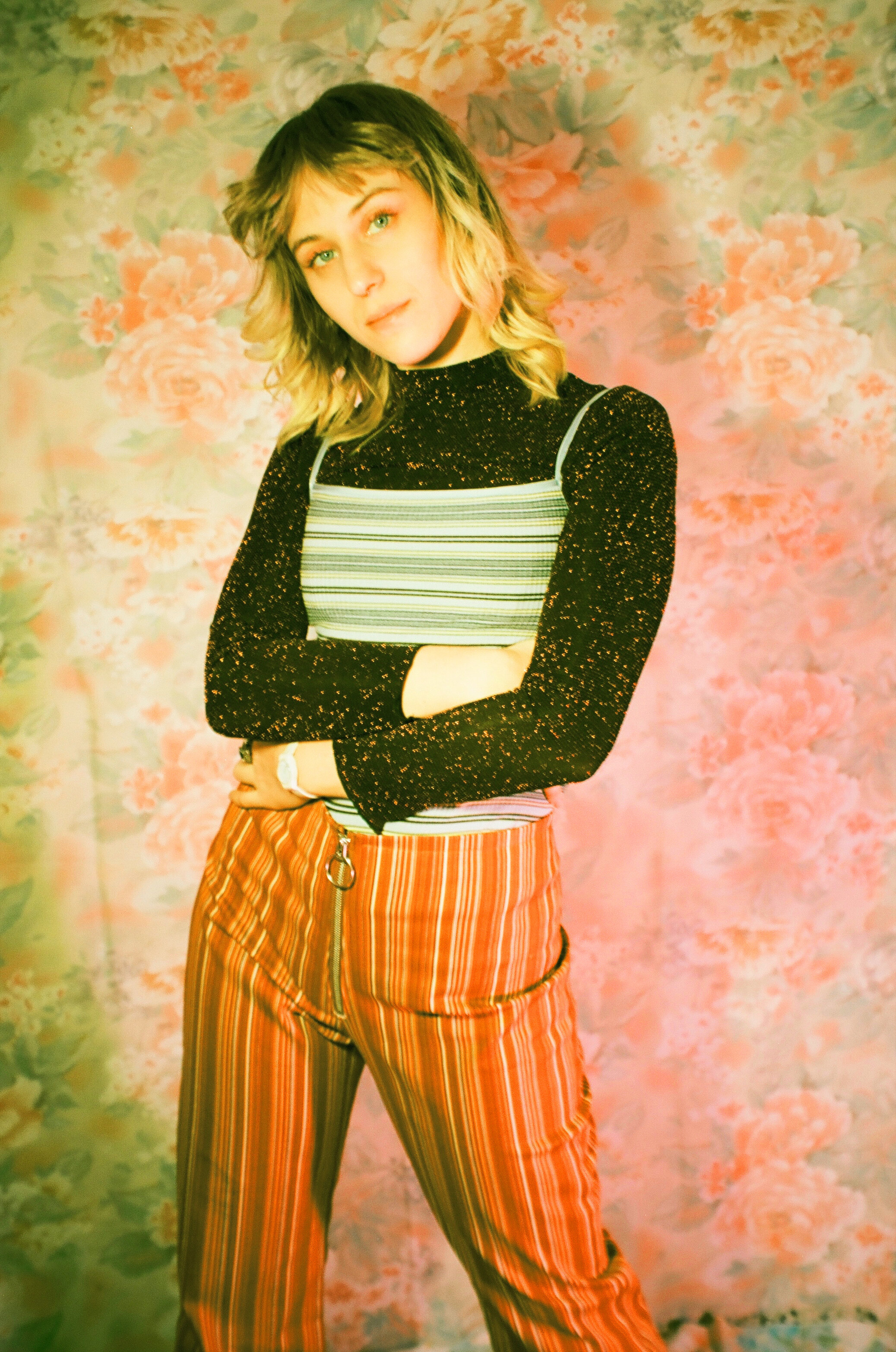
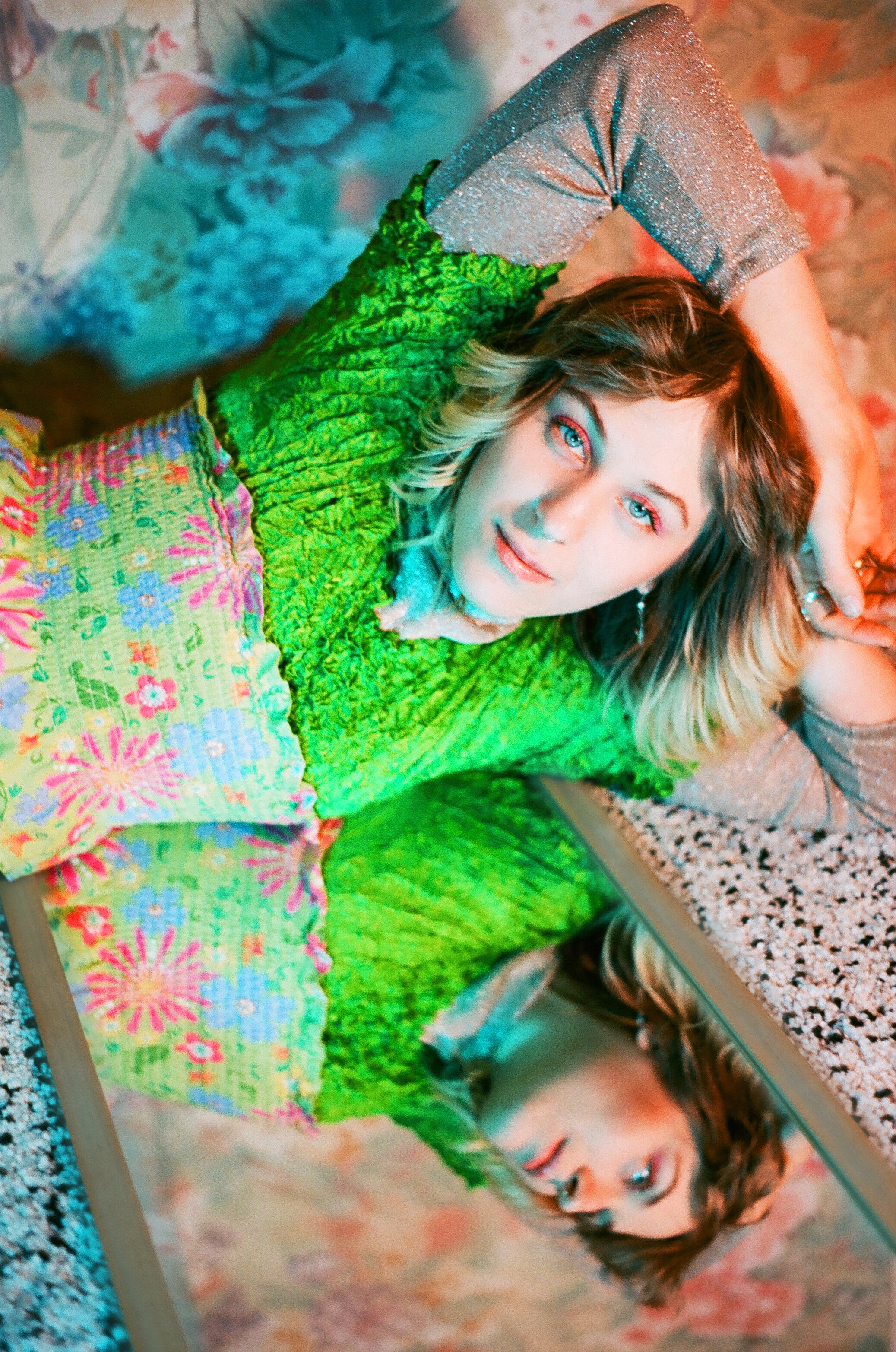
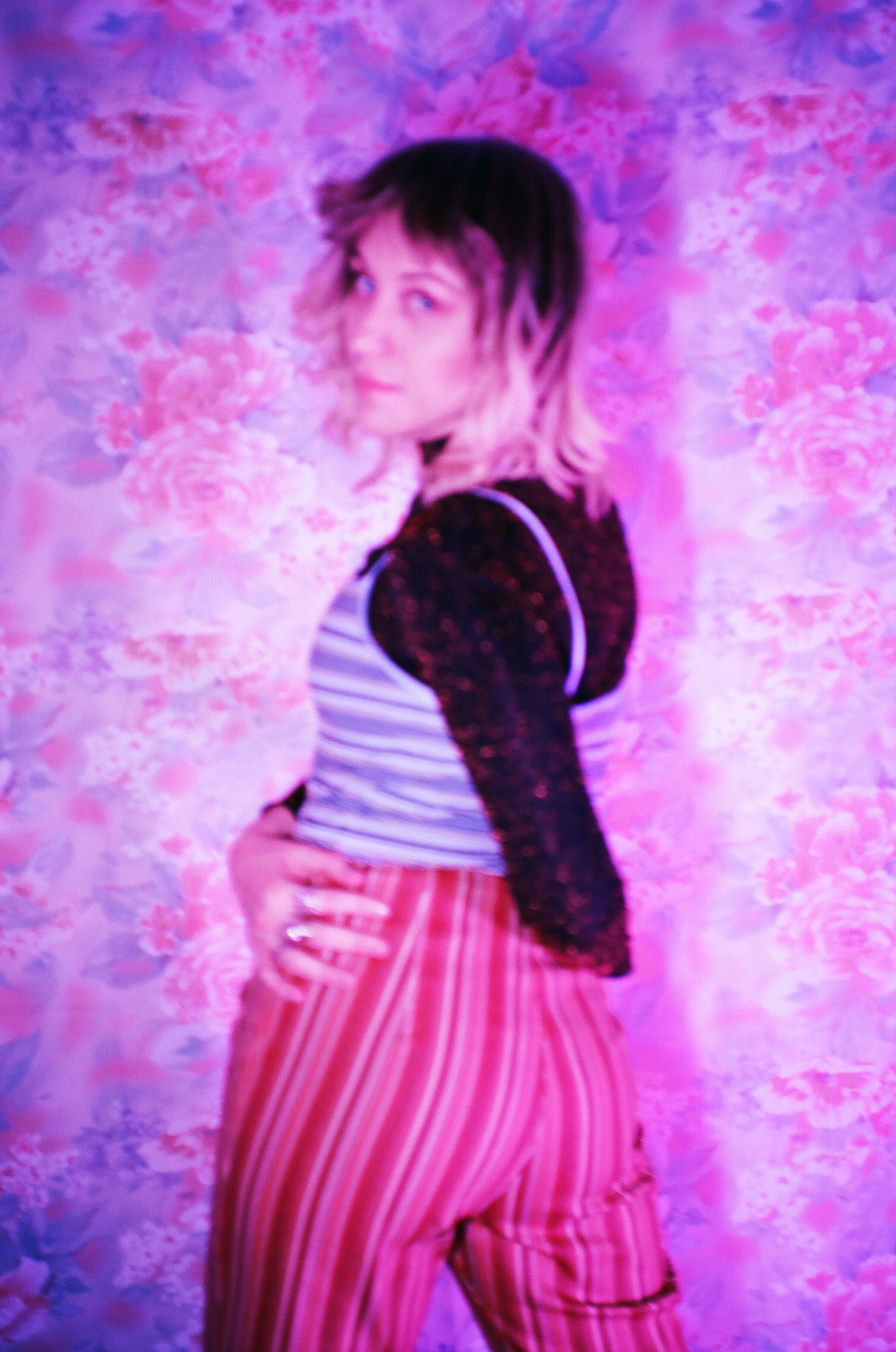
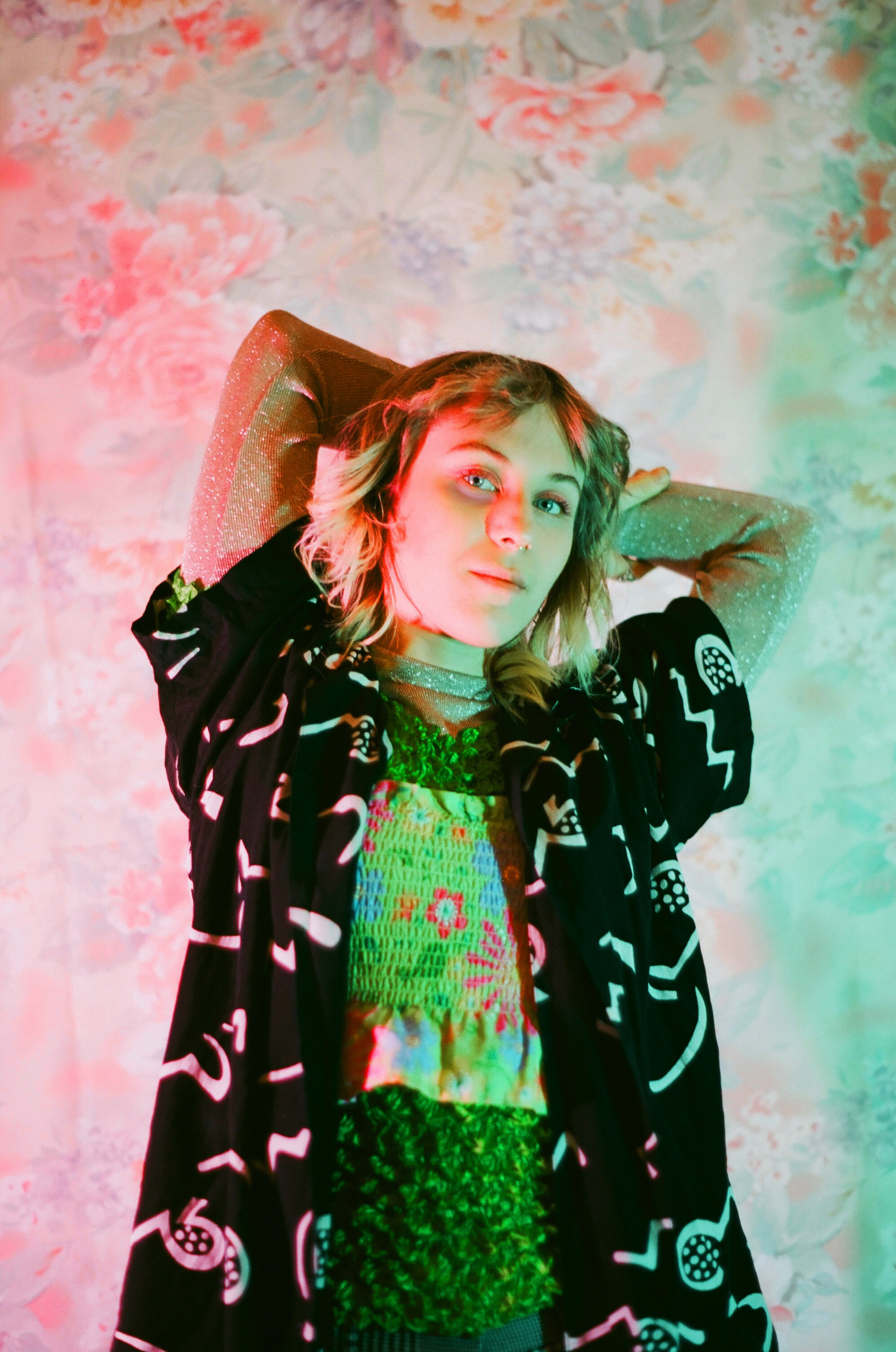
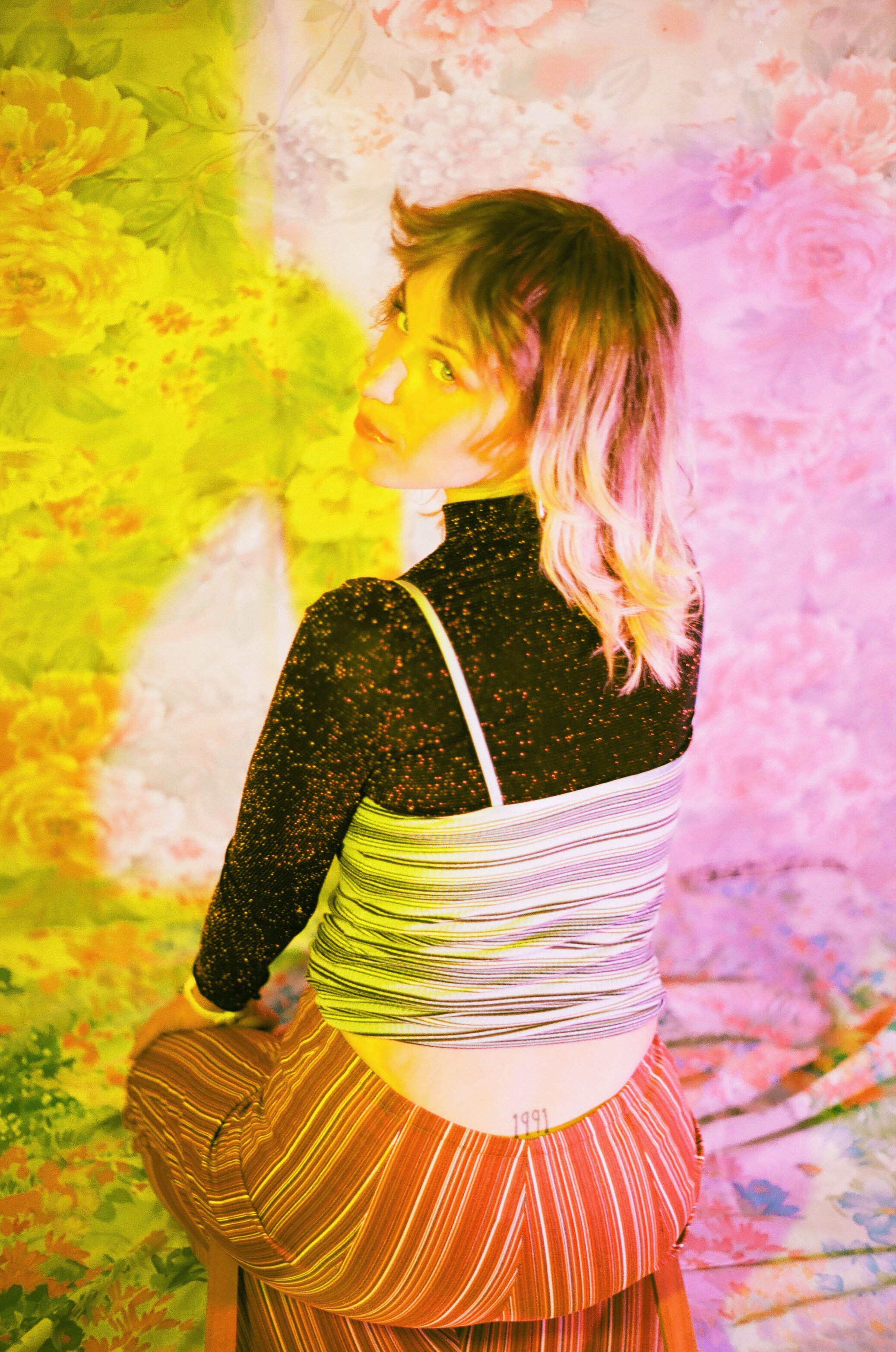
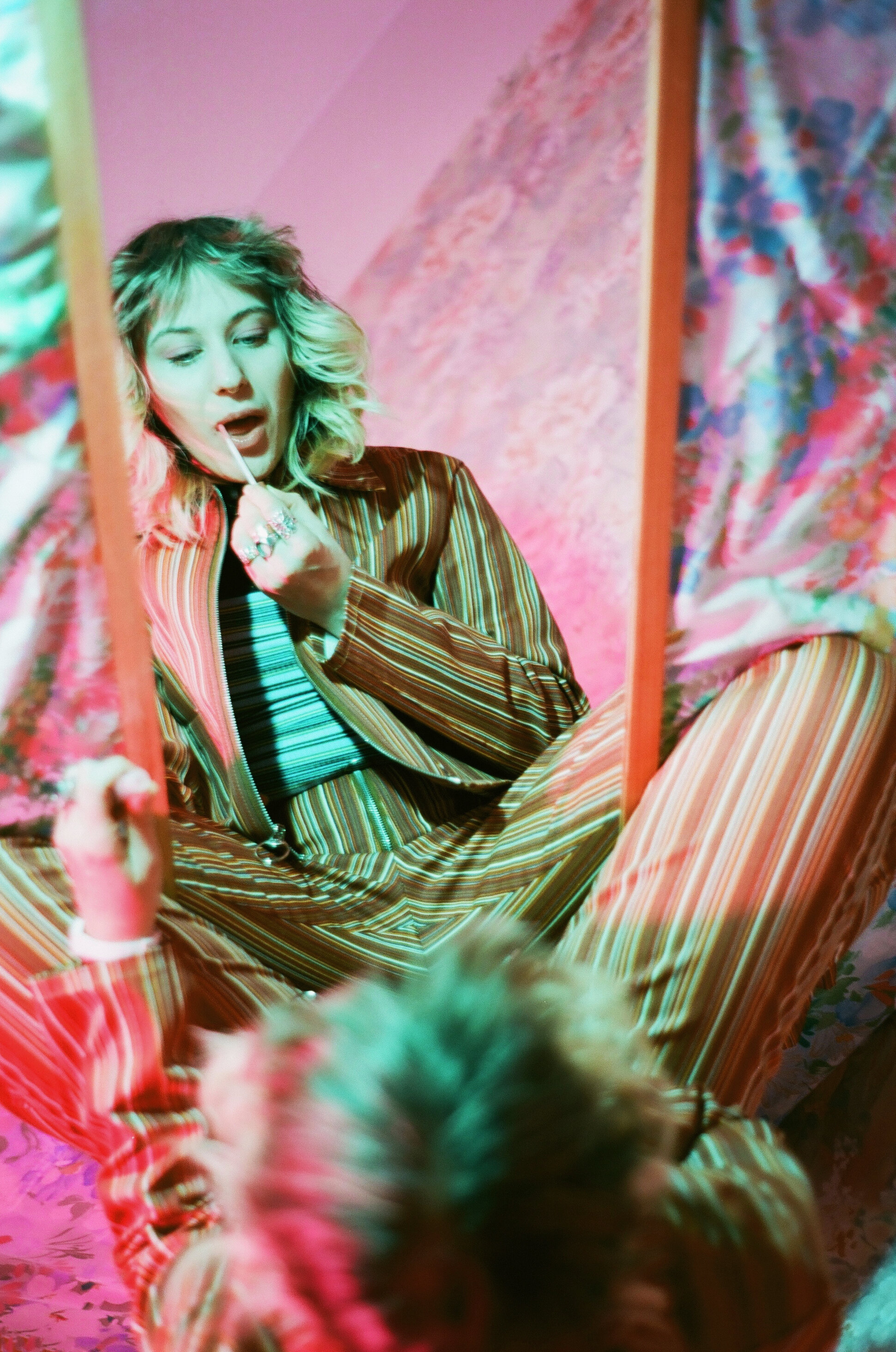
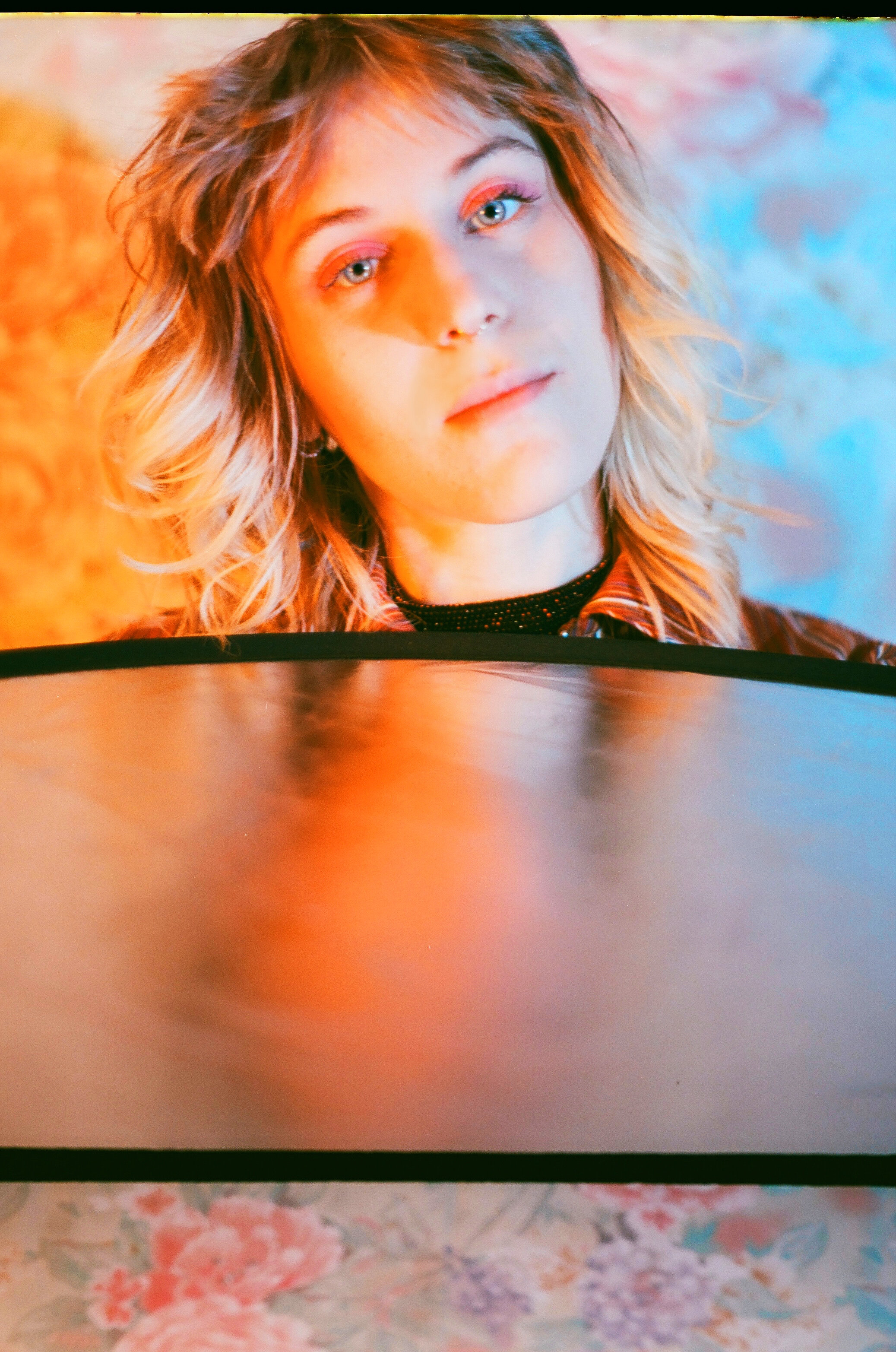
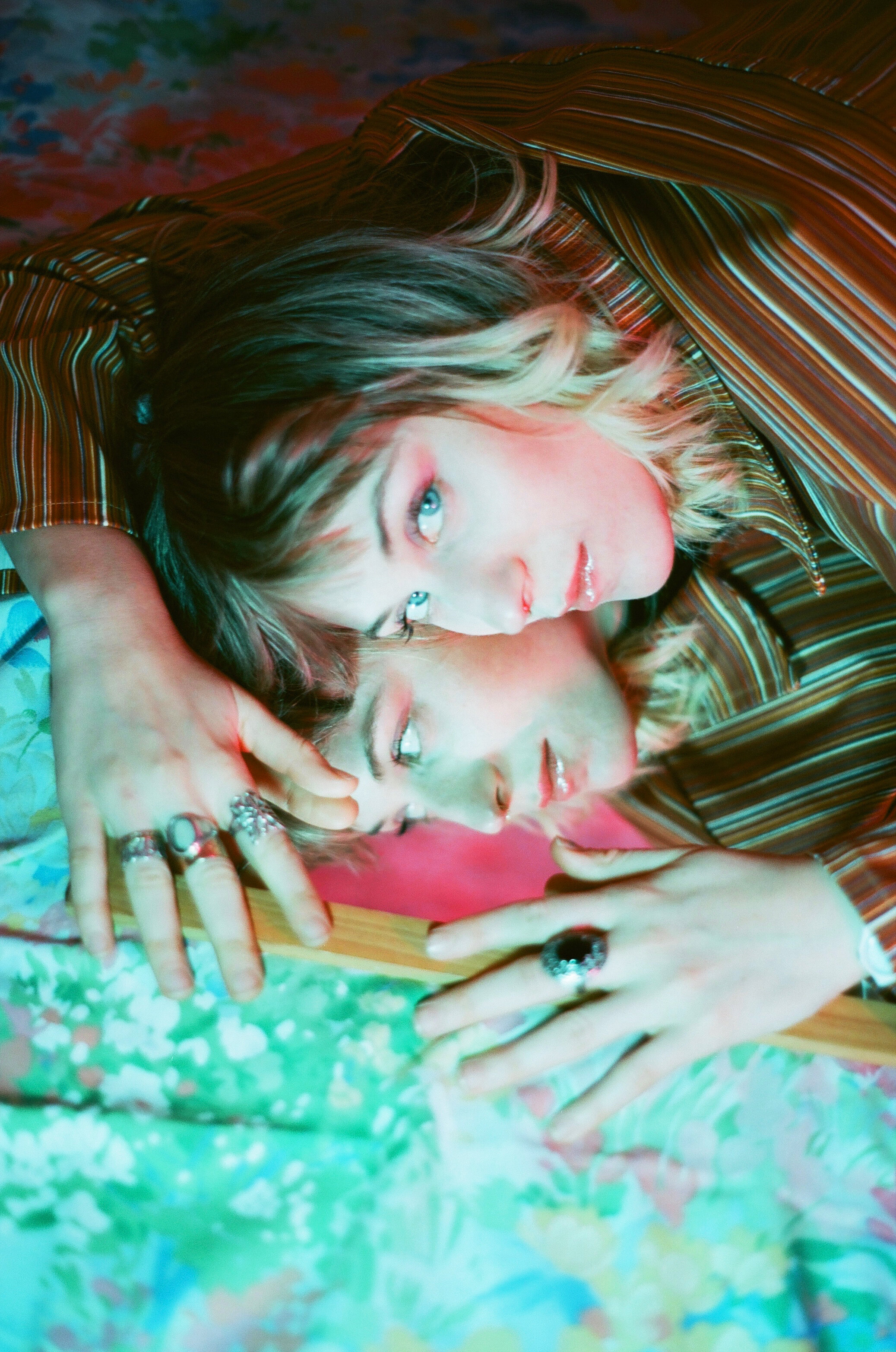
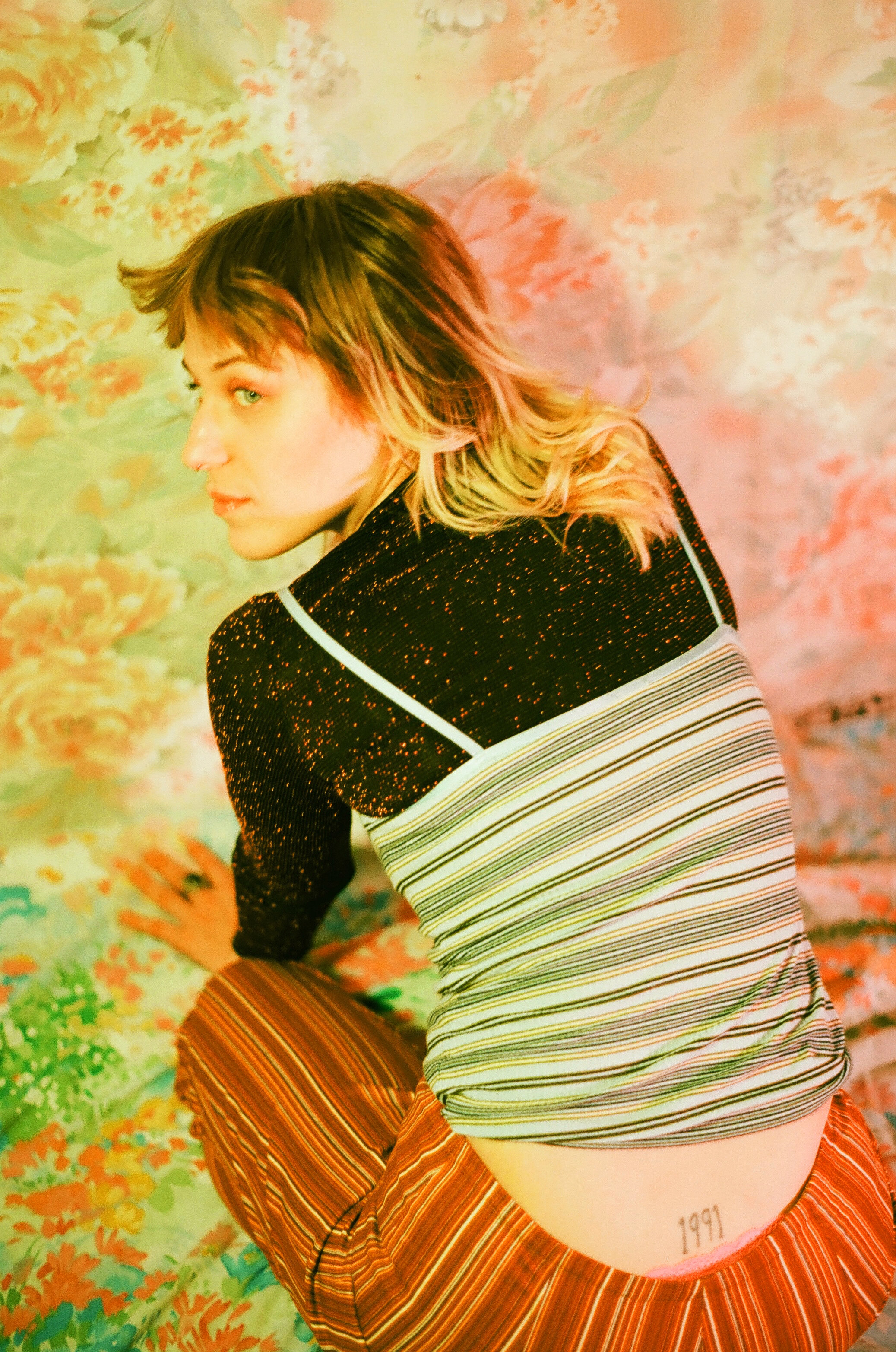
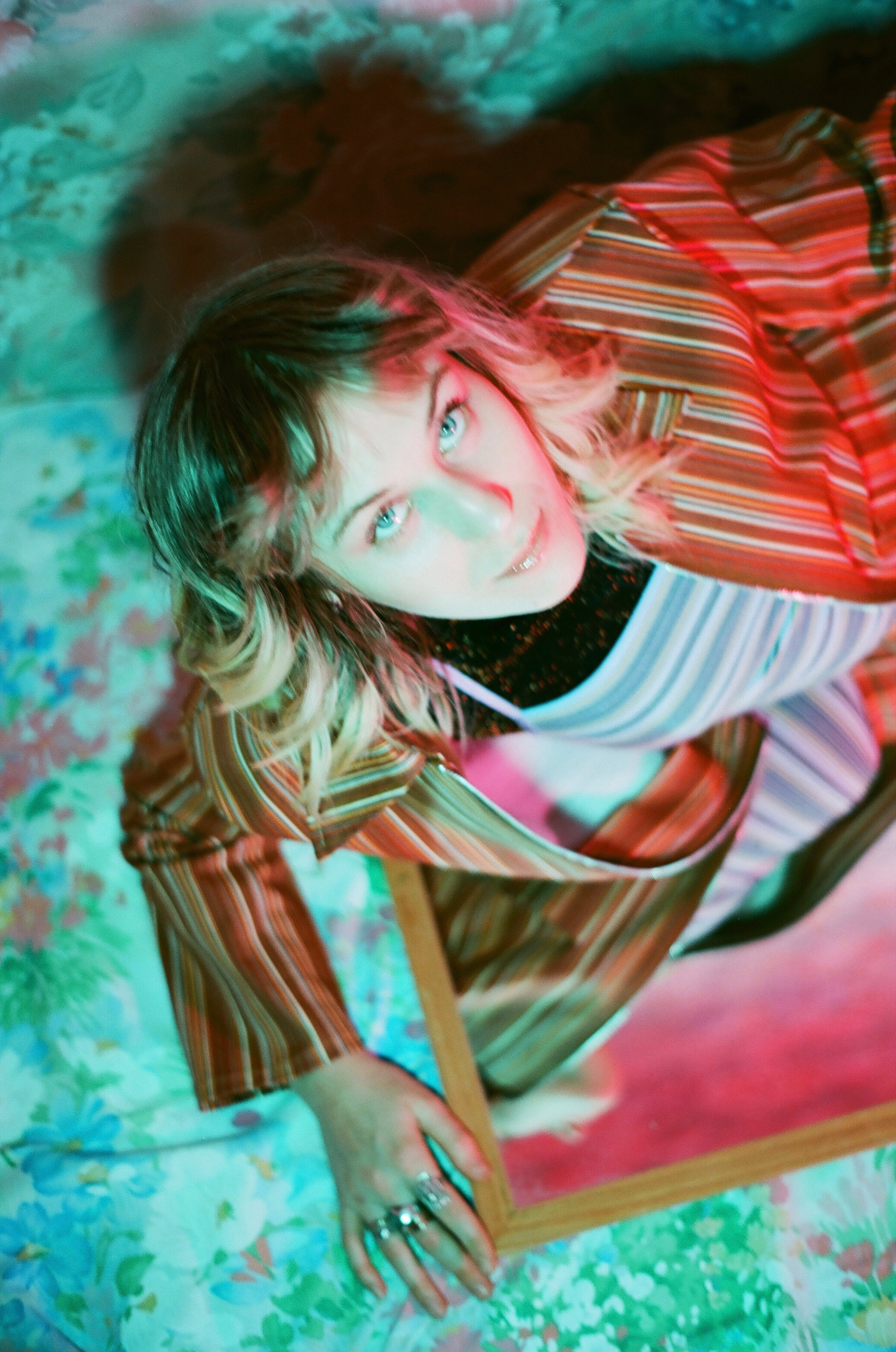
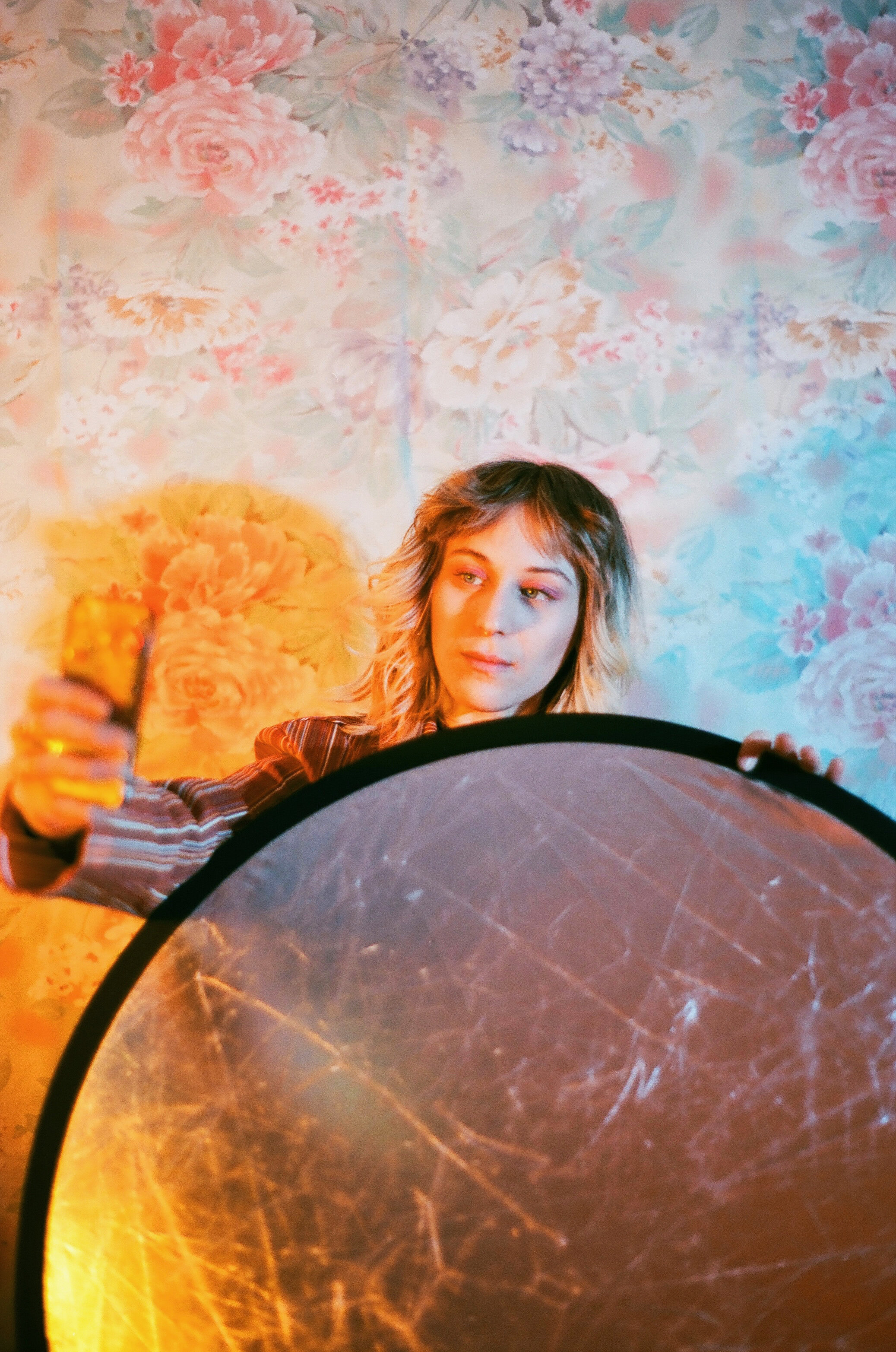
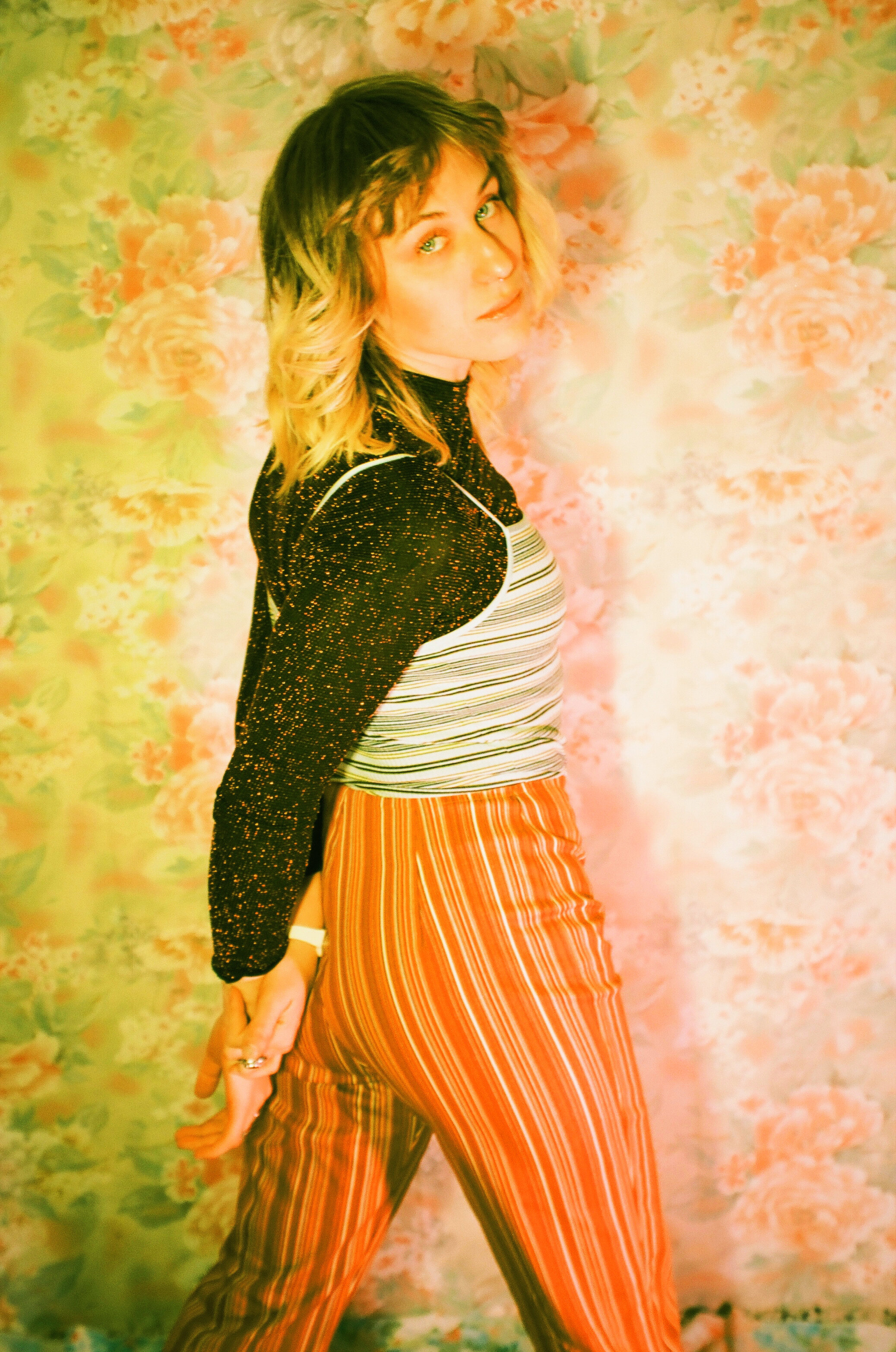
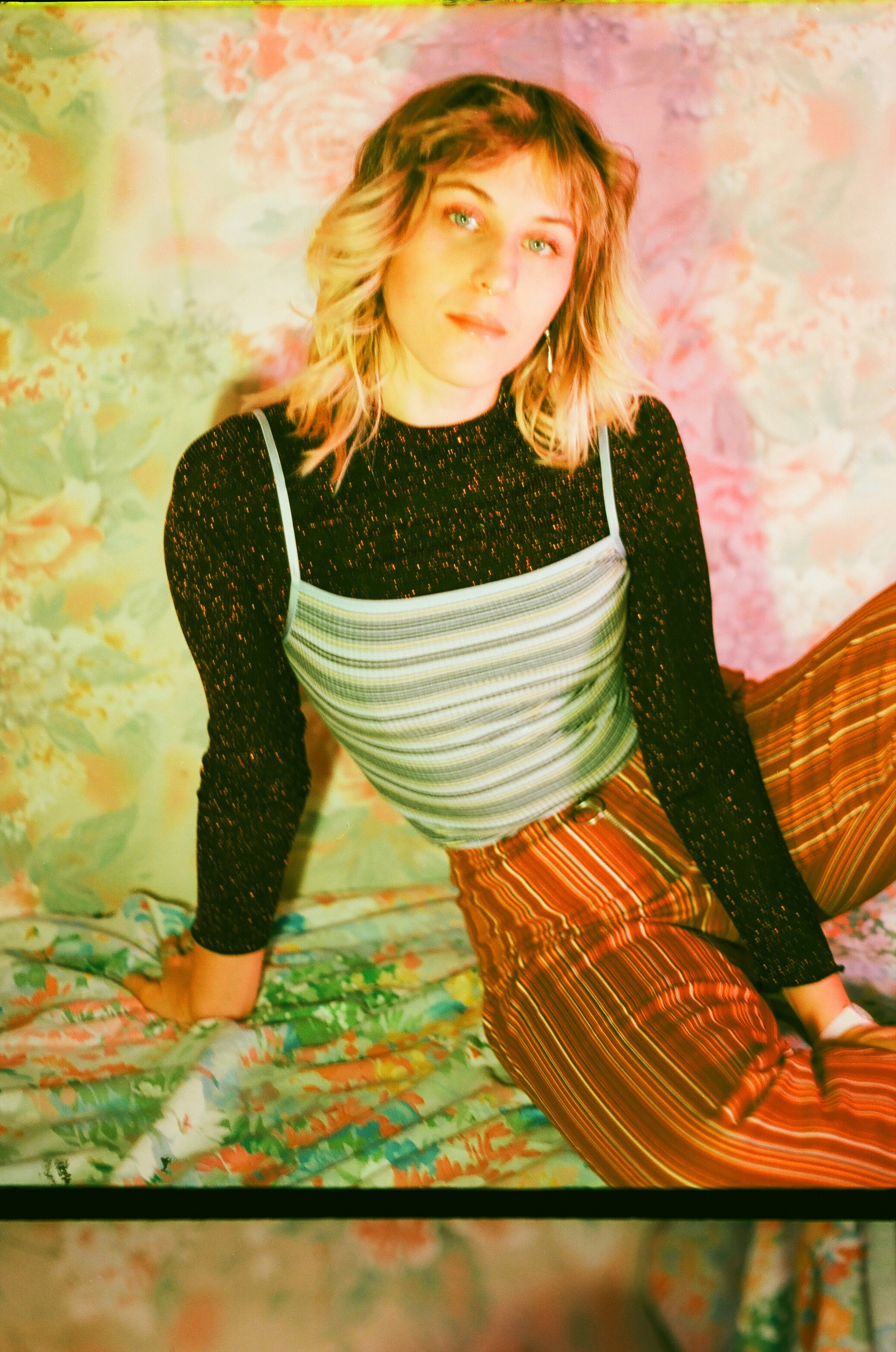
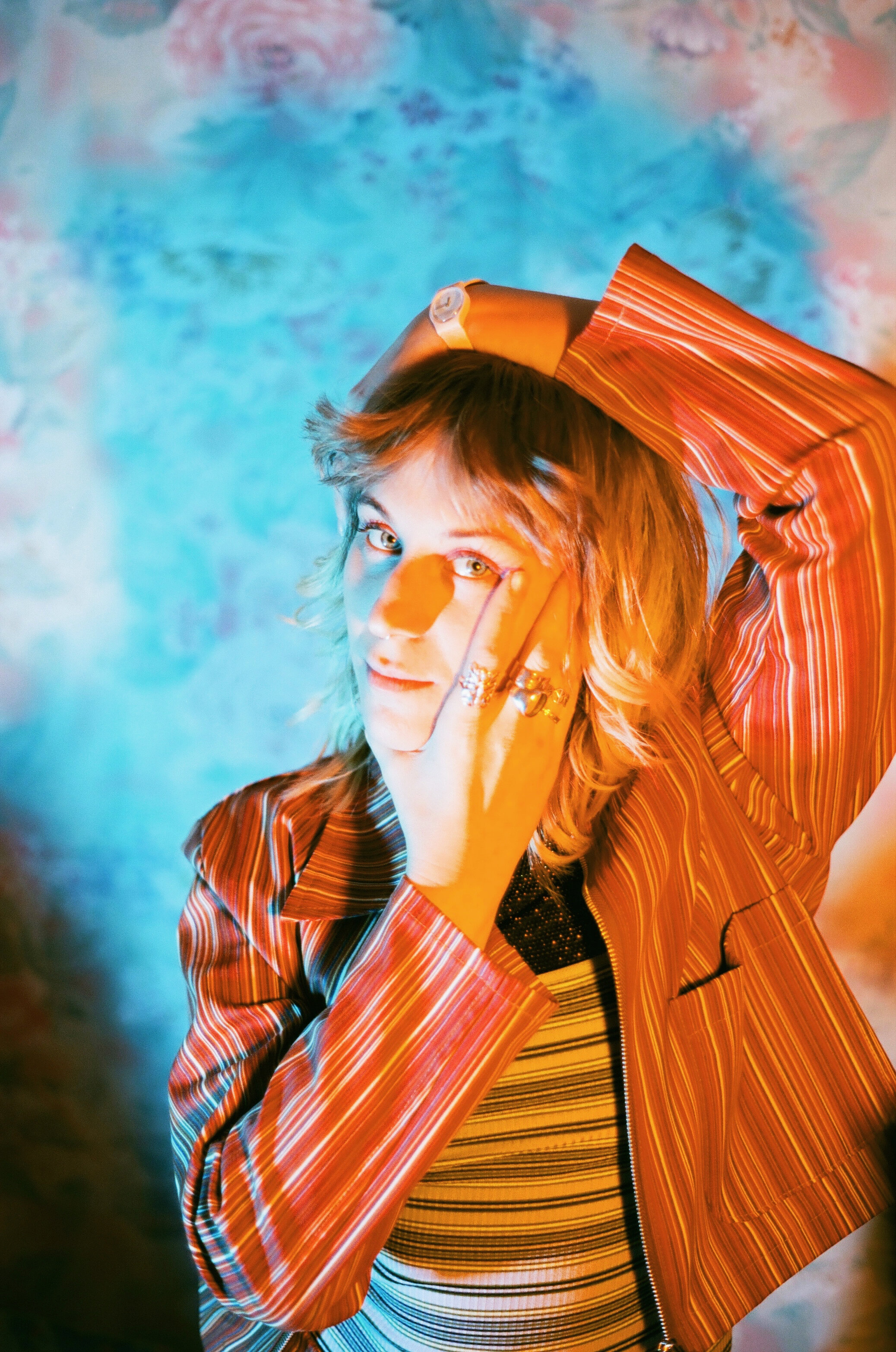
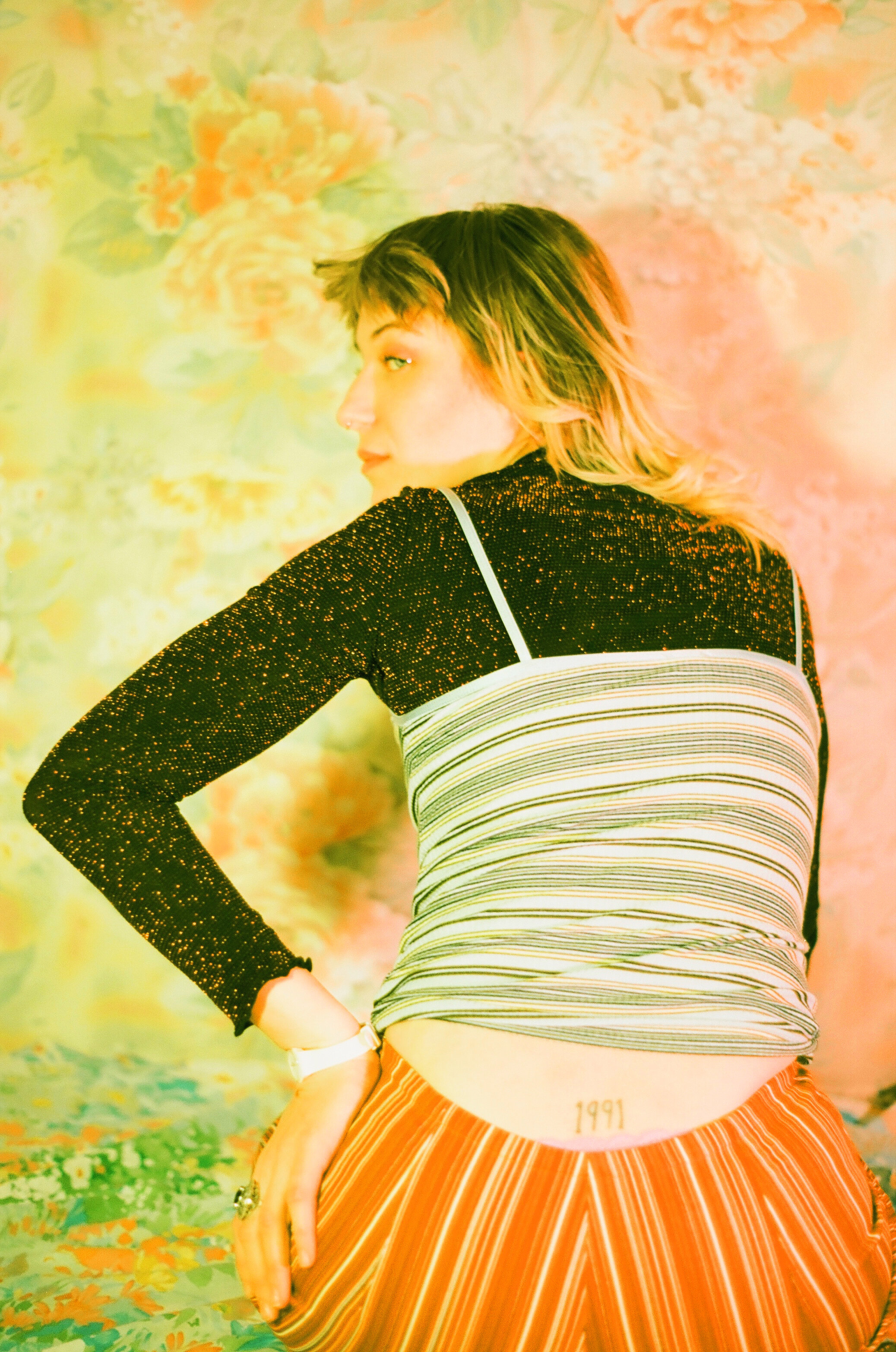
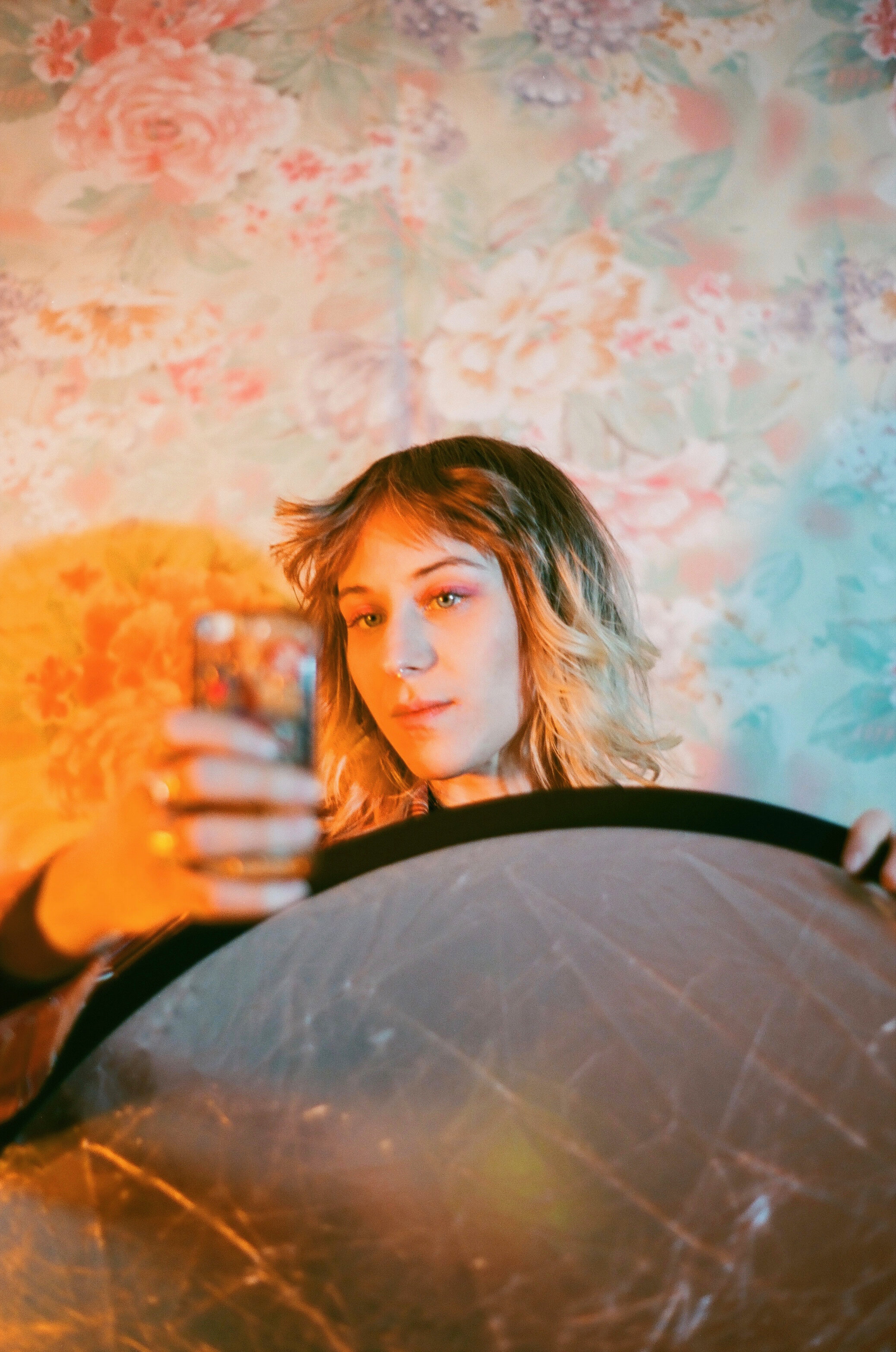
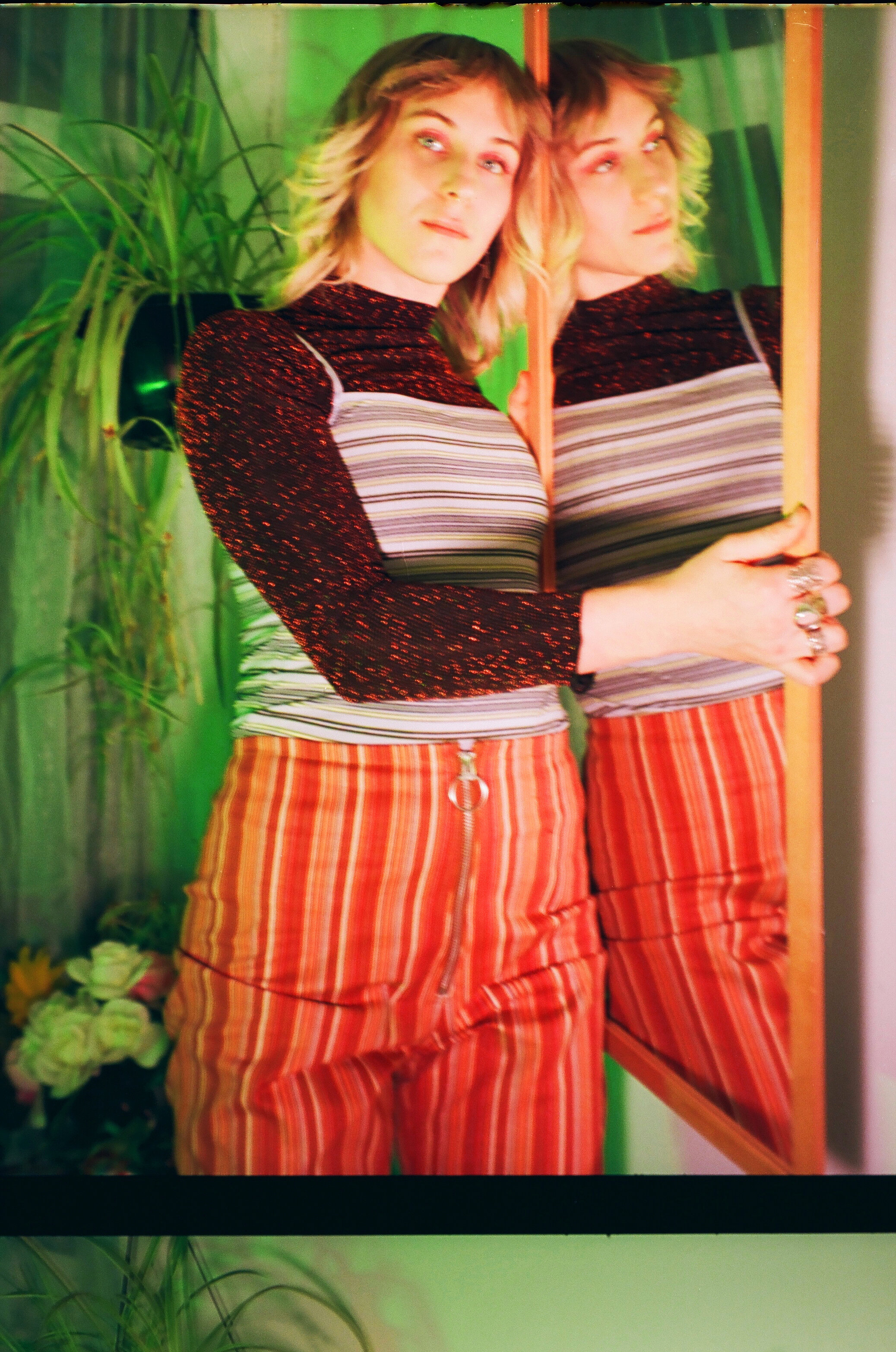
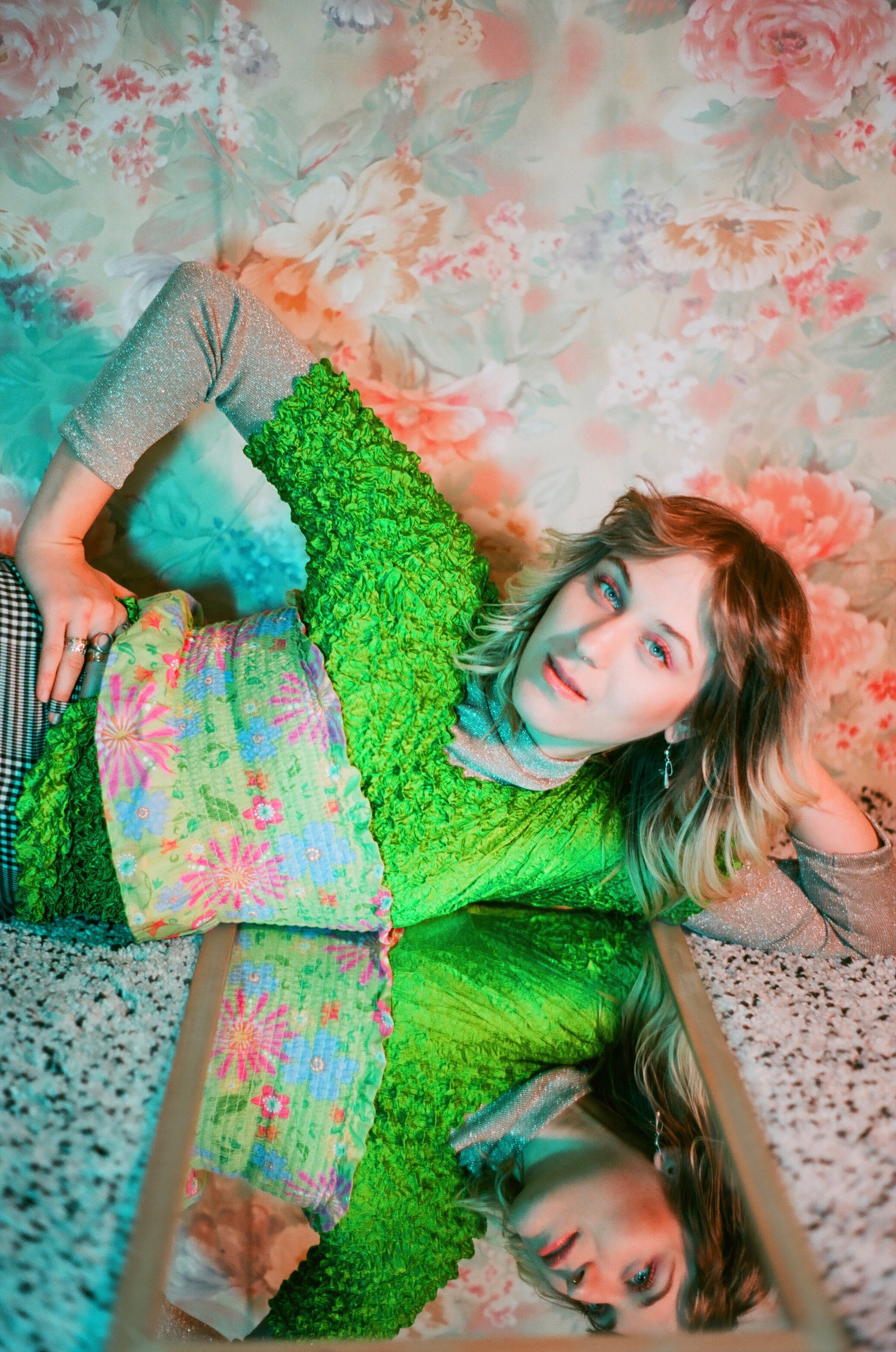
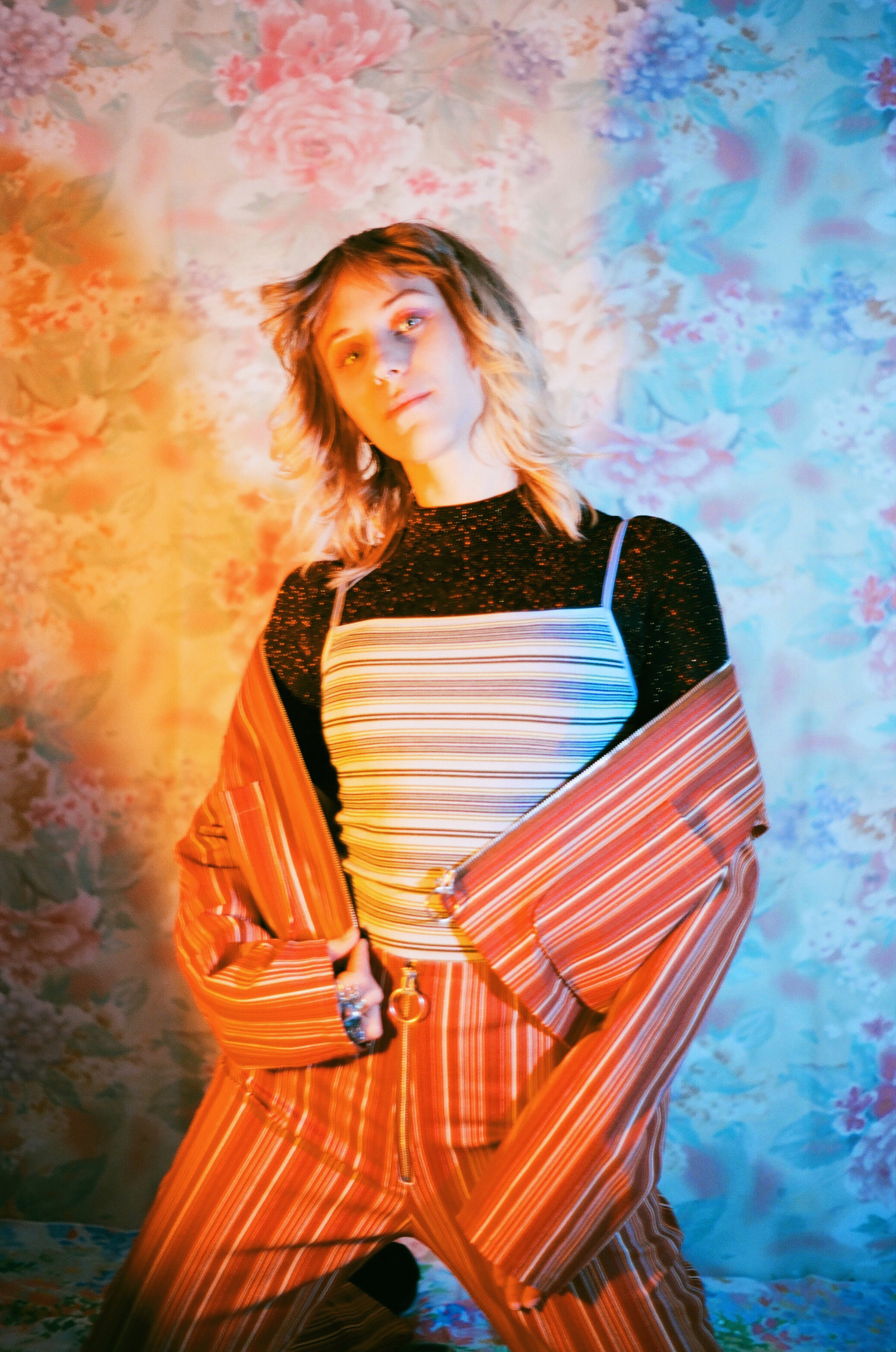
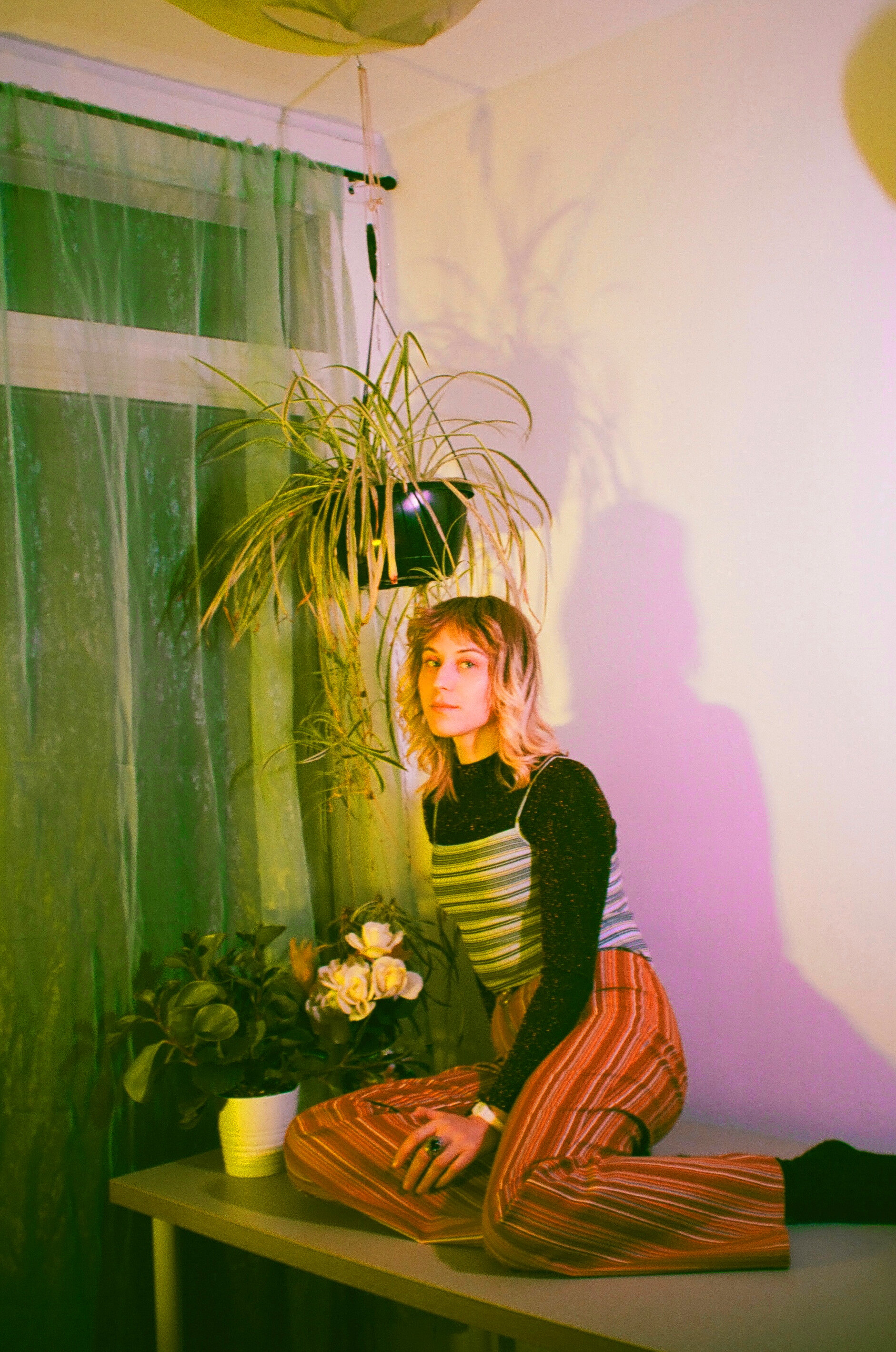
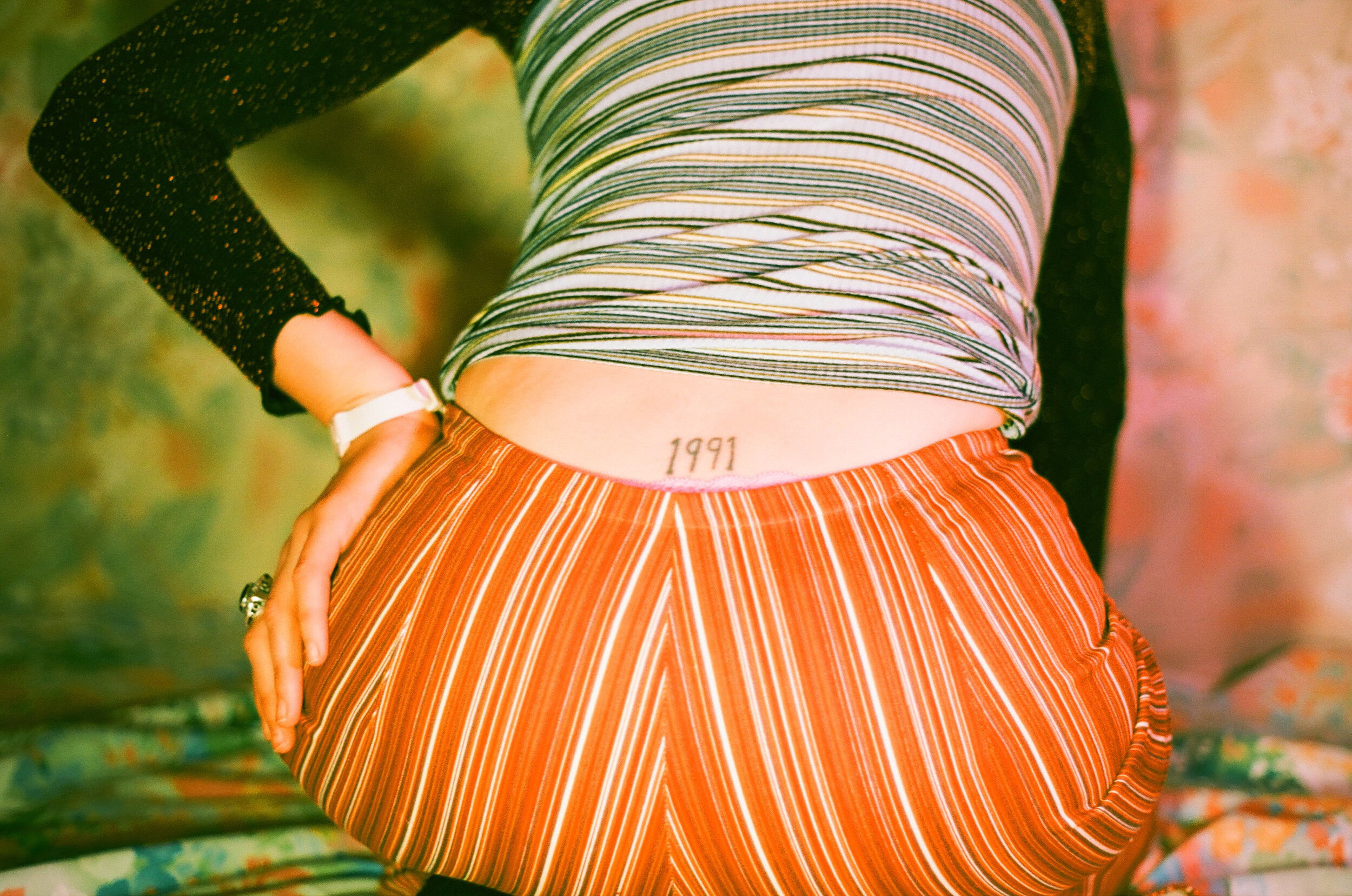
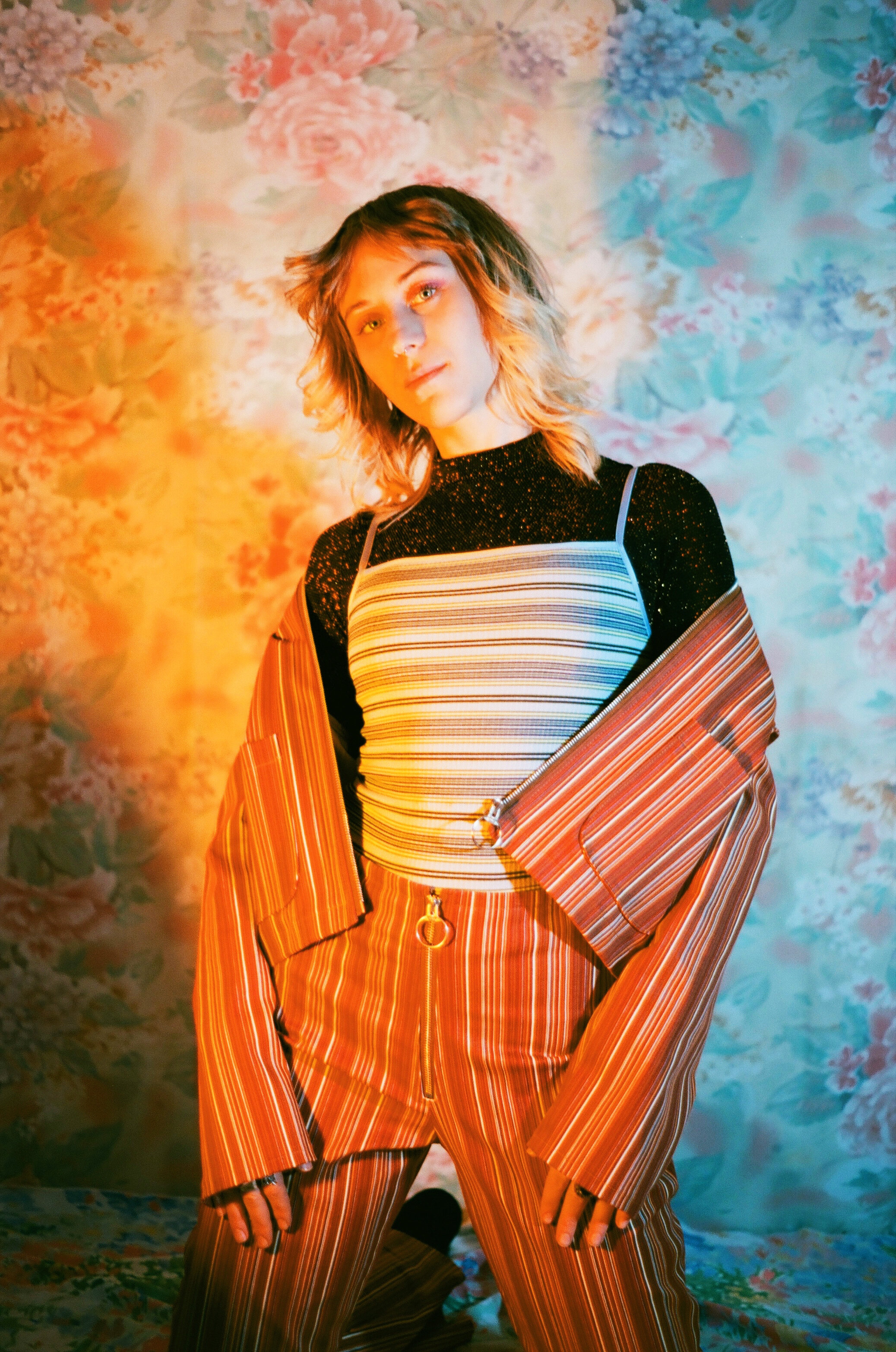
Photo, Hair, and Art Direction by Ariana Molly
So you needed a sparkling new party girl anthem to lose yourself on the dancefloor? We did too.
Montreal-based artist, DJ, and producer, Regularfantasy (Olivia Meek), has cooked up just the jam - topped with dog barks for claps. An expert in finding the perfect balance between fun and sentimental, Liv's productions and DJ sets are sprinkled with funky pop, dance, breakbeat, and UK garage influences. This duality is equally reflected in the vibe Liv creates; she brings the party to life, but beware - her impeccable curation never fails to stir up some deep-down emotions! She’s also playing this year’s Igloo Fest, check it out here.
With releases on Canadian labels Mood Hut, Heart to Heart, and Total Stasis, the lover of all things analog (and gluten-free!) has been in the game for a while, and she's got more magic up her sleeve. Regularfantasy's latest release on Irish label Pear, titled Anyways…, is a selection of three timeless jams that will make you groove, reminisce, and fall in love with the power of dance music all over again. As she says herself, "How could you not?"
Also Cool's Maya Hassa got the chance to catch up with the dazzling, (not so) Regularfantasy, to talk about her musical journey, her inspirations, and her thoughts on music for healing.
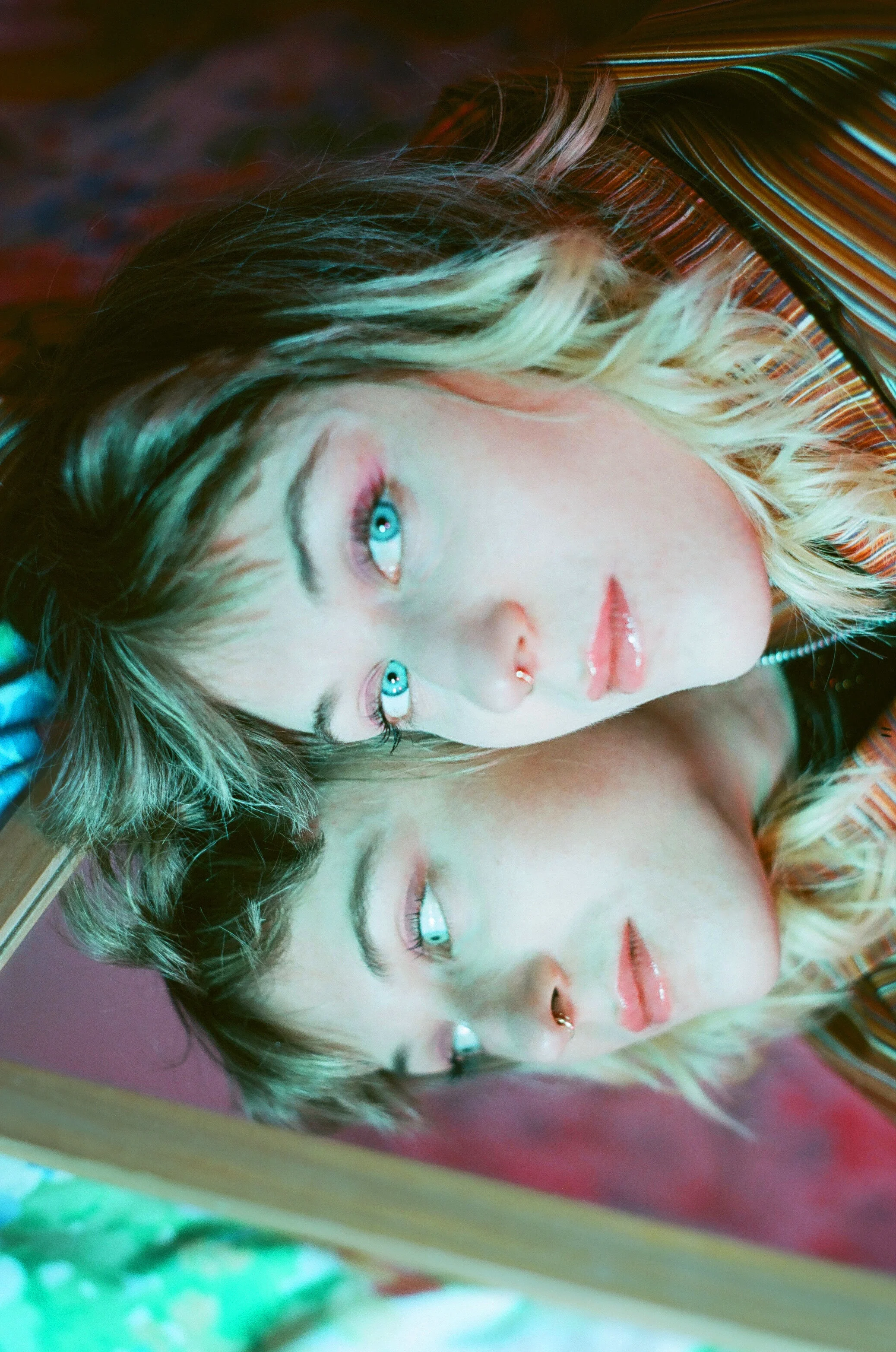
Photo, Hair, and Art Direction by Ariana Molly
Maya Hassa for Also Cool: Before you began producing electronic music, you were playing in live bands. How would you compare your experiences in rock bands to DJing?
Regularfantasy: Before Regularfantasy, I had a project called Cover Girl, where I made weird covers, had a loop pedal/guitar, and sometimes performed live - which is still essentially true. That budded my interest in remixes, covers, and edits. I really love the format of a band because it's so loose, creative and fun, and I feel like my ideas flow better when I have someone to bounce them off of. However, as jam spaces in Vancouver became condos, more and more people started to make music at home. I mostly just jammed for fun, even got kicked out of a band once. Ciao is an active project with Void Mirror, where we work in the studio and record live jams. For my solo production, I used to make music only with an MPC and analog synths. I've recently transitioned to using a combination of Ableton, synths, and samples. I collaborate with many different artists, but I've also been making solo music for a long time. I think it was just a way of dealing with being alone. Electronic music allows you to do that.
I strongly believe in the power of dance music and dance parties as a healing experience, which explains why it inevitably became part of my life. People need it. The scene where I grew up in Victoria, BC, was really playful and dancey, regardless of the musical style. I always loved groovy music and dancing - how could you not? When I moved to Vancouver, I was still looking for that fun vibe and ended up discovering it in the dance scene there.
Even though I digitize everything, and play using CDJs, I love digging for vinyl. I like choosing music based on the object as a whole, not just the sound. I like the history that the object holds. When I was in my early teens, I inherited a record collection from a family friend. I really enjoy the album art, the physicality of it, record players, everything about it. I only really got into collecting dance music when I was 18. At that point, I became obsessed and never really got over it. Even now, as I make my way through different dance genres, I feel the same way I did then.
Also Cool: You have a very recognizable aesthetic - your productions unwaveringly reflect the "plush" theme you have going on. Can you describe the story behind "plush" and the cozy aesthetic that you embody so well?
Regularfantasy: One of my longest collaborators is D.Tiffany. We have a project together called Plush Managements Inc., and we both share a love for the plush sound. Plush describes a synthetic version of luxury as well as what "plush" usually means in the context of consumer products. It could be something to do with Vancouver, which can be a depressing place on a budget, like most major cities. I think the sound is an escape, a desire for luxury, comfort, meaning, and safety.
I think I am drawn to a certain lightheartedness of music because I have a deep darkness in my soul, which is fueled by PTSD and dissociation. I'm constantly using music to recreate a reality for myself that is not my creepy brain. I have an interest in comfort and in creating comfortable spaces (imaginary, audible, or physical) - and the plush sound and aesthetics help to create these places for me. I also think my visual art background plays into my sound, as well as inspiration from all different kinds of music. I like to keep it varied, you know. As Ursula K. Le Guin said, "Variables are the spice of life." 🤔
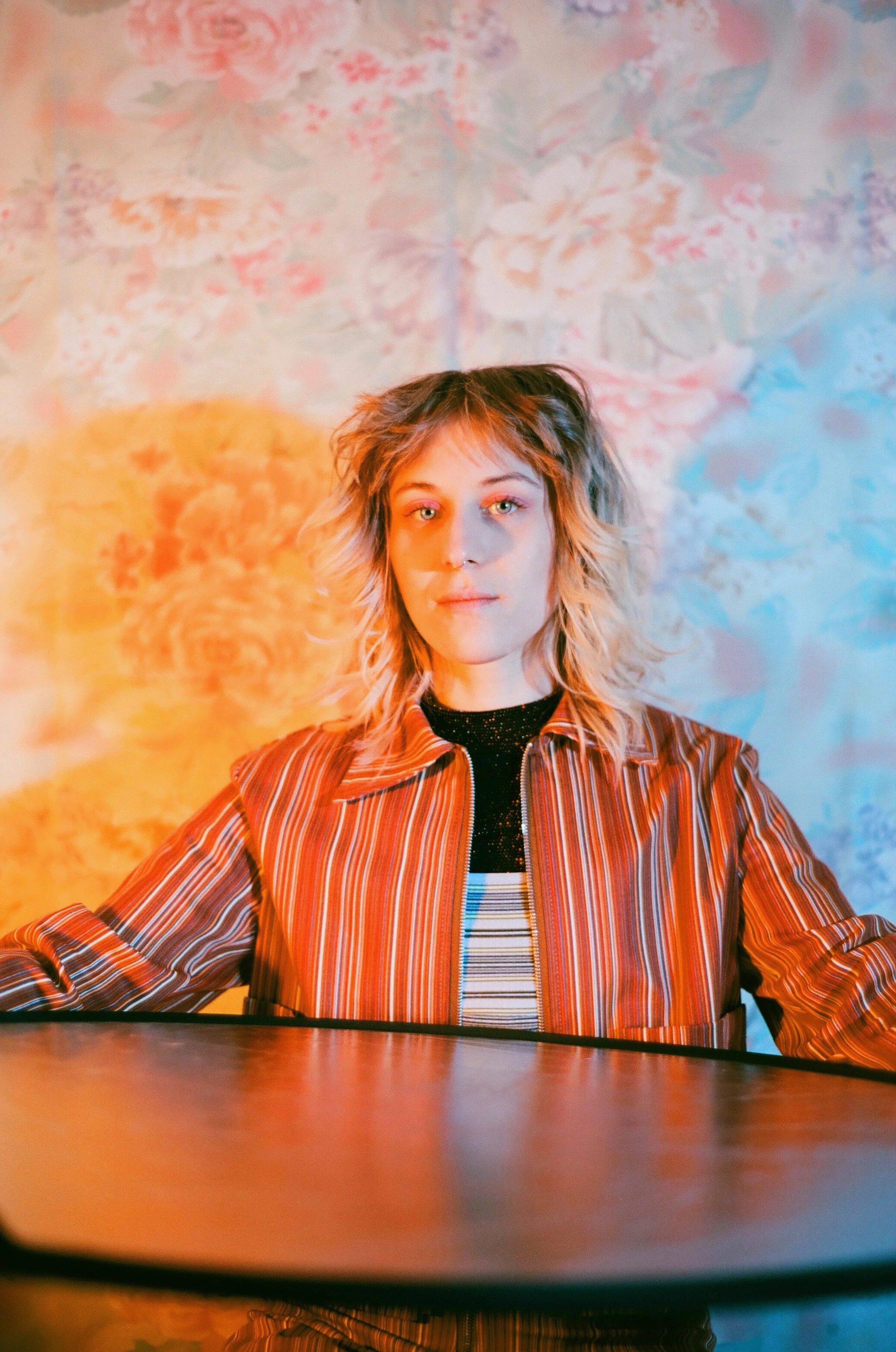
Photo, Hair, and Art Direction by Ariana Molly
AC: What is your gear setup like? Do you prefer using hardware or digital synths (and use a DAW such as Ableton, etc...)?
Regularfantasy: I recently moved, so I don't have a huge setup right now. I've been taking this opportunity to get to know Ableton better and work on finding new workflows. Usually, it's a mix of some synths and drum machines that I sample into the MPC or Ableton.
For the heads, my previous bedroom setup when I was in Vancouver was (JP-8080, MPC 1000, Shruthi, Juno-106, Micro Korg, SH-101, 707) and recording into Ableton.
AC: Your latest album, featuring collaborations with D. Futers and D. Tiffany (Plush Managements Inc.), is a brilliant mix of moody, cozy, and euphoric. What was your inspiration for Anyways…?
Regularfantasy: Anyways... earned its name because it was kind of a random mix of songs that had no home, but were special in their own right. The song MSN with D. Futers, for example, was UKG-inspired with a throwback vibe, whereas Plushied is a bit of a flowy, pop-inspired jammer. It evokes a memory of someone talking; a stream of consciousness: overheard talking; dream talking; drunk talking; what you wish you said, and what you want to say. Finally, Party Girl Theme was made strictly for dancing purposes.
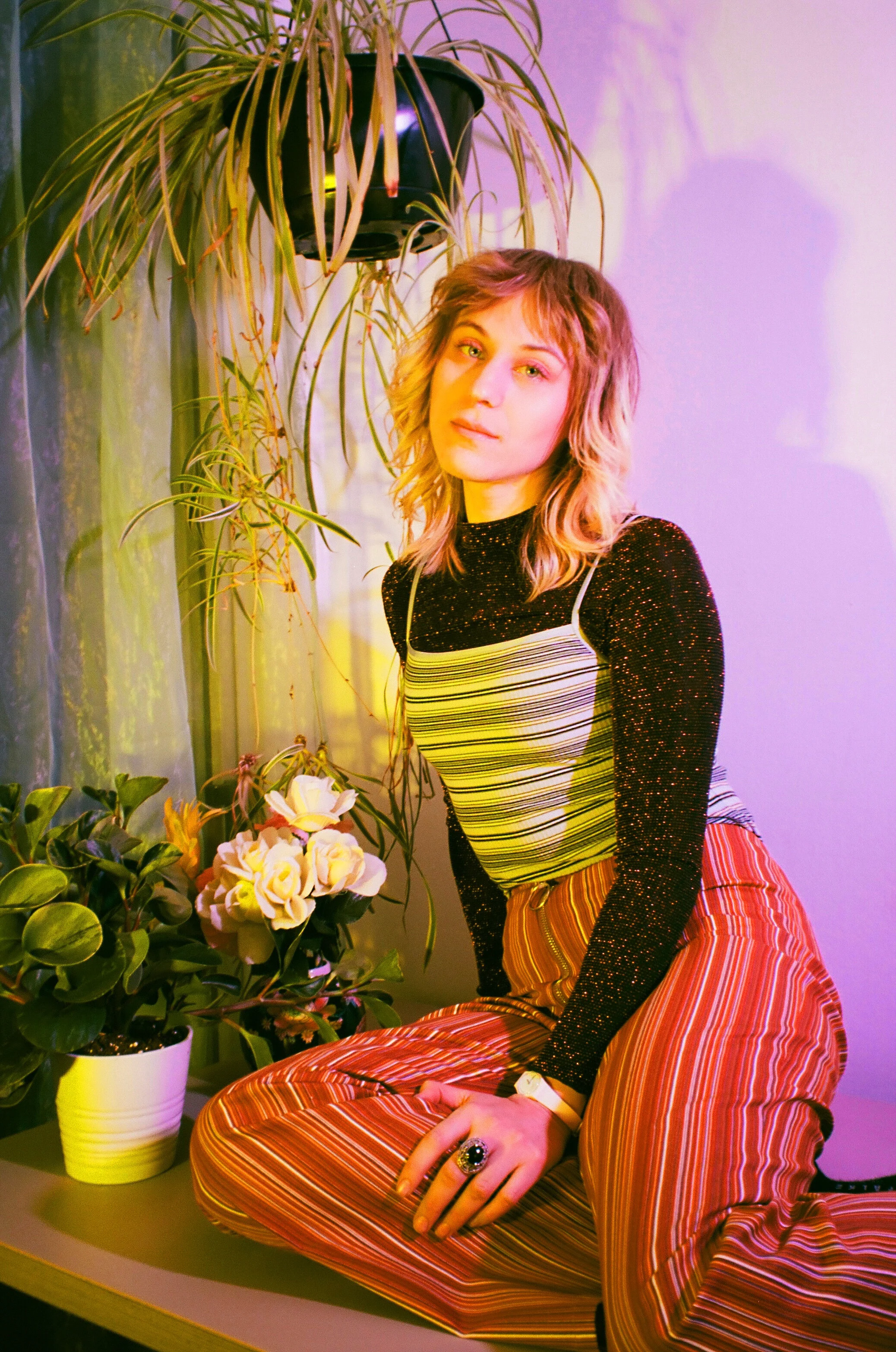
Photo, Hair, and Art Direction by Ariana Molly
AC: Who are your musical influences?
Regularfantasy: A lot of my musical idols are 90s house producers, including Todd Edwards, Ian Pooley, Danny Tenaglia, Masters at Work, Daft Punk, Don Carlos... anything Italian. I also love 90s Canadian house. My favourite genres include all the styles of house, techno, tech-house, Eurodance, Italodance, Eurohouse, UKG... The list is endless.
I mostly listen to friends' mixes at the moment: Melbourne Deepcast, Libramix, Trushmix, Lobster Theremin mixes and HNYPOT, to name a few. Otherwise, I am actively looking for music or listening to the podcast Lexicon Valley, which is about language. It's my favourite thing ever, and I've listened to every episode.
AC: You've been throwing DIY parties in Vancouver for quite some time. What's the significance of afterhours spaces to you - what meaning do these places have for underground culture and the local art community?
Regularfantasy: Regardless of how late they go, DIY spaces are essential for building scenes and communities. They allow people of all levels, whether it's artists, DJs, promoters, or bands, to get experience. People can get a hands-on feel for what it's like to do events and learn to understand the responsibilities of working in non-DIY/afterhours venues. I also just like a grungy DIY vibe. It makes me feel comfortable, not sure why.
I think afterhours spaces are vital for the community. They stay open later, which allows people to experience the music and get into dancing. These parties are also usually invite-only and harder to find, which can help different people feel more comfortable to go to them. Sometimes I like a late event just because I can actually finish all the crap I need to do that day. When I can't possibly do anything else, I go out dancing.
Going late also allows more people from different scenes to come dance together, and staff are also an important extension of the lineup and overall vibe. DIY spaces are like nothing else; people don't all get yelled at and herded out at 3am, pouring onto the street. I mean, they do eventually, but it's not like full chaos, main club-strip style. Something about dancing late into the night is just special.
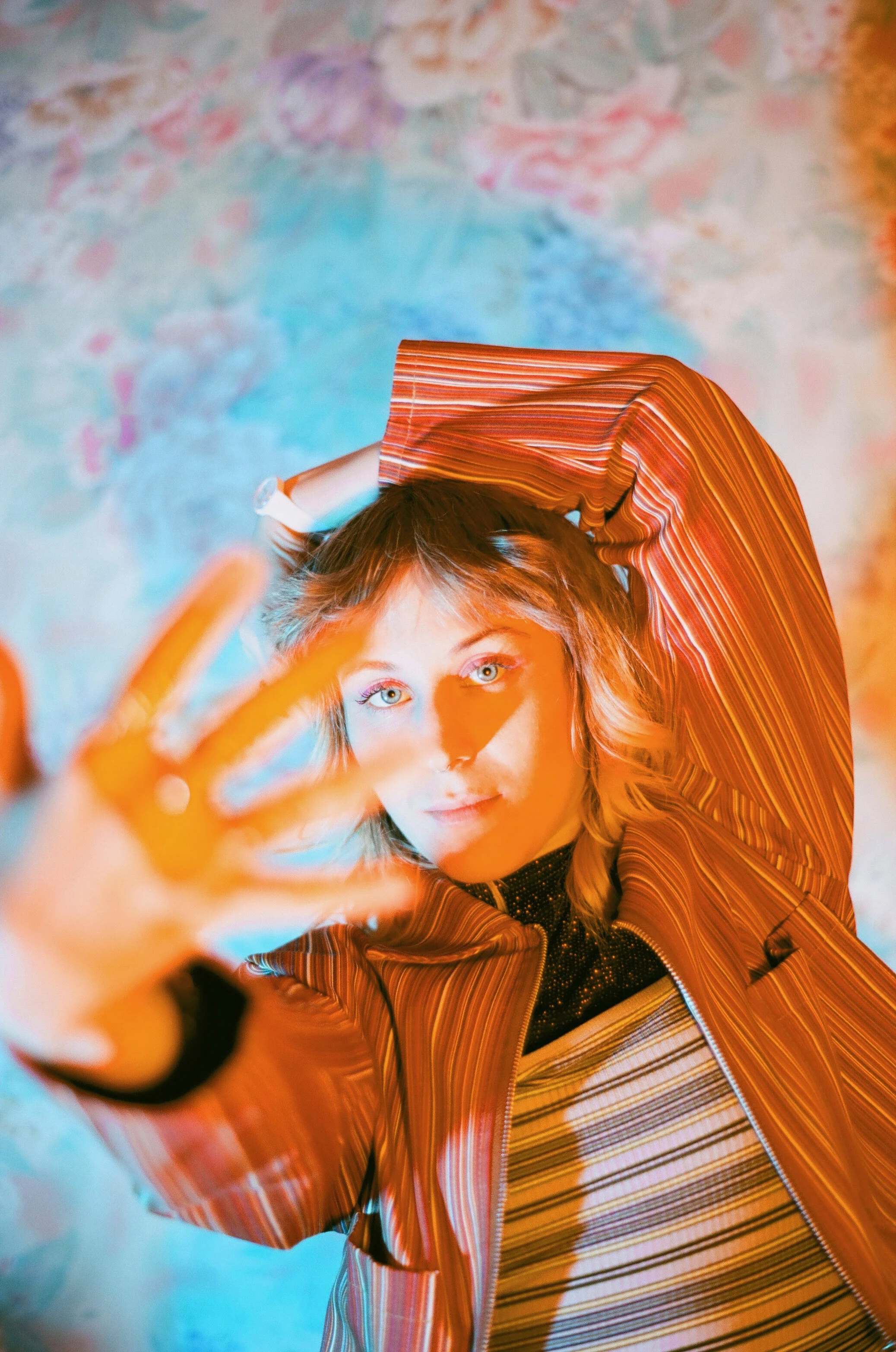
Photo, Hair, and Art Direction by Ariana Molly
AC: You make the freshest breaky remixes of pop classics. What do you look for when choosing a sample? Are there specific sounds you tend to gravitate towards?
Regularfantasy: I haven't really been into singing much lately. It takes a lot of extroverted energy, which I hadn't been feeling when working solo. Still, I'm looking forward to experimenting again. I've been making lots of pop edits because they're fun to work on - and I still get to play with (other people's) vocals.
When I choose a sample, I usually like a vintage sound mixed with a clubby/techy vibe. I sometimes choose things that I'm repulsed by, just for fun. I'm still figuring it out. It's all about working to that edge.
AC: Are you working on any new projects? Where can friends and fans find you next? IGLOOFEST, DUH.
Regularfantasy: I've been travelling a lot, and so I've been working with different people. I have some edits and tracks circulating and coming out, officially and unofficially, with D.Tiffany, Flørist, DJ Chrysalis, Priori, Ciao (Void Mirror and I), Fio Fa, R. Kitt, Kristian North, and more!
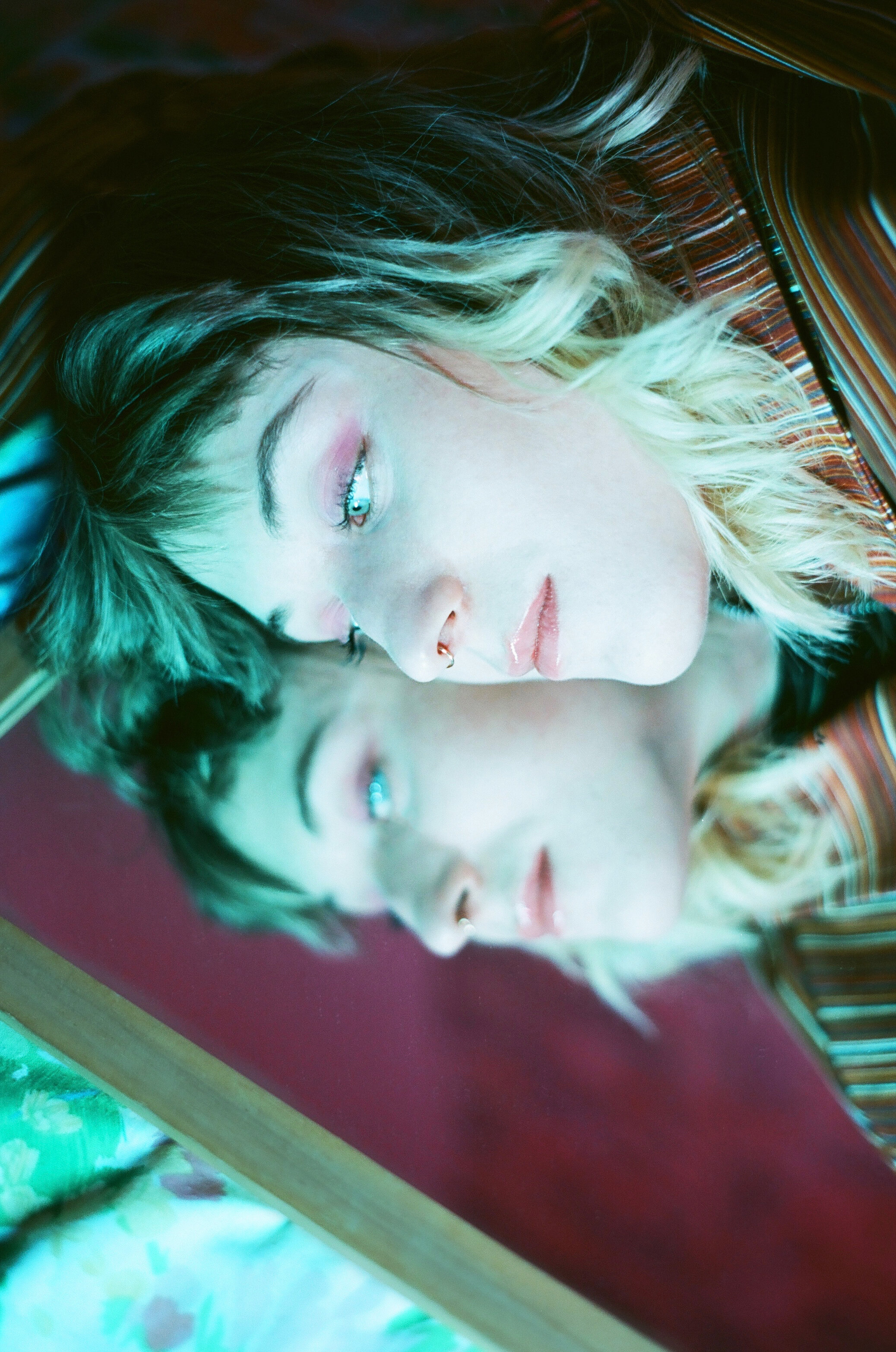
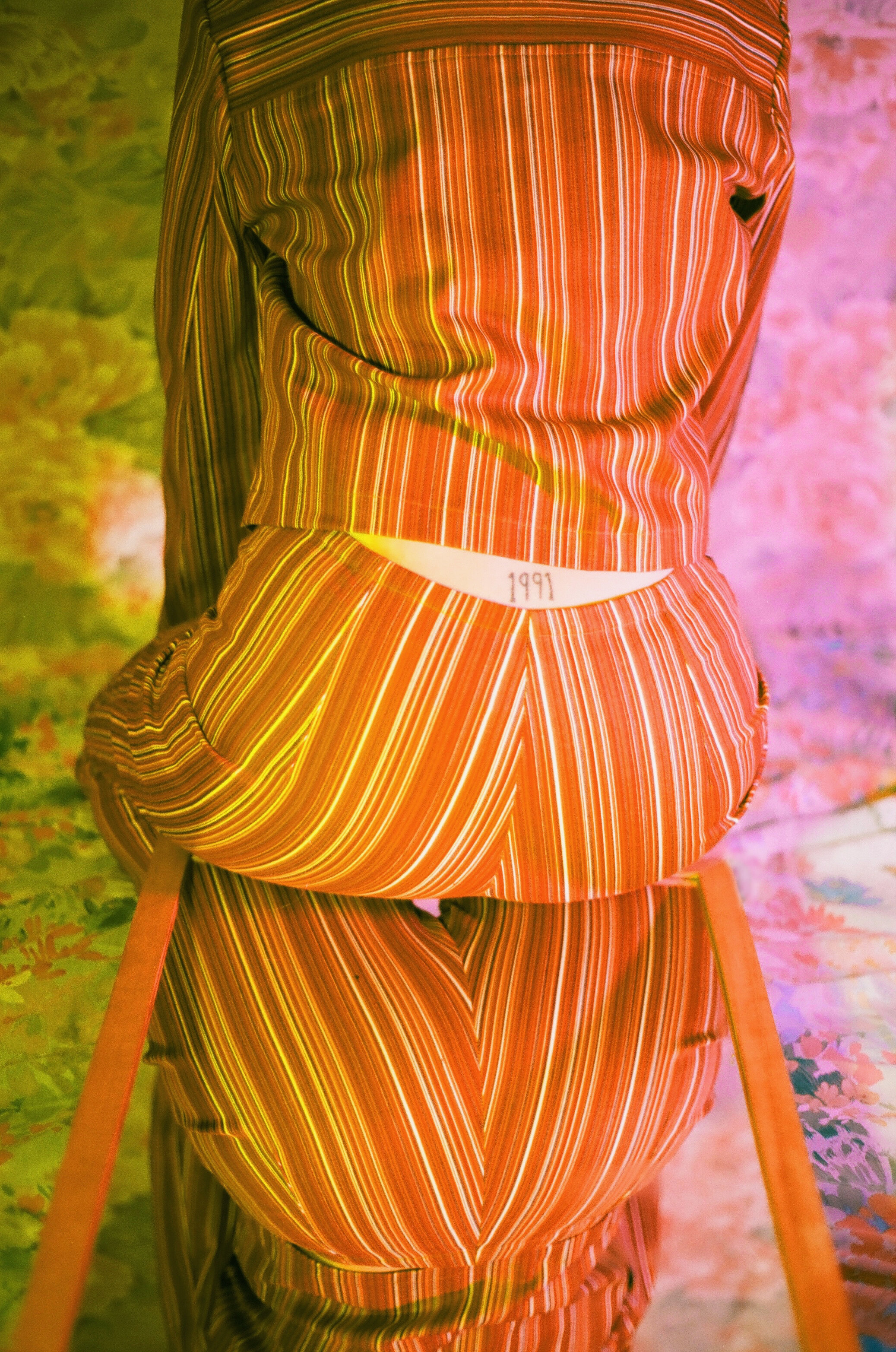
Upcoming gigs:
Montreal: Igloofest, Jan 18 (20h00-21h30)
Montreal: Brasserie Beaubien, Jan 31
Montreal: Poubelle Magnifique, Feb 7
Glasgow: Le Cheetah, Feb 13
London: MOT, Feb 14
Berlin: about:blank, Feb 23
Dublin: Izakaya, Feb 29
Regularfantasy
Soundcloud I Bandcamp I Spotify I IG
Photo, Hair, and Art Direction by Ariana Molly
Ariana Molly has been striving to capture the feelings with no name in her short films, 35mm photographs, and music since she could identify her pulse.
Maya Hassa
Maya is a music journalist from Chicago who fell head-over-heels in love with Montreal’s unique DIY culture. She works to promote underrepresented and underground artists through her writing.
Related Articles